
1. Search Result
Search Result
Results for "

RAGE

" in MedChemExpress (MCE) Product Catalog:

40

Inhibitors & Agonists

5

Biochemical Assay Reagents

2

Peptides

1

Inhibitory Antibodies

11

Natural
Products

7

Recombinant Proteins

4

Isotope-Labeled Compounds

6

Antibodies

6

Oligonucleotides

Cat. No. Product Name Target Research Areas Chemical Structure
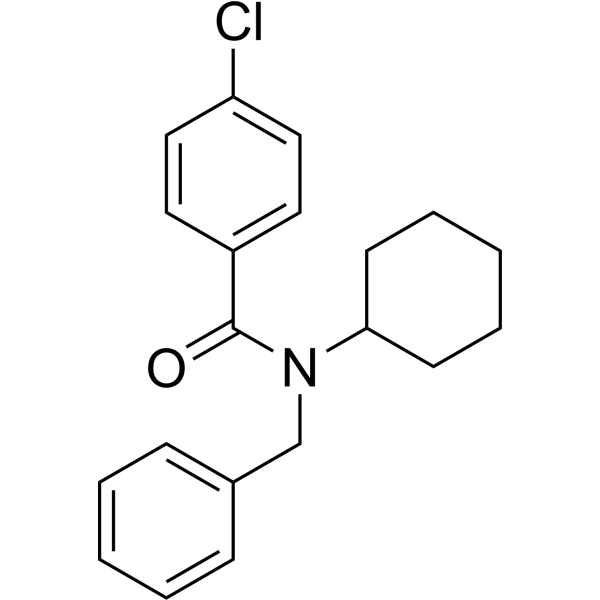
  • HY-19370
    FPS-ZM1
    Maximum Cited Publications
    63 Publications Verification

    Amyloid-β Neurological Disease
    FPS-ZM1 is a high-affinity and BBB-permeable RAGE inhibitor with a Ki of 25 nM.
    FPS-ZM1
  • HY-141537
    ABR-238901
    5 Publications Verification

    Toll-like Receptor (TLR) Inflammation/Immunology
    ABR-238901 is an orally active and potent S100A8/A9 blocker and inhibits S100A8/A9 interaction with its receptors RAGE (receptor for advanced glycation endproducts) and TLR4 (toll-like receptor 4). ABR-238901 has the potential for myocardial infarction (MI) research .
    ABR-238901
  • HY-50682
    Azeliragon
    10+ Cited Publications

    TTP488; PF-04494700

    Amyloid-β Neurological Disease Cancer
    Azeliragon (TTP488) is an orally bioavailable inhibitor of the receptor for advanced glycation end products (RAGE) in development as a potential treatment to slow disease progression with mild Alzheimer’s disease (AD) . Azeliragon also can cross the blood-brain barrier (BBB) .
    Azeliragon
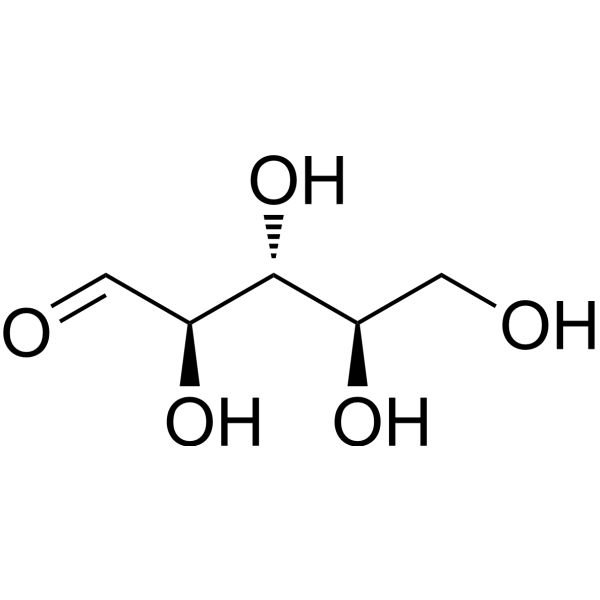
  • HY-W018772
    D-Ribose(mixture of isomers)
    5 Publications Verification

    Endogenous Metabolite Inflammation/Immunology Cancer
    D-Ribose(mixture of isomers) is an energy enhancer, and acts as a sugar moiety of ATP, and widely used as a metabolic therapy supplement for chronic fatigue syndrome or cardiac energy metabolism. D-Ribose(mixture of isomers) is active in protein glycation, induces NF-κB inflammation in a RAGE-dependent manner .
    D-Ribose(mixture of isomers)
  • HY-133708
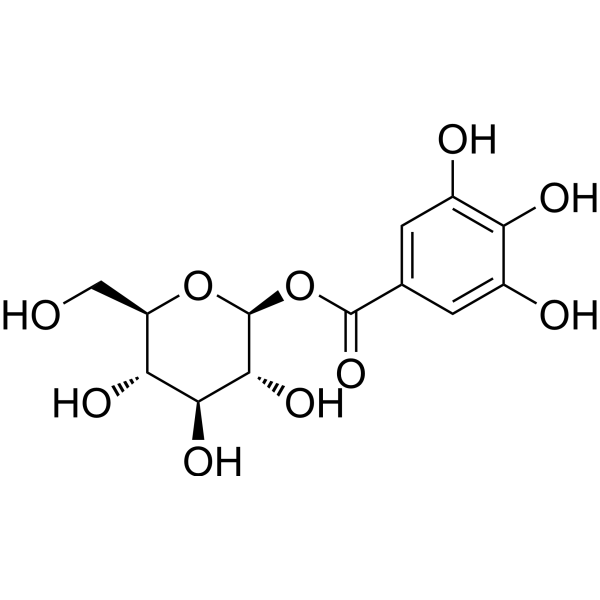
    β-Glucogallin
    1 Publications Verification

    Glucogallin; 1-O-Galloyl-β-D-glucose

    Aldose Reductase Reactive Oxygen Species (ROS) NF-κB PDGFR SOD Neurological Disease Metabolic Disease
    β-Glucogallin is an orally active and selective aldose reductase (AKR1B1) inhibitor with an IC50 value of 58 μM when using Glyceraldehyde (HY-128748) as AKR1B1 substrate. β-Glucogallin reduces ROS, PDGF, RAGE, and NF-κB. β-Glucogallin increases SOD. β-Glucogallin has antioxidant and hepatoprotective effects. β-Glucogallin can be used in retinal research .
    β-Glucogallin
  • HY-W286743
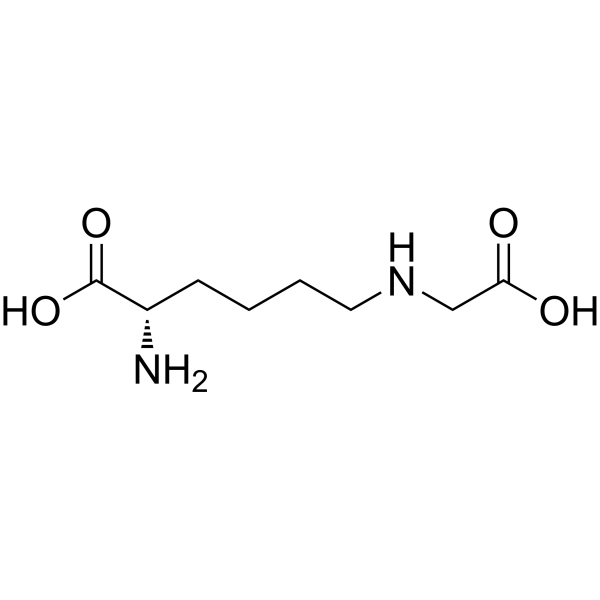
    Nε-(Carboxymethyl)-L-lysine
    1 Publications Verification

    CML; N6-(Carboxymethyl)-L-lysine; Nε-(1-Carboxymethyl)-L-lysine

    Polo-like Kinase (PLK) ERK NF-κB Cancer
    Nε-(Carboxymethyl)-L-lysine (CML) is an orally active advanced glycation end product. Nε-(Carboxymethyl)-L-lysine upregulates the expression of PLK1 and CEP20, and induces the activation of RAGE and ERK/NFκB. Nε-(Carboxymethyl)-L-lysine drives centrosome amplification. Nε-(Carboxymethyl)-L-lysine induces malignant transformation of hepatocytes and promotes the development of hepatocellular carcinoma. Nε-(Carboxymethyl)-L-lysine induces epithelial-mesenchymal transition in osteosarcoma cells and enhances their migration and invasion properties .
    Nε-(Carboxymethyl)-L-lysine
  • HY-N9914

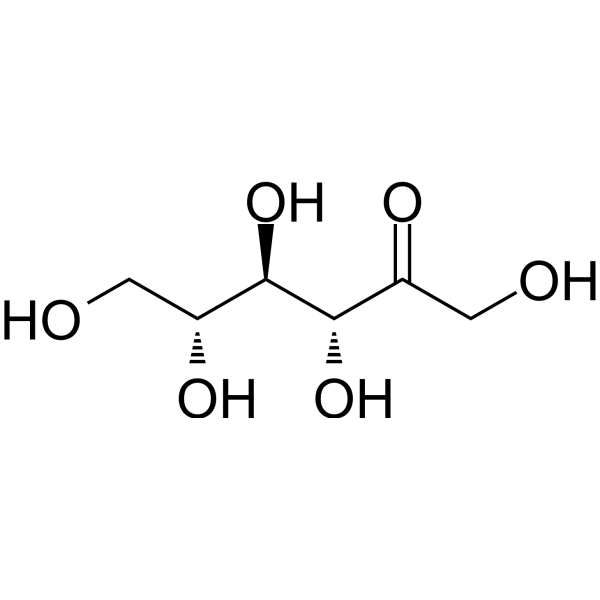
    D-Allulose

    p38 MAPK NF-κB Metabolic Disease
    D-psicose is an orally active rare sugar. D-psicose inhibits p38-MAPK phosphorylation and MCP-1 expression. D-psicose inhibits the AGEs/RAGE/NF-κB pathway. D-psicose protects pancreatic β-islets, improves hyperglycemia and high-fat diet-induced non-alcoholic fatty liver disease .
    D-Psicose
  • HY-P2268
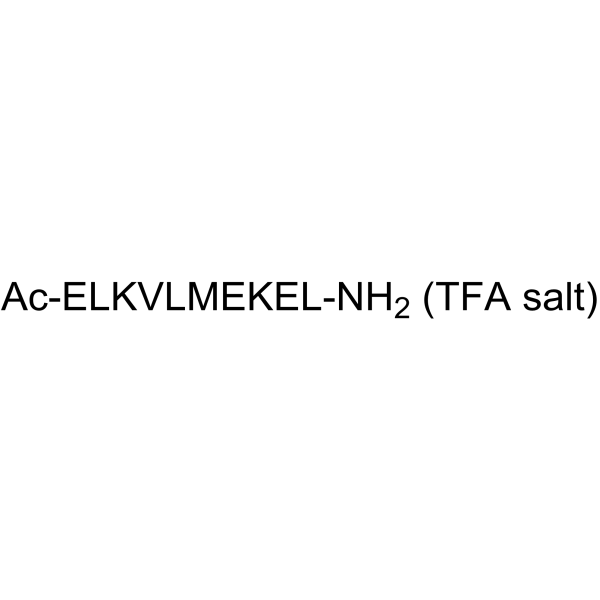
    RAGE antagonist peptide
    4 Publications Verification

    Amyloid-β Inflammation/Immunology Cancer
    RAGE antagonist peptide is an advanced glycation end products (RAGE) antagonist. RAGE antagonist peptide prevents RAGE from binding with several of its most important ligands, including HMGB-1, S100P, and S100A4. RAGE antagonist peptide (RAP) possesses anti-tumor and anti-inflammatory activities .
    RAGE antagonist peptide
  • HY-NP165

    AGEs

    Biochemical Assay Reagents Cardiovascular Disease Metabolic Disease Inflammation/Immunology
    Advanced glycation end products (AGEs) are a series of stable compounds generated through non-enzymatic reactions between reducing sugars and proteins, lipids, or nucleic acids. Advanced glycation end products are often used as targets to evaluate the inhibitory effects of anti-glycation compounds. Advanced glycation end products can be applied to research on diabetes, cardiovascular and cerebrovascular diseases, inflammation, aging, and other conditions .
    Advanced glycation end products
  • HY-N3097

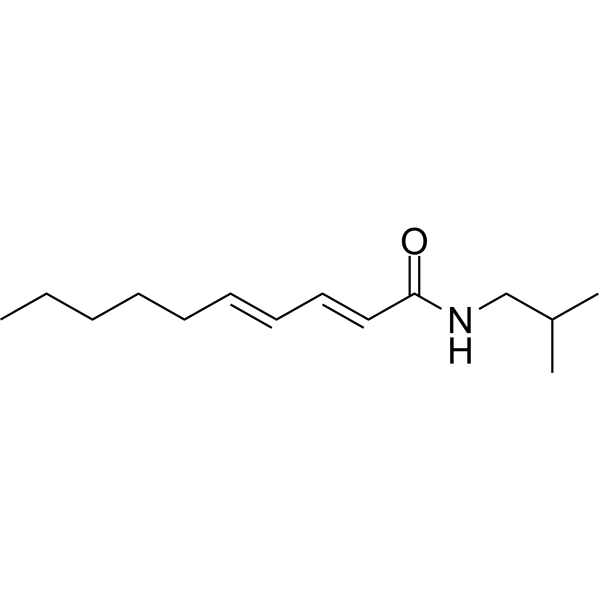
    TRP Channel Amyloid-β Toll-like Receptor (TLR) Keap1-Nrf2 Heme Oxygenase (HO) Dihydroorotate Dehydrogenase Ferroptosis PAI-1 NF-κB ERK Proton Pump Glutathione Peroxidase Thrombin Insecticide Bacterial Infection Cardiovascular Disease Neurological Disease Inflammation/Immunology Cancer
    Pellitorine is a bioactive natural amide compound. Pellitorine can competitively antagonize the activation of TRPV1 by Capsaicin (HY-10448), thereby reducing pain signal transmission. Pellitorine improves cognitive dysfunction by upregulating the BDNF-ERK1/2-CREB and Nrf2-HO-1 pathways. Pellitorine exerts anti-inflammatory and anti-sepsis effects by inhibiting the release of high mobility group protein B1 (HMGB1) and the expression of RAGE/TLR4. Pellitorine exerts its antithrombotic effect by prolonging the clotting time, inhibiting the activity of clotting factors and thrombin. Pellitorine inhibits lipid peroxidation and resists ferroptosis by upregulating GPX4 and DHODH. Pellitorine kills Aedes aegypti mosquito larvae by inhibiting V-type H⁺-ATPase and aquaporin 4 (AaAQP4). Pellitorine exhibits anti-cancer activity (e.g., leukemia and breast cancer) and has inhibitory effects on certain bacteria .
    Pellitorine
  • HY-P2268A
    RAGE antagonist peptide TFA
    4 Publications Verification

    Amyloid-β Inflammation/Immunology Cancer
    RAGE antagonist peptide TFA is an advanced glycation end products (RAGE) antagonist. RAGE antagonist peptide TFA prevents RAGE from binding with several of its most important ligands, including HMGB-1, S100P, and S100A4. RAGE antagonist peptide TFA possesses anti-tumor and anti-inflammatory activities .
    RAGE antagonist peptide TFA
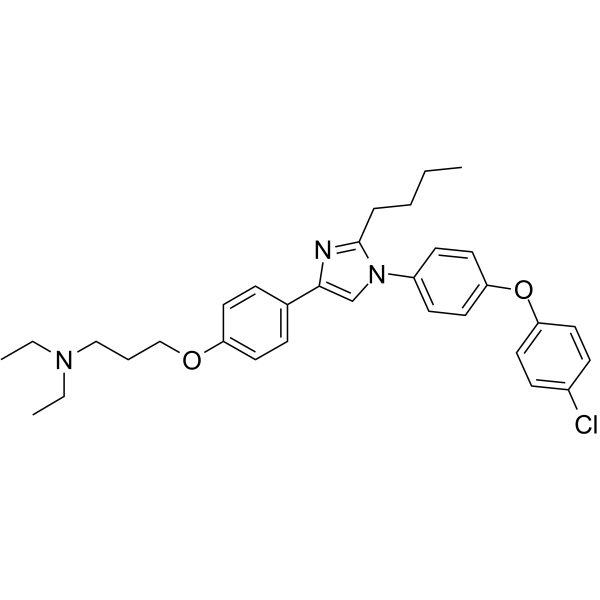
  • HY-147329

    Transmembrane Glycoprotein Metabolic Disease
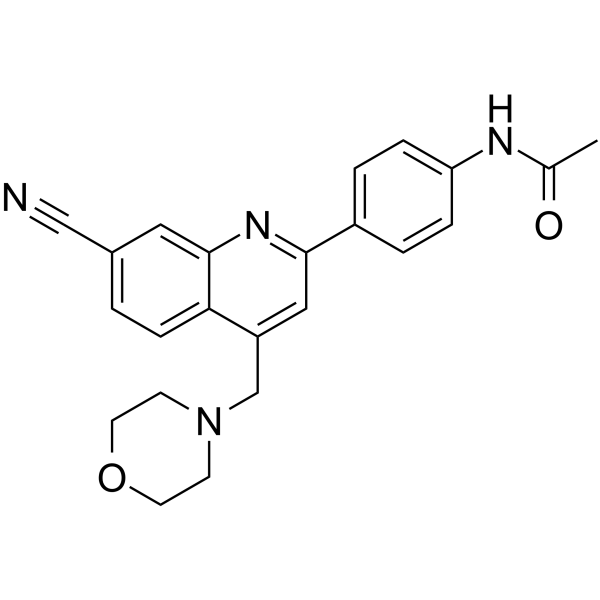
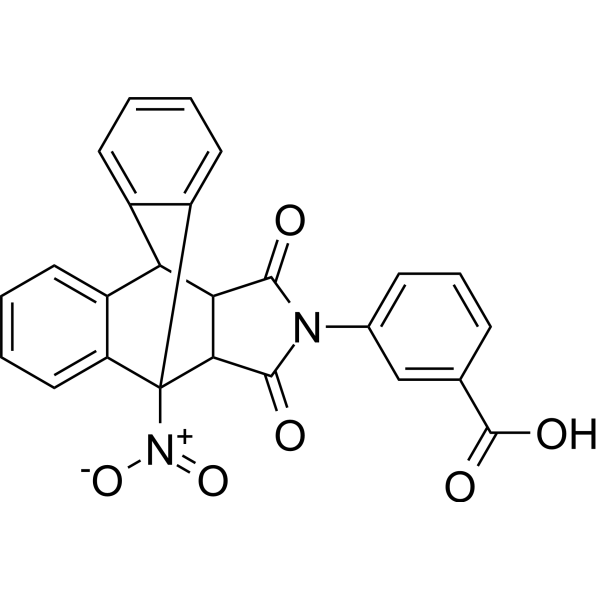
    RAGE 229 is an orally active ctRAGE-DIAPH1 inhibitor. RAGE 229 can inhibit the intracellular RAGE signaling by inhibiting the interaction between the cytoplasmic tail of RAGE(ctRAGE) and Diaphanous-1(DIAPH1) .
    RAGE 229
  • HY-N0442

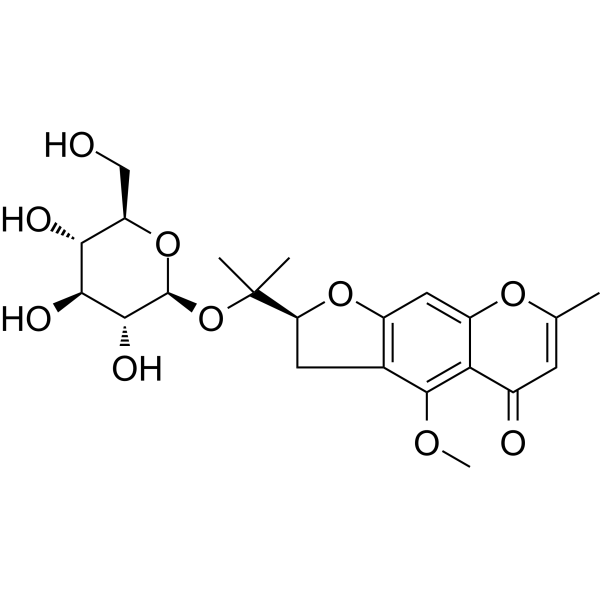
    4'-O-β-D-Glucosyl-5-O-methylvisamminol

    NF-κB p38 MAPK JNK Src TNF Receptor NOD-like Receptor (NLR) Amyloid-β MEK ERK Ferroptosis VEGFR Anaplastic lymphoma kinase (ALK) Reactive Oxygen Species (ROS) Neurological Disease Metabolic Disease Inflammation/Immunology Cancer
    5-O-Methylvisammioside (4'-O-β-D-Glucosyl-5-O-methylvisamminol) is an orally active natural chromone glycoside and multiple biological activities. 5-O-Methylvisammioside inhibits ferroptosis by activating the Nrf2/HO-1 signaling axis. 5-O-Methylvisammioside alleviates intestinal barrier damage by inhibiting the ROS/NF-κB/NLRP3 pathway. 5-O-Methylvisammioside exerts a protective effect against acute liver injury by reducing ALT/AST, decreasing inflammatory infiltration, and inhibiting IκB-α phosphorylation and NF-κB nuclear translocation. 5-O-Methylvisammioside blocks the HMGB1/RAGE/MEK/ERK signaling axis to exert anti-tumor and anti-angiogenic effects. 5-O-Methylvisammioside improves depression-like behaviors by inhibiting Src kinase and the NF-κB pathway .
    5-O-Methylvisammioside
  • HY-N2485
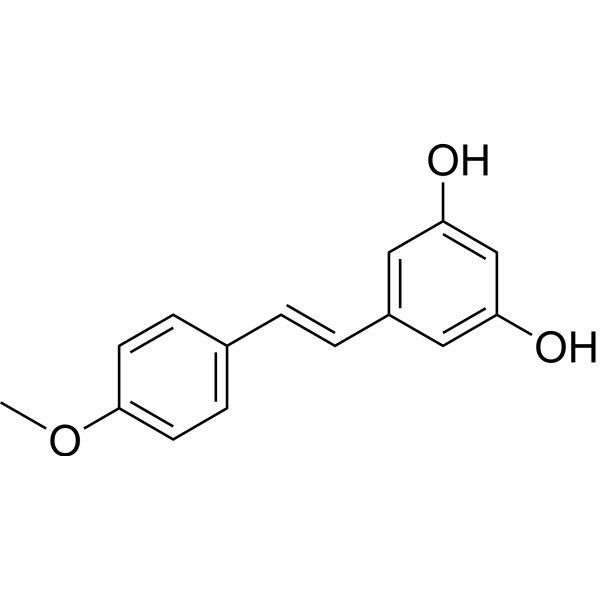
    4'-Methoxyresveratrol
    1 Publications Verification

    4'-O-Methylresveratrol

    NF-κB NOD-like Receptor (NLR) Inflammation/Immunology
    4'-Methoxyresveratrol (4'-O-Methylresveratrol) is a polyphenol derived from Dipterocarpaceae, with antiandrogenic, antifungal and anti-inflammatory activities. 4'-Methoxyresveratrol alleviates AGE-induced inflammation through suppressing RAGE-mediated MAPK/NF-κB signaling pathway and NLRP3 inflammasome activation .
    4'-Methoxyresveratrol
  • HY-P990328

    XT-M4

    Transmembrane Glycoprotein Inflammation/Immunology
    Anti-AGER/RAGE Antibody (XT-M4) is a humanized antibody expressed in CHO cells, targeting AGER/RAGE. Anti-AGER/RAGE Antibody (XT-M4) contains a huIgG1 heavy chain and a huκ light chain, with a predicted molecular weight (MW) of 150 kDa. The isotype control for Anti-AGER/RAGE Antibody (XT-M4) can be referenced as Human IgG1 kappa, Isotype Control (HY-P99001).
    Anti-AGER/RAGE Antibody (XT-M4)
  • HY-W018772S15

    Endogenous Metabolite Inflammation/Immunology
    D-Ribose(mixture of isomers)- 13C5 isomers)- 13C5 is the 13C labeled D-Ribose(mixture of isomers) . D-Ribose(mixture of isomers) is an energy enhancer, and acts as a sugar moiety of ATP, and widely used as a metabolic therapy supplement for chronic fatigue syndrome or cardiac energy metabolism. D-Ribose(mixture of isomers) is active in protein glycation, induces NF-κB inflammation in a RAGE-dependent manner .
    D-Ribose(mixture of isomers)-13C5
  • HY-N9914R

    D-Allulose (Standard)

    Reference Standards p38 MAPK NF-κB Metabolic Disease
    D-Psicose (Standard) is the analytical standard of D-Psicose (HY-N9914). This product is intended for research and analytical applications. D-psicose is an orally active rare sugar. D-psicose inhibits p38-MAPK phosphorylation and MCP-1 expression. D-psicose inhibits the AGEs/RAGE/NF-κB pathway. D-psicose protects pancreatic β-islets, improves hyperglycemia and high-fat diet-induced non-alcoholic fatty liver disease .
    D-Psicose (Standard)
  • HY-W585874

    EAAT Apoptosis Neurological Disease Metabolic Disease
    Nε-(Carboxyethyl) lysine is an advanced glycation end product (AGE). Nε-(Carboxyethyl) lysine induces cross-linking between proteins, thereby affecting protein structure and function and causing protein denaturation. Nε-(Carboxyethyl) lysine binds to the RAGE receptor, affects cell signal transduction, and regulates processes such as inflammatory responses, cell proliferation, and apoptosis. Nε-(Carboxyethyl) lysine affects glutamate transporters, reduces glutamate uptake and S100β protein secretion, influences neurotransmission in the nervous system, and exhibits diabetes-related neurotoxicity .
    Nε-(Carboxyethyl)lysine
  • HY-W018772R

    Reference Standards Endogenous Metabolite Inflammation/Immunology Cancer
    D-Ribose(mixture of isomers) (Standard) is the analytical standard of D-Ribose(mixture of isomers). This product is intended for research and analytical applications. D-Ribose(mixture of isomers) is an energy enhancer, and acts as a sugar moiety of ATP, and widely used as a metabolic therapy supplement for chronic fatigue syndrome or cardiac energy metabolism. D-Ribose(mixture of isomers) is active in protein glycation, induces NF-κB inflammation in a RAGE-dependent manner .
    D-Ribose(mixture of isomers) (Standard)
  • HY-178926

    CCR TNF Receptor Interleukin Related Metabolic Disease Inflammation/Immunology Endocrinology
    RAGE406R is an orally active RAGE-DIAPH1 interaction antagonist. RAGE406R can bind to ctRAGE and prevent the formation of the RAGE-DIAPH1 complex and inhibit its interaction. RAGE406R can reduce the expression of CCL2, TNF, and IL-6 in THP1 cells. RAGE406R suppresses delayed-type hypersensitivity in T2D mice. RAGE406R can be used for the study of diabetes .
    RAGE406R
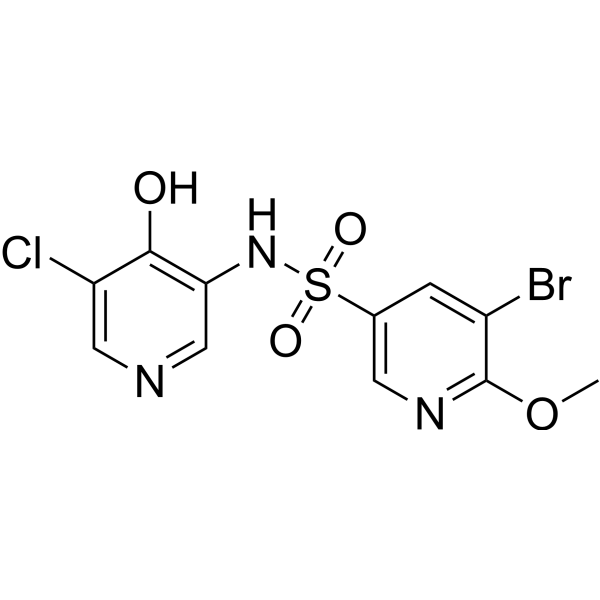
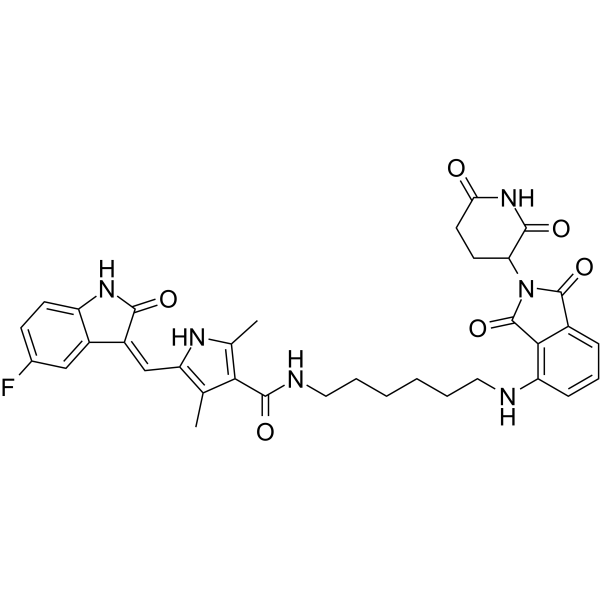
  • HY-146619

    Amyloid-β Serotonin Transporter Neurological Disease
    RAGE/SERT-IN-1 is a potent and orally active advanced glycation end products (RAGE) and serotonin transporter (SERT) inhibitor with IC50s of 8.26 μM and 31.09 nM, respectively. RAGE/SERT-IN-1 exhibits significant neuroprotective effect against Aβ25-35-induced neuronal damage and alleviates depressive behavior of mice. RAGE/SERT-IN-1 can be used for researching the comorbidity of Alzheimer's disease and depression .
    RAGE/SERT-IN-1
  • HY-RS17216

    Small Interfering RNA (siRNA) Others

    Ager Mouse Pre-designed siRNA Set A contains three designed siRNAs for Ager gene (Mouse), as well as a negative control, a positive control, and a FAM-labeled negative control.

    Ager Mouse Pre-designed siRNA Set A
    Ager Mouse Pre-designed siRNA Set A
  • HY-50682S

    TTP488-d9; PF-04494700-d9

    Isotope-Labeled Compounds Amyloid-β Neurological Disease Endocrinology
    Azeliragon-d9 (TTP488-d9) is the deuterium labeled Azeliragon (HY-50682). Azeliragon (TTP488) is an orally bioavailable inhibitor of the receptor for advanced glycation end products (RAGE) in development as a potential treatment to slow disease progression with mild Alzheimer’s disease (AD) . Azeliragon also can cross the blood-brain barrier (BBB) .
    Azeliragon-d9
  • HY-W001288

    NF-κB Metabolic Disease
    Indole-4-carboxaldehyde is an ergot alkaloid precursor. Indole-4-carboxaldehyde attenuates the methylglyoxal (MGO)-induced expression of inflammatory-related genes, such asTNF-α and IFN-γ by activating NF-κB without toxicity in HepG2 cells. Indole-4-carboxaldehyde reduces the MGO-induced AGE formation and the expression of the receptor for AGE (RAGE). Indole-4-carboxaldehyde can be used for the study of hepatic steatosis .
    Indole-4-carboxaldehyde
  • HY-19421

    Bacterial Inflammation/Immunology
    Orazamide is an AICA orotate. Orazamide can prevent anti-TB drug-induced liver damage by downregulating the protein expression of HMGB 1 and RAGE in liver tissue and inhibiting the secretion of inflammatory factors. Orazamide can be used in research on hepatitis and liver cirrhosis .
    Orazamide
  • HY-RS23668

    Small Interfering RNA (siRNA) Others

    Ager Rat Pre-designed siRNA Set A contains three designed siRNAs for Ager gene (Rat), as well as a negative control, a positive control, and a FAM-labeled negative control.

    Ager Rat Pre-designed siRNA Set A
    Ager Rat Pre-designed siRNA Set A
  • HY-175841

    Tau Protein p38 MAPK NF-κB Apoptosis Bcl-2 Family ERK JNK Neurological Disease
    Tau Protein Phosphorylation-IN-1 is a tau protein phosphorylation inhibitor that potently protects PC12 cells against Aβ25–35-induced cytotoxicity (EC50 = 1.93 μM), and can penetrate the blood-brain barrier (BBB).Tau Protein Phosphorylation-IN-1 reverses the hyperphosphorylation of tau, significantly inhibits the expression of certain immune-related cytotoxic factors, suppresses the MAPK and NF-κB signaling pathways, and significantly inhibits the expression of RAGE and the apoptosis factors Bax/Bcl-2, both in vitro and in vivo. Tau Protein Phosphorylation-IN-1 relieves nerve damage, and improves learning and memory in an Alzheimer’s disease (AD) mouse model. Tau Protein Phosphorylation-IN-1 can be used for AD research .
    Tau Protein Phosphorylation-IN-1
  • HY-RS00444

    Small Interfering RNA (siRNA) Others

    AGER Human Pre-designed siRNA Set A contains three designed siRNAs for AGER gene (Human), as well as a negative control, a positive control, and a FAM-labeled negative control.

    AGER Human Pre-designed siRNA Set A
    AGER Human Pre-designed siRNA Set A
  • HY-RS08586

    Small Interfering RNA (siRNA) Others

    MOK Human Pre-designed siRNA Set A contains three designed siRNAs for MOK gene (Human), as well as a negative control, a positive control, and a FAM-labeled negative control.

    MOK Human Pre-designed siRNA Set A
    MOK Human Pre-designed siRNA Set A
  • HY-50682A

    TTP488 dihydrochloride; PF-04494700 dihydrochloride

    Amyloid-β Neurological Disease Cancer
    Azeliragon dihydrochloride (TTP488) is an orally bioavailable inhibitor of the receptor for advanced glycation end products (RAGE) in development as a potential treatment to slow disease progression with mild Alzheimer’s disease (AD) . Azeliragon dihydrochloride also can cross the blood-brain barrier (BBB) .
    Azeliragon dihydrochloride
  • HY-50682R

    TTP488 (Standard); PF-04494700 (Standard)

    Amyloid-β Reference Standards Neurological Disease Cancer
    Azeliragon (Standard) is the analytical standard of Azeliragon. This product is intended for research and analytical applications. Azeliragon (TTP488) is an orally bioavailable inhibitor of the receptor for advanced glycation end products (RAGE) in development as a potential treatment to slow disease progression with mild Alzheimer’s disease (AD) . Azeliragon also can cross the blood-brain barrier (BBB) .
    Azeliragon (Standard)
  • HY-N2485R

    4'-O-Methylresveratrol (Standard)

    Reference Standards NF-κB NOD-like Receptor (NLR) Inflammation/Immunology
    4'-Methoxyresveratrol (Standard) is the analytical standard of 4'-Methoxyresveratrol. This product is intended for research and analytical applications. 4'-Methoxyresveratrol (4'-O-Methylresveratrol) is a polyphenol derived from Dipterocarpaceae, with antiandrogenic, antifungal and anti-inflammatory activities. 4'-Methoxyresveratrol alleviates AGE-induced inflammation through suppressing RAGE-mediated MAPK/NF-κB signaling pathway and NLRP3 inflammasome activation .
    4'-Methoxyresveratrol (Standard)
  • HY-W018772S16

    Isotope-Labeled Compounds Inflammation/Immunology
    D-Ribose-1,2- 13C2 is the 13C labled D-Ribose(mixture of isomers) (HY-W018772) . D-Ribose(mixture of isomers) is an energy enhancer,and acts as a sugar moiety of ATP,and widely used as a metabolic therapy supplement for chronic fatigue syndrome or cardiac energy metabolism. D-Ribose(mixture of isomers) is active in protein glycation,induces NF-κB inflammation in a RAGE-dependent manner .
    D-Ribose-1,2-13C2
  • HY-129085

    C5OH

    Drug Derivative Apoptosis NF-κB Cancer
    5-Methyl cromolyn (C5OH) disodium, an analog of Cromolyn (HY-B1619), is a S100P inhibitor. 5-Methyl cromolyn disodium inhibits the binding of S100P to its receptor RAGE, NF-κB activity and cell proliferation, and promotes Gemcitabine (HY-17026)-induced apoptosis. 5-Methyl cromolyn disodium reduces tumor growth and metastasis, and prolongs survival in mouse models of syngeneic PDAC. 5-Methyl cromolyn disodium can be used for pancreatic cancer like pancreatic ductal adenocarcinoma (PDAC) research .
    5-Methyl cromolyn disodium
  • HY-N3097R

    Reference Standards TRP Channel Amyloid-β Toll-like Receptor (TLR) Keap1-Nrf2 Heme Oxygenase (HO) Dihydroorotate Dehydrogenase Ferroptosis PAI-1 NF-κB Proton Pump Glutathione Peroxidase Thrombin Insecticide Bacterial Infection Cardiovascular Disease Neurological Disease Inflammation/Immunology Cancer
    Pellitorine (Standard) is the analytical standard of Pellitorine (HY-N3097). Pellitorine is a bioactive natural amide compound. Pellitorine can competitively antagonize the activation of TRPV1 by Capsaicin (HY-10448), thereby reducing pain signal transmission. Pellitorine improves cognitive dysfunction by upregulating the BDNF-ERK1/2-CREB and Nrf2-HO-1 pathways. Pellitorine exerts anti-inflammatory and anti-sepsis effects by inhibiting the release of high mobility group protein B1 (HMGB1) and the expression of RAGE/TLR4. Pellitorine exerts its antithrombotic effect by prolonging the clotting time, inhibiting the activity of clotting factors and thrombin. Pellitorine inhibits lipid peroxidation and resists ferroptosis by upregulating GPX4 and DHODH. Pellitorine kills Aedes aegypti mosquito larvae by inhibiting V-type H⁺-ATPase and aquaporin 4 (AaAQP4). Pellitorine exhibits anti-cancer activity (e.g., leukemia and breast cancer) and has inhibitory effects on certain bacteria.
    Pellitorine (Standard)
  • HY-N0442R

    4'-O-β-D-Glucosyl-5-O-methylvisamminol (Standard)

    Reference Standards p38 MAPK Reactive Oxygen Species (ROS) TNF Receptor MEK ERK VEGFR Src Amyloid-β Anaplastic lymphoma kinase (ALK) NF-κB NOD-like Receptor (NLR) JNK Ferroptosis Neurological Disease Metabolic Disease Inflammation/Immunology Cancer
    5-O-Methylvisammioside (4'-O-β-D-Glucosyl-5-O-methylvisamminol) (Standard) is the analytical standard of 5-O-Methylvisammioside. This product is intended for research and analytical applications. 5-O-Methylvisammioside is an orally active natural chromone glycoside and multiple biological activities. 5-O-Methylvisammioside inhibits ferroptosis by activating the Nrf2/HO-1 signaling axis. 5-O-Methylvisammioside alleviates intestinal barrier damage by inhibiting the ROS/NF-κB/NLRP3 pathway. 5-O-Methylvisammioside exerts a protective effect against acute liver injury by reducing ALT/AST, decreasing inflammatory infiltration, and inhibiting IκB-α phosphorylation and NF-κB nuclear translocation. 5-O-Methylvisammioside blocks the HMGB1/RAGE/MEK/ERK signaling axis to exert anti-tumor and anti-angiogenic effects. 5-O-Methylvisammioside improves depression-like behaviors by inhibiting Src kinase and the NF-κB pathway.
    5-O-Methylvisammioside (Standard)
  • HY-RS23349

    Small Interfering RNA (siRNA) Others

    Mok Rat Pre-designed siRNA Set A contains three designed siRNAs for Mok gene (Rat), as well as a negative control, a positive control, and a FAM-labeled negative control.

    Mok Rat Pre-designed siRNA Set A
    Mok Rat Pre-designed siRNA Set A
  • HY-RS16907

    Small Interfering RNA (siRNA) Others

    Mok Mouse Pre-designed siRNA Set A contains three designed siRNAs for Mok gene (Mouse), as well as a negative control, a positive control, and a FAM-labeled negative control.

    Mok Mouse Pre-designed siRNA Set A
    Mok Mouse Pre-designed siRNA Set A
  • HY-156049

    Amyloid-β Metabolic Disease
    MG-H1 is a receptor of advanced glycation end products (RAGE) ligand with a Kd of 4.12 nM. MG-H1 can bind to human umbilical vein endothelial cell. MG-H1 can be used for research of diabetes .
    MG-H1
  • HY-W001288S

    Isotope-Labeled Compounds NF-κB Metabolic Disease
    Indole-4-carboxaldehyde- 13C is the 13C-labeled Indole-4-carboxaldehyde (HY-W001288). Indole-4-carboxaldehyde is an ergot alkaloid precursor. Indole-4-carboxaldehyde attenuates the methylglyoxal (MGO)-induced expression of inflammatory-related genes, such asTNF-α and IFN-γ by activating NF-κB without toxicity in HepG2 cells. Indole-4-carboxaldehyde reduces the MGO-induced AGE formation and the expression of the receptor for AGE (RAGE). Indole-4-carboxaldehyde can be used for the study of hepatic steatosis .
    Indole-4-carboxaldehyde-13C

Inquiry Online

Your information is safe with us. * Required Fields.

Salutation


Country or Region *

Applicant Name *


Organization Name *

Department *


Email Address *


Product Name *

Cat. No.


Requested quantity *

Phone Number *


Remarks

Inquiry Online

Inquiry Information

Product Name:
Cat. No.:
Quantity:
MCE Japan Authorized Agent:

