1. Search Result
Search Result
Results for "

SIRT1-IN-2

" in MedChemExpress (MCE) Product Catalog:

22

Inhibitors & Agonists

6

Natural
Products

1

Isotope-Labeled Compounds

Cat. No. Product Name Target Research Areas Chemical Structure
  • HY-15452
    Selisistat
    Maximum Cited Publications
    292 Publications Verification

    EX-527

    Sirtuin Inflammation/Immunology Cancer
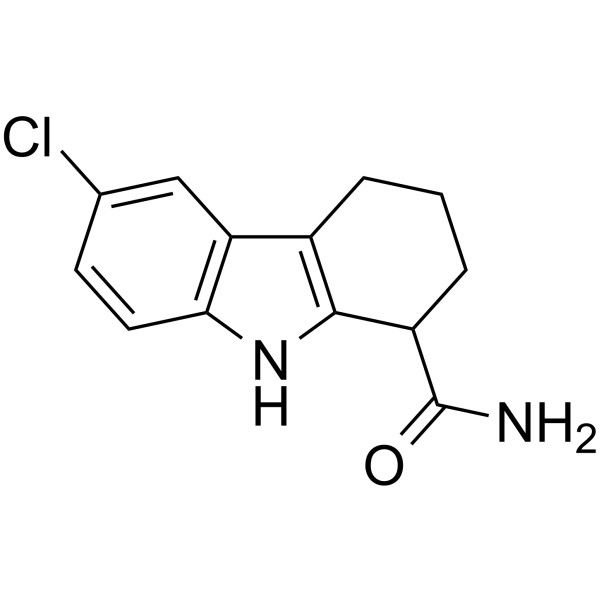
    Selisistat (EX-527) is a potent and selective SirT1 (Sir2 in Drosophila melanogaster) inhibitor with an IC50 of 123 nM for SirT1. Selisistat alleviates pathology in multiple animal and cell models of Huntington's disease .
    Selisistat
  • HY-116152

    Ciprofol; HSK3486

    GABA Receptor Sirtuin Keap1-Nrf2 Apoptosis Cardiovascular Disease Neurological Disease Metabolic Disease Inflammation/Immunology Cancer
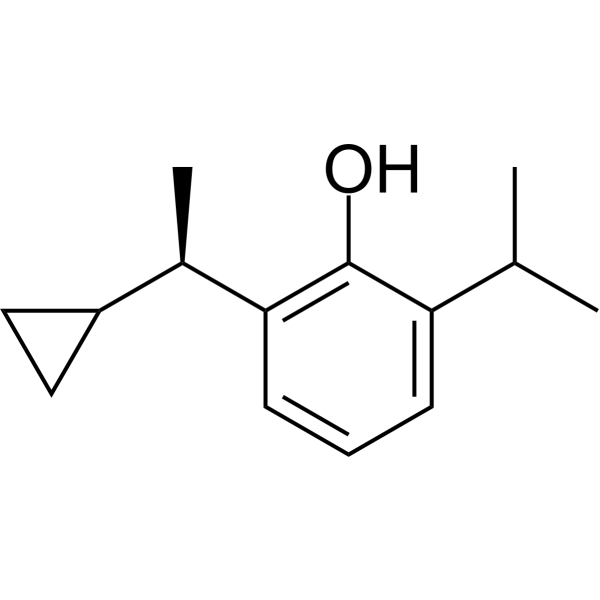
    Cipepofol (Ciprofol), a novel 2,6-disubstituted phenol derivative, is a positive allosteric modulator and direct agonist of the GABAA receptor. Cipepofol can cause the central nerve inhibition and promote sleep based on the structural modification of Propofol (HY-B0649). Cipepofol can activate the sirtuin1 (Sirt1)/Nrf2 pathway. Cipepofol protects the heart against Isoproterenol (ISO; HY-B0468)-induced myocardial infarction by reducing cardiac oxidative stress, inflammatory response and cardiomyocyte apoptosis .
    Cipepofol
  • HY-N0526
    2"-O-Galloylhyperin
    2 Publications Verification

    Sirtuin Keap1-Nrf2 NF-κB ERK p38 MAPK JNK TSH Receptor Reactive Oxygen Species (ROS) SOD Neurological Disease Inflammation/Immunology
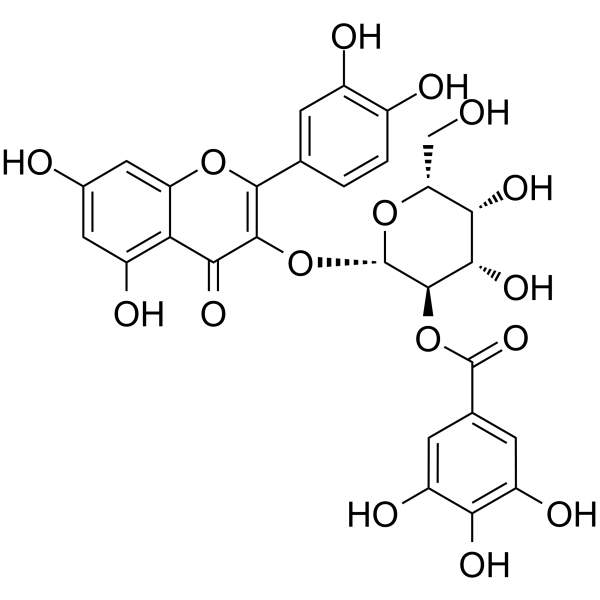
    2''-O-Galloylhyperin is an active natural compound with anti‑inflammatory, antioxidant, anti‑adipogenic, antifibrotic, and cytostatic activities. 2''-O-Galloylhyperin upregulates SIRT1/Nrf2 signaling, inhibits NF-κB and MAPK (ERK1/2, p38, JNK) phosphorylation, suppresses TSHR activation, reduces ROS accumulation, and enhances SOD and GSH-Px activities. 2''-O-Galloylhyperin protects against LPS-induced tissue injury, enhances survival, and inhibits adipogenesis and fibrosis. 2"-O-Galloylhyperin can be used for the research of sepsis, acute lung injury, and thyroid eye disease .
    2
  • HY-15510
    Tenovin-6
    5 Publications Verification

    MDM-2/p53 Dihydroorotate Dehydrogenase Sirtuin Autophagy Cancer
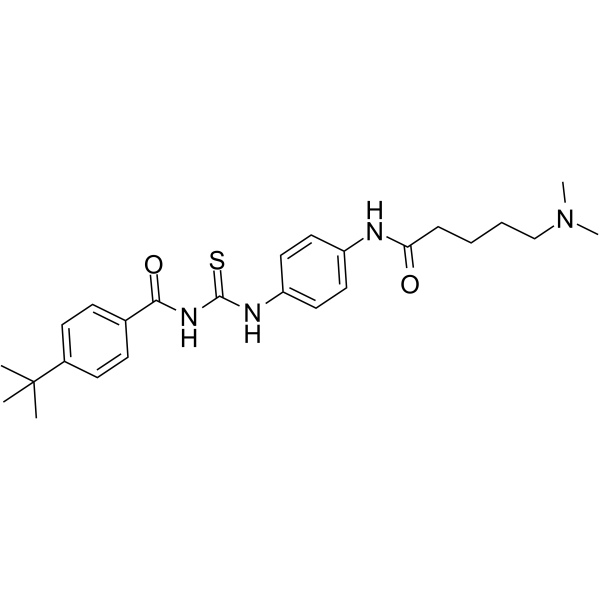
    Tenovin-6, an analog of Tenovin-1 (HY-13423), is an activator of p53 transcriptional activity. Tenovin-6 inhibits the protein deacetylase activities of purified human SIRT1, SIRT2, and SIRT3 with IC50s of 21 μM, 10 μM, and 67 μM, respectively. Tenovin-6 also inhibits dihydroorotate dehydrogenase (DHODH) .
    Tenovin-6
  • HY-N1990
    Gypenoside XLIX
    2 Publications Verification

    PPAR Sirtuin Keap1-Nrf2 Toll-like Receptor (TLR) NF-κB Reactive Oxygen Species (ROS) NOD-like Receptor (NLR) Apoptosis Pyroptosis Autophagy Cardiovascular Disease Neurological Disease Metabolic Disease Inflammation/Immunology
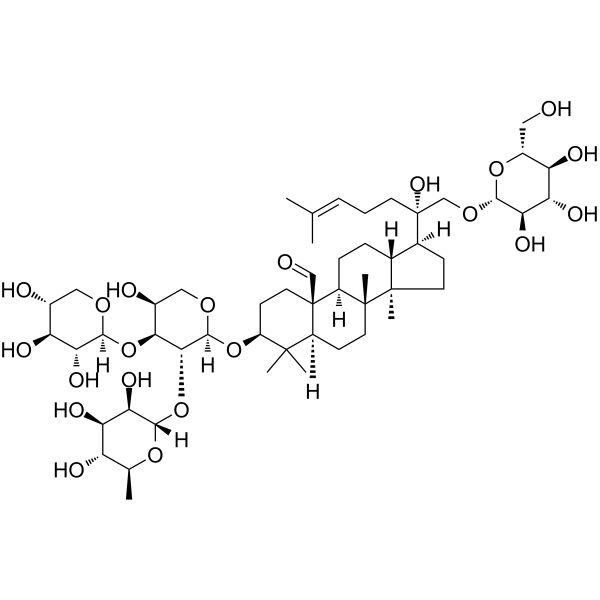
    Gypenoside XLIX is a multifunctional bioactive compound that can be isolated from Gynostemma pentaphyllum, with a Ka value of 1.58 μM for its binding to SIRT1. Gypenoside XLIX acts as a PPAR-α agonist. It inhibits the activation of TLR4-mediated NF-κB signaling pathway by activating the Sirt1/Nrf2 signaling pathway, reduces ROS accumulation, and alleviates hepatic inflammatory injury in mice with sepsis-induced liver disease. Gypenoside XLIX targets SIRT1 to block YAP-NLRP3 activation and improve sepsis-induced cardiomyopathy. Gypenoside XLIX inhibits apoptosis (Apoptosis), pyroptosis (Pyroptosis), autophagy (Autophagy), lipid peroxidation, pro-inflammatory cytokines and anti-inflammatory cytokines. Gypenoside XLIX alleviates sepsis-induced splenic injury by inhibiting inflammation and oxidative stress, and mitigates sepsis-associated encephalopathy by targeting PPAR-α. Gypenoside XLIX prevents acute kidney injury by inhibiting IGFBP7/IGF1R-mediated programmed cell death and inflammation. Gypenoside XLIX inhibits the expression and activity of vascular cell adhesion molecule-1 in cytokine-induced human endothelial cells. Gypenoside XLIX is applicable to research related to acute liver injury, lung injury, cardiomyopathy, acute splenic injury, sepsis-associated encephalopathy, acute kidney injury, atherosclerosis and chronic inflammation .
    Gypenoside XLIX
  • HY-N7675

    NF-κB TGF-beta/Smad Syk Cardiovascular Disease Neurological Disease Metabolic Disease
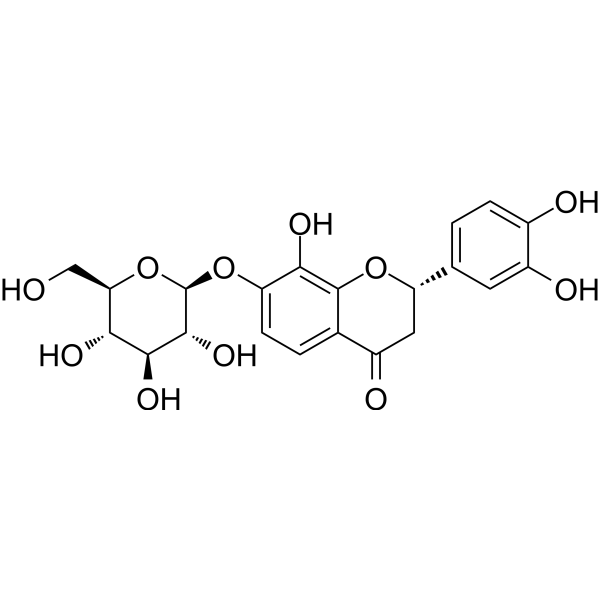
    Flavanomarein is a substance with cytoprotective, anti-inflammatory and antioxidant activities, with a Ka of 3.064e-5 M against human Syk. Flavanomarein enhances the phosphorylation level of AKT, regulates the expression of PKC-δ, P85α, PKC-β1, Sirt1, Bcl-2 and ICAD, and inhibits the nuclear translocation of NF-κB p65. Flavanomarein regulates EMT marker proteins, promotes the proliferation of HK-2 cells, and protects neuronal cells from 6-OHDA-induced neurotoxic damage. Flavanomarein can be used in studies related to Parkinson's disease and diabetic nephropathy.
    Flavanomarein
  • HY-15869
    Inauhzin
    3 Publications Verification

    INZ

    Sirtuin MDM-2/p53 Cancer
    Inauhzin is a dual SirT1/IMPDH2 inhibitor, and acts as an activator p53, used in the research of cancer.
    Inauhzin
  • HY-148712

    Apoptosis Sirtuin Cancer
    SIRT6 activator 12q is potent, selective and orally active SIRT6 activator with IC50 values of 171.20, >200, >200, >200, 0.58 μM for SIRT1, SIRT2, SIRT3, SIRT5, SIRT6, respectively. SIRT6 activator 12q inhibits cell growth and migration. SIRT6 activator 12q induces Apoptosis and cell cycle arrest at G2 phase. SIRT6 activator 12q shows anticancer activity .
    SIRT6 activator 12q
  • HY-146689

    Sirtuin Cancer
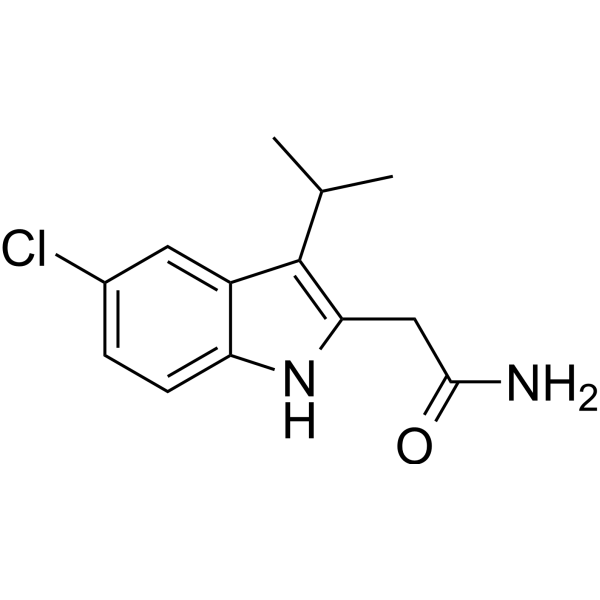
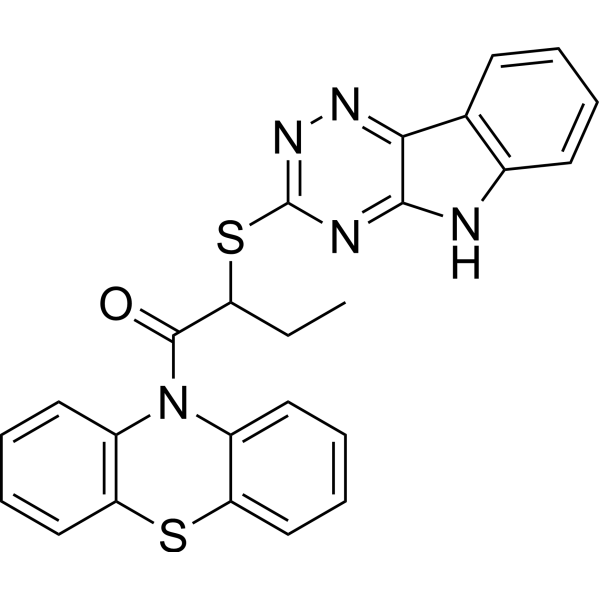
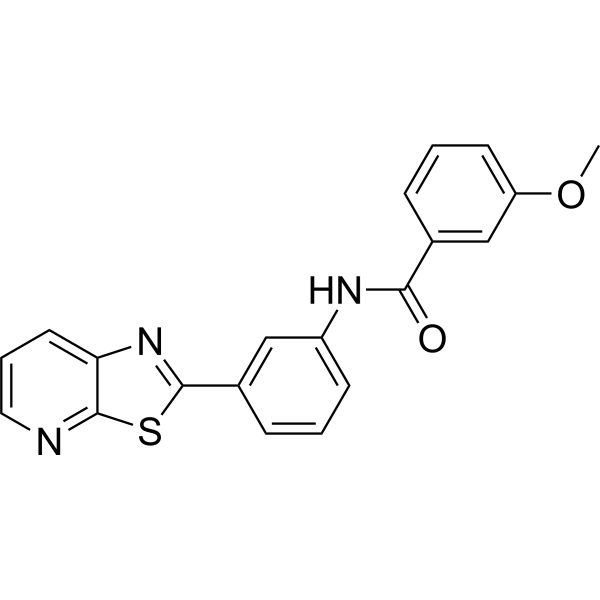
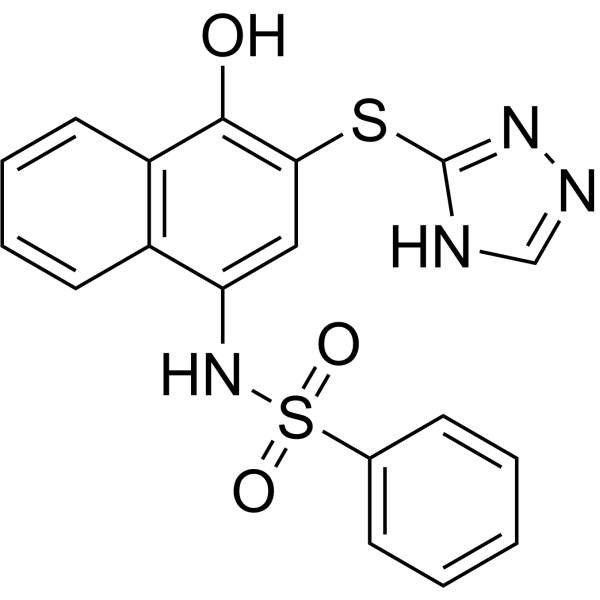
    SIRT1-IN-2 (compound 3h) is a potent and selective SIRT1 (silent information regulator 1) inhibitor, with an IC50 of 1.6 μM .
    SIRT1-IN-2
  • HY-15510B
    Tenovin-6 Hydrochloride
    5 Publications Verification

    MDM-2/p53 Dihydroorotate Dehydrogenase Sirtuin Autophagy Cancer
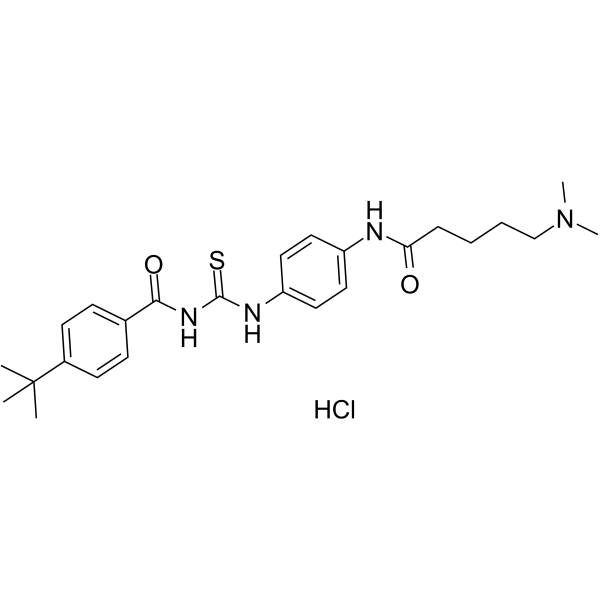
    Tenovin-6 Hydrochloride, an analog of Tenovin-1 (HY-13423), is an activator of p53 transcriptional activity. Tenovin-6 Hydrochloride inhibits the protein deacetylase activities of purified human SIRT1, SIRT2, and SIRT3 with IC50s of 21 μM, 10 μM, and 67 μM, respectively. Tenovin-6 Hydrochloride also inhibits dihydroorotate dehydrogenase (DHODH) .
    Tenovin-6 Hydrochloride
  • HY-N12378

    NF-κB Toll-like Receptor (TLR) PKA Epigenetic Reader Domain Keap1-Nrf2 Sirtuin AMPK Caspase FASTK ERK ROCK Apoptosis Metabolic Disease Inflammation/Immunology Cancer
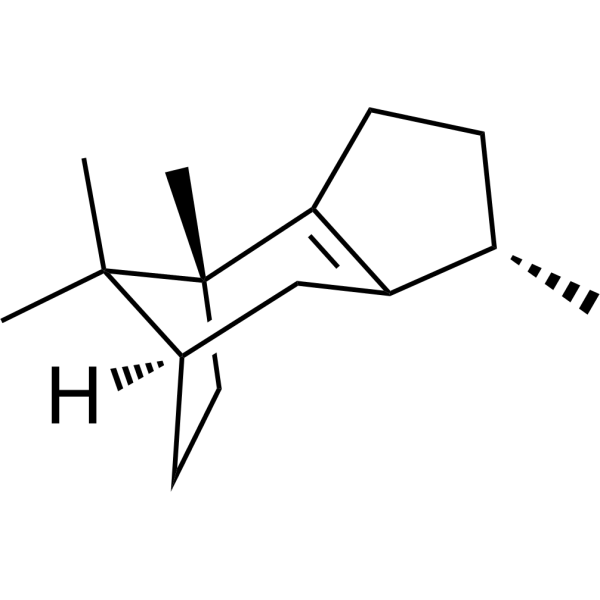
    β-Patchoulene is an orally active anti-inflammatory, antioxidant, and anti-apoptotic agent. β-Patchoulene inhibits the NF-κB, TLR4, and cAMP/PKA/CREB signaling pathways; activates the Sirt1/Nrf2 and AMPK signaling pathways; and targets Fas/FasL, Caspase-3, ERK1/2, ROCK1/MLC2 for inhibition. β-Patchoulene regulates cytokine secretion, inflammatory cell infiltration, lipid peroxidation, cell polarization, gut microbiota, and lipid metabolism, restores barrier function, mitochondrial function, and cell viability, and exhibits repellent activity against Spodoptera exigua larvae. β-Patchoulene can be used in research related to various inflammatory, ischemic, fibrosis-associated diseases, as well as hepatocellular carcinoma [12].
    β-Patchoulene
  • HY-156023

    Sirtuin Cardiovascular Disease Neurological Disease Metabolic Disease Inflammation/Immunology Cancer
    SIRT1 activator 2 is a SIRT1 activator with an ED50 value <5 μM. SIRT1 activator 2 modulates SIRT1 deacetylase activity. SIRT1 activator 2 can be used for aging research .
    SIRT1 activator 2
  • HY-15452R

    EX-527 (Standard)

    Sirtuin Reference Standards Inflammation/Immunology Cancer
    Selisistat (Standard) is the analytical standard of Selisistat. This product is intended for research and analytical applications. Selisistat (EX-527) is a potent and selective SirT1 (Sir2 in Drosophila melanogaster) inhibitor with an IC50 of 123 nM for SirT1. Selisistat alleviates pathology in multiple animal and cell models of Huntington's disease .
    Selisistat (Standard)
  • HY-155727

    Sirtuin Apoptosis Cancer
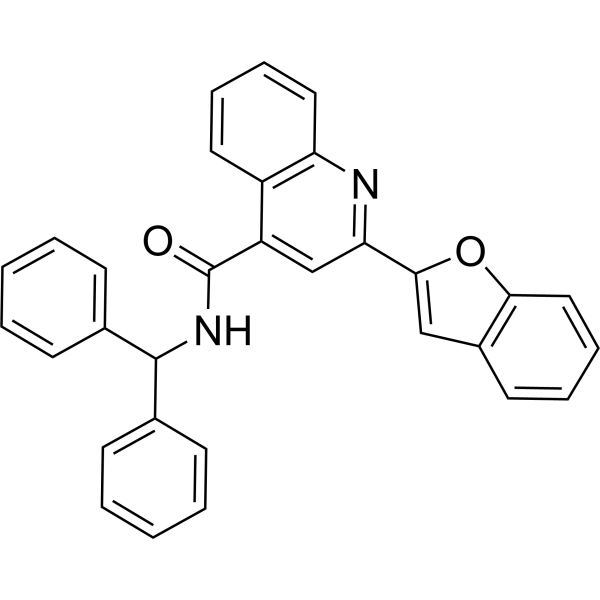
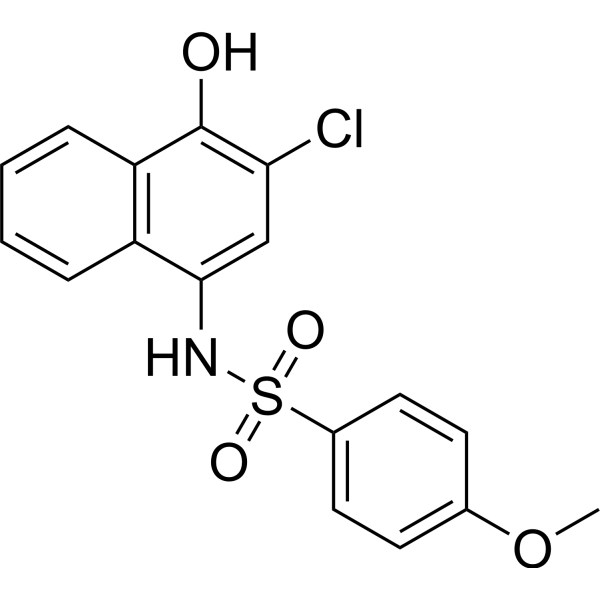
    Sirt1/2-IN-2 (compound hsa55) is a dual inhibitor of SIRT1/2 with IC50s of 1.8 μM (SIRT1) and 2.4 μM (SIRT2), respsectivley. Sirt1/2-IN-2 completely blocks p53 deacetylation, and increase of p53 and α-tubulin acetylation. Sirt1/2-IN-2 induces apoptosis and shows anti-proliferation activity against human leukemia cell lines .
    Sirt1/2-IN-2
  • HY-146013

    Sirtuin Microtubule/Tubulin Cancer
    Sirt1/2-IN-1 (Compound 7) is a SIRT1 and SIRT2 inhibitor with IC50 values of 1.81, 2.10 and 20.5 µg/mL against SIRT1, SIRT2 and SIRT3, respectively. Sirt1/2-IN-1 displays activity in hyperacetylation of α-tubulin protein with an IC50 of 32.05 µg/mL. Sirt1/2-IN-1 shows prominent anticancer activity .
    Sirt1/2-IN-1
  • HY-172204

    Sirtuin Apoptosis Autophagy MDM-2/p53 Cancer
    SIRT-IN-7 (Compound 7ba) is a SIRT inhibitor. SIRT-IN-7 can inhibit the expression of SIRT1, SIRT2, and SIRT3, and increase the acetylation and activation of p53. SIRT-IN-7 can inhibit the proliferation, and induce apoptosis and autophagy of breast cancer cells. SIRT-IN-7 has anti-tumor activity .
    SIRT-IN-7
  • HY-N0526R

    Reference Standards Sirtuin Keap1-Nrf2 NF-κB ERK p38 MAPK JNK TSH Receptor Reactive Oxygen Species (ROS) SOD Neurological Disease Inflammation/Immunology
    2"-O-Galloylhyperin (Standard) is the analytical standard of 2"-O-Galloylhyperin (HY-N0526). This product is intended for research and analytical applications. 2''-O-Galloylhyperin is an active natural compound with anti‑inflammatory, antioxidant, anti‑adipogenic, antifibrotic, and cytostatic activities. 2''-O-Galloylhyperin upregulates SIRT1/Nrf2 signaling, inhibits NF-κB and MAPK (ERK1/2, p38, JNK) phosphorylation, suppresses TSHR activation, reduces ROS accumulation, and enhances SOD and GSH-Px activities. 2''-O-Galloylhyperin protects against LPS-induced tissue injury, enhances survival, and inhibits adipogenesis and fibrosis. 2"-O-Galloylhyperin can be used for the research of sepsis, acute lung injury, and thyroid eye disease .
    2
  • HY-114906

    Sirtuin Cancer
    SIRT1/2/3-IN-2 (compound 9) is a potent SIRT inhibitor, with inhibition rates of 27%, 72%, and 71% targeting SIRT1, SIRT2, and SIRT3, respectively, at 200 μM. SIRT3 is a potential tumor suppressor or promoter, and its increased transcription may be associated with lymph node-positive breast cancer and oral squamous cell carcinoma .
    SIRT1/2/3-IN-2
  • HY-155728

    Sirtuin Apoptosis Cancer
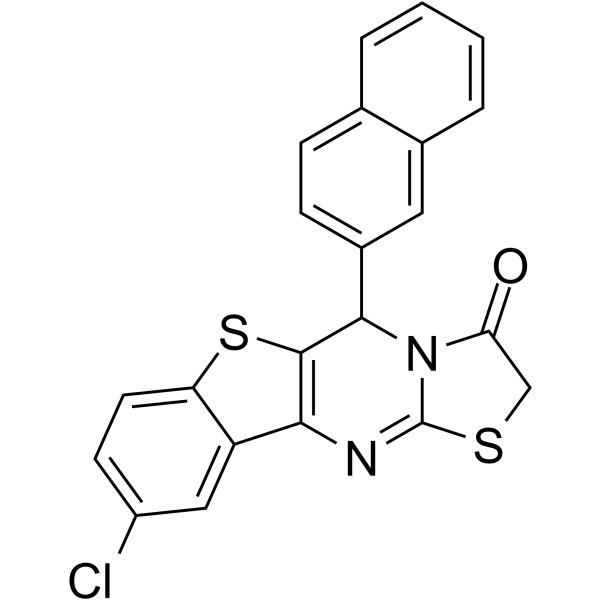
    Sirt1/2-IN-3 (compound PS9) is a dual inhibitor of SIRT1/2 with IC50s of 1.4 μM (SIRT1) and 2.0 μM (SIRT2), respsectivley. Sirt1/2-IN-3 completely blocks p53 deacetylation, and increase of p53 and α-tubulin acetylation. Sirt1/2-IN-3 induces apoptosis and shows anti-proliferation activity against human leukemia cell lines .
    Sirt1/2-IN-3
  • HY-136713

    Sirtuin Neurological Disease Cancer
    Sirt1/2-IN-5 is a SIRT1/SIRT2 inhibitor with human SIRT1 IC50 0.3 μM and human SIRT2 IC50 values 1.2 μM and pIC50 5.82. Sirt1/2-IN-5 inhibits NAD +-dependent deacetylase activity of SIRT1 and SIRT2. Sirt1/2-IN-5 can be used for the research of cancer, neurodegenerative disease .
    Sirt1/2-IN-5
  • HY-N12378A

    AMPK FASTK Sirtuin ROCK Keap1-Nrf2 Toll-like Receptor (TLR) Apoptosis PKA ERK NF-κB Epigenetic Reader Domain Caspase Metabolic Disease Inflammation/Immunology Cancer
    α-Patchoulene is an orally active anti-inflammatory, antioxidant, and anti-apoptotic agent. α-Patchoulene inhibits the NF-κB, TLR4, and cAMP/PKA/CREB signaling pathways; activates the Sirt1/Nrf2 and AMPK signaling pathways; and targets Fas/FasL, Caspase-3, ERK1/2, ROCK1/MLC2 for inhibition. α-Patchoulene regulates cytokine secretion, inflammatory cell infiltration, lipid peroxidation, cell polarization, gut microbiota, and lipid metabolism, restores barrier function, mitochondrial function, and cell viability, and exhibits repellent activity against Spodoptera exigua larvae. α-Patchoulene can be used in research related to various inflammatory, ischemic, fibrosis-associated diseases, as well as hepatocellular carcinoma [12].
    α-Patchoulene
  • HY-15510S

    Isotope-Labeled Compounds Others
    Tenovin-6-d6 is the deuterium labeled Tenovin-6 (HY-15510). Tenovin-6, an analog of Tenovin-1 (HY-13423), is an activator of p53 transcriptional activity. Tenovin-6 inhibits the protein deacetylase activities of purified human SIRT1, SIRT2, and SIRT3 with IC50s of 21 μM, 10 μM, and 67 μM, respectively. Tenovin-6 also inhibits dihydroorotate dehydrogenase (DHODH).
    Tenovin-6-d6

Inquiry Online

Your information is safe with us. * Required Fields.

Salutation


Country or Region *

Applicant Name *


Organization Name *

Department *


Email Address *


Product Name *

Cat. No.


Requested quantity *

Phone Number *


Remarks

Inquiry Online

Inquiry Information

Product Name:
Cat. No.:
Quantity:
MCE Japan Authorized Agent:

