1. Search Result
Search Result
Results for "

T315I

" in MedChemExpress (MCE) Product Catalog:
Cat. No. Product Name Target Research Areas Chemical Structure
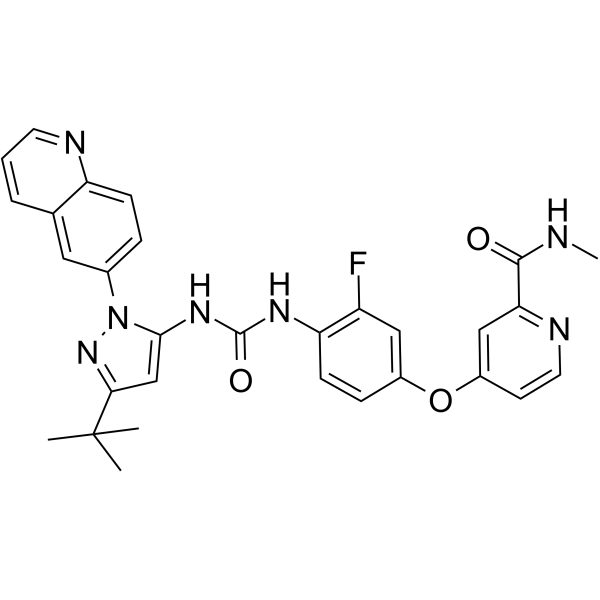
  • HY-13024
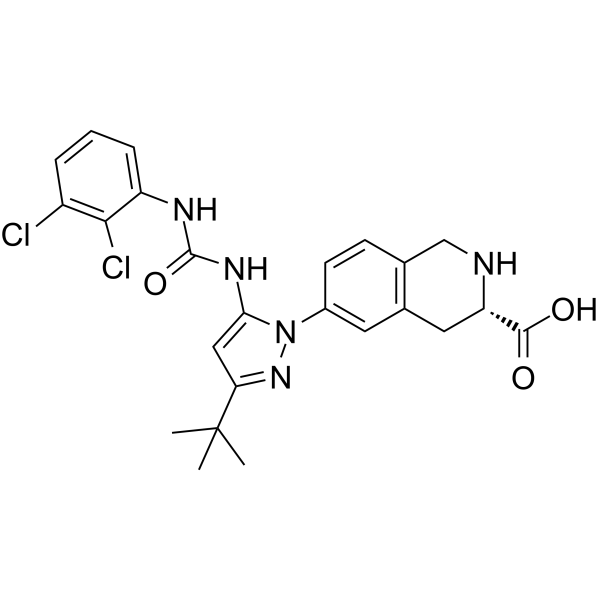
    Rebastinib
    Maximum Cited Publications
    12 Publications Verification

    DCC-2036

    Bcr-Abl FLT3 Src Apoptosis Cancer
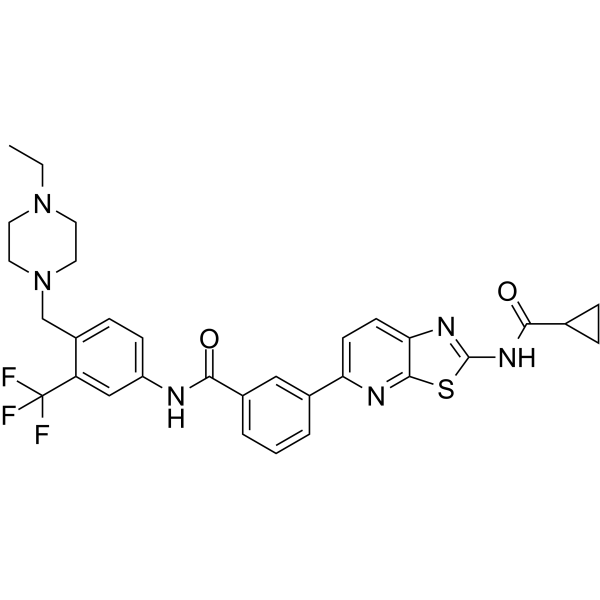
    Rebastinib (DCC-2036) is an orally active, non-ATP-competitive Bcr-Abl inhibitor for Abl1 WT and Abl1 T315I with IC50s of 0.8 nM and 4 nM, respectively. Rebastinib also inhibits SRC, KDR, FLT3, and Tie-2, and has low activity to seen towards c-Kit.
    Rebastinib
  • HY-15666
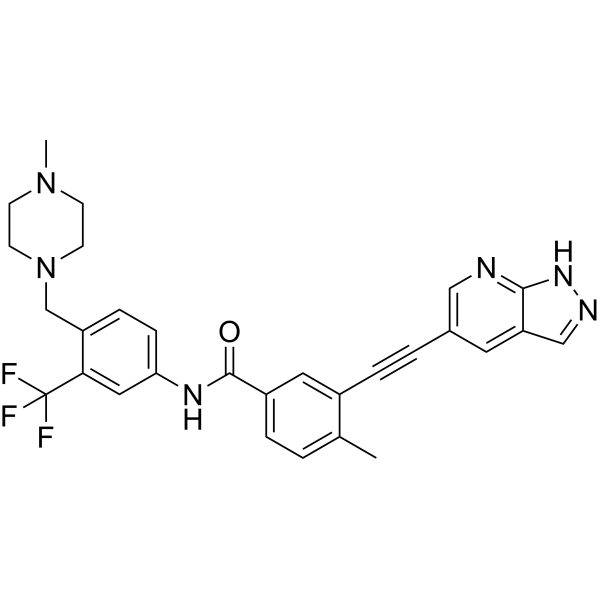
    Olverembatinib
    5+ Cited Publications

    GZD824; HQP1351

    Bcr-Abl Cancer
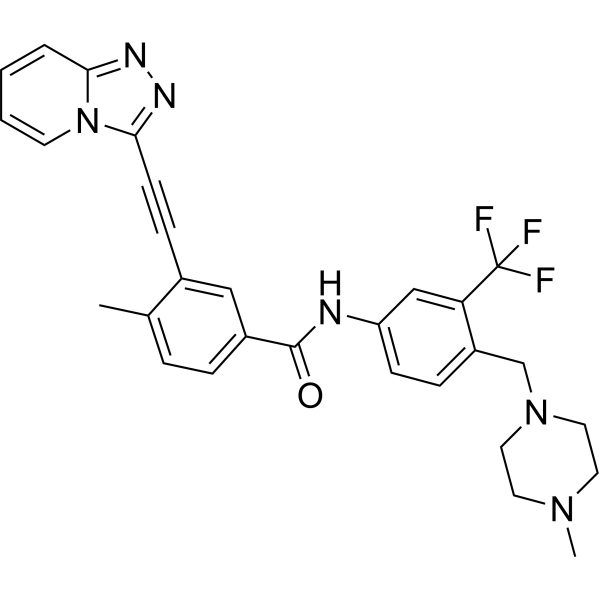
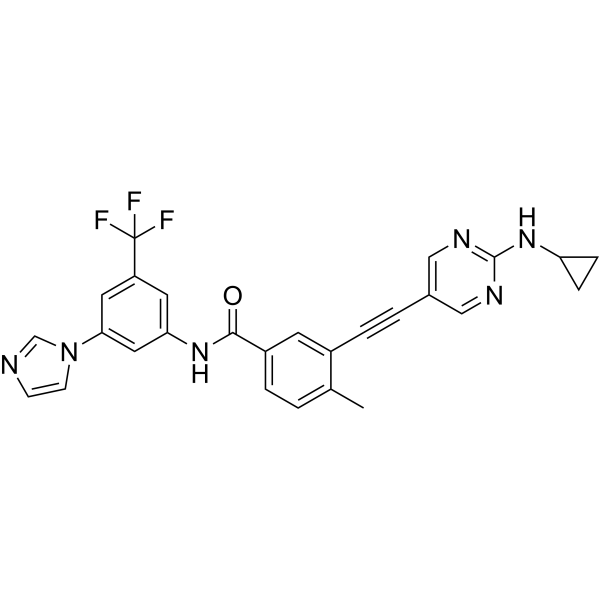
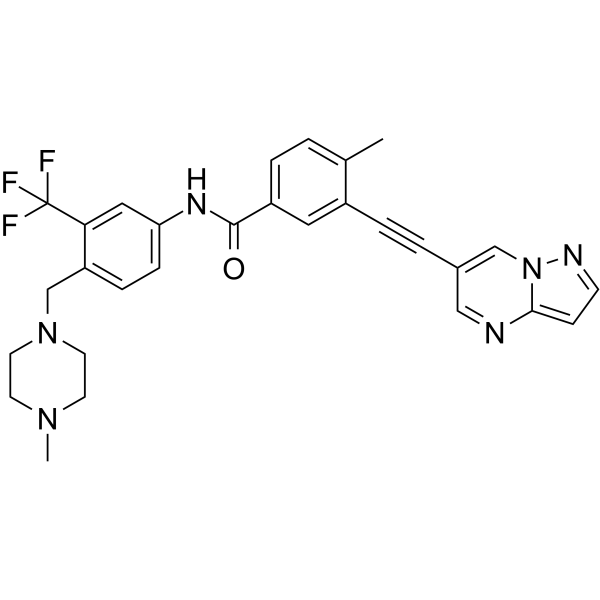
    Olverembatinib (GZD824) is a potent and orally active pan-Bcr-Abl inhibitor. Olverembatinib potently inhibits a broad spectrum of Bcr-Abl mutants. Olverembatinib strongly inhibits native Bcr-Abl and Bcr-Abl T315I with IC50s of 0.34 nM and 0.68 nM, respectively. Olverembatinib has antitumor activity . Olverembatinib is a click chemistry reagent, it contains an Alkyne group and can undergo copper-catalyzed azide-alkyne cycloaddition (CuAAc) with molecules containing Azide groups.
    Olverembatinib
  • HY-10339
    KW-2449
    5+ Cited Publications

    FLT3 FGFR Bcr-Abl Aurora Kinase Apoptosis Cancer
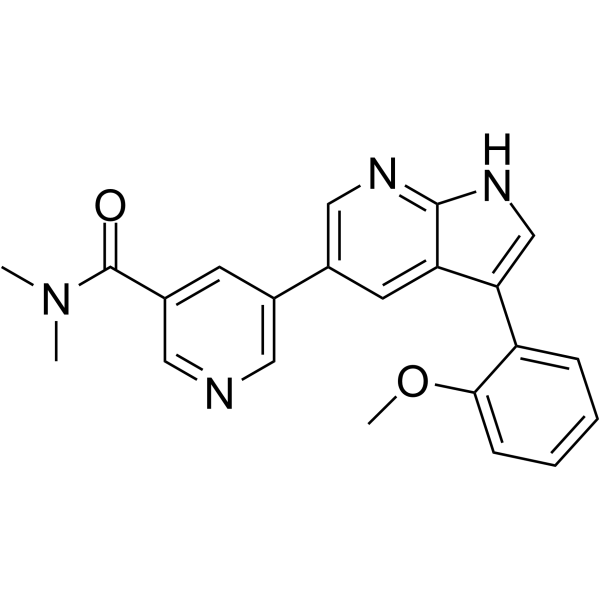
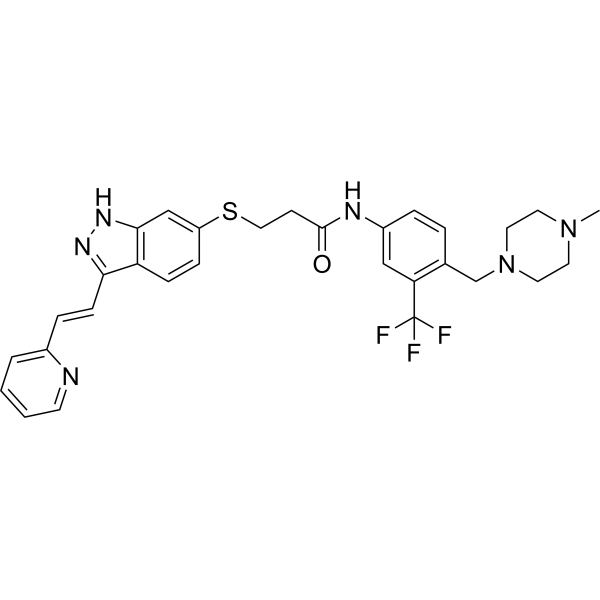
    KW-2449 is a multi-targeted kinase inhibitor of FLT3, ABL, ABL T315I and Aurora kinase with IC50s of 6.6, 14, 4 and 48 nM, respectively.
    KW-2449
  • HY-50514
    AT9283
    5+ Cited Publications

    JAK Aurora Kinase Bcr-Abl FLT3 Apoptosis Autophagy Cancer
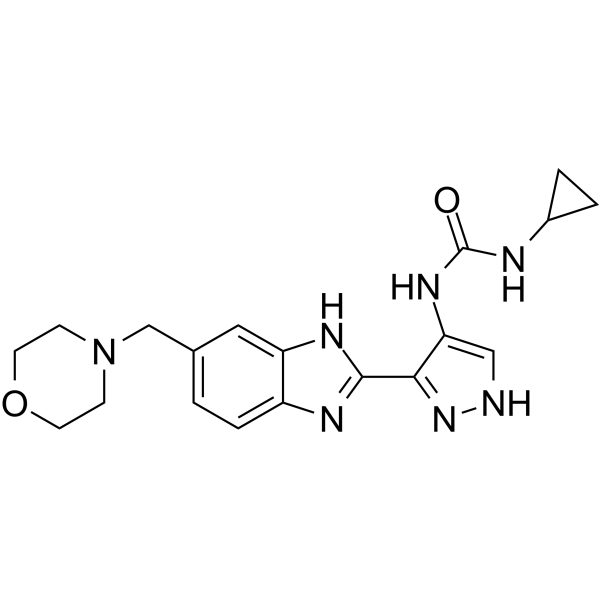
    AT9283 is a multi-targeted kinase inhibitor with potent activity against Aurora A/B, JAK2/3, Abl (T315I) and Flt3 (IC50s ranging from 1 to 30 nM). AT9283 inhibits growth and survival of multiple solid tumors in vitro and in vivo .
    AT9283
  • HY-147414

    PF-114

    Bcr-Abl Cancer
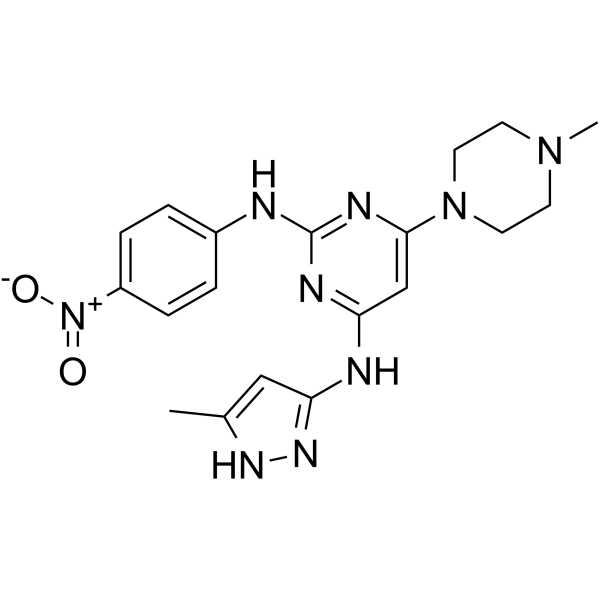
    Vamotinib (PF-114) is a potent, selective and orally active tyrosine kinase inhibitor. Vamotinib inhibits the autophosphorylation of BCR/ABL and BCR/ABL-T315I. Vamotinib induces apoptosis. Vamotinib shows anti-proliferative and anti-tumor activity. Vamotinib has the potential for the research of resistant philadelphia chromosome-positive (Ph+) leukemia. Vamotinib inhibits ABL series kinases with IC50s of 0.49 nM (ABL), 0.78 nM (ABL T315I), 9.5 nM (ABL E255K), 2.0 nM (ABL F317I), 7.4 nM (ABL G250E), 1.0 nM (ABL H396P), 2.8 nM (ABL M351T), 12 nM (ABL Q252H), and 4.1 nM (ABL Y253F), respectively . Vamotinib is a click chemistry reagent, it contains an Alkyne group and can undergo copper-catalyzed azide-alkyne cycloaddition (CuAAc) with molecules containing Azide groups.
    Vamotinib
  • HY-10943
    GNF-7
    2 Publications Verification

    Bcr-Abl Ack1 Cancer
    GNF-7 is a multikinase inhibitor. GNF-7 is a Bcr-Abl inhibitor, with IC50s of 133 nM and 61 nM for Bcr-Abl WT and Bcr-Abl T315I, respectively. GNF-7 also possesses inhibitory activity against both ACK1 (activated CDC42 kinase 1) and GCK (germinal center kinase) with IC50s of 25 nM and 8 nM, respectively. GNF-7 can be used for the research of hematologic malignancies .
    GNF-7
  • HY-123159

    Aurora Kinase Cancer
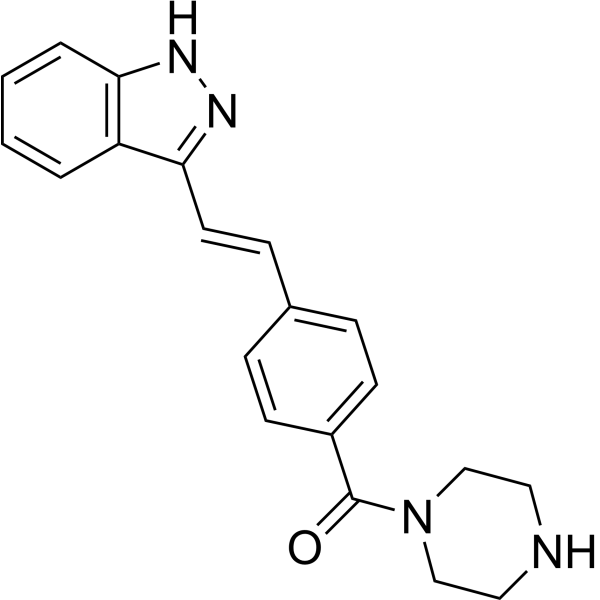
    AKI603 is an inhibitor of Aurora kinase A (AurA), with an IC50 of 12.3 nM. AKI603 is developed to overcome resistance mediated by BCR-ABL-T315I mutation. AKI603 exhibits strong anti-proliferative activity in leukemic cells .
    AKI603
  • HY-137460
    Vodobatinib
    2 Publications Verification

    K0706

    Bcr-Abl Cancer
    Vodobatinib (K0706) is a potent, third generation and orally active Bcr-Abl1 tyrosine kinase inhibitor with an IC50 of 7 nM. Vodobatinib exhibits activity against most BCR-ABL1 point mutants, and has no activity against BCR-ABL1T315I. Vodobatinib can be used for chronic myeloid leukemia (CML) research . Vodobatinib is a click chemistry reagent, it contains an Alkyne group and can undergo copper-catalyzed azide-alkyne cycloaddition (CuAAc) with molecules containing Azide groups.
    Vodobatinib
  • HY-15666A
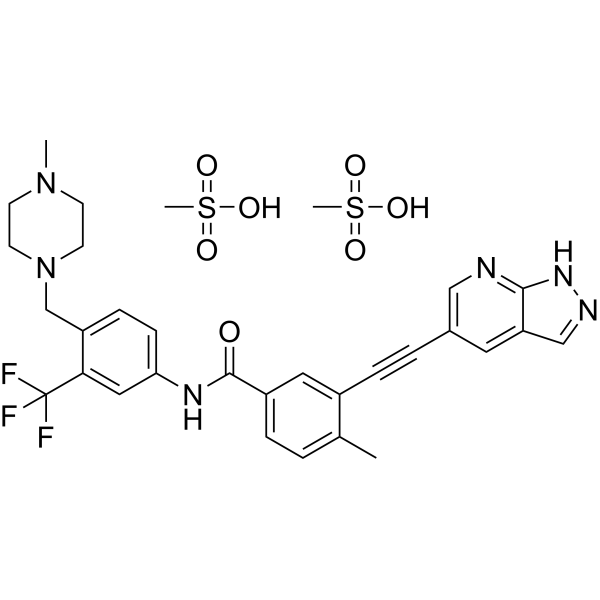
    Olverembatinib dimesylate
    5+ Cited Publications

    GZD824 dimesylate; HQP1351 dimesylate

    Bcr-Abl Cancer
    Olverembatinib (GZD824) dimesylate is a potent and orally active pan-Bcr-Abl inhibitor. Olverembatinib dimesylate potently inhibits a broad spectrum of Bcr-Abl mutants. Olverembatinib dimesylate strongly inhibits native Bcr-Abl and Bcr-Abl T315I with IC50s of 0.34 nM and 0.68 nM, respectively. Olverembatinib dimesylate has antitumor activity . Olverembatinib (dimesylate) is a click chemistry reagent, it contains an Alkyne group and can undergo copper-catalyzed azide-alkyne cycloaddition (CuAAc) with molecules containing Azide groups.
    Olverembatinib dimesylate
  • HY-101985
    BV02
    3 Publications Verification

    Bacterial PARP Caspase Apoptosis Autophagy Akt Infection Neurological Disease Inflammation/Immunology
    BV02 is a 14-3-3 inhibitor and an antibacterial agent. BV02 enhances the cleavage of PARP and caspase-3. BV02 induces Apoptosis, Autophagy, and enhances Akt activation. BV02 has anti-B. melitensis infection and epilepsy-promoting effects. BV02 can also be used in colitis research.
    BV02
  • HY-123450

    Bcr-Abl Apoptosis PDGFR Cancer
    S116836, a potent, orally active BCR-ABL tyrosine kinase inhibitor, blocks both wild-type as well as T315I Bcr-Abl. S116836 arrests the cells in the G0/G1 phase of cell cycle, induces apoptosis, increases ROS production, and decreases GSH production in BaF3/WT and BaF3/T315I cells. S116836 also inhibits SRC, LYN, HCK, LCK and BLK, and receptor tyrosine kinases such as FLT3, TIE2, KIT, PDGFR-β. Antitumor activies . S116836 is a click chemistry reagent, it contains an Alkyne group and can undergo copper-catalyzed azide-alkyne cycloaddition (CuAAc) with molecules containing Azide groups.
    S116836
  • HY-118144

    Src Bcr-Abl p38 MAPK Cancer
    PD166326 is an orally active tyrosine kinase inhibitor with a IC50 of 8 nM against abl tyrosine kinase and a IC50 of 6 nM against src tyrosine kinase. PD166326 blocks Bcr/Abl kinase activity. PD166326 inhibits Bcr/Abl-dependent proliferation and cell cycle progression. PD166326 reduces peripheral blood granulocytosis, alleviates splenomegaly and prolongs survival in a mouse model of chronic myeloid leukemia. PD166326 can be used in research related to chronic myeloid leukemia .
    PD166326
  • HY-164393

    JAK Bcr-Abl Apoptosis Cancer
    ON044580, an α-benzoyl styryl benzyl sulfide, is a potent and non-ATP-competitive JAK2 kinase inhibitor with IC50s of 1.23 μM, 1.09 μM for WT and V617F mutant JAK2, respectively. ON044580 inhibits the JAK2 kinase activity either by binding to the STAT-5 binding domain of JAK2 or by binding to an allosteric site. ON044580 exerts its antiproliferative effect in JAK2 V617F-positive leukemic cells. ON044580 effectively induces apoptosis of Imatinib (HY-15463)-resistant chronic myelogenous leukemia (CML) cells. ON044580 also inhibits both WT and T315I mutant forms of the BCR-ABL kinase. ON044580 has the potential for myeloproliferative disorders typified by aberrant JAK/STAT signaling .
    ON044580
  • HY-12083

    Bcr-Abl Cancer
    PPY-A is a potent T315I mutant and wild-type Abl kinases inhibitor with IC50s of 9 and 20 nM, respectively. PPY-A inhibits Ba?F3 cells transformed with wild-type Abl and Abl T315I mutantl with IC50s of 390 and 180 nM, respectively. PPY-A can be used for the research of chronic myeloid leukemia (CML) .
    PPY-A
  • HY-15814

    Bcr-Abl PDGFR c-Kit Src JAK Apoptosis Cancer
    HG-7-85-01 is a type II ATP competitive inhibitor of wild-type and gatekeeper mutations forms of Bcr-Abl, PDGFRα, Kit, and Src kinases. HG-7-85-01 inhibits T315I mutant Bcr-Abl kinase, KDR and RET with IC50s of 3 nM, 20 nM and 30 nM, and is only weak or no inhibition of other kinases (IC50>2 μM). HG-7-85-01 inhibits the cell proliferation, which is mediated by the induction of apoptosis, and inhibition of cell-cycle progression .
    HG-7-85-01
  • HY-101489A

    PDGFR Bcr-Abl Apoptosis Cancer
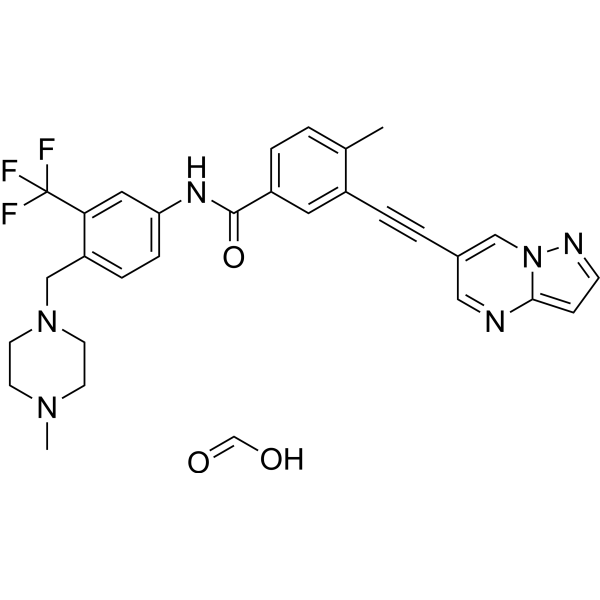
    GZD856 formic is a potent and orally active PDGFRα/β inhibitor, with IC50s of 68.6 and 136.6 nM, respectively. GZD856 formic is also a Bcr-Abl T315I inhibitor, with IC50s of 19.9 and 15.4 nM for native Bcr-Abl and the T315I mutant. GZD856 formic has antitumor activity . GZD856 (formic) is a click chemistry reagent, it contains an Alkyne group and can undergo copper-catalyzed azide-alkyne cycloaddition (CuAAc) with molecules containing Azide groups.
    GZD856 formic
  • HY-E70640

    Bcr-Abl Cancer
    The emergence of mutations in the BCR::ABL1 kinase domain (KD) impairs Imatinib Mesylate (HY-50946) binding capacity, thus contributing to Imatinib Mesylate resistance. Identification of these mutations is important for treatment decisions and precision medicine in chronic myeloid leukaemia (CML). ABL1 T315I Recombinant Human Active Protein Kinase is a recombinant ABL1 T315I protein that can be used to study ABL1 T315I-related functions .
    ABL1 T315I Recombinant Human Active Protein Kinase
  • HY-101489

    PDGFR Bcr-Abl Apoptosis Cancer
    GZD856 formic is a potent and orally active PDGFRα/β inhibitor, with IC50s of 68.6 and 136.6 nM, respectively. GZD856 formic is also a Bcr-Abl T315I inhibitor, with IC50s of 19.9 and 15.4 nM for native Bcr-Abl and the T315I mutant. GZD856 formic has antitumor activity .
    GZD856
  • HY-18819

    Bcr-Abl Cancer
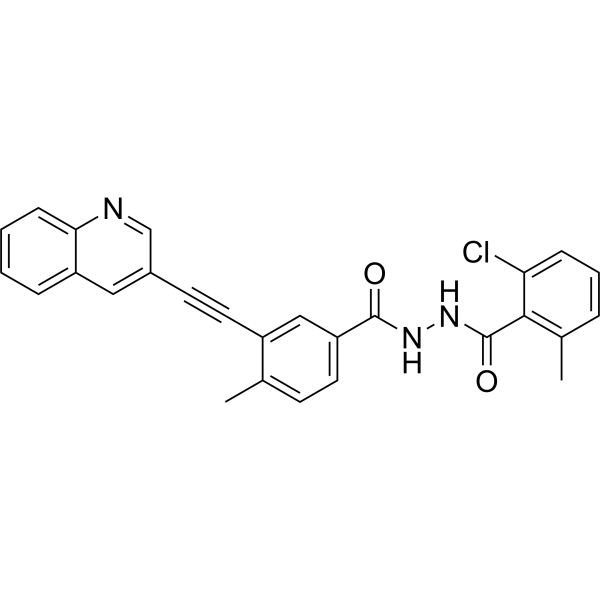
    BCR-ABL-IN-2 is an inhibitor of BCR-ABL1 tyrosine kinase, with IC50s of 57 nM, 773 nm for ABL1 native and ABL1 T315I, respectively.
    BCR-ABL-IN-2
  • HY-119370

    Bcr-Abl Apoptosis Cancer
    CHMFL-ABL-121 is a highly potent type II ABL kinase inhibitor with IC50s of 2 nM and 0.2 nM against purified inactive ABL wt and T315I kinase protein, respectively .
    CHMFL-ABL-121
  • HY-10364

    Bcr-Abl Cancer
    AP24163 is a BCR-ABL kinase inhibitor. AP24163 inhibits wild-type (native) BCR-ABL and BCR-ABL-T315I with IC50 values of 7 nM and 511 nM, respectively. AP24163 can be used in the research of chronic myeloid leukemia (CML) .
    AP24163
  • HY-10057

    Aurora Kinase Cancer
    AT9283 hydrochloride is a multi-targeted kinase inhibitor with anti-tumor activity. AT9283 hydrochloride has been found to effectively inhibit Aurora A and Aurora B kinases, thereby affecting cell proliferation and survival. AT9283 hydrochloride can also inhibit several other kinases, including JAK2 and Abl (T315I) .
    AT9283 hydrochloride
  • HY-10058

    JAK Aurora Kinase Bcr-Abl FLT3 Apoptosis Autophagy Cancer
    AT9283 lactic acid is a multi-targeted kinase inhibitor with potent activity against Aurora A/B, JAK2/3, Abl (T315I) and Flt3 (IC50s ranging from 1 to 30 nM). AT9283 lactic acid inhibits growth and survival of multiple solid tumors in vitro and in vivo .
    AT9283 lactic acid
  • HY-176269

    Bcr-Abl ERK STAT PARP Caspase Apoptosis Cancer
    VS1150 (Compound 11) is a BCR-ABL-targeting phosphorylation-inducing chimeric small molecule (PHICS). VS1150 significantly inhibits oncogenic kinase BCR-ABL signaling by inducing inhibitory phosphorylation at its Y253 (EC50: 69 nM), subsequently triggering cell apoptosis. VS1150 also inhibits other oncogenic ABL fusions and drug-resistant mutants like T315I. VS1150 can be used for chronic myeloid leukemia (CML) and other ABL fusion-driven cancers research .
    VS1150
  • HY-15666R

    GZD824 (Standard); HQP1351 (Standard)

    Reference Standards Bcr-Abl Cancer
    Olverembatinib (Standard) is the analytical standard of Olverembatinib. This product is intended for research and analytical applications. Olverembatinib (GZD824) is a potent and orally active pan-Bcr-Abl inhibitor. Olverembatinib potently inhibits a broad spectrum of Bcr-Abl mutants. Olverembatinib strongly inhibits native Bcr-Abl and Bcr-Abl T315I with IC50s of 0.34 nM and 0.68 nM, respectively. Olverembatinib has antitumor activity . Olverembatinib is a click chemistry reagent, it contains an Alkyne group and can undergo copper-catalyzed azide-alkyne cycloaddition (CuAAc) with molecules containing Azide groups.
    Olverembatinib (Standard)
  • HY-123390

    Bcr-Abl Akt Cancer
    DB07107 is a potent agent resistant T315I mutant Bcr-Abl tyrosine kinase inhibitor. DB07107 is also a potent Akt1 inhibitor with an IC50 value of 360 nM .
    DB07107
  • HY-153008

    Bcr-Abl Cancer
    BCR-ABL-IN-7 (compound 4) is a WT and T315I mutant ABL kinases inhibitor. BCR-ABL-IN-7 effectively inhibits activities of WT and T315I mutant ABL kinases. BCR-ABL-IN-7 can be used for the research of chronic myeloid leukemia (CML) research .
    BCR-ABL-IN-7
  • HY-160478

    Bcr-Abl Cancer
    GNF-6 (Compound 14) inhibits the gatekeeper threonine residue mutation of BCR-ABL-T315I with IC50s of 0.25 μM, 0.09 μM and 0.590 μM for c-ABL-T334I, BCR-ABL and BCR-ABL-T315I variants, respectively. GNF-6, an ATP competitive inhibitor, disrupts the assembly of the hydrophobic spine (a network of hydrophobic interactions), thereby locking the kinase in an inactive ‘DFG-out’ conformation .
    GNF-6
  • HY-142922

    Bcr-Abl Cancer
    BCR-ABL-IN-4 is a BCR-ABL inhibitor with anticancer effects. BCR-ABL-IN-4 inhibits the cancer cell growth with IC50 values of 0.67 nM and 16 nM for K562 cells and BCR-ABL T315I transfected Ba/F3 cells, respectively (WO2021143927A1; compound 11) .
    BCR-ABL-IN-4
  • HY-157389

    Bcr-Abl Cancer
    AK-HW-90 (compound 2B) is a potent panBcr-Abl inhibitor with significant inhibitory activity against Imatinib (HY-15463)-resistant mutants. AK-HW-90 inhibits the resistance mutant Bcr-Abl T315I with an IC50 of 0.65 nM. AK-HW-90 has potential anticancer activity and can be used in the study of chronic myelogenous leukemia (CML) .
    AK-HW-90
  • HY-50514R

    JAK Aurora Kinase Bcr-Abl FLT3 Apoptosis Autophagy Cancer
    AT9283 (Standard) is the analytical standard of AT9283. This product is intended for research and analytical applications. AT9283 is a multi-targeted kinase inhibitor with potent activity against Aurora A/B, JAK2/3, Abl (T315I) and Flt3 (IC50s ranging from 1 to 30 nM). AT9283 inhibits growth and survival of multiple solid tumors in vitro and in vivo .
    AT9283 (Standard)
  • HY-10212A

    CNF2024 mesylate

    HSP β-catenin c-Myc Autophagy Cancer
    BIIB021 (CNF2024) mesylate is the mesylate of BIIB021 (HY-10212). BIIB021 is an orally active Hsp90 inhibitor. BIIB021 inhibits the proliferation of chronic myeloid leukemia (CML) cells, with IC50 values of K562, K562/G, 32Dp210, and 32Dp210-T315I cells are 513.99, 603.53, 110.08, and 148.07 nM, respectively. BIIB021 degrades BCR-ABL protein and inhibits the β-catenin/c-Myc pathway. BIIB021 can also induce autophagy in CML cells. BIIB021 can be used for the research of CML .
    BIIB021 mesylate
  • HY-164469

    Bcr-Abl Apoptosis STAT Cancer
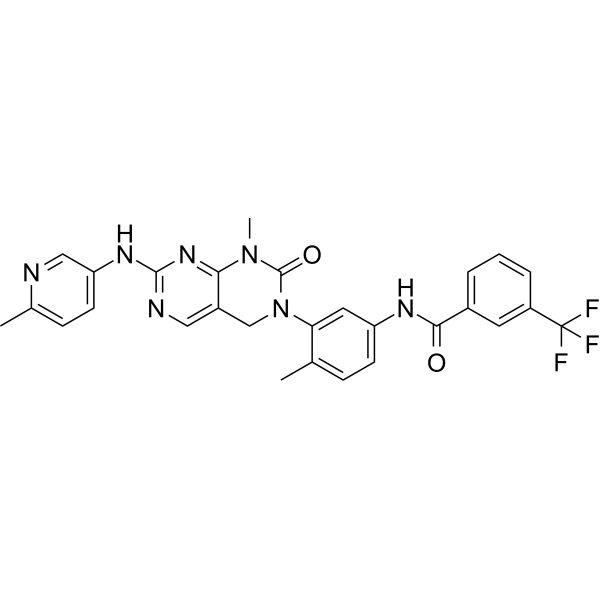
    CHMFL-48 is an orally active BCR-ABL kinase inhibitor targeting both wild-type (wt) and various imatinib-resistant mutants. The IC50 values for CHMFL-48 against ABL wild-type and ABL T315I mutant are 1 nM and 0.8 nM, respectively. CHMFL-48 exerts its effects by blocking the autophosphorylation of BCR-ABL wild-type and mutant forms, which impacts downstream signaling mediators such as STAT5 and CRKL, leading to cell cycle arrest and induction of apoptosis. CHMFL-48 holds potential for research into chronic myeloid leukemia (CML) .
    CHMFL-48
  • HY-180981

    PROTACs Bcr-Abl Cancer
    P19As is a BCR-ABL PROTAC degrader based on Asciminib (HY-104010), with a DC50 value of approximately 200 nM for the wild-type BCR-ABL protein. P19As can degrade the T315I mutant and exhibits potent anti-proliferative activity in BaF3-BCR-ABL (T315I) cells. P19As can be used for the study of chronic myeloid leukemia and acute lymphoblastic leukemia .
    P19As
  • HY-180977

    PROTACs Bcr-Abl Cancer
    P19P is a BCR-ABL PROTAC degrader based on Ponatinib (HY-12047), with a DC50 value of approximately 20 nM for the wild-type BCR-ABL protein. P19P can effectively degrade various drug-resistant mutants such as T315I, E255K, H396R, and V468F, and exhibits potent anti-proliferative activity in BaF3-BCR-ABL (T315I) cells. P19P maintains strong inhibitory activity against ABL (T315I), with a IC50 of 13.1 nM. P19P does not inhibit the formation of vascular lumens in HUVEC. P19P can be used for research on chronic myeloid leukemia and acute lymphoblastic leukemia .
    P19P
  • HY-165532

    SGX70393

    Bcr-Abl Cancer
    SGX393 (SGX70393) is a Bcr-Abl kinase inhibitor. SGX393 binds to the active conformation of the kinase domains of both wild-type and T315I mutant Bcr-Abl, thereby inhibiting kinase activity. SGX393 exhibits antiproliferative effects in cells expressing wild-type or T315I mutant Bcr-Abl, and suppresses T315I-driven tumor growth. SGX393 can be used for the research of chronic myeloid leukemia .
    SGX393
  • HY-180979

    PROTACs Bcr-Abl Cancer
    P22D is a BCR-ABL PROTAC degrader based on Dasatinib (HY-10181), with a DC50 value of approximately 10 nM for the wild-type BCR-ABL protein. P22D cannot degrade the BCR-ABL T315I mutant. P22D has inhibitory activity against K562 cells (wild type), but is ineffective against BaF3-BCR-ABL (T315I) cells. P22D can be used for research on chronic myeloid leukemia and acute lymphocytic leukemia .
    P22D
  • HY-112404

    Src Bcr-Abl Cancer
    BCR-ABL-IN-13 is a dual c-Src and Abl inhibitor, with a Ki value of 0.55 μM against c-Src, 0.10 μM against wild-type Abl, and 0.40 μM against the Abl T315I mutant. BCR-ABL-IN-13 exerts competitive/mixed-type inhibitory effects on wild-type Abl, and non-competitive inhibitory effects on the drug-resistant Abl T315I mutant. BCR-ABL-IN-13 can be used for the research of chronic myeloid leukemia .
    BCR-ABL-IN-13
  • HY-177273

    Bcr-Abl Cancer
    Kinase modulator-1 (P142, MS: m/z445) is a kinase modulator. Kinase modulator-1 can inhibit Bcr-Abl activity, especially against drug-resistant mutant kinases (such as T315I Bcr-Abl). Kinase modulator-1 can be used for cancers like chronic myelogenous leukemia (CML) research .
    Kinase modulator-1
  • HY-180967

    Bcr-Abl PROTACs Apoptosis Cancer
    PROTAC BCR-ABL Degrader-2 is a selective Bcr-Abl T315 PROTAC degrader with a DC50 of 108.7 nM in Ba/F3 Bcr-Abl T315I cells. PROTAC BCR-ABL Degrader-2 exhibits the most potent degradation efficacy with DR of 69.89% and 94.23% at 100 and 300 nM, respectively. PROTAC BCR-ABL Degrader-2 demonstrates high plasma exposure, and induces significant tumor regression and induces tumor cell apoptosis with a good safety profile in vivo. PROTAC BCR-ABL Degrader-2 can be used for chronic myeloid leukemia (CML) research .
    PROTAC BCR-ABL Degrader-2
  • HY-101985R

    Reference Standards Bacterial PARP Caspase Apoptosis Autophagy Akt Infection Neurological Disease Inflammation/Immunology
    BV02 (Standard) is the analytical standard of BV02 (HY-101985). This product is intended for research and analytical applications. BV02 is a 14-3-3 inhibitor and an antibacterial agent. BV02 enhances the cleavage of PARP and caspase-3. BV02 induces Apoptosis, Autophagy, and enhances Akt activation. BV02 has anti-B. melitensis infection and epilepsy-promoting effects. BV02 can also be used in colitis research.
    BV02 (Standard)

Inquiry Online

Your information is safe with us. * Required Fields.

Salutation


Country or Region *

Applicant Name *


Organization Name *

Department *


Email Address *


Product Name *

Cat. No.


Requested quantity *

Phone Number *


Remarks

Inquiry Online

Inquiry Information

Product Name:
Cat. No.:
Quantity:
MCE Japan Authorized Agent:

