1. Search Result
Search Result
Results for "

Thyroid hormone receptor

" in MedChemExpress (MCE) Product Catalog:

82

Inhibitors & Agonists

3

Bibliotecas de Screening

2

Fluorescent Dyes

4

Biochemical Assay Reagents

1

Peptides

1

Inhibitory Antibodies

14

Natural
Products

5

Recombinant Proteins

12

Isotope-Labeled Compounds

7

Antibodies

2

GMP Molecules

Cat. No. Nombre del producto Target Áreas de investigación Chemical Structure
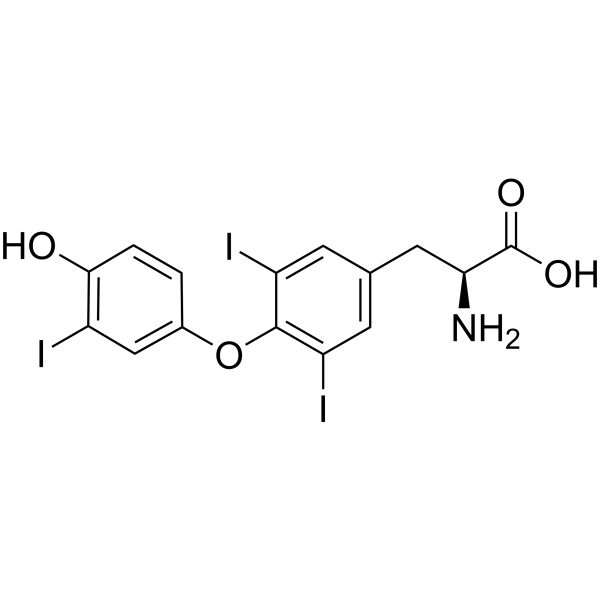
  • HY-A0070A
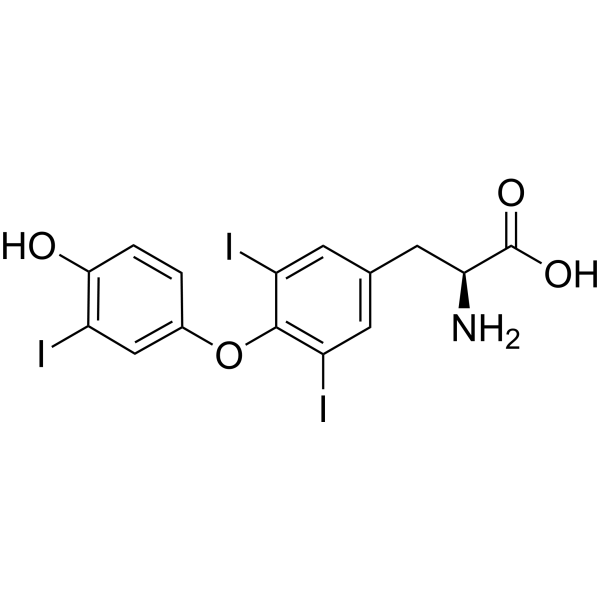
    Liothyronine
    Maximum Cited Publications
    39 Publications Verification

    Triiodothyronine; 3,3',5-Triiodo-L-thyronine; T3

    Thyroid Hormone Receptor Endogenous Metabolite Endocrinology Cancer
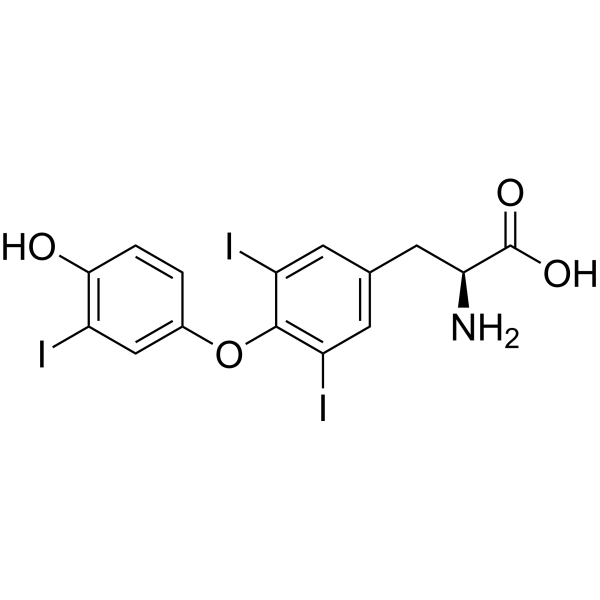
    Liothyronine is an active form of thyroid hormone. Liothyronine binds to thyroid hormone receptors TRα and TRβ with Kis of 2.33 and 2.29 nM for hTRα and hTRβ, respectively. Liothyronine also binds to PVR and blocks the interaction of TIGIT/PVR .
    Liothyronine
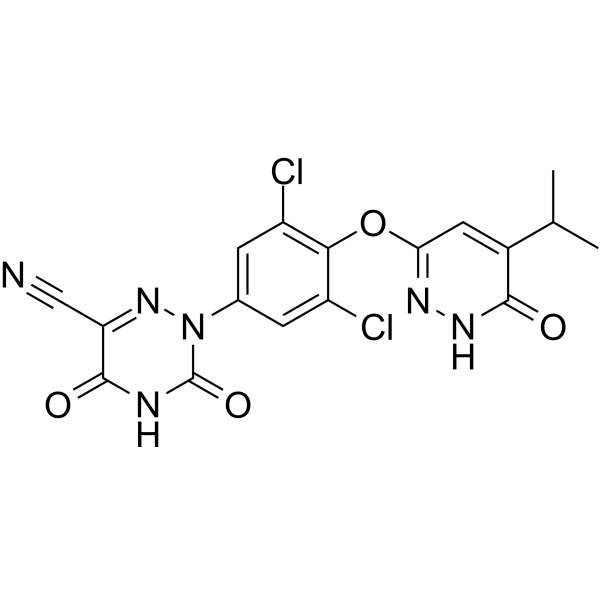
  • HY-12216
    Resmetirom
    20+ Cited Publications

    MGL-3196; VIA-3196

    Thyroid Hormone Receptor Cardiovascular Disease Endocrinology
    Resmetirom (MGL-3196) is a highly selective and orally active thyroid hormone receptor β (THR-β) agonist with an EC50 value of 0.21 μM. Resmetirom can be used for the study of noncirrhotic nonalcoholic steatohepatitis .
    Resmetirom
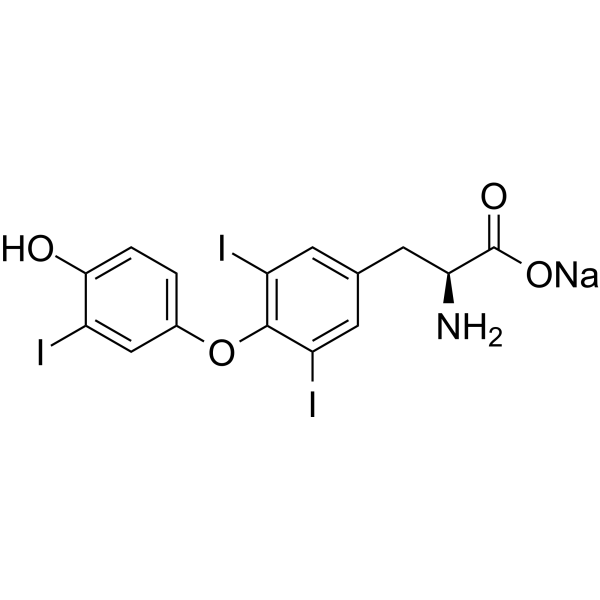
  • HY-A0070
    Liothyronine sodium
    Maximum Cited Publications
    39 Publications Verification

    Triiodothyronine sodium; 3,3',5-Triiodo-L-thyronine sodium; T3 sodium

    Thyroid Hormone Receptor Endogenous Metabolite Endocrinology Cancer
    Liothyronine sodium is an active form of thyroid hormone. Liothyronine sodium is a potent thyroid hormone receptors TRα and TRβ agonist with Kis of 2.33 nM for hTRα and hTRβ, respectively .
    Liothyronine sodium
  • HY-14823
    Sobetirome
    5+ Cited Publications

    GC-1; QRX-431

    Thyroid Hormone Receptor Metabolic Disease Endocrinology
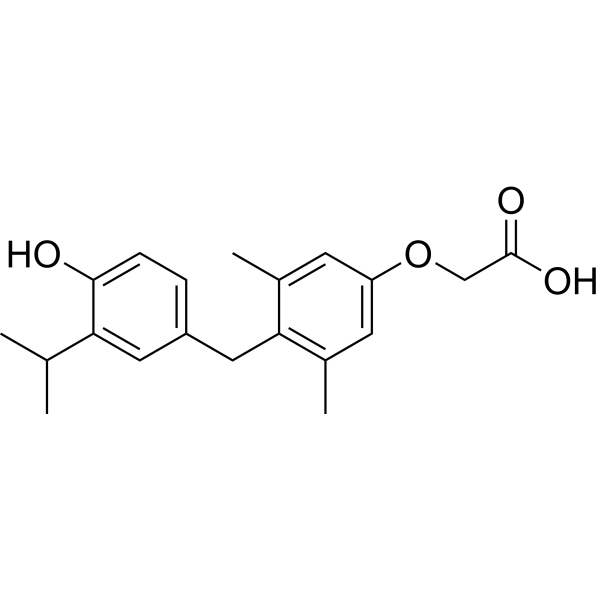
    Sobetirome (GC-1) is a thyroid hormone receptor β (TRβ)-specific agonist which bind selectively to TRβ-1 with an EC50 of 0.16 μM .
    Sobetirome
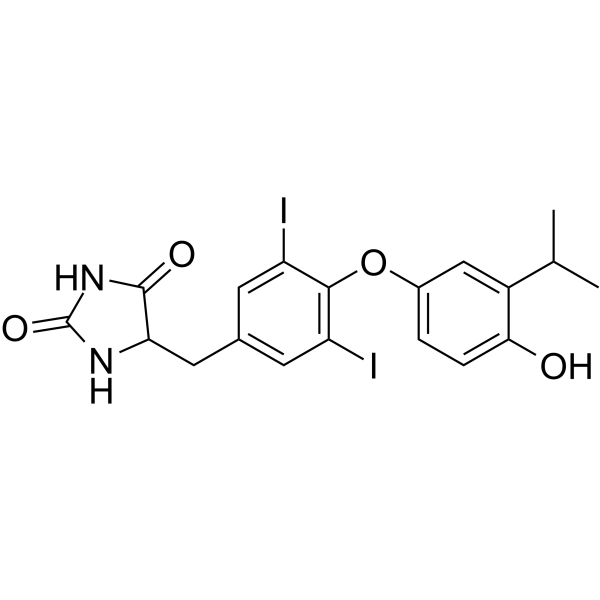
  • HY-111288

    VK-2809

    Thyroid Hormone Receptor Metabolic Disease Endocrinology
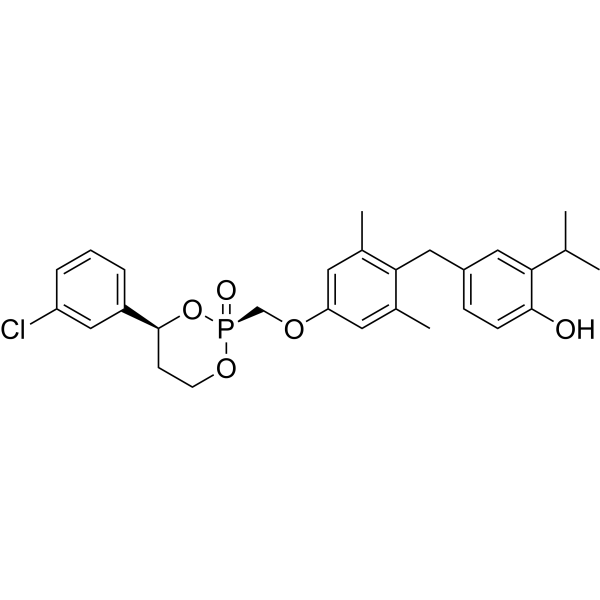
    MB-07811 (VK-2809) is an orally active HepDirect prodrug of MB07344, a liver-targeted thyroid hormone receptor-β agonist . MB-07811 has cholesterol and triglycerides lowering activity .
    MB-07811
  • HY-141513
    NH-3
    4 Publications Verification

    Thyroid Hormone Receptor Neurological Disease
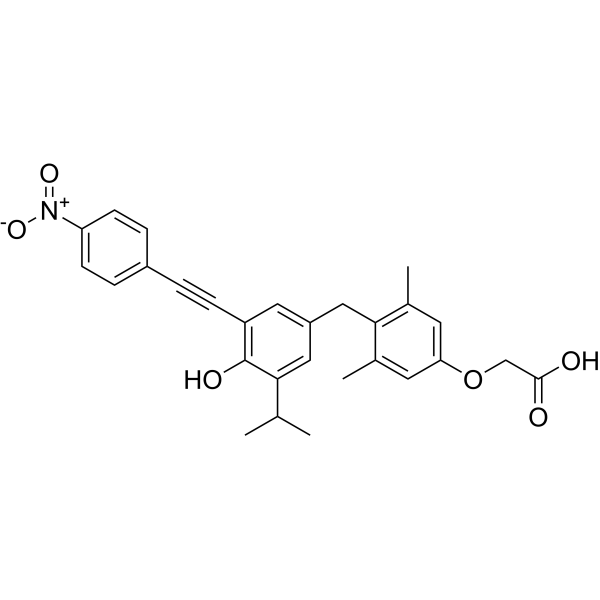
    NH-3 is an orally active, reversible thyroid hormone receptor (THR) antagonist with an IC50 of 55 nM. NH-3, a derivative of the selective thyromi-metic GC-1, inhibits binding of thyroid hormones to their receptor and that inhibits cofactor recruitment . NH-3 is a click chemistry reagent, it contains an Alkyne group and can undergo copper-catalyzed azide-alkyne cycloaddition (CuAAc) with molecules containing Azide groups.
    NH-3
  • HY-P991202

    TSH Receptor PKA Metabolic Disease Inflammation/Immunology
    Anti-TSHR Antibody (M22) is a selective agonist targeting TSHR (thyroid-stimulating hormone receptor), acting through competitive binding to the extracellular domain of TSHR. Anti-TSHR Antibody (M22) can mimic the biological effects of thyroid-stimulating hormone (TSH), activating downstream cAMP-PKA and other signaling pathways. Anti-TSHR Antibody (M22) can stimulate the proliferation of thyroid follicular epithelial cells and human umbilical vein endothelial cells (HUVECs), promote angiogenesis and tube formation, cell migration, and also upregulate the expression of angiogenesis-related proteins such as PROX1. Anti-TSHR Antibody (M22) can be used in research areas such as the mechanisms of goiter formation in Graves' disease (GD), angiogenesis regulation, and TSHR antagonist screening .
    Anti-TSHR Antibody (M22)
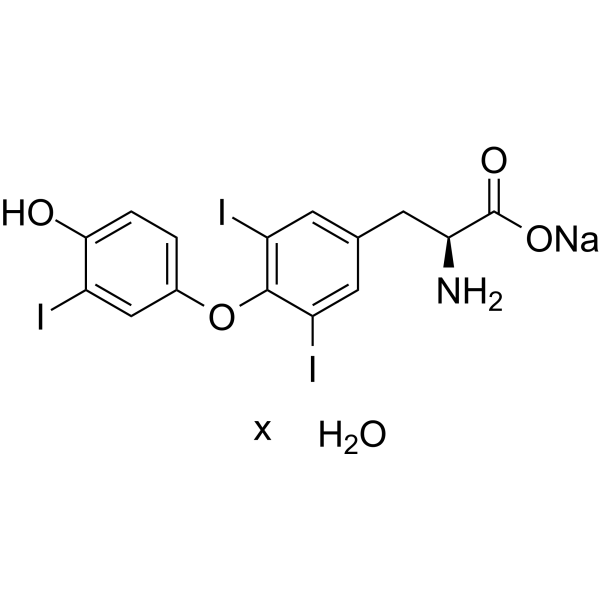
  • HY-A0070B
    Liothyronine sodium hydrate
    Maximum Cited Publications
    39 Publications Verification

    Triiodothyronine sodium hydrate; 3,3',5-Triiodo-L-thyronine sodium hydrate; T3 sodium hydrate

    Thyroid Hormone Receptor Endogenous Metabolite Endocrinology Cancer
    Liothyronine sodium hydrate is an active form of thyroid hormone. Liothyronine sodium hydrate is a potent thyroid hormone receptors TRα and TRβ agonist with Kis of 2.33 nM for hTRα and hTRβ, respectively .
    Liothyronine sodium hydrate
  • HY-B1234

    Octyl methoxycinnamate

    Environmental Pollutants Estrogen Receptor/ERR Androgen Receptor Cytochrome P450 Thyroid Hormone Receptor Metabolic Disease Endocrinology
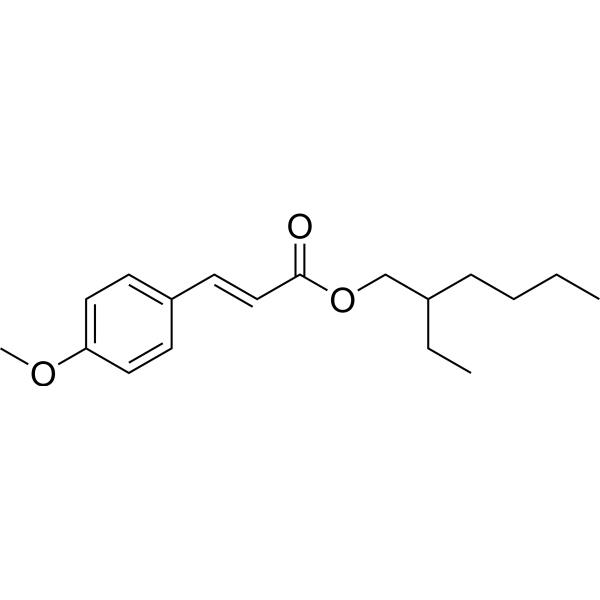
    Octinoxate (Octyl methoxycinnamate) is a thyroid hormone receptor agonist, reducing the levels of triiodothyronine (T3) and thyroxine (T4) and transcription levels of genes related to type II deiodinase (deio2) in Japanese Medaka. Octinoxate is commonly used as a safe ultraviolet (UV) filter used in the aquatic environment. Octinoxate inhibits CYP1A1 and CYP1B1 to regulate hyaluronan (HA) (HY-B0633A) metabolism in a PI3K pathway-dependent manner in human keratinocytes. Octinoxate also exhibits an anti-estrogenic and anti-androgenic effect in vitro and in vivo .
    Octinoxate
  • HY-W008859
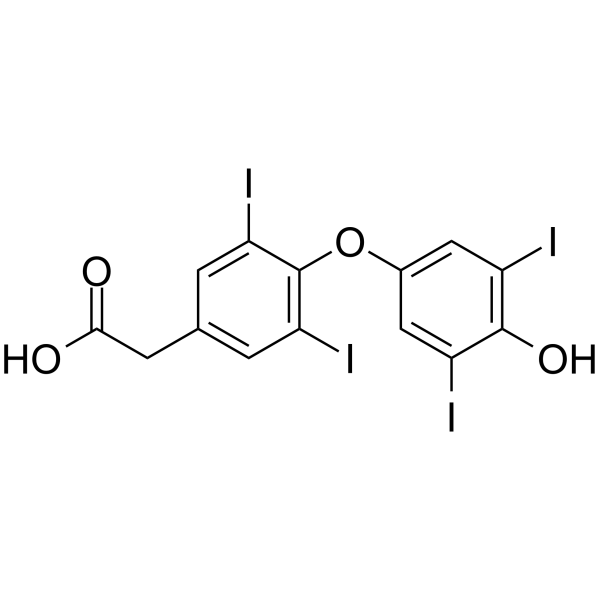
    Tetrac
    1 Publications Verification

    Tetraiodothyroacetic acid; 3,3',5,5'-Tetraiodothyroacetic acid

    Integrin Endogenous Metabolite Cancer
    Tetrac (Tetraiodothyroacetic acid), a derivative of L-thyroxine (T4), is a thyrointegrin receptor antagonist. Tetrac blocks the actions of T4 and 3,5,3'-triiodo-L-thyronine (T3) at the cell surface receptor for thyroid hormone on integrin αvβ3. Tetra has anti-angiogenic and anti-tumor activities .
    Tetrac
  • HY-W017113
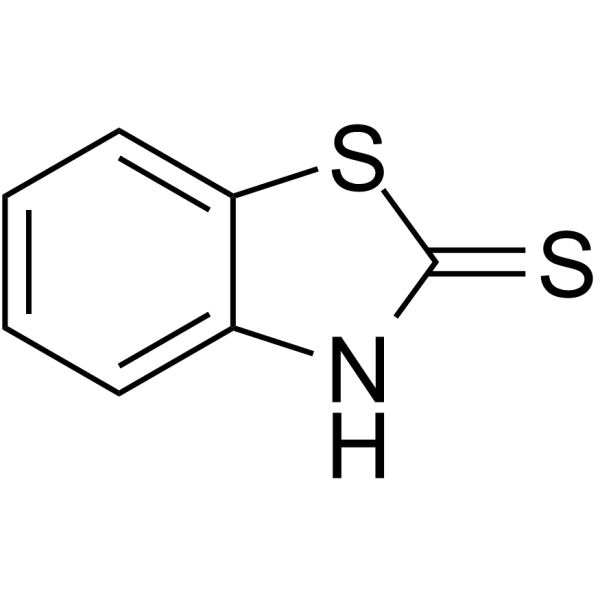
    2-Mercaptobenzothiazole
    1 Publications Verification

    Environmental Pollutants Endogenous Metabolite Metabolic Disease
    2-Mercaptobenzothiazole is an activator of the aryl hydrocarbon receptor (AhR) , inhibiting thyroid hormone synthesis and dopamine beta-hydroxylase activity . 2-Mercaptobenzothiazole promotes bladder cancer cell invasion by altering the conformation of the AhR ligand binding domain (LBD), activating AhR transcription, and upregulating the mRNA and protein expression of target genes CYP1A1 and CYP1B1 . 2-Mercaptobenzothiazole inhibits thyroid peroxidase (TPO) with an IC50 value of 11.5 μM, induces histological changes such as follicular cell hypertrophy in Xenopus laevis tadpoles, delaying metamorphosis . 2-Mercaptobenzothiazole increases chromosomal aberrations and sister chromatid exchanges (SCEs) in Chinese hamster ovary (CHO) cells, and enhances carcinogenicity in F344/N rats . 2-Mercaptobenzothiazole inhibits norepinephrine synthesis in mice and completely blocks the conversion of exogenous dopamine to norepinephrine in rat cardiomyocytes .
    2-Mercaptobenzothiazole
  • HY-W011927

    Bisphenol S; Bis(4-hydroxyphenyl) sulfone

    Estrogen Receptor/ERR Histone Methyltransferase Thyroid Hormone Receptor PI3K Akt mTOR Androgen Receptor Drug Derivative Cardiovascular Disease Neurological Disease Metabolic Disease Inflammation/Immunology Cancer
    4,4'-Sulfonyldiphenol (Bisphenol S; Bis(4-hydroxyphenyl) sulfone), a substitute for Bisphenol A (HY-18260), is widely used in industrial and consumer products. 4,4'-Sulfonyldiphenol is an oally ative estrogen receptor (ER) agonist and can competitively bind to thyroid hormone receptors (TR) with IC50 values for TRα and TRβ are 2650 μM and 2294 μM respectively, thereby affecting breast development and reducing the expression of androgen receptor (AR) in fetal testes. 4,4'-Sulfonyldiphenol promotes the progression of glioblastoma by upregulating the EZH2 mediated PI3K/AKT/mTOR pathway. Under chronic exposure, 4,4'-Sulfonyldiphenol can cause significant lipid deposition and dyslipidemia in the mouse liver by upregulating JunB and Atf3, and has a role in causing obesity at low doses. 4,4'-Sulfonyldiphenol induces intestinal inflammation by altering the intestinal microbiome. 4,4'-Sulfonyldiphenol accelerates the progression of atherosclerosis in zebrafish embryo larvae .
    4,4'-Sulfonyldiphenol
  • HY-A0070AR
    Liothyronine (Standard)
    30+ Cited Publications

    Triiodothyronine (Standard); 3,3',5-Triiodo-L-thyronine (Standard); T3 (Standard)

    Thyroid Hormone Receptor Endogenous Metabolite Reference Standards Endocrinology Cancer
    Liothyronine (Standard) is the analytical standard of Liothyronine. This product is intended for research and analytical applications. Liothyronine is an active form of thyroid hormone. Liothyronine is a potent thyroid hormone receptors TRα and TRβ agonist with Kis of 2.33 nM for hTRα and hTRβ, respectively .
    Liothyronine (Standard)
  • HY-A0070AG
    Liothyronine
    1 Publications Verification

    Triiodothyronine; 3,3',5-Triiodo-L-thyronine; T3

    Thyroid Hormone Receptor Endocrinology Cancer
    Liothyronine (Triiodothyronine) (GMP) is the Liothyronine (HY-A0070A) produced by using GMP guidelines. GMP small molecules work appropriately as an auxiliary reagent for cell therapy manufacture. Liothyronine is a potent thyroid hormone receptors TRα and TRβ agonist with Kis of 2.33 nM for hTRα and hTRβ, respectively .
    Liothyronine
  • HY-126996

    Drug Metabolite Endogenous Metabolite Metabolic Disease
    Triiodothyronine sulfate is the main metabolite of thyroid hormone triiodothyronine (T3). Triiodothyronine is an active form of thyroid hormone, which binds to β1 thyroid hormone receptor (TRβ1), and activates its activity .
    Triiodothyronine sulfate
  • HY-168046

    Thyroid Hormone Receptor Metabolic Disease
    ALG-055009 is a selective and orally active Thyroid Hormone Receptor Beta (THR-β) agonist with an EC50 of 0.063 μM. ALG-055009 binds to the T3 hormone pocket of human THR-β, forming polar interactions with protein residues. ALG-055009 can lower total cholesterol levels in rats on a high-fat diet. ALG-055009 exhibits high metabolic stability, good permeability, a long in vivo half-life, and limited drug-drug interaction liability. ALG-055009 can be used in studies related to metabolic dysfunction-associated fatty liver disease .
    ALG-055009
  • HY-114116

    TSH Receptor Metabolic Disease Endocrinology
    ML-109 is a potent and full thyroid stimulating hormone receptor (TSHR) agonist, with an EC50 of 40 nM.
    ML-109
  • HY-103302

    CGRP Receptor Endocrinology
    SUN B8155, a non-peptide agonist of calcitonin (CT) receptor, selectively mimics the biological actions of calcitonin. Calcitonin, a 32-amino acid peptide hormone secreted mainly from the thyroid gland, plays an important role in maintaining bone homeostasis .
    SUN B8155
  • HY-10473

    KB2115

    Thyroid Hormone Receptor Metabolic Disease Endocrinology
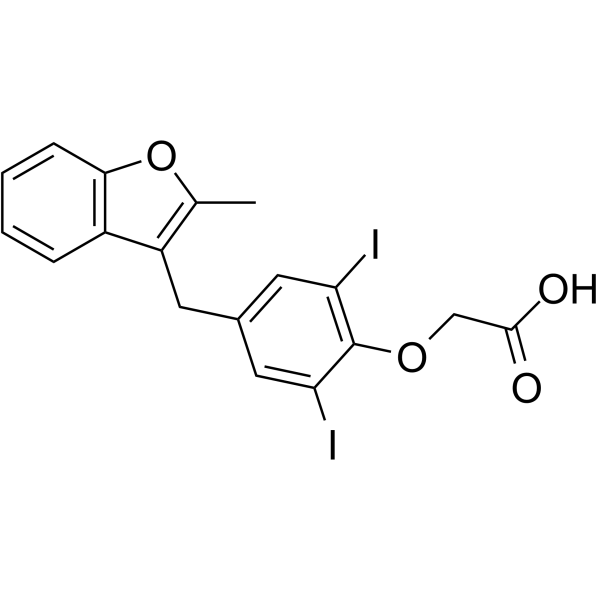
    Eprotirome (KB2115) is a liver-selective thyroid hormone receptor (TR) agonist. KB2115 has modestly higher affinity for TRβ than for TRα. Eprotirome reduces low-density lipoprotein (LDL) cholesterol concentrations. Eprotirome can be used for dyslipidemias and obesity research .
    Eprotirome
  • HY-A0069

    Histamine Receptor Cytochrome P450 Neurological Disease Metabolic Disease
    Doxylamine succinate is a first-generation antihistamine and acts as a histamine H1 receptor antagonist. Doxylamine succinate is orally active, possessing analgesic and hypnotic activities. Doxylamine succinate enhances the activities of CYP2B, CYP2A, CYP3A and thyroxine-glucuronosyltransferase via promoting substrate hydroxylation and thyroxine metabolic pathways. Doxylamine succinate decreases serum thyroxine (T4) level and elevates serum thyroid-stimulating hormone (TSH) level. Doxylamine succinate induces liver enlargement and increases the activities of hepatic microsomal cytochrome P450, cytochrome b5 and NADPH-cytochrome c reductase. Doxylamine succinate can be used for the research of nausea, allergy, insomnia .
    Doxylamine succinate
  • HY-127024

    Thyroid Hormone Receptor Metabolic Disease
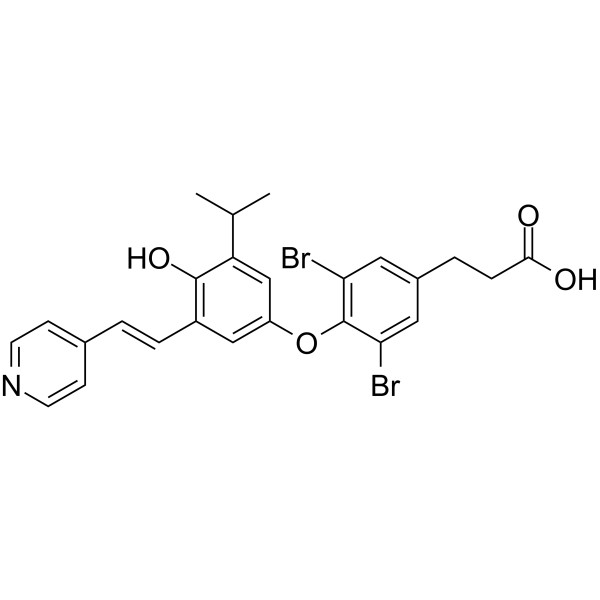
    Thyroid hormone receptor antagonist (1-850) is a competitive, selective and high-affinity thyroid hormone receptor (TR) antagonist with an IC50 of 1.5 μM for antagonizing the effect of T3 on TR. Thyroid hormone receptor antagonist (1-850) blocks T3-mediated interaction of TRα and TRβ with nuclear receptor coactivator. Thyroid hormone receptor antagonist (1-850) has no effect on the activity of RARα .
    Thyroid hormone receptor antagonist (1-850)
  • HY-130012
    CO23
    1 Publications Verification

    Thyroid Hormone Receptor Metabolic Disease
    CO23 is a selective thyroid hormone receptor (TR) α agonist and used for growth and development regulation .
    CO23
  • HY-122974

    TSH Receptor Endocrinology
    VA-K-14 hydrochloride is a specific thyroid-stimulating hormone receptor (TSHR) antagonist (IC50= 12.3 μM) .
    VA-K-14 hydrochloride
  • HY-111443
    TR antagonist 1
    4 Publications Verification

    Thyroid Hormone Receptor Metabolic Disease Endocrinology
    TR antagonist 1 is a high-affinity thyroid hormone receptor (TR) antagonist with IC50s of 36 and 22 nM for TRα and TRβ, respectively.
    TR antagonist 1
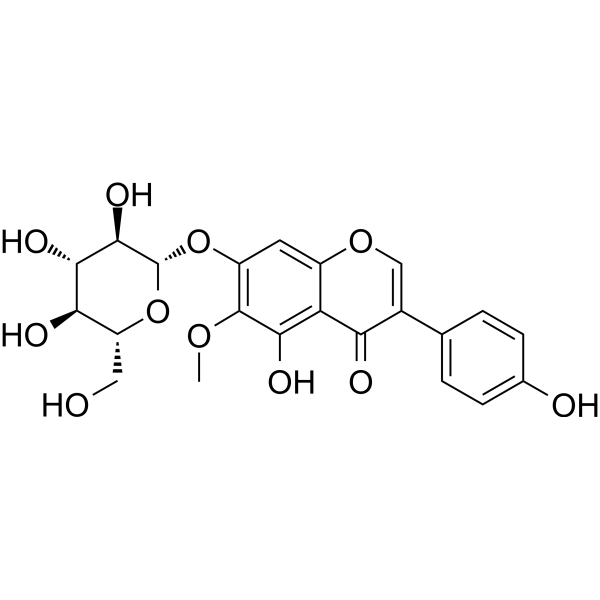
  • HY-N0791
    Tectoridin
    1 Publications Verification

    Estrogen Receptor/ERR Cancer
    Tectoridin is a isoflavone isolated from Maackia amurensis. Tectoridin is a phytoestrogen and activates estrogen and thyroid hormone receptors. Tectoridin exerts the estrogenic effects via ER-dependent genomic pathway and GPR30-dependent nongenomic pathway .
    Tectoridin
  • HY-153213

    TSH Receptor Metabolic Disease
    Org 274179-0 is a potent and allosteric antagonist of thyroid-stimulating hormone (TSH) receptor, with an IC50 of nanomolar concentration. Org 274179-0 completely inhibits TSH (and TSI)-mediated TSH receptor activation with little effect on the potency of TSH. Org 274179-0 can be used for the research of Graves' disease (GD) .
    Org 274179-0
  • HY-126236
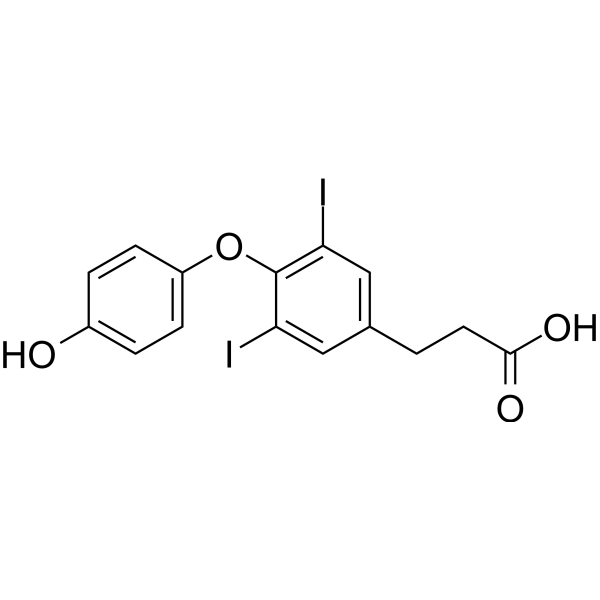
    3,5-Diiodothyropropionic acid
    1 Publications Verification

    Thyroid Hormone Receptor Cardiovascular Disease Endocrinology
    3,5-Diiodothyropropionic acid is a thyroid hormone analog, induces α-myosin heavy chain mRNA expression, binds to thyroid hormone receptor (TR), with Ka of 2.40 and 4.06 M -1 for TRα1 and TRβ1, respectively. 3,5-Diiodothyropropionic acid promotes angiogenesis in 3-D human dermal microvascular endothelial cell sprouting assay. 3,5-Diiodothyropropionic acid prevents myocardial arteriolar loss in thyroidectomized rats and enhances cardiac energy-generating capacity in postinfarction heart failure rats. 3,5-Diiodothyropropionic can be used in studies related to angiogenesis and heart failure .
    3,5-Diiodothyropropionic acid
  • HY-158100

    TSH Receptor Endocrinology
    SYD5115 is an orally available TSH-R antagonist .
    SYD5115
  • HY-W011927S
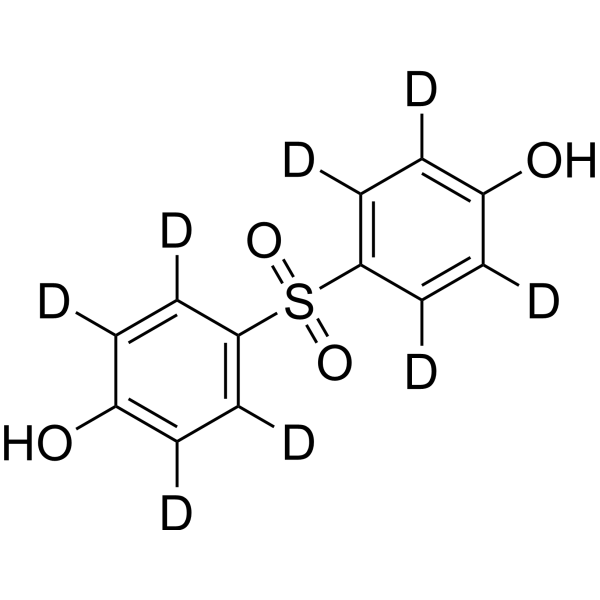
    4,4'-Sulfonyldiphenol-d8
    1 Publications Verification

    Bisphenol S (4,4'-Sulfonyldiphenol)-d8

    Isotope-Labeled Compounds Estrogen Receptor/ERR Histone Methyltransferase Thyroid Hormone Receptor PI3K Akt mTOR Androgen Receptor Cardiovascular Disease Metabolic Disease Inflammation/Immunology Endocrinology Cancer
    4,4'-Sulfonyldiphenol-d8 (Bisphenol S (4,4'-Sulfonyldiphenol)-d8) is the deuterium labeled 4,4'-Sulfonyldiphenol (HY-W011927).4,4'-Sulfonyldiphenol (Bisphenol S; Bis(4-hydroxyphenyl) sulfone), a substitute for Bisphenol A (HY-18260), is widely used in industrial and consumer products. 4,4'-Sulfonyldiphenol is an estrogen receptor (ER) agonist and can competitively bind to thyroid hormone receptors (TR) with IC50 values for TRα and TRβ are 2650 μM and 2294 μM respectively, thereby affecting breast development and reducing the expression of androgen receptor (AR) in fetal testes. 4,4'-Sulfonyldiphenol promotes the progression of glioblastoma by upregulating the EZH2 mediated PI3K/AKT/mTOR pathway. Under chronic exposure, 4,4'-Sulfonyldiphenol can cause significant lipid deposition and dyslipidemia in the mouse liver by upregulating JunB and Atf3, and has a role in causing obesity at low doses. 4,4'-Sulfonyldiphenol induces intestinal inflammation by altering the intestinal microbiome. 4,4'-Sulfonyldiphenol accelerates the progression of atherosclerosis in zebrafish embryo larvae.
    4,4'-Sulfonyldiphenol-d8
  • HY-100271

    TSH Receptor Endocrinology
    Org41841 is a partial agonist of both luteinizing hormone/chorionic gonadotropin receptor (LHCGR) and thyroid-stimulating hormone receptor (TSHR) with EC50s of 0.2 and 7.7 μM, respectively.
    Org41841
  • HY-12753A
    Debutyldronedarone hydrochloride
    2 Publications Verification

    SR35021 hydrochloride

    Thyroid Hormone Receptor Cardiovascular Disease
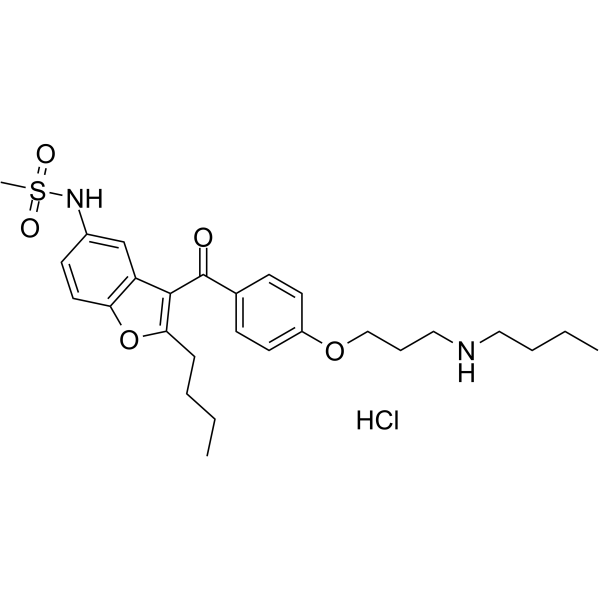
    Debutyldronedarone (SR35021) hydrochloride, the main metabolite of Dronedarone, is a selective thyroid hormone receptor α1 (TRα1) inhibitor. Debutyldronedarone hydrochloride inhibits T3 binding to TRα1 and TRβ1 by 77% and 25%, respectively. Debutyldronedarone hydrochloride can be used for the research of arrhythmic .
    Debutyldronedarone hydrochloride
  • HY-120026
    KB130015
    1 Publications Verification

    KB015

    Thyroid Hormone Receptor Calcium Channel Potassium Channel Sodium Channel Cardiovascular Disease
    KB130015 (KB015) is an orally active and potent ThRα and ThRβ (thyroid hormone receptor) inhibitor, with IC50 values of 4.5 and 5.1 μM, respectively. KB130015 markedly slows the kinetics of inactivation of Na + channels. KB130015 activates hERG1 channels (EC50 = 12.2 μM) and large-conductance Ca 2+-activated K + (BKCa) channels formed by hSlo1 (α) subunits in HEK 293 cells. KB130015 has antiarrhythmic properties. KB130015 can be used for the study of cardiovascular disease .
    KB130015
  • HY-163945

    Thyroid Hormone Receptor Metabolic Disease
    ZTA-261 is a highly selective and low toxic thyroid hormone receptor β subtype (THR-β) agonist (IC50=6.3 nM) that reduces body weight and visceral fat through a liothyronine (HY-A0070A) mediated pathway. ZTA-261 can be used in the study of lipid metabolism and obesity prevalence .
    ZTA-261
  • HY-135065

    Trace Amine-associated Receptor (TAAR) Metabolic Disease
    3-Iodothyronamine (hydrochloride) is an endogenous and rapid-acting derivative of thyroid hormone. 3-Iodothyronamine potently activates an orphan G protein-coupled receptor in vitro (TAAR1) and induced hypothermia in vivo on a rapid time scale. 3-Iodothyronamine can be used for the research of congestive heart failure .
    3-Iodothyronamine hydrochloride
  • HY-164495

    FAAH Thyroid Hormone Receptor Inflammation/Immunology Endocrinology
    Sob-AM2 is a potent substrate (Km=1.3 μM) targeting fatty acid amide hydrolase (FAAH) expressed in the brain and has blood-brain barrier permeability. Sob-AM2 delivers high concentrations of Sobetirome (HY-14823) to the central nervous system with minimal peripheral systemic dose, thereby stimulating central thyroid hormone receptor β (TRβ). In addition, Sob-AM2 can prevent myelin and axon degeneration in experimental autoimmune encephalomyelitis (EAE) mice .
    Sob-AM2
  • HY-146997

    Thyroid Hormone Receptor Metabolic Disease
    TRβ agonist 1 is a selective and mutation-sensitive thyroid hormone receptor β (TRβ) agonist, with an EC50 value of 21 nM. TRβ agonist 1 can be used for researching dyslipidemia, nonalcoholic steatohepatitis (NASH), and resistance to thyroid hormone (RTH) .
    TRβ agonist 1
  • HY-A0070R

    Triiodothyronine sodium (Standard); 3,3',5-Triiodo-L-thyronine sodium (Standard); T3 sodium (Standard)

    Reference Standards Thyroid Hormone Receptor Endogenous Metabolite Endocrinology Cancer
    Liothyronine (sodium) (Standard) is the analytical standard of Liothyronine (sodium). This product is intended for research and analytical applications. Liothyronine sodium is an active form of thyroid hormone. Liothyronine sodium is a potent thyroid hormone receptors TRα and TRβ agonist with Kis of 2.33 nM for hTRα and hTRβ, respectively .
    Liothyronine sodium (Standard)
  • HY-164764

    Estrogen Receptor/ERR Endocrinology
    ADX61623 is a potent follicle stimulating hormone (FSH) receptor (FSHR) negative allosteric modulator (NAM). ADX61623 shows luteinizing hormone receptor (LH-R) activity and is not active on thyroid-stimulating hormone (TSH) receptors. ADX61623 can be used for the study of estrogen dependent disease .
    ADX61623
  • HY-153213A

    TSH Receptor Endocrinology
    Org 274178-0 is a selective thyroid-stimulating hormone receptor (TSHR) antagonist with a pIC50 value for TSHR is 5.03. Org 274178-0 inhibits the activation of cAMP signaling pathway and phospholipase C (PLC) signaling pathway mediated by thyroid-stimulating hormone (TSH) and TSH receptor-stimulating immunoglobulins (TSIs). Org 274178-0 is promising for research of Graves’ disease and Graves’ ophthalmopathy .
    Org 274178-0
  • HY-127024A

    Thyroid Hormone Receptor Metabolic Disease
    TR antagonist 2 (Compound 10a) is a competitive thyroid hormone receptors (TRα/β) antagonist (IC50=47 nM). TR antagonist 2 competes with triiodothyronine (T3) for binding to the ligand-binding domain of TR to block receptor-coactivator complex formation and inhibit target gene transcription, reducing thyroid hormone-mediated hypermetabolic effects. TR antagonist 2 is promising for research of hyperthyroidism (e.g., Graves' disease) and thyrotoxicosis .
    TR antagonist 2
  • HY-19513

    Thyroid Hormone Receptor Metabolic Disease Endocrinology
    MB-07344 is a potent thyroid hormone receptor (TR)-β agonist with a Ki of 2.17 nM. MB-07344 has additive cholesterol lowering activity in combination with Atorvastatin (HY-B0589) in rabbits, dogs and monkeys .
    MB-07344
  • HY-149132

    DDA

    LXR Cancer
    Dendrogenin A (DDA) is a ligand for liver X receptor (LXR), that induces the expression of sodium/iodine symporter, and increases iodine uptake. Dendrogenin A induces cell differentiation of MCF-7, and reactivates the function of lactating cells. Dendrogenin A induces the expressions of the TSH receptor, thyroid peroxidase, and thyroglobulin, and affects thyroid hormone generation. Dendrogenin A exhibits cytotoxicity in cancer cell B-CPAP and 8505c with IC50 of 4.1 and 6.2 µM. Dendrogenin A arrests the cell cycle at G0/G1 phase .
    Dendrogenin A
  • HY-Q04764

    Thyroid Hormone Receptor Apoptosis Cancer
    TI17 is an inhibitor of the thyroid hormone receptor-interacting protein Trip13 and has anticancer activity. TI17 effectively inhibits multiple myeloma (MM) cell proliferation and induces cell cycle arrest and apoptosis. Trip13 is an AAA-ATPase that mediates double-strand break (DSB) repair; TI17 inhibits Trip13 function and increases DNA damage .
    TI17
  • HY-A0070AS1

    Triiodothyronine-13C9,15N; 3,3',5-Triiodo-L-thyronine-13C9,15N; T3-13C9,15N

    Thyroid Hormone Receptor Endogenous Metabolite Cancer
    Liothyronine- 13C9, 15N is the 13C and 15N labeled Liothyronine . Liothyronine is an active form of thyroid hormone. Liothyronine is a potent thyroid hormone receptors TRα and TRβ agonist with Kis of 2.33 nM for hTRα and hTRβ, respectively .
    Liothyronine-13C9,15N
  • HY-14823G

    GC-1; QRX-431

    Thyroid Hormone Receptor Metabolic Disease Endocrinology
    Sobetirome (GMP) is Sobetirome (HY-14823) produced by using GMP guidelines. GMP small molecules works appropriately as an auxiliary reagent for cell therapy manufacture. Sobetirome (GC-1) is a thyroid hormone receptor β (TRβ)-specific agonist which bind selectively to TRβ-1 with an EC50 of 0.16 μM .
    Sobetirome
  • HY-172661

    Thyroid Hormone Receptor Interleukin Related LDLR Infection Metabolic Disease
    KYLO-0603 is an orally active, selective THR-β agonist (EC50 : 31.07 nM). KYLO-0603 has significant activity in lowering serum cholesterol and low-density lipoprotein cholesterol. KYLO-0603 upregulates the expression of THR-regulated genes (including iodothyronine deiodinase 1 (Dio1), malic enzyme 1 (Me1), and thyroid hormone response (Thrsp) gene) and inhibits the expression of inflammatory and fibrotic genes (low-density lipoprotein receptor (LDL-R) gene) by activating THR-β receptors. KYLO-0603 can be used to treat metabolic dysfunction-associated steatohepatitis (MASH) and liver fibrosis research .
    Kylo-0603
  • HY-W011927R

    Bisphenol S (Standard); Bis(4-hydroxyphenyl) sulfone (Standard)

    Reference Standards Estrogen Receptor/ERR Histone Methyltransferase Thyroid Hormone Receptor PI3K Akt mTOR Androgen Receptor Drug Derivative Cardiovascular Disease Metabolic Disease Inflammation/Immunology Endocrinology Cancer
    4,4'-Sulfonyldiphenol (Bisphenol S; Bis(4-hydroxyphenyl) sulfone) (Standard) is the analytical standard of 4,4'-Sulfonyldiphenol (HY-W011927). This product is intended for research and analytical applications. 4,4'-Sulfonyldiphenol, a substitute for Bisphenol A (HY-18260), is widely used in industrial and consumer products. 4,4'-Sulfonyldiphenol is an estrogen receptor (ER) agonist and can competitively bind to thyroid hormone receptors (TR) with IC50 values for TRα and TRβ are 2650 μM and 2294 μM respectively, thereby affecting breast development and reducing the expression of androgen receptor (AR) in fetal testes. 4,4'-Sulfonyldiphenol promotes the progression of glioblastoma by upregulating the EZH2 mediated PI3K/AKT/mTOR pathway. Under chronic exposure, 4,4'-Sulfonyldiphenol can cause significant lipid deposition and dyslipidemia in the mouse liver by upregulating JunB and Atf3, and has a role in causing obesity at low doses. 4,4'-Sulfonyldiphenol induces intestinal inflammation by altering the intestinal microbiome. 4,4'-Sulfonyldiphenol accelerates the progression of atherosclerosis in zebrafish embryo larvae.
    4,4'-Sulfonyldiphenol (Standard)
  • HY-153477

    Thyroid Hormone Receptor Cancer
    Thyroid hormone receptor beta agonist-1 (compound 3) is a thyroid beta-agonist .
    Thyroid hormone receptor beta agonist-1
  • HY-A0070C

    Triiodothyronine hydrochloride; 3,3',5-Triiodo-L-thyronine hydrochloride; T3 hydrochloride

    Thyroid Hormone Receptor Endogenous Metabolite Endocrinology Cancer
    Liothyronine hydrochloride is an active form of thyroid hormone. Liothyronine hydrochloride is a potent thyroid hormone receptors TRα and TRβ agonist with Kis of 2.33 nM for hTRα and hTRβ, respectively .
    Liothyronine hydrochloride
  • HY-A0070AS3

    Triiodothyronine-d3; 3,3',5-Triiodo-L-thyronine-d3; T3-d3

    Endogenous Metabolite Thyroid Hormone Receptor Isotope-Labeled Compounds Endocrinology Cancer
    Liothyronine-d3 is deuterated labeled Liothyronine (HY-A0070A). Liothyronine is an active form of thyroid hormone. Liothyronine is a potent thyroid hormone receptors TRα and TRβ agonist with Kis of 2.33 nM for hTRα and hTRβ, respectively .
    Liothyronine-d3

Consulta en línea

Your information is safe with us. * Required Fields.

Saludo


Country or Region *

Nombre del solicitante *


Nombre de la Organizaciòn *

Department *


Direcciòn del E-mail *


Nombre del producto *

Cat. No.


Requested quantity *

Número de teléfono *


Observaciones

Consulta en línea

Inquiry Information

Nombre del producto:
Cat. No.:
Cantidad:
MCE Japan Authorized Agent:

