1. Search Result
Search Result
Results for "

Xenopus oocytes

" in MedChemExpress (MCE) Product Catalog:

73

Inhibitors & Agonists

12

Peptides

4

Natural
Products

1

Isotope-Labeled Compounds

Cat. No. Product Name Target Research Areas Chemical Structure
  • HY-B0942
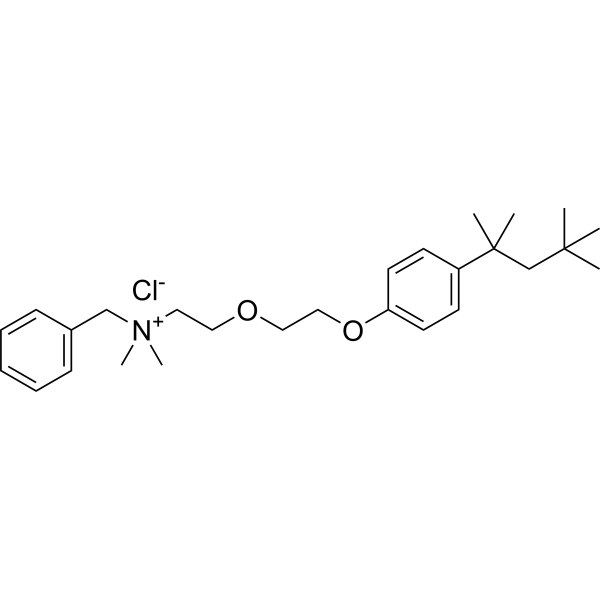
    Benzethonium chloride
    1 Publications Verification

    Environmental Pollutants nAChR Bacterial Apoptosis Caspase Infection Neurological Disease Cancer
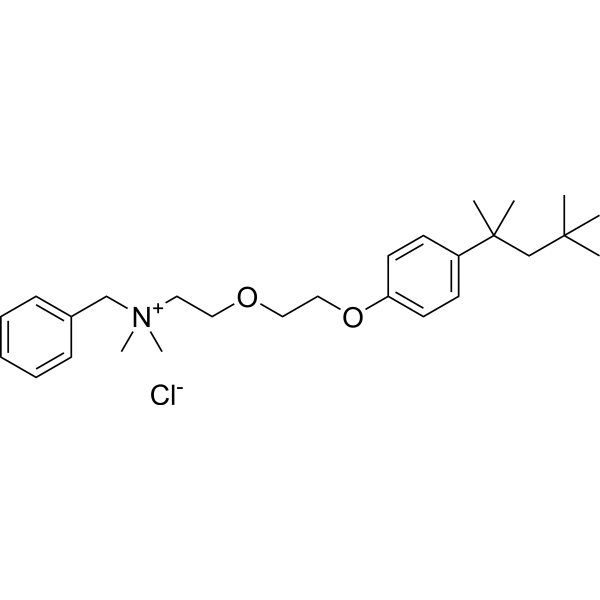
    Benzethonium chloride inhibits nicotinic acetylcholine receptors in human recombinant α7 and α4β2 neurons in Xenopus laevis oocytes, which has antibacterial, anticancer, antisepsis and disinfection activity. Benzethonium chloride induced Apoptosis and activated caspases in cancer cell lines. Benzethonium chloride ablates the tumor-forming ability of FaDu cells, delays the growth of xenograft tumors in vivo .
    Benzethonium chloride
  • HY-B1167

    Cardiorythmine; (+)-Ajmaline

    Sodium Channel Cardiovascular Disease
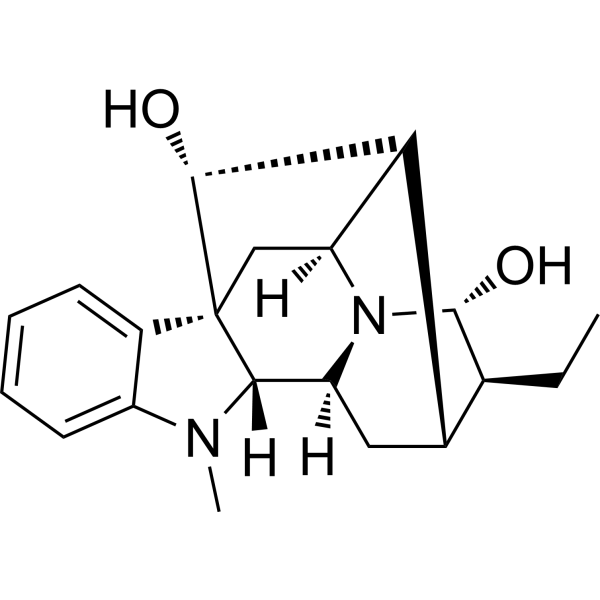
    Ajmaline (Cardiorythmine) is a sodium channel blocking, class 1A anti-arrhythmic agent. Ajmaline blocks HERG currents with an IC50 of 1 μM in HEK cells and 42.3 μM in Xenopus oocytes. Ajmaline can be used for the research of the ventricular tachyarrhythmia .
    Ajmaline
  • HY-100834
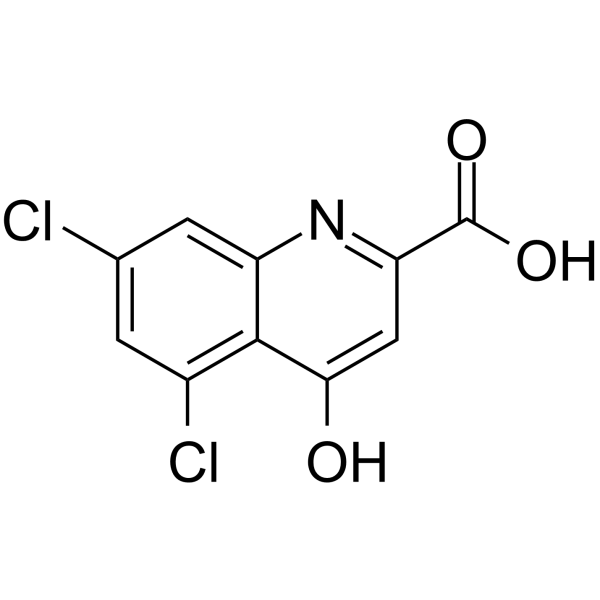
    5,7-Dichlorokynurenic acid
    1 Publications Verification

    5,7-DCKA

    iGluR Neurological Disease
    5,7-Dichlorokynurenic acid (5,7-DCKA) is a selective and competitive antagonist of the glycine site on NMDA receptor with a KB of 65 nM. 5,7-Dichlorokynurenic acid reduces NMDA-induced neuron injury. 5,7-Dichlorokynurenic acid increases social interaction time, increases open arm exploration time, disinhibits suppressed conflict responding in rodent models. 5,7-Dichlorokynurenic acid exhibits anxiolytic-like activity in rodent models and supports exploration of glycine’s role in NMDA receptor-mediated synaptic transmission .
    5,7-Dichlorokynurenic acid
  • HY-174166

    Aquaporin Metabolic Disease
    AqF026 is an aquaporin 1 (AQP1) agonist. AqF026 enhances the channel activity of human AQP1 in the Xenopus laevis oocyte system. AqF026 enhances the osmotic transport of water across the peritoneum in a mouse model of peritoneal dialysis. AqF026 can be used in studies related to ultrafiltration failure in peritoneal dialysis .
    AqF026
  • HY-13710A

    Histamine Receptor Endogenous Metabolite Inflammation/Immunology
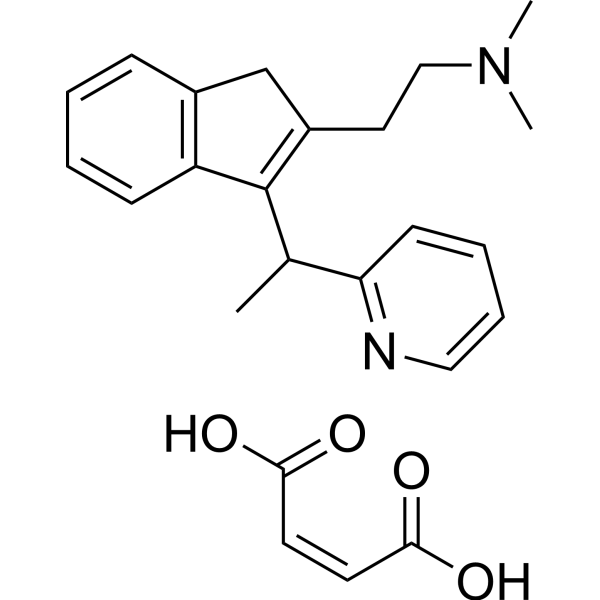
    Dimethindene maleate is a selective histamine H1 antagonist with antihistamine effects. Dimethindene maleate can be used for the research of hypersensitivity reactions .
    Dimethindene maleate
  • HY-101310

    iGluR EAAT Bcl-2 Family Caspase Cardiovascular Disease Neurological Disease Inflammation/Immunology
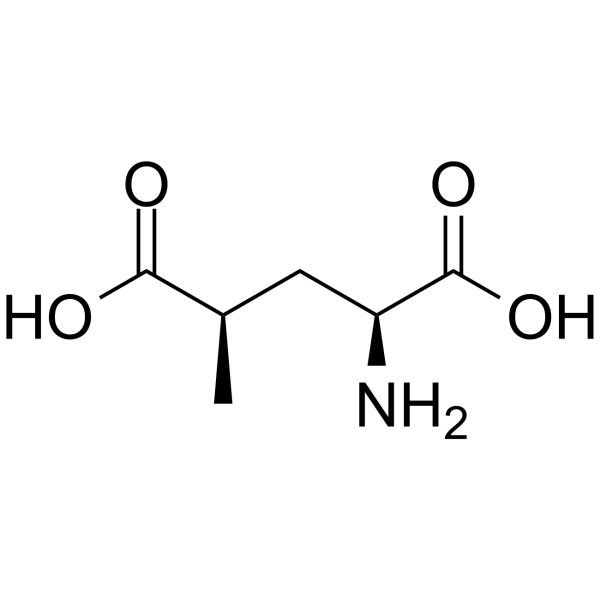
    SYM 2081 is a kainate receptor agonist. SYM 2081 is a substrate of EAAT1 (Km of 54 μM). SYM 2081 inhibits EAAT2-mediated glutamate transport (Kb is 3.4 μM in Xenopus oocytes), modulates Apoptotic signaling pathways (increases Bcl-2 and decreases Bax/caspase-3 expression). SYM 2081 exhibits neuroprotective activity. SYM 2081 can be used in the study of hypoxic-ischemic brain damage and inflammatory or neuropathic pain .
    SYM 2081
  • HY-D0976
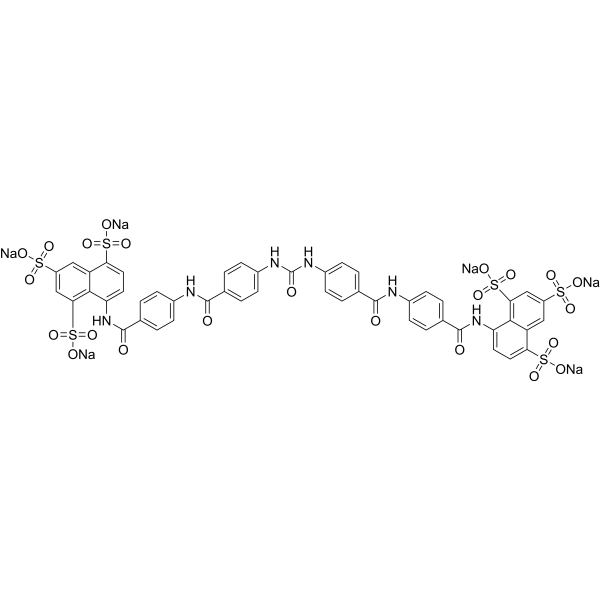
    NF279
    1 Publications Verification

    P2X Receptor HIV NTPDase CXCR Infection
    NF279 is a selective P2X1 receptor antagonist and NTPDase inhibitor, with a P2X1 IC50 value of 19 nM. NF279 suppresses GABA-evoked currents, reduces ATP-excited respiratory activity, alters hypoglossal nerve burst parameters, and blocks CXCR4, CCR5, CXCR3, and CXCR7-mediated calcium responses. NF279 arrests HIV-1 fusion downstream of CD4 binding, inhibits R5- and X4-tropic HIV-1 strains. NF279 can be used for the research of HIV-1 infection .
    NF279
  • HY-W011428
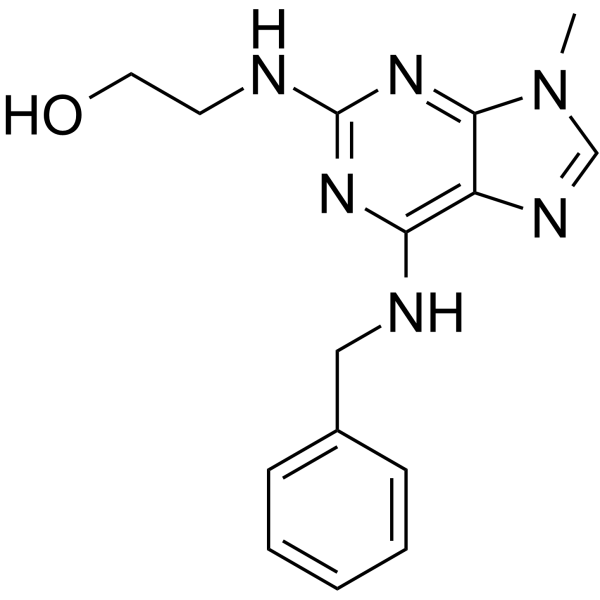
    Olomoucine
    1 Publications Verification

    CDK Others Cancer
    Olomoucine is an ATP competitive inhibitor of CDKs. Olomoucine is a purine (HY-34431) derivative and inhibits CDC2/cyclin B, Cdk2/cyclin A, Cdk2/cyclin E (both IC50=7 μM), CDK/p35 kinase (IC50=3 μM) and ERK1/p44 MAP kinase (IC50=25 μM) . Olomoucine regulates cell cycle and shows anti-melanin tumor activity .
    Olomoucine
  • HY-P4376A

    CaSR Neurological Disease
    Gamma-Glu-Abu TFA is the TFA salt form of Gamma-Glu-Abu (HY-P4376). Gamma-Glu-Abu TFA is an agonist for calcium sensing receptor (CaSR), that activates the CaSR with an EC50 of 0.21 μM in HEK-293 cell .
    Gamma-Glu-Abu TFA
  • HY-19976
    RN-1747
    5 Publications Verification

    TRP Channel Cardiovascular Disease Metabolic Disease
    RN-1747 is a selective TRPV4 channel agonist, with EC50 values of 0.77 μM, 4.0 μM and 4.1 μM for hTRPV4, mTRPV4 and rTRPV4, respectively. RN-1747 acts as an antagonist of TRPM8, with an IC50 of 4 μM. Topical cutaneous administration of RN-1747 induces hypothermia, increases tail heat loss via cutaneous vasodilation, and promotes cold-seeking behavior in rats. Intracerebroventricular administration of RN-1747 does not induce hypothermia in rats .
    RN-1747
  • HY-N4246

    Aquaporin PKC Akt PI3K Apoptosis Monoamine Oxidase Pregnane X Receptor (PXR) Cardiovascular Disease Neurological Disease Inflammation/Immunology Cancer
    Bacopaside I is an orally active aquaporin AQP1 inhibitor and PKC modulator with neuroprotective and anticancer activities. Bacopaside I specifically blocks the water channel and cGMP-gated ion channel activities of AQP1 without affecting AQP4, thereby inhibiting the migration of colon cancer cells expressing AQP1. Bacopaside I activates the Akt pathway by interacting with PI3K, specifically inhibits MAO-A, effectively alleviates neuron necrosis and apoptosis induced by oxygen-glucose deprivation, reduces oxidative stress, and regulates the surface expression of neuroreceptors. When combined with Bacopaside II (HY-N6016), Bacopaside I significantly reduces the viability, proliferation and invasion ability of breast cancer cells, and binds to the pregnane X receptor (PXR). Bacopaside I is applicable to the research of colon cancer, breast cancer, vascular dementia, cerebral ischemia and other related diseases .
    Bacopaside I
  • HY-101043

    Sigma Receptor iGluR Neurological Disease
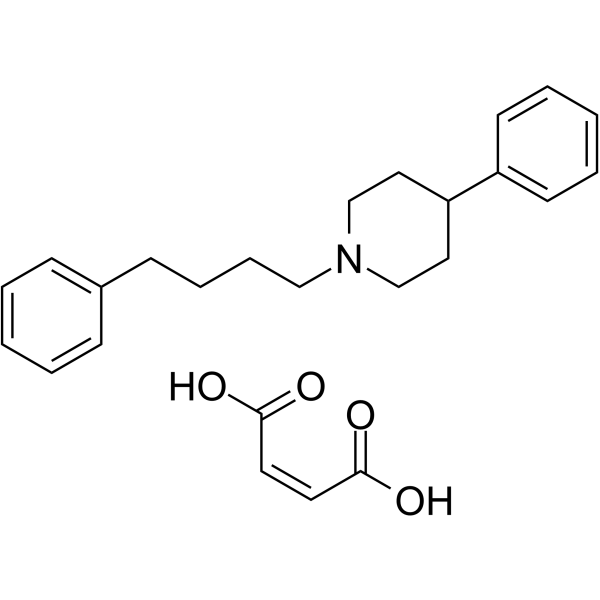
    4-PPBP maleate is a potent σ 1 receptor ligand and agonist. 4-PPBP maleate is a non-competitive, selective NR1a/2B NMDA receptors (expressed in Xenopus oocytes) antagonist. 4-PPBP maleate provides neuroprotection .
    4-PPBP maleate
  • HY-B1404

    Buphenine hydrochloride

    iGluR Influenza Virus Infection Cardiovascular Disease Inflammation/Immunology
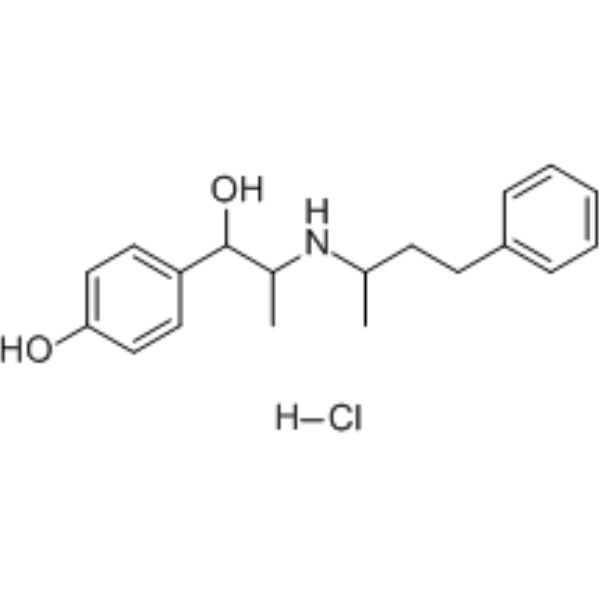
    Nylidrin hydrochloride (Buphenine hydrochloride) is an orally active β-adrenergic agonist. Nylidrin hydrochloride antagonizes NR1A/2B NMDA receptors (IC50 = 0.18 μM in Xenopus oocytes). Nylidrin hydrochloride reduces the levels of NP, HA, and M1. Nylidrin hydrochloride has antiviral activity against multiple H1N1 subtype influenza A viruses. Nylidrin hydrochloride improves hemorrhagic shock and anti-allergic effects .
    Nylidrin hydrochloride
  • HY-114269

    nAChR Neurological Disease Inflammation/Immunology
    (-)-(S)-B-973B is an allosteric activator of α7 nicotinic acetylcholine receptor (α7 nAChR). (-)-(S)-B-973B alleviates pain behaviors. (-)-(S)-B-973B can be used for the research of inflammatory pain .
    (-)-(S)-B-973B
  • HY-W073501

    trans-2-Pentenedioic acid

    Drug Isomer Endogenous Metabolite Cardiovascular Disease Metabolic Disease
    trans-Glutaconic acid (trans-2-Pentenedioic acid) is the trans isomer of Glutaconic acid (HY-W073501A). trans-Glutaconic acid is a neurotoxic metabolite. trans-Glutaconic acid induces weak neurotoxicity in cultured cerebral neocortical neurons. trans-Glutaconic acid elicits significant electrophysiological responses in rat neocortical wedge preparations at high concentrations. trans-Glutaconic acid can be used in studies related to glutaric acidemia type 1 .
    trans-Glutaconic acid
  • HY-B0942R

    Reference Standards nAChR Bacterial Neurological Disease
    Benzethonium (chloride) (Standard) is the analytical standard of Benzethonium (chloride). This product is intended for research and analytical applications. Benzethonium chloride inhibits nicotinic acetylcholine receptors in human recombinant α7 and α4β2 neurons in Xenopus laevis oocytes.
    Benzethonium chloride (Standard)
  • HY-108235A
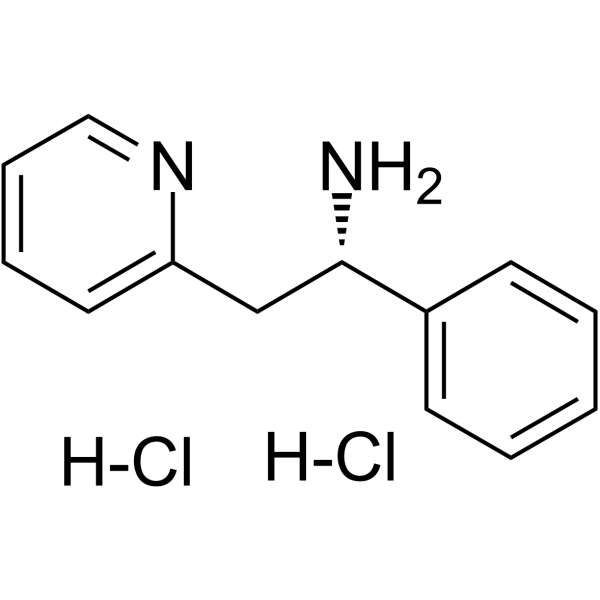
    Lanicemine dihydrochloride
    1 Publications Verification

    AZD6765 dihydrochloride; ARL 15896AR

    iGluR Neurological Disease
    Lanicemine (AZD6765) dihydrochloride is a low-trapping NMDA channel blocker (Ki of 0.56-2.1 μM for NMDA receptor; IC50s of 4-7 μM and 6.4 μM in CHO and Xenopus oocyte cells, respectively). Antidepressant effects .
    Lanicemine dihydrochloride
  • HY-148939

    iGluR Neurological Disease
    MPX-004 is a potent GluN2A antagonist. MPX-004 inhibits GluN2A-containing NMDA receptors expressed in HEK cells with an IC50 of 79 nM. MPX-004 has no inhibitory effect on GluN2B or GluN2D receptor-mediated responses. MPX-004 has the potential for neuropsychiatric and developmental disorders research .
    MPX-004
  • HY-19411

    nAChR Neurological Disease
    SSR180711 hydrochloride is an orally active, selective and reversible α7 acetylcholine nicotinic receptor (n-AChRs) partial agonist. SSR180711 hydrochloride can act on rat α7 n-AChR (Ki=22 nM; IC50=30 nM) and human α7 n-AChR (Ki=14 nM; IC50=18 nM). SSR180711 hydrochloride increases glutamatergic neurotransmission, ACh release and long-term potentiation (LTP) in the hippocampus .
    SSR180711 hydrochloride
  • HY-108960

    P2X Receptor Interleukin Related Neurological Disease
    PPADS is a P2X receptor (P2X Receptor) antagonist and a reversible competitive antagonist of NAADP receptors, with IC50 values of 68 nM (P2X1) and 214 nM (P2X3), respectively. PPADS alleviates pain-related behaviors in the central and peripheral nervous systems of mice after peripheral neuropathy, inhibits the overproduction of IL-1β, IL-6, iNOS and nNOS, and suppresses the hydrolytic activity of extracellular ATPase. PPADS blocks ATP-mediated inward currents on recombinant rat P2X1 and P2X3 receptors, and inhibits purinergic nerve stimulation-induced contraction of rabbit bladder detrusor muscle. PPADS is applicable to research related to neuropathic pain .
    PPADS
  • HY-P1073

    Calcium Channel Potassium Channel Sodium Channel TRP Channel Neurological Disease Cancer
    ProTx-I is a toxin derived from Thrixopelma pruriens and a peptide inhibitor targeting TTX-resistant sodium channels. ProTx-I interacts with voltage sensors of multiple domains such as NaV1.7, reduces neuronal excitability through allosteric modulation of channel gating and alteration of voltage dependence. The IC50 values of ProTx-I against human NaV1.7, NaV1.2, NaV1.6, and NaV1.5 are 95 nM, 104 nM, 21 nM, and 358 nM, respectively; ProTx-I also potently inhibits Ba 2+ currents of hCav3.1, while its inhibitory potency against hCav3.2 is approximately 160-fold lower. ProTx-I is applicable to the research of chronic pain .
    ProTx-I
  • HY-P5785A

    Potassium Channel Neurological Disease
    Heteropodatoxin-2 (TFA), a peptides of 30-amino acid, is a heteropodatoxin. Heteropodatoxin-2 blocks Kv4.2 current expressed in Xenopus laevis oocytes in a voltage-dependent manner, with less block at more positive potentials .
    Heteropodatoxin-2 TFA
  • HY-13710

    Histamine Receptor Potassium Channel Endogenous Metabolite Neurological Disease
    Dimethindene is a potent, selective histamine H1 antagonist. Dimethindene impairs cutaneous wound healing (WH). Dimethindene can block K + currents .
    Dimethindene
  • HY-P5823

    nAChR Neurological Disease
    Azemiopsin is a potent nicotinic acetylcholine receptor (nAChR) inhibitor with IC50s of 0.18 μM and 22 μM against T. californica nAChR and human α7 nAChR, respectively. Azemiopsin blocks acetylcholine-induced currents in Xenopus oocytes heterologously expressing human muscle-type nAChR .
    Azemiopsin
  • HY-W001692

    DOV 273547

    GABA Receptor Neurological Disease
    Ocinaplon (DOV 273547) is an orally active positive allosteric modulator of GABAA receptor, with an EC50 ranging from 3.07 μM (α1β2γ2 subtype) to 10.03 μM (α1β2γ3 subtype). Ocinaplon enhances GABA-stimulated chloride currents across multiple GABAA receptor subtypes, with varying potency between different subtypes. Ocinaplon exerts anxiolytic and anticonvulsant effects, and causes motor impairment at high doses. Ocinaplon can be used for research on generalized anxiety disorder .
    Ocinaplon
  • HY-108235

    AZD6765

    iGluR Neurological Disease
    Lanicemine (AZD6765) is a low-trapping NMDA channel blocker (Ki of 0.56-2.1 μM for NMDA receptor; IC50s of 4-7 μM and 6.4 μM in CHO and Xenopus oocyte cells, respectively). Antidepressant effects .
    Lanicemine
  • HY-P5809

    μ-TrTx-Pe1b

    Sodium Channel Neurological Disease
    Pe1b (μ-TrTx-Pe1b) is a selective Nav1.7 inhibitor with an IC50 of 167 nM .
    Pe1b
  • HY-106316

    GABA Receptor Neurological Disease
    CGS 20625 is a potent, selective and orally active partial agonist for the central benzodiazepine receptor. CGS 20625 inhibits [3H]-flunitrazepam binding to central benzodiazepine receptors with an IC50 of 1.3 nM. CGS 20625 enhances GABA in Xenopus laevis oocytes . CGS 20625 can be used for the research of pentylenetetrazol-induced seizures and anxiety .
    CGS 20625
  • HY-W040176

    N-Palmitoyl-tyrosine phosphoric acid ammonium

    LPL Receptor Cardiovascular Disease Neurological Disease Inflammation/Immunology
    N-PTyrosine PA (N-Palmitoyl-tyrosine phosphoric acid) ammonium is a lysophosphatidic acid (LPA) receptor modulator, which exhibits weak inhibitory activity against LPA1 and partial agonist properties towards LPA5. N-PTyrosine PA ammonium inhibits the activation of LPA receptors and downstream responses by competing with agonists for binding sites. N-PTyrosine PA ammonium can induce morphological changes and aggregation, and also inhibit LPA-induced morphological changes through receptor desensitization caused by pre-incubation. N-PTyrosine PA ammonium can be used in the research of related diseases such as atherosclerosis and acute ischemic syndromes (e.g., unstable angina, myocardial infarction, stroke) .
    N-PTyrosine PA ammonium
  • HY-B2021

    Insecticide Neurological Disease
    τ-Fluvalinate is an insecticide and in-hive miticide, with its mechanism involving interfering with nervous systems. τ-Fluvalinate binds to the open state of Varroa destructor (VdNaV1) and Apis mellifera (AmNaV1) voltage-dependent sodium channels, with EC50 values of 160 nM and 60 nM respectively. τ-Fluvalinate has higher affinity for AmNaV1, which causes sublethal toxicity to honeybees. τ-Fluvalinate can be applied for research on Varroa destructor infestation in honeybee colonies .
    τ-Fluvalinate
  • HY-117611

    nAChR Neurological Disease
    GAT107 (compound 1b) is a potent α7 nAChR ago-PAMs (positive allosteric modulators) .
    GAT107
  • HY-122504

    Potassium Channel Neurological Disease
    Linoleoyl glycine is a modified polyunsaturated fatty acid. Linoleoyl glycine has activating effects on human KCNQ1/KCNE1 (hKCNQ1/hKCNE1) channels expressed in Xenopus oocytes .
    Linoleoyl glycine
  • HY-129517

    iGluR Neurological Disease
    UBP714 exhibts agonistic activity for recombinant GluN1/GluN2 receptor by binding to the positive allosteric site (PAM) of NMDARs. UBP714 enhances NMDAR-mediated field excitatory postsynaptic potentials (f-EPSPs) in Xenopus oocytes .
    UBP714
  • HY-103522

    GABA Receptor Neurological Disease
    AA29504 is a ethyl carbamate with γ-aminobutyric acid (GABAA(HY-L120) receptor activity. AA29504 inhibits the delivery of the neurotransmitter gamma-aminobutyric acid in the central nervous system. AA29504 can be used to research anxiety, insomnia and other neuropsychiatric diseases .
    AA29504
  • HY-155516A

    Potassium Channel Inflammation/Immunology
    cis-KV1.3-IN-1 (Compound cis-18) is a cis-isomer of KV1.3-IN-1 (HY-155516). cis-KV1.3-IN-1 is an inhibitor of the KV1.3 channel. cis-KV1.3-IN-1 (10 μM) inhibits KV1.3 by 25.53% in Xenopus oocytes expressing human hKV1.3 .
    cis-KV1.3-IN-1
  • HY-W011428R

    Reference Standards CDK Others Cancer
    Olomoucine is an ATP competitive inhibitor of CDKs. Olomoucine is a purine (HY-34431) derivative and inhibits CDC2/cyclin B, Cdk2/cyclin A, Cdk2/cyclin E (both IC50=7 μM), CDK/p35 kinase (IC50=3 μM) and ERK1/p44 MAP kinase (IC50=25 μM) . Olomoucine regulates cell cycle and shows anti-melanin tumor activity .
    Olomoucine (Standard)
  • HY-B0942S

    Isotope-Labeled Compounds nAChR Neurological Disease
    Benzethonium-d7 chloride is the deuterium labeled Benzethonium chloride. Benzethonium chloride inhibit human recombinant α7 and α4β2 neuronal nicotinic acetylcholine receptors in Xenopus oocytes.
    Benzethonium-d7 chloride
  • HY-168494

    iGluR Neurological Disease
    GluN2A Allosteric modulator 1 (Compound 11) is an orally active, BBB-penetrable and highly selective GluN2A negative allosteric modulator. GluN2A Allosteric modulator 1 has IC50 values of 0.042 μM and 13 μM for GluN2A and GluN2B, respectively. GluN2A Allosteric modulator 1 can be used for the research of nervous system diseases .
    GluN2A Allosteric modulator 1
  • HY-P5785

    Potassium Channel Neurological Disease
    Heteropodatoxin-2, a peptides of 30-amino acid, is a heteropodatoxin. Heteropodatoxin-2 blocks Kv4.2 current expressed in Xenopus laevis oocytes in a voltage-dependent manner, with less block at more positive potentials .
    Heteropodatoxin-2
  • HY-137639

    HCN Channel Neurological Disease
    Sp-8-Br-cGMPS is an analog of cGMP. Sp-8-Br-cGMPS is an agonist for cGMP-gated cation channels (CNG channels), with an EC50 of 106.5 μM. Sp-8-Br-cGMPS induces the currents, without the ability to stabilize the channel open state as a full agonist .
    Sp-8-Br-cGMPS
  • HY-P5788

    Potassium Channel Neurological Disease
    Hemitoxin, a scorpion-venom peptide, is a K + channel blocker. Hemitoxin blocks rat Kv1.1, Kv1.2 and Kv1.3 channels expressed in Xenopus oocytes with IC50 values of 13 nM, 16 nM and 2 nM, respectively .
    Hemitoxin
  • HY-P3894

    Microtubule/Tubulin Mitosis Others
    P34cdc2 Kinase Fragment is associated with the completion of DNA replication in yeast mitosis. P34cdc2 Kinase can phosphorylate mitogen-activated protein 2 (MAP2) to regulate microtubules polymerization in Xenopus oocytes meiosis .
    P34cdc2 Kinase Fragment
  • HY-120367

    Carbonic Anhydrase Cancer
    DTP348 is an inhibitor for carbonic anhydrase IX with a Ki of 8.3 nM in vitro and an IC50 of 19.26 μM in Xenopus oocytes. DTP348 exhibits slight toxicity in zebrafish embryos with LD50 of 3.5 mM. DTP348 can be used in the anti-cancer research .
    DTP348
  • HY-P5180

    Sodium Channel Neurological Disease
    Jingzhaotoxin-V is a peptide that inhibits potassium currents in Xenopus laevis oocytes with an IC50 value of 604.2 nM. Jingzhaotoxin-V also inhibits tetrodotoxin-resistant and tetrodotoxin-sensitive sodium currents in rat dorsal root ganglion neurons with IC50 values of 27.6 and 30.2 nM, respectively .
    Hainantoxin-III
  • HY-108235B

    (Rac)-AZD6765

    iGluR Neurological Disease
    (Rac)-Lanicemine ((Rac)-AZD6765) is the racemate of Lanicemine. Lanicemine (AZD6765) is a low-trapping NMDA channel blocker (Ki of 0.56-2.1 μM for NMDA receptor; IC50s of 4-7 μM and 6.4 μM in CHO and Xenopus oocyte cells, respectively). Antidepressant effects .
    (Rac)-Lanicemine
  • HY-B1167R

    Cardiorythmine (Standard); (+)-Ajmaline (Standard)

    Reference Standards Sodium Channel Cardiovascular Disease
    Ajmaline (Standard) is the analytical standard of Ajmaline. This product is intended for research and analytical applications. Ajmaline (Cardiorythmine) is a sodium channel blocking, class 1A anti-arrhythmic agent. Ajmaline blocks HERG currents with an IC50 of 1 μM in HEK cells and 42.3 μM in Xenopus oocytes. Ajmaline can be used for the research of the ventricular tachyarrhythmia .
    Ajmaline (Standard)
  • HY-108235C

    (R)-AZD6765

    iGluR Neurological Disease
    (R)-Lanicemine ((R)-AZD6765) is the less active R-enantiomer of Lanicemine. Lanicemine (AZD6765) is a low-trapping NMDA channel blocker (Ki of 0.56-2.1 μM for NMDA receptor; IC50s of 4-7 μM and 6.4 μM in CHO and Xenopus oocyte cells, respectively). Antidepressant effects .
    (R)-Lanicemine
  • HY-130656

    cis-8-Eicosenoic acid

    Endogenous Metabolite Metabolic Disease
    8(Z)-Eicosenoic acid is a cis-unsaturated free fatty acid with a 20-carbon chain. It potentiates acetylcholine (ACh) receptor channel currents without depression and enhances PCKε phosphorylation of a substrate peptide in Xenopus oocytes. 8(Z)-Eicosenoic acid constitutes 6% of the fatty acid pool in seed oil isolated from B. collina.
    8(Z)-Eicosenoic acid
  • HY-P5871A

    JzTx-XII TFA

    Potassium Channel Others
    Jingzhaotoxin-XII (JzTx-XII) TFA is a specific Kv4.1 channel inhibitor with an IC50 of 0.363 μM. Jingzhaotoxin-XII TFA interacts with the channels by modifying the gating behavior .
    Jingzhaotoxin-XII TFA
  • HY-P5871

    JzTx-XII

    Potassium Channel Others
    Jingzhaotoxin-XII (JzTx-XII) is a specific Kv4.1 channel inhibitor with an IC50 of 0.363 μM. Jingzhaotoxin-XII interacts with the channels by modifying the gating behavior .
    Jingzhaotoxin-XII

Inquiry Online

Your information is safe with us. * Required Fields.

Salutation


Country or Region *

Applicant Name *


Organization Name *

Department *


Email Address *


Product Name *

Cat. No.


Requested quantity *

Phone Number *


Remarks

Inquiry Online

Inquiry Information

Product Name:
Cat. No.:
Quantity:
MCE Japan Authorized Agent:

