1. Search Result
Search Result
Results for "

Zanthoxylum

" in MedChemExpress (MCE) Product Catalog:

39

Inhibitors & Agonists

36

Natural
Products

1

Isotope-Labeled Compounds

Cat. No. Product Name Target Research Areas Chemical Structure
  • HY-N1063

    Xanthoxyline

    Fungal Infection Metabolic Disease
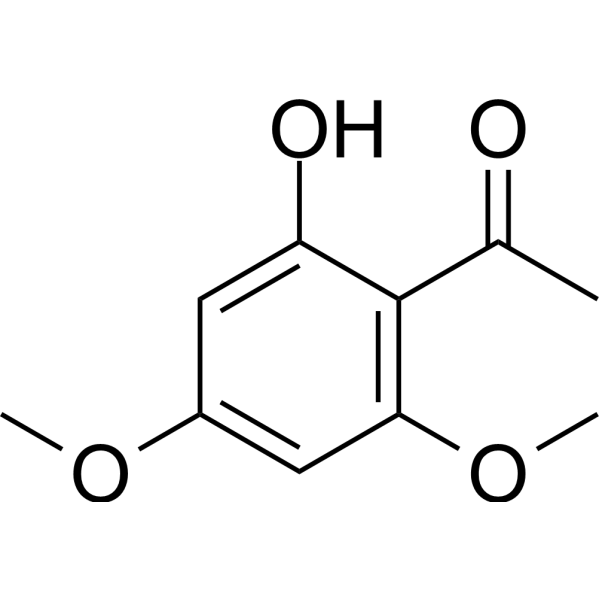
    Xanthoxylin (Xanthoxyline) can be isolated from Zanthoxylum simulans. Xanthoxylin has antifungal and antioxidant effects. The MIC of Xanthoxylin against Toxoplasma neonatorum and Aspergillus fumigatus were 50 µg/mL and 75 µg/mL, respectively. Xanthoxylin can be used in the study of anti-epileptic diseases .
    Xanthoxylin
  • HY-N6824
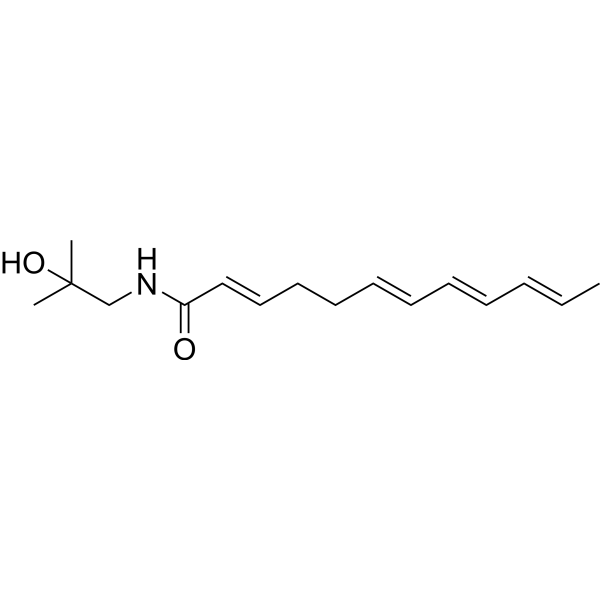
    Hydroxy-β-sanshool
    1 Publications Verification

    Others Others
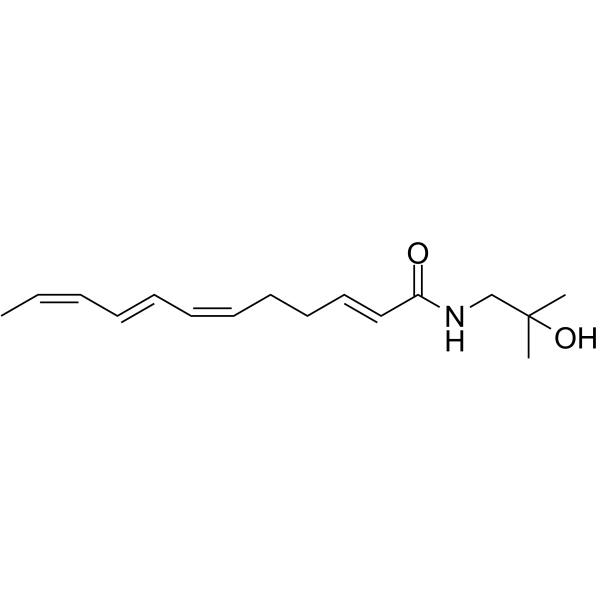
    Hydroxy-β-sanshool is an alkylamide exists in Zanthoxylum bungeanum oil and Zanthoxylum schinifolium oil .
    Hydroxy-β-sanshool
  • HY-N0498
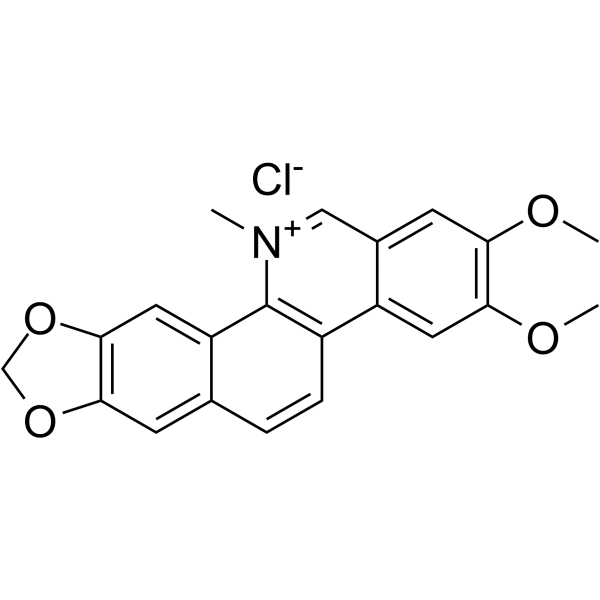
    Nitidine chloride
    4 Publications Verification

    Parasite Apoptosis STAT Topoisomerase ERK FAK p38 MAPK NF-κB Inflammation/Immunology Cancer
    Nitidine chloride, a potential anti-malarial lead compound derived from Zanthoxylum nitidum (Roxb) DC, exerts potent anticancer activity through diverse pathways, including inducing apoptosis, inhibiting STAT3 signaling cascade, DNA topoisomerase 1 and 2A, ERK and c-Src/FAK associated signaling pathway, also has anti-inflammatory activity. Nitidine chloride inhibits LPS-induced inflammatory cytokines production via MAPK and NF-kB pathway .
    Nitidine chloride
  • HY-111880

    Acyltransferase Cardiovascular Disease
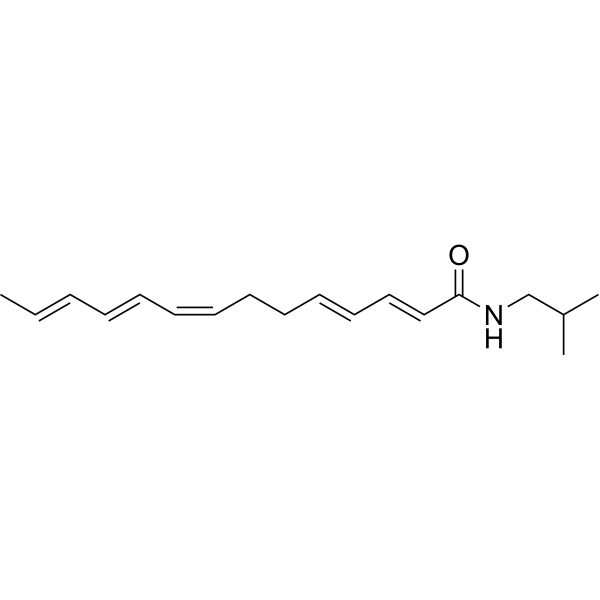
    γ-Sanshool can be isolated from Zanthoxylum piperitum. γ-Sanshool inhibits human ACAT-1 and ACAT-2 activities with IC50s of 12.0 and 82.6 μM .
    γ-Sanshool
  • HY-W017212
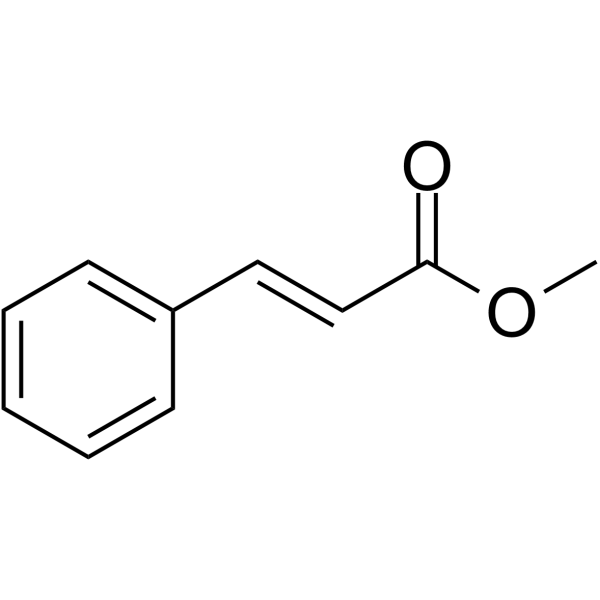
    Methyl cinnamate
    2 Publications Verification

    Methyl 3-phenylpropenoate

    Environmental Pollutants AMPK Bacterial Tyrosinase Infection Metabolic Disease
    Methyl cinnamate (Methyl 3-phenylpropenoate), an active component of Zanthoxylum armatum, is a widely used natural flavor compound. Methyl cinnamate (Methyl 3-phenylpropenoate) possesses antimicrobial activity and is a tyrosinase inhibitor that can prevent food browning. Methyl cinnamate (Methyl 3-phenylpropenoate) has antiadipogenic activity through mechanisms mediated, in part, by the CaMKK2-AMPK signaling pathway .
    Methyl cinnamate
  • HY-N10879

    Others Others
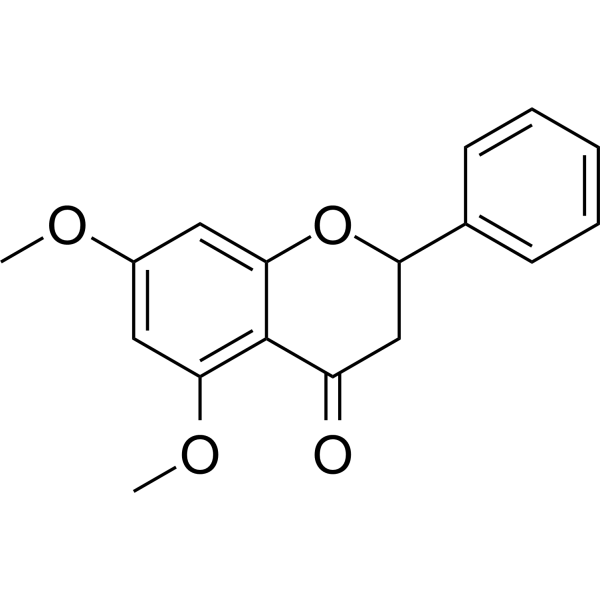
    5,7-Dimethoxyflavanone is an active compound. 5,7-Dimethoxyflavanone can be Isolated from the roots of Zanthoxylum nitidum .
    5,7-Dimethoxyflavanone
  • HY-N3139

    Bacterial Infection
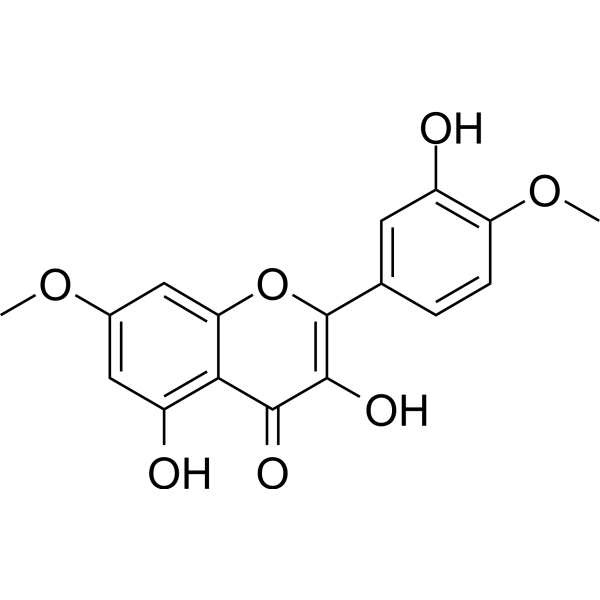
    Ombuin, isolated from Zanthoxylum armatum, displays broad spectrum antibacterial effect with MIC ranges from 125 to 500 μg/mL .
    Ombuin
  • HY-N7013

    Others Neurological Disease
    Hydroxy-Epsilon-Sanshool is an alkylamide isolated from Zanthoxylum bungeanum. Hydroxy-Epsilon-Sanshool produces key tingling and numbing chemosensates, and its content is important in determinant the pungency intensity of Zanthoxylum bungeanum .
    Hydroxy-Epsilon-Sanshool
  • HY-N4164

    Fungal Apoptosis Infection Cancer
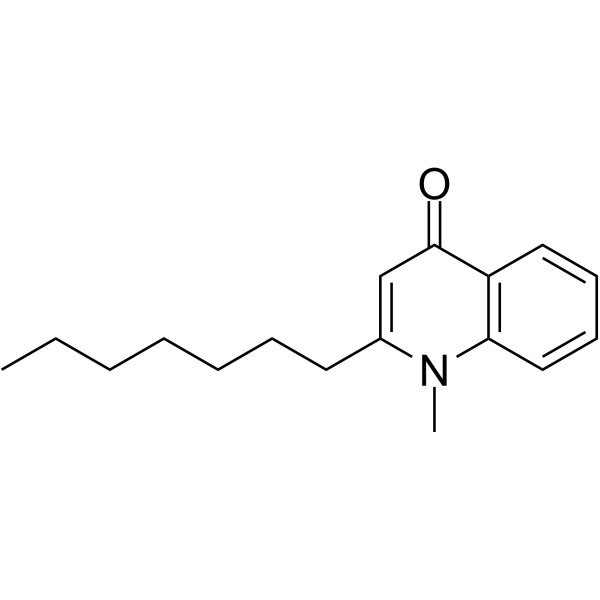
    Schinifoline is a 4-quinolinone found in Zanthoxylum schinifolium. Schinifoline can inhibit cancer cells proliferation, cause G2/M phase arrest and induce apoptosis. Schinifoline can improve radiosensitizing effect of cancer cells. Schinifoline shows anti-fungal activity. Schinifoline can be used for the researches of cancer and infection, such as lung cancer and C. albicans infection .
    Schinifoline
  • HY-N1063R

    Xanthoxyline (Standard)

    Reference Standards Fungal Infection Metabolic Disease
    Xanthoxylin (Xanthoxyline) can be isolated from Zanthoxylum simulans. Xanthoxylin has antifungal and antioxidant effects. The MIC of Xanthoxylin against Toxoplasma neonatorum and Aspergillus fumigatus were 50 µg/mL and 75 µg/mL, respectively. Xanthoxylin can be used in the study of anti-epileptic diseases .
    Xanthoxylin (Standard)
  • HY-N3700

    Rutaceline

    Bacterial HIV TNF Receptor Interleukin Related Infection Inflammation/Immunology
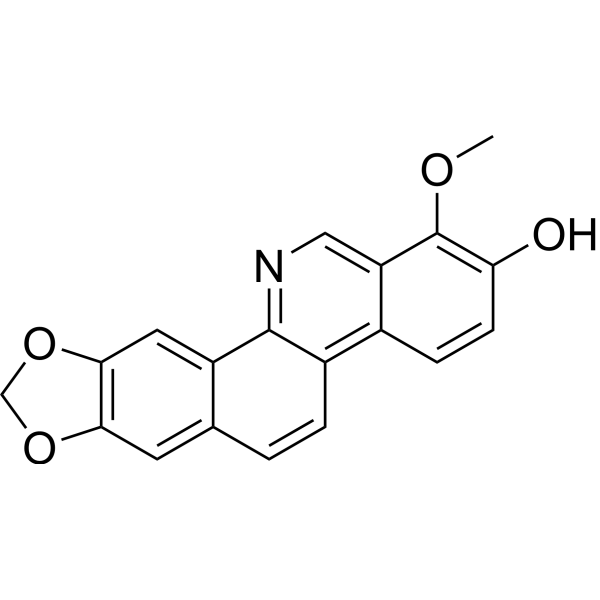
    Decarine (Rutaceline) is a benzophenanthridine alkaloid found in Zanthoxylum species. Decarinewith shows anti-inflammatory, antimycobacterial, and anti-HIV activity. Decarine inhibits NO, TNF-α, IL-1β, IL-6, and IL-8 production in inflammatory cell models. Decarine inhibits growth of Mycobacterium tuberculosis strains, reduces intracellular Mycobacterium tuberculosis survival, and shows low cytotoxicity toward human macrophages. Decarine inhibits HIV replication in acutely infected lymphocytes. Decarine can be used for the researches of inflammation, tuberculosis, and HIV infection .
    Decarine
  • HY-N1053

    Others Others
    Zanthobungeanine is a Alkaloids product that can be isolated from the roots of Zanthoxylum nitidum. .
    Zanthobungeanine
  • HY-W017212R

    Methyl 3-phenylpropenoate (Standard)

    Reference Standards Tyrosinase Bacterial AMPK Infection Metabolic Disease
    Methyl cinnamate (Methyl 3-phenylpropenoate), an active component of Zanthoxylum armatum, is a widely used natural flavor compound. Methyl cinnamate (Methyl 3-phenylpropenoate) possesses antimicrobial activity and is a tyrosinase inhibitor that can prevent food browning. Methyl cinnamate (Methyl 3-phenylpropenoate) has antiadipogenic activity through mechanisms mediated, in part, by the CaMKK2-AMPK signaling pathway .
    Methyl cinnamate (Standard)
  • HY-N8340

    Others Others
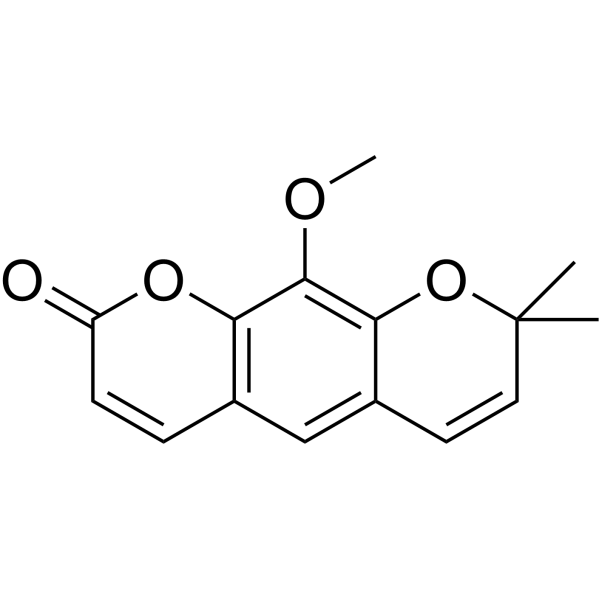
    Luvangetin is a coumarin that can be isolated from Zanthoxylum avicennae .
    Luvangetin
  • HY-N3123

    Dihydrooxochelerythrine

    Others Cancer
    Oxychelerythrine is an alkaloid that can be isolated from Zanthoxylum integrifoliolum. Oxychelerythrine exhibits cytotoxicity against P-388 and HT-29 cell lines with ED50s of 3.25 and 5.48 μg/mL, respectively .
    Oxychelerythrine
  • HY-N11979

    Others Others
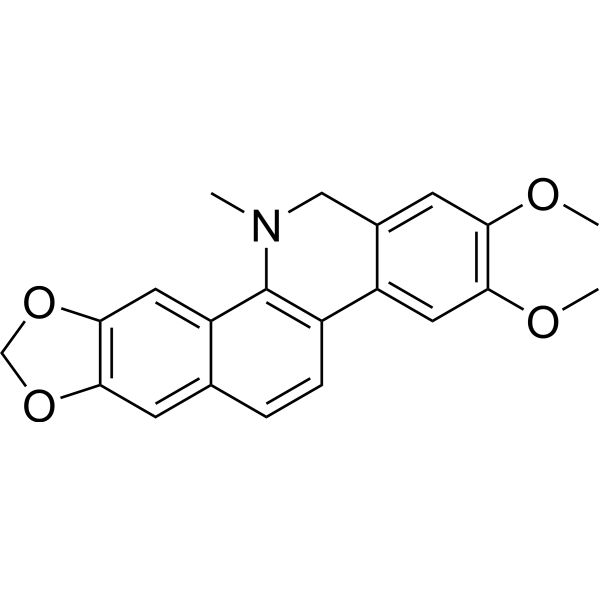
    Dihydronitidine is an alkaloid can be extracted from Zanthoxylum rhoifolium .
    Dihydronitidine
  • HY-N8706

    7-Hydroxy-8-methoxycoumarin

    Others Cardiovascular Disease
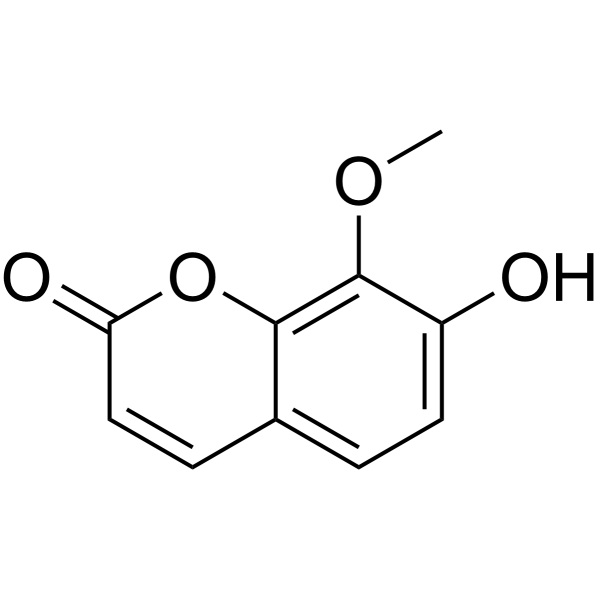
    Hydrangetin inhibits platelet aggregation. Hydrangetin can be isolated from Zanthoxylum schinifolium .
    Hydrangetin
  • HY-N3236

    Others Others
    Mullilam diol is a Monoterpenoids product that can be isolated from the herbs of Zanthoxylum budrunga Wall. .
    Mullilam diol
  • HY-N1538

    Others Others
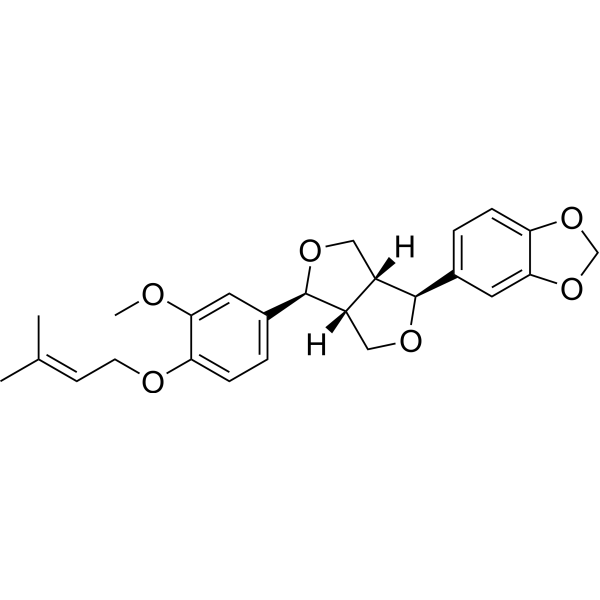
    (+)-Piperitol-3,3-dimethylallyl ether can be isolated from the roots and the bark of Zanthoxylum usambarense .
    (+)-Piperitol-3,3-dimethylallyl ether
  • HY-N9926

    (-)-Pluviatolide

    Others Others
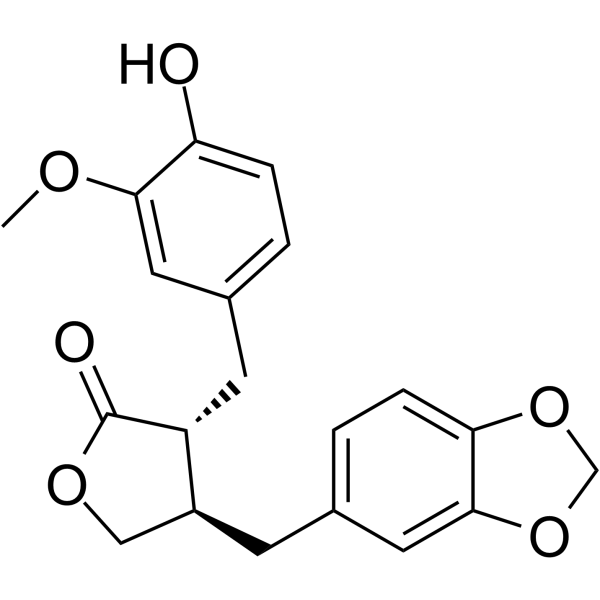
    Pluviatolide ((-)-Pluviatolide) is a lignan that can be found in the bark of Zanthoxylum pluviatile Hartley. Pluviatolide can be used as (-)-Podophyllotoxin precursor .
    Pluviatolide
  • HY-N2697

    Monoamine Oxidase Neurological Disease
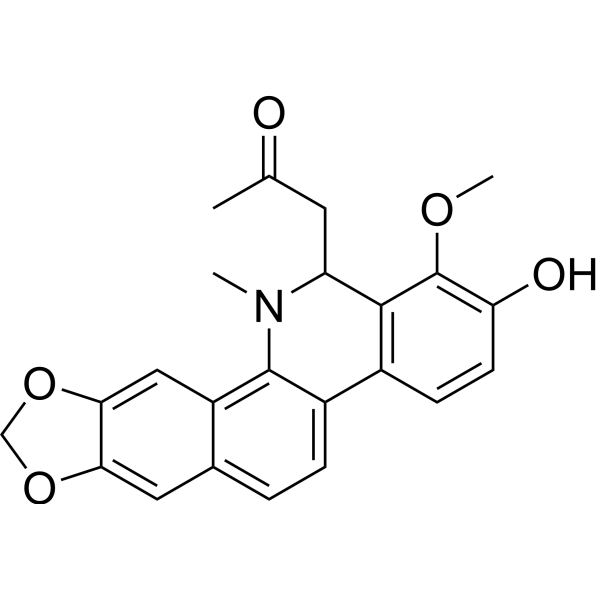
    6-Acetonyl-N-methyldihydrodecarine is a natural alkaloid that can be isolated from roots of Zanthoxylum rigidum. An inhibitor of monoamine oxidases .
    6-Acetonyl-N-methyldihydrodecarine
  • HY-138548

    Bacterial Infection
    4-Ethoxycoumarin is an antimicrobial .
    4-Ethoxycoumarin
  • HY-129130

    Canthin-6-one 3-oxide

    Parasite Infection
    Canthin-6-one N-oxide (Canthin-6-one 3-oxide) is an orally active antiparasitic agent with limited activity .
    Canthin-6-one N-oxide
  • HY-N9194

    Parasite Infection
    5-Methoxycanthin-6-one is an orally active inhibitor of Leishmania strains. 5-Methoxycanthin-6-one shows cytotoxicity with an IC50 of 5.44 μg/mL against Ailanthus altissima cells .
    5-Methoxycanthin-6-one
  • HY-121428

    PGE synthase Others
    Fagaramide is a compound extracted from Zanthoxylum bungeanum with anti-inflammatory activity. It is effective against carrageenan foot swelling in rats and mediates its anti-inflammatory effect partly by inhibiting prostaglandin synthesis. Its activity is about 1/20 of that of indomethacin.
    Fagaramide
  • HY-N1065

    Apoptosis Inflammation/Immunology Cancer
    Xanthoxyletin is a coumarin that can be isolated from Genus Zanthoxylum and Clausena. Xanthoxyletin has antioxidant and anti-inflammatory activities. Xanthoxyletin shows cytotoxic effects to cancer cells, and induces apoptosis and necrosis. Xanthoxyletin can be used for the research of cancer and inflammation .
    Xanthoxyletin
  • HY-N7505

    Bacterial Infection
    Norchelerythrine is an alkaloid isolated from the roots of Zanthoxylum capense with antibacterial activity against gram-positive and gram-negative bacteria. Norchelerythrine exhibits inhibitory activity against Staphylococcus aureus, Pseudomonas aeruginosa, and Enterococcus faecalis and Escherichia coli with MIC values >50 µg/mL .
    Norchelerythrine
  • HY-W017212S

    Methyl 3-phenylpropenoate-d7

    AMPK Tyrosinase Bacterial Isotope-Labeled Compounds Infection
    Methyl cinnamate-d7 is deuterated labeled Methyl cinnamate (HY-W017212). Methyl cinnamate (Methyl 3-phenylpropenoate), an active component of Zanthoxylum armatum, is a widely used natural flavor compound. Methyl cinnamate (Methyl 3-phenylpropenoate) possesses antimicrobial activity and is a tyrosinase inhibitor that can prevent food browning. Methyl cinnamate (Methyl 3-phenylpropenoate) has antiadipogenic activity through mechanisms mediated, in part, by the CaMKK2-AMPK signaling pathway .
    Methyl cinnamate-d7
  • HY-N0498R

    Reference Standards Parasite Apoptosis STAT Topoisomerase ERK FAK p38 MAPK NF-κB Inflammation/Immunology Cancer
    Nitidine (chloride) (Standard) is the analytical standard of Nitidine (chloride). This product is intended for research and analytical applications. Nitidine chloride, a potential anti-malarial lead compound derived from Zanthoxylum nitidum (Roxb) DC, exerts potent anticancer activity through diverse pathways, including inducing apoptosis, inhibiting STAT3 signaling cascade, DNA topoisomerase 1 and 2A, ERK and c-Src/FAK associated signaling pathway. Nitidine chloride inhibits LPS-induced inflammatory cytokines production via MAPK and NF-kB pathway .
    Nitidine chloride (Standard)
  • HY-N18289

    Cholinesterase (ChE) Neurological Disease
    8-Hydroxydihydrochelerythrine is a benzophenanthridine alkaloid-derived, selective and competitive AChE inhibitor (IC50=0.61 μM) isolated from the roots of Zanthoxylum nitidum (Roxb.) DC. 8-Hydroxydihydrochelerythrine increases the content of acetylcholine in the synapses of cholinergic neurons and enhances cholinergic neurotransmission. 8-Hydroxydihydrochelerythrine is applicable to the research of neurodegenerative diseases with dementia such as Alzheimer's disease .
    8-Hydroxydihydrochelerythrine
  • HY-N18222

    Bacterial Fungal Infection
    Dihydroavicine is a benzophenanthridine alkaloid antibacterial agent isolated from the stem bark of Zanthoxylum rhoifolium. Dihydroavicine inhibits the growth of Gram-positive bacteria, Gram-negative bacteria, and Candida albicans. Dihydroavicine shows no activity against Saccharomyces cerevisiae and Cryptococcus neoformans. Dihydroavicine can be used for the research of bacterial infections and candidal infections .
    Dihydroavicine
  • HY-N18179

    Parasite Infection
    8-Acetonylidihydrochelerythrine is a benzophenanthridine alkaloid found in the stem bark of Zanthoxylum gilletii. 8-Acetonylidihydrochelerythrine inhibits growth of Chloroquine (HY-17589A)-resistant and Chloroquine-sensitive Plasmodium falciparum strains. 8-Acetonylidihydrochelerythrine can be used for the research of malaria .
    8-Acetonyldihydrochelerythrine
  • HY-N2678

    Others Others
    5-Hydroxymethyl-7-methoxybenzofuran is a Phenols product that can be isolated from the fruits of Zanthoxylum bungeanum .
    5-Hydroxymethyl-7-methoxybenzofuran
  • HY-N1906

    Others Others
    4-Methoxy-1-methylquinolin-2-one is a Alkaloids product that can be isolated from the herbs of Zanthoxylum nitidum .
    4-Methoxy-1-methylquinolin-2-one
  • HY-N17458

    Akt p38 MAPK Cancer
    N-Acetyldehydroanonaine is an alkaloid that acts as a ligand for AKT1 and MAPK1. N-Acetyldehydroanonaine can be isolated from plants of the Zanthoxylum genus. N-Acetyldehydroanonaine is applicable to the research of diseases such as gastric cancer .
    N-Acetyldehydroanonaine
  • HY-N18367

    Wgx-50

    nAChR Interleukin Related Akt Neurological Disease Inflammation/Immunology
    Lemairamin (Wgx-50) is a hydroxylamine compound. Lemairamin can be isolated from the pericarps of the Zanthoxylum plants. Lemairamin activates α7nAChR, stimulates the expression of IL-10 and POMC. Lemairamin shows a decrease in Akt. Lemairamin attenuates DSS-induced intestinal inflammation. Lemairamin alleviates pain hypersensitivity .
    Lemairamin
  • HY-N12639

    TRP Channel Others
    β-Sanshool is found in Zanthoxylum bungeanum and has a unique pungent taste. β-Sanshool is a TRPV1 activator that activates TRPV1 to increase intracellular calcium concentration. β-Sanshool has antioxidant effects and enhances free radical scavenging activity. β-Sanshool increases the thermal denaturation temperature and stabilizes protein structures. β-Sanshool induces sensory experiences of numbness and bitterness .
    β-Sanshool
  • HY-N17816

    Apoptosis Reactive Oxygen Species (ROS) α-synuclein Succinate Dehydrogenase Bcl-2 Family Caspase Cardiovascular Disease Neurological Disease Metabolic Disease Inflammation/Immunology Cancer
    Tambulin is an orally active flavonol compound found in Zanthoxylum armatum. Tambulin can inhibit cell proliferation, induce apoptosis and inhibit ROS production. Tambulin upregulates cleaved caspase-3, cleaved caspase-9, and Bax, downregulates Bcl-2 levels. Tambulin can stimulate glucose-dependent insulin secretion and induce endothelium-independent vasorelaxation. Tambulin binds to succinate dehydrogenase (SDH) (Ki = 11.02 μM) and shows significant ferric reducing power. Tambulin can enhances oxidative stress resistance, reduces, lipofuscin deposits, lipid levels, α-synuclein levels, improves locomotary behavior, and dopamine levels in in age-synchronized L1 hermaphrodite Caenorhabditis elegans models of ageing and Parkinson's disease. Tambulin can be used for the researches of Parkinson's disease, lung squamous cell carcinoma, and diabetes .
    Tambulin
  • HY-W269352

    Insecticide Infection
    2-Dodecanone is an insecticide with repellent activity against specific insect species. 2-Dodecanone exhibits contact toxicity against adult Tribolium castaneum, Lasioderma serricorne and Liposcelis bostrychophila. 2-Dodecanone shows repellent effects against adult Lasioderma serricorne .
    2-Dodecanone

Inquiry Online

Your information is safe with us. * Required Fields.

Salutation


Country or Region *

Applicant Name *


Organization Name *

Department *


Email Address *


Product Name *

Cat. No.


Requested quantity *

Phone Number *


Remarks

Inquiry Online

Inquiry Information

Product Name:
Cat. No.:
Quantity:
MCE Japan Authorized Agent:

