

Search Result
Results for "
adhesive
" in MedChemExpress (MCE) Product Catalog:
22
Biochemical Assay Reagents
5
Isotope-Labeled Compounds
| Cat. No. |
Product Name |
Target |
Research Areas |
Chemical Structure |
-
- HY-125865
-
Casein
2 Publications Verification
|
Environmental Pollutants
Endogenous Metabolite
Casein Kinase
|
Endocrinology
Cancer
|
|
Casein is an orally active phosphoprotein that can be separated into various electrophoretic components, such as α2-Casein, κ-Casein, β-casein, and γ-casein. Casein has also been blended and grafted with other polymers, cross-linkers, or monomers to improve its functional properties. Casein enhances calcium absorption and reduces the extent of fissure as well as smooth-surface caries. Casein promotes proliferation of prostate cancer. Casein has various applications in the paper, leather, textile, and food industries, serving as coatings, adhesives, and packaging materials .
|
-
-
- HY-Y1275
-
|
NMP; 1-Methyl-2-pyrrolidinone
|
Environmental Pollutants
Biochemical Assay Reagents
|
Cancer
|
|
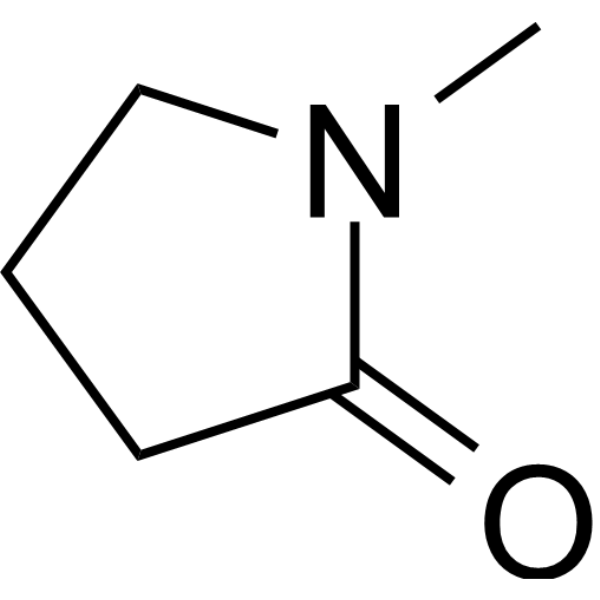
N-Methylpyrrolidone (1-Methyl-2-pyrrolidinone), a five-membered cyclic amide, is an orally active organic polar solvent with teratogenicity and toxicity. N-Methylpyrrolidone is low in acute toxicity with a LD50 value of 3914 mg/kg in rats and of 4050 mg/kg in mice. N-Methylpyrrolidone is extensively used in the manufacture of adhesives, paints, fuels, and pharmaceuticals .
|
-
-
- HY-B1620B
-
-
-
- HY-Y0850H
-
|
PVA (Mw 89000-98000, 99+% hydrolyzed); Poly(Ethenol) (Mw 89000-98000, 99+% hydrolyzed)
|
Environmental Pollutants
Biochemical Assay Reagents
|
Others
|
|
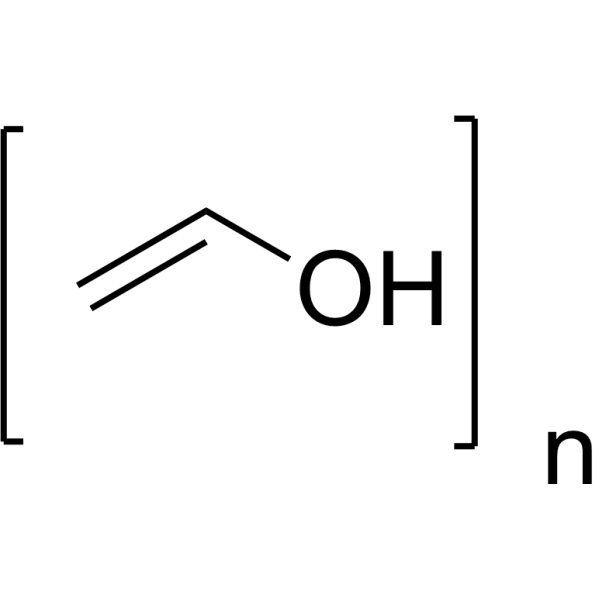
Polyvinyl alcohol (Mw 89000-98000, 99+% hydrolyzed) also known as PVA, is a vinyl water-soluble polymer that can be used as a non-ionic surfactant. It can also be used as a biodegradable polymer and can be used in adhesives, coatings, textiles, ceramics and cosmetics .
|
-
-
- HY-112624C
-
|
|
Biochemical Assay Reagents
Endogenous Metabolite
|
Others
|
|
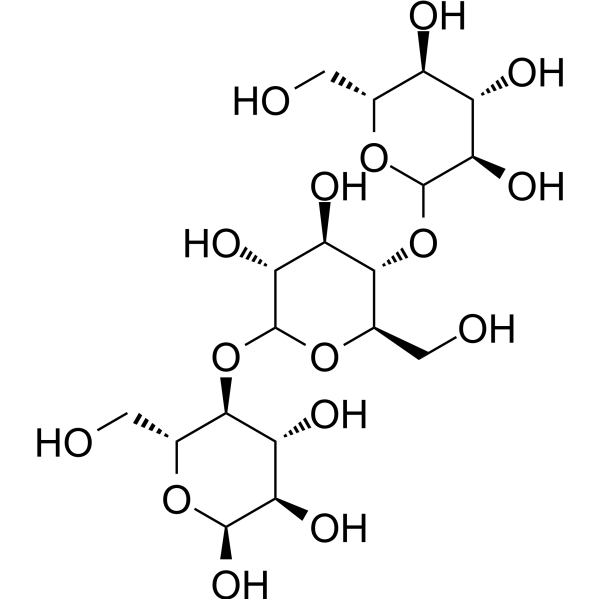
Dextran (MW 40000) is a complex carbohydrate polymer consisting of glucose molecules linked by glycosidic bonds. Dextran has excellent solubility in water, making it useful as a viscosity modifier or stabilizer in foods, paints and adhesives. In the biomedical field, dextran is often used as a plasma expander because of its ability to increase blood volume when administered intravenously. It can also be modified to create dextran-based drug delivery systems, such as targeted nanoparticles.
|
-
-
- HY-W115731
-
|
|
Environmental Pollutants
Endogenous Metabolite
Biochemical Assay Reagents
|
Others
|
|
Dextrins are a group of low molecular weight carbohydrates produced by the hydrolysis of starch. Dextrin is commonly used as a thickener, stabilizer or binder in a variety of foods including baked goods, beverages and confectionary. In addition, it is used in the production of adhesives, paper and textiles. Its unique chemical properties make it an important ingredient in a variety of industrial processes, especially in construction and packaging.
|
-
-
- HY-Y0850I
-
|
PVA (Mw 9000-10000, 80% hydrolyzed); Poly(Ethenol) (Mw 9000-10000, 80% hydrolyzed)
|
Environmental Pollutants
Biochemical Assay Reagents
|
Cancer
|
|
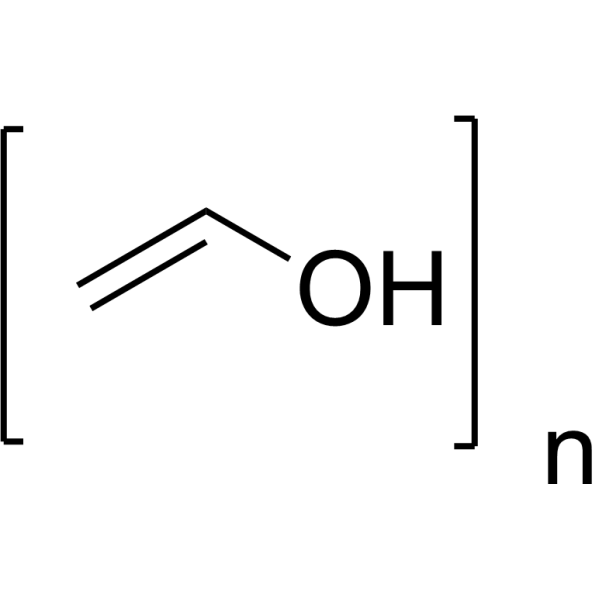
Polyvinyl alcohol (Mw 9000-10000, 80% hydrolyzed) also known as PVA, is a vinyl water-soluble polymer that can be used as a non-ionic surfactant. Polyvinyl alcohol (Mw 9000-10000, 80% hydrolyzed) can be used as a biodegradable polymer and can be used in adhesives, coatings, textiles, ceramics, and cosmetics. Polyvinyl alcohol can be used in tissue engineering by electrospinning. Polyvinyl alcohol can achieve high cellular density, infiltration, and uniform distribution, facilitating functional connections between cells. Polyvinyl alcohol can improve cell vitality through in vitro cultivation. Polyvinyl alcohol demonstrates promising inhibition of ostersarcoma cancer cells with Doxorubicin (HY-15142A) .
|
-
-
- HY-150097
-
|
|
Biochemical Assay Reagents
|
Metabolic Disease
Inflammation/Immunology
Cancer
|
|
Recombinant Human Serum Albumin (rHSA) is a non-glycosylated monomeric plasma protein that acts as a core factor for maintaining plasma colloid osmotic pressure. Recombinant Human Serum Albumin (rHSA) possesses multiple physiological functions including carrier, metabolic regulation, detoxification, antioxidation and enzyme mimicking. Recombinant Human Serum Albumin (rHSA) not only scavenges reactive oxygen and nitrogen species via specific residues and binds a variety of endogenous and exogenous compounds to maintain redox homeostasis, but also serves as a biomarker for multiple diseases such as cancer and inflammation. Recombinant Human Serum Albumin (rHSA) broadly supports the development of implantable materials, surgical adhesives and ligand capture, and can be used for research on critical illnesses including hypovolemia, liver failure, severe sepsis and various types of trauma resuscitation .
|
-
-
- HY-107346
-
|
Butyl cyanoacrylate
|
Biochemical Assay Reagents
|
Others
|
|
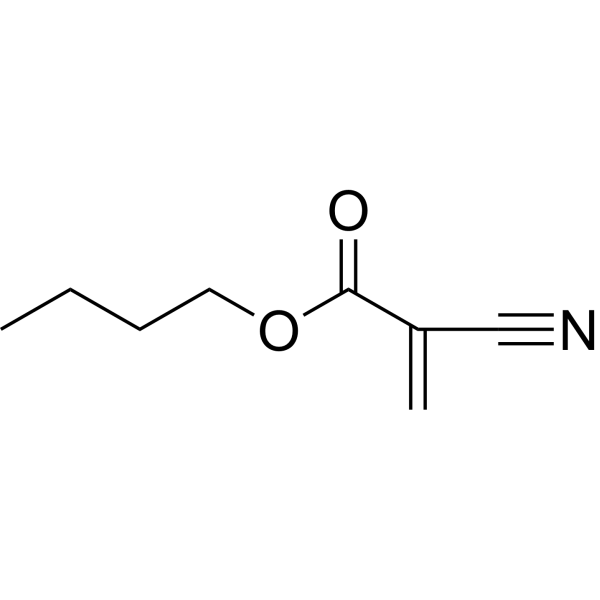
Enbucrilate (Butyl cyanoacrylate) is a cyanoacrylate ester that has been used as surgical tissue adhesive.
|
-
-
- HY-Y0850K
-
|
PVA (Mw 31000-50000, 98-99% hydrolyzed); Poly(Ethenol) (Mw 31000-50000, 98-99% hydrolyzed)
|
Environmental Pollutants
Biochemical Assay Reagents
|
Cancer
|
|
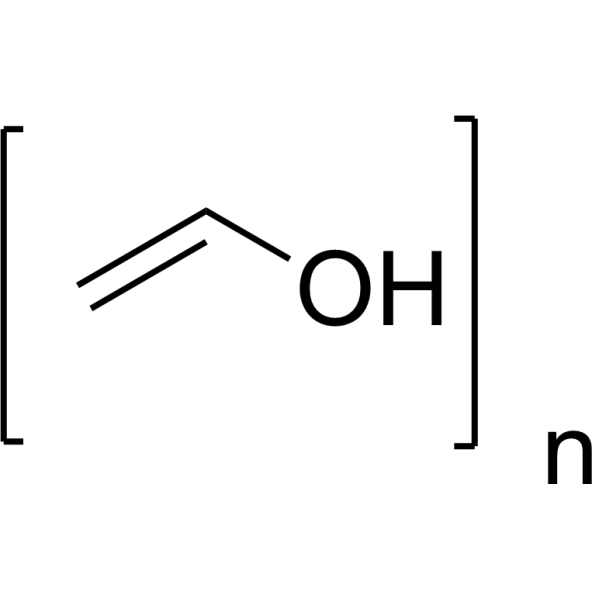
Polyvinyl alcohol (Mw 31000-50000, 98-99% hydrolyzed), also known as PVA, is a vinyl water-soluble polymer that can be used as a non-ionic surfactant. It can also be used as a biodegradable polymer and can be used in adhesives, coatings, textiles, ceramics and cosmetics. Polyvinyl alcohol can be used in tissue engineering by electrospinning. Polyvinyl alcohol can achieve high cellular density, infiltration, and uniform distribution, facilitating functional connections between cells. Polyvinyl alcohol can improve cell vitality through in vitro cultivation. Polyvinyl alcohol demonstrates promising inhibition of ostersarcoma cancer cells with Doxorubicin (HY-15142A) .
|
-
-
- HY-W392209A
-
|
|
Environmental Pollutants
Biochemical Assay Reagents
|
Others
|
|
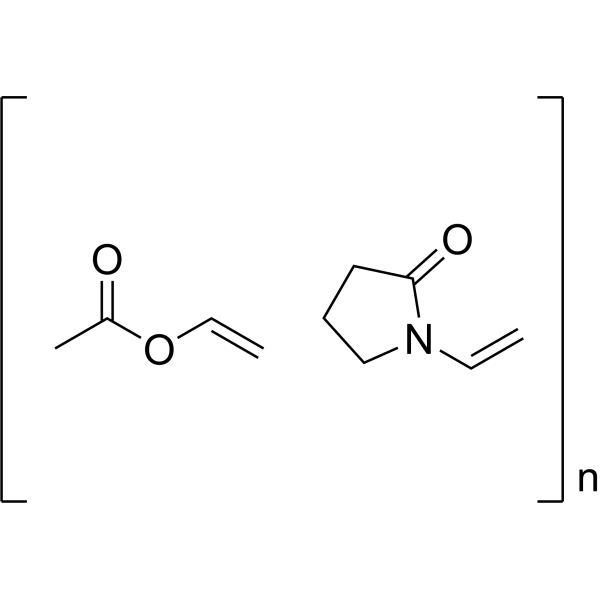
Copovidone can be used as an excipient, such as Film formers, adhesives, etc. Pharmaceutical excipients, or pharmaceutical auxiliaries, refer to other chemical substances used in the pharmaceutical process other than pharmaceutical ingredients. Pharmaceutical excipients generally refer to inactive ingredients in pharmaceutical preparations, which can improve the stability, solubility and processability of pharmaceutical preparations. Pharmaceutical excipients also affect the absorption, distribution, metabolism, and elimination (ADME) processes of co-administered drugs .
|
-
-
- HY-Y0850N
-
|
PVA (Mw 13000-23000, 98% hydrolyzed); Poly(Ethenol) (Mw 13000-23000, 98% hydrolyzed)
|
Environmental Pollutants
Biochemical Assay Reagents
|
Cancer
|
|
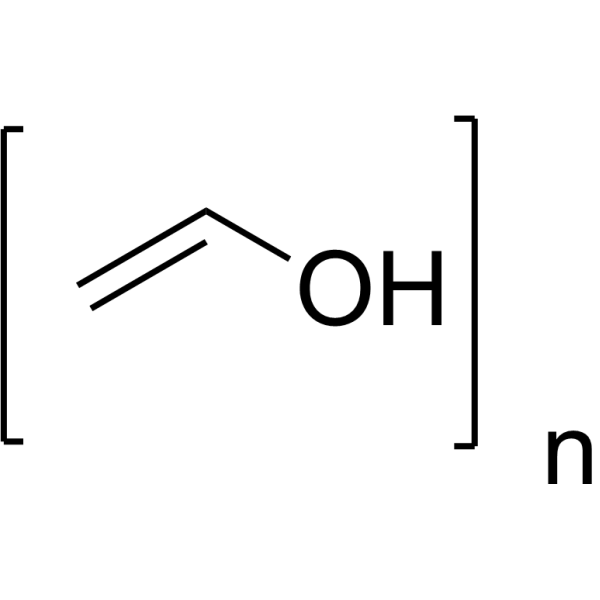
Polyvinyl alcohol (PVA; Poly(Ethenol)) (Mw 13000-23000, 98% hydrolyzed) , also known as PVA, is a vinyl water-soluble polymer that can be used as a non-ionic surfactant. Polyvinyl alcohol (Mw 13000-23000, 98% hydrolyzed) can also be used as a biodegradable polymer and can be used in adhesives, coatings, textiles, ceramics and cosmetics. Polyvinyl alcohol (Mw 13,000–23,000, 98% hydrolyzed) can be used in studies involving breast cancer as well as cisplatin (HY-17394)-induced sensorineural hearing loss .
|
-
-
- HY-W019321
-
|
|
Biochemical Assay Reagents
|
Others
|
|
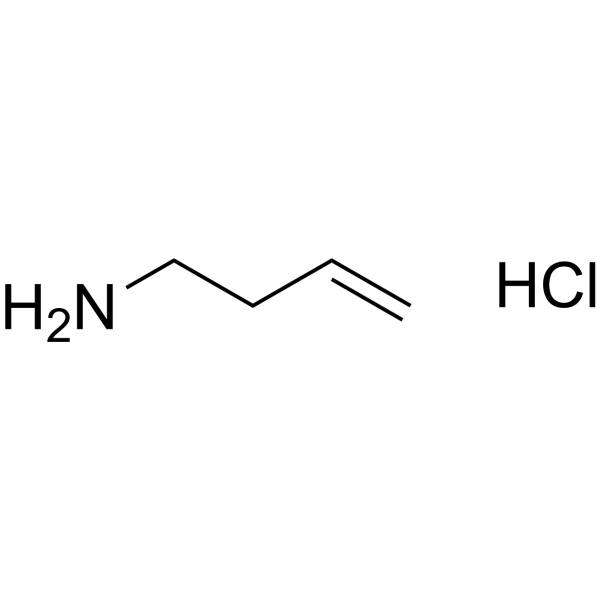
3-Butenylamine hydrochloride can be used as an intermediate in the production of polymers, adhesives, resins and other chemicals. 3-Butenylamine hydrochloride may cause skin and eye irritation or burns, severe eye damage, and breathing problems .
|
-
-
- HY-N0508
-
Rosin
2 Publications Verification
|
Others
|
Inflammation/Immunology
|
|
Rosin is a natural resin extracted from coniferous trees such as pine trees. Rosin is a frequent contact allergen which induces allergic contact dermatitis. Rosin can be used as emulsifiers, adhesives, and other chemical applications .
|
-
-
- HY-B1620I
-
|
PVP K120; Polyvidone K120; Povidone K120
|
Environmental Pollutants
Biochemical Assay Reagents
|
Others
|
|
Polyvinylpyrrolidone K120 is a multifunctional synthetic polymer with excellent adhesiveness and thickening properties. Polyvinylpyrrolidone K120 is a versatile excipient for both conventional formulations and novel controlled or targeted delivery systems. Polyvinylpyrrolidone K120 can be used to prepare drug-loaded hydrogel patches .
|
-
-
- HY-W018574
-
|
|
Biochemical Assay Reagents
|
Others
|
|
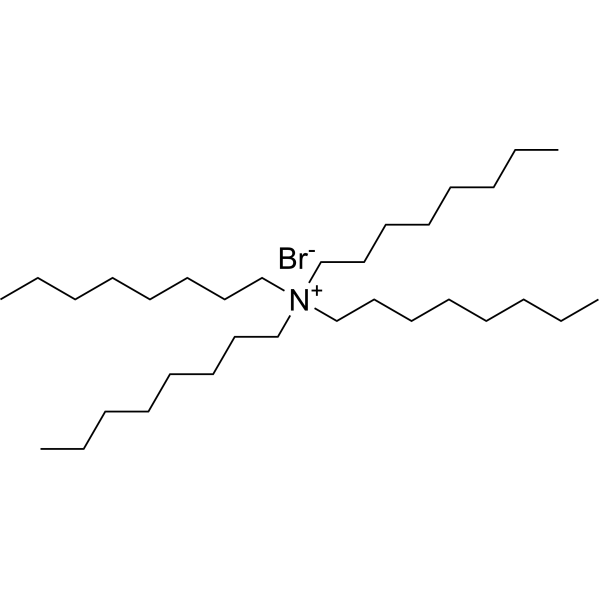
Tetraoctylammonium bromide (TOAB) is a quaternary ammonium salt consisting of a positively charged tetraoctylammonium cation and a negatively charged bromide anion. This compound is commonly used as a phase transfer catalyst in organic chemical reactions, facilitating the transfer of reactants between immiscible phases. It is also used as a surfactant and dispersant in various industrial applications, for example in the production of coatings, adhesives and polymers. Additionally, Tetraoctylammonium bromide has been investigated for potential applications in energy storage devices and as an antimicrobial agent.
|
-
-
- HY-NP161
-
|
MAP
|
Biochemical Assay Reagents
|
Others
|
|
Mussel Adhesive Protein (MAP) is a mussel-derived mucin. Mussel Adhesive Protein can be formulated into a waterproof, eco-safe adhesive that bonds materials such as glass, plastic, metal and wood to bones or teeth, biological organisms, and other chemicals or molecules .
|
-
-
- HY-119309
-
|
|
Environmental Pollutants
Biochemical Assay Reagents
|
Others
|
|
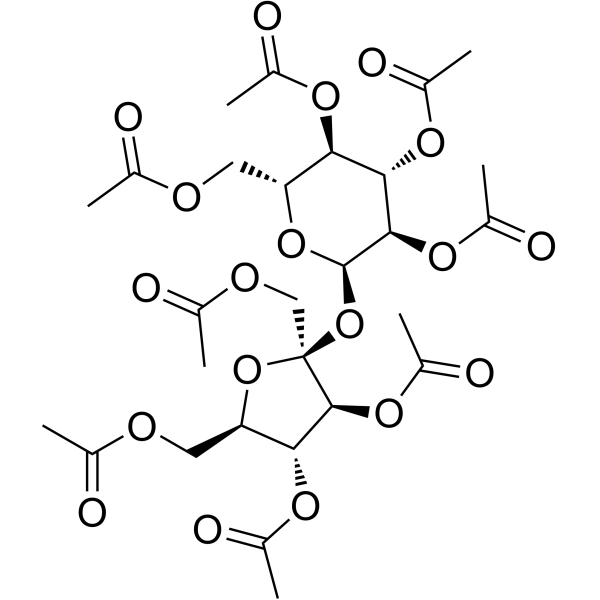
Sucrose octaacetate is an acetylated derivative of sucrose with an intensely bitter tasting and can be used as bitter tasting surrogate. Sucrose octaacetate can be used as food additive and also used as an adhesive and plasticizer. Sucrose octaacetate also used in many pesticides, insecticides, and other toxic products as a deterrent to accidental poisoning. Sucrose octaacetate can also be used as an in situ seed and a soft template to synthesize polyaniline (PANI) nanofibers .
|
-
-
- HY-P2452
-
|
|
Integrin
|
Cancer
|
|
Vitronectin (367-378) is a peptide corresponding to residues 367-378 of Vitronectin. Vitronectin is a multifunctional glycoprotein known in several human tumors for its adhesive role in processes such as cell growth, angiogenesis and metastasis .
|
-
-
- HY-W015761
-
-
-
- HY-W017050
-
|
|
Biochemical Assay Reagents
|
Others
|
|
2-Hydroxypropyl acrylate (HPA) is a severe irritant and corrosive to the skin. 2-Hydroxypropyl acrylate (HPA) is extensively applied in fibre, adhesives, rubber industry, paints and coatings industry .
|
-
-
- HY-124535
-
|
|
PI3K
|
Metabolic Disease
|
|
TGX-115 is a p110β/p110δ-selective, PI3-K inhibitor. TGX-115 blocks p110β-mediated Akt phosphorylation induced by lysophosphatidic acid (LPA) in L6 myotubes, reduces insulin-stimulated PI(3,4)P2 and PIP3 levels in 3T3-L1 adipocytes. TGX-115 can be used for the study of diabetes mellitus .
|
-
-
- HY-N0508R
-
|
|
Reference Standards
Others
|
Inflammation/Immunology
|
|
Rosin (Standard) is the analytical standard of Rosin. This product is intended for research and analytical applications. Rosin is a natural resin extracted from coniferous trees such as pine trees. Rosin is a frequent contact allergen which induces allergic contact dermatitis. Rosin can be used as emulsifiers, adhesives, and other chemical applications .
|
-
-
- HY-29347
-
|
|
Biochemical Assay Reagents
|
Cardiovascular Disease
|
|
Ocrylate is a tissue adhesive that contains an 8-carbon alkyl cyanoacrylate in its structure. Ocrylate can be used in research on gastric fundal varices, bone and cartilage grafting, cerebrospinal fluid leakage repair, and skin closure. Additionally, the rapid polymerization property of Ocrylate makes it suitable for inhibiting vascular embolization .
|
-
-
- HY-Y1275S
-
|
NMP-d9; 1-Methyl-2-pyrrolidinone-d9
|
Isotope-Labeled Compounds
Biochemical Assay Reagents
|
Cancer
|
|
N-Methylpyrrolidone-d9 (NMP-d9) is deuterium labeled N-Methylpyrrolidone. N-Methylpyrrolidone (1-Methyl-2-pyrrolidinone), a five-membered cyclic amide, is an orally active organic polar solvent with teratogenicity and toxicity. N-Methylpyrrolidone is low in acute toxicity with a LD50 value of 3914 mg/kg in rats and of 4050 mg/kg in mice. N-Methylpyrrolidone is extensively used in the manufacture of adhesives, paints, fuels, and pharmaceuticals .
|
-
-
- HY-W142701
-
|
|
Drug Derivative
|
Others
|
|
Succinamide is an amide derivative of succinic acid. Succinamide is the parent compound of some anticonvulsant drugs, proteins, plastic adhesives. Succinamide can be used in biochemical experiments and in the synthesis of other compounds .
|
-
-
- HY-W009169
-
|
BTDA
|
Drug Intermediate
|
Others
|
|
Benzophenonetetracarboxylic dianhydride is widely used in the synthesis of high-performance polyimides and other polymer materials. Benzophenonetetracarboxylic dianhydride reacts with various diamine compounds to form oligoimide chains. These oligimide chains can modify graphene oxide (Go) and enhance its properties .
|
-
-
- HY-W127364
-
|
Pentaerythritol distearate [Lubricants]
|
Environmental Pollutants
Biochemical Assay Reagents
|
Others
|
|
Pentaerythritol distearate (mixture) is a mixture of ester compounds commonly used as a thickener, emulsifier or lubricant in various cosmetic and personal care products. It is also used as a plasticizer or stabilizer in the production of plastics and resins. Pentaerythritol distearate (mixture) has unique chemical properties that make it an important ingredient in a variety of industrial processes, including the manufacture of adhesives, coatings and sealants.
|
-
-
- HY-23497
-
|
|
Others
|
Others
|
|
Poly(4-vinylphenol) is a polymer cross-linking agent that can be used to prepare non-toxic films. Poly(4-vinylphenol) is a sensitizer of titania for visible light photocatalysis. Poly(4-vinylphenol) also can be used as a water resistive wood adhesive, as a gate dielectric insulator in organic field effect transistors, and as a responsive surface coating .
|
-
-
- HY-W250312
-
|
|
Environmental Pollutants
Biochemical Assay Reagents
|
Others
|
|
Polycaprolactone is a biodegradable polyester commonly used in various biomedical and industrial applications. It is a white waxy polymer that can be molded into various shapes and forms. Polycaprolactone has various properties suitable for these applications, including low melting point, high flexibility and slow biodegradation rate. It can be used as a raw material for the production of tissue engineering scaffolds, drug delivery systems, and medical implants. In addition, it is used as a binder in the production of adhesives, coatings and paints.
|
-
-
- HY-154739
-
|
|
Biochemical Assay Reagents
|
Others
|
|
Cristobalite can be used as an excipient, such as disintegrants, anti-adhesives, glidants, suspending agents, thickeners, defoamers. Pharmaceutical excipients, or pharmaceutical auxiliaries, refer to other chemical substances used in the pharmaceutical process other than pharmaceutical ingredients. Pharmaceutical excipients generally refer to inactive ingredients in pharmaceutical preparations, which can improve the stability, solubility and processability of pharmaceutical preparations. Pharmaceutical excipients also affect the absorption, distribution, metabolism, and elimination (ADME) processes of co-administered drugs .
|
-
-
- HY-158759
-
-
-
- HY-P11215
-
-
-
- HY-Y1275S1
-
|
NMP-d3; N-Methyl-2-pyrrolidone-d3
|
Isotope-Labeled Compounds
|
Others
|
|
N-Methylpyrrolidone-d3 is the deuterium labeled N-Methylpyrrolidone . N-Methylpyrrolidone (1-Methyl-2-pyrrolidinone), a five-membered cyclic amide, is an organic polar solvent. N-Methylpyrrolidone is extensively used in the manufacture of adhesives, paints, fuels, and pharmaceuticals .
|
-
-
- HY-W106486
-
|
N,N-Dimethyl-N-2-propenyl-2-propen-1-aminium chloride
|
Biochemical Assay Reagents
|
Others
|
|
Diallyldimethylammonium chloride (60% in water) is a quaternary ammonium compound belonging to the class of alkylammonium salts. The compound is widely used as a cationic monomer in the production of water-soluble polymers, especially in the manufacture of flocculants and coagulants for water treatment processes. In addition, it can be used as an antimicrobial agent, surfactant or adhesive in various industrial applications. Its unique chemical properties make it an important ingredient in a variety of industrial processes, including papermaking, textiles and personal care products.
|
-
-
- HY-W011103
-
|
|
Biochemical Assay Reagents
Environmental Pollutants
|
Others
|
|
Diheptyl phthalate is a class of phthalates consisting of two heptyl (C7) chains attached to a phthalic acid backbone. This compound is commonly used as a plasticizer in various polymer materials such as PVC to increase flexibility and durability. It can also be used as a lubricant, solvent or additive in various industrial applications such as coatings, adhesives and sealants. However, Diheptyl phthalate has been identified as an environmental pollutant and health hazard due to its potential for endocrine disruption and toxicity.
|
-
-
- HY-W127740
-
|
Isomethyl-α-ionone; α-Isomethylionone
|
Environmental Pollutants
Biochemical Assay Reagents
|
Others
|
|
Isonaline 70 is an industrial solvent that belongs to the family of high flash point aromatic naphtha solvents. It is commonly used in a variety of industries including paints and coatings, adhesives and rubber manufacturing, as a thinner and thinner for resins and polymers. Isonaline 70 has various properties that make it suitable for these applications, including its low viscosity, high solvency and good compatibility with other materials. In addition, it can also be used as a cleaning agent for mechanical equipment.
|
-
-
- HY-136271
-
|
|
Phospholipase
NADPH Oxidase
p38 MAPK
Akt
NF-κB
AP-1
Reactive Oxygen Species (ROS)
|
Cardiovascular Disease
Inflammation/Immunology
Cancer
|
|
MJ-33 is a competitive phospholipase A₂ (PLA₂) inhibitor with an IC50 of 0.3 μM. MJ-33 inhibits the activation of NOX2 by blocking the PLA₂ activity of Prdx6, thereby reducing the production of ROS. MJ-33 effectively inhibits the activity of acidic PLA₂ (pH 4.0), reduces the degradation of pulmonary surfactant phosphatidylcholine (PC), but has no effect on alkaline PLA₂ (pH 8.5). MJ-33 significantly alleviates lung oxidative damage induced by ischemia-reperfusion (I/R). MJ-33 significantly inhibits the invasive, migratory and adhesive abilities of prostate cancer cells by suppressing the MAPK, AKT, NF-κB and AP-1 signaling pathways. MJ-33 can be used to study ROS-related diseases and prostate cancer .
|
-
-
- HY-119309R
-
|
|
Biochemical Assay Reagents
Reference Standards
|
Others
|
|
Sucrose octaacetate (Standard) is the analytical standard of Sucrose octaacetate. This product is intended for research and analytical applications. Sucrose octaacetate is an acetylated derivative of sucrose with an intensely bitter tasting and can be used as bitter tasting surrogate. Sucrose octaacetate can be used as food additive and also used as an adhesive and plasticizer. Sucrose octaacetate also used in many pesticides, insecticides, and other toxic products as a deterrent to accidental poisoning. Sucrose octaacetate can also be used as an in situ seed and a soft template to synthesize polyaniline (PANI) nanofibers .
|
-
-
- HY-N15865
-
-
-
- HY-W585942
-
|
3-Methylhexahydrophthalic anhydride
|
Drug Intermediate
|
Others
|
|
4-Methylhexahydroisobenzofuran-1,3-dione (3-Methylhexahydrophthalic anhydride) is mainly used as an intermediate for solvents, resins and adhesives in industry.
|
-
-
- HY-130587
-
|
Piperazine sultosylate; A-585
|
LDLR
Apolipoprotein
|
Metabolic Disease
|
|
Sultosilic acid piperazine salt (Piperazine sultosylate; A-585) is a lipid-lowering agent. Sultosilic acid piperazine salt modifies the blood lipids levels, reduces platelet adhesiveness without promoting peroxisomal activity of hepatocytes or producing other adverse side-effects .
|
-
-
- HY-W127346
-
|
|
Environmental Pollutants
Biochemical Assay Reagents
|
Others
|
|
Pentaerythrityl tetrastearate is an ester compound commonly used as a lubricant, emollient or thickener in various cosmetic and personal care products. It is also used as a plasticizer or stabilizer in the production of plastics and resins. Pentaerythrityl tetrastearate has unique chemical properties that make it an important ingredient in a variety of industrial processes, including the manufacture of adhesives, coatings and sealants.
|
-
-
- HY-W011188S
-
|
|
Isotope-Labeled Compounds
Biochemical Assay Reagents
|
Others
|
|
Glycidyl stearate-d5 is a deuterium labeled Glycidyl stearate (HY-W011188). Oxiran-2-ylmethyl stearate is a compound belonging to the class of esters. It contains reactive oxirane or epoxy groups that give the molecule its unique properties. Oxiran-2-ylmethyl stearate is derived from stearic acid and epichlorohydrin, which are naturally occurring substances. Glycidyl stearate is commonly used in various industrial applications such as the production of coatings, adhesives and surfactants. It can also be used as a crosslinking agent in the manufacture of polymers and resins.
|
-
-
- HY-W747639
-
|
|
Isotope-Labeled Compounds
Biochemical Assay Reagents
|
Others
|
|
Glycidyl Stearate- 13C3 is 13C labeled Glycidyl stearate. Oxiran-2-ylmethyl stearate is a compound belonging to the class of esters. It contains reactive oxirane or epoxy groups that give the molecule its unique properties. Oxiran-2-ylmethyl stearate is derived from stearic acid and epichlorohydrin, which are naturally occurring substances. Glycidyl stearate is commonly used in various industrial applications such as the production of coatings, adhesives and surfactants. It can also be used as a crosslinking agent in the manufacture of polymers and resins .
|
-
-
- HY-W701446
-
|
|
Isotope-Labeled Compounds
Biochemical Assay Reagents
|
Others
|
|
Oxiran-2-ylmethyl octadecanoate-d35 is the deuterium labeled Glycidyl stearate (HY-W011188). Oxiran-2-ylmethyl stearate is a compound belonging to the class of esters. It contains reactive oxirane or epoxy groups that give the molecule its unique properties. Oxiran-2-ylmethyl stearate is derived from stearic acid and epichlorohydrin, which are naturally occurring substances. Glycidyl stearate is commonly used in various industrial applications such as the production of coatings, adhesives and surfactants. It can also be used as a crosslinking agent in the manufacture of polymers and resins.
|
-
-
- HY-W1115078
-
-
-
- HY-107346R
-
|
Butyl cyanoacrylate (Standard)
|
Biochemical Assay Reagents
Reference Standards
|
Others
|
|
Enbucrilate (Standard) (Butyl cyanoacrylate (Standard)) is the analytical standard of Enbucrilate (HY-107346). This product is intended for research and analytical applications. Enbucrilate (Butyl cyanoacrylate) is a cyanoacrylate ester that has been used as surgical tissue adhesive.
|
-
-
-
HY-E0077
-
|
|
0 compounds
|
|
MCE adhesive aluminium foil plate seals are of strong adhesive that can reduce chance of well-to-well contamination and sample evaporation when applied to microplates. This aluminium foil seal is suitable for long-term storage of samples at -80°C. The high integrity sealing materials give the best protection against evaporation and contamination. The aluminium foil seal features excellent chemical resistance to DMSO and DNase- & RNase- free. MCE adhesive foil seal is pierceable, peelable and easy-to-use.
|
| Cat. No. |
Product Name |
Type |
-
- HY-125865
-
Casein
2 Publications Verification
|
Biochemical Assay Reagents
|
|
Casein is an orally active phosphoprotein that can be separated into various electrophoretic components, such as α2-Casein, κ-Casein, β-casein, and γ-casein. Casein has also been blended and grafted with other polymers, cross-linkers, or monomers to improve its functional properties. Casein enhances calcium absorption and reduces the extent of fissure as well as smooth-surface caries. Casein promotes proliferation of prostate cancer. Casein has various applications in the paper, leather, textile, and food industries, serving as coatings, adhesives, and packaging materials .
|
-
- HY-Y1275
-
|
NMP; 1-Methyl-2-pyrrolidinone
|
Biochemical Assay Reagents
|
|
N-Methylpyrrolidone (1-Methyl-2-pyrrolidinone), a five-membered cyclic amide, is an orally active organic polar solvent with teratogenicity and toxicity. N-Methylpyrrolidone is low in acute toxicity with a LD50 value of 3914 mg/kg in rats and of 4050 mg/kg in mice. N-Methylpyrrolidone is extensively used in the manufacture of adhesives, paints, fuels, and pharmaceuticals .
|
-
- HY-B1620B
-
|
PVP K15; Polyvidone K15; Povidone K15
|
Biochemical Assay Reagents
|
|
Polyvinylpyrrolidone K15 is a linear non-ionic polymer devises vigorous bright crystalline layers and has adhesive, cohesive and dispersive properties .
|
-
- HY-Y0850H
-
|
PVA (Mw 89000-98000, 99+% hydrolyzed); Poly(Ethenol) (Mw 89000-98000, 99+% hydrolyzed)
|
Biochemical Assay Reagents
|
|
Polyvinyl alcohol (Mw 89000-98000, 99+% hydrolyzed) also known as PVA, is a vinyl water-soluble polymer that can be used as a non-ionic surfactant. It can also be used as a biodegradable polymer and can be used in adhesives, coatings, textiles, ceramics and cosmetics .
|
-
- HY-112624C
-
|
|
Biochemical Assay Reagents
|
|
Dextran (MW 40000) is a complex carbohydrate polymer consisting of glucose molecules linked by glycosidic bonds. Dextran has excellent solubility in water, making it useful as a viscosity modifier or stabilizer in foods, paints and adhesives. In the biomedical field, dextran is often used as a plasma expander because of its ability to increase blood volume when administered intravenously. It can also be modified to create dextran-based drug delivery systems, such as targeted nanoparticles.
|
-
- HY-W115731
-
|
|
Biochemical Assay Reagents
|
|
Dextrins are a group of low molecular weight carbohydrates produced by the hydrolysis of starch. Dextrin is commonly used as a thickener, stabilizer or binder in a variety of foods including baked goods, beverages and confectionary. In addition, it is used in the production of adhesives, paper and textiles. Its unique chemical properties make it an important ingredient in a variety of industrial processes, especially in construction and packaging.
|
-
- HY-Y0850I
-
|
PVA (Mw 9000-10000, 80% hydrolyzed); Poly(Ethenol) (Mw 9000-10000, 80% hydrolyzed)
|
Biochemical Assay Reagents
|
|
Polyvinyl alcohol (Mw 9000-10000, 80% hydrolyzed) also known as PVA, is a vinyl water-soluble polymer that can be used as a non-ionic surfactant. Polyvinyl alcohol (Mw 9000-10000, 80% hydrolyzed) can be used as a biodegradable polymer and can be used in adhesives, coatings, textiles, ceramics, and cosmetics. Polyvinyl alcohol can be used in tissue engineering by electrospinning. Polyvinyl alcohol can achieve high cellular density, infiltration, and uniform distribution, facilitating functional connections between cells. Polyvinyl alcohol can improve cell vitality through in vitro cultivation. Polyvinyl alcohol demonstrates promising inhibition of ostersarcoma cancer cells with Doxorubicin (HY-15142A) .
|
-
- HY-150097
-
|
|
Biochemical Assay Reagents
|
|
Recombinant Human Serum Albumin (rHSA) is a non-glycosylated monomeric plasma protein that acts as a core factor for maintaining plasma colloid osmotic pressure. Recombinant Human Serum Albumin (rHSA) possesses multiple physiological functions including carrier, metabolic regulation, detoxification, antioxidation and enzyme mimicking. Recombinant Human Serum Albumin (rHSA) not only scavenges reactive oxygen and nitrogen species via specific residues and binds a variety of endogenous and exogenous compounds to maintain redox homeostasis, but also serves as a biomarker for multiple diseases such as cancer and inflammation. Recombinant Human Serum Albumin (rHSA) broadly supports the development of implantable materials, surgical adhesives and ligand capture, and can be used for research on critical illnesses including hypovolemia, liver failure, severe sepsis and various types of trauma resuscitation .
|
-
- HY-107346
-
|
Butyl cyanoacrylate
|
Biochemical Assay Reagents
|
|
Enbucrilate (Butyl cyanoacrylate) is a cyanoacrylate ester that has been used as surgical tissue adhesive.
|
-
- HY-Y0850K
-
|
PVA (Mw 31000-50000, 98-99% hydrolyzed); Poly(Ethenol) (Mw 31000-50000, 98-99% hydrolyzed)
|
Biochemical Assay Reagents
|
|
Polyvinyl alcohol (Mw 31000-50000, 98-99% hydrolyzed), also known as PVA, is a vinyl water-soluble polymer that can be used as a non-ionic surfactant. It can also be used as a biodegradable polymer and can be used in adhesives, coatings, textiles, ceramics and cosmetics. Polyvinyl alcohol can be used in tissue engineering by electrospinning. Polyvinyl alcohol can achieve high cellular density, infiltration, and uniform distribution, facilitating functional connections between cells. Polyvinyl alcohol can improve cell vitality through in vitro cultivation. Polyvinyl alcohol demonstrates promising inhibition of ostersarcoma cancer cells with Doxorubicin (HY-15142A) .
|
-
- HY-Y0850N
-
|
PVA (Mw 13000-23000, 98% hydrolyzed); Poly(Ethenol) (Mw 13000-23000, 98% hydrolyzed)
|
Biochemical Assay Reagents
|
|
Polyvinyl alcohol (PVA; Poly(Ethenol)) (Mw 13000-23000, 98% hydrolyzed) , also known as PVA, is a vinyl water-soluble polymer that can be used as a non-ionic surfactant. Polyvinyl alcohol (Mw 13000-23000, 98% hydrolyzed) can also be used as a biodegradable polymer and can be used in adhesives, coatings, textiles, ceramics and cosmetics. Polyvinyl alcohol (Mw 13,000–23,000, 98% hydrolyzed) can be used in studies involving breast cancer as well as cisplatin (HY-17394)-induced sensorineural hearing loss .
|
-
- HY-W019321
-
|
|
Biochemical Assay Reagents
|
|
3-Butenylamine hydrochloride can be used as an intermediate in the production of polymers, adhesives, resins and other chemicals. 3-Butenylamine hydrochloride may cause skin and eye irritation or burns, severe eye damage, and breathing problems .
|
-
- HY-B1620I
-
|
PVP K120; Polyvidone K120; Povidone K120
|
Biochemical Assay Reagents
|
|
Polyvinylpyrrolidone K120 is a multifunctional synthetic polymer with excellent adhesiveness and thickening properties. Polyvinylpyrrolidone K120 is a versatile excipient for both conventional formulations and novel controlled or targeted delivery systems. Polyvinylpyrrolidone K120 can be used to prepare drug-loaded hydrogel patches .
|
-
- HY-W018574
-
|
|
Biochemical Assay Reagents
|
|
Tetraoctylammonium bromide (TOAB) is a quaternary ammonium salt consisting of a positively charged tetraoctylammonium cation and a negatively charged bromide anion. This compound is commonly used as a phase transfer catalyst in organic chemical reactions, facilitating the transfer of reactants between immiscible phases. It is also used as a surfactant and dispersant in various industrial applications, for example in the production of coatings, adhesives and polymers. Additionally, Tetraoctylammonium bromide has been investigated for potential applications in energy storage devices and as an antimicrobial agent.
|
-
- HY-NP161
-
|
MAP
|
Biochemical Assay Reagents
|
|
Mussel Adhesive Protein (MAP) is a mussel-derived mucin. Mussel Adhesive Protein can be formulated into a waterproof, eco-safe adhesive that bonds materials such as glass, plastic, metal and wood to bones or teeth, biological organisms, and other chemicals or molecules .
|
-
- HY-W015761
-
|
Benzoic acid, ammonium
|
Biochemical Assay Reagents
|
|
Ammonium benzoate is the ammonium salt of benzoic acid, which is used as a preservative in some adhesives and rubber emulsions, and is also a commonly used chemical synthesis intermediate.
|
-
- HY-W127364
-
|
Pentaerythritol distearate [Lubricants]
|
Biochemical Assay Reagents
|
|
Pentaerythritol distearate (mixture) is a mixture of ester compounds commonly used as a thickener, emulsifier or lubricant in various cosmetic and personal care products. It is also used as a plasticizer or stabilizer in the production of plastics and resins. Pentaerythritol distearate (mixture) has unique chemical properties that make it an important ingredient in a variety of industrial processes, including the manufacture of adhesives, coatings and sealants.
|
-
- HY-W106486
-
|
N,N-Dimethyl-N-2-propenyl-2-propen-1-aminium chloride
|
Biochemical Assay Reagents
|
|
Diallyldimethylammonium chloride (60% in water) is a quaternary ammonium compound belonging to the class of alkylammonium salts. The compound is widely used as a cationic monomer in the production of water-soluble polymers, especially in the manufacture of flocculants and coagulants for water treatment processes. In addition, it can be used as an antimicrobial agent, surfactant or adhesive in various industrial applications. Its unique chemical properties make it an important ingredient in a variety of industrial processes, including papermaking, textiles and personal care products.
|
-
- HY-W011103
-
|
|
Biochemical Assay Reagents
|
|
Diheptyl phthalate is a class of phthalates consisting of two heptyl (C7) chains attached to a phthalic acid backbone. This compound is commonly used as a plasticizer in various polymer materials such as PVC to increase flexibility and durability. It can also be used as a lubricant, solvent or additive in various industrial applications such as coatings, adhesives and sealants. However, Diheptyl phthalate has been identified as an environmental pollutant and health hazard due to its potential for endocrine disruption and toxicity.
|
-
- HY-W127740
-
|
Isomethyl-α-ionone; α-Isomethylionone
|
Biochemical Assay Reagents
|
|
Isonaline 70 is an industrial solvent that belongs to the family of high flash point aromatic naphtha solvents. It is commonly used in a variety of industries including paints and coatings, adhesives and rubber manufacturing, as a thinner and thinner for resins and polymers. Isonaline 70 has various properties that make it suitable for these applications, including its low viscosity, high solvency and good compatibility with other materials. In addition, it can also be used as a cleaning agent for mechanical equipment.
|
-
- HY-W127346
-
|
|
Biochemical Assay Reagents
|
|
Pentaerythrityl tetrastearate is an ester compound commonly used as a lubricant, emollient or thickener in various cosmetic and personal care products. It is also used as a plasticizer or stabilizer in the production of plastics and resins. Pentaerythrityl tetrastearate has unique chemical properties that make it an important ingredient in a variety of industrial processes, including the manufacture of adhesives, coatings and sealants.
|
-
- HY-107346R
-
|
Butyl cyanoacrylate (Standard)
|
Biochemical Assay Reagents
|
|
Enbucrilate (Standard) (Butyl cyanoacrylate (Standard)) is the analytical standard of Enbucrilate (HY-107346). This product is intended for research and analytical applications. Enbucrilate (Butyl cyanoacrylate) is a cyanoacrylate ester that has been used as surgical tissue adhesive.
|
| Cat. No. |
Product Name |
Target |
Research Area |
-
- HY-P2452
-
|
|
Integrin
|
Cancer
|
|
Vitronectin (367-378) is a peptide corresponding to residues 367-378 of Vitronectin. Vitronectin is a multifunctional glycoprotein known in several human tumors for its adhesive role in processes such as cell growth, angiogenesis and metastasis .
|
-
- HY-P4794A
-
|
|
Peptides
|
Metabolic Disease
|
|
Osteoblast-Adhesive Peptide (Lys-Arg-Ser-Arg) acetate is an adhesion peptide that can be used as a dental/orthopedic biomaterial to support and enhance osteoblast (anchorage-dependent cell) adhesion. Osteoblasts adhere via both integrin-mediated and proteoglycan-mediated mechanisms. Osteoblast-Adhesive Peptide acetate may be osteoblast- or osteocyte-specific and participate in proteoglycan-mediated osteoblast adhesion .
|
-
- HY-P11215
-
-
- HY-P4794
-
|
|
Peptides
|
Others
|
|
Osteoblast-Adhesive Peptide (Lys-Arg-Ser-Arg) is an adhesion peptide that can be used as a dental/orthopedic biomaterial to support and enhance osteoblast (anchorage-dependent cell) adhesion. Osteoblasts adhere via both integrin-mediated and proteoglycan-mediated mechanisms. Osteoblast-Adhesive Peptide may be osteoblast- or osteocyte-specific and participate in proteoglycan-mediated osteoblast adhesion .
|
| Cat. No. |
Product Name |
Category |
Target |
Chemical Structure |
| Cat. No. |
Product Name |
Chemical Structure |
-
- HY-Y1275S
-
|
|
|
N-Methylpyrrolidone-d9 (NMP-d9) is deuterium labeled N-Methylpyrrolidone. N-Methylpyrrolidone (1-Methyl-2-pyrrolidinone), a five-membered cyclic amide, is an orally active organic polar solvent with teratogenicity and toxicity. N-Methylpyrrolidone is low in acute toxicity with a LD50 value of 3914 mg/kg in rats and of 4050 mg/kg in mice. N-Methylpyrrolidone is extensively used in the manufacture of adhesives, paints, fuels, and pharmaceuticals .
|
-
-
- HY-Y1275S1
-
|
|
|
N-Methylpyrrolidone-d3 is the deuterium labeled N-Methylpyrrolidone . N-Methylpyrrolidone (1-Methyl-2-pyrrolidinone), a five-membered cyclic amide, is an organic polar solvent. N-Methylpyrrolidone is extensively used in the manufacture of adhesives, paints, fuels, and pharmaceuticals .
|
-
-
- HY-W011188S
-
|
|
|
Glycidyl stearate-d5 is a deuterium labeled Glycidyl stearate (HY-W011188). Oxiran-2-ylmethyl stearate is a compound belonging to the class of esters. It contains reactive oxirane or epoxy groups that give the molecule its unique properties. Oxiran-2-ylmethyl stearate is derived from stearic acid and epichlorohydrin, which are naturally occurring substances. Glycidyl stearate is commonly used in various industrial applications such as the production of coatings, adhesives and surfactants. It can also be used as a crosslinking agent in the manufacture of polymers and resins.
|
-
-
- HY-W747639
-
|
|
|
Glycidyl Stearate- 13C3 is 13C labeled Glycidyl stearate. Oxiran-2-ylmethyl stearate is a compound belonging to the class of esters. It contains reactive oxirane or epoxy groups that give the molecule its unique properties. Oxiran-2-ylmethyl stearate is derived from stearic acid and epichlorohydrin, which are naturally occurring substances. Glycidyl stearate is commonly used in various industrial applications such as the production of coatings, adhesives and surfactants. It can also be used as a crosslinking agent in the manufacture of polymers and resins .
|
-
-
- HY-W701446
-
|
|
|
Oxiran-2-ylmethyl octadecanoate-d35 is the deuterium labeled Glycidyl stearate (HY-W011188). Oxiran-2-ylmethyl stearate is a compound belonging to the class of esters. It contains reactive oxirane or epoxy groups that give the molecule its unique properties. Oxiran-2-ylmethyl stearate is derived from stearic acid and epichlorohydrin, which are naturally occurring substances. Glycidyl stearate is commonly used in various industrial applications such as the production of coatings, adhesives and surfactants. It can also be used as a crosslinking agent in the manufacture of polymers and resins.
|
-
| Cat. No. |
Compare |
Product Name |
Application |
Reactivity |
Image |
Compare Products
|
| Products |
|
| Cat. No. |
|
| Host |
|
| Reactivity |
|
| Application |
|
Dilution Ratio |
|
| Molecular Weight |
|
| Conjugation |
|
| Clonality |
|
| Immunogen |
|
| Appearance |
|
| Isotype |
|
| Gene ID |
|
| SwissProt ID |
|
| Purity |
|
| Formulation |
|
| Free Sample |
Yes
No
|
| Size |
* This product has been "discontinued".
Optimized version of product available:
|
| Cat. No. |
Product Name |
|
Classification |
-
- HY-Y0850H
-
|
PVA (Mw 89000-98000, 99+% hydrolyzed); Poly(Ethenol) (Mw 89000-98000, 99+% hydrolyzed)
|
|
Polymers
|
|
Polyvinyl alcohol (Mw 89000-98000, 99+% hydrolyzed) also known as PVA, is a vinyl water-soluble polymer that can be used as a non-ionic surfactant. It can also be used as a biodegradable polymer and can be used in adhesives, coatings, textiles, ceramics and cosmetics .
|
-
- HY-Y0850K
-
|
PVA (Mw 31000-50000, 98-99% hydrolyzed); Poly(Ethenol) (Mw 31000-50000, 98-99% hydrolyzed)
|
|
Polymers
|
|
Polyvinyl alcohol (Mw 31000-50000, 98-99% hydrolyzed), also known as PVA, is a vinyl water-soluble polymer that can be used as a non-ionic surfactant. It can also be used as a biodegradable polymer and can be used in adhesives, coatings, textiles, ceramics and cosmetics. Polyvinyl alcohol can be used in tissue engineering by electrospinning. Polyvinyl alcohol can achieve high cellular density, infiltration, and uniform distribution, facilitating functional connections between cells. Polyvinyl alcohol can improve cell vitality through in vitro cultivation. Polyvinyl alcohol demonstrates promising inhibition of ostersarcoma cancer cells with Doxorubicin (HY-15142A) .
|
-
- HY-W392209A
-
|
|
|
Binders
|
|
Copovidone can be used as an excipient, such as Film formers, adhesives, etc. Pharmaceutical excipients, or pharmaceutical auxiliaries, refer to other chemical substances used in the pharmaceutical process other than pharmaceutical ingredients. Pharmaceutical excipients generally refer to inactive ingredients in pharmaceutical preparations, which can improve the stability, solubility and processability of pharmaceutical preparations. Pharmaceutical excipients also affect the absorption, distribution, metabolism, and elimination (ADME) processes of co-administered drugs .
|
-
- HY-Y0850N
-
|
PVA (Mw 13000-23000, 98% hydrolyzed); Poly(Ethenol) (Mw 13000-23000, 98% hydrolyzed)
|
|
Polymers
|
|
Polyvinyl alcohol (PVA; Poly(Ethenol)) (Mw 13000-23000, 98% hydrolyzed) , also known as PVA, is a vinyl water-soluble polymer that can be used as a non-ionic surfactant. Polyvinyl alcohol (Mw 13000-23000, 98% hydrolyzed) can also be used as a biodegradable polymer and can be used in adhesives, coatings, textiles, ceramics and cosmetics. Polyvinyl alcohol (Mw 13,000–23,000, 98% hydrolyzed) can be used in studies involving breast cancer as well as cisplatin (HY-17394)-induced sensorineural hearing loss .
|
-
- HY-154739
-
|
|
|
Thickeners
Disintegrants
Suspending Agents
|
|
Cristobalite can be used as an excipient, such as disintegrants, anti-adhesives, glidants, suspending agents, thickeners, defoamers. Pharmaceutical excipients, or pharmaceutical auxiliaries, refer to other chemical substances used in the pharmaceutical process other than pharmaceutical ingredients. Pharmaceutical excipients generally refer to inactive ingredients in pharmaceutical preparations, which can improve the stability, solubility and processability of pharmaceutical preparations. Pharmaceutical excipients also affect the absorption, distribution, metabolism, and elimination (ADME) processes of co-administered drugs .
|
Your information is safe with us. * Required Fields.
Inquiry Information
- Product Name:
- Cat. No.:
- Quantity:
- MCE Japan Authorized Agent:

