1. Search Result
Search Result
Results for "

allergic bronchial asthma

" in MedChemExpress (MCE) Product Catalog:

28

Inhibitors & Agonists

1

Natural
Products

1

Isotope-Labeled Compounds

Cat. No. Product Name Target Research Areas Chemical Structure
  • HY-B0320A
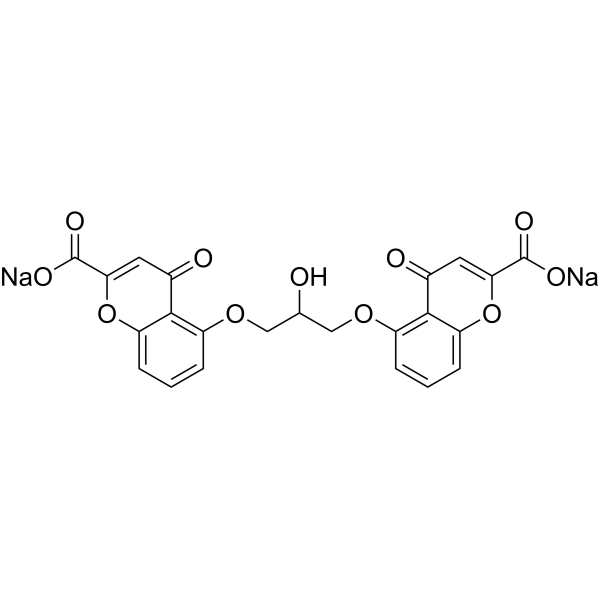
    Cromolyn disodium
    Maximum Cited Publications
    8 Publications Verification

    Cromoglycate disodium; Cromoglicic acid disodium; FPL-670

    GSK-3 NF-κB Amyloid-β Neurological Disease Metabolic Disease Inflammation/Immunology Cancer
    Cromolyn (Cromoglycate) disodium is an orally active GSK-3β inhibitor with an IC50 of 2.0 μM. Cromolyn disodium is also a mast cell stabilizer that can inhibit the release of mediators from mast cells, regulate reflex bronchoconstriction, and reduce non-specific bronchial hyperreactivity, and Cromolyn disodium can be used in the research of bronchial asthma. In addition, Cromolyn disodium has multiple activities such as anti-inflammatory, anti-allergic, anti-histamine, anti-cancer, and neuroprotective effects .
    Cromolyn disodium
  • HY-Y0912

    N-HBTU

    Biochemical Assay Reagents Inflammation/Immunology
    HBTU (N-HBTU) is a guanidinium-based peptide coupling reagent and immunological sensitizer. HBTU can be used in combination with bases such as DIPEA (HY-130142) to complete coupling reactions, with HOBt and TMU as by-products. HBTU is a standard reagent in automated solid-phase peptide synthesis, particularly for the Fmoc/tBu strategy, which effectively promotes coupling steps, but it is not suitable for sterically hindered amino acids or dipeptide derivatives. HBTU can induce rhinitis, dermatitis, bronchial asthma and severe allergic reactions. HBTU can be used to study the pathogenesis of allergic reactions, occupational rhinitis, allergic contact dermatitis and bronchial asthma .
    HBTU
  • HY-12642
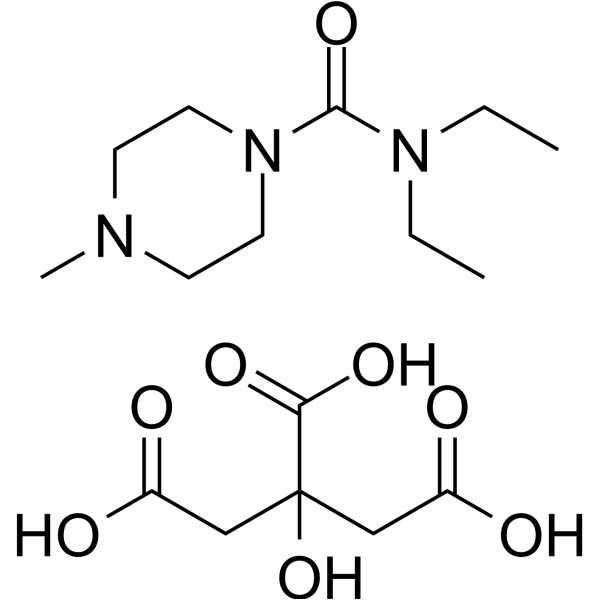
    Diethylcarbamazine citrate
    1 Publications Verification

    Parasite Bacterial TNF Receptor Interleukin Related Infection Metabolic Disease Inflammation/Immunology
    Diethylcarbamazine citrate is an orally active microfilaricidal agent used originally in onchocerciasis and lymphatic filiariasis. Diethylcarbamazine citrate reduces eosinophil trafficking to the lung tissue and exerts anti-allergic effects. Diethylcarbamazine citrate reduces serum levels of leptin, TNF-α, IL-6, MCP-1, glucose, insulin, and triglycerides, and ameliorates insulin resistance without altering body, liver, or adipose tissue weights. Diethylcarbamazine citrate enhances reactive oxygen intermediate expression by polymorphonuclear neutrophils, increases lymphocyte proliferation, and inhibits actinomycetoma lesion development. Diethylcarbamazine citrate can be used for the researches of bronchial asthma, insulin resistance and infection .
    Diethylcarbamazine citrate
  • HY-B1619
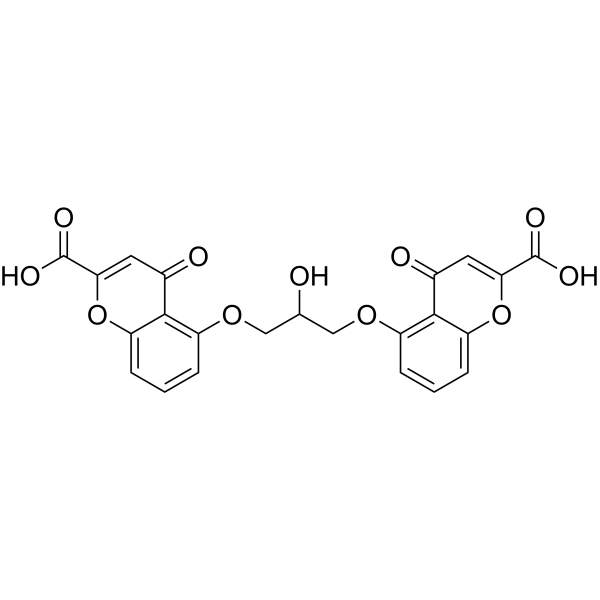
    Cromolyn
    Maximum Cited Publications
    8 Publications Verification

    Cromoglycate; Cromoglicic acid; FPL-670 free acid

    GSK-3 NF-κB Amyloid-β Neurological Disease Metabolic Disease Inflammation/Immunology Cancer
    Cromolyn (Cromoglycate) is an orally active GSK-3β inhibitor with an IC50 of 2.0 μM. Cromolyn is also a mast cell stabilizer that can inhibit the release of mediators from mast cells, regulate reflex bronchoconstriction, and reduce non-specific bronchial hyperreactivity, and Cromolyn can be used in the research of bronchial asthma. In addition, Cromolyn has multiple activities such as anti-inflammatory, anti-allergic, anti-histamine, anti-cancer, and neuroprotective effects .
    Cromolyn
  • HY-B0154
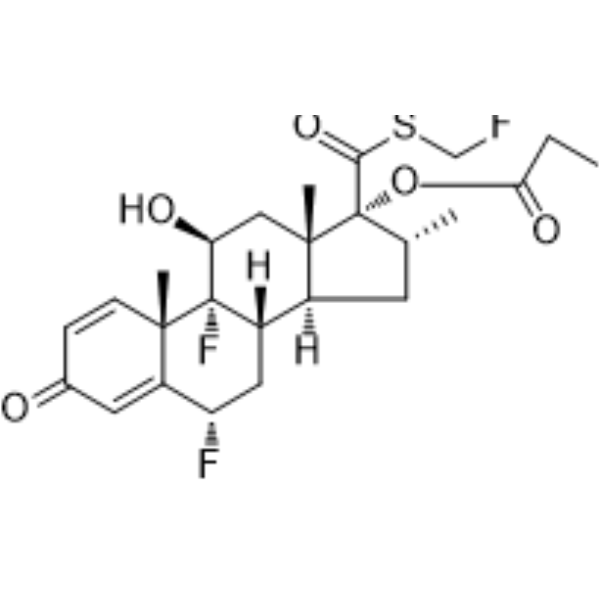
    Fluticasone propionate
    1 Publications Verification

    Glucocorticoid Receptor Enterovirus Endogenous Metabolite ADC Payload Infection Inflammation/Immunology Endocrinology
    Fluticasone propionate, a potent topical anti-inflammatory corticosteroid, is a selective glucocorticoid receptor agonist, with an absolute affinity (KD) of 0.5 nM. Fluticasone propionate shows little or no activity at other steroid receptors. Anti-viral activity .
    Fluticasone propionate
  • HY-B1589A
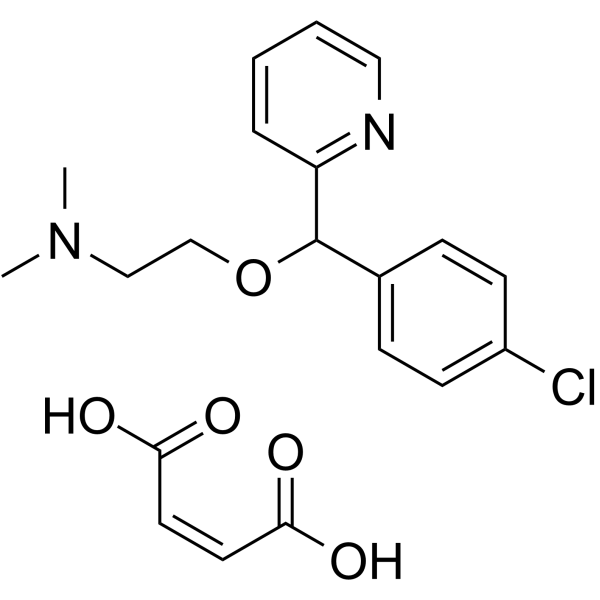
    Carbinoxamine maleate salt
    1 Publications Verification

    Histamine Receptor Influenza Virus Infection Inflammation/Immunology
    Carbinoxamine maleate salt is a blood-brain barrier-permeable histamine H1 receptor antagonist. Carbinoxamine maleate salt blocks the action of histamine on H1 receptors, reducing symptoms such as sneezing, rhinitis, rhinorrhea, erythema, pruritus and urticaria. Carbinoxamine maleate salt inhibits influenza virus entry into cells via endocytosis, targets the early stage of the viral life cycle, and simultaneously reduces viral replication levels in the lungs, alleviating pathological damage and inflammatory responses in lung tissues. Carbinoxamine maleate salt can be used in research on allergic rhinitis, influenza, etc.
    Carbinoxamine maleate salt
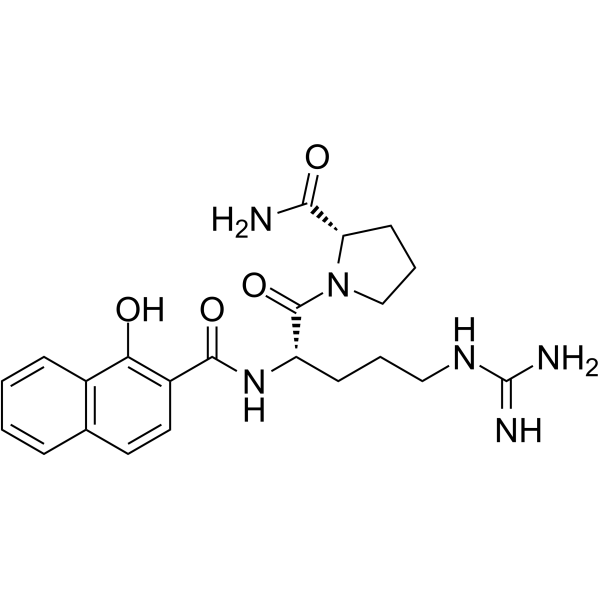
  • HY-105999

    Ser/Thr Protease Inflammation/Immunology
    APC 366 is a selective inhibitor of mast cell tryptase (Ki=7.1 μM). APC 366 inhibits antigen-induced early asthmatic response (EAR), late asthmatic response (LAR), and bronchial hyperresponsiveness (BHR) in a sheep model of allergic asthma .
    APC 366
  • HY-12642A
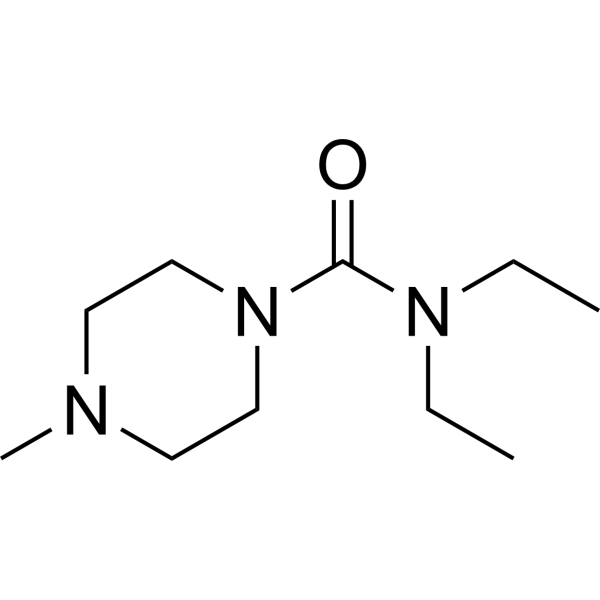
    Diethylcarbamazine
    1 Publications Verification

    Parasite Bacterial TNF Receptor Interleukin Related Infection Metabolic Disease Inflammation/Immunology
    Diethylcarbamazine is an orally active microfilaricidal agent used originally in onchocerciasis and lymphatic filiariasis. Diethylcarbamazine reduces eosinophil trafficking to the lung tissue and exerts anti-allergic effects. Diethylcarbamazine reduces serum levels of leptin, TNF-α, IL-6, MCP-1, glucose, insulin, and triglycerides, and ameliorates insulin resistance without altering body, liver, or adipose tissue weights. Diethylcarbamazine enhances reactive oxygen intermediate expression by polymorphonuclear neutrophils, increases lymphocyte proliferation, and inhibits actinomycetoma lesion development. Diethylcarbamazine can be used for the researches of bronchial asthma, insulin resistance and infection .
    Diethylcarbamazine
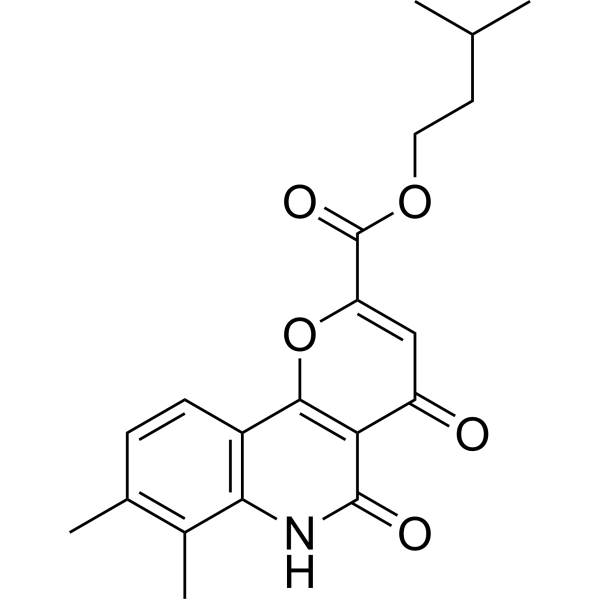
  • HY-109544

    MY-5116

    Histamine Receptor Inflammation/Immunology
    Repirinast (MY-5116) is an orally active anti-allergic agent. Repirinast inhibits histamine release. Repirinast can be used in the research of bronchial asthma .
    Repirinast
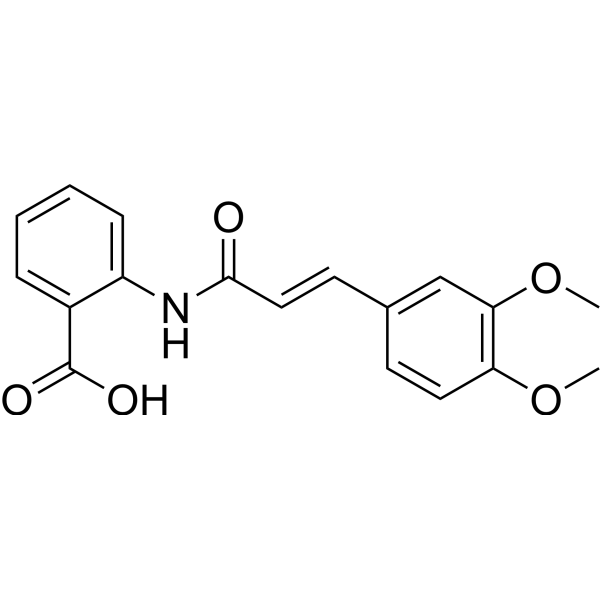
  • HY-18706

    trans-MK-341; trans-SB 252218

    Angiotensin Receptor Drug Isomer Cardiovascular Disease Metabolic Disease Inflammation/Immunology Cancer
    trans-Tranilast (trans-MK-341) is an isomer of Tranilast (HY-B0195), and an anti-allergy agent used in studies of bronchial asthma, allergic rhinitis, and atopic dermatitis .
    trans-Tranilast
  • HY-A0075
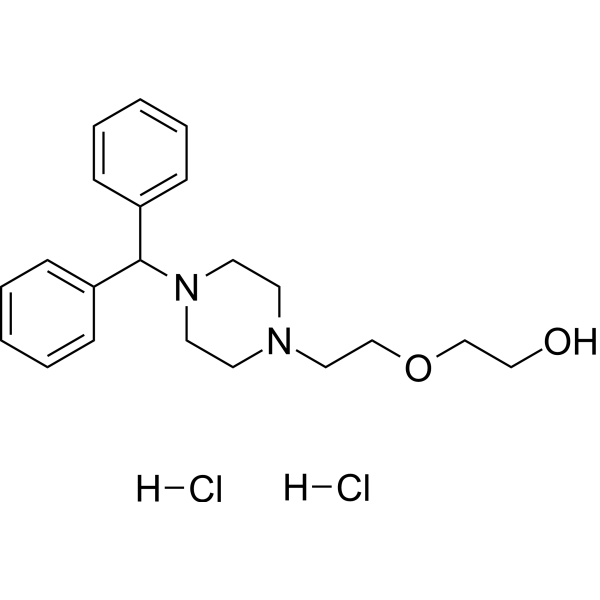
    Decloxizine dihydrochloride
    1 Publications Verification

    UCB 1402 dihydrochloride; NSC289116 dihydrochloride

    Histamine Receptor 5-HT Receptor Inflammation/Immunology
    Decloxizine (UCB-1402; NSC289116) dihydrochloride is an orally active bronchodilator that can penetrate the blood-brain barrier. Decloxizine dihydrochloride is a piperazine-type H1 histamine receptor antagonist. Decloxizine dihydrochloride selectively blocks H1 histamine receptors, inhibiting histamine-induced capillary dilation, edema, and itching. Decloxizine dihydrochloride has some 5-HT2 receptor antagonistic activity. Decloxizine dihydrochloride can be used in studies of urticaria, allergic rhinitis, and bronchial asthma .
    Decloxizine dihydrochloride
  • HY-119995

    Apoptosis Histamine Receptor Cardiovascular Disease Cancer
    Chloropyramine is competitive reversible H1 receptor antagonist. Chloropyramine also has anti-tumour activity in breast cancer. Chloropyramine can be used for the research of allergic conditions, such as conjunctivitis and bronchial asthma .
    Chloropyramine
  • HY-B0320AR

    Cromoglycate disodium (Standard); Cromoglicic acid disodium (Standard); FPL-670 (Standard)

    Reference Standards GSK-3 NF-κB Amyloid-β Neurological Disease Metabolic Disease Inflammation/Immunology Cancer
    Cromolyn disodium (Standard) (Cromoglycate disodium (Standard)) is the analytical standard of Cromolyn disodium (HY-B0320A). This product is intended for research and analytical applications. Cromolyn (Cromoglycate) disodium is an orally active GSK-3β inhibitor with an IC50 of 2.0 μM. Cromolyn disodium is also a mast cell stabilizer that can inhibit the release of mediators from mast cells, regulate reflex bronchoconstriction, and reduce non-specific bronchial hyperreactivity, and Cromolyn disodium can be used in the research of bronchial asthma. In addition, Cromolyn disodium has multiple activities such as anti-inflammatory, anti-allergic, anti-histamine, anti-cancer, and neuroprotective effects .
    Cromolyn disodium (Standard)
  • HY-B1619R

    Cromoglycate (Standard); Cromoglicic acid (Standard); FPL-670 free acid (Standard)

    GSK-3 NF-κB Amyloid-β Reference Standards Neurological Disease Metabolic Disease Inflammation/Immunology Cancer
    Cromolyn (Standard) is the analytical standard of Cromolyn. This product is intended for research and analytical applications. Cromolyn (Cromoglycate) is an orally active GSK-3β inhibitor with an IC50 of 2.0 μM. Cromolyn is also a mast cell stabilizer that can inhibit the release of mediators from mast cells, regulate reflex bronchoconstriction, and reduce non-specific bronchial hyperreactivity, and Cromolyn can be used in the research of bronchial asthma. In addition, Cromolyn has multiple activities such as anti-inflammatory, anti-allergic, anti-histamine, anti-cancer, and neuroprotective effects .
    Cromolyn (Standard)
  • HY-B0154R

    Reference Standards Glucocorticoid Receptor Enterovirus Endogenous Metabolite ADC Payload Infection Inflammation/Immunology Endocrinology
    Fluticasone propionate (Standard) is the analytical standard of Fluticasone propionate. This product is intended for research and analytical applications. Fluticasone propionate, a potent topical anti-inflammatory corticosteroid, is a selective glucocorticoid receptor agonist, with an absolute affinity (KD) of 0.5 nM. Fluticasone propionate shows little or no activity at other steroid receptors. Anti-viral activity .
    Fluticasone propionate (Standard)
  • HY-17582
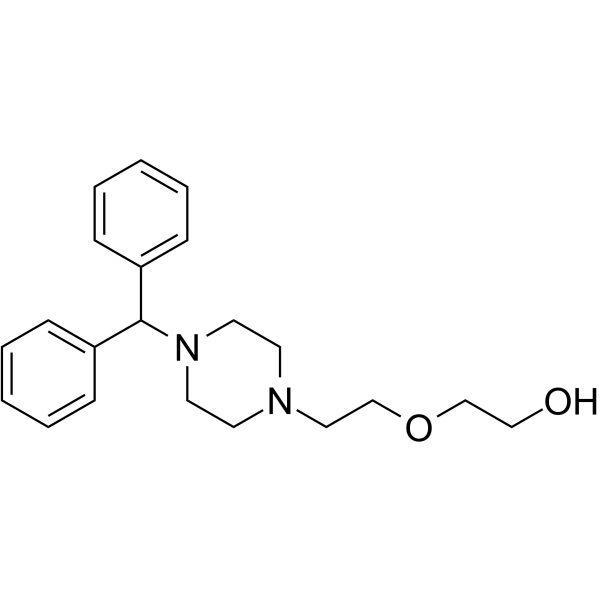
    Decloxizine
    1 Publications Verification

    UCB-1402; NSC289116

    Histamine Receptor 5-HT Receptor Inflammation/Immunology
    Decloxizine (UCB-1402; NSC289116) is an orally active bronchodilator that can penetrate the blood-brain barrier. Decloxizine is a piperazine-type H1 histamine receptor antagonist. Decloxizine selectively blocks H1 histamine receptors, inhibiting histamine-induced capillary dilation, edema, and itching. Decloxizine has some 5-HT2 receptor antagonistic activity. Decloxizine can be used in studies of urticaria, allergic rhinitis, and bronchial asthma .
    Decloxizine
  • HY-137312

    SKF 40383-A

    Adrenergic Receptor Inflammation/Immunology
    Carbuterol (SKF 40383-A) is a selective β2-adrenergic receptor agonist that primarily targets bronchial smooth muscle, exhibiting significant bronchodilatory and anti-allergic activity. Carbuterol can directly inhibit the immunologically induced release of histamine and slow-reacting substance of anaphylaxis (SRS-A), thereby alleviating allergic responses. Carbuterol exerts mild β1-mediated cardiac stimulation and is applicable to studies related to respiratory and immune-related diseases such as asthma and allergic disorders .
    Carbuterol
  • HY-137312A

    SKF 40383-A hydrochloride

    Adrenergic Receptor Inflammation/Immunology
    Carbuterol (SKF 40383-A) hydrochloride is a selective β2-adrenergic receptor agonist that primarily targets bronchial smooth muscle, exhibiting significant bronchodilatory and anti-allergic activity. Carbuterol hydrochloride can directly inhibit the immunologically induced release of histamine and slow-reacting substance of anaphylaxis (SRS-A), thereby alleviating allergic responses. In addition, it exerts mild β1-mediated cardiac stimulation and is applicable to studies related to respiratory and immune-related diseases such as asthma and allergic disorders .
    Carbuterol hydrochloride
  • HY-113635

    Platelet-activating Factor Receptor (PAFR) Cardiovascular Disease Inflammation/Immunology
    ONO-6240 is a platelet-activating factor antagonist. ONO-6240 prevents EOS infiltration into airway. ONO-6240 can be used in the study of asthmatic .
    ONO-6240
  • HY-B1619S

    Cromoglycate-d5; Cromoglicic acid-d5; FPL-670-d5 free acid

    Isotope-Labeled Compounds GSK-3 NF-κB Amyloid-β Neurological Disease Metabolic Disease Inflammation/Immunology Cancer
    Cromolyn-d5 (Cromoglycate-d5) is the deuterium labeled Cromolyn (HY-B1619). Cromolyn (Cromoglycate) is an orally active GSK-3β inhibitor with an IC50 of 2.0 μM. Cromolyn is also a mast cell stabilizer that can inhibit the release of mediators from mast cells, regulate reflex bronchoconstriction, and reduce non-specific bronchial hyperreactivity, and Cromolyn can be used in the research of bronchial asthma. In addition, Cromolyn has multiple activities such as anti-inflammatory, anti-allergic, anti-histamine, anti-cancer, and neuroprotective effects .
    Cromolyn-d5
  • HY-19108

    Reactive Oxygen Species (ROS) Histamine Receptor Inflammation/Immunology Endocrinology
    CI-959 is an inhibitor of inflammatory cell activation. CI-959 exhibits anti-inflammatory and anti-allergic activities. CI-959 can inhibit the production of reactive oxygen species by neutrophils, as well as neutrophil adhesion, respiratory burst, and histamine release from mast cells. CI-959 can also inhibit the release of inflammatory mediators such as histamine, leukotrienes, and thromboxane from guinea-pig and human lung tissues, and effectively suppress anti-IgE-induced contractions of human bronchial smooth muscle. CI-959 can be used in the research of inflammatory and allergic diseases, such as asthma .
    CI-959
  • HY-17582R

    UCB-1402 (Standard); NSC289116 (Standard)

    Reference Standards Histamine Receptor 5-HT Receptor Metabolic Disease Inflammation/Immunology
    Decloxizine (UCB-1402; NSC289116) (Standard) is the analytical standard of Decloxizine. This product is intended for research and analytical applications.Decloxizine is an orally active bronchodilator that can penetrate the blood-brain barrier. Decloxizine is a piperazine-type H1 histamine receptor antagonist. Decloxizine selectively blocks H1 histamine receptors, inhibiting histamine-induced capillary dilation, edema, and itching. Decloxizine has some 5-HT2 receptor antagonistic activity. Decloxizine can be used in studies of urticaria, allergic rhinitis, and bronchial asthma.
    Decloxizine (Standard)
  • HY-12642AR

    Reference Standards Parasite Bacterial TNF Receptor Interleukin Related Infection Metabolic Disease Inflammation/Immunology
    Diethylcarbamazine (Standard) is the analytical standard of Diethylcarbamazine (HY-12642A). This product is intended for research and analytical applications. Diethylcarbamazine is an orally active microfilaricidal agent used originally in onchocerciasis and lymphatic filiariasis. Diethylcarbamazine reduces eosinophil trafficking to the lung tissue and exerts anti-allergic effects. Diethylcarbamazine reduces serum levels of leptin, TNF-α, IL-6, MCP-1, glucose, insulin, and triglycerides, and ameliorates insulin resistance without altering body, liver, or adipose tissue weights. Diethylcarbamazine enhances reactive oxygen intermediate expression by polymorphonuclear neutrophils, increases lymphocyte proliferation, and inhibits actinomycetoma lesion development. Diethylcarbamazine can be used for the researches of bronchial asthma, insulin resistance and infection .
    Diethylcarbamazine (Standard)
  • HY-12642R

    Reference Standards Parasite Bacterial TNF Receptor Interleukin Related Infection Metabolic Disease Inflammation/Immunology
    Diethylcarbamazine citrate (Standard) is the analytical standard of Diethylcarbamazine citrate (HY-12642). This product is intended for research and analytical applications. Diethylcarbamazine citrate is an orally active microfilaricidal agent used originally in onchocerciasis and lymphatic filiariasis. Diethylcarbamazine citrate reduces eosinophil trafficking to the lung tissue and exerts anti-allergic effects. Diethylcarbamazine citrate reduces serum levels of leptin, TNF-α, IL-6, MCP-1, glucose, insulin, and triglycerides, and ameliorates insulin resistance without altering body, liver, or adipose tissue weights. Diethylcarbamazine citrate enhances reactive oxygen intermediate expression by polymorphonuclear neutrophils, increases lymphocyte proliferation, and inhibits actinomycetoma lesion development. Diethylcarbamazine citrate can be used for the researches of bronchial asthma, insulin resistance and infection .
    Diethylcarbamazine citrate (Standard)
  • HY-B1589

    Histamine Receptor Infection Inflammation/Immunology
    (±)-Carbinoxamine is a blood-brain barrier-permeable histamine H1 receptor antagonist. (±)-Carbinoxamine blocks the action of histamine on H1 receptors, reducing symptoms such as sneezing, rhinitis, rhinorrhea, erythema, pruritus and urticaria. (±)-Carbinoxamine inhibits influenza virus entry into cells via endocytosis, targets the early stage of the viral life cycle, and simultaneously reduces viral replication levels in the lungs, alleviating pathological damage and inflammatory responses in lung tissues. (±)-Carbinoxamine can be used in research on allergic rhinitis, influenza, etc.
    (±)-Carbinoxamine
  • HY-121048

    Others Others
    AH 7725 is a sodium cromoglycate-like compound that is orally active and has the ability to inhibit (partially or completely) immediate asthmatic reactions in bronchial provocation tests for allergic asthma.
    AH 7725
  • HY-182414

    Ser/Thr Protease Inflammation/Immunology
    NCO-650 free base is an antiallergic agent that acts by inhibiting tryptase, a key trypsin-like protease in mast cells. NCO-650 free base inhibits mast cell histamine release, increases intracellular cAMP levels in mast cells, suppresses bronchoconstriction, and prevents decreases in perfusion pressure and systemic blood pressure. NCO-650 free base is applicable to the research of allergic diseases and bronchial asthma .
    NCO-650 free base
  • HY-A0075R

    UCB 1402 dihydrochloride (Standard); NSC289116 dihydrochloride (Standard)

    Reference Standards Histamine Receptor 5-HT Receptor Metabolic Disease Inflammation/Immunology
    Decloxizine (UCB-1402; NSC289116) dihydrochloride (Standard) is the analytical standard of Decloxizine dihydrochloride. This product is intended for research and analytical applications. Decloxizine dihydrochloride is an orally active bronchodilator that can penetrate the blood-brain barrier. Decloxizine dihydrochloride is a piperazine-type H1 histamine receptor antagonist. Decloxizine dihydrochloride selectively blocks H1 histamine receptors, inhibiting histamine-induced capillary dilation, edema, and itching. Decloxizine dihydrochloride has some 5-HT2 receptor antagonistic activity. Decloxizine dihydrochloride can be used in studies of urticaria, allergic rhinitis, and bronchial asthma.
    Decloxizine dihydrochloride (Standard)

Inquiry Online

Your information is safe with us. * Required Fields.

Salutation


Country or Region *

Applicant Name *


Organization Name *

Department *


Email Address *


Product Name *

Cat. No.


Requested quantity *

Phone Number *


Remarks

Inquiry Online

Inquiry Information

Product Name:
Cat. No.:
Quantity:
MCE Japan Authorized Agent:

