1. Search Result
Search Result
Results for "

allosteric ligands

" in MedChemExpress (MCE) Product Catalog:

40

Inhibitors & Agonists

3

Screening Libraries

3

Peptides

2

Natural
Products

1

Isotope-Labeled Compounds

Cat. No. Product Name Target Research Areas Chemical Structure
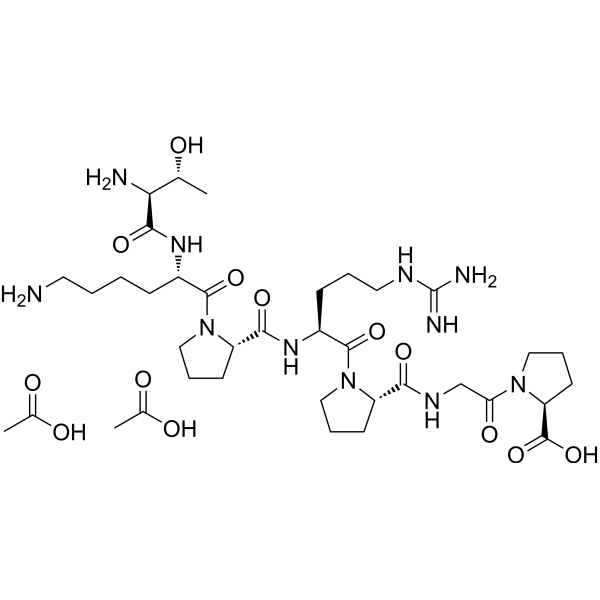
  • HY-P0172
    ATI-2341
    4 Publications Verification

    CXCR Inflammation/Immunology Endocrinology Cancer
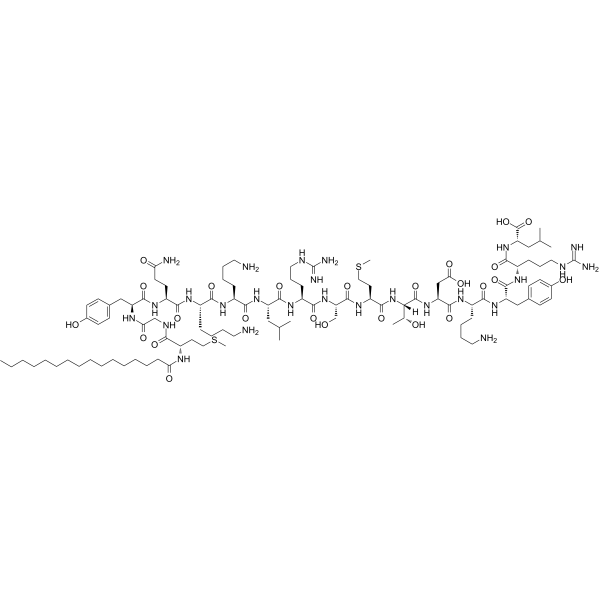
    ATI-2341 is a potent and functionally selective allosteric agonist of C-X-C chemokine receptor type 4 (CXCR4), which functions as a biased ligand, favoring Gαi activation over Gα13. ATI-2341 activates the inhibitory heterotrimeric G protein (Gi) to promote inhibition of cAMP production and induce calcium mobilization. ATI-2341 is a potent and efficacious mobilizer of bone marrow polymorphonuclear neutrophils (PMNs) and hematopoietic stem and progenitor cells (HSPCs) .
    ATI-2341
  • HY-17537
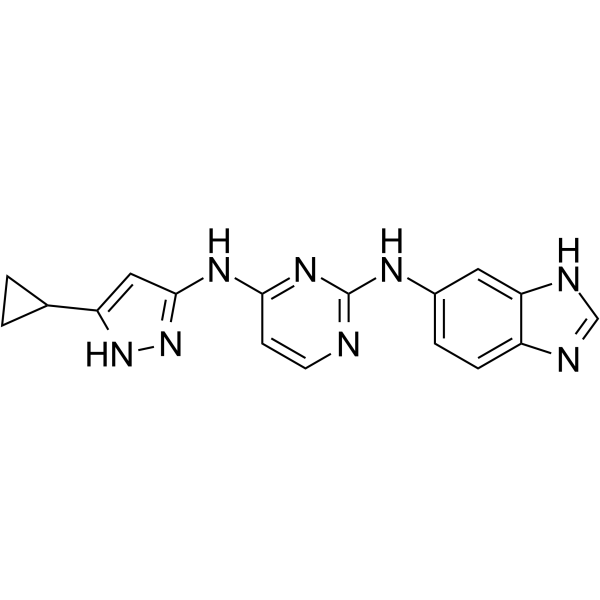
    APY29
    10+ Cited Publications

    IRE1 Cancer
    APY29, an ATP-competitive inhibitor, is an allosteric modulator of IRE1α which inhibits IRE1α autophosphorylation by binding to the ATP-binding pocket with IC50 of 280 nM. APY29 acts as a ligand that allosterically activates IRE1α adjacent RNase domain .
    APY29
  • HY-A0009
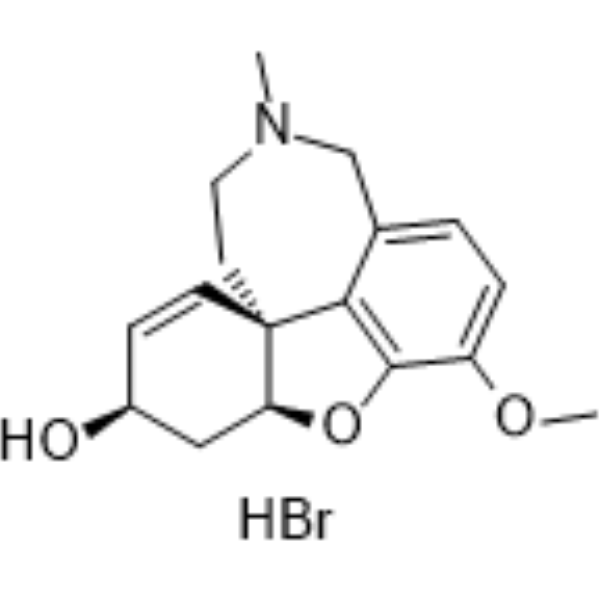
    Galanthamine hydrobromide
    10+ Cited Publications

    Galantamine hydrobromide

    Cholinesterase (ChE) nAChR Neurological Disease
    Galanthamine hydrobromide (Galantamine hydrobromide) is a selective, reversible, competitive, alkaloid AChE inhibitor, with an IC50 of 0.35 µM. Galanthamine hydrobromide is a potent allosteric potentiating ligand (APL) of human α3β4, α4β2, α6β4 nicotinic receptors ( nAChRs). Galanthamine hydrobromide is developed for the research of Alzheimer's disease (AD) .
    Galanthamine hydrobromide
  • HY-133073
    CCR7 Ligand 1
    3 Publications Verification

    CCR7-Cmp2105

    CCR Ligands for Target Protein for PROTAC Cancer
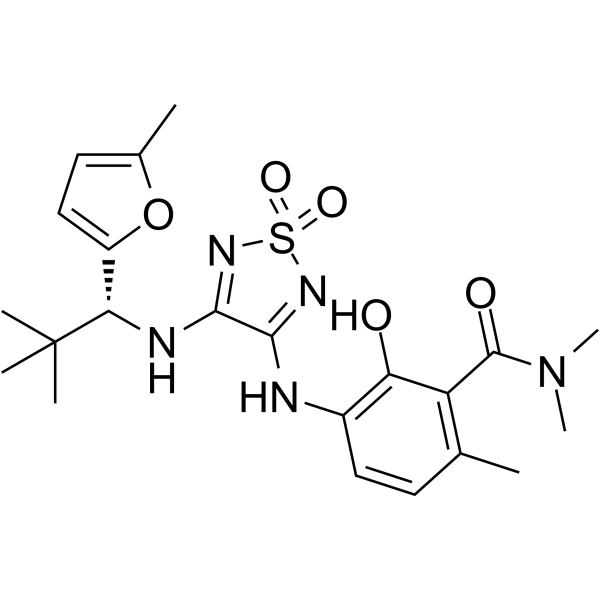
    CCR7 Ligand 1 (CCR7-Cmp2105) is an allosteric Ligand and antagonist for human CC chemokine receptor 7 (CCR7) with a Kd of 3 nM. CCR7 Ligand 1, thiadiazole-dioxide ligan, suppresses arrestin binding in response to activation by CCL19 with an IC50 of 7.3 μM .
    CCR7 Ligand 1
  • HY-103076
    EZ-482
    1 Publications Verification

    Apolipoprotein Neurological Disease
    EZ-482, a novel ligand of apolipoprotein (apoE), binds to sites on apoE in the C-terminal domain with Kds of 5-10 μM for apoE3 and apoE4. EZ-482 binds to apoE4 by a unique N-terminal allosteric effect. EZ482 has the potential for Alzheimer’s diseas .
    EZ-482
  • HY-105042

    Selanc; TP-7

    GABA Receptor Neurological Disease
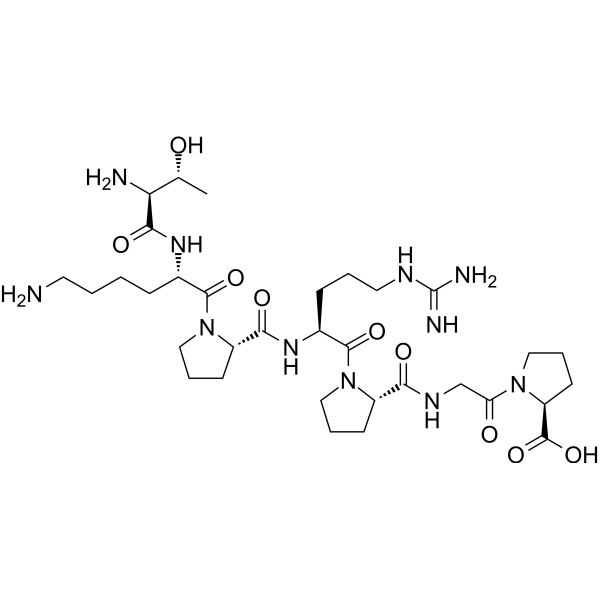
    Selank (Selanc; TP-7) is a GABAA receptor modulator with anxiolytic activity. Selank allosterically modulates the specific binding of GABA to GABAA receptors and alters the affinity of endogenous ligands for these receptors. Selank reduces elevated anxiety levels, attenuates stress-induced exacerbation of anxiety, and produces a synergistic anxiolytic effect with diazepam. Selank can be used in the research of anxiety disorders .
    Selank
  • HY-124467

    Ro 07-4065

    GABA Receptor Neurological Disease
    Difludiazepam (Ro 07-4065), a benzodiazepine derivative, is a GABAA receptor ligand with an IC50 of 4.1 nM. Difludiazepam binds to an allosteric site on the GABAA receptor to potentiate the receptor's response to GABA, reducing neuron excitability. Difludiazepam contains halogenated groups at the ortho position of its phenyl ring .
    Difludiazepam
  • HY-P0172A
    ATI-2341 TFA
    4 Publications Verification

    CXCR Inflammation/Immunology Endocrinology Cancer
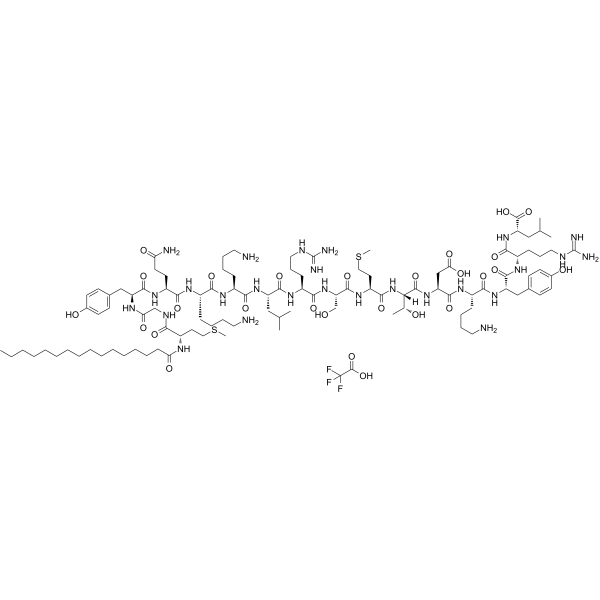
    ATI-2341 is a potent and functionally selective allosteric agonist of C-X-C chemokine receptor type 4 (CXCR4), which functions as a biased ligand, favoring Gαi activation over Gα13. ATI-2341 activates the inhibitory heterotrimeric G protein (Gi) to promote inhibition of cAMP production and induce calcium mobilization. ATI-2341 is a potent and efficacious mobilizer of bone marrow polymorphonuclear neutrophils (PMNs) and hematopoietic stem and progenitor cells (HSPCs) .
    ATI-2341 TFA
  • HY-120874

    PF-06372865; CVL-865

    GABA Receptor Neurological Disease
    Darigabat (PF-06372865) is an orally active, α2/α3/α5 subtype-selective GABAA positive allosteric modulator (PAM). Darigabat is a high affinity ligand at GABAA receptors containing α1/α2/α3/α5 subunits (Kis of 2.9 nM, 21 nM, 134 nM for α2, α1 PAM, α2 PAM, respectively), with low affinity for α4/α6 subunits. Darigabat can across the blood-brain barrier (BBB). Darigabat has anxiolytic activity and has the potential for epilepsy .
    Darigabat
  • HY-117163
    FzM1.8
    1 Publications Verification

    Wnt β-catenin Cancer
    FzM1.8, derives from FzM1, is an allosteric agonist of FZD4 with pEC50 of 6.4. FzM1.8 binds to FZD4 and activates the WNT/β-catenin pathway, by promoting TCF/LEF transcriptional activity in the absence of any WNT ligand. FzM1.8 stabilizes FZD4 with an increased affinity for heterotrimeric G protein and stimulates the release of the Gβγ subunit that in turn activates PI3K .
    FzM1.8
  • HY-168992

    Histone Methyltransferase Neurological Disease Cancer
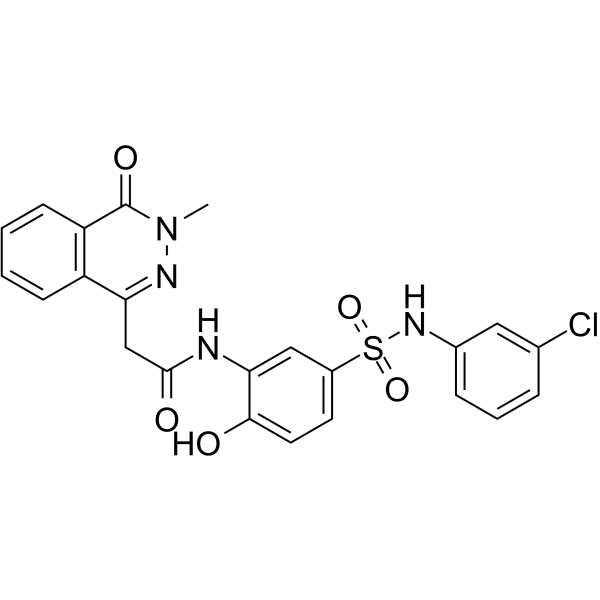
    UNC6535 is a covalent ligand targeting the SETDB1 triple Tudor domain (3TD) with negative allosteric modulator properties, with an IC50 of 3.4 μM and a Kd of 4.2 μM. UNC6535 inhibits the methyltransferase activity of recombinant SETDB1 protein lacking the 3TD domain. UNC6535 reversibly binds to the aromatic cages of both TD2 and TD3 subdomains of SETDB1 3TD simultaneously, displacing the endogenous H3K9Me2K14Ac histone tail ligand. UNC6535 can be used in research on cancer and neurodegenerative diseases .
    UNC6535
  • HY-112603

    Free Fatty Acid Receptor Metabolic Disease
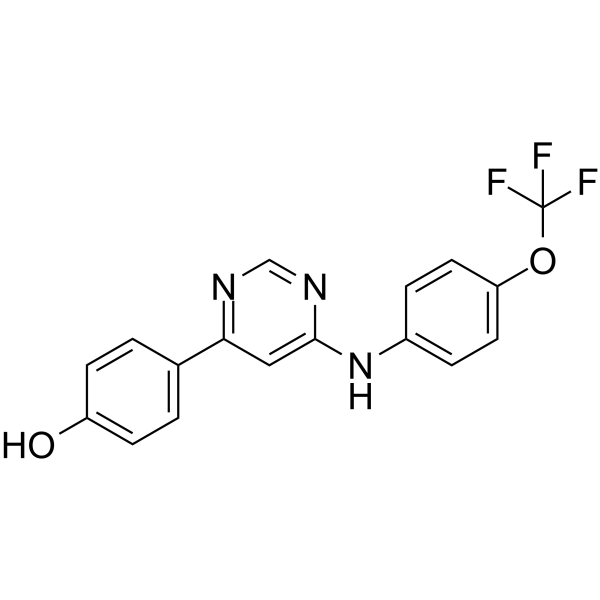
    AP5 is a potent, orlly active, and selective GPR40 receptor agonist with a positive allosteric modulation of endogenous ligand (AgoPAM). AP5 demonstrates rat and human inositol monophosphate (IP1) EC50 values of 0.49 nM and 0.8 nM against the GPR40 receptor, respectively. AP5 has the potential for type II diabetes research .
    AP5
  • HY-130297

    Bcr-Abl Ligands for Target Protein for PROTAC Cancer
    PROTAC BCR-ABL1 ligand 1, compound GMB-475, is the ligand of PROTAC that allosterically targets BCR-ABL1 protein and recruits the E3 ligase Von Hippel-Lindau, resulting in ubiquitination and subsequent degradation of BCR-ABL1 .
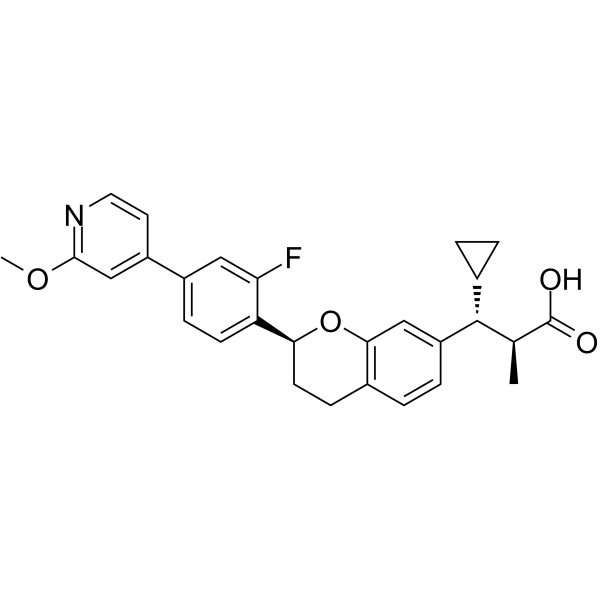
    PROTAC  BCR-ABL1 ligand 1
  • HY-112874

    BMS-687681

    CCR Neurological Disease Inflammation/Immunology Cancer
    BMS-681 is an orthosteric antagonist of CC chemokine receptor 2 (CCR2). BMS-681 restricts the movement of the extracellular end of TM6 by stabilizing TM7. TM7 and TM6 are the main components of the orthosteric binding site. BMS-681 can be used to study inflammatory neurodegenerative diseases and cancer .
    BMS-681
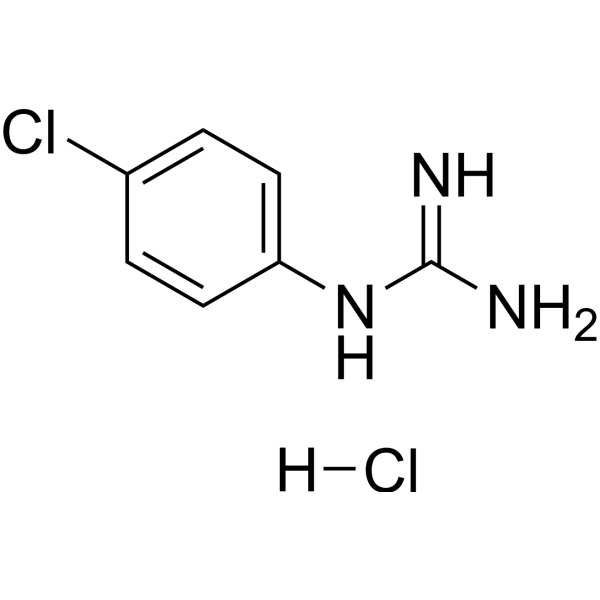
  • HY-100939

    Sodium Channel Neurological Disease
    4-Chlorophenylguanidine hydrochloride is an urokinase-type plasminogen activator inhibitor. 4-Chlorophenylguanidine hydrochloride is a potent ASIC3 positive allosteric modulator and reverses the effects of ASIC3 desensitization. 4-Chlorophenylguanidine hydrochloride influences ASIC3 activity through directly activating the channel and increasing proton sensitivity. 4-Chlorophenylguanidine hydrochloride offers a chemical backbone for the design of new ASIC3 ligands to study ASIC3 in vivo .
    4-Chlorophenylguanidine hydrochloride
  • HY-165125

    Neuropeptide Y Receptor Metabolic Disease
    (S)-VU0637120 is a Y4R antagonist that effectively reduces the binding response of its endogenous ligand, pancreatic polypeptide (PP), on Y4R, with an IC50 value of 2.7 μM. (S)-VU0637120 binds to the allosteric site of Y4R, which is located in the core region of the Y4R transmembrane structure, near the binding pocket of pancreatic polypeptide (PP), with a KB value of 300-400 nM. (S)-VU0637120 holds potential for research in the field of metabolic diseases .
    (S)-VU0637120
  • HY-178783

    Adenosine Receptor Metabolic Disease Inflammation/Immunology Cancer
    MRS8454 is a positive allosteric modulator (PAM) of the A3 adenosine receptor (A3AR). MRS8454 can significantly enhance the maximum effect of the standard agonist Cl-IB-MECA by approximately 286%-300%, and significantly reduce its EC50 value. MRS8454 effectively enhances the ability of A3AR agonists to inhibit the cAMP accumulation induced by Forskolin (HY-15371). MRS8454 can be used for the development of molecular probes .
    MRS8454
  • HY-W856819

    Opioid Receptor Cholinesterase (ChE) Drug Metabolite nAChR Neurological Disease
    Eseroline is a potent μ-opioid receptor agonist, which is the hydrolytic metabolite of Physostigmine (HY-N6608). Eseroline is a selective and competitive acetylcholinesterase (AChE) inhibitor, with its Ki values for AChE and BuChE being 0.1 μM and 200 μM respectively. Eseroline has nicotinic acetylcholine receptor allosteric enhancing ligand (nAChR-APL) activity, meaning it does not activate the receptor but significantly enhances the signal transduction of Ach triggered by the receptor. Eseroline is neurotoxic, causing cell membrane damage (LDH leakage) and energy metabolism collapse (ATP depletion). Eseroline can be used for the study of Alzheimer's disease .
    Eseroline
  • HY-124984

    mGluR Neurological Disease
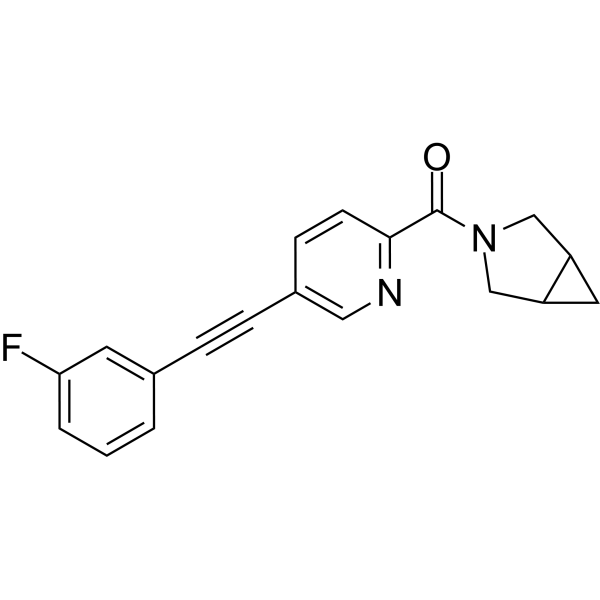
    ML353 is a selective ligand of mGlu5 silent allosteric modulator (SAM) with an Ki value of 18.2 nM. ML353 improves the affinity of common allosteric sites, 20-fold higher than the previous mGlu5 SAM tool compound 5mpep. ML353 has potential applications in solving the intrinsic activity of SAM in vivo or as a agent blocker . ML353 is a click chemistry reagent, it contains an Alkyne group and can undergo copper-catalyzed azide-alkyne cycloaddition (CuAAc) with molecules containing Azide groups.
    ML353
  • HY-105115

    ZK 112119

    GABA Receptor Neurological Disease
    Abecarnil (ZK 112119) is a ligand or a partial agonist for benzodiazepine (BZ) receptor. Abecarnil possesses anxiolytic and anticonvulsant properties. Abecarnil can act as a positive allosteric modulator of GABAA receptor. Abecarnil inhibits the binding of the BZ [3H]lormetazepam to rat cerebral cortex membranes, with an IC50 of 0.82 nM. Abecarnil can be used for epilepsy research .
    Abecarnil
  • HY-A0009R

    Galantamine hydrobromide (Standard)

    nAChR Cholinesterase (ChE) Reference Standards Neurological Disease
    Galanthamine (hydrobromide) (Standard) is the analytical standard of Galanthamine (hydrobromide). This product is intended for research and analytical applications. Galanthamine hydrobromide (Galantamine hydrobromide) is a selective, reversible, competitive, alkaloid AChE inhibitor, with an IC50 of 0.35 µM. Galanthamine hydrobromide is a potent allosteric potentiating ligand (APL) of human α3β4, α4β2, α6β4 nicotinic receptors ( nAChRs). Galanthamine hydrobromide is developed for the research of Alzheimer's disease (AD) .
    Galanthamine hydrobromide (Standard)
  • HY-147559

    Cannabinoid Receptor Others
    CB1R Allosteric modulator 2 (compound 18) is a potent CB1R allosteric modulator. CB1R Allosteric modulator 2 shows negatively affects the functional activity of orthosteric ligands (NAM) at CB1Rs .
    CB1R Allosteric modulator 2
  • HY-147558

    Cannabinoid Receptor Others
    CB1R Allosteric modulator 1 (compound 11) is a potent CB1R allosteric modulator. CB1R Allosteric modulator 1 shows negatively affects the functional activity of orthosteric ligands (NAM) at CB1Rs .
    CB1R Allosteric modulator 1
  • HY-120953

    Cannabinoid Receptor Inflammation/Immunology
    GAT228, the enantiomer of GAT211, is an allosteric cannabinoid receptor 1 (CB1) ligand .
    GAT228
  • HY-122491

    mAChR Neurological Disease
    Dimethyl-W84 (dibromide) modulates M2 muscarinic acetylcholine receptors. Dimethyl-W84 (dibromide) can be used in nervous system related research .
    Dimethyl-W84 dibromide
  • HY-111332

    mGluR Others
    (E)-PHCCC is a positive allosteric modulator (PAM) for mGluR4, that enhances the activity of the receptor's endogenous ligand (glutamate), and exhibits activity in the calcium mobilization assay in CHO cells with an EC50 of 3.2 μM .
    (E)-PHCCC
  • HY-116205

    iGluR Others
    UBP684 is a novel positive allosteric modulator of NMDA receptors (NMDARs) that enhances receptor function by stabilizing the ligand-binding domains in a closed conformation, resulting in potentiated whole-cell currents and increased mean open time.
    UBP684
  • HY-112603A

    Free Fatty Acid Receptor Metabolic Disease
    AP5 sodium is a potent, orall active, and selective GPR40 receptor agonist with a positive allosteric modulation of endogenous ligand (AgoPAM). AP5 sodium demonstrates rat and human inositol monophosphate (IP1) EC50 values of 0.49 nM and 0.8 nM against the GPR40 receptor, respectively. AP5 sodium has the potential for type II diabetes research .
    AP5 sodium
  • HY-144705

    Cannabinoid Receptor Neurological Disease
    GAT564 (Compound 15d) is a potent allosteric modulator of cannabinoid 1 receptor (CB1R) with EC50s of 87 and 320 nM respectively for cAMP and β-arrestin2. GAT564 markedly promotes orthosteric ligand binding to hCB1R. GAT564 is efficacious as a topical agent that significantly reduces intraocular pressure (IOP) in the ocular normotensive murine model of glaucoma .
    GAT564
  • HY-A0009S

    Galantamine-d3 hydrobromide

    Isotope-Labeled Compounds Cholinesterase (ChE) nAChR Neurological Disease
    Galanthamine-d3 (hydrobromide) is deuterium labeled Galanthamine (hydrobromide). Galanthamine hydrobromide (Galantamine hydrobromide) is a selective, reversible, competitive, alkaloid AChE inhibitor, with an IC50 of 0.35 μM. Galanthamine hydrobromide is a potent allosteric potentiating ligand (APL) of human α3β4, α4β2, α6β4 nicotinic receptors ( nAChRs). Galanthamine hydrobromide is developed for the research of Alzheimer's disease (AD) .
    Galanthamine-d3 hydrobromide
  • HY-117106

    GABA Receptor Others
    PNU-107484A is a GABAA receptor ligand that exhibits target activity mechanisms dependent on α isoforms. In the α1β2γ2 subtype, PNU-107484A acts as a positive allosteric modulator, enhancing GABA-induced Cl - currents, while it inhibits the currents in the α3β2γ2 and α6β2γ2 subtypes. The half-maximal concentrations for the α1β2γ2, α3β2γ2, and α6β2γ2 subtypes are 3.1, 4.2, and 3.5 μM, respectively. PNU-107484A can be used as a probe to investigate the physiological roles of different α isoform subtypes .
    PNU-107484A
  • HY-103076R

    Apolipoprotein Reference Standards Neurological Disease
    EZ-482 (Standard) is the analytical standard of EZ-482 (HY-103076). This product is intended for research and analytical applications. EZ-482, a novel ligand of apolipoprotein (apoE), binds to sites on apoE in the C-terminal domain with Kds of 5-10 μM for apoE3 and apoE4. EZ-482 binds to apoE4 by a unique N-terminal allosteric effect. EZ482 has the potential for Alzheimer’s diseas .
    EZ-482 (Standard)
  • HY-123661

    Endogenous Metabolite Neurological Disease
    MIPS1455 is a light-activated M1 muscarinic acetylcholine receptor ligand with irreversible binding activity to the allosteric site of the receptor. MIPS1455 is a drug target under investigation for the suppression of cognitive deficits and may become a valuable molecular tool for further investigation of allosteric interactions of the receptor .
    MIPS1455
  • HY-167899

    mGluR Neurological Disease
    PXT-012253 is a positron emission tomography (PET) ligand for mGluR4, as it binds to an allosteric site on mGluR4. PXT-012253 can be utilized in researches related to Parkinson's disease and levodopa-induced dyskinesia .
    PXT-012253
  • HY-180554

    Synaptic Vesicle Proteins Neurological Disease
    UCB1244283 is a synaptic vesicle glycoprotein 2A (SV2A) allosteric modulator. UCB1244283 binds to a secondary ligand-binding site in SV2A and enhances orthosteric ligand engagement when the orthosteric site is occupied, by stabilizing the occluded state and slowing ligand dissociation. UCB1244283 shows a clear protective effect against both tonic and clonic convulsions in sound-sensitive mice. UCB1244283 can be used for epilepsy research .
    UCB1244283
  • HY-179651

    Histone Methyltransferase Cancer
    NSD2-PWWP1-IN-6 (Compound 16) is an effective NSD2-PWWP1 inhibitor with a Kd value of 30 nM. NSD2-PWWP1-IN-6 competitively blocks the recognition of H3K36me2 and DNA by NSD2-PWWP1, thereby weakening its binding ability to nucleosomes. NSD2-PWWP1-IN-6 can be used for cancer research .
    NSD2-PWWP1-IN-6
  • HY-181278

    Drug Derivative JAK Inflammation/Immunology Cancer
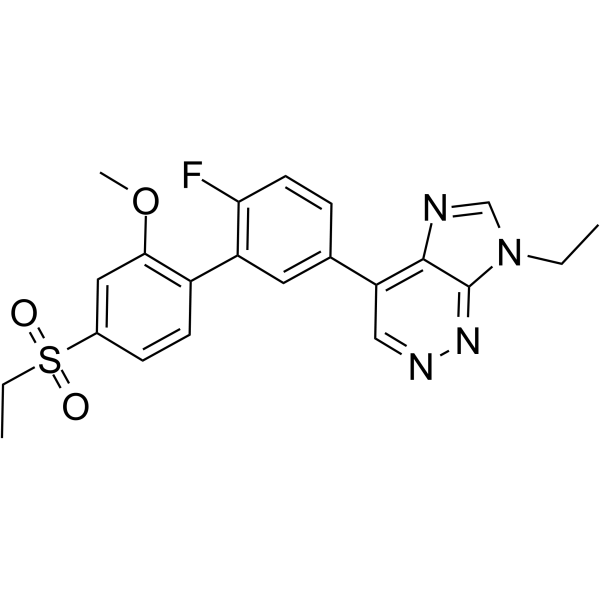
    Deucravacitinib analog 1 (compound 3), Deucravacitinib (HY-117287) derivative, is a TYK2 allosteric ligand. Deucravacitinib analog 1 binds to the JH2 domain of TYK2. Deucravacitinib analog 1 serves as a starting point for development of TYK2-targeting PROTAC degraders. Deucravacitinib analog 1 can be used for the researches of psoriasis and cancer .
    Deucravacitinib analog 1
  • HY-165475

    iGluR Neurological Disease
    TDPAM02 is a positive allosteric modulator of AMPA receptor GluA2. TDPAM02 can specifically bind to the ligand-binding domain (LBD) of GluA2 and shows an IC50 of 1.4 nM for the GluA2 flop subtype. TDPAM02 can stabilize the activated conformation of GluA2 receptors, delay the receptor deactivation or desensitization process, maintaining the rapid excitatory synaptic transmission in the central nervous system .
    TDPAM02
  • HY-165474

    iGluR Neurological Disease
    TDPAM01 is a positive allosteric modulator of AMPA receptor GluA2. TDPAM01 can specifically bind to the ligand-binding domain (LBD) of GluA2 and shows an IC50 of 13.4 nM for the GluA2 flop subtype. TDPAM01 can stabilize the activated conformation of GluA2 receptors, delay the receptor deactivation or desensitization process, maintaining the rapid excitatory synaptic transmission in the central nervous system .
    TDPAM01
  • HY-179650

    Histone Methyltransferase Apoptosis Cancer
    NSD2-PWWP1-IN-5 (Compound 13) is an effective NSD2-PWWP1 inhibitor with a Kd value of 78 nM. NSD2-PWWP1-IN-5 competitively blocks the recognition of H3K36me2 and DNA by NSD2-PWWP1, thereby weakening its binding ability to nucleosomes. NSD2-PWWP1-IN-5 inhibits the proliferation of U2OS osteosarcoma cells and induces cell cycle arrest and apoptosis. NSD2-PWWP1-IN-5 can be used for the study of osteosarcoma .
    NSD2-PWWP1-IN-5

Inquiry Online

Your information is safe with us. * Required Fields.

Salutation


Country or Region *

Applicant Name *


Organization Name *

Department *


Email Address *


Product Name *

Cat. No.


Requested quantity *

Phone Number *


Remarks

Inquiry Online

Inquiry Information

Product Name:
Cat. No.:
Quantity:
MCE Japan Authorized Agent:

