
22 Results for "

alveolar epithelial cells

" in MedChemExpress (MCE) Product Catalog:
Products (22)

22 Results for "alveolar epithelial cells" in MCE Product Catalog:

2
2 Cited Publications
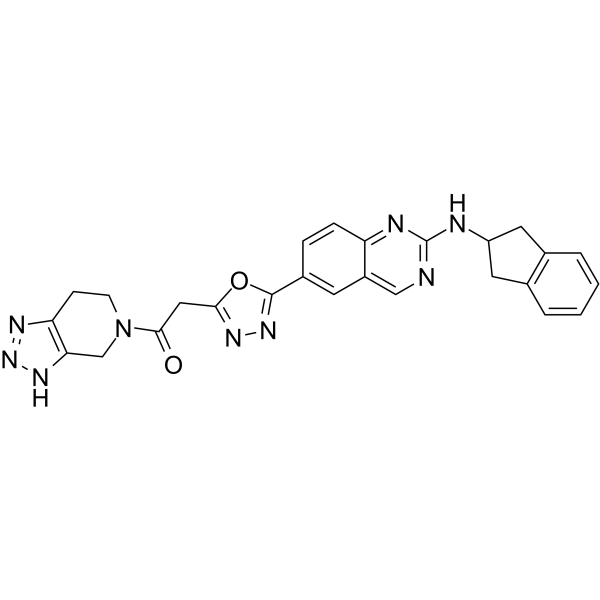
Cat. No.: HY-146148
CAS No.: 52348-60-4
Purity:  98.99%
Target:  

Histone Demethylase

Research Areas:  

Cancer

KDM4C-IN-1 is a histone lysine demethylase KDM4C inhibitor with an IC50 of 8 nM. KDM4C-IN-1 inhibits cancer cell proliferation. KDM4C-IN-1 can be used in the research of hepatocellular carcinoma and adenocarcinoma alveolar basal epithelial carcinoma .
loading...
    loading...
1
1 Cited Publications
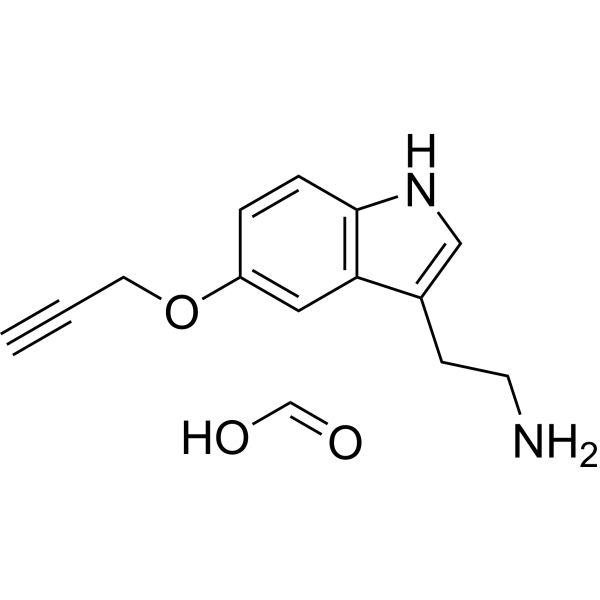
Cat. No.: HY-156562A
CAS No.: 2906227-87-8
Purity:  99.91%
Synonyms: 5-Propargyltryptamide formic
Target:  

Drug Derivative

Research Areas:  

Inflammation/Immunology

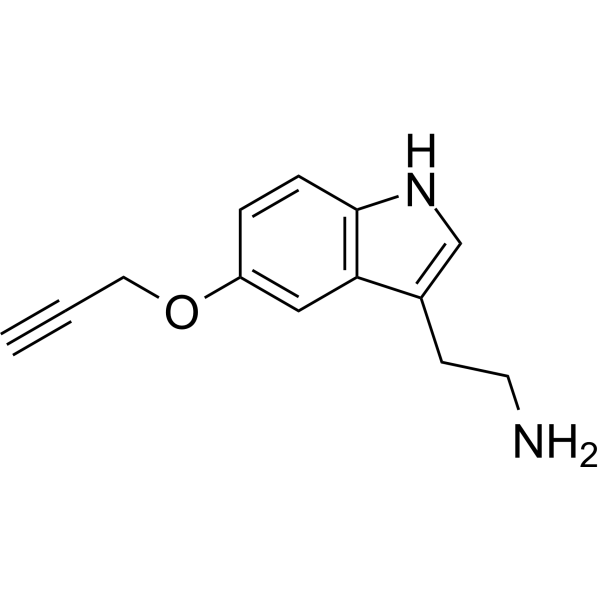
5-PT (5-Propargyltryptamide) formic is an alkyne-functionalized 5-HT (HY-B1473A) derivative and serotonylation substrate, taken up by living cells. 5-PT formic conjugated to a biotin enables identification of serotonylated proteins via copper-click chemistry and mass spectrometry. 5-PT formic labels and isolates serotonylated cells in alveolar epithelial cells for proteomic analysis. 5-PT formic can be used for the research of bronchopulmonary dysplasia .
loading...
    loading...
1
1 Cited Publications
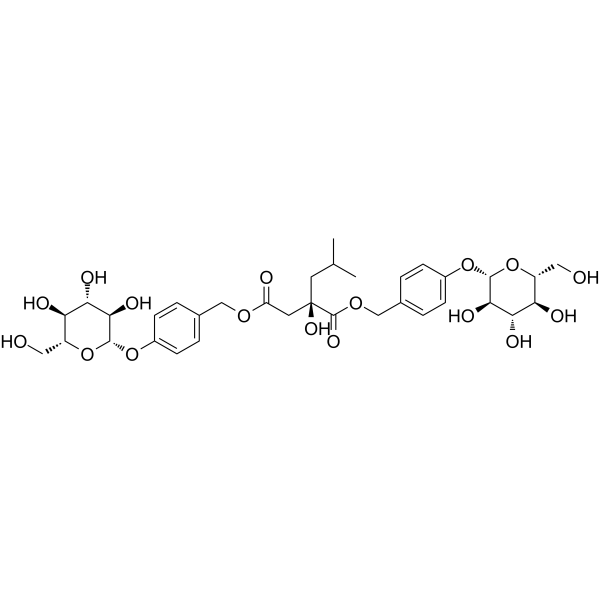
Cat. No.: HY-122308
CAS No.: 58139-23-4
Purity:  99.94%
Militarine is a plant growth inhibitor and anti-inflammatory agent. Militarine inhibits the elongation of radicles and hypocotyls in seedlings of lettuce, Italian ryegrass and timothy grass. Militarine alleviates PM2.5-induced inflammatory injury and inhibits cell migration in human alveolar epithelial A549 cells by inhibiting the NF-κB signaling pathway, reducing oxidative stress and the release of inflammatory factors. Militarine can be used in studies related to PM2.5-induced pulmonary diseases .
loading...
    loading...
Cat. No.: HY-P5423
CAS No.: 107658-43-5
Target:  

Exosomes Liposome

Research Areas:  

Cancer

GALA is a pH-responsive amphipathic peptide consisting of 30 amino acids, which acts as a lung endothelium-targeting ligand. GALA undergoes a conformational transition from random coil to α-helix in an acidic environment at pH 5.0, thereby inducing endosomal membrane destabilization and fusion. GALA-modified liposomes traverse lung endothelial cells via clathrin-dependent endocytosis and transcytosis, and specifically accumulate in the lungs after intravenous injection. GALA significantly promotes the cytosolic release of cargos carried by exosomes, plasmids and liposomes, effectively enhances gene transfection efficiency, and drives gene knockdown of functional macromolecules (such as siRNA) in alveolar epithelial cells (with no significant cytotoxicity at effective concentrations). GALA serves as a critical tool for studies on lung cancer metastasis (e.g., melanoma lung metastasis) and lung-targeted drug delivery systems .
loading...
    loading...
Cat. No.: HY-P11178
CAS No.: 2651277-02-8
Corisin is a pro-apoptotic small peptide produced by Staphylococcus species. Corisin binds to serum albumin to target organs such as the lungs and kidneys, induces cellular senescence, apoptosis and epithelial-mesenchymal transition, and accelerates the progression of organ fibrosis including pulmonary fibrosis and diabetic renal fibrosis. Corisin levels are closely associated with coronavirus disease 2019 (COVID-19), diabetic chronic kidney disease (CKD), non-diabetic CKD, and idiopathic pulmonary fibrosis (IPF) .
loading...
    loading...
Cat. No.: HY-112465
CAS No.: 113276-94-1
Purity:  99.00%
Target:  

PKA PKC PKG

Research Areas:  

Neurological Disease Cancer

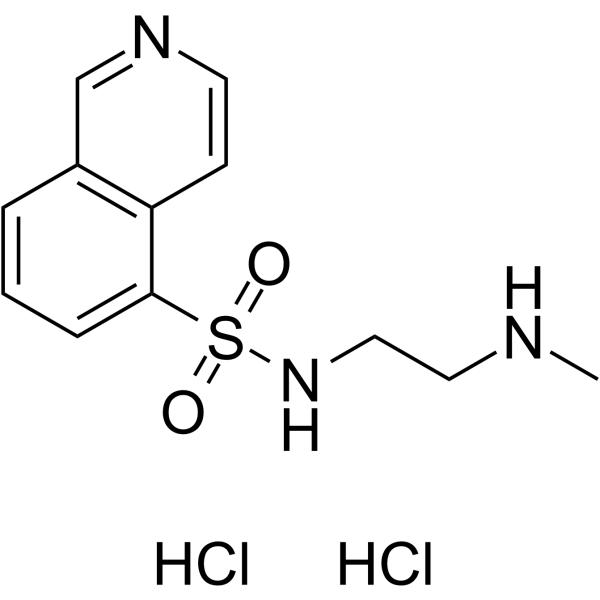
H-8 dihydrochloride is a selective Cyclic nucleotide-dependent protein kinase inhibitor. H-8 dihydrochloride potently inhibits cGMP- and cAMP-dependent protein phosphorylation. H-8 dihydrochloride enhances the vasodilatory effect induced by 8-bromo-cAMP (HY-12306A). H-8 dihydrochloride fails to attenuate the vasodilatory effects induced by 8-bromo-cGMP (HY-101379A), atrial natriuretic peptide II, or Sodium nitroprusside (HY-B0564) in rat aorta .
loading...
    loading...
Cat. No.: HY-156562
CAS No.: 92085-05-7
Synonyms: 5-Propargyltryptamide
Target:  

Drug Derivative

Research Areas:  

Inflammation/Immunology

5-PT (5-Propargyltryptamide) is an alkyne-functionalized 5-HT (HY-B1473A) derivative and serotonylation substrate, taken up by living cells. 5-PT conjugated to a biotin enables identification of serotonylated proteins via copper-click chemistry and mass spectrometry. 5-PT labels and isolates serotonylated cells in alveolar epithelial cells for proteomic analysis. 5-PT can be used for the research of bronchopulmonary dysplasia .
loading...
    loading...
Cat. No.: HY-N8884
CAS No.: 82344-82-9
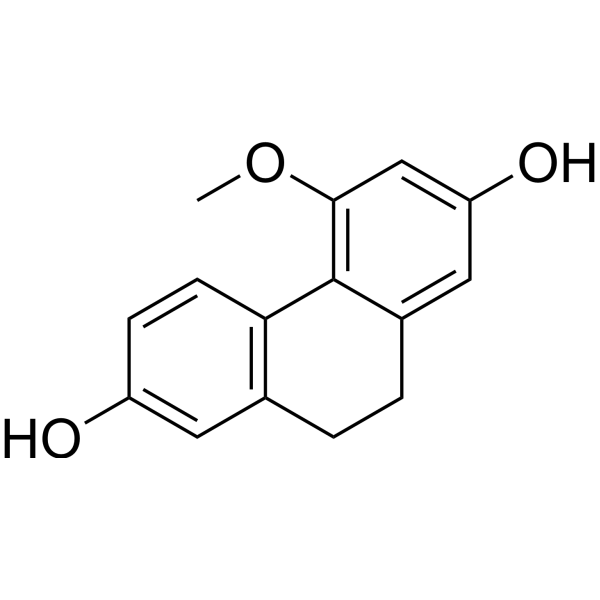
Coelonin is a dihydrophenanthrene with anti-inflammation activity. Coelonin inhibits LPS-induced PTEN phosphorylation. Coelonin inhibits NF-κB activation and p27Kip1 degradation by regulating the PI3K/AKT pathway negatively. Coelonin can inhibit IκBα phosphorylation and degradation and increases the expression of IκBα protein .
loading...
    loading...
Cat. No.: HY-158315
Purity:  99.43%
Target:  

Dipeptidyl Peptidase

Research Areas:  

Inflammation/Immunology

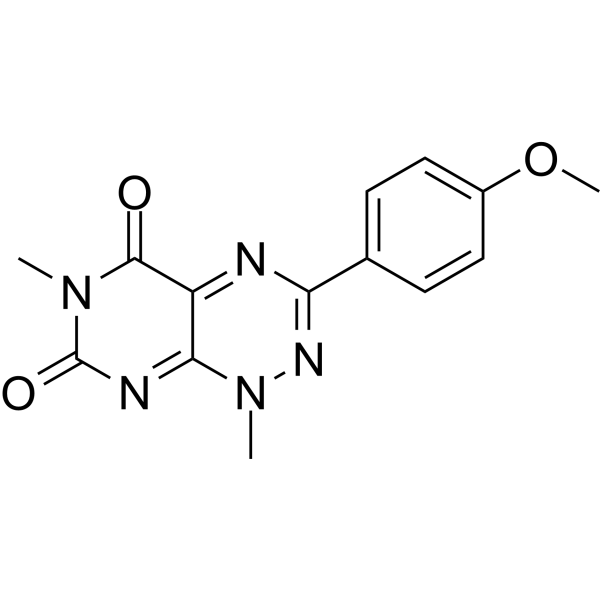
NZ-97 is a locally deliverable, lung-retaining dipeptidyl peptidase 4 (DPP4) inhibitor with an IC50 of 18 nM. It exhibits selectivity for DPP8 and DPP9 (with IC50 values of 1.3 μM and 0.6 μM, respectively). NZ-97 inhibits the DPP4 pool in lung-resident cells and epithelial lining fluid, elevates IL-6 and IGF-1 levels, and induces the expansion of type 2 alveolar epithelial cells (AEC2). NZ-97 reduces protein content in bronchoalveolar lavage fluid (BALF), ameliorates lung injury and alleviates pulmonary fibrosis. NZ-97 shows tolerability in untreated Mus musculus mice after intratracheal administration, and does not alter the proliferation or differentiation of lung fibroblasts. NZ-97 can be used in studies related to idiopathic pulmonary fibrosis, acute lung injury and emphysema .
loading...
    loading...
Cat. No.: HY-23499
CAS No.: 193-39-5
Indeno[1,2,3-cd]pyrene is a polycyclic aromatic hydrocarbon with moderate cytotoxicity in human pulmonary alveolar epithelial cells HPAEpiC. Indeno[1,2,3-cd]pyrene enhances allergic lung infammation via aryl hydrocarbon receptor .
loading...
    loading...
Cat. No.: HY-W005379
CAS No.: 162401-62-9
Target:  

TGF-beta/Smad

Research Areas:  

Inflammation/Immunology

DGM is an inhibitor of the TGF-β1/Smad signaling pathway with significant antifibrotic effects. DGM inhibits the epithelial-mesenchymal transition (EMT) process in alveolar epithelial cells and slows the progression of pulmonary fibrosis in vivo by reducing lung inflammation, improving lung function, and decreasing extracellular matrix (ECM) remodeling. DGM can be used in research on idiopathic pulmonary fibrosis (IPF) and EMT-related diseases .
loading...
    loading...
Cat. No.: HY-170813
CAS No.: 1358201-44-1
Target:  

CDK TGF-beta/Smad

Research Areas:  

Infection

P162-0948 is a selective CDK8 inhibitor with an IC50 value of 50.4 nM. P162-0948 reduces cell migration and protein expression of EMT-related proteins in A549 human alveolar epithelial cell lines. P162-0948 reduces phosphorylation of Smad, which suggests disruption of the TGF-β/Smad signaling pathway. P162-0948 is promising for research of pulmonary fibrosis .
loading...
    loading...
Cat. No.: HY-P3600
Target:  

Apoptosis

Research Areas:  

Inflammation/Immunology

FIZZ-1 (32-51) (mouse) is a cysteine-rich secretory protein that is highly expressed by macrophages, bronchial epithelial and type II alveolar epithelial cells (AEC) in allergic airway inflammation. FIZZ1 (32-51) (mouse) also shows an antiapoptotic effect on lung fibroblasts. FIZZ-1 (32-51) (mouse) can be used in the study of allergic pneumonia .
loading...
    loading...
Cat. No.: HY-143582
CAS No.: 2640300-87-2
Research Areas:  

Cancer

ATX inhibitor 9 is a potent inhibitor of ATX. ATX inhibitor 9 is a thickened heteroaryl derivatives compound. Autotaxin (ATX), also known as ENPP2, is a secreted enzyme that is highly expressed mainly in cancer cells, bronchial epithelial cells and alveolar macrophages in the lung. ATX inhibitor 9 has the potential for the research of cancer or fibrous degenerative disease (extracted from patent WO2021078227A1, compound 3) .
loading...
    loading...
Cat. No.: HY-23499R
CAS No.: 193-39-5
Indeno[1,2,3-cd]pyrene (Standard) is the analytical standard of Indeno[1,2,3-cd]pyrene. This product is intended for research and analytical applications. Indeno[1,2,3-cd]pyrene is a polycyclic aromatic hydrocarbon with moderate cytotoxicity in human pulmonary alveolar epithelial cells HPAEpiC. Indeno[1,2,3-cd]pyrene enhances allergic lung infammation via aryl hydrocarbon receptor .
loading...
    loading...
Cat. No.: HY-122308R
CAS No.: 58139-23-4
Militarine (Standard) is the analytical standard of Militarine (HY-122308). This product is intended for research and analytical applications. Militarine is a plant growth inhibitor and anti-inflammatory agent. Militarine inhibits the elongation of radicles and hypocotyls in seedlings of lettuce, Italian ryegrass and timothy grass. Militarine alleviates PM2.5-induced inflammatory injury and inhibits cell migration in human alveolar epithelial A549 cells by inhibiting the NF-κB signaling pathway, reducing oxidative stress and the release of inflammatory factors. Militarine can be used in studies related to PM2.5-induced pulmonary diseases .
loading...
    loading...
Cat. No.: HY-156562B
CAS No.: 3117303-22-4
Synonyms: 5-Propargyltryptamide TFA
Target:  

Drug Derivative

Research Areas:  

Inflammation/Immunology

5-PT (5-Propargyltryptamide) TFA is an alkyne-functionalized derivative of 5-HT (HY-B1473A) and serotonylation substrate that can be taken up by living cells. After conjugation with biotin, 5-PT TFA enables the identification of serotonylated proteins via copper click chemistry and mass spectrometry. 5-PT TFA can label and isolate serotonylated cells in alveolar epithelial cells for proteomic analysis. 5-PT TFA is applicable to research related to bronchopulmonary dysplasia .
loading...
    loading...
Cat. No.: HY-128526
CAS No.: 160472-93-5
Target:  

Endogenous Metabolite

Research Areas:  

Infection

Acinetobactin is a bifunctional siderophore secreted by Acinetobacter baumannii that competitively binds ferric iron ions. Acinetobactin supplies A. baumannii by sequestering host-sequestered Fe 3+, while competitively depriving skin and respiratory commensal bacteria of iron resources, thereby exerting growth-inhibitory effects on Staphylococcus epidermidis, Staphylococcus hominis, Staphylococcus haemolyticus, and Corynebacterium striatum. The synthesis and transport of Acinetobactin enhance the intracellular epithelial colonization ability of A. baumannii, induce apoptosis of host epithelial cells, and simultaneously improve the survival and invasion capabilities of the bacterium in Galleria mellonella and mouse sepsis models. Acinetobactin can be used in A. baumannii-related research .
loading...
    loading...
Cat. No.: HY-184897
CAS No.: 312724-83-7
Target:  

Chloride Channel NF-κB

Research Areas:  

Inflammation/Immunology

YS-01 is an inhibitor of pendrin (SLC26A4) with pulmonary protective activity. YS-01 inhibits pendrin-mediated anion exchange activity, reduces pendrin expression, and suppresses the activation of NF-κB and the production of proinflammatory cytokines. YS-01 alleviates lipopolysaccharide-induced and ventilator-induced lung injury. YS-01 attenuates ovalbumin-induced airway hyperresponsiveness, inflammatory infiltration, epithelial thickening and goblet cell hyperplasia, and reduces eosinophil and neutrophil counts. YS-01 decreases MUC5AC transcription levels induced by IL-4, reverses the reduction of airway surface liquid volume, and inhibits the increase of apical SCN concentration in epithelial cells. YS-01 can be used in studies related to lung injury and allergic asthma .
loading...
    loading...
Cat. No.: HY-182759
MN33-47 is a multi-target anti-tumor compound with broad-spectrum anti-proliferative activity. MN33-47 relieves the inhibition of the mitochondrial apoptosis pathway by downregulating the anti-apoptotic protein Bcl-2, while activating caspase-3 and inhibiting Topoisomerase I activity, thereby promoting its degradation through the ubiquitin-proteasome and autophagy-lysosome pathways. MN33-47 can also induce DNA cross-linking and G2/M cell cycle arrest, inhibit cancer cell migration and activate the mitochondrial apoptosis pathway, thus exerting potent anti-tumor effects. MN33-47 can improve the water solubility of SN-38 (HY-13704), and exhibits dose-dependent tumor growth inhibition effects in CT26 tumor-bearing mouse models without obvious toxic and side effects. MN33-47 can be used in related studies on colorectal adenocarcinoma, cervical adenocarcinoma, hepatocellular carcinoma, alveolar basal epithelial adenocarcinoma, gastric cancer and colon cancer .
loading...
    loading...