1. Search Result
Search Result
Pathways Recommended: MAPK/ERK Pathway
Results for "

bacterial growth pathways

" in MedChemExpress (MCE) Product Catalog:

19

Inhibitors & Agonists

12

Natural
Products

Cat. No. Product Name Target Research Areas Chemical Structure
  • HY-12326A
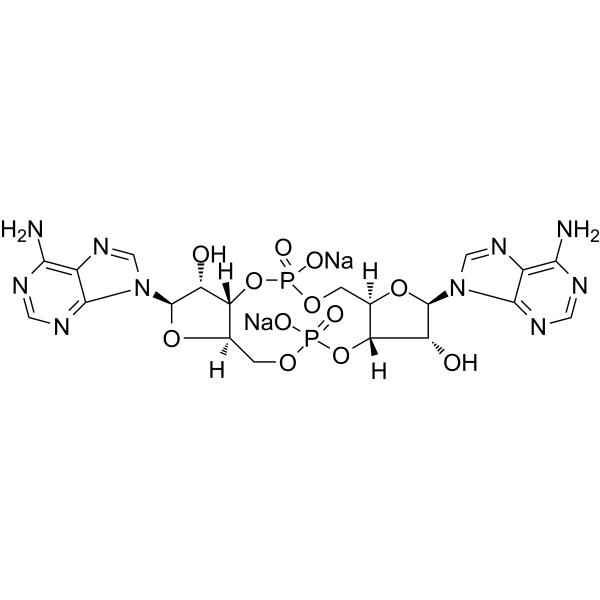
    c-di-AMP disodium
    Maximum Cited Publications
    16 Publications Verification

    Cyclic diadenylate disodium; Cyclic-di-AMP disodium

    STING Bacterial Endogenous Metabolite Inflammation/Immunology
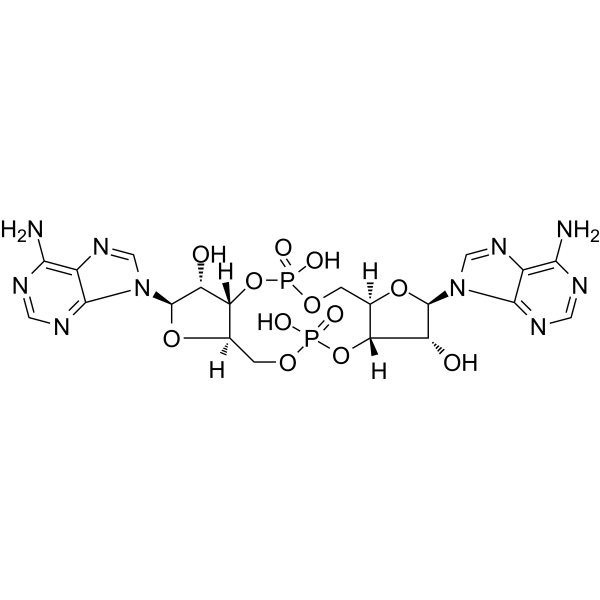
    c-di-AMP (Cyclic diadenylate) sodium is a STING agonist, which binds to the transmembrane protein STING thereby activating the TBK3-IRF3 signaling pathway, subsequently triggering the production of type I IFN and TNF. c-di-AMP sodium is also a bacterial second messenger, which regulates cell growth, survival, and virulence, primarily within Gram-positive bacteria, and also regulates host immune response. c-di-AMP sodium acts as a potent mucosal adjuvant stimulating both humoral and cellular responses .
    c-di-AMP disodium
  • HY-W012530

    Endogenous Metabolite PDI Infection Metabolic Disease
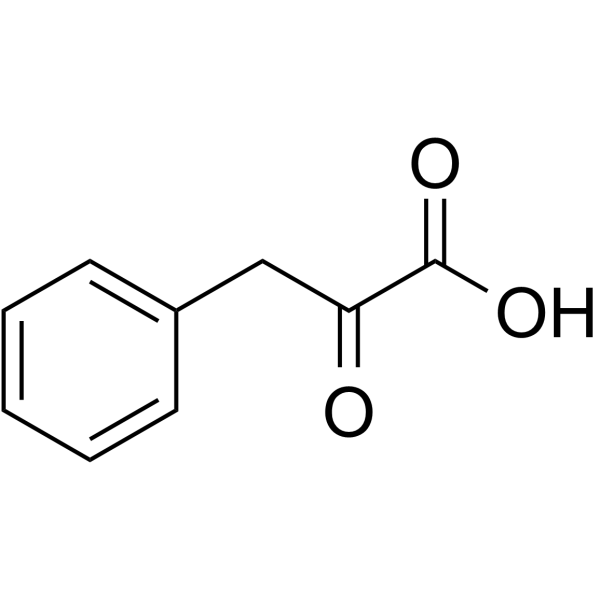
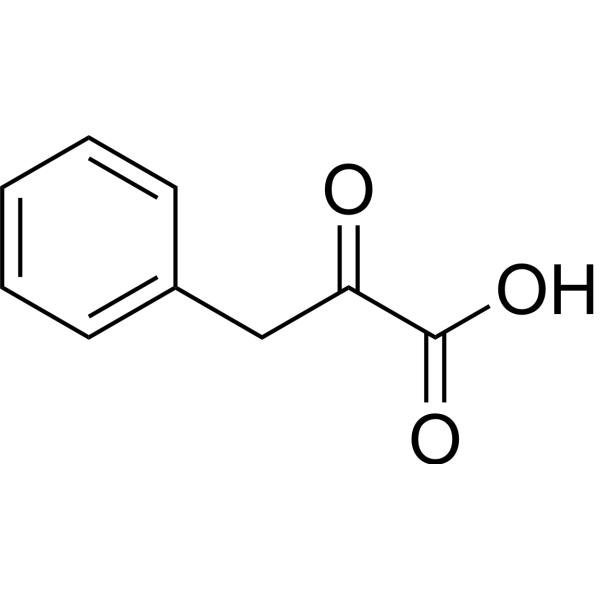
    Phenylpyruvic acid is a precursor of the antifungal compound phenyllactic acid. Phenylpyruvic acid can improve the antifungal activity of eight lactic acid bacterial strains through the addition into a dedined growth medium. Phenylpyruvic acid demonstrates improved inhibitory activity against fungal bread contaminants Aspergillus niger and Penicillium roqueforti. Phenylpyruvic acid affects enzyme activity of the pentose phosphate pathway involved in the oxidative phase in rat brain homogenates. Phenylpyruvic acid can reduce glucose-6-phosphate dehydrogenase activity .
    Phenylpyruvic acid
  • HY-12326

    Cyclic diadenylate; Cyclic-di-AMP

    STING Bacterial Endogenous Metabolite Inflammation/Immunology
    c-di-AMP (Cyclic diadenylate) is a STING agonist, which binds to the transmembrane protein STING thereby activating the TBK3-IRF3 signaling pathway, subsequently triggering the production of type I IFN and TNF. c-di-AMP (Cyclic diadenylate) is also a bacterial second messenger, which regulates cell growth, survival, and virulence, primarily within Gram-positive bacteria, and also regulates host immune response. c-di-AMP (Cyclic diadenylate) acts as a potent mucosal adjuvant stimulating both humoral and cellular responses .
    c-di-AMP
  • HY-19487

    Bacterial Infection
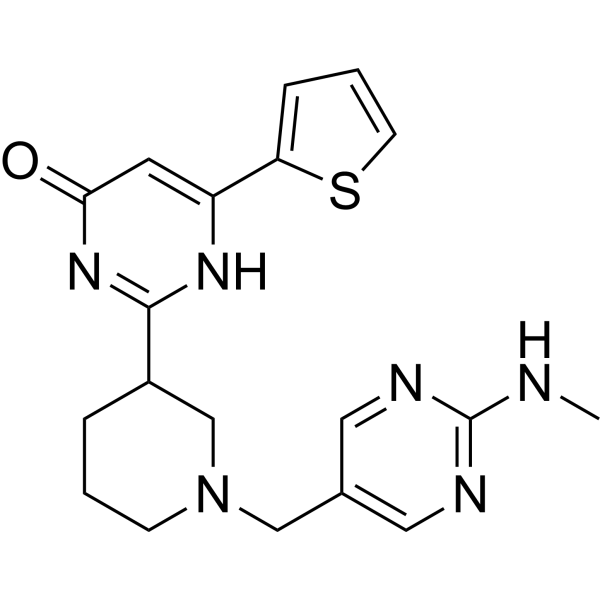
    Ribocil is a selective inhibitor targeting the bacterial FMN riboswitch, regulating the bacterial riboflavin riboswitch. Ribocil competitively binds to the FMN binding site, mimicking the natural ligand FMN to induce conformational changes in the riboswitch, inhibiting ribB gene expression, reducing riboflavin synthesis, and thus inhibiting bacterial growth. Ribocil strongly inhibits GFP expression (EC50=0.3 μM). Ribocil exhibits in vivo antibacterial activity in a mouse model and can be used to study antibacterial drugs related to drug-resistant bacterial infections and bacterial riboflavin metabolic pathways[1][2].
    Ribocil
  • HY-42034

    Dihydroquinine

    Bacterial Parasite Reactive Oxygen Species (ROS) Protein Arginine Deiminase Infection
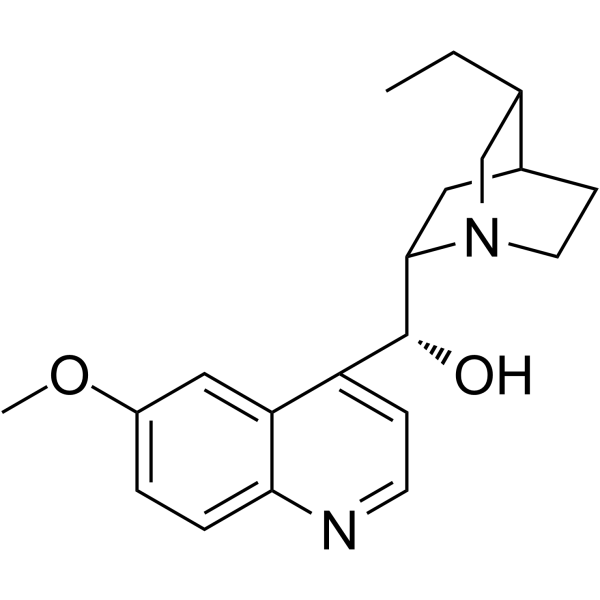
    Hydroquinine (Dihydroquinine) is an anti-bacterial agent that inhibits both Gram-positive and Gram-negative bacteria. Hydroquinine inhibits the growth of multidrug-resistant pseudomonas aeruginosa via the suppression of the arginine deiminase pathway genes. Hydroquinine inhibits Plasmodium falciparum and Plasmodium berghei. Hydroquinine displays anti-malarial and demelanizing activities. Hydroquinine effectively induces specific RND-type efflux pump systems in Pseudomonas aeruginosa, particularly the MexCD-OprJ and MexXY efflux pumps. Hydroquinine inhibits Pseudomonas aeruginosa adhesion and biofilm formation. Hydroquinine serves as a precursor for derivatives such as C9 epihydroquinine, 9-acetoxy-10,11-dihydroquinine, and 10,11-dihydroquinine monohydrochloride .
    Hydroquinine
  • HY-N10549
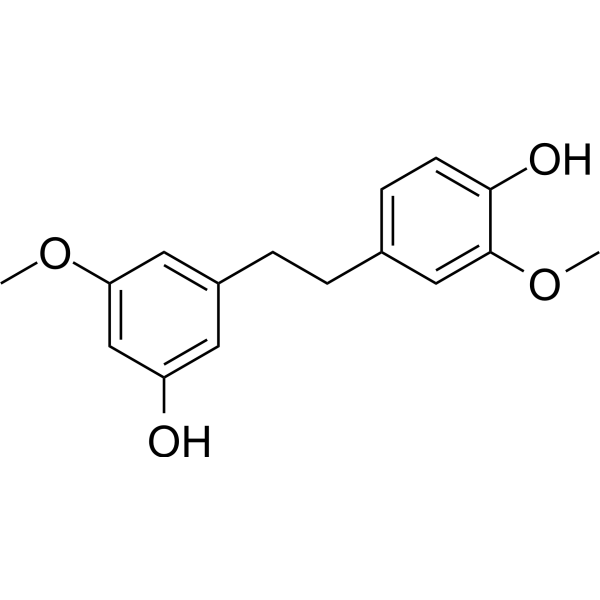
    Gigantol
    1 Publications Verification

    Ferroptosis c-Myc Glutathione Peroxidase JNK Reactive Oxygen Species (ROS) GSK-3 Infection Metabolic Disease Cancer
    Gigantol is an orally active bibenzyl compound. Gigantol targets MYC to promote its ubiquitin-proteasomal degradation and inhibit the growth of lung cancer cells. Gigantol exerts anti-lung cancer activity by inducing ferroptosis (Ferroptosis) via the SLC7A11-GPX4 axis. Gigantol restores the sensitivity of mcr-harboring multidrug-resistant bacteria to colistin. Gigantol ameliorates carbon tetrachloride-induced liver injury by inhibiting the activation of the JNK/cPLA2/12-LOX inflammatory pathway. Gigantol promotes cholesterol metabolism and progesterone biosynthesis in Leydig cells. Gigantol can be used in studies related to diseases such as lung cancer, multidrug-resistant Gram-negative bacterial infections, and acute liver injury .
    Gigantol
  • HY-N1677

    Akt mTOR Bacterial Fungal AMPK Infection Metabolic Disease Inflammation/Immunology Cancer
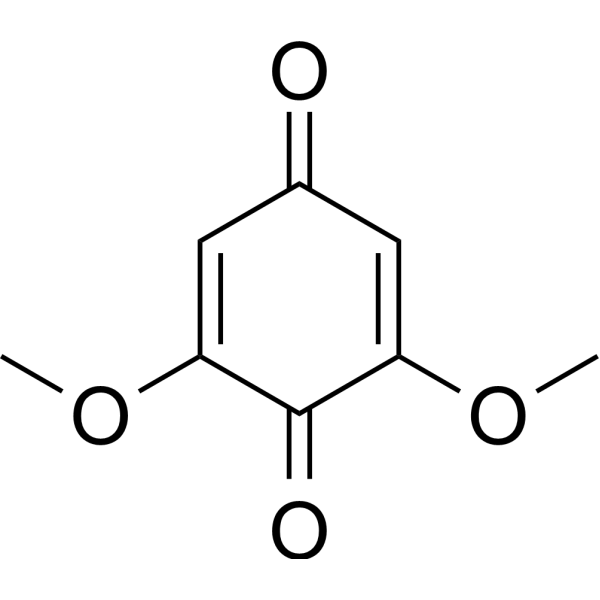
    2,6-Dimethoxy-1,4-benzoquinone is a 1,4-benzoquinone derivative. 2,6-Dimethoxy-1,4-benzoquinone promotes phosphorylation of AKT, S6K, mTOR, 4E-BP1, and AMPK, and attenuates mTORC1 activity as part of the AKT/mTOR pathway. 2,6-Dimethoxy-1,4-benzoquinone stimulates myoblast differentiation, increases myotube size, elevates MHC protein expression, enhances mitochondrial biogenesis, respiration, and DNA content, and increases skeletal muscle weights, fiber size, grip strength, and treadmill performance. 2,6-Dimethoxy-1,4-benzoquinone exerts anti-cancer, anti-inflammatory, anti-adipogenic, antibacterial, and antimutagenic effects, inhibits adipogenic transcription factors, nitric oxide production, skin tumor development, Magnaporthe oryzae growth, spore germination, appressorium formation, and growth of select bacterial species, induces H2O2 generation and rice defense gene expression, and reduces rice blast lesion formation. 2,6-Dimethoxy-1,4-benzoquinone can be used for the research of obesity, skin tumorigenesis, rice blast disease, and food-borne illness .
    2,6-Dimethoxy-1,4-benzoquinone
  • HY-116872
    MAC13772
    1 Publications Verification

    Bacterial Infection
    MAC13772 is a BioA inhibitor with an IC50 of 0.28 μM against E. coli and an IC50 of 0.269 μM against A. baumannii. MAC13772 inhibits bacterial growth by targeting the biotin biosynthesis pathway. MAC13772 can be used in studies related to bacterial infections .
    MAC13772
  • HY-N4314
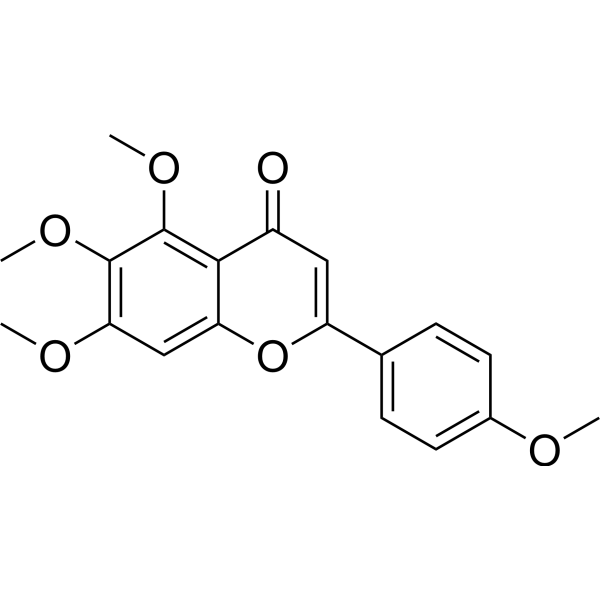
    Scutellarein tetramethyl ether
    4 Publications Verification

    4',5,6,7-Tetramethoxyflavone

    Bacterial COX NO Synthase NF-κB Infection Inflammation/Immunology Cancer
    Scutellarein tetramethyl ether (4',5,6,7-Tetramethoxyflavone) is a bioactive compound extracted from Eupatorium odoratum. Scutellarein tetramethyl ether exhibits anti-inflammatory, antibacterial, pro-coagulant, and anti-tumor activities. Scutellarein tetramethyl ether exerts its anti-inflammatory effects by modulating the NF-κB pathway and regulates bacterial resistance through the inhibition of efflux pumps. Additionally, Scutellarein tetramethyl ether accelerates coagulation time via the endogenous coagulation pathway. Studies have shown that Scutellarein tetramethyl ether can effectively inhibit the growth of the liver cancer cell line HepG2 (IC50= 20.08 μg/mL) .
    Scutellarein tetramethyl ether
  • HY-12326B
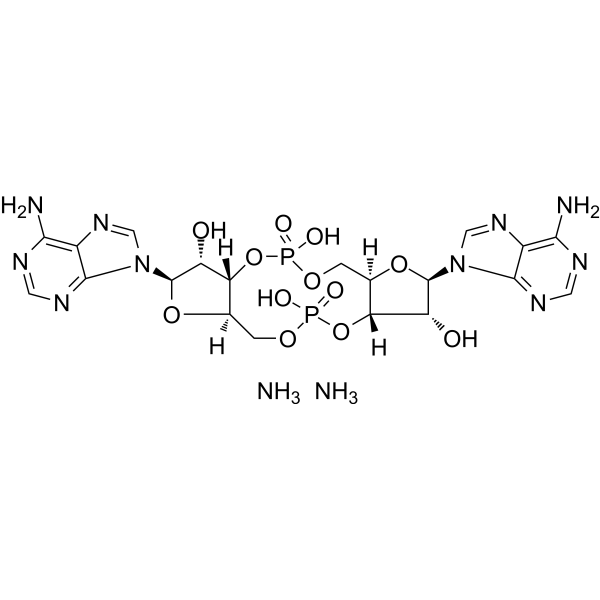
    c-di-AMP diammonium
    Maximum Cited Publications
    16 Publications Verification

    Cyclic diadenylate diammonium; Cyclic-di-AMP diammonium

    STING Bacterial Endogenous Metabolite Inflammation/Immunology
    c-di-AMP diammonium is a STING agonist, which binds to the transmembrane protein STING thereby activating the TBK3-IRF3 signaling pathway, subsequently triggering the production of type I IFN and TNF. c-di-AMP diammonium is also a bacterial second messenger, which regulates cell growth, survival, and virulence, primarily within Gram-positive bacteria, and also regulates host immune response. c-di-AMP diammonium acts as a potent mucosal adjuvant stimulating both humoral and cellular responses .
    c-di-AMP diammonium
  • HY-W012530R

    Reference Standards Endogenous Metabolite PDI Infection Metabolic Disease
    Phenylpyruvic acid (Standard) is the analytical standard of Phenylpyruvic acid. This product is intended for research and analytical applications. Phenylpyruvic acid is a precursor of the antifungal compound phenyllactic acid. Phenylpyruvic acid can improve the antifungal activity of eight lactic acid bacterial strains through the addition into a dedined growth medium. Phenylpyruvic acid demonstrates improved inhibitory activity against fungal bread contaminants Aspergillus niger and Penicillium roqueforti. Phenylpyruvic acid affects enzyme activity of the pentose phosphate pathway involved in the oxidative phase in rat brain homogenates. Phenylpyruvic acid can reduce glucose-6-phosphate dehydrogenase activity .
    Phenylpyruvic acid (Standard)
  • HY-W016203

    Sodium phenylpyruvate

    Endogenous Metabolite PDI Infection Metabolic Disease
    Phenylpyruvic acid sodium is a endogenous metabolite that participates in the synthesis of 3-phenyllactic acid (PLA) by lactate dehydrogenase. Phenylpyruvic acid is a precursor of the antifungal compound phenyllactic acid. Phenylpyruvic acid can improve the antifungal activity of eight lactic acid bacterial strains through the addition into a dedined growth medium. Phenylpyruvic acid demonstrates improved inhibitory activity against fungal bread contaminants Aspergillus niger and Penicillium roqueforti. Phenylpyruvic acid affects enzyme activity of the pentose phosphate pathway involved in the oxidative phase in rat brain homogenates. Phenylpyruvic acid can reduce glucose-6-phosphate dehydrogenase activity .
    Phenylpyruvic acid sodium
  • HY-120743

    Biochemical Assay Reagents Metabolic Disease
    Triplin is a copper chelator, Triplin perturbs copper ion transport involved in the interaction of RAN1 and ATX1. Triplin suppresses the toxic effects of excess copper ions on plant root growth. Triplin increases the RNA expression of ERF1. Triplin acts through the ethylene signal transduction pathway. Triplin also is a bacterial pore-former .
    Triplin
  • HY-W158160

    Bacterial Infection
    AGS1286 (sodium 3-amino-4,6-dimethylthieno[2,3-b]pyridine-2-carboxylate) is an organosulfur compound that serves as a model for investigating the impact of sulfur-containing compounds on enzymatic activities and metabolic pathways. Additionally, it has been employed to explore the regulatory effects of these compounds on bacterial growth and gene expression.
    AGS1286 sodium
  • HY-N4314R

    4',5,6,7-Tetramethoxyflavone (Standard)

    Reference Standards Bacterial COX NO Synthase NF-κB Infection Inflammation/Immunology Cancer
    Scutellarein tetramethyl ether (Standard) is the analytical standard of Scutellarein tetramethyl ether. This product is intended for research and analytical applications. Scutellarein tetramethyl ether (4',5,6,7-Tetramethoxyflavone) is a bioactive compound extracted from Eupatorium odoratum. Scutellarein tetramethyl ether exhibits anti-inflammatory, antibacterial, pro-coagulant, and anti-tumor activities. Scutellarein tetramethyl ether exerts its anti-inflammatory effects by modulating the NF-κB pathway and regulates bacterial resistance through the inhibition of efflux pumps. Additionally, Scutellarein tetramethyl ether accelerates coagulation time via the endogenous coagulation pathway. Studies have shown that Scutellarein tetramethyl ether can effectively inhibit the growth of the liver cancer cell line HepG2 (IC50= 20.08 μg/mL) .
    Scutellarein tetramethyl ether (Standard)
  • HY-42034R

    Dihydroquinine (Standard)

    Reference Standards Bacterial Parasite Reactive Oxygen Species (ROS) Protein Arginine Deiminase Inflammation/Immunology
    Hydroquinine (Standard) is the analytical standard of Hydroquinine. Hydroquinine (Dihydroquinine) is an anti-bacterial agent that inhibits both Gram-positive and Gram-negative bacteria. Hydroquinine inhibits the growth of multidrug-resistant pseudomonas aeruginosa via the suppression of the arginine deiminase pathway genes. Hydroquinine inhibits Plasmodium falciparum and Plasmodium berghei. Hydroquinine displays anti-malarial and demelanizing activities. Hydroquinine effectively induces specific RND-type efflux pump systems in Pseudomonas aeruginosa, particularly the MexCD-OprJ and MexXY efflux pumps. Hydroquinine inhibits Pseudomonas aeruginosa adhesion and biofilm formation. Hydroquinine serves as a precursor for derivatives such as C9 epihydroquinine, 9-acetoxy-10,11-dihydroquinine, and 10,11-dihydroquinine monohydrochloride .
    Hydroquinine (Standard)
  • HY-N1677R

    Reference Standards Akt mTOR Bacterial Fungal AMPK Infection Metabolic Disease Inflammation/Immunology Cancer
    2,6-Dimethoxy-1,4-benzoquinone (Standard) is the analytical standard of 2,6-Dimethoxy-1,4-benzoquinone (HY-N1677). This product is intended for research and analytical applications. 2,6-Dimethoxy-1,4-benzoquinone is a 1,4-benzoquinone derivative. 2,6-Dimethoxy-1,4-benzoquinone promotes phosphorylation of AKT, S6K, mTOR, 4E-BP1, and AMPK, and attenuates mTORC1 activity as part of the AKT/mTOR pathway. 2,6-Dimethoxy-1,4-benzoquinone stimulates myoblast differentiation, increases myotube size, elevates MHC protein expression, enhances mitochondrial biogenesis, respiration, and DNA content, and increases skeletal muscle weights, fiber size, grip strength, and treadmill performance. 2,6-Dimethoxy-1,4-benzoquinone exerts anti-cancer, anti-inflammatory, anti-adipogenic, antibacterial, and antimutagenic effects, inhibits adipogenic transcription factors, nitric oxide production, skin tumor development, Magnaporthe oryzae growth, spore germination, appressorium formation, and growth of select bacterial species, induces H2O2 generation and rice defense gene expression, and reduces rice blast lesion formation. 2,6-Dimethoxy-1,4-benzoquinone can be used for the research of obesity, skin tumorigenesis, rice blast disease, and food-borne illness.
    2,6-Dimethoxy-1,4-benzoquinone (Standard)
  • HY-182620

    Bacterial Infection
    Gangamicin (Compound 3) is an Antibacterial agent. Gangamicin potently inhibits the growth of Mycobacterium tuberculosis with a MIC of 3.5 μM. Gangamicin can be used in the research of tuberculosis .
    Gangamicin
  • HY-180330

    Bacterial Infection
    Antimicrobial agent-46 is a inhibitor of Salmonella typhimurium serine acetyltransferase (StSAT) with an IC50 of 48.6 μM. Antimicrobial agent-46 inhibits bacterial growth in minimal medium lacking cysteine (LB 20%). Antimicrobial agent-46 exerts its effect by targeting the cysteine biosynthesis pathway, which is crucial for bacterial persistence and adaptability. Antimicrobial agent-46 exhibits antibacterial activity against the Gram-negative bacterium Escherichia coli. Antimicrobial agent-46 can be used in infection-related research .
    Antimicrobial agent-46

Inquiry Online

Your information is safe with us. * Required Fields.

Salutation


Country or Region *

Applicant Name *


Organization Name *

Department *


Email Address *


Product Name *

Cat. No.


Requested quantity *

Phone Number *


Remarks

Inquiry Online

Inquiry Information

Product Name:
Cat. No.:
Quantity:
MCE Japan Authorized Agent:

