


1. Search Result
Search Result
Results for "

basis

" in MedChemExpress (MCE) Product Catalog:

44

Inhibitors & Agonists

6

Screening Libraries

18

Biochemical Assay Reagents

1

Peptides

4

Natural
Products

Cat. No. Product Name Target Research Areas Chemical Structure
  • HY-16478

    TAS-102; FTD/TPI

    Nucleoside Antimetabolite/Analog Thymidylate Synthase Cancer
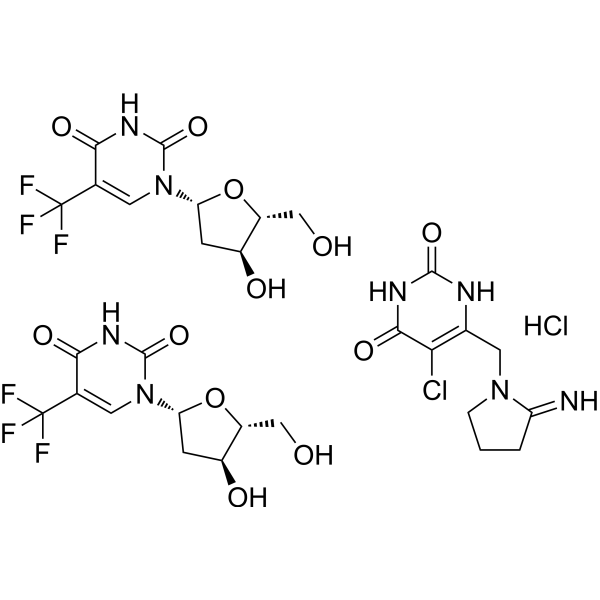
    Trifluridine/tipiracil hydrochloride mixture (TAS-102) is a potent and orally active nucleoside antitumor agent. The composition of Trifluridine/tipiracil hydrochloride mixture (TAS-102) is a 1:0.5 mixture (on a molar basis) of alpha,alpha,alpha-tri-fluorothymidine (FTD) and thymidine phosphorylase inhibitor (TPI). Trifluridine/tipiracil hydrochloride mixture (TAS-102) shows the antitumor activity mainly via the inhibition of thymidylate synthase (TS) and incorporation into DNA .
    Trifluridine/tipiracil hydrochloride mixture
  • HY-N3584
    Paris saponin VII
    4 Publications Verification

    Chonglou Saponin VII

    Akt p38 MAPK P-glycoprotein Bcl-2 Family Caspase PARP Autophagy Apoptosis Cancer
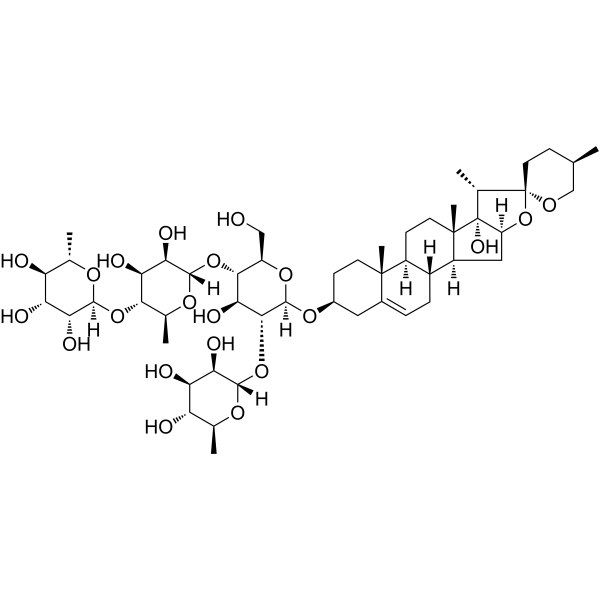
    Paris saponin VII (Chonglou Saponin VII) is a steroidal saponin isolated from the roots and rhizomes of Trillium tschonoskii. Paris saponin VII-induced apoptosis in K562/ADR cells is associated with Akt/MAPK and the inhibition of P-gp. Paris saponin VII attenuates mitochondrial membrane potential, increases the expression of apoptosis-related proteins, such as Bax and cytochrome c, and decreases the protein expression levels of Bcl-2, caspase-9, caspase-3, PARP-1, and p-Akt. Paris saponin VII induces a robust autophagy in K562/ADR cells and provides a biochemical basis in the treatment of leukemia .
    Paris saponin VII
  • HY-Y1220D

    Environmental Pollutants Biochemical Assay Reagents Others
    Anhydrous potassium carbonate, 99.995% metals basis is a biochemical reagent that can be used as a biological material or organic compound for life science related research.
    Anhydrous potassium carbonate, 99.995% metals basis
  • HY-139452

    Glycosidase Others
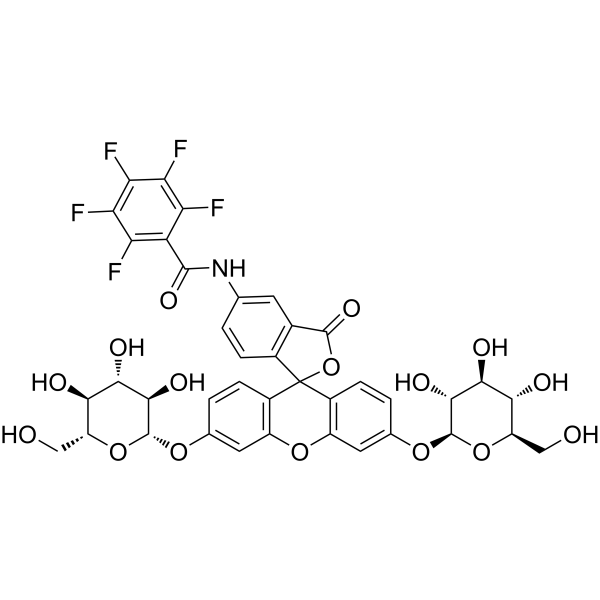
    PFB-FDGlu is a selective lysosomal Glucocerebrosidase (GCase) substrate, which is metabolised by GCase to yield fluorescein. PFB-FDGlu is cell permeable and can be used with a flow cytometer to measure GCase activity in living cells on a single-cell basis .
    PFB-FDGlu
  • HY-ER013B

    Calcined soda 99.999% trace metals basis

    Environmental Pollutants Biochemical Assay Reagents Others
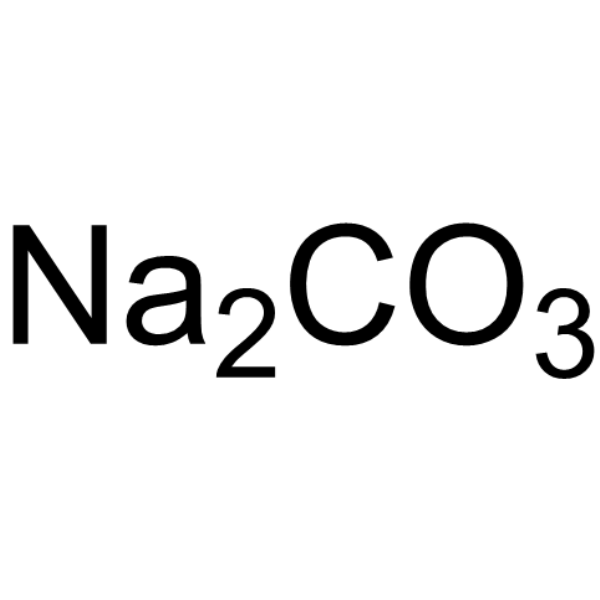
    Sodium carbonate anhydrous, 99.999% trace metals basis is a biochemical reagent that can be used as a biological material or organic compound for life science related research.
    Sodium carbonate anhydrous, 99.999% trace metals basis
  • HY-100359
    CL-82198
    Maximum Cited Publications
    8 Publications Verification

    MMP Inflammation/Immunology Cancer
    CL-82198 is a selective inhibitor of MMP-13. CL-82198 binds to the entire S1’ pocket of MMP-13, which is the basis for its selectivity towards MMP-13 and the lack of inhibitory activities against other MMPs . CL-82198 is a pharmacologic treatment for preventing osteoarthritis (OA) progression .
    CL-82198
  • HY-W011517

    2FA

    Parasite Infection
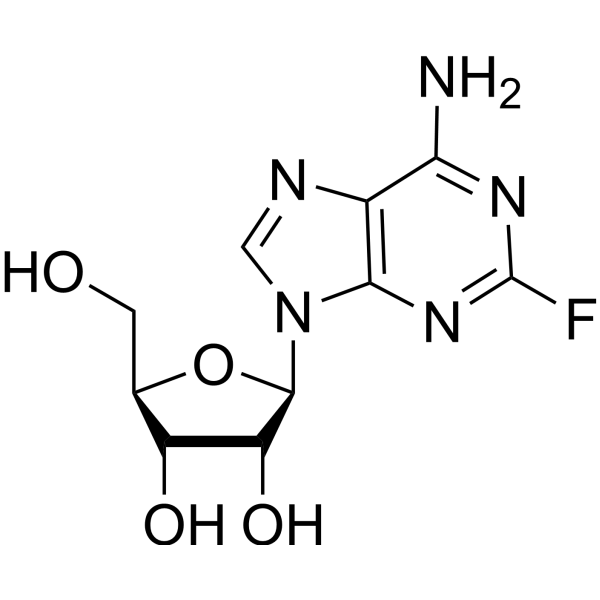
    2-Fluoroadenosine (2FA) is a nucleoside analogue. 2-Fluoroadenosine has antiparasite activity with EC50 value of 0.842 mM for Cryptosporidium parvum. 2-Fluoroadenosine has a highly specific structural basis for MtADK. 2-Fluoroadenosine is commonly used in the study of parasitic conditions .
    2-Fluoroadenosine
  • HY-W003969

    Ascensil; 2-Amino-4-methylpyridine

    NO Synthase Inflammation/Immunology
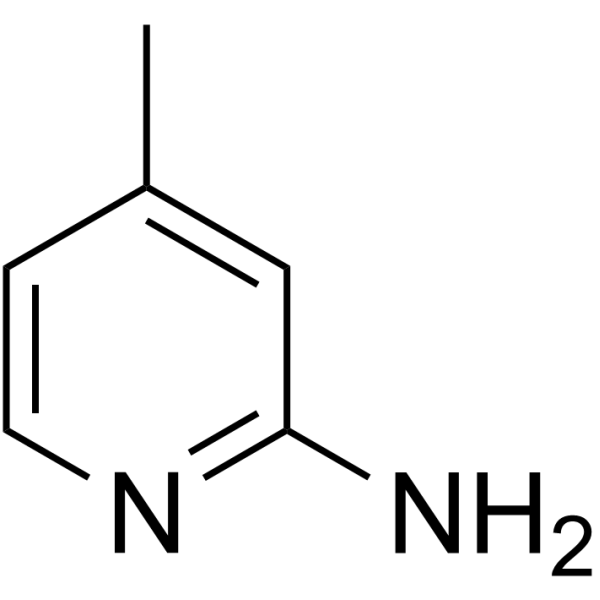
    Aminopicoline (Ascensil) is a potent and non-selective inhibitor of nitric oxide synthase (NOS) isoenzymes (iNOS, nNOS, eNOS). Aminopicoline competes with arginine at the substrate-binding site of nitric oxide synthase, reduces cellular nitric oxide production, inhibits the elevation of plasma nitrate, increases mean arterial pressure at high doses, and also serves as a basis for radiolabeled ligands to localize nitric oxide synthase binding sites. Aminopicoline can be used in the research of diseases associated with septic shock, joint inflammation, intestinal inflammation, and CNS inflammation .
    Aminopicoline
  • HY-B1817A

    Zinc(II) acetate, 99.99% trace metals basis

    CDK Heme Oxygenase (HO) Apoptosis Others
    Zinc (Zinc (II)) acetate, 99.99% trace metals basis is a heme oxygenase 1 (HO-1) activator and apoptosis inducer with cytotoxic and anticancer activities. Zinc acetate, 99.99% trace metals basis enhances HO-1 expression, alters the microRNA profile, and increases the level of caspase-cleaved cytokeratin 18. Zinc acetate, 99.99% trace metals basis also regulates the expression of Cdk2/cyclin E and interferes with cell cycle progression. Zinc acetate, 99.99% trace metals basis effectively inhibits cancer cell proliferation and induces their rapid death, with no significant cytotoxicity to non-tumor tissues. Zinc acetate, 99.99% trace metals basis has been widely used in studies related to hepatocellular carcinoma, prostate cancer, and other conditions .
    Zinc acetate, 99.99% trace metals basis
  • HY-Y0537C

    Potassium chloride, suitable for the extraction and solubilization of proteins

    Environmental Pollutants Biochemical Assay Reagents Others
    Potassium chloride, ≥99.99% trace metals basis (Potassium chloride, suitable for the extraction and solubilization of proteins), is an inorganic salt used in the preparation of phosphate buffers. With very low metal impurity content, it is suitable for protein extraction and dissolution.
    Potassium chloride, ≥99.99% trace metals basis
  • HY-W073196

    Tetrachloroauric(Ⅲ) acid hydrate (48% Au basis)

    Biochemical Assay Reagents Others
    Gold(Ⅲ) chloride hydrate (Tetrachloroauric(Ⅲ) acid hydrate) (48% Au basis) is an organic intermediate that can be used to prepare gold nanoparticles .
    Gold(Ⅲ) chloride hydrate (48% Au basis)
  • HY-W073196A

    Tetrachloroauric(Ⅲ) acid hydrate (50% Au basis)

    Biochemical Assay Reagents Others
    Gold(Ⅲ) chloride hydrate (Tetrachloroauric(Ⅲ) acid hydrate) (50% Au basis) is an organic intermediate that can be used to prepare gold nanoparticles .
    Gold(Ⅲ) chloride hydrate (50% Au basis)
  • HY-Y0286A

    Carbonic acid diammonium, 99.999% trace metals basis

    Environmental Pollutants Biochemical Assay Reagents Others
    Diammonium carbonate, 99.999% trace metals basis is a biochemical reagent and a buffer component .
    Diammonium carbonate, 99.999% trace metals basis
  • HY-153021

    Parasite Infection
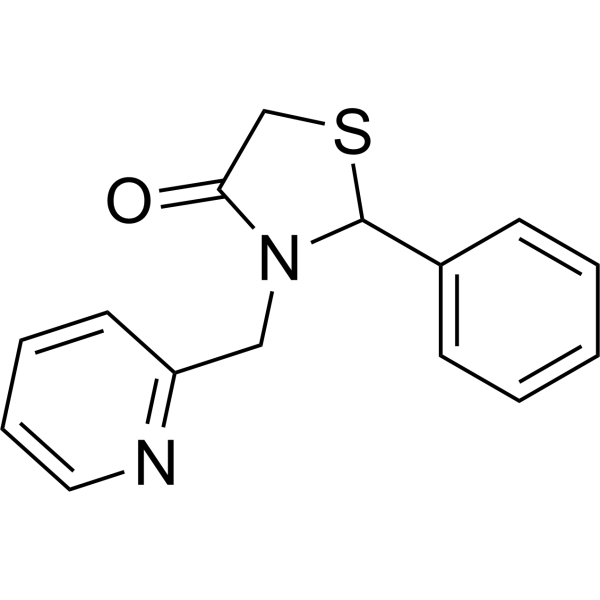
    NMT-IN-1 is a Trypanosoma brucei N-myristoyltransferase (TbNMT) inhibitor, with an IC50 of 31 μM against TbNMT and an IC50 of 66 μM against hNMT. As a thiazolidinone hit compound identified via virtual screening, NMT-IN-1 exerts enzymatic inhibitory effects by binding to the active site of TbNMT. NMT-IN-1 adopts a binding mode distinct from that of pyrazole sulfonamide inhibitors and can inhibit the myristoyl transfer reaction catalyzed by TbNMT. NMT-IN-1 is mainly used in the research of anti-parasitic lead compounds for human African trypanosomiasis (African sleeping sickness). It provides a structural basis for the subsequent optimization of TbNMT inhibitors with high activity, high selectivity and blood-brain barrier permeability .
    NMT-IN-1
  • HY-22009A

    Biochemical Assay Reagents Others
    Strontium chloride,anhydrous grade,99.99% metals basis is a biochemical reagent.
    Strontium chloride,anhydrous grade,99.99% metals basis
  • HY-Y1102A

    Environmental Pollutants Biochemical Assay Reagents Others
    Copper(II) acetate, 99.99% trace metals basis is a dinuclear metal complex that can be used a source of copper and oxidizing agent in inorganic synthesis, and as a catalyst in organic synthesis .
    Copper(II) acetate, 99.99% trace metals basis
  • HY-W540600

    Environmental Pollutants Others
    Thaumatins is a protein, which can be purified from the fruit of Thaumatococcus daniellii Benth. Thaumatins is 100,000 times sweeter than sucrose on a molar basis .
    Thaumatins
  • HY-W116336B

    Biochemical Assay Reagents Fungal Bacterial Infection Cancer
    Zinc oxide, 99.99% metals basis is a versatile wide-bandgap semiconductor with superior comprehensive properties. Zinc oxide, 99.99% metals basis serves as raw material for Schottky diodes, functional nanostructures, sensors, energy harvesters and photocatalysts for hydrogen production. Zinc oxide, 99.99% metals basis acts as a non-toxic antibacterial agent and selective cytotoxin against multiple bacteria, fungi and spores. Zinc oxide, 99.99% metals basis induces cancer cell death. Zinc oxide, 99.99% metals basis is applicable to drug delivery, biosensing, bioimaging and researches on cancer, microbial infections and skin diseases .
    Zinc oxide, 99.99% metals basis
  • HY-W129975

    Boron trioxide,99.98% trace metals basis

    Environmental Pollutants Biochemical Assay Reagents
    Boric anhydride,99.98% trace metals basis (Boron trioxide,99.98% trace metals basis) is a kind of biochemical reagent.
    Boric anhydride
  • HY-N17260

    Bacterial Infection
    Phellandral is an aldehyde compound that can be found in Eucalyptus camaldulensis and Thymus seravschanicus. The phellandral-containing eucalyptus essential oil exhibits significant inhibitory effects on various plant pathogenic fungi, especially on Aspergillus flavus. Phellandral, together with other oxygenated monoterpenoids, constitutes an important basis for the antibacterial activity of the essential oil .
    Phellandral
  • HY-W073196B

    Tetrachloroauric(Ⅲ) acid hydrate (52% Au basis)

    Biochemical Assay Reagents Others
    Gold(Ⅲ) chloride hydrate (Tetrachloroauric(Ⅲ) acid hydrate) (52% Au basis) is an organic intermediate that can be used to prepare gold nanoparticles .
    Gold(Ⅲ) chloride hydrate (52% Au basis)
  • HY-W088074A

    Environmental Pollutants Biochemical Assay Reagents Others
    Chromium(III)oxide, 99.9% trace metals basis is an important refractory material with its high melting point temperature and oxidation resistance .
    Chromium(III)oxide, 99.9% trace metals basis
  • HY-W010756

    Biochemical Assay Reagents Others
    FMOC-AM is a derivative of aminomethyl resin. FMOC-AM provides a solid-phase carrier basis for peptide chain synthesis and can be used in solid-phase peptide synthesis .
    FMOC-AM
  • HY-118210

    FAAH Metabolic Disease
    PHOP is a fatty acid amide hydrolase (FAAH) inhibitor used to assess inhibitory activity in a fluorometric assay. PHOP can determine FAAH activity by measuring the amount of 4-pyridin-1-ylbutyric acid released by the enzyme in rat brain microsomes. PHOP demonstrates potential as a FAAH inhibitor and can directly measure FAAH activity by reversed-phase HPLC and fluorescence detection, providing a basis for the development of new inhibitors.
    PHOP
  • HY-122046

    Endogenous Metabolite Infection
    Amb123203 is an antiviral compound with the activity of inhibiting viral budding. Amb123203 exerts its effect by blocking the interaction between mVP40 and Nedd4 proteins. Amb123203 has a significant inhibitory effect on the budding of VP40 virus-like particles (VLPs) of Marburg (MARV) and Ebola viruses. Amb123203 can effectively target RNA viruses that rely on the PPxY L domain for efficient budding, showing broad-spectrum antiviral activity. The discovery of Amb123203 provides an important basis for the development of new broad-spectrum antiviral compounds .
    Amb123203
  • HY-W747548

    Lipoxygenase Leukotriene Receptor Inflammation/Immunology
    12(S)-HEPE is a monohydroxy fatty acid synthesized from EPA by the action of 12-LO. Unstimulated neutrophils metabolize 12(S)-HEPE to 12(S),20-diHEPE, whereas stimulated neutrophils produce 5(S),12(S)-HEPE via the 5-lipoxygenase pathway. The competitive action of 12(S)-HEPE with arachidonic acid as a substrate for 5-LO in the formation of leukotrienes may provide a basis for the anti-inflammatory potential of ω-3 fatty acids.
    12(S)-HEPE
  • HY-Y0449C

    Ammonium rhodanide, 99.99% trace metals basis

    Biochemical Assay Reagents Others
    Ammonium thiocyanate, 99.99% trace metals basis is widely used in titration methods to determine the concentrations of various metal ions (especially iron and silver) by forming distinctly different complexes.
    Ammonium thiocyanate, 99.99% trace metals basis
  • HY-W093390A

    Barium chromate, 99.999% metals basis barium

    Biochemical Assay Reagents Others
    Barium chromate (Barium chromate, 99.999% metals basis) barium can be used to determine sulfates or selenates and can be used in anti-rust pigments.
    Barium chromate barium
  • HY-W011517R

    2FA (Standard)

    Reference Standards Parasite Infection
    2-Fluoroadenosine (2FA) is a nucleoside analogue. 2-Fluoroadenosine has antiparasite activity with EC50 value of 0.842 mM for Cryptosporidium parvum. 2-Fluoroadenosine has a highly specific structural basis for MtADK. 2-Fluoroadenosine is commonly used in the study of parasitic conditions .
    2-Fluoroadenosine (Standard)
  • HY-P11088

    Transmembrane Glycoprotein Radionuclide-Drug Conjugates (RDCs) Inflammation/Immunology
    VCAM1 binding peptide is a VCAM1 binder with internalization activity. VCAM1 binding peptide can be labeled with 5-FAM. VCAM1 binding peptide serves as a component of biosensing systems for visualizing in vitro VCAM1 endocytic pathways. VCAM1 binding peptide forms the research and development basis for MacroP and NAMP, PET radiotracers targeting VCAM1. VCAM1 binding peptide is applicable to studies related to atherosclerosis .
    VCAM1 binding peptide
  • HY-W206987

    Drug Intermediate Others
    2-(Aminomethyl)benzoic acid is an amino acid derivative and also a building block for heterogeneously synthetic folded oligomers with repeating γ/α 2-Amb-Pro motifs. 2-(Aminomethyl)benzoic acid can be used to construct synthetic oligomers .
    2-(Aminomethyl)benzoic acid
  • HY-22009C

    Biochemical Assay Reagents Others
    Strontium chloride,monohydrate grade,99.99% metals basis is a biochemical reagent.
    Strontium chloride,monohydrate grade,99.99% metals basis
  • HY-110046

    MMP Others
    CL-82198 hydrochloride is a selective inhibitor of MMP-13. CL-82198 hydrochloride binds to the entire S1’ pocket of MMP-13, which is the basis of its selectivity against MMP-1, MMP-9, and TACE .
    CL-82198 hydrochloride
  • HY-W718894

    HDAC Others
    (R)-Dihydrolipoic acid is a compound that inhibits histone deacetylase 6 (HDAC6) activity. The structure of its complex with HDAC6 has been resolved. (R)-Dihydrolipoic acid can inhibit HDAC6 through specific interactions, providing a basis for understanding the relationship between HDAC function and oxidative stress.
    (R)-Dihydrolipoic acid
  • HY-135711

    Phosphodiesterase (PDE) Metabolic Disease
    PDE8B-IN-1 is a selective inhibitor of phosphodiesterase 8B (PDE8B) with the activity of enhancing insulin secretion. PDE8B-IN-1 showed good efficacy in high-throughput screening and optimized its ligand efficiency through rapid deconstruction. PDE8B-IN-1 showed high target selectivity and good bioavailability in preclinical development, providing a basis for exploring its potential inhibitory use .
    PDE8B-IN-1
  • HY-128794

    Sodium Channel Neurological Disease
    PF-05150122 is a novel potent and selective human Nav1.7 channel blocker with the activity of inhibiting human pain signaling. PF-05150122 exhibited favorable biopharmacokinetic parameters in microdose studies, providing a basis for exploring its application in acute or chronic pain inhibition. The pharmacokinetic model of PF-05150122 predicted that at the corresponding oral dose, it could effectively reduce the 50% inhibitory concentration (IC50) of Nav1.7, demonstrating its inhibitory potential .
    PF-05150122
  • HY-165604

    Liposome Others
    C14-490, an ionizable cationic lipid (pKa = 5.94), is used for the synthesis of lipid nanoparticles (LNPs). C14-490 LNPs is used as the basis for subsequent study of in utero gene editing in HSCs. C14-490 LNPs are used to encapsulate SpCas9 mRNA and TTR sgRNA using optimized B5 formulation parameters and surface conjugation to CD45 antibody F(ab’)2 fragments-Systematically optimized Targeted Editing Machinery LNPs (STEM LNPs) .
    C14-490
  • HY-121586

    Bay g 6575

    Lipoxygenase Cardiovascular Disease
    Nafazatrom (Bay g 6575) is an orally active cardioprotective agent that protects against ischemic damage. Nafazatrom dose-dependently inhibits neutrophil aggregation, superoxide anion generation, arachidonic acid metabolism, and to a lesser extent the release of β-glucosidase, platelet aggregation or arachidonic acid in vitro. Acid metabolism has no significant effect. In a dog ischemia-reperfusion model, Nafazatrom (10 mg/kg; po) reduced infarct size and the occurrence of arrhythmias and rescued ischemic myocardial function without affecting any hemodynamic changes. The basis of Nafazatrom's cardioprotection may be inhibition of neutrophil function and cellular infiltration in vitro .
    Nafazatrom
  • HY-W003969R

    Ascensil (Standard); 2-Amino-4-methylpyridine (Standard)

    Reference Standards NO Synthase Others
    Aminopicoline (Standard) is the analytical standard of Aminopicoline. Aminopicoline (Ascensil) is a potent and non-selective inhibitor of nitric oxide synthase (NOS) isoenzymes (iNOS, nNOS, eNOS). Aminopicoline competes with arginine at the substrate-binding site of nitric oxide synthase, reduces cellular nitric oxide production, inhibits the elevation of plasma nitrate, increases mean arterial pressure at high doses, and also serves as a basis for radiolabeled ligands to localize nitric oxide synthase binding sites. Aminopicoline can be used in the research of diseases associated with septic shock, joint inflammation, intestinal inflammation, and CNS inflammation 。
    Aminopicoline (Standard)
  • HY-114735

    Antibiotic Infection
    Mandelonitrile benzoate is a defensive secretion of millipedes that releases other chemicals during the cyanidation process in addition to hydrocyanic acid (HCN) and benzaldehyde. Several families of millipedes, including Polydesmidae, Paradoxosomatidae, and Euryuridae, have been shown to secrete phenols and guaiaeol, with one Paradoxosomatid also producing ethylbenzoic acid and benzoic acid. In addition, members of the Xystodesmidae family commonly produce three compounds: benzoic acid, mandelonitrile benzoate, and benzoyl cyanide. Benzoyl cyanide has not been previously discovered as a natural product. These additional natural products are discussed as defensive antipredator and antibiotic agents. Benzoyl cyanide appears to have anesthetic properties for some predators. The study provides a preliminary chemotaxonomic basis for distinguishing various taxonomic groups of millipedes.
    Mandelonitrile benzoate
  • HY-N3584R

    Chonglou Saponin VII (Standard)

    Reference Standards Akt p38 MAPK P-glycoprotein Bcl-2 Family Caspase PARP Autophagy Apoptosis Cancer
    Paris saponin VII (Standard) is the analytical standard of Paris saponin VII. This product is intended for research and analytical applications. Paris saponin VII (Chonglou Saponin VII) is a steroidal saponin isolated from the roots and rhizomes of Trillium tschonoskii. Paris saponin VII-induced apoptosis in K562/ADR cells is associated with Akt/MAPK and the inhibition of P-gp. Paris saponin VII attenuates mitochondrial membrane potential, increases the expression of apoptosis-related proteins, such as Bax and cytochrome c, and decreases the protein expression levels of Bcl-2, caspase-9, caspase-3, PARP-1, and p-Akt. Paris saponin VII induces a robust autophagy in K562/ADR cells and provides a biochemical basis in the treatment of leukemia .
    Paris saponin VII (Standard)
  • HY-16958R

    Antibiotic Dimethylargininase (DDAH) Reference Standards Inflammation/Immunology
    Paris saponin VII (Standard) is the analytical standard of Paris saponin VII. This product is intended for research and analytical applications. Paris saponin VII (Chonglou Saponin VII) is a steroidal saponin isolated from the roots and rhizomes of Trillium tschonoskii. Paris saponin VII-induced apoptosis in K562/ADR cells is associated with Akt/MAPK and the inhibition of P-gp. Paris saponin VII attenuates mitochondrial membrane potential, increases the expression of apoptosis-related proteins, such as Bax and cytochrome c, and decreases the protein expression levels of Bcl-2, caspase-9, caspase-3, PARP-1, and p-Akt. Paris saponin VII induces a robust autophagy in K562/ADR cells and provides a biochemical basis in the treatment of leukemia .
    PD 404182 (Standard)
  • HY-176895

    Others Cardiovascular Disease
    L-Dopa precursor-1 (Compound 5a) is the precursor of 18F-L-Dopa. L-Dopa precursor-1 serves as a core basis for radioactive labeling precursors, allowing the introduction of non-metallic radioactive elements through radiolabeling reactions. L-Dopa precursor-1 can be used for the study of RDN surgery for refractory hypertension, chronic kidney disease .
    L-Dopa precursor-1
  • HY-111027

    Apoptosis Infection
    HDAC8-IN-13 is a novel histone deacetylase 8 (HDAC8) inhibitor with antiparasitic activity. HDAC8-IN-13 can effectively inhibit the acetyl-L-lysine deacetylase activity of schistosomes, affecting the parasite's infectivity. HDAC8-IN-13 can induce apoptosis and cause the death of schistosome cells. Through a specific structural basis design, HDAC8-IN-13 exhibits reduced affinity for human HDACs, thereby enhancing its selectivity .
    HDAC8-IN-13

Inquiry Online

Your information is safe with us. * Required Fields.

Salutation


Country or Region *

Applicant Name *


Organization Name *

Department *


Email Address *


Product Name *

Cat. No.


Requested quantity *

Phone Number *


Remarks

Inquiry Online

Inquiry Information

Product Name:
Cat. No.:
Quantity:
MCE Japan Authorized Agent:

