Search Result
Results for "
bromination
" in MedChemExpress (MCE) Product Catalog:
10
Biochemical Assay Reagents
| Cat. No. |
Product Name |
Target |
Research Areas |
Chemical Structure |
-
- HY-Y0678
-
|
TRIMETHYL PHLOROGLUCINOL
|
Biochemical Assay Reagents
|
Others
|
|
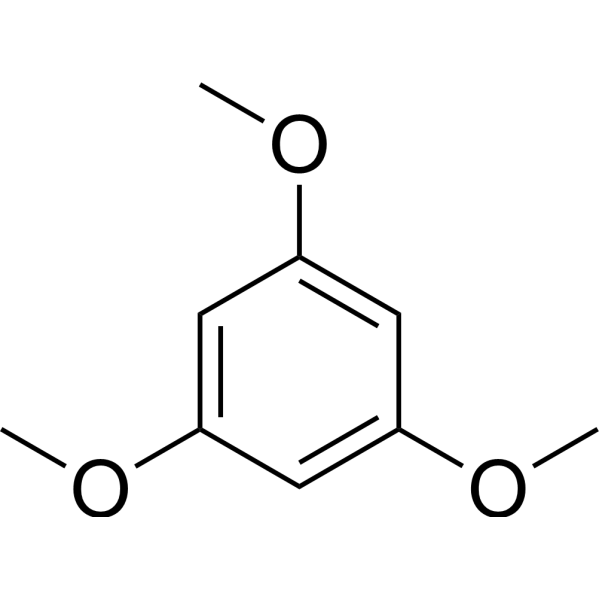
1,3,5-Trimethoxybenzene (TRIMETHYL PHLOROGLUCINOL) is an electrophilic substitution reaction substrate targeting free chlorine (Cl +) and free bromine (Br +). 1,3,5-Trimethoxybenzene has highly selective electrophilic addition characteristics. By capturing halogens, it undergoes specific substitution reactions to generate stable halogenated products. 1,3,5-Trimethoxybenzene can not only quench residual oxidants, but also quantify the halogen concentration by detecting the product without affecting the stability of redox-sensitive disinfection byproducts (DBPs). 1,3,5-Trimethoxybenzene is mainly used in water quality testing and quantitative analysis of free chlorine/bromine in water. At the same time, in phytochemistry, it is a key component of rose fragrance and participates in the study of pollination attraction mechanism .
|
-
-
- HY-42487B
-
|
|
Drug Intermediate
ADC Payload
Topoisomerase
|
Cancer
|
|
(R)-Exatecan Intermediate 1 is a key intermediate in the synthesis of Camptothecin (HY-16560) derivatives, and can be used to prepare Exatecan mesylate (DX8951f) (HY-13631A). (R)-Exatecan Intermediate 1 enables the synthesis of Exatecan, which exhibits low sensitivity to multidrug resistance and has great value in anti-tumor research .
|
-
-
- HY-117690
-
|
|
PROTACs
Epigenetic Reader Domain
|
Cancer
|
|
dBRD9,a PROTAC, can selective degrades BRD9. dBRD9 improves the bromine domain binding profile and reduces the binding activity of the whole BET family .
|
-
-
- HY-15929
-
TBHBA
1 Publications Verification
2,4,6-Tribromo-3-hydroxybenzoic acid
|
Biochemical Assay Reagents
|
Others
|
|
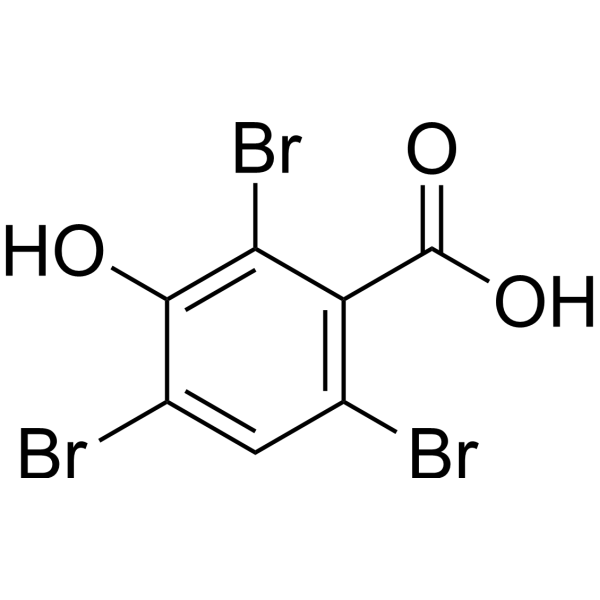
TBHBA (2,4,6-Tribromo-3-hydroxybenzoic acid) is a chemical colorimetric agent and nanomaterial surface modifier. TBHBA can react with some oxidants (such as H2O2) to generate high-absorbance quinoneimine dyes, which enhance the sensitivity of HDL cholesterol enzymatic determination. TBHBA can be used as a bromine-containing coupling agent to modify the surface of silica nanoparticles through esterification reaction. Thereby, organic flame retardant groups are introduced to improve the thermal stability and flame retardant properties of nanocomposites. TBHBA can be used in clinical biochemical testing (such as serum lipoprotein analysis) and the preparation of flame-retardant polymer nanocomposites .
|
-
-
- HY-124284
-
-
-
- HY-50097
-
|
|
Drug Intermediate
|
Others
|
|
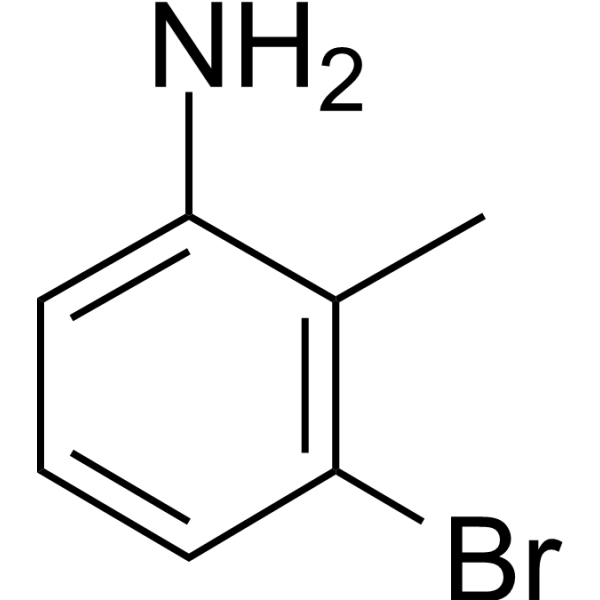
3-Bromo-2-methylaniline is an aromatic amine compound and aniline derivative that serves as a starting material and synthetic precursor. 3-Bromo-2-methylaniline acts as a starting material for the synthesis of 4-bromo-1H-indazole and racemic 3,9-dibromo-4,10-dimethyl-6H,12H-5,11-methanodibenzodiazocine. It also serves as a precursor for the regioselective bromination and subsequent deamination to synthesize 1,2-dibromo-3-methylbenzene .
|
-
-
- HY-W011238
-
|
(Z)-1-Bromooctadec-9-ene
|
Biochemical Assay Reagents
|
Others
|
|
Oleyl bromide ((Z)-1-Bromooctadec-9-ene) is a hydrophobic compound that can carry out ring-opening reaction through a process called "encapsulation". Oleyl bromine can also be used as the starting material in the synthesis of oleylphosphonates.
|
-
-
- HY-163729
-
-
-
- HY-W032015
-
|
n-Octyl Bromide
|
Biochemical Assay Reagents
|
Others
|
|
1-Bromooctane (n-Octyl Bromide) posesses a terminal bromine. The bromine is a very good leaving group for nucleophilic substitution reactions.
|
-
-
- HY-W016455
-
|
|
Biochemical Assay Reagents
|
Others
|
|
6-Bromo-1-hexanol posesses a terminal bromine and hydroxylic group. The bromine is a very good leaving group for nucleophilic substitution reactions. The hydroxyl group enables further derivatization or replacement with other reactive functional groups.
|
-
-
- HY-W002668
-
-
-
- HY-W014159
-
|
|
Biochemical Assay Reagents
|
Others
|
|
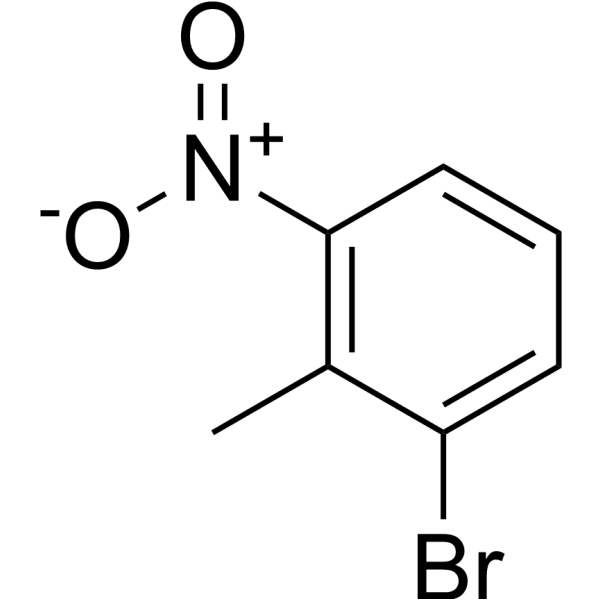
1-Bromo-2-methyl-3-nitrobenzene is an organic synthesis intermediate. 1-Bromo-2-methyl-3-nitrobenzene participates in chemical reactions such as electrophilic substitution and coupling through the bromine atom and nitro group in the molecule, and acts as a synthetic precursor. 1-Bromo-2-methyl-3-nitrobenzene can construct complex molecular structures by relying on the leaving property of bromine and the electron-withdrawing property of nitro group, and can be used in the synthesis of benzimidazole VISTA inhibitors in medicinal chemistry .
|
-
-
- HY-59299
-
|
|
Biochemical Assay Reagents
Drug Intermediate
|
Others
|
|
3-Bromothiophene is a bromine atom-substituted 3-halogenated thiophene. Polymers of 3-Bromothiophene are conductive polymers and have potential optoelectronic application value. Additionally, 3-Bromothiophene serves as a key intermediate for the synthesis of a variety of important pharmaceuticals, agrochemicals, and cosmetics .
|
-
-
- HY-W011972
-
|
|
Biochemical Assay Reagents
|
Others
|
|
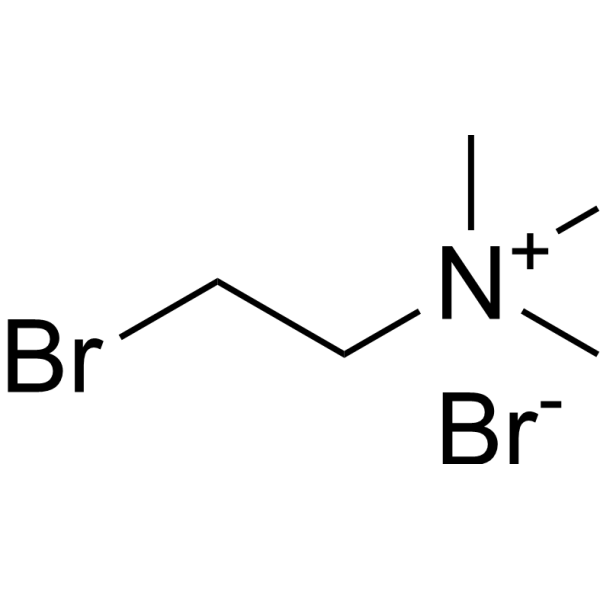
2-Bromo-N,N,N-trimethylethanaminium bromide is a quaternary ammonium salt consisting of a positively charged 2-bromo-N,N,N-trimethylethylamine cation and a negatively charged bromide anion. This compound is commonly used as a phase transfer catalyst in organic chemical reactions, facilitating the transfer of reactants between immiscible phases. It can also be used as a halogenating agent, for example in the bromination of olefins.
|
-
-
- HY-W008629
-
|
|
Biochemical Assay Reagents
|
Others
|
|
(E,E)-Farnesyl bromine is a synthetic substrate that is used to study the enzyme guanine nucleotide-binding protein (G protein) in vitro.
|
-
-
- HY-W190881
-
|
|
Biochemical Assay Reagents
|
Others
|
|
N3-PEG11-CH2CH2Br is a PEG linker containing a bromine and an azide group. The hydrophilic PEG spacer increases solubility in aqueous media. The azide group can react with alkyne, BCN, DBCO via Click Chemistry to yield a stable triazole linkage. The bromine (Br) is a very good leaving group for nucleophilic substitution reactions.
|
-
-
- HY-Y0678R
-
|
|
Reference Standards
Biochemical Assay Reagents
|
Others
|
|
1,3,5-Trimethoxybenzene (TRIMETHYL PHLOROGLUCINOL) is an electrophilic substitution reaction substrate targeting free chlorine (Cl+) and free bromine (Br+). 1,3,5-Trimethoxybenzene has highly selective electrophilic addition characteristics. By capturing halogens, it undergoes specific substitution reactions to generate stable halogenated products. 1,3,5-Trimethoxybenzene can not only quench residual oxidants, but also quantify the halogen concentration by detecting the product without affecting the stability of redox-sensitive disinfection byproducts (DBPs). 1,3,5-Trimethoxybenzene is mainly used in water quality testing and quantitative analysis of free chlorine/bromine in water. At the same time, in phytochemistry, it is a key component of rose fragrance and participates in the study of pollination attraction mechanism .
|
-
-
- HY-W076740
-
|
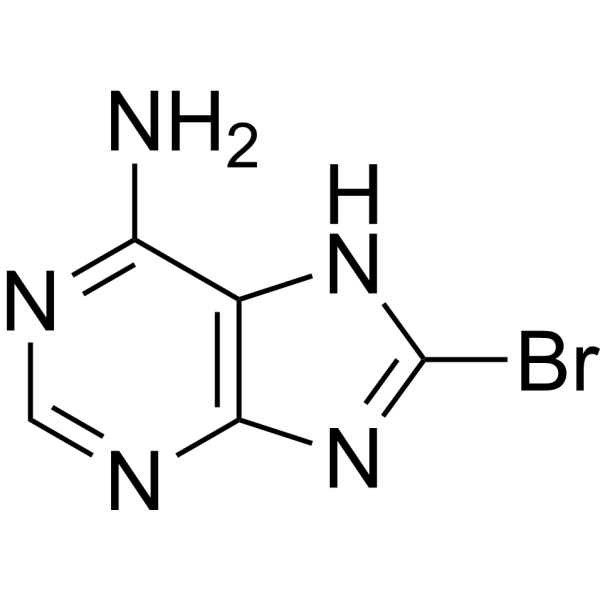
8-Bromo-9H-purin-6-amine
|
DNA/RNA Synthesis
Biochemical Assay Reagents
|
Others
|
|
8-Bromoadenine (8-Bromo-9H-purin-6-amine) is a DNA radiosensitizer that inhibits DNA single-strand break repair in cells. 8-Bromoadenine is a brominated derivative of adenine, and radioactive adenine can be prepared by replacing bromine with deuterium .
|
-
-
- HY-W007593
-
|
|
Drug Intermediate
Bacterial
|
Infection
|
|
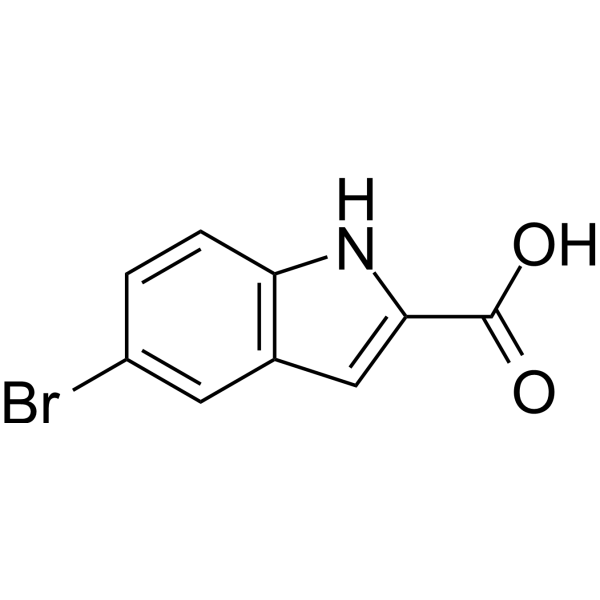
5-Bromo-1H-indole-2-carboxylic acid is an indole-derived organic compound substituted with bromine and carboxyl groups. 5-Bromo-1H-indole-2-carboxylic serves as an important intermediate for the synthesis of other active compounds .
|
-
-
- HY-150239
-
|
BAY-299N
|
DNA/RNA Synthesis
|
Cancer
|
|
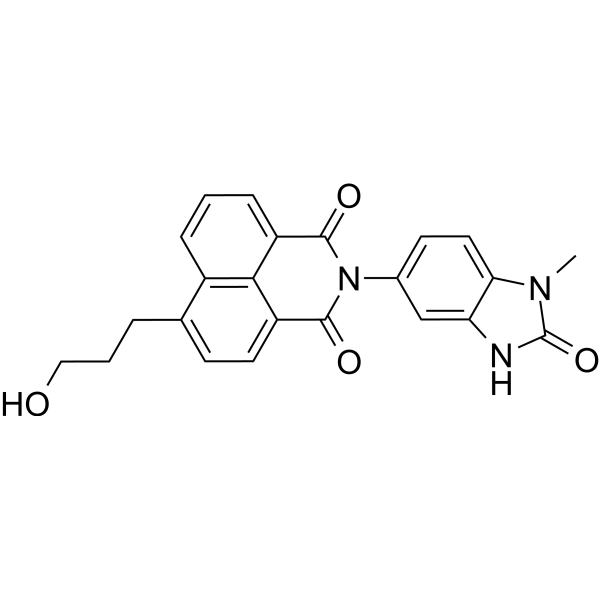
BAY-364 (BAY-299N) is an inhibitor of the second bromine domain in TAF1. BAY-364 inhibits the TAF1 of Kasumi-1 cells, CD34 + cells and K562 cells with IC50 values of 1.0 µM, 10.4 µM and 10.0 µM respectively .
|
-
-
- HY-136794
-
|
|
p38 MAPK
Epigenetic Reader Domain
|
Inflammation/Immunology
Cancer
|
|
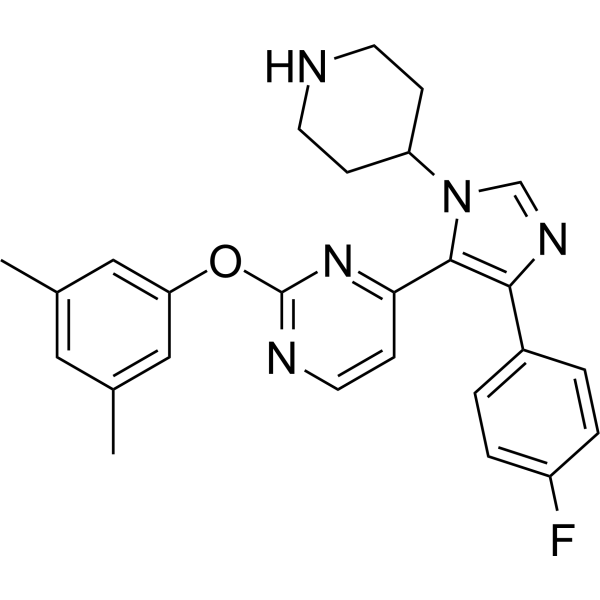
SB-284851-BT is an inhibitor of BRD4/p38α/BRDT. SB-284851-BT inhibits BRD4-BD1 (IC50=1.7 µM), p38α (Kd=0.47 nM), BRDT (1) (IC50=18 µM) and BRD4 (1)(IC50=3.7 µM). SB-284851-BT reduces IL-8 production by inhibiting p38α, as well as inhibiting BRD4 to down-regulates c-Myc and NF-κB gene pathways in cancer. SB-284851-BT can combined with the bromine domain and extra terminal (BET) .
|
-
-
- HY-161483
-
|
|
Epigenetic Reader Domain
Histone Acetyltransferase
|
Neurological Disease
Cancer
|
|
CBP/p300 ligand 3 is a target protein ligand of CBPD-268 (HY-161369). CBP and p300 are two proteins with histone acetyltransferase (HAT) activity, and CBP and p300 play key roles in regulating biological processes such as gene expression, cell proliferation, differentiation and DNA repair. Through its acetyltransferase activity, CBP/p300 can acetylate histones and other proteins, thereby regulating chromatin structure and gene expression. CBP/p300 ligand 3 regulates the function of CBP/p300 by binding to a specific domain of the CBP/p300 protein (the bromine domain or HAT domain), inhibiting its enzyme activity or altering its interactions with other proteins (transcription factors). CBP/p300 ligand 3 can be used in cancer, neurodegenerative diseases and other disease models associated with abnormal CBP/p300 function .
|
-
-
- HY-W021597
-
|
|
Drug Intermediate
|
Others
|
|
N-Boc-5-bromoindole is formed as an intermediate for the synthesis of di-Boc-protected 5-aminoindole via a Buchwald-Hartwig amination with tBu-carbamate followed by regioselective bromination .
|
-
-
- HY-W018454
-
|
|
Biochemical Assay Reagents
|
Others
|
|
Benzyl trimethyl ammonium tribromide is an organic ammonium tribromide. Benzyl trimethyl ammonium tribromide provides controlled bromide ions, enabling efficient cyclization and oxidation while minimizing side reactions caused by excess bromine. Benzyl trimethyl ammonium tribromide can be used in the synthesis of 2-aminobenzothiazole compounds .
|
-
-
- HY-W591402
-
|
|
ADC Linker
|
Cancer
|
|
3,4-Dibromo-Mal-PEG4-acid is a site specific ADC linker with a dibromomaleimide group and an acid group. The dibromomaleimide group allows for two points of substitution due to the two bromine atoms. The carboxylic acid can react with primary amines in the presence of EDC and HATU to form a stable amide bond. The hydrophilic PEG linker increases the water solubility of compounds in aqueous media.
|
-
-
- HY-W019780
-
|
Dichlorobromomethane
|
Glutathione S-transferase
|
Metabolic Disease
Cancer
|
|
Bromodichloromethane (Dichlorobromomethane) is a type of trihalomethane, commonly found in chlorinated drinking water for disinfection, and is a disinfection by-product. The bromination of bromodichloromethane can cause the formation of mutagenic intermediates through the transformation mediated by glutathione S-transferase (GST). Bromodichloromethane inhibits the differentiation of human placental trophoblast cells and reduces the secretion of chorionic gonadotropin (CG). Bromodichloromethane has potential reproductive toxicity and carcinogenicity .
|
-
-
- HY-P2896
-
-
-
- HY-172117
-
|
|
PROTAC Linkers
|
Cancer
|
|
Boc-methylglycine-C2-bromine is a PROTAC linker.Boc-methylglycine-C2-bromine can be used to synthesize PROTAC molecules like PROTAC SMARCA2 degrader-24 (HY-169275) .
|
-
-
- HY-169372
-
|
|
E3 Ligase Ligand-Linker Conjugates
|
Cancer
|
|
(S,R,S)-AHPC-CO-C4-bromine is an E3 Ligase Ligand-linker Conjugate for PROTAC synthesis. (S,R,S)-AHPC-CO-C4-bromine is composed of an E3 Ligase Ligand (HY-125845) and a linker
|
-
-
- HY-124284R
-
|
HMBA (Standard)
|
Apoptosis
p38 MAPK
Akt
NF-κB
Notch
Bcl-2 Family
MDM-2/p53
Epigenetic Reader Domain
Reference Standards
|
Neurological Disease
Metabolic Disease
Cancer
|
|
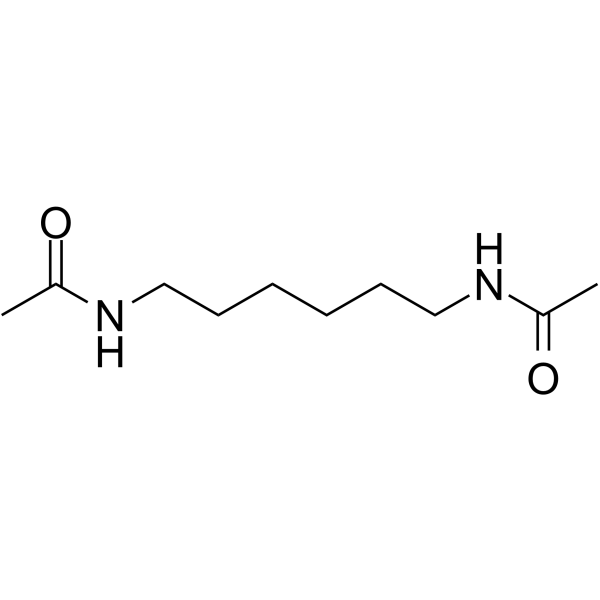
Hexamethylene bisacetamide (Standard) is the analytical standard of Hexamethylene bisacetamide. This product is intended for research and analytical applications. Hexamethylene bisacetamide (HMBA) is a differentiation inducer and selective bromine domain inhibitor that can differentiate across the blood-brain barrier. Hexamethylene bisacetamide can induce tumor cell differentiation and inhibit cell proliferation, showing antitumor activity. Hexamethylene bisacetamide induces apoptosis by Notch1, Bcl-2 and p53 signaling pathways. In addition, Hexamethylene bisacetamide improves the obesity phenotype of mice .
|
-
-
- HY-W190743
-
|
|
Biochemical Assay Reagents
|
Others
|
|
Br-PEG8-OH is a PEG derivative that consists of a bromine atom (Br), eight PEG units, and a hydroxyl group (-OH). The bromine group is a common functional group in chemical reactions and can be used for alkylation reactions, coupling reactions, or the introduction of other functional groups. Br-PEG8-OH can be used as a polymer-based material or as a modifier for biomolecules .
|
-
-
- HY-126965
-
|
|
Biochemical Assay Reagents
|
Others
|
|
Lipid Y is a potent monosaccharide which contains two bromines per chain. lipid Y binds to a tryptophan residue in a membrane protein and then quenches the fluorescence of the tryptophan residue .
|
-
-
- HY-161711
-
-
-
- HY-160662
-
|
|
Epigenetic Reader Domain
|
Cancer
|
|
BRD4-IN-5 (example 51) is a BRD4 inhibitor. The Ki values of the two BRD4 domains BDI_K57-E168 and BDII_E352-M457 are 9.7 nM and 16.1 nM, respectively. BRD4-IN-5 can be used in cancer research .
|
-
-
- HY-119928
-
|
|
Biochemical Assay Reagents
|
Cancer
|
|
Broparestrol is a biologically active tetrasubstituted olefin can be achieved via palladium-catalyzed cross-coupling to form a C-C bond followed by bromination. Broparestrol inhibits mammary carcinogenesis in mouse model. Broparestrol can be used in dermatology and cancer research .
|
-
-
- HY-169397
-
|
|
E3 Ligase Ligand-Linker Conjugates
|
Cancer
|
|
Thalidomide-NH-CH2-CONH-C2-PEG-bromine is a conjugate of the E3 ligase ligand and the linker, that can be used for synthesis of PROTAC degrader SK-3-91 (HY-137341) .
|
-
-
- HY-130398
-
|
|
α-synuclein
|
Neurological Disease
|
|
Aerophobin-2 is a bromine compound, which can be isolated from sponge Verongia aerophoba. Aerophobin-2 inhibits aggregation of α-synuclein (α-syn) and phosphorylated α-synuclein (pSyn), exhibits neuroprotective efficacy .
|
-
-
- HY-W458018
-
|
|
Ligands for E3 Ligase
|
Cancer
|
|
Thalidomide-4-Br,7-F is an E3 ligase activator featuring a bromine and a fluorine. E3 ligase is a protein that marks other proteins for proteolytic destruction by labeling them with ubiquitin. Both halogens may be substituted for further derivitization.
|
-
-
- HY-162281
-
|
|
PROTACs
SOS1
Ras
|
Cancer
|
|
PROTAC SOS1 degrader-6 (compound 23) is an effective SOS1 PROTACs degrader that synergizes with KRAS G12C inhibitors . PROTAC SOS1 degrader-6 consists of the target protein ligand (red part) SOS1 Ligand intermediate-7 (HY-169371), E3 ubiquitin ligase ligand (blue part) (S,R,S)-AHPC (HY-125845), and PROTAC linker (black part) 5-Bromopentanoic acid (HY-W016456). Among them, the E3 ubiquitin ligase ligand + linker can form (S,R,S)-AHPC-CO-C4-bromine (HY-169372).
|
-
-
- HY-W394551
-
|
|
Biochemical Assay Reagents
|
Others
|
|
Methyl 3,4-dibromo-2,5-dioxo-2,5-dihydro-1H-pyrrole-1-carboxylate is a small pyrrolidone molecule which features two bromine atoms and a methyl ester. The unsaturated dibromo motif is a covalent ligand for thiol groups, and may be used to label cysteine residues in proteins. The presence of two leaving groups on this molecule allows this linker to bind two thiols at a time. The methyl ester can be saponified to link this molecule to amines to form larger structures.
|
-
-
- HY-W800806
-
|
|
Biochemical Assay Reagents
|
Others
|
|
Heptyl 8-bromooctanoate is an ester compound that has a terminal bromine. Heptyl 8-bromooctanoate is formed by coupling 8-Bromooctanoic acid to Heptanol. The bromine (Br) is a very good leaving group for nucleophilic substitution reactions.
|
-
-
- HY-106796
-
|
CBM 11
|
Biochemical Assay Reagents
|
Cancer
|
|
(-)-(S)-Bromofosfamide (CBM 11) is an anti-cancer agent and a bromine-substituted IFO analog. (-)-(S)-Bromofosfamide can be studied in research on non-small cell lung cancer .
|
-
-
- HY-W453715
-
|
|
Ligands for E3 Ligase
|
Cancer
|
|
Thalidomide-4-F,5-Br is a Thalidomide analogue. Thalidomide recruits E3 ligase for the ubiquitinylation and subsequent proteolysis of a target protein. This molecule may be derivatized through substitution at fluorine or bromine.
|
-
-
- HY-W586320
-
|
|
Ligands for E3 Ligase
|
Cancer
|
|
Thalidomide-5-Br,6-F is a Thalidomide analogue. Thalidomide-5-Br,6-F is an activator of E3 ligase, which ubiquitinylates proteins for proteolysis. The structure may be further derivatized via substitution at fluorine or bromine.
|
-
| Cat. No. |
Product Name |
Type |
-
- HY-15929
-
TBHBA
1 Publications Verification
2,4,6-Tribromo-3-hydroxybenzoic acid
|
Biochemical Assay Reagents
|
|
TBHBA (2,4,6-Tribromo-3-hydroxybenzoic acid) is a chemical colorimetric agent and nanomaterial surface modifier. TBHBA can react with some oxidants (such as H2O2) to generate high-absorbance quinoneimine dyes, which enhance the sensitivity of HDL cholesterol enzymatic determination. TBHBA can be used as a bromine-containing coupling agent to modify the surface of silica nanoparticles through esterification reaction. Thereby, organic flame retardant groups are introduced to improve the thermal stability and flame retardant properties of nanocomposites. TBHBA can be used in clinical biochemical testing (such as serum lipoprotein analysis) and the preparation of flame-retardant polymer nanocomposites .
|
-
- HY-50097
-
|
|
Biochemical Assay Reagents
|
|
3-Bromo-2-methylaniline is an aromatic amine compound and aniline derivative that serves as a starting material and synthetic precursor. 3-Bromo-2-methylaniline acts as a starting material for the synthesis of 4-bromo-1H-indazole and racemic 3,9-dibromo-4,10-dimethyl-6H,12H-5,11-methanodibenzodiazocine. It also serves as a precursor for the regioselective bromination and subsequent deamination to synthesize 1,2-dibromo-3-methylbenzene .
|
-
- HY-W002668
-
|
|
Biochemical Assay Reagents
|
|
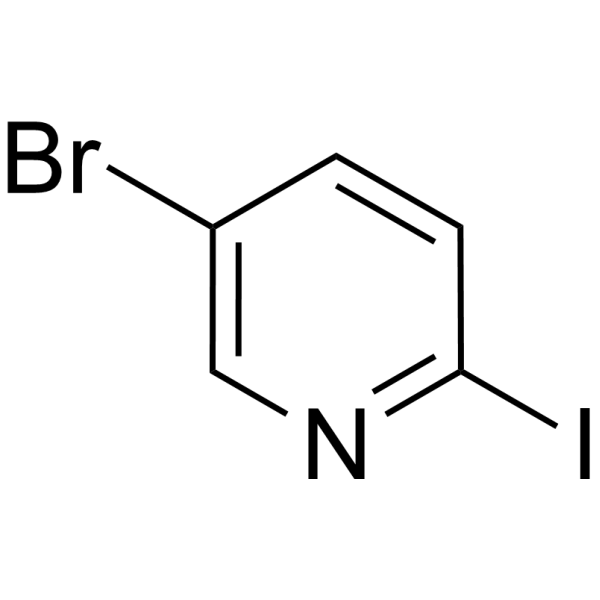
5-Bromo-2-iodopyridine is a pyridine derivative containing bromine and iodine, which can be used in the synthesis of other active compounds, such as Lonafarnib .
|
-
- HY-W014159
-
|
|
Biochemical Assay Reagents
|
|
1-Bromo-2-methyl-3-nitrobenzene is an organic synthesis intermediate. 1-Bromo-2-methyl-3-nitrobenzene participates in chemical reactions such as electrophilic substitution and coupling through the bromine atom and nitro group in the molecule, and acts as a synthetic precursor. 1-Bromo-2-methyl-3-nitrobenzene can construct complex molecular structures by relying on the leaving property of bromine and the electron-withdrawing property of nitro group, and can be used in the synthesis of benzimidazole VISTA inhibitors in medicinal chemistry .
|
-
- HY-59299
-
|
|
Biochemical Assay Reagents
|
|
3-Bromothiophene is a bromine atom-substituted 3-halogenated thiophene. Polymers of 3-Bromothiophene are conductive polymers and have potential optoelectronic application value. Additionally, 3-Bromothiophene serves as a key intermediate for the synthesis of a variety of important pharmaceuticals, agrochemicals, and cosmetics .
|
-
- HY-W011972
-
|
|
Biochemical Assay Reagents
|
|
2-Bromo-N,N,N-trimethylethanaminium bromide is a quaternary ammonium salt consisting of a positively charged 2-bromo-N,N,N-trimethylethylamine cation and a negatively charged bromide anion. This compound is commonly used as a phase transfer catalyst in organic chemical reactions, facilitating the transfer of reactants between immiscible phases. It can also be used as a halogenating agent, for example in the bromination of olefins.
|
-
- HY-W076740
-
|
8-Bromo-9H-purin-6-amine
|
Biochemical Assay Reagents
|
|
8-Bromoadenine (8-Bromo-9H-purin-6-amine) is a DNA radiosensitizer that inhibits DNA single-strand break repair in cells. 8-Bromoadenine is a brominated derivative of adenine, and radioactive adenine can be prepared by replacing bromine with deuterium .
|
-
- HY-W007593
-
|
|
Biochemical Assay Reagents
|
|
5-Bromo-1H-indole-2-carboxylic acid is an indole-derived organic compound substituted with bromine and carboxyl groups. 5-Bromo-1H-indole-2-carboxylic serves as an important intermediate for the synthesis of other active compounds .
|
-
- HY-W018454
-
|
|
Biochemical Assay Reagents
|
|
Benzyl trimethyl ammonium tribromide is an organic ammonium tribromide. Benzyl trimethyl ammonium tribromide provides controlled bromide ions, enabling efficient cyclization and oxidation while minimizing side reactions caused by excess bromine. Benzyl trimethyl ammonium tribromide can be used in the synthesis of 2-aminobenzothiazole compounds .
|
-
- HY-W190743
-
|
|
Biochemical Assay Reagents
|
|
Br-PEG8-OH is a PEG derivative that consists of a bromine atom (Br), eight PEG units, and a hydroxyl group (-OH). The bromine group is a common functional group in chemical reactions and can be used for alkylation reactions, coupling reactions, or the introduction of other functional groups. Br-PEG8-OH can be used as a polymer-based material or as a modifier for biomolecules .
|
| Cat. No. |
Product Name |
Category |
Target |
Chemical Structure |
-
- HY-Y0678
-
|
TRIMETHYL PHLOROGLUCINOL
|
Structural Classification
Natural Products
Rosaceae
Plants
Rosa rugosa Thunb.
Source Classification
|
Biochemical Assay Reagents
|
|
1,3,5-Trimethoxybenzene (TRIMETHYL PHLOROGLUCINOL) is an electrophilic substitution reaction substrate targeting free chlorine (Cl +) and free bromine (Br +). 1,3,5-Trimethoxybenzene has highly selective electrophilic addition characteristics. By capturing halogens, it undergoes specific substitution reactions to generate stable halogenated products. 1,3,5-Trimethoxybenzene can not only quench residual oxidants, but also quantify the halogen concentration by detecting the product without affecting the stability of redox-sensitive disinfection byproducts (DBPs). 1,3,5-Trimethoxybenzene is mainly used in water quality testing and quantitative analysis of free chlorine/bromine in water. At the same time, in phytochemistry, it is a key component of rose fragrance and participates in the study of pollination attraction mechanism .
|
-
-
- HY-Y0678R
-
|
|
Structural Classification
Natural Products
Rosaceae
Plants
Rosa rugosa Thunb.
Source Classification
|
Reference Standards
Biochemical Assay Reagents
|
|
1,3,5-Trimethoxybenzene (TRIMETHYL PHLOROGLUCINOL) is an electrophilic substitution reaction substrate targeting free chlorine (Cl+) and free bromine (Br+). 1,3,5-Trimethoxybenzene has highly selective electrophilic addition characteristics. By capturing halogens, it undergoes specific substitution reactions to generate stable halogenated products. 1,3,5-Trimethoxybenzene can not only quench residual oxidants, but also quantify the halogen concentration by detecting the product without affecting the stability of redox-sensitive disinfection byproducts (DBPs). 1,3,5-Trimethoxybenzene is mainly used in water quality testing and quantitative analysis of free chlorine/bromine in water. At the same time, in phytochemistry, it is a key component of rose fragrance and participates in the study of pollination attraction mechanism .
|
-
-
- HY-130398
-
-
| Cat. No. |
Product Name |
|
Classification |
-
- HY-W190881
-
|
|
|
Azide
|
|
N3-PEG11-CH2CH2Br is a PEG linker containing a bromine and an azide group. The hydrophilic PEG spacer increases solubility in aqueous media. The azide group can react with alkyne, BCN, DBCO via Click Chemistry to yield a stable triazole linkage. The bromine (Br) is a very good leaving group for nucleophilic substitution reactions.
|
Your information is safe with us. * Required Fields.
Inquiry Information
- Product Name:
- Cat. No.:
- Quantity:
- MCE Japan Authorized Agent:

