
1. Search Result
Search Result
Results for "

chronic diabetes

" in MedChemExpress (MCE) Product Catalog:

44

Inhibitors & Agonists

8

Screening Libraries

3

Peptides

1

Inhibitory Antibodies

8

Natural
Products

4

Isotope-Labeled Compounds

Cat. No. Product Name Target Research Areas Chemical Structure
  • HY-111372
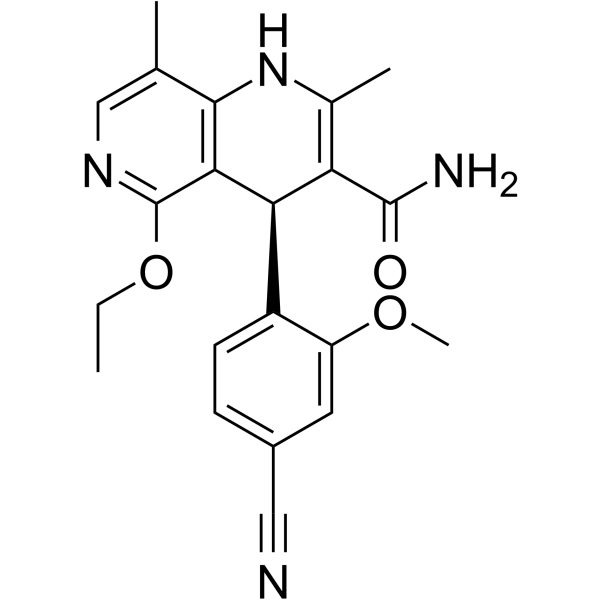
    Finerenone
    Maximum Cited Publications
    7 Publications Verification

    BAY 94-8862

    Mineralocorticoid Receptor Cardiovascular Disease Metabolic Disease
    Finerenone (BAY 94-8862) is a third-generation, selective, and orally active nonsteroidal mineralocorticoid receptor (MR) antagonist (IC50 = 18 nM). Finerenone displays excellent selectivity versus glucocorticoid receptor (GR), androgen receptor (AR), and progesterone receptor (> 500-fold). Finerenone has the potential for cardiorenal diseases research, such as type 2 diabetes mellitus and chronic kidney disease .
    Finerenone
  • HY-117985B
    Evogliptin tartrate
    1 Publications Verification

    DA-1229 tartrate

    Dipeptidyl Peptidase Autophagy Metabolic Disease Inflammation/Immunology
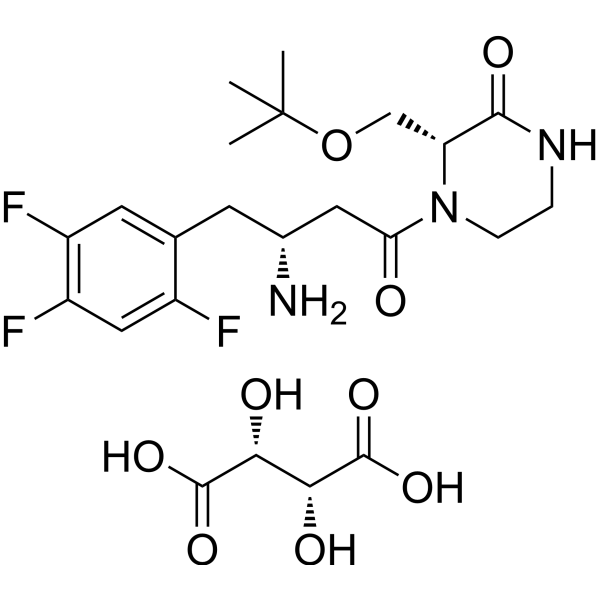
    Evogliptin (DA-1229) tartrate is an orally active DPP4 inhibitor with significant and sustained hypoglycaemic effects in mouse models. Evogliptin tartrate also inhibits the production of inflammatory and fibrotic signals in hepatocytes by inducing autophagy. Evogliptin tartrate can be used in studies of type 2 diabetes, osteoporosis, renal impairment and chronic liver inflammation .
    Evogliptin tartrate
  • HY-122515
    Fulvic Acid
    1 Publications Verification

    Others Metabolic Disease Inflammation/Immunology
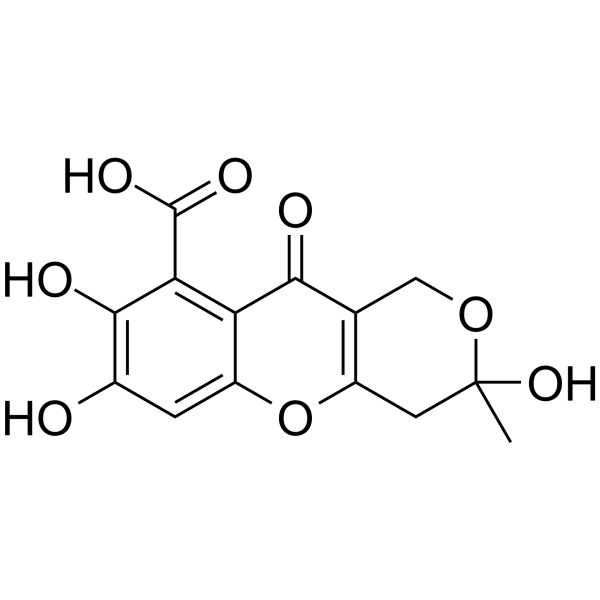
    Fulvic Acid is a natural product, which comes from humic substances produced by microorganisms in soil. Fulvic Acid can modulate the immune system, influence the oxidative state of cells, and improve gastrointestinal function. Fulvic Acid has the potential for researching chronic inflammatory diseases, including diabetes .
    Fulvic Acid
  • HY-150105

    BMF-219; Menin-MLL inhibitor 21

    Epigenetic Reader Domain Metabolic Disease Inflammation/Immunology Cancer
    Icovamenib (BMF-219) is a selective, orally active, irreversible Menin inhibitor. Icovamenib forms a stable and irreversible covalent bond with Menin. Icovamenib promotes selective and controlled proliferation of beta cells and improvement of beta cell function in ex vivo human islet cultures. Icovamenib enhances glycemic control in animal diabetic models. Icovamenib induces a dose-dependent enhancement in insulin secretion potentiated by the GLP-1 RA. Icovamenib can be used for the study of multiple hematologic malignancies, solid tumors, and diabetes mellitus, such as diffuse large B-cell lymphoma (DLBCL), multiple myeloma (MM) and chronic lymphocytic leukemia and type 2 diabetes .
    Icovamenib
  • HY-N2593
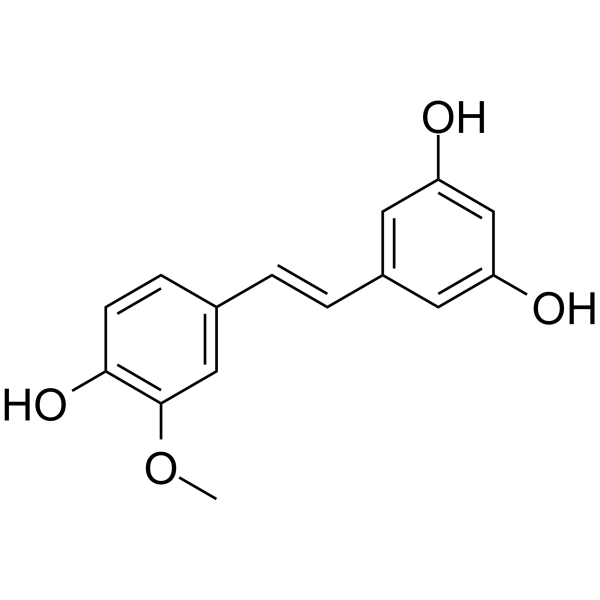
    Isorhapontigenin
    4 Publications Verification

    Carnitine Palmitoyltransferase (CPT) Reactive Oxygen Species (ROS) Autophagy Apoptosis NF-κB PI3K Akt MMP Keap1-Nrf2 Metabolic Disease Inflammation/Immunology Cancer
    Isorhapontigenin is an orally active dietary polyphenol. Isorhapontigenin acts as a potent antioxidant that reduces the production of reactive oxygen species (ROS). Isorhapontigenin promotes the binding of JUN to the AP-1 site on the SESN2 promoter, induces SESN2 transcription, triggers MAPK8-dependent JUN activation, and upregulates the expression of PPAR-α, PGC-1α and CPT-1A to facilitate fatty acid oxidation. Isorhapontigenin induces autophagy, apoptosis and preadipocyte differentiation; it inhibits tumor growth, cell invasion, NF-κB transcriptional activity, the PI3K/Akt signaling pathway, STAT1 phosphorylation and MMP-2 expression. Isorhapontigenin alleviates oxidative stress, inflammatory cytokine release and triglyceride accumulation; it increases intracellular ATP levels and promotes Nrf2 nuclear translocation. Isorhapontigenin improves insulin sensitivity in adipose tissue and glucose tolerance, and reduces postprandial blood glucose, insulin and free fatty acid levels. Isorhapontigenin is applicable to research on bladder cancer, liver injury, chronic obstructive pulmonary disease, acute lung injury and type 2 diabetes .
    Isorhapontigenin
  • HY-132265
    SCO-267
    3 Publications Verification

    Free Fatty Acid Receptor Metabolic Disease
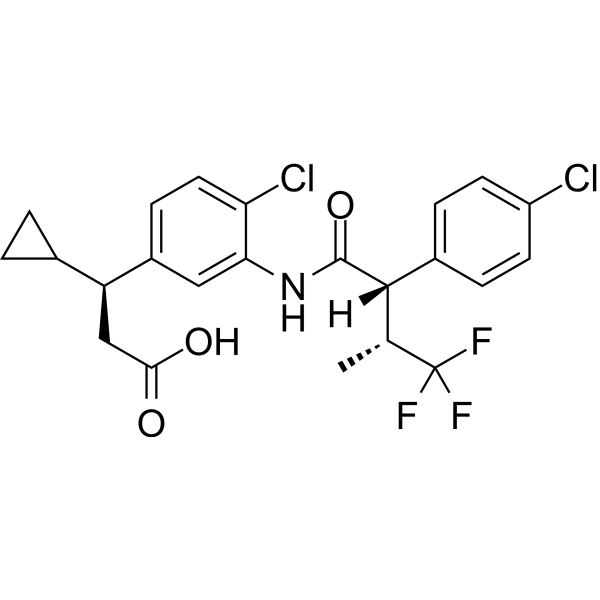
    SCO-267 is an allosteric GPR40 full agonist. SCO-267 can be used for the research of chronic diseases including diabetes .
    SCO-267
  • HY-111372R

    BAY 94-8862 (Standard)

    Reference Standards Mineralocorticoid Receptor Cardiovascular Disease
    Finerenone (Standard) is the analytical standard of Finerenone. This product is intended for research and analytical applications. Finerenone (BAY 94-8862) is a third-generation, selective, and orally available nonsteroidal mineralocorticoid receptor (MR) antagonist (IC50=18 nM). Finerenone displays excellent selectivity versus glucocorticoid receptor (GR), androgen receptor (AR), and progesterone receptor (>500-fold). Finerenone has the potential for cardiorenal diseases research, such as type 2 diabetes mellitus and chronic kidney disease .
    Finerenone (Standard)
  • HY-13995A
    Sevelamer hydrochloride
    1 Publications Verification

    FXR Metabolic Disease Endocrinology
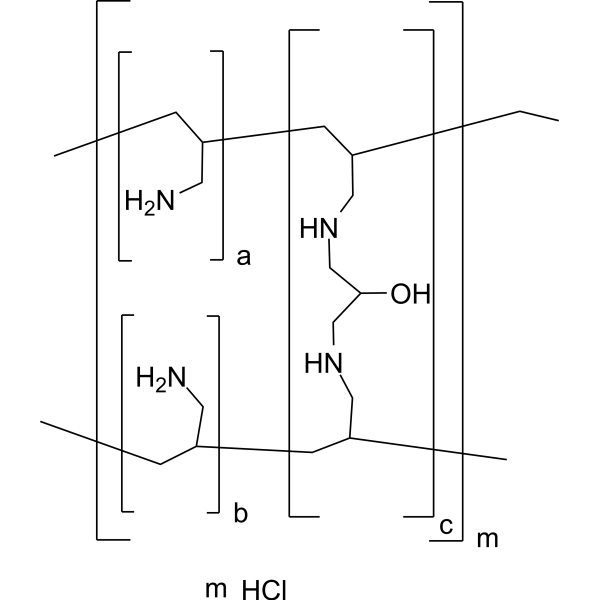
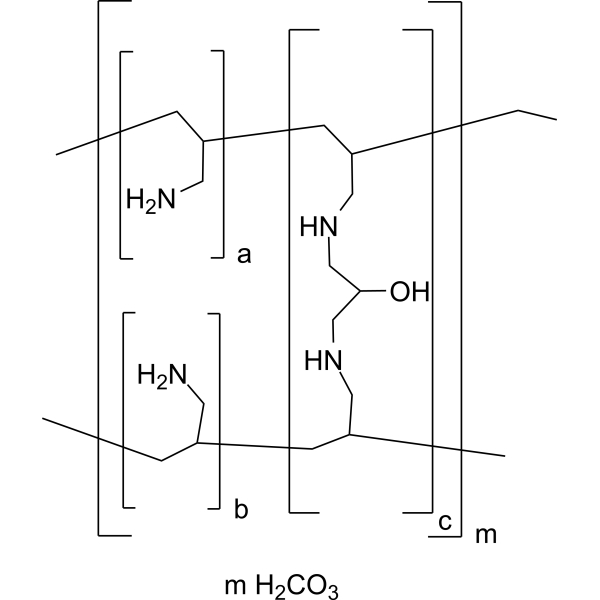
    Sevelamer hydrochloride is an orally active polymeric phosphate binder and bile acid sequestrant. Sevelamer hydrochloride binds dietary phosphate in the gastrointestinal tract, reducing phosphate absorption and serum phosphorus levels, and reduces urinary phosphate excretion. Sevelamer hydrochloride binds polyanion bile acids, increases bile acid faecal excretion, and reduces total cholesterol and LDL cholesterol levels. Sevelamer hydrochloride can be used for the research of hyperphosphataemia, hyperparathyroidism, chronic renal failure, kidney disease, and type 2 diabetes .
    Sevelamer hydrochloride
  • HY-109556

    Akt ERK Metabolic Disease
    Insulin Detemir is an artificial insulin, shows effect on controlling blood sugar levels. Insulin Detemir stimulates GLP-1 secretion as a consequence of enhanced Gcg expression by a mechanism involving activation of Akt- and/or extracellular signal-regulated kinase (ERK)-dependent-cat and CREB signaling pathways. Insulin Detemir can be used for type 2 diabetes research .
    Insulin Detemir
  • HY-13995B
    Sevelamer carbonate
    1 Publications Verification

    FXR Metabolic Disease Endocrinology
    Sevelamer carbonate is an orally active polymeric phosphate binder and bile acid sequestrant. Sevelamer carbonate binds dietary phosphate in the gastrointestinal tract, reducing phosphate absorption and serum phosphorus levels, and reduces urinary phosphate excretion. Sevelamer carbonate binds polyanion bile acids, increases bile acid faecal excretion, and reduces total cholesterol and LDL cholesterol levels. Sevelamer carbonate can be used for the research of hyperphosphataemia, hyperparathyroidism, chronic renal failure, kidney disease, and type 2 diabetes .
    Sevelamer carbonate
  • HY-120274

    AZD9977

    Mineralocorticoid Receptor Cardiovascular Disease Metabolic Disease
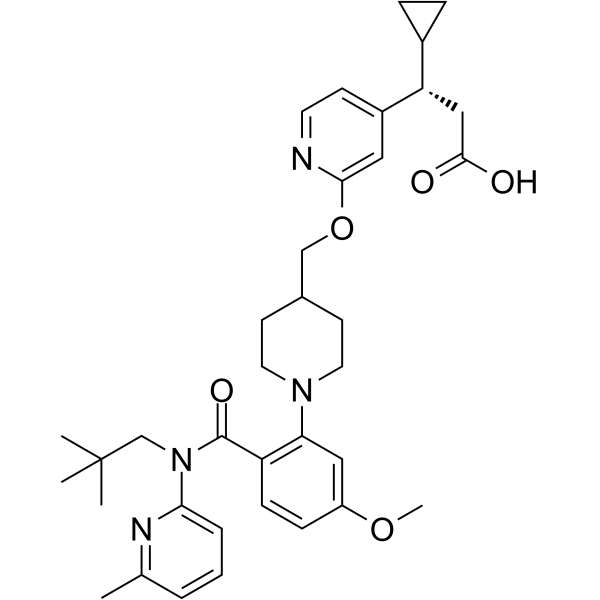
    Balcinrenone (AZD9977) is a potent, selective, and orally active mineralocorticoid receptor (MR) modulator. Balcinrenone is used for heart failure, and chronic kidney disease research .
    Balcinrenone
  • HY-109136
    Runcaciguat
    1 Publications Verification

    BAY 1101042

    Guanylate Cyclase Cardiovascular Disease Metabolic Disease
    Runcaciguat (BAY 1101042) is a selective, orally active, allosteric activator of soluble guanylate cyclase (sGC) that specifically targets its oxidized and heme-free form. Runcaciguat binds to sGC in a histidine-dependent manner and restores cyclic guanosine monophosphate (cGMP) production under oxidative stress, independent of nitric oxide (NO) or heme. Runcaciguat exhibits renoprotective and cardioprotective activities, such as reduced proteinuria and improved renal function. Runcaciguat is primarily being studied in chronic kidney disease (CKD) associated with hypertension, diabetes, and metabolic disorders, as well as potential cardiovascular indications such as heart failure with preserved ejection fraction (HFpEF) .
    Runcaciguat
  • HY-N2110

    Akt Sirtuin Integrin STAT PI3K Apoptosis ERK PPAR PKC Toll-like Receptor (TLR) HIV Inflammation/Immunology
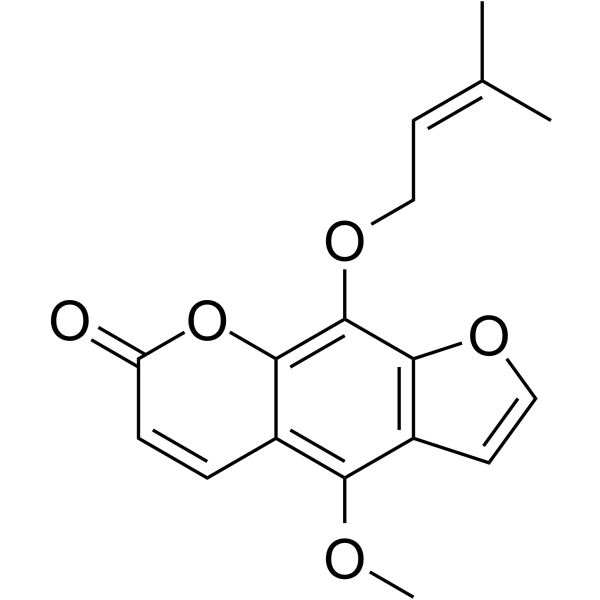
    Phellopterin, an orally active furocoumarin with multiple biological activities. Phellopterin is a partial agonist of the central benzodiazepine receptors. Phellopterin exerts anti-inflammatory effects by upregulating SIRT1, downregulating ICAM-1 (reducing chronic inflammation, aiding diabetic ulcer healing), inhibiting STAT3 phosphorylation (easing atopic dermatitis inflammation), regulating Akt/PKC pathways (lowering TNF-α-induced VCAM-1 to block monocyte adhesion), and inhibiting TLR4/NF-κB pathway and macrophage M2 polarization (alleviating colitis-related cancers). Phellopterin suppresses ovarian cancer progression via inhibiting the PU.1/CLEC5A/PI3K-AKT loop (inducing cell cycle arrest, apoptosis, DNA damage). Phellopterin alleviates murine diabetes by promoting adipocyte differentiation and increasing PPARγ. Phellopterin also has anti-HSV-1 activity. Phellopterin can be used for studying anti-inflammation, anti-cancer (e.g., ovarian cancer, colitis cancer), blood glucose lowering, anti-diabetes, and anti-virus .
    Phellopterin
  • HY-112961

    JAK Interleukin Related STAT Metabolic Disease
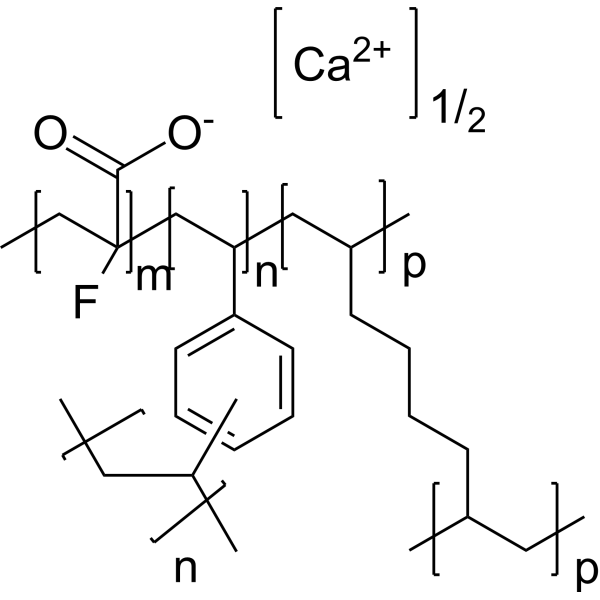
    Patiromer is an orally active, selective and non-absorbable intestinal potassium (K +) polymer binder that reversibly binds potassium ions in exchange for calcium (Ca 2+). Patiromer can rapidly and continuously reduce serum potassium levels, maintain a normal blood potassium state, and reduce serum aldosterone levels. Patiromer also increases fecal potassium excretion. Patiromer is mainly used in the study of hyperkalemia associated with diseases such as chronic kidney disease, diabetes, and heart failure, and is particularly suitable for improving renin-angiotensin-aldosterone system inhibitor (RAASi) therapy .
    Patiromer
  • HY-W097625

    Toll-like Receptor (TLR) MyD88 p38 MAPK NF-κB Heme Oxygenase (HO) Neurological Disease Inflammation/Immunology Cancer
    6-Methoxyflavone is an orally active methoxyflavone. 6-Methoxyflavone suppresses neuroinflammation in microglia through the inhibition of TLR4/MyD88/p38 MAPK/NF-κB dependent pathways and the activation of HO-1/NQO-1 signaling. 6-Methoxyflavone induces S-phase arrest through the CCNA2/CDK2/p21CIP1 signaling pathway in HeLa cells. 6-Methoxyflavone inhibits NFAT Translocation into the nucleus and suppresses T cell activation. 6-Methoxyflavone partially restores chronic ethanol-induced behavioral deficits in mice. 6-Methoxyflavone antagonizes chronic constriction injury and diabetes associated neuropathic nociception expression. 6-Methoxyflavone can be used for the study of cancer, inflammation and neurological diseases .
    6-Methoxyflavone
  • HY-B1735

    Prostaglandin Receptor Cardiovascular Disease
    Picotamide is a combined inhibitor of thromboxane A2 (TxA2) synthase and receptor. Picotamide has antiplatelet activity. Picotamide promotes the reduction of microalbuminuria and the inhibition of growth of carotid plaques in diabetes. Picotamide can be used for researching acute or chronic cardiovascular diseases .
    Picotamide
  • HY-124857

    7-Desacetoxy-6,7-dehydrogedunin

    PERK Prokineticin Receptor P2X Receptor Caspase NOD-like Receptor (NLR) Pyroptosis Tyrosinase Neurological Disease Metabolic Disease Inflammation/Immunology
    7DG (7-Desacetoxy-6,7-dehydrogedunin) is a PKR inhibitor, P2X7 purinergic receptor inhibitor, and skin-lightening agent. 7DG binds outside the ATP-catalytic domain of PKR, blocks the kinase activity-independent protein-protein interactions of PKR, inhibits the phosphorylation and activity of PKR, disrupts ASC assembly and caspase-1 activation, and suppresses the activation of the NLRP1 inflammasome. 7DG inhibits pyroptosis, suppresses the ATP-P2X7 signaling pathway, and abolishes ATP-induced increases in the expression levels of MITF, tyrosinase, PMEL/gp100, and melanin content. 7DG exerts skin-lightening effects in cultured skin in vitro. 7DG can be used in research related to chronic obstructive pulmonary disease, gout, type 2 diabetes, Alzheimer's disease, and hyperpigmentary skin disorders .
    7DG
  • HY-117985

    DA-1229

    Dipeptidyl Peptidase Autophagy Metabolic Disease Inflammation/Immunology
    Evogliptin (DA-1229) is an orally active DPP4 inhibitor with significant and sustained hypoglycaemic effects in mouse models. Evogliptin also inhibits the production of inflammatory and fibrotic signals in hepatocytes by inducing autophagy. Evogliptin can be used in studies of type 2 diabetes, osteoporosis, renal impairment and chronic liver inflammation .
    Evogliptin
  • HY-143723

    Monoamine Oxidase Cardiovascular Disease Metabolic Disease Inflammation/Immunology
    SSAO inhibitor-3 (Compound 2) is a semicarbazide-sensitive amine oxidase (SSAO) inhibitor with IC50s of <10 nM, and 0.1-10 μM for human SSAO and AOC1, respectively. SSAO inhibitor-3 can be used for the research of atherosclerosis, diabetes and its complications, obesity, stroke, chronic kidney disease, retinopathy, chronic obstructive pulmonary disease (COPD), autoimmune diseases, multiple sclerosis, etc .
    SSAO inhibitor-3
  • HY-111372S

    BAY 94-8862-d3

    Mineralocorticoid Receptor Others
    Finerenone-d3 is the deuterium labeled finerenone (HY-111372). Finerenone is a third-generation, selective, and orally available nonsteroidal mineralocorticoid receptor (MR) antagonist (IC50=18 nM). Finerenone displays excellent selectivity versus glucocorticoid receptor (GR), androgen receptor (AR), and progesterone receptor (>500-fold). Finerenone has the potential for cardiorenal diseases research, such as type 2 diabetes mellitus and chronic kidney disease .
    Finerenone-d3
  • HY-13995

    FXR Metabolic Disease Endocrinology
    Sevelamer is an orally active polymeric phosphate binder and bile acid sequestrant. Sevelamer binds dietary phosphate in the gastrointestinal tract, reducing phosphate absorption and serum phosphorus levels, and reduces urinary phosphate excretion. Sevelamer binds polyanion bile acids, increases bile acid faecal excretion, and reduces total cholesterol and LDL cholesterol levels. Sevelamer can be used for the research of hyperphosphataemia, hyperparathyroidism, chronic renal failure, kidney disease, and type 2 diabetes .
    Sevelamer
  • HY-111372S1
    Finerenone-d5
    1 Publications Verification

    BAY 94-8862-d5

    Isotope-Labeled Compounds Mineralocorticoid Receptor Cardiovascular Disease
    Finerenone-d5 (BAY 94-8862-d5) is deuterium labeled Finerenone. Finerenone (BAY 94-8862) is a third-generation, selective, and orally available nonsteroidal mineralocorticoid receptor (MR) antagonist (IC50=18 nM). Finerenone displays excellent selectivity versus glucocorticoid receptor (GR), androgen receptor (AR), and progesterone receptor (>500-fold). Finerenone has the potential for cardiorenal diseases research, such as type 2 diabetes mellitus and chronic kidney disease .
    Finerenone-d5
  • HY-P10378

    GnRH Receptor Metabolic Disease
    GPR10 agonist 1 (compound 18-S4) is a potent GPR10 agonist with EC50 values of 80, 7.8 nM in the presence (10%) or absence (0%) of FBS, respectively. GPR10 agonist 1 has the potential for the research of chronic obesity .
    GPR10 agonist 1
  • HY-164698

    Aldehyde Dehydrogenase (ALDH) Neurological Disease Metabolic Disease
    CP-470711 is an orally active and potent and selective sorbitol dehydrogenase (SDH) inhibitor with an IC50=10 nM for human SDH and IC50=17 nM for rat SDH. CP-470711 is promising for research of chronic complications related to type 2 diabetes mellitus, such as neuropathy and nephropathy .
    CP-470711
  • HY-N2110R

    Reference Standards Akt Sirtuin Integrin STAT PI3K Apoptosis ERK PPAR PKC Toll-like Receptor (TLR) HIV Infection Cardiovascular Disease Neurological Disease Metabolic Disease Inflammation/Immunology Cancer
    Phellopterin (Standard) is the analytical standard of Phellopterin. Phellopterin, an orally active furocoumarin with multiple biological activities. Phellopterin is a partial agonist of the central benzodiazepine receptors. Phellopterin exerts anti-inflammatory effects by upregulating SIRT1, downregulating ICAM-1 (reducing chronic inflammation, aiding diabetic ulcer healing), inhibiting STAT3 phosphorylation (easing atopic dermatitis inflammation), regulating Akt/PKC pathways (lowering TNF-α-induced VCAM-1 to block monocyte adhesion), and inhibiting TLR4/NF-κB pathway and macrophage M2 polarization (alleviating colitis-related cancers). Phellopterin suppresses ovarian cancer progression via inhibiting the PU.1/CLEC5A/PI3K-AKT loop (inducing cell cycle arrest, apoptosis, DNA damage). Phellopterin alleviates murine diabetes by promoting adipocyte differentiation and increasing PPARγ. Phellopterin also has anti-HSV-1 activity. Phellopterin can be used for studying anti-inflammation, anti-cancer (e.g., ovarian cancer, colitis cancer), blood glucose lowering, anti-diabetes, and anti-virus.
    Phellopterin (Standard)
  • HY-106198

    IDD-676

    Aldose Reductase Metabolic Disease
    Lidorestat (IDD-676) is a potent, selective and orally active aldose reductase inhibitor with an IC50 of 5 nM. Lidorestat can be used for chronic diabetes complications. Lidorestat also improves nerve conduction and reduces cataract formation .
    Lidorestat
  • HY-157461

    Glycosyltransferase Cardiovascular Disease Neurological Disease Metabolic Disease Inflammation/Immunology
    Glycation-IN-1 (Compound 3) is an inhibitor of glycosylation reactions, which has a strong inhibitory effect on the synthesis of initial, intermediate, and final products of glycosylation reactions. Glycion-IN-1 can be used in the research of various chronic diseases, such as diabetes, immune inflammation, cardiovascular diseases and neurodegenerative diseases .
    Glycation-IN-1
  • HY-117985A

    DA-1229 hydrochloride

    Dipeptidyl Peptidase Metabolic Disease Endocrinology
    Evogliptin hydrochloride (DA-1229 hydrochloride) is an orally available DPP4 inhibitor with significant and durable hypoglycemic effects in mouse models. Evogliptin hydrochloride also inhibits the generation of inflammatory and fibrotic signals in hepatocytes by inducing autophagy. Evogliptin hydrochloride can be used in the research of type 2 diabetes, osteoporosis, renal impairment and chronic liver inflammation .
    Evogliptin hydrochloride
  • HY-N10597

    Others Cardiovascular Disease Metabolic Disease Cancer
    5'''-O-Feruloyl complanatoside B is isolated from Astragali Semen, the seeds of Astragalus Complanatus. Semen Astragali Complanati (SAC) include fatty acids, amino acids, polysaccharides, flavonoids, triterpene glycosides and trace elements; have been reported to involve in chronic diseases such as cardiovascular diseases, diabetes mellitus and cancers .
    5'''-O-Feruloyl complanatoside B
  • HY-117985S

    DA-1229-d9

    Isotope-Labeled Compounds Autophagy Dipeptidyl Peptidase Metabolic Disease Inflammation/Immunology
    Evogliptin-d9 (DA-1229-d9) is deuterium labeled Evogliptin. Evogliptin (DA-1229) is an orally active DPP4 inhibitor with significant and sustained hypoglycaemic effects in mouse models. Evogliptin also inhibits the production of inflammatory and fibrotic signals in hepatocytes by inducing autophagy. Evogliptin can be used in studies of type 2 diabetes, osteoporosis, renal impairment and chronic liver inflammation .
    Evogliptin-d9
  • HY-174848

    TRP Channel Cannabinoid Receptor Neurological Disease Inflammation/Immunology
    PQM-244 (Compound 5c) is an orally active and multi-target modulator of TRPV1 and CB1 and CB2 receptors. PQM-244 has significant peripheral antinociceptive effects on both neurogenic and inflammatory phases. PQM-244 also has potential antioxidant activity with an IC50  of  14.15 µM for radical scavenging DPPH. PQM-244 can be used for chronic pain and inflammatory disease research, such as diabetes, atherosclerosis and Alzheimer’s disease .
    PQM-244
  • HY-109692

    Free Fatty Acid Receptor Metabolic Disease Inflammation/Immunology
    GPR120 Agonist 5 (compound 12) is an agonist targeting GPR120 (EC50=1.2 μM). GPR120 Agonist 5 promotes the release of glucagon-like 1 (GLP-1) by binding to the GPR120 receptor, which in turn binds to its receptors on pancreatic beta cells, increasing insulin secretion and thereby lowering blood sugar levels. GPR120 Agonist 5 also helps reduce chronic low-grade inflammation, which plays an important role in the pathogenesis of obesity, insulin resistance, and type 2 diabetes. GPR120 Agonist 5 can be used to investigate the mechanism of action of GPR120 in metabolic and inflammatory diseases .
    GPR120 Agonist 5
  • HY-P0109

    Cathepsin Others
    (S,S)-Z-FA-FMK is a cell-permeable, irreversible cathepsin B inhibitor. (S,S)-Z-FA-FMK blocks LPS-induced production of IL-1α and IL-1β. (S,S)-Z-FA-FMK can be used as a negative control for caspase-1 and caspase-2 inhibitors because it lacks an aspartic acid residue at the P1 position .
    (S,S)-Z-FA-FMK
  • HY-N2593R

    Reference Standards Carnitine Palmitoyltransferase (CPT) Reactive Oxygen Species (ROS) Autophagy Apoptosis NF-κB PI3K Akt MMP Keap1-Nrf2 Inflammation/Immunology Cancer
    Isorhapontigenin (Standard) is the analytical standard of Isorhapontigenin (HY-N2593). This product is intended for research and analytical applications. Isorhapontigenin is an orally active dietary polyphenol. Isorhapontigenin acts as a potent antioxidant that reduces the production of reactive oxygen species (ROS). Isorhapontigenin promotes the binding of JUN to the AP-1 site on the SESN2 promoter, induces SESN2 transcription, triggers MAPK8-dependent JUN activation, and upregulates the expression of PPAR-α, PGC-1α and CPT-1A to facilitate fatty acid oxidation. Isorhapontigenin induces autophagy, apoptosis and preadipocyte differentiation; it inhibits tumor growth, cell invasion, NF-κB transcriptional activity, the PI3K/Akt signaling pathway, STAT1 phosphorylation and MMP-2 expression. Isorhapontigenin alleviates oxidative stress, inflammatory cytokine release and triglyceride accumulation; it increases intracellular ATP levels and promotes Nrf2 nuclear translocation. Isorhapontigenin improves insulin sensitivity in adipose tissue and glucose tolerance, and reduces postprandial blood glucose, insulin and free fatty acid levels. Isorhapontigenin is applicable to research on bladder cancer, liver injury, chronic obstructive pulmonary disease, acute lung injury and type 2 diabetes.
    Isorhapontigenin (Standard)
  • HY-160637

    Phospholipase Cardiovascular Disease Neurological Disease Metabolic Disease Inflammation/Immunology
    Lp-PLA2-IN-17 (Compound 39) is an inhibitor of Lp-PLA2. Lp-PLA2-IN-17 can be used to study disorders involving the hydrolysis of oxidized lipids into two inflammatory substances with the participation of Lp-PLA2 .
    Lp-PLA2-IN-17
  • HY-W014242

    Aldose Reductase Metabolic Disease
    2-(2-Chlorobenzamido)acetic acid is an aldose reductase inhibitor with an IC50 of 31 μM. 2-(2-Chlorobenzamido)acetic acid can be used for the research of chronic diabetes .
    2-(2-Chlorobenzamido)acetic acid
  • HY-P992023

    Interleukin Related Inflammation/Immunology
    APX002 is an anti-IL-1β humanized monoclonal antibody that binds to IL-1β with an affinity of 1.99×10 ?10M. APX002 blocks IL-1β receptor binding, inhibits IL-1β-induced downstream cell signaling and biological effects.APX002 can be used for the research of rheumatoid arthritis, diabetes, gout, cryopyrin-associated periodic syndrome, chronic obstructive pulmonary disorder, atherosclerosis, vasculitis .
    APX002
  • HY-W968308

    Amino Acid Derivatives Metabolic Disease
    H-Gly-D-Ala-OH is a dipeptide containing D-amino acid. H-Gly-D-Ala-OH can be specifically hydrolyzed by renal dipeptidase, which acts on peptide segments with a D-amino acid at the carboxyl terminus. H-Gly-D-Ala-OH enables highly specific detection of renal dipeptidase activity without interference from other serum or urine aminopeptidases. When used in combination with low-dose Sodium nitrite (HY-N11218), H-Gly-D-Ala-OH inhibits the initial spore growth of Clostridium botulinum in pork homogenate, whereas it has no such effect on its own. H-Gly-D-Ala-OH can be used in research related to chronic renal failure, diabetes mellitus and botulism .
    H-Gly-D-Ala-OH
  • HY-B1735A

    Prostaglandin Receptor Cardiovascular Disease Metabolic Disease
    Picotamide monohydrate is a combined inhibitor of thromboxane A2 (TxA2) synthase and receptor. Picotamide monohydrate has antiplatelet activity. Picotamide monohydrate promotes the reduction of microalbuminuria and the inhibition of growth of carotid plaques in diabetes. Picotamide monohydrate can be used for researching acute or chronic cardiovascular diseases .
    Picotamide monohydrate
  • HY-106198R

    IDD-676 (Standard)

    Reference Standards Aldose Reductase Metabolic Disease
    Lidorestat (Standard) is the analytical standard of Lidorestat (HY-106198). This product is intended for research and analytical applications. Lidorestat (IDD-676) is a potent, selective and orally active aldose reductase inhibitor with an IC50 of 5 nM. Lidorestat can be used for chronic diabetes complications. Lidorestat also improves nerve conduction and reduces cataract formation .
    Lidorestat (Standard)
  • HY-111372B

    (R)-BAY 94-8862

    Drug Isomer Mineralocorticoid Receptor Cardiovascular Disease
    (R)-Finerenone ((R)-BAY 94-8862) is the R-isomer of Finerenone (HY-111372). Finerenone is a third-generation selective, orally active, non-steroidal mineralocorticoid receptor (MR) antagonist (IC50 = 18 nM). Compared with glucocorticoid receptors (GR), androgen receptors (AR), and progesterone receptors (AR), Finerenone shows good selectivity (> 500-fold). Finerenone has potential application prospects in studies of heart and kidney diseases, such as type 2 diabetes and chronic kidney disease .
    (R)-Finerenone
  • HY-117985BS

    DA-1229-d9 tartrate

    Isotope-Labeled Compounds Autophagy Dipeptidyl Peptidase Metabolic Disease Inflammation/Immunology
    Evogliptin-d9 tartrate (DA-1229-d9 tartrate) is the deuterium labeled Evogliptin tartrate (HY-117985B). Evogliptin (DA-1229) tartrate is an orally active DPP4 inhibitor with significant and sustained hypoglycaemic effects in mouse models. Evogliptin tartrate also inhibits the production of inflammatory and fibrotic signals in hepatocytes by inducing autophagy. Evogliptin tartrate can be used in studies of type 2 diabetes, osteoporosis, renal impairment and chronic liver inflammation .
    Evogliptin-d9 tartrate
  • HY-19009B

    CCR Metabolic Disease Inflammation/Immunology Cancer
    Propagermanium is an orally active and selective CCR2 inhibitor. Propagermanium enhances IFN-γ, IL-2, 2',5'-oligoadenylate synthetase, and unspecified cytokine production, and induces mature cytolytic NK cell subsets. Propagermanium reduces HBe antigen and HBV DNA polymerase levels, promotes HBV clearance and lowers serum ALT. Propagermanium downregulates STAT1, inhibits pro-inflammatory microglia polarization, pro-inflammatory cytokine release, and monocyte/macrophage infiltration. Propagermanium can be used for the research of chronic hepatitis B, atherosclerosis, breast cancer, non-alcoholic steatohepatitis, insulin resistance, refractory gastric cancer, multiple myeloma, type 2 diabetes .
    Propagermanium
  • HY-W097625R

    Toll-like Receptor (TLR) MyD88 p38 MAPK NF-κB Heme Oxygenase (HO) Reference Standards PERK Neurological Disease Metabolic Disease Inflammation/Immunology Cancer
    6-Methoxyflavone (Standard) is the analytical standard of 6-Methoxyflavone (HY-W097625). This product is intended for research and analytical applications. 6-Methoxyflavone is an orally active methoxyflavone. 6-Methoxyflavone suppresses neuroinflammation in microglia through the inhibition of TLR4/MyD88/p38 MAPK/NF-κB dependent pathways and the activation of HO-1/NQO-1 signaling. 6-Methoxyflavone induces S-phase arrest through the CCNA2/CDK2/p21CIP1 signaling pathway and activates the PERK/EIF2a/ATF4/CHOP pathway in HeLa cells. 6-Methoxyflavone acts as a Flumazenil (HY-B0009)-insensitive positive allosteric modulator at human recombinant α1β2γ2L and α2β2γ2L GABAα receptors. 6-Methoxyflavone inhibits NFAT Translocation into the nucleus and suppresses T cell activation. 6-Methoxyflavone partially restores chronic ethanol-induced behavioral deficits in mice. 6-Methoxyflavone antagonizes chronic constriction injury and diabetes associated neuropathic nociception expression. 6-Methoxyflavone can be used for the study of cancer, inflammation and neurological diseases .
    6-Methoxyflavone (Standard)

Inquiry Online

Your information is safe with us. * Required Fields.

Salutation


Country or Region *

Applicant Name *


Organization Name *

Department *


Email Address *


Product Name *

Cat. No.


Requested quantity *

Phone Number *


Remarks

Inquiry Online

Inquiry Information

Product Name:
Cat. No.:
Quantity:
MCE Japan Authorized Agent:

