
1. Search Result
Search Result
Results for "

dermis

" in MedChemExpress (MCE) Product Catalog:

17

Inhibitors & Agonists

5

Peptides

3

Natural
Products

1

Isotope-Labeled Compounds

1

Oligonucleotides

Cat. No. Product Name Target Research Areas Chemical Structure
  • HY-131577
    Neutral protease, Paenibacillus polymyxa
    5 Publications Verification

    Dispase II, Dispase

    Endogenous Metabolite Metabolic Disease
    Neutral protease, Paenibacillus polymyxa (Dispase II, Dispase) is a neutral protease and potent fibronectinase and type IV collagenase. Neutral protease, Paenibacillus polymyxa can be used to separate the intact epidermis from the dermis and intact epithelial sheets in culture from the substratum .
    Neutral protease, Paenibacillus polymyxa
  • HY-131577A

    Dispase I

    Collagen Others
    Neutral protease I (Dispase I) is a rapid, effective, gentle and neutral protease that can separate intact epidermis from the dermis. Neutral protease I can also separate intact epithelial sheets in culture from the substratum. Neutral protease I preserves the viability of the epithelial cells while cleaving the basement membrane zone region. Neutral protease I can also be used to prevent clumping in suspension cultures. Neutral protease I cleaves fibronectin and type IV collagen, but not laminin, type V collagen, serum albumin, or transferrin .
    Neutral protease I
  • HY-P0064

    Palmitoyl Tetrapeptide-7

    Interleukin Related Inflammation/Immunology
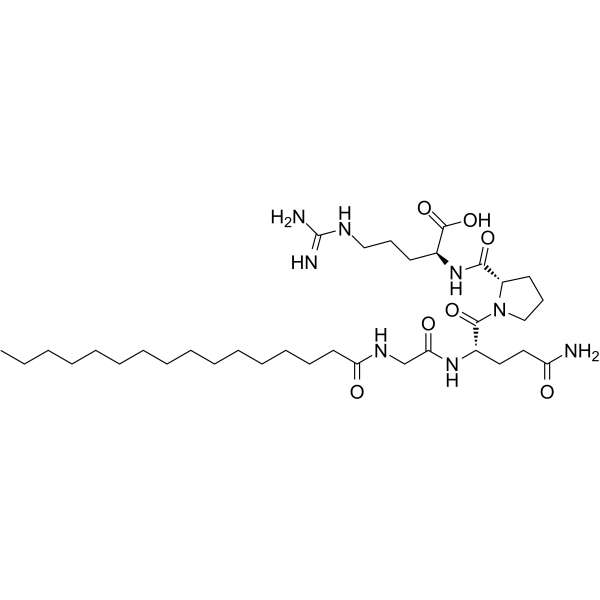
    Palmitoyl Tetrapeptide-3 (Palmitoyl Tetrapeptide-7) is a synthetic peptide corresponding to amino acids 341-344 of the human immunoglobulin heavy chain, with the ability to stimulate phagocytosis. Palmitoyl tetrapeptide-3 reduces interleukin-6 (IL-6) secretion in keratinocytes and inhibits the UVB radiation-exposure inflammatory response of skin. Palmitoyl tetrapeptide-3 It also has anti-inflammatory and anti-aging effects, reducing skin wrinkles by promoting the production of elastic fibers in the papillary dermis .
    Palmitoyl Tetrapeptide-3
  • HY-108036

    Hydroxypropyl tetrahydropyrantriol (30% in water)

    Biochemical Assay Reagents Metabolic Disease
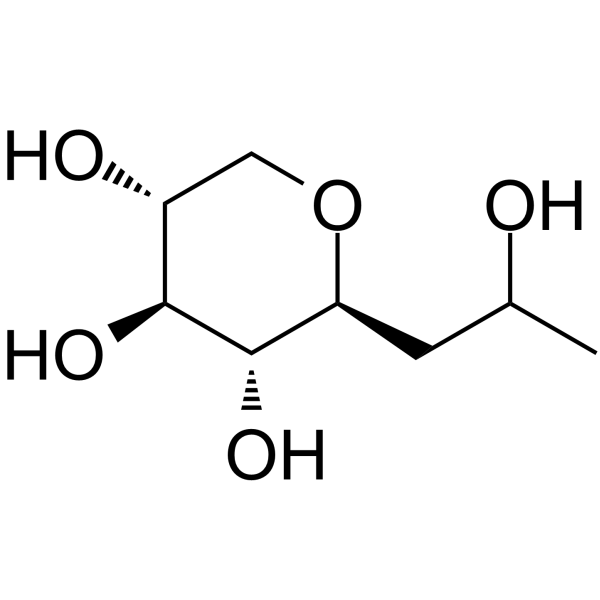
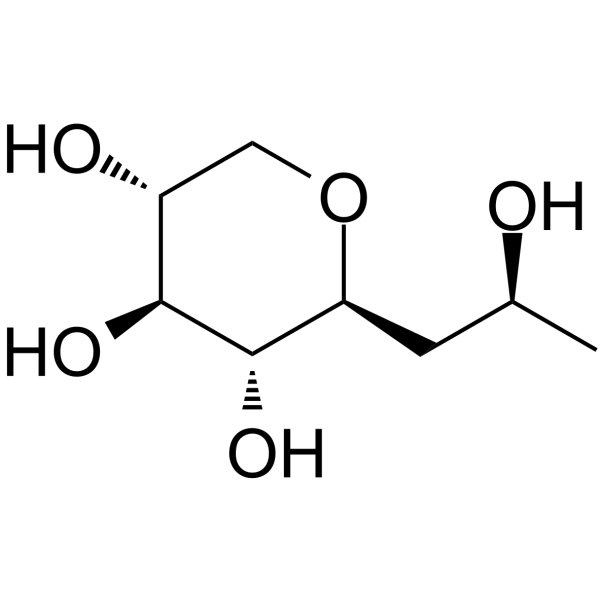
    Pro-xylane (30% in water) (Hydroxypropyl tetrahydropyrantriol) is a bioactive C-glycoside that targets the biosynthesis pathway of glycosaminoglycans/mucopolysaccharides (GAGs) in the skin matrix and can be absorbed transdermally. Pro-xylane (30% in water) stimulates the biosynthesis of GAGs in fibroblasts, enhances the structural stability of the skin extracellular matrix, improves skin elasticity and moisturizing ability, and delays wrinkle formation. Pro-xylane (30% in water) can effectively promote the synthesis of collagen fibers and hyaluronic acid in the dermis. Pro-xylane (30% in water) is used in the field of anti-aging cosmetics to improve skin hydration and elasticity. Pro-xylane (30% in water) is eco-friendly and biodegradable .
    Pro-xylane (30% in water)
  • HY-P5225

    PGC-1α Others
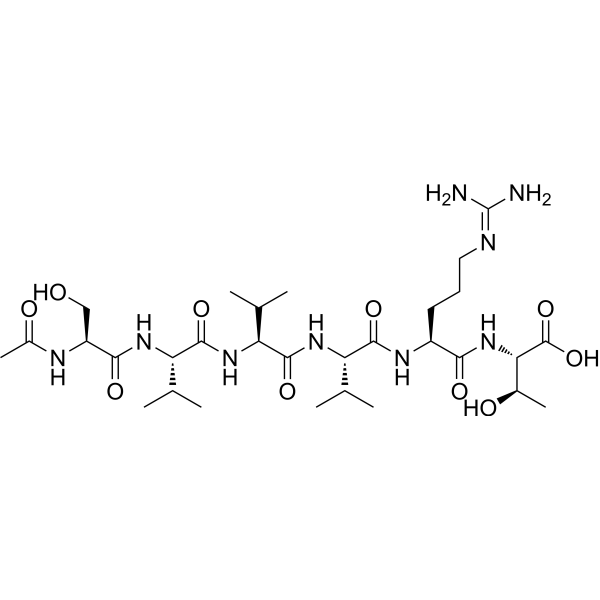
    Acetyl hexapeptide-38 is a tissue repair promoter that targets fibroblasts in the dermis of the skin. It works by promoting collagen synthesis in the dermis and thickening of subcutaneous fat. Acetyl hexapeptide-38 can activate the skin repair mechanism, increase the collagen content in the dermis, improve the skin tissue structure, and has the activity of promoting local tissue repair. Acetyl hexapeptide-38 can be used in the field of cosmetic medicine to repair congenital soft tissue defects, reduce tear grooves and nasolabial folds, eliminate postoperative scars, and conduct micro-plastic surgery of skin tissue .
    Acetyl hexapeptide-38
  • HY-108036B

    Hydroxypropyl tetrahydropyrantriol

    Biochemical Assay Reagents Metabolic Disease
    Pro-xylane (Hydroxypropyl tetrahydropyrantriol) is a bioactive C-glycoside that targets the biosynthesis pathway of glycosaminoglycans/mucopolysaccharides (GAGs) in the skin matrix and can be absorbed transdermally. Pro-xylane stimulates the biosynthesis of GAGs in fibroblasts, enhances the structural stability of the skin extracellular matrix, improves skin elasticity and moisturizing ability, and delays wrinkle formation. Pro-xylane can effectively promote the synthesis of collagen fibers and hyaluronic acid in the dermis. Pro-xylane is used in the field of anti-aging cosmetics to improve skin hydration and elasticity. Pro-xylane is eco-friendly and biodegradable .
    Pro-xylane
  • HY-P5248

    Collagen Metabolic Disease
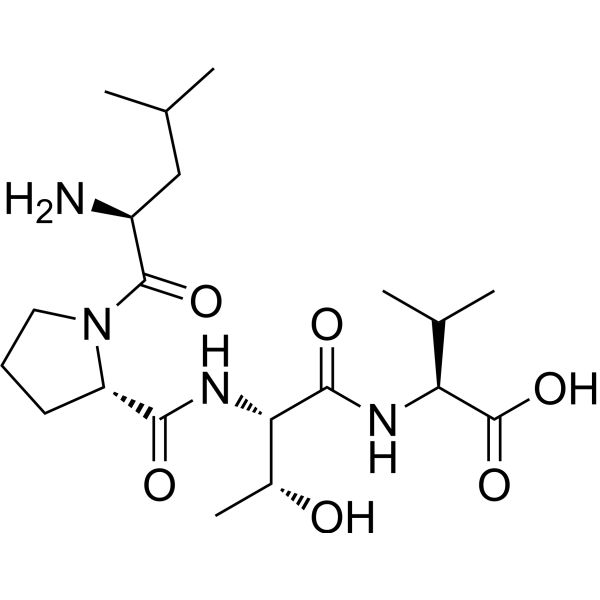
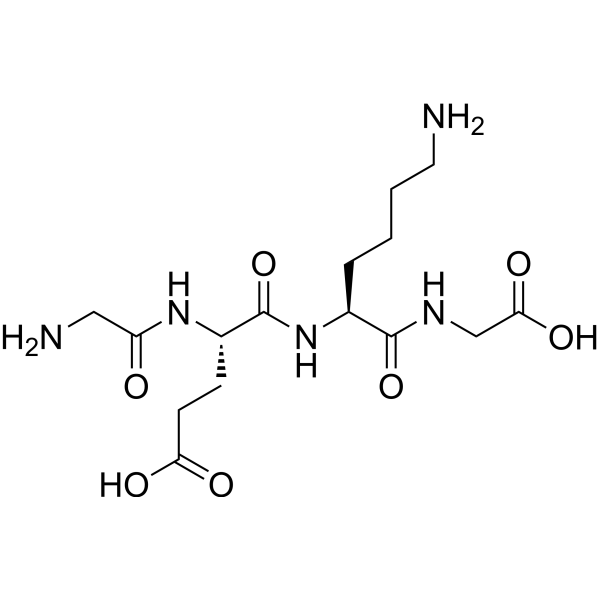
    Tetrapeptide-1 is a tetrapeptide exhibiting antiaging and antioxidant activity. Tetrapeptide-1 can be used for cosmetics research .
    Tetrapeptide-1
  • HY-108036A

    (S)-Hydroxypropyl tetrahydropyrantriol

    Biochemical Assay Reagents Metabolic Disease
    (S)-Pro-xylane ((S)-Hydroxypropyl tetrahydropyrantriol) is a bioactive C-glycoside that targets the biosynthesis pathway of glycosaminoglycans/mucopolysaccharides (GAGs) in the skin matrix and can be absorbed transdermally. (S)-Pro-xylane stimulates the biosynthesis of GAGs in fibroblasts, enhances the structural stability of the skin extracellular matrix, improves skin elasticity and moisturizing ability, and delays wrinkle formation. (S)-Pro-xylane can effectively promote the synthesis of collagen fibers and hyaluronic acid in the dermis. (S)-Pro-xylane is used in the field of anti-aging cosmetics to improve skin hydration and elasticity. (S)-Pro-xylane is eco-friendly and biodegradable .
    (S)-Pro-xylane
  • HY-W011168

    Nucleoside Antimetabolite/Analog DNA/RNA Synthesis Inflammation/Immunology Cancer
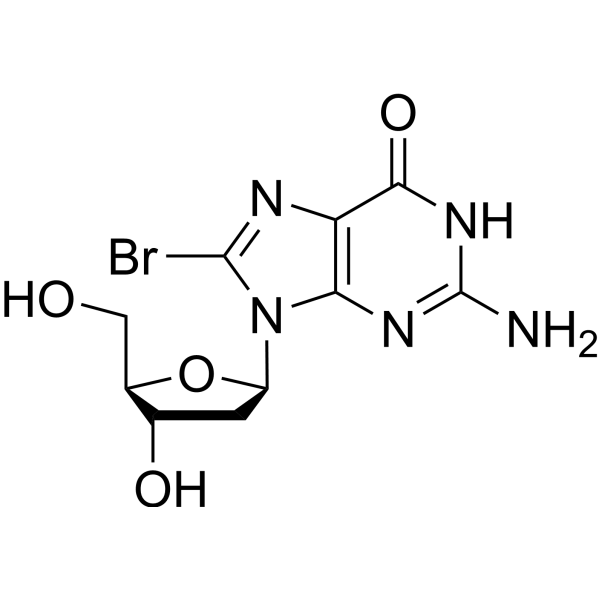
    8-Bromo-2'-deoxyguanosine is an inflammation-related DNA halogenated adduct and an early biomarker of inflammation-induced oxidative tissue damage. The formation of 8-Bromo-2'-deoxyguanosine precedes that of oxidative and nitrative products, and it can be generated via the MPO-H2O2-Cl --Br - system. 8-Bromo-2'-deoxyguanosine serves as the immunogen for preparing the monoclonal antibody mAb8B3, which can be used to detect early DNA modifications in preclinical models; its urinary level also increases significantly in inflammatory disease models. 8-Bromo-2'-deoxyguanosine can also be produced in the dermis of UV-B irradiated mice, and the extract of Coprinus comatus significantly reduces its level. 8-Bromo-2'-deoxyguanosine finds applications in studies related to inflammatory diseases, diabetes, hepatocellular carcinoma, and UV-B induced skin inflammation .
    8-Bromo-2'-deoxyguanosine
  • HY-P5232

    Collagen Metabolic Disease
    Tetrapeptide-21 is a bioactive peptide composed of four amino acids. Tetrapeptide-21 effectively enhances the vitality of human dermal fibroblasts. Tetrapeptide-21 upregulates the expression of key extracellular matrix (ECM) genes and promotes the synthesis of ECM proteins (such as type I collagen, hyaluronic acid synthase 1, and fibronectin). Tetrapeptide-21 has the efficacy of anti-wrinkle and improving skin elasticity, and has been reported to be used as a cosmetic ingredient .
    Tetrapeptide-21
  • HY-112809

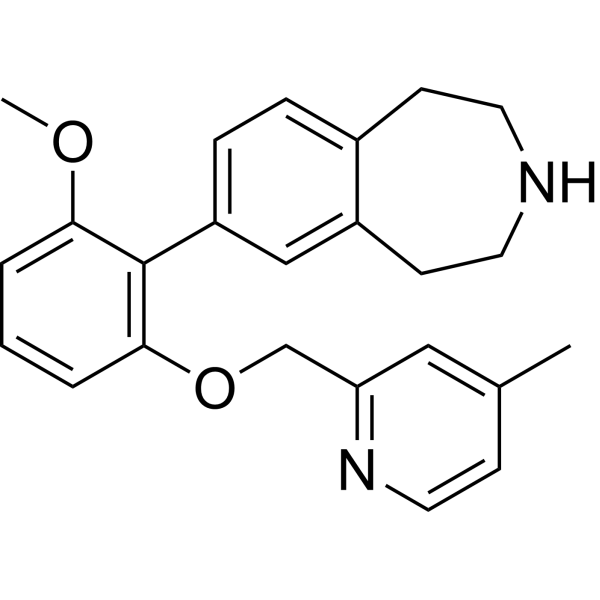
    Syk Src LRRK2 GSK-3 JAK VEGFR Aurora Kinase Inflammation/Immunology
    GSK2646264 (Compound 44) is a potent and selective spleen tyrosine kinase (SYK) inhibitor with a pIC50 of 7.1. GSK2646264 also inhibits other kinases with pIC50 values of 5.4, 5.4, 5.3, 5, 4.5, <4.6 and <4.3 against LCK, LRRK2, GSK3β, JAK2, VEGFR2, Aurora B and Aurora A, respectively. GSK2646264 is penetrable into the epidermis and dermis of the skin .
    GSK2646264
  • HY-150177

    Drug Intermediate Metabolic Disease
    Mannose 6 phosphate is an essential precursor for mannosyl glycoconjugates, including lipid-linked oligosaccharides (LLO; glucose3mannose9GlcNAc2-P-P-dolichol) used for protein N-glycosylation. Mannose 6 phosphate causes specific LLO cleavage. Mannose 6 phosphate causes specific degradation of G3M9Gn2-P-P-Dol. Complexes containing Mannose 6 phosphate can remodel the dermal collagen network, improve skin biomechanical properties, and reverse visible signs of aging. Mannose 6 phosphate can be used in research related to skin aging .
    Mannose 6 phosphate
  • HY-P4669

    BPR277

    Kallikrein Elastase Inflammation/Immunology
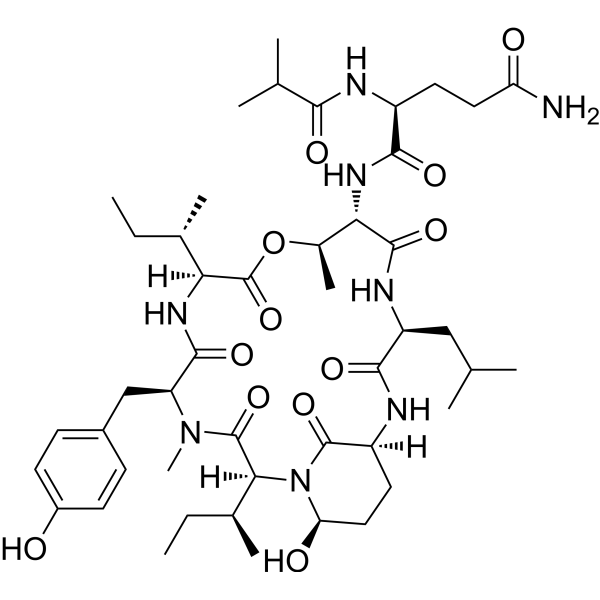
    LM-030 (BPR277), cyclic depsipeptide, is a potent kallikrein-related peptidase 7 (KLK7) and human neutrophil elastase inhibitor with IC50 values of 1 and 10 nM. LM-030 can be used for the study of Netherton syndrome .
    LM-030
  • HY-W643128

    Cholinesterase (ChE) Infection
    Carlina oxide is an AChE inhibitor and antioxidant that kills Culex pipiens larvae (LC50=1.39 μg/mL). Carlina oxide is cytotoxic to vertebrate cells, human dermis, HCT116 and MDA-MB231 cell lines .
    Carlina oxide
  • HY-113442A

    Endogenous Metabolite Inflammation/Immunology
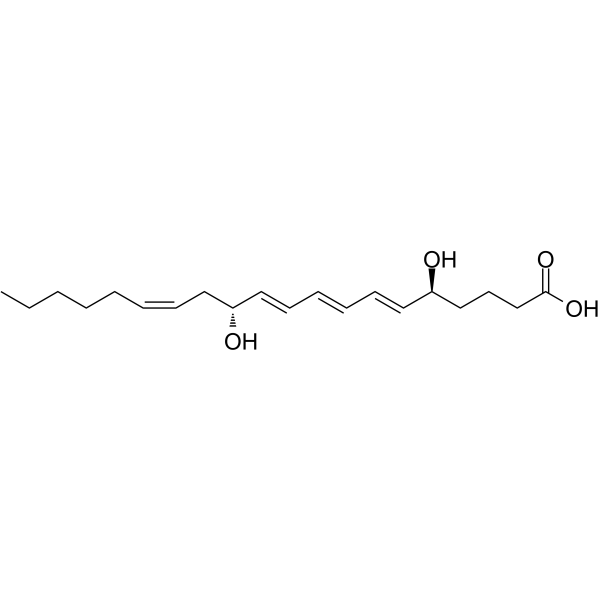
    6-trans-leukotriene B4 is a neutrophil chemotaxin in the guinea pig dermis .
    6-trans-Leukotriene B4
  • HY-W767399

    Isotope-Labeled Compounds DNA/RNA Synthesis Nucleoside Antimetabolite/Analog Cancer
    8-Bromo-2'-deoxyguanosine- 13C, 15N2 is the 13C- and 15N-labeled 8-Bromo-2'-deoxyguanosine (HY-W011168). 8-Bromo-2'-deoxyguanosine is an inflammation-related DNA halogenated adduct and an early biomarker of inflammation-induced oxidative tissue damage. The formation of 8-Bromo-2'-deoxyguanosine precedes that of oxidative and nitrative products, and it can be generated via the MPO-H2O2-Cl --Br - system. 8-Bromo-2'-deoxyguanosine serves as the immunogen for preparing the monoclonal antibody mAb8B3, which can be used to detect early DNA modifications in preclinical models; its urinary level also increases significantly in inflammatory disease models. 8-Bromo-2'-deoxyguanosine can also be produced in the dermis of UV-B irradiated mice, and the extract of Coprinus comatus significantly reduces its level. 8-Bromo-2'-deoxyguanosine finds applications in studies related to inflammatory diseases, diabetes, hepatocellular carcinoma, and UV-B induced skin inflammation .
    8-Bromo-2'-deoxyguanosine-13C,15N2
  • HY-108036AR

    (S)-Hydroxypropyl tetrahydropyrantriol (Standard)

    Reference Standards Biochemical Assay Reagents Metabolic Disease
    (S)-Pro-xylane (Standard) is the analytical standard of (S)-Pro-xylane (HY-108036A). This product is intended for research and analytical applications. (S)-Pro-xylane ((S)-Hydroxypropyl tetrahydropyrantriol) is a bioactive C-glycoside that targets the biosynthesis pathway of glycosaminoglycans/mucopolysaccharides (GAGs) in the sKin matrix and can be absorbed transdermally. (S)-Pro-xylane stimulates the biosynthesis of GAGs in fibroblasts, enhances the structural stability of the sKin extracellular matrix, improves sKin elasticity and moisturizing ability, and delays wrinkle formation. (S)-Pro-xylane can effectively promote the synthesis of collagen fibers and hyaluronic acid in the dermis. (S)-Pro-xylane is used in the field of anti-aging cosmetics to improve sKin hydration and elasticity. (S)-Pro-xylane is eco-friendly and biodegradable .
    (S)-Pro-xylane (Standard)

Inquiry Online

Your information is safe with us. * Required Fields.

Salutation


Country or Region *

Applicant Name *


Organization Name *

Department *


Email Address *


Product Name *

Cat. No.


Requested quantity *

Phone Number *


Remarks

Inquiry Online

Inquiry Information

Product Name:
Cat. No.:
Quantity:
MCE Japan Authorized Agent:

