
63 Results for "

electron transport chain

" in MedChemExpress (MCE) Product Catalog:
Products (63)

63 Results for "electron transport chain" in MCE Product Catalog:

206
206 Publications Verification
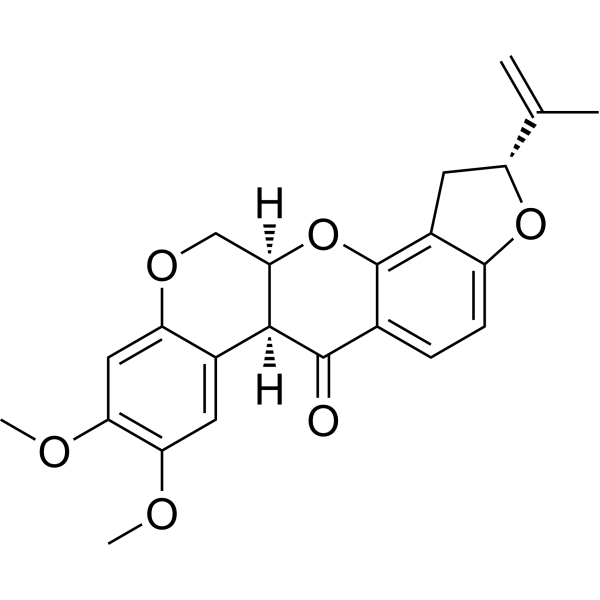
Cat. No.: HY-B1756
CAS No.: 83-79-4
Rotenone is a mitochondrial electron transport chain complex I inhibitor. Rotenone induces apoptosis through enhancing mitochondrial reactive oxygen species production.
loading...
    loading...
121
121 Cited Publications
Cat. No.: HY-N6782
CAS No.: 1404-19-9
Oligomycin, an antifungal antibiotic, is an inhibitor of H +-ATP-synthase. Oligomycin blocks oxidative phosphorylation and the electron transport chain. Oligomycin inhibits HIF-1alpha expression in hypoxic tumor cells .
loading...
    loading...
17
loading...
    loading...
3
3 Cited Publications
Cat. No.: HY-Y0488A
CAS No.: 540-69-2
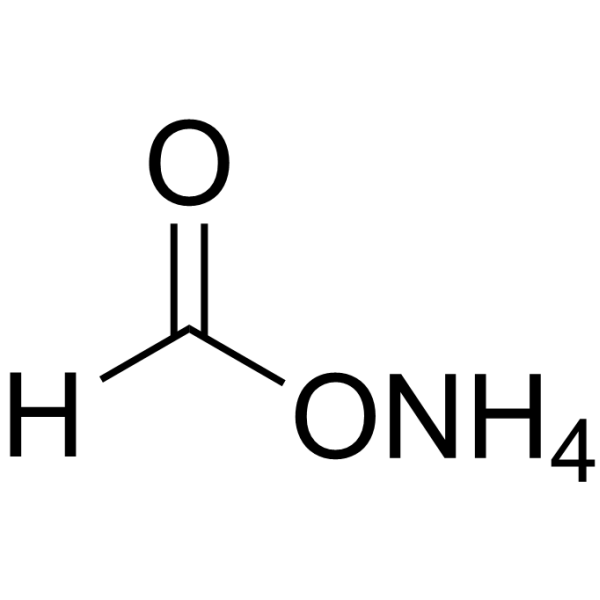
Synonyms: Ammonium formate
Formic acid ammonium is the ammonium salt form of formic acid, which is an endogenous metabolite. Formic acid ammonium activates the nitric oxide/cyclic guanosine monophosphate (NO/cGMP) signaling pathway in endothelial cells and inhibits calcium ion influx in vascular smooth muscle cells, resulting in vasomotor relaxation. Formic acid ammonium inhibits cytochrome C oxidase (CcO) and disrupts the electron transport chain, leading to ATP depletion. Formic acid ammonium can be used as a feed additive, which can lower the feed pH value, inhibit the growth of microorganisms (such as Escherichia coli, Salmonella), and extend the shelf life of the feed .
loading...
    loading...
3
3 Cited Publications
Cat. No.: HY-N12257
CAS No.: 27220-57-1
Antimycin A2 is a selective inhibitor of the cytochrome b-c1 complex in the mitochondrial electron transport chain. Antimycin A2 disrupts mitochondrial membrane potential and produces reactive oxygen species (ROS) by inhibiting electron transfer between cytochrome b and c. Antimycin A2 has bactericidal and piscicidal activity, as well as tumor cell growth inhibitory effects, and can induce S-phase cell cycle arrest and apoptosis in HeLa cells. Antimycin A2 is suitable for research of cervical cancer and fisheries management. Antimycin A2 can be naturally isolated from the fermentation products of Streptomyces sp. strains .
loading...
    loading...
3
3 Cited Publications
Cat. No.: HY-N0354
CAS No.: 84-65-1
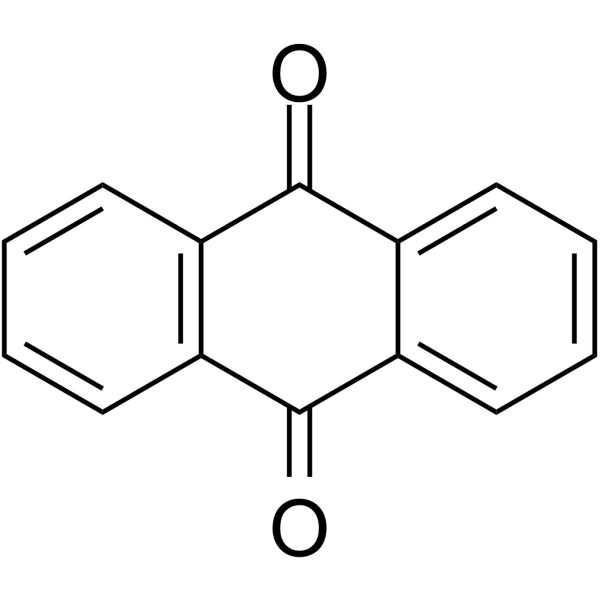
Anthraquinone is used as a precursor for dye formation and agrochemicals, existing in different organisms, such as bacteria, fungi, plants, and some animals. Anthraquinone has biological activities: anticancer, antiinflammatory, diuretic, antiarthritic, antifungal, antibacterial, antimalarial and antioxidant. Anthraquinone also plays an important role in the primary metabolism of plants by acting on the electron transport chain through the inhibition of energy transfer in the photosynthetic process. Anthraquinone can intercalates into DNA and inhibits the topoisomerase II (topo II) enzyme, resulting in cell death via Apoptosis .
loading...
    loading...
2
2 Cited Publications
Cat. No.: HY-130055
CAS No.: 341-88-8
Purity:  99.19%
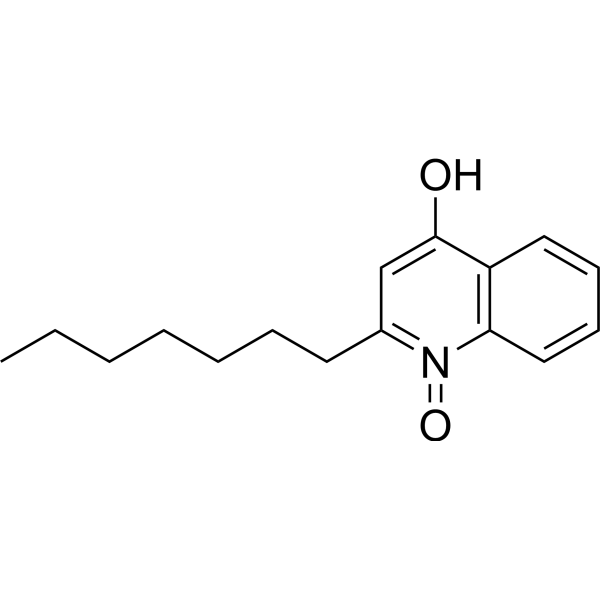
HQNO, secreted by P. aeruginosa, is a potent electron transport chain inhibitor with a Kd of 64 nM for complex III . HQNO is a potent inhibitor of mitochondrial NDH-2 in many species .
loading...
    loading...
2
2 Cited Publications
Cat. No.: HY-N2024A
CAS No.: 6363-53-7
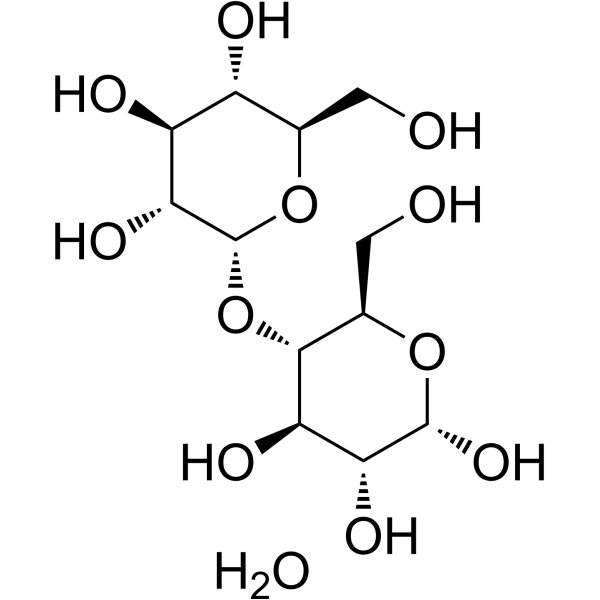
Maltose monohydrate is a disaccharide composed of two glucose molecules linked together. Maltose monohydrate is an endogenous metabolic product in plants, yeast, or bacteria, and it participates in carbon source storage and metabolism. Maltose monohydrate is a key core metabolite and main transport form in the temporary starch degradation, carbon output, and subsequent sucrose synthesis metabolism of the night chloroplast. In X. dendrorhous, maltose can act as a sugar donor and is converted into isomaltulose by α-glucosidase. Maltose monohydrate can act as a osmotic agent, supporting continuous capillary ultrafiltration and preventing severe metabolic disorders .
loading...
    loading...
2
2 Cited Publications
Cat. No.: HY-B1756R
CAS No.: 83-79-4
Rotenone (Standard) is the analytical standard of Rotenone. This product is intended for research and analytical applications. Rotenone is a mitochondrial electron transport chain complex I inhibitor. Rotenone induces apoptosis through enhancing mitochondrial reactive oxygen species production.
loading...
    loading...
1
1 Cited Publications
Cat. No.: HY-136406
CAS No.: 11076-19-0
Purity:  99.39%
Target:  

ATP Synthase

Research Areas:  

Infection Cancer

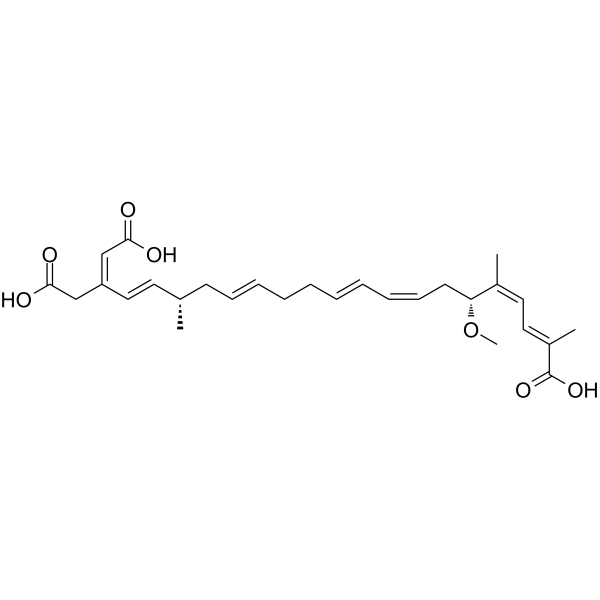
Bongkrekic acid is a mitochondrial toxin secreted by the bacteria Pseudomonas cocovenenans . Bongkrekic acid specific ligand for mitochondrial adenine nucleotide translocase (ANT) rather than the electron transport chain. Bongkrekic acid has to cross the mitochondrial inner membrane to produce its inhibitory effect on ADP/ATP transport .
loading...
    loading...
1
1 Cited Publications
Cat. No.: HY-101415
CAS No.: 303-97-9
Purity:  ≥98.0%
Synonyms: Ubiquinone Q9; CoQ9; Ubiquinone 9
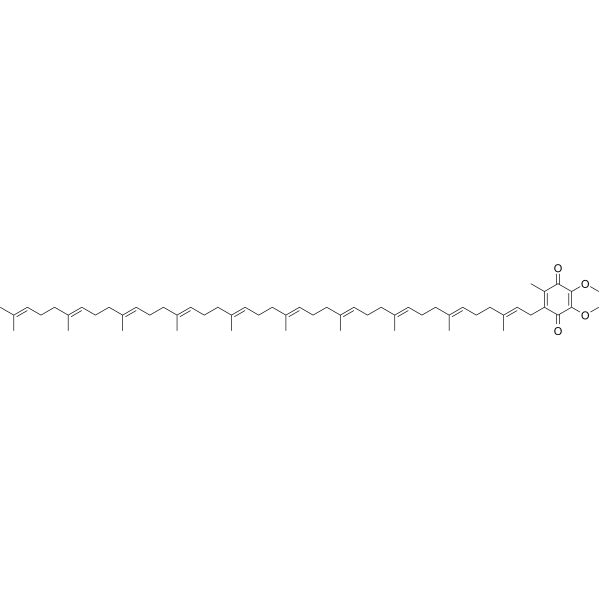
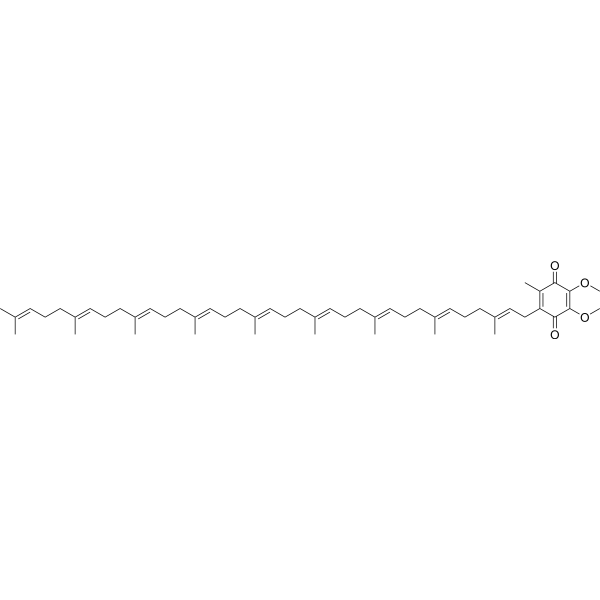
Coenzyme Q9 (Ubiquinone Q9), the major form of ubiquinone in rodents, is an amphipathic molecular component of the electron transport chain that functions as an endogenous antioxidant. Coenzyme Q9 attenuates the diabetes-induced decreases in antioxidant defense mechanisms. Coenzyme Q9 improves left ventricular performance and reduces myocardial infarct size and cardiomyocyte apoptosis .
loading...
    loading...
1
1 Cited Publications
Cat. No.: HY-113232
CAS No.: 33008-07-0
Purity:  99.90%
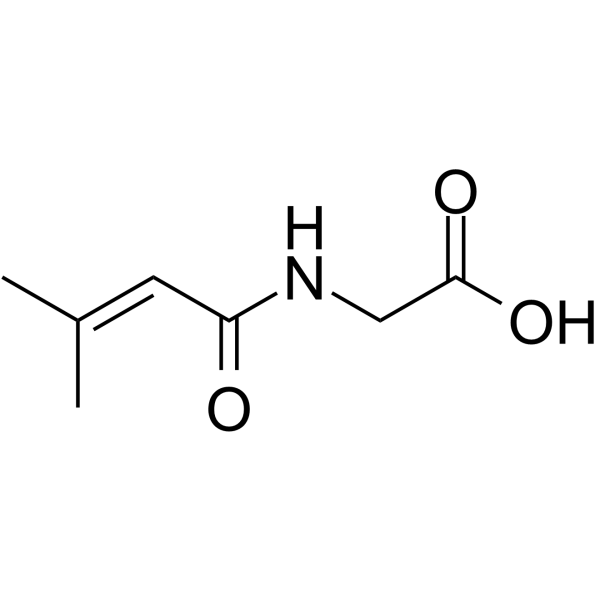
3-Methylcrotonylglycine is an organic acid conjugate associated with leucine catabolism that inhibits respiratory chain complex II-III, mitochondrial creatine kinase, and synaptic membrane Na +, K +-ATPase. 3-Methylcrotonylglycine increases reactive oxygen species levels to mediate oxidative damage, while inhibiting mitochondrial electron transport, reducing tricarboxylic acid cycle flux, and interfering with intracellular energy transport and neuronal ion homeostasis. 3-Methylcrotonylglycine is a neurotoxic metabolite that accumulates in the metabolic pathway of 3-methylcrotonyl-CoA carboxylase deficiency. 3-Methylcrotonylglycine can be used in studies related to 3-methylcrotonyl-CoA carboxylase deficiency .
loading...
    loading...
1
1 Cited Publications
Cat. No.: HY-136406S
Purity:  ≥98.0%
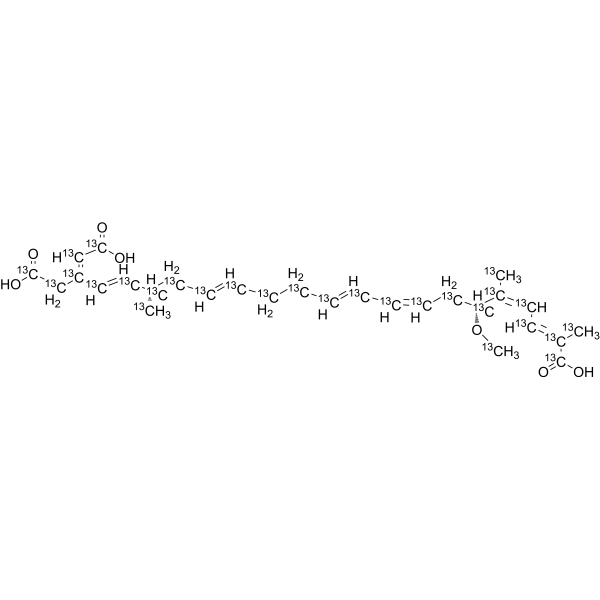
Bongkrekic acid- 13C28 is the 13C labeled Bongkrekic acid (HY-136406). Bongkrekic acid is a mitochondrial toxin secreted by the bacteria Pseudomonas cocovenenans. Bongkrekic acid specific ligand for mitochondrial adenine nucleotide translocase (ANT) rather than the electron transport chain. Bongkrekic acid has to cross the mitochondrial inner membrane to produce its inhibitory effect on ADP/ATP transport .
loading...
    loading...
Cat. No.: HY-112177
CAS No.: 76706-55-3
Purity:  ≥99.0%
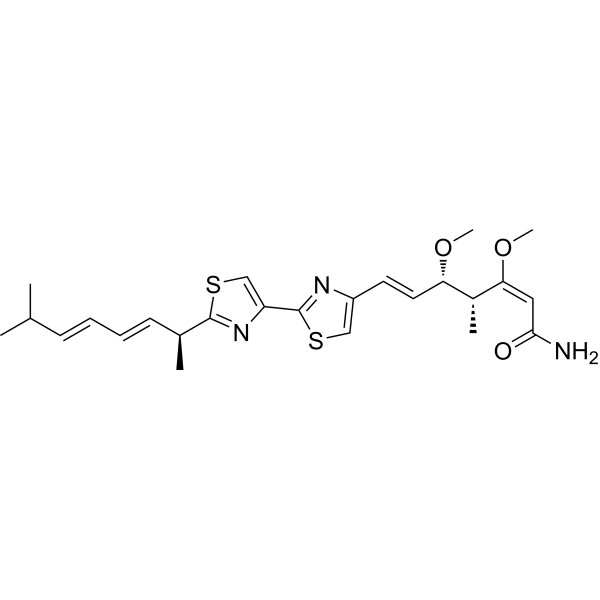
Myxothiazol, an antifungal antibiotic, is a mitochondrial electron transport chain complex III (bc1 complex) inhibitor. Myxothiazol inhibits the growth of many yeasts and fungi at concentrations between 0.01 and 3 μg/ml .
loading...
    loading...
Cat. No.: HY-113355
CAS No.: 58-68-4
NADH is an orally active dehydrogenase coenzyme that acts as a crucial electron carrier in cellular respiration and participates in ATP production. NADH promotes metabolism, supports brain function, and counteracts oxidative stress by transferring electrons to the electron transport chain. As a signaling molecule, NADH regulates multiple biological processes, including anti-apoptosis, synaptic plasticity, gene expression, and calcium homeostasis. Redox imbalance of NADH/NAD⁺ is one of the key pathological mechanisms of various diseases, such as diabetic nephropathy, neurodegenerative diseases, and ischemia-reperfusion injury.
loading...
    loading...
Cat. No.: HY-126222A
CAS No.: 1634624-74-0
Research Areas:  

Cancer

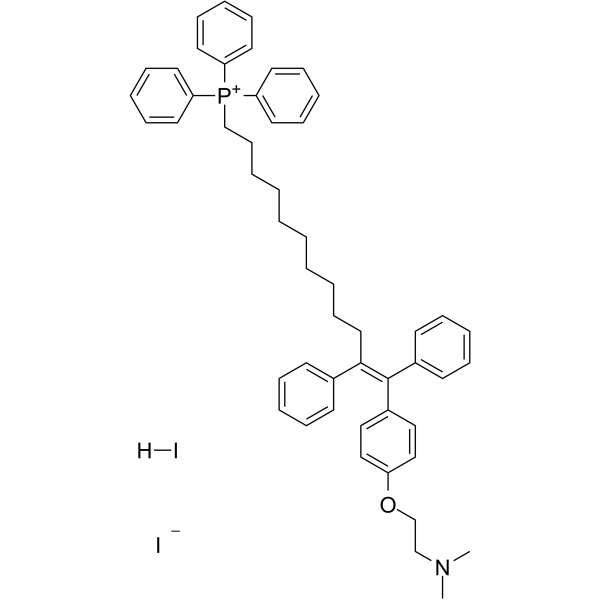
MitoTam iodide, hydriodide is a Tamoxifen derivative , an electron transport chain (ETC) inhibitor, spreduces mitochondrial membrane potential in senescent cells and affects mitochondrial morphology . MitoTam iodide, hydriodide is an effective anticancer agent, suppresses respiratory complexes (CI-respiration) and disrupts respiratory supercomplexes (SCs) formation in breast cancer cells . MitoTam iodide, hydriodide causes apoptosis .
loading...
    loading...
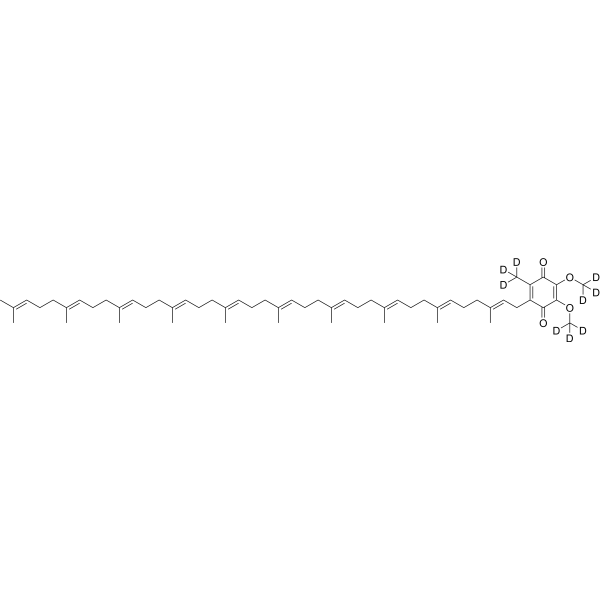
Cat. No.: HY-N0111S2
CAS No.: 2687960-97-8
Synonyms: CoQ10-d9; Ubiquinone-10-d9
Coenzyme Q10-d9 is the deuterium labeled Coenzyme Q10. Coenzyme Q10 is an essential cofactor of the electron transport chain and a potent antioxidant agent.
loading...
    loading...
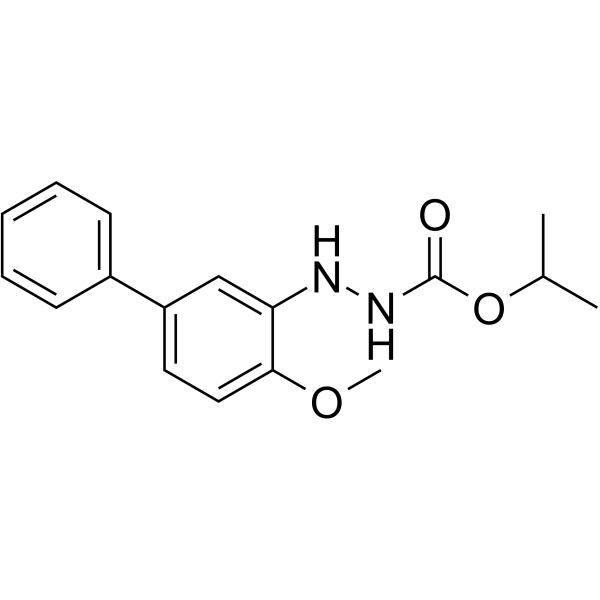
Cat. No.: HY-119687
CAS No.: 149877-41-8
Purity:  99.89%
Bifenazate is a carbazate acaricide that control 100% of mites at a concentration of 25 ppm . Bifenazate is a positive allosteric modulator of GABA receptor . Bifenazate is the inhibitor for the mitochondrial electron transport chain complex III .
loading...
    loading...
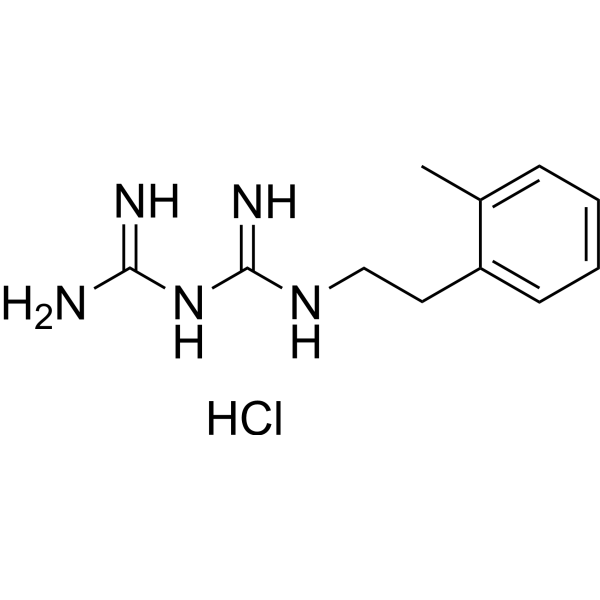
Cat. No.: HY-125283
CAS No.: 1643659-96-4
Purity:  99.38%
Synonyms: 2-Me-Phen hydrochloride; 2-Me-Phenformin hydrochloride
IM176OUT05 (2-Me-Phen hydrochloride), a biguanide, is a mitochondrial OXPHOS inhibitor. IM176OUT0 inhibits mitochondrial electron transport chain (ETC) activity with an IC50 of 3.2 μM. IM176OUT05 activates stem cell metabolism, promotes hair regrowth and increases stemness induction and maintenance during the pluripotent stem cell generation process .
loading...
    loading...
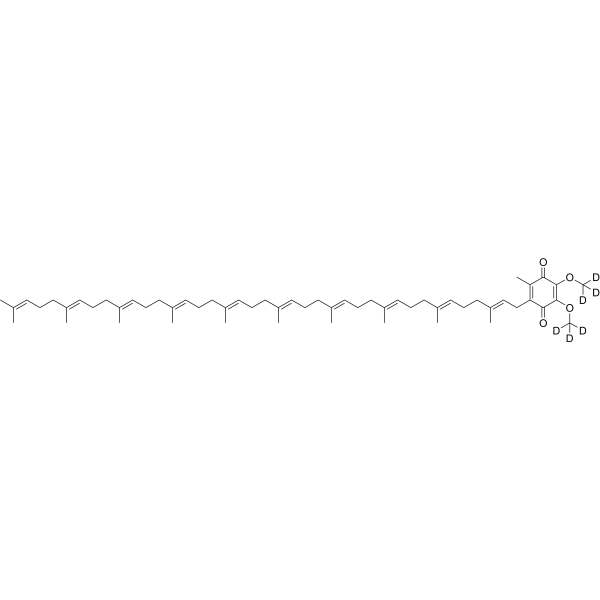
Cat. No.: HY-N0111S
CAS No.: 110971-02-3
Synonyms: CoQ10-d6; Ubiquinone-10-d6
Coenzyme Q10-d6 is deuterium labeled Coenzyme Q10. Coenzyme Q10 is an essential cofactor of the electron transport chain and a potent antioxidant agent.
loading...
    loading...

