

26 Results for "

extracellular matrix deposition

" in MedChemExpress (MCE) Product Catalog:
Products (26)

26 Results for "extracellular matrix deposition" in MCE Product Catalog:

  • Categories Recommended:
    More
496
496 Publications Verification
Cat. No.: HY-10358
CAS No.: 1032350-13-2
Purity:  99.94%
Synonyms: MK-2206 (2HCl)
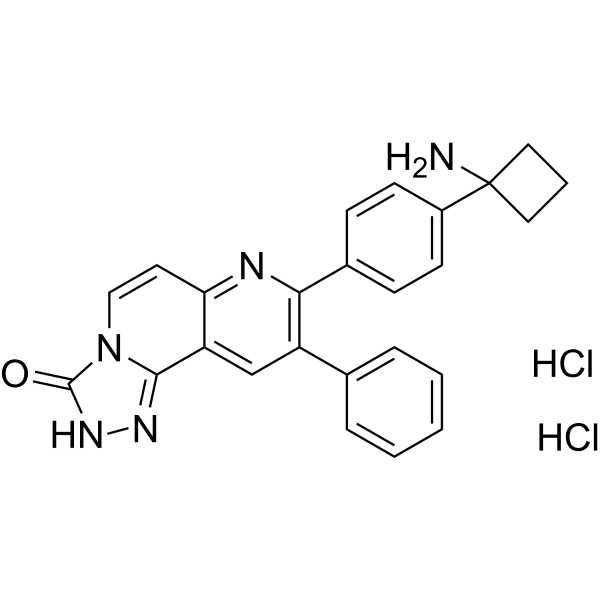
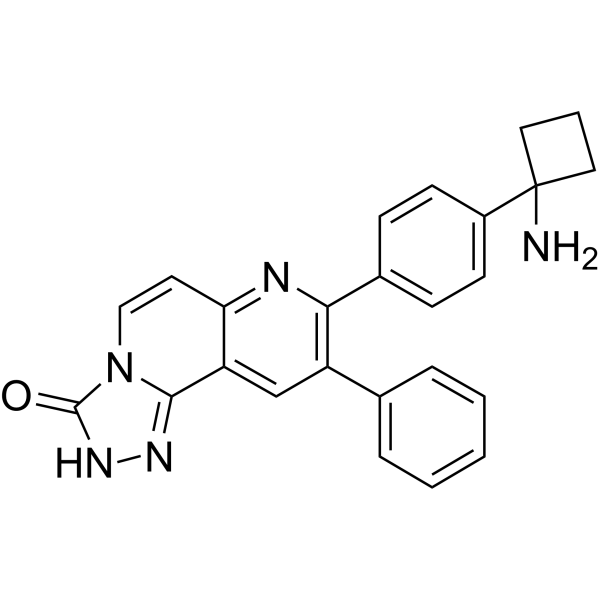
MK-2206 dihydrochloride (MK-2206 2HCl) is an orally active pan-AKT inhibitor, with IC50 values of 8 nM, 12 nM and 65 nM against AKT1, AKT2 and AKT3, respectively. MK-2206 dihydrochloride inhibits the Akt/mTOR signaling pathway and reduces the levels of downstream GSK3β and Mcl-1 via proteasomal degradation. MK-2206 dihydrochloride induces G1-phase cell cycle arrest, apoptosis, epithelial-mesenchymal transition, fibroblast activation and extracellular matrix deposition. MK-2206 dihydrochloride causes transient hyperglycemia and hyperinsulinemia in animals. MK-2206 dihydrochloride can be used in research related to solid tumors, renal fibrosis and hypercholesterolemia .
loading...
    loading...
496
496 Publications Verification
Cat. No.: HY-108232
CAS No.: 1032349-77-1
Purity:  99.72%
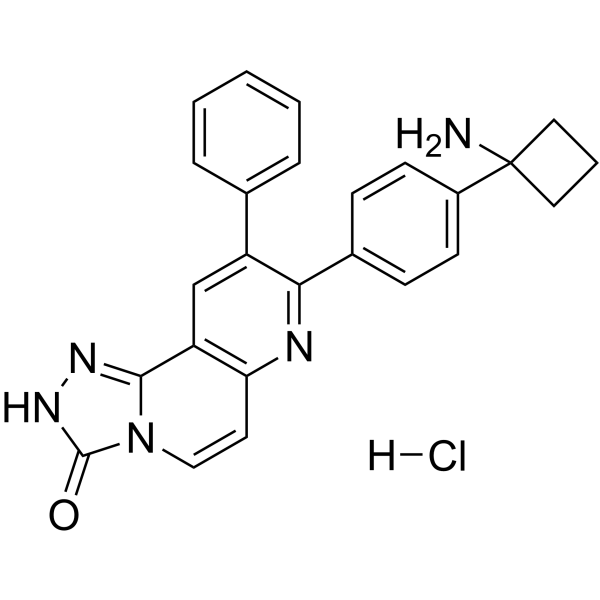
MK-2206 is an orally active pan-AKT inhibitor, with IC50 values of 8 nM, 12 nM and 65 nM against AKT1, AKT2 and AKT3, respectively. MK-2206 inhibits the Akt/mTOR signaling pathway and reduces the levels of downstream GSK3β and Mcl-1 via proteasomal degradation. MK-2206 induces G1-phase cell cycle arrest, apoptosis, epithelial-mesenchymal transition, fibroblast activation and extracellular matrix deposition. MK-2206 causes transient hyperglycemia and hyperinsulinemia in animals. MK-2206 can be used in research related to solid tumors, renal fibrosis and hypercholesterolemia .
loading...
    loading...
12
12 Cited Publications
Cat. No.: HY-15651
CAS No.: 848141-11-7
Purity:  99.87%
Synonyms: AZD9668
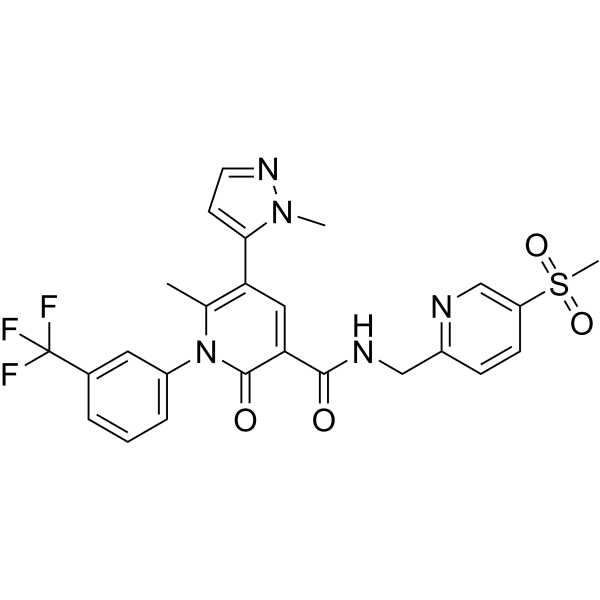
Alvelestat (AZD9668) is an orally active, selective inhibitor of neutrophil elastase. Alvelestat reduces elastase activity, myeloperoxidase release, neutrophil recruitment and activation, and calcium phosphate precipitation; promotes smooth muscle cell colonization and collagen deposition; and inhibits the formation of neutrophil extracellular traps (NETs) as well as NET-derived neutrophil elastase activity. Alvelestat restores endothelial dysfunction, regulates antioxidant factors, improves the expression of endothelial tight junctions, reduces vascular leakage, and accelerates wound healing. Alvelestat prevents pulmonary hemorrhage, matrix protein degradation, airspace enlargement, and small airway wall remodeling; and alleviates cigarette-induced inflammatory responses. Alvelestat inhibits the growth of abdominal aortic aneurysms exacerbated by Porphyromonas gingivalis. Alvelestat can be used in research related to chronic obstructive pulmonary disease, abdominal aortic aneurysm, radiation-induced skin injury, and bronchiectasis .
loading...
    loading...
2
2 Cited Publications
Cat. No.: HY-N0671
CAS No.: 155-58-8
Synonyms: Rhaponiticin
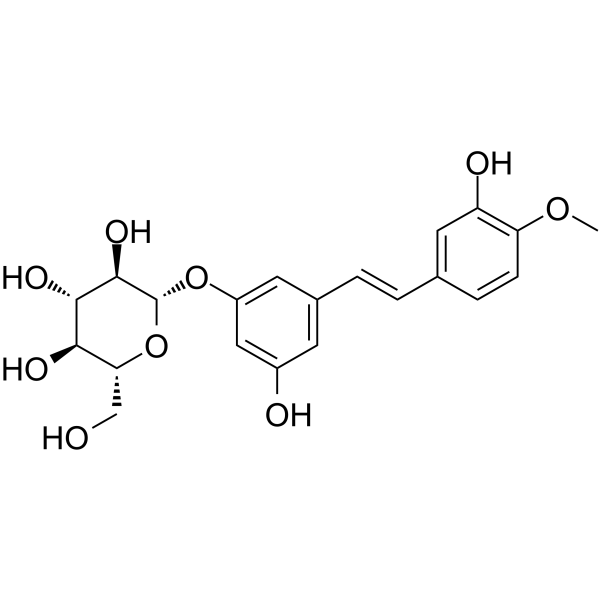
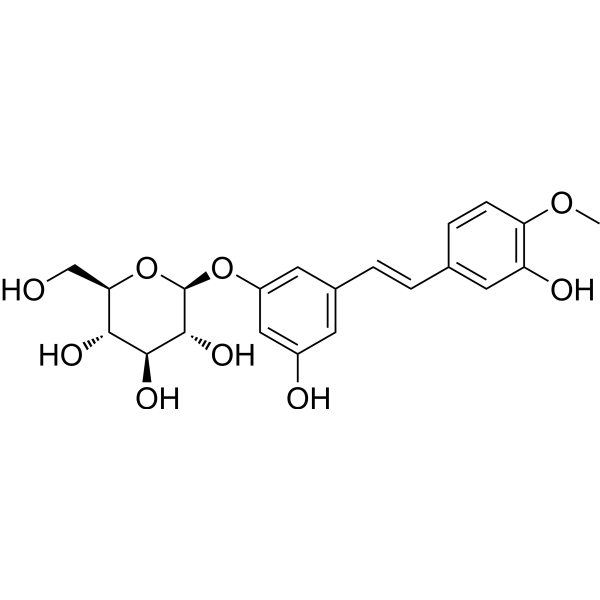
Rhapontin (Rhaponiticin) is an orally aactive SIRT1 agonist and AMPK activator with anti-inflammatory and anti-fibrotic activities. Rhapontin inhibits NLRP3 inflammasome activation by activating SIRT1 and inhibits TGF-β/Smad signaling via the AMPK pathway. Rhapontin reduces intestinal and lung inflammation, inhibits fibroblast differentiation and extracellular matrix deposition, and enhances tight junction protein expression to repair epithelial barriers. Rhapontin can be used in the study of inflammatory bowel diseases (such as ulcerative colitis) and pulmonary fibrosis .
loading...
    loading...
2
2 Cited Publications
Cat. No.: HY-N6985
CAS No.: 27548-93-2
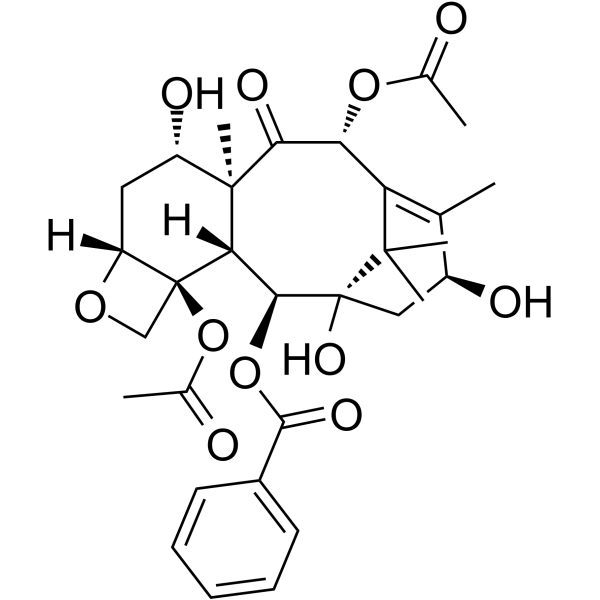
Baccatin III is an orally available, selective inhibitor of the TGF-β1 signaling pathway and myeloid-derived suppressor cell (MDSC) activation. Baccatin III targets the AKT/STAT6 and Smad2/3 pathways, blocking TGF-β1-induced fibroblast differentiation and MDSC-mediated immunosuppression. Baccatin III exerts anti-inflammatory and anti-fibrotic effects by inhibiting macrophage activation and extracellular matrix deposition, and shows potential in the treatment of pulmonary fibrosis and cancer in terms of regulating the tumor immune microenvironment .
loading...
    loading...
1
1 Cited Publications
Cat. No.: HY-N6983
CAS No.: 118441-84-2
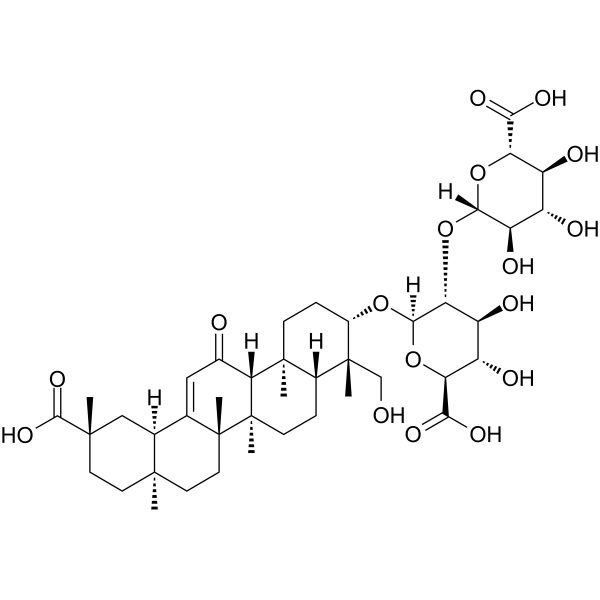
Licoricesaponin G2 is an orally active component found in Licorice. Licoricesaponin G2 significantly ameliorates Bleomycin (HY-108345)-induced pulmonary fibrosis by inhibiting the TNF-α signaling pathway, reducing epithelial-mesenchymal transition, and decreasing extracellular matrix deposition. Licoricesaponin G2 inhibits cancer cells proliferation, migration, inhibits PI3K/AKT/mTOR signaling pathway and increases ROS production. Licoricesaponin G2 can be used for the research of lung cancer and pulmonary fibrosis .
loading...
    loading...
Cat. No.: HY-W127575
CAS No.: 747-90-0
Synonyms: delta-3,5-Cholestadiene
Target:  

PI3K Akt

Research Areas:  

Inflammation/Immunology

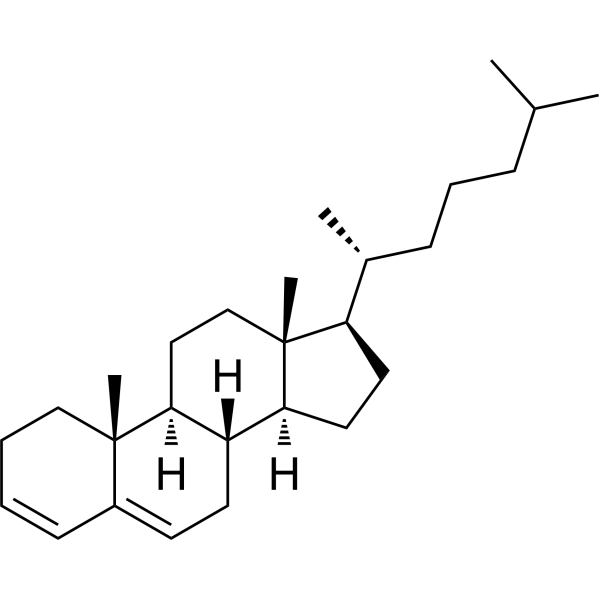
Cholesta-3,5-diene is an inflammatory modulator that targets immune cells such as neutrophils and accelerates wound healing by promoting neutrophil chemotaxis and fibroblast migration. Cholesta-3,5-diene enhances immune cell recruitment and extracellular matrix deposition by activating chemokine receptor-mediated signaling pathways such as PI3K/Akt. Cholesta-3,5-diene can be applied topically to wound repair and has potential therapeutic value in chronic ulcers or skin lesions .
loading...
    loading...
Cat. No.: HY-P5284
CAS No.: 1613231-49-4
Target:  

Inhibitory Antibodies

Research Areas:  

Others

RALA peptide is a cationic amphiphilic delivery agent targeting cell membranes, which forms nanoparticles through electrostatic interactions with anionic drugs. RALA peptide has pH-responsive binding properties, which can enhance the α-helical conformation in an acidic environment and destroy the endosomal membrane, promote the release of drugs into the cytoplasm, and exert efficient intracellular delivery activity. RALA peptide can be used in cancer research (enhancing the activity of bisphosphonates against prostate cancer and breast cancer cells) and bone tissue engineering (promoting osteoblast collagen deposition and extracellular matrix mineralization) .
loading...
    loading...
Cat. No.: HY-P99047
CAS No.: 1318075-13-6
Synonyms: AB 0024; GS 6624
Simtuzumab (AB 0024; GS 6624) is a monoclonal antibody directed against Lysyl oxidase like-2 (LOXL2). Simtuzumab non-competitively blocks collagen cross-linking, reduces LOXL2 protein expression and attenuates extracellular matrix changes. Simtuzumab reduces myocardial fibrosis and prevents cardiac dysfunction. Simtuzumab lowers Myh7 and Nppa gene expression, reduces contraction heterogeneity, and cuts COL1A1 deposition. Simtuzumab can be used for the research of LMNA mutation-induced dilated cardiomyopathy, idiopathic pulmonary fibrosis, and primary sclerosing cholangitis .
loading...
    loading...
Cat. No.: HY-P5243
CAS No.: 767286-83-9
Synonyms: AHK-Cu
Research Areas:  

Others

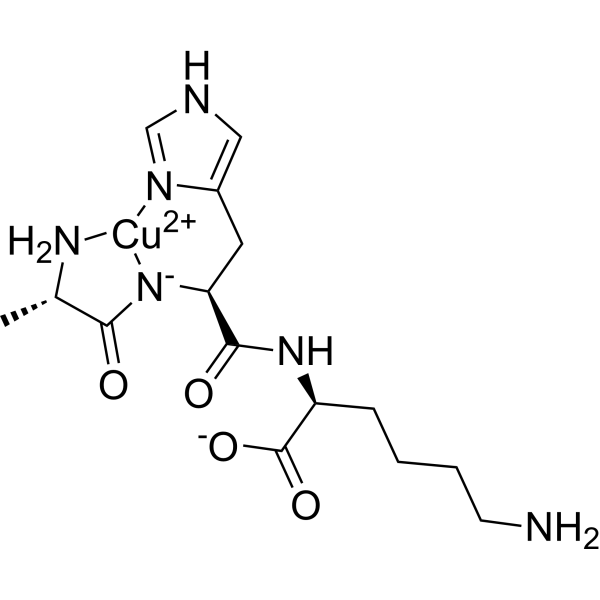
Copper tripeptide-3 (AHK-Cu) is a bioactive peptide with promotion of hair growth effect. Copper tripeptide-3 increases dermal cell proliferation and viability while increasing the deposition of collagen to renew the extracellular matrix. Copper tripeptide-3 stimulates the elongation of human hair follicles and proliferation of dermal papilla cells .
loading...
    loading...
Cat. No.: HY-171955
CAS No.: 315705-04-5
LXG6403 is an orally active and irreversible LOX inhibitor (IC50 = 1.3 μM). LXG6403 is ~3.5-fold more specific for LOX than LOXL2 and does not inhibit LOXL1. LXG6403 inhibits FAK signaling and induces ROS generation and DNA damage, leading to G1 arrest and apoptosis in chemoresistant triple-negative breast cancer (TNBC) cell lines. LXG6403 alters the extracellular matrix (ECM) and collagen structure, reducing collagen cross-linking and deposition, thereby increasing drug penetration and reducing tumor stiffness. LXG6403 overcomes Doxorubicin (HY-15142) resistance in chemoresistant TNBC PDX in vivo and can be used to study high-stiffness resistant tumors .
loading...
    loading...
Cat. No.: HY-N0671R
CAS No.: 155-58-8
Synonyms: Rhaponiticin (Standard)
Rhapontin (Standard) is the analytical standard of Rhapontin (HY-N0671). This product is intended for research and analytical applications. Rhapontin (Rhaponiticin) is an orally aactive SIRT1 agonist and AMPK activator with anti-inflammatory and anti-fibrotic activities. Rhapontin inhibits NLRP3 inflammasome activation by activating SIRT1 and inhibits TGF-β/Smad signaling via the AMPK pathway. Rhapontin reduces intestinal and lung inflammation, inhibits fibroblast differentiation and extracellular matrix deposition, and enhances tight junction protein expression to repair epithelial barriers. Rhapontin can be used in the study of inflammatory bowel diseases (such as ulcerative colitis) and pulmonary fibrosis .
loading...
    loading...
Cat. No.: HY-10357
CAS No.: 1032349-93-1
MK-2206 free base is an orally active pan-AKT inhibitor, with IC50 values of 8 nM, 12 nM and 65 nM against AKT1, AKT2 and AKT3, respectively. MK-2206 free base inhibits the Akt/mTOR signaling pathway and reduces the levels of downstream GSK3β and Mcl-1 via proteasomal degradation. MK-2206 free base induces G1-phase cell cycle arrest, apoptosis, epithelial-mesenchymal transition, fibroblast activation and extracellular matrix deposition. MK-2206 free base causes transient hyperglycemia and hyperinsulinemia in animals. MK-2206 free base can be used in research related to solid tumors, renal fibrosis and hypercholesterolemia .
loading...
    loading...
Cat. No.: HY-15651A
CAS No.: 1240425-05-1
Synonyms: AZD9668 tosylate
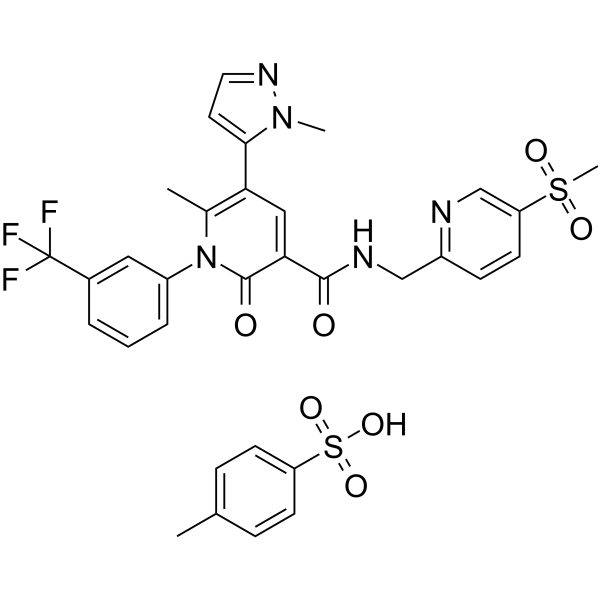
Alvelestat tosylate (AZD9668 tosylate) is an orally active, selective inhibitor of neutrophil elastase. Alvelestat tosylate reduces elastase activity, myeloperoxidase release, neutrophil recruitment and activation, and calcium phosphate precipitation; promotes smooth muscle cell colonization and collagen deposition; and inhibits the formation of neutrophil extracellular traps (NETs) as well as NET-derived neutrophil elastase activity. Alvelestat tosylate restores endothelial dysfunction, regulates antioxidant factors, improves the expression of endothelial tight junctions, reduces vascular leakage, and accelerates wound healing. Alvelestat tosylate prevents pulmonary hemorrhage, matrix protein degradation, airspace enlargement, and small airway wall remodeling; and alleviates cigarette-induced inflammatory responses. Alvelestat tosylate inhibits the growth of abdominal aortic aneurysms exacerbated by Porphyromonas gingivalis. Alvelestat tosylate can be used in research related to chronic obstructive pulmonary disease, abdominal aortic aneurysm, radiation-induced skin injury, and bronchiectasis .
loading...
    loading...
Cat. No.: HY-15651R
CAS No.: 848141-11-7
Synonyms: AZD9668 (Standard)
Alvelestat (Standard) (AZD9668 (Standard)) is the analytical standard of Alvelestat (HY-15651). This product is intended for research and analytical applications. Alvelestat (AZD9668) is an orally active, selective inhibitor of neutrophil elastase. Alvelestat reduces elastase activity, myeloperoxidase release, neutrophil recruitment and activation, and calcium phosphate precipitation; promotes smooth muscle cell colonization and collagen deposition; and inhibits the formation of neutrophil extracellular traps (NETs) as well as NET-derived neutrophil elastase activity. Alvelestat restores endothelial dysfunction, regulates antioxidant factors, improves the expression of endothelial tight junctions, reduces vascular leakage, and accelerates wound healing. Alvelestat prevents pulmonary hemorrhage, matrix protein degradation, airspace enlargement, and small airway wall remodeling; and alleviates cigarette-induced inflammatory responses. Alvelestat inhibits the growth of abdominal aortic aneurysms exacerbated by Porphyromonas gingivalis. Alvelestat can be used in research related to chronic obstructive pulmonary disease, abdominal aortic aneurysm, radiation-induced skin injury, and bronchiectasis .
loading...
    loading...
Cat. No.: HY-163507
CAS No.: 2725056-38-0
Research Areas:  

Cancer

ALK5-IN-79 (compound 57) is an ALK inhibitor with anticancer activity, by blocking TGF-β1/SMAD signaling pathway. ALK5-IN-79 attenuates the production of extracellular matrix (ECM) and deposition of collagen. ALK5-IN-79 exhibits adequate pharmacokinetic (PK) properties and good in vivo tolerance.
loading...
    loading...
Cat. No.: HY-162147
CAS No.: 2097787-75-0
Nur77 modulator 3 is a Nur77 modulator. Nur77 modulator 3 induces Nur77 expression, inhibits hepatic stellate cells (HSCs) activation, and reduces extracellular matrix (ECM) deposition. Nur77 modulator 3 enhances Nur77-denpendent autophagic flux and significantly inhibits the mTORC1 signaling pathway. Nur77 modulator 3 ameliorates HSCs activation, inflammation and hepatic fibrosis in vivo .
loading...
    loading...
Cat. No.: HY-15651S
Synonyms: AZD9668-13C,d3
Alvelestat- 13C,d3 (AZD9668- 13C,d3) is the deuterated, 13C-labeled Alvelestat (HY-15651). Alvelestat (AZD9668) is an orally active, selective inhibitor of neutrophil elastase. Alvelestat reduces elastase activity, myeloperoxidase release, neutrophil recruitment and activation, and calcium phosphate precipitation; promotes smooth muscle cell colonization and collagen deposition; and inhibits the formation of neutrophil extracellular traps (NETs) as well as NET-derived neutrophil elastase activity. Alvelestat restores endothelial dysfunction, regulates antioxidant factors, improves the expression of endothelial tight junctions, reduces vascular leakage, and accelerates wound healing. Alvelestat prevents pulmonary hemorrhage, matrix protein degradation, airspace enlargement, and small airway wall remodeling; and alleviates cigarette-induced inflammatory responses. Alvelestat inhibits the growth of abdominal aortic aneurysms exacerbated by Porphyromonas gingivalis. Alvelestat can be used in research related to chronic obstructive pulmonary disease, abdominal aortic aneurysm, radiation-induced skin injury, and bronchiectasis .
loading...
    loading...
Cat. No.: HY-L185
2,568 compounds

Fibrosis is a kind of repair response to long-term tissue damage, which is mainly manifested by excessive deposition of extracellular matrix (ECM) and scar formation. Myofibroblasts are the main generating cells of extracellular matrix, and their activation process is related to various pathological mechanisms including Oxidative stress, chronic inflammation and cytokine secretion. Fibrosis can occur in many organs, such as kidneys, liver, heart, lungs, etc. Continuous fibrosis can lead to the destruction of the normal structure of tissues and organs, and if not controlled in time, may cause organ failure or even life-threatening.

MCE contains 2,568 compounds targeting ant-fibrosis targets such as TGF-β, PI3K, Wnt, MMP, etc. These compounds have clear or potential anti-fibrosis activity and can be used for mechanism research and drug screening of fibrosis diseases.

Cat. No.: HY-189653
Target:  

YAP

Research Areas:  

Metabolic Disease

TEAD-IN-27 is a TEAD1-4 inhibitor that inhibits TEAD-dependent transcriptional activity. TEAD-IN-27 directly binds to and stabilizes TEAD1 and TEAD4, and binds purified TEAD protein in thermal shift assays. TEAD-IN-27 inhibits hepatic stellate cell activation and fibrotic gene expression, and alleviates chemically induced liver fibrosis and extracellular matrix deposition. TEAD-IN-27 can be used for research on liver fibrosis .
loading...
    loading...

