
Search Result
Results for "
fixation
" in MedChemExpress (MCE) Product Catalog:
4
Biochemical Assay Reagents
| Cat. No. |
Product Name |
Target |
Research Areas |
Chemical Structure |
-
- HY-D1783
-
|
MTDR FM
|
Fluorescent Dye
|
Others
|
MitoTracker Deep Red (MTDR) FM fluorescent dye that selectively accumulates in the mitochondrial matrix. MitoTracker Deep Red FM covalently binds mitochondrial proteins by reacting with free mercaptan of cysteine residues, allowing staining of mitochondrial membrane potential independent of membrane potential. Excitation/emission wavelength 644/665 nm . MitoTracker Deep Red dyes have an excitation/emission wavelength of 633/650-750 nm . The Ex/Em of MitoTracker Deep Red (MTDR) FM is 644/665 nm.
|
-
-
- HY-128692
-
|
|
Fluorescent Dye
|
Neurological Disease
|
|
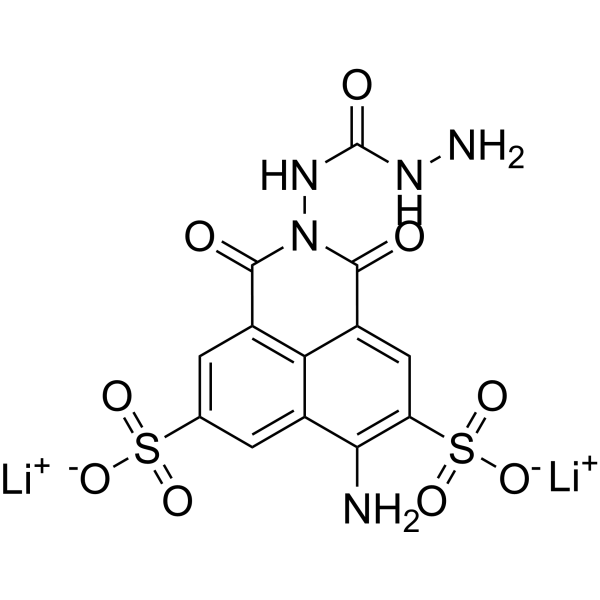
Luc Yellow CH dilithium is a high-intensity fluorescent probe containing free hydrazyl groups. Luc Yellow CH can react with fatty aldehydes at room temperature. Luc Yellow CH serves as a biological tracer to monitor neuronal branching, regeneration, gap junction detection and characterization, and selective ablation of cells after aldehyde fixation. Luc Yellow CH displays the maximum excitation/emission of 430 nm/540 nm, respectively .
|
-
-
- HY-W127715
-
|
|
Fluorescent Dye
|
Others
|
|
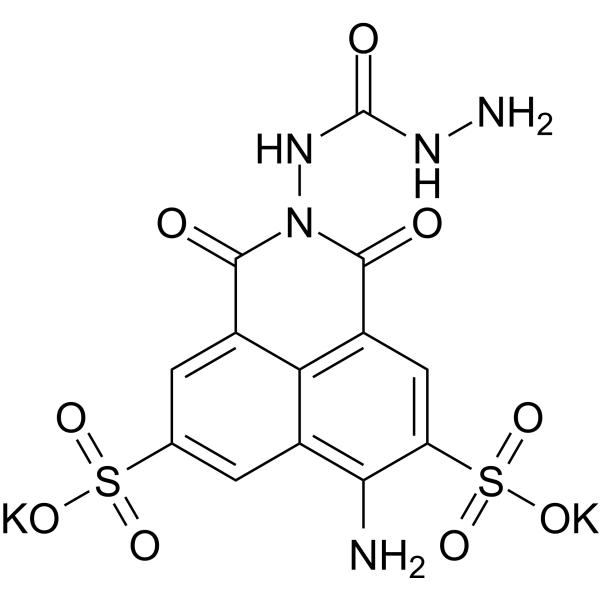
Lucifer Yellow CH dipotassium is a high-intensity fluorescent probe containing free hydrazyl groups. Lucifer Yellow CH can react with fatty aldehydes at room temperature. Lucifer Yellow CH serves as a biological tracer to monitor neuronal branching, regeneration, gap junction detection and characterization, and selective ablation of cells after aldehyde fixation. Lucifer yellow CH displays the maximum excitation/emission of 430 nm/540 nm, respectively .
|
-
-
- HY-D1297
-
|
|
Fluorescent Dye
|
Others
|
|
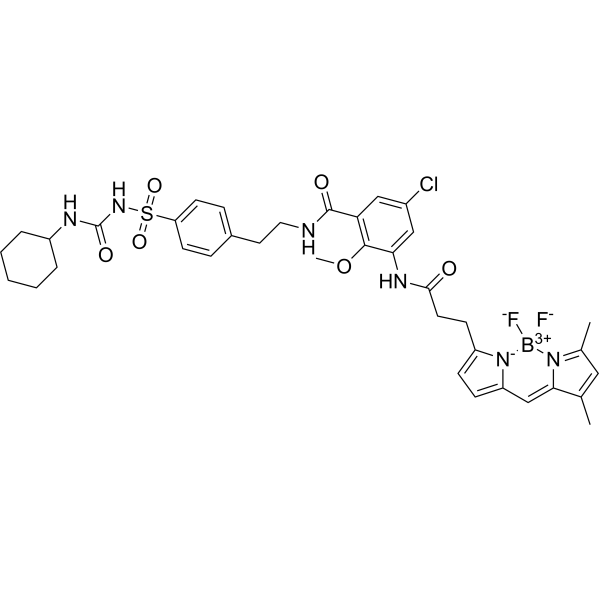
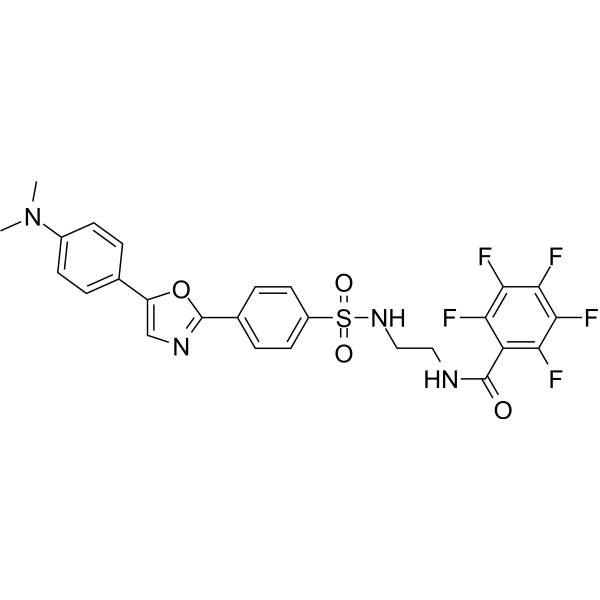
ER-Tracker dye is a derivative of BODIPY series dyes coupled with Glibenclamide (HY-15206), highly selective binding to the endoplasmic reticulum, non-toxic to cells at low concentrations, this type of dye is an environmentally sensitive probe, and formaldehyde treatment can still retain part of the fluorescence, with high fluorescence life, good extinction coefficient and other characteristics. Glibenclamide is an atp-dependent K + channel blocker (Kir6, KATP) and CFTR Cl-channel blocker that binds in the endoplasmic reticulum. ER-Tracker is not suitable for staining cells after fixation .
|
-
-
- HY-D1431
-
|
|
Fluorescent Dye
|
Cancer
|
|
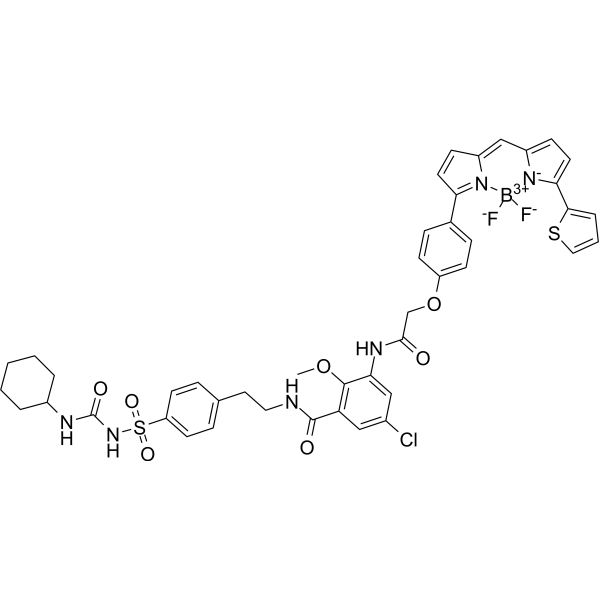
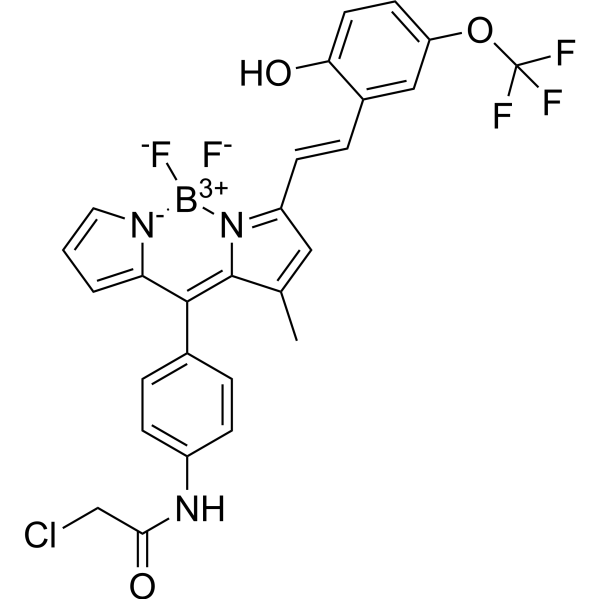
ER-Tracker dye is a derivative of BODIPY series dyes coupled with Glibenclamide (HY-15206), highly selective binding to the endoplasmic reticulum, non-toxic to cells at low concentrations, this type of dye is an environmentally sensitive probe, and formaldehyde treatment can still retain part of the fluorescence, with high fluorescence life, good extinction coefficient and other characteristics. Glibenclamide is an atp-dependent K + channel blocker (Kir6, KATP) and CFTR Cl-channel blocker that binds in the endoplasmic reticulum. ER-Tracker is not suitable for staining cells after fixation. Ex/Em=587/615 nm .
|
-
-
- HY-W250313
-
|
PLA
|
Biochemical Assay Reagents
|
Others
Cancer
|
|
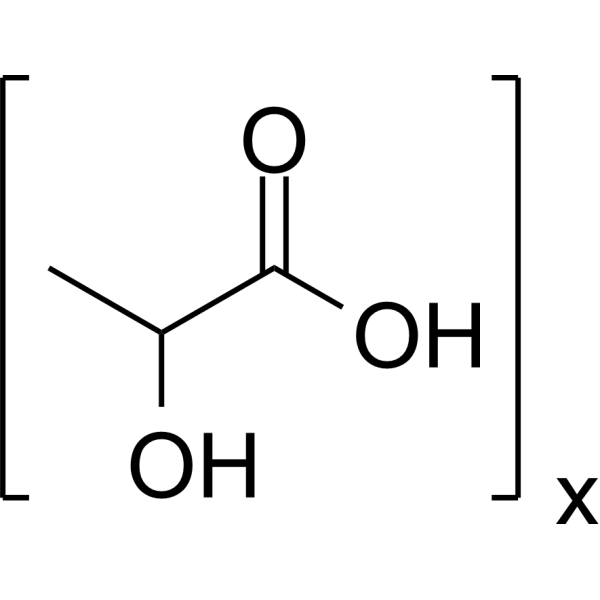
Polylactic acid (PLA) is a biodegradable and biocompatible polymer widely used as a carrier for drug delivery systems and a structural material for tissue engineering and medical implants. Polylactic acid acts as a controlled release matrix through the hydrolysis mechanism of ester bonds, gradually releasing the encapsulated drug and metabolizing to non-toxic lactic acid. Polylactic acid has adjustable degradation rate, mechanical properties and the ability to composite with other polymers, and can be used in local or systemic drug delivery, orthopedic fixation devices and 3D printed bone regeneration scaffolds .
|
-
-
- HY-D1429
-
|
|
Fluorescent Dye
|
Others
|
|
ER-Tracker dye is a derivative of BODIPY series dyes coupled with Glibenclamide (HY-15206), highly selective binding to the endoplasmic reticulum, non-toxic to cells at low concentrations, this type of dye is an environmentally sensitive probe, and formaldehyde treatment can still retain part of the fluorescence, with high fluorescence life, good extinction coefficient and other characteristics. Glibenclamide is an atp-dependent K + channel blocker (Kir6, KATP) and CFTR Cl-channel blocker that binds in the endoplasmic reticulum. ER-Tracker is not suitable for staining fixed cells. Staining followed by fixation is possible, but cells fixed with aldehydes will only retain partial fluorescence (Ex/Em = 374/ 430-640 nm) .
|
-
-
- HY-DY1074
-
|
|
Fluorescent Dye
|
Others
|
ER-Tracker dye is a derivative of BODIPY series dyes coupled with Glibenclamide (HY-15206) , highly selective binding to the endoplasmic reticulum, non-toxic to cells at low concentrations, this type of dye is an environmentally sensitive probe, and formaldehyde treatment can still retain part of the fluorescence, with high fluorescence life, good extinction coefficient and other characteristics. Glibenclamide is an atp-dependent K + channel blocker (Kir6, KATP) and CFTR Cl-channel blocker that binds in the endoplasmic reticulum. ER-Tracker is not suitable for staining fixed cells. Staining followed by fixation is possible, but cells fixed with aldehydes will only retain partial fluorescence . Solvent and concentration: DMSO: 1 mM
|
-
-
- HY-164642
-
|
RuBP
|
Endogenous Metabolite
|
Metabolic Disease
|
|
Ribulose 1,5-bisphosphate (RUBP) is a vital photosynthetic intermediate and substrate. Ribulose 1,5-bisphosphate acts as both product and substrate for Thermococcus kodakarensis KOD1 R15Pi. Ribulose 1,5-bisphosphate tightly binds to inactive RuBP carboxylase sites in plant leaves.Ribulose 1,5-bisphosphate serves as the key substrate for CO2 fixation in photosynthesis. Ribulose 1,5-bisphosphate supports carboxylation and regeneration processes in photosynthesis. Ribulose 1,5-bisphosphate determines the dynamic transition temperature of photosynthetic control. Ribulose 1,5-bisphosphate can be used for photosynthesis and enzyme mechanism research .
|
-
-
- HY-P99701
-
|
BMS-986004
|
TNF Receptor
|
Inflammation/Immunology
|
|
Letolizumab (BMS-986004) is a monoclonal antibody targeting CD40L, which is produced to express mutant IgG1 lacking effector function, including Fc binding and complement fixation. Letolizumab reduces rejection, thromboembolism and prolongs the survival time .
|
-
-
- HY-DY1043
-
|
|
Fluorescent Dye
|
Others
|
ER-Tracker dye is a derivative of BODIPY series dyes coupled with Glibenclamide (HY-15206) , highly selective binding to the endoplasmic reticulum, non-toxic to cells at low concentrations, this type of dye is an environmentally sensitive probe, and formaldehyde treatment can still retain part of the fluorescence, with high fluorescence life, good extinction coefficient and other characteristics. Glibenclamide is an atp-dependent K + channel blocker (Kir6, KATP) and CFTR Cl-channel blocker that binds in the endoplasmic reticulum. ER-Tracker is not suitable for staining cells after fixation . Solvent and concentration: DMSO: 1 mM
|
-
-
- HY-116482
-
|
|
Herbicide
|
Others
|
|
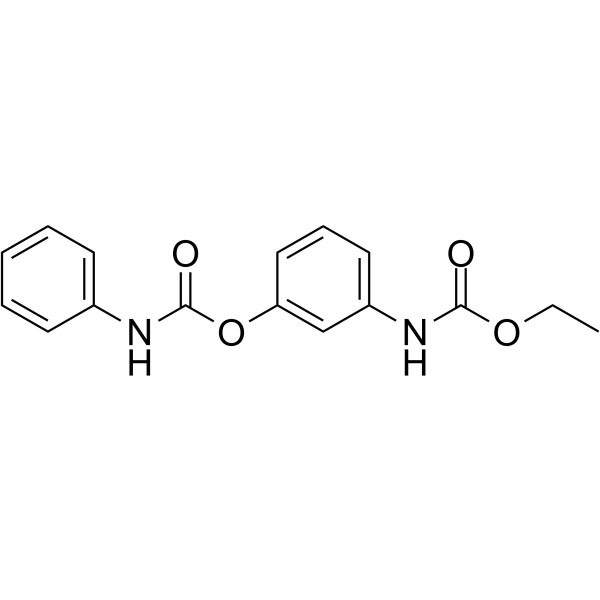
Desmedipham is a selective systemic phenyl-carbamate herbicide. Desmedipham acts by disrupting CO2 fixation and the production of intermediary energy components-ATP and NADPH2 and inhibition of Hill reaction .
|
-
-
- HY-W145500
-
|
Sedoheptulosan
|
Biochemical Assay Reagents
|
Others
|
|
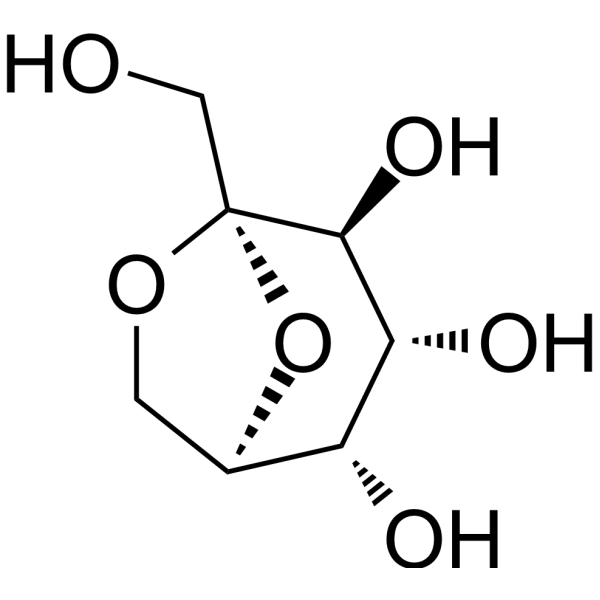
Sedoheptulose anhydride is a compound belonging to the class of carbohydrates. It is a derivative of sedoheptulose, a seven-carbon sugar. Sedoheptulose anhydride is commonly used in biochemistry as a precursor for various metabolic pathways. It can be converted into Sedoheptulose 1,7-bisphosphate, which is an important molecule for photosynthesis and carbon fixation. In addition to its use in biochemistry, Sedoheptulose anhydride has applications in cancer research.
|
-
-
- HY-DY1026
-
|
|
Fluorescent Dye
|
Cancer
|
ER-Tracker dye is a derivative of BODIPY series dyes coupled with Glibenclamide (HY-15206) , highly selective binding to the endoplasmic reticulum, non-toxic to cells at low concentrations, this type of dye is an environmentally sensitive probe, and formaldehyde treatment can still retain part of the fluorescence, with high fluorescence life, good extinction coefficient and other characteristics. Glibenclamide is an atp-dependent K + channel blocker (Kir6, KATP) and CFTR Cl-channel blocker that binds in the endoplasmic reticulum. ER-Tracker is not suitable for staining cells after fixation. Ex/Em=587/615 nm . Solvent and concentration: DMSO: 1 mM
|
-
-
- HY-N15023
-
|
|
Fungal
|
Infection
|
|
Azoxybacilin can inhibit the sulfur fixation reaction in methionine biosynthesis and has strong anti-filamentous fungal activity .
|
-
-
- HY-P2744
-
|
Ribulose 1,5-bisphosphate carboxylase
|
Biochemical Assay Reagents
|
Others
|
|
Ribulose bisphosphate carboxylase (Ribulose 1,5-bisphosphate carboxylase) catalyses the carboxylation (CO2 addition) or oxygenation (O2 addition) of d-ribulose-1,5-bisphosphate (RuBP) and the subsequent carbon–carbon cleavage to form two molecules of 3-phospho-d-glycerate (PGA) (with CO2) or one molecule of PGA and one molecule of 2-phospho-glycolate (PG; with O2) .
|
-
-
- HY-116482R
-
|
|
Insecticide
Herbicide
Reference Standards
|
Others
|
|
Desmedipham (Standard) is the analytical standard of Desmedipham. This product is intended for research and analytical applications. Desmedipham is a selective systemic phenyl-carbamate herbicide. Desmedipham acts by disrupting CO2 fixation and the production of intermediary energy components-ATP and NADPH2 and inhibition of Hill reaction .
|
-
-
- HY-124456
-
|
|
Bacterial
|
Infection
|
|
Unguinol is a depsidone originally isolated from A. unguis. It is an inhibitor of pyruvate phosphate dikinase (PPDK; IC50=42.3 μM). It inhibits the growth of plants utilizing C4, but not C3, carbon fixation. Unguinol also inhibits the growth of the bacteria S. aureus and V. harveyi (GI50s=8.7 and 69.5 μM, respectively) and H460, MCF-7, and SF-268 cancer cells (GI50s=28.2, 50.8, and 44.3 μM, respectively).
|
-
-
- HY-182668
-
|
|
Biochemical Assay Reagents
|
Others
|
|
EDTA Antigen Retrieval Solution, 50× is a commonly used antigen retrieval solution that can effectively remove cross-links between proteins caused by aldehyde fixation reagents, fully exposing antigenic epitopes in samples such as paraffin sections. It can be used for antigen retrieval in samples such as paraffin sections and frozen sections after fixation with paraformaldehyde, formaldehyde, or other aldehyde reagents.
|
-
-
- HY-E70942
-
|
|
Biochemical Assay Reagents
|
Metabolic Disease
|
|
D-Ribulose 1,5-Diphosphate Carboxylase, Spinach (EC 4.1.1.39) is an enzyme involved in the first step of carbon fixation, catalyzing the carboxylation of ribulose-1,5-diphosphate (also known as RuBP).
|
-
-
- HY-DY1105
-
|
MTDR FM (solution)
|
Fluorescent Dye
|
Others
|
MitoTracker Deep Red FM (solution) (MTDR FM (solution)) selectively accumulates in the mitochondrial matrix. MitoTracker Deep Red FM covalently binds mitochondrial proteins by reacting with free mercaptan of cysteine residues, allowing staining of mitochondrial membrane potential independent of membrane potential. The Ex/Em of MitoTracker Deep Red (MTDR) FM is 644/665 nm. Solvent and concentration: DMSO: 1 mM
|
-
-
- HY-182698
-
|
|
Biochemical Assay Reagents
|
Others
|
|
Tris Antigen Retrieval Solution, 10×, pH 9.0, is composed of Tris, trace amounts of Tween20, etc. It can effectively remove cross-links between proteins caused by aldehyde fixation reagents, fully expose antigenic epitopes in paraffin sections and other samples, and can be used for antigen retrieval after paraffin sections, frozen sections and other samples are fixed with paraformaldehyde, formaldehyde or other aldehyde reagents.
|
-
-
- HY-111598
-
|
|
Drug Intermediate
Bacterial
|
Infection
|
|
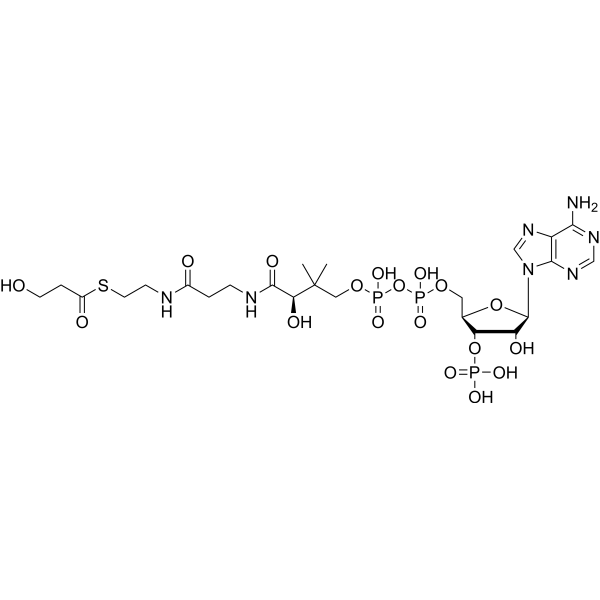
4-Phospho-D-erythronate is a Ribose 5-phosphate isomerase inhibitor, intermediate in pyridoxal 5'-phosphate synthesis in some bacteria, and substrate for 4PE dehydrogenase (PdxB) in select proteobacteria .
|
-
| Cat. No. |
Product Name |
Type |
-
- HY-128692
-
|
|
Fluorescent Dye
|
|
Luc Yellow CH dilithium is a high-intensity fluorescent probe containing free hydrazyl groups. Luc Yellow CH can react with fatty aldehydes at room temperature. Luc Yellow CH serves as a biological tracer to monitor neuronal branching, regeneration, gap junction detection and characterization, and selective ablation of cells after aldehyde fixation. Luc Yellow CH displays the maximum excitation/emission of 430 nm/540 nm, respectively .
|
-
- HY-W127715
-
|
|
Fluorescent Dye
|
|
Lucifer Yellow CH dipotassium is a high-intensity fluorescent probe containing free hydrazyl groups. Lucifer Yellow CH can react with fatty aldehydes at room temperature. Lucifer Yellow CH serves as a biological tracer to monitor neuronal branching, regeneration, gap junction detection and characterization, and selective ablation of cells after aldehyde fixation. Lucifer yellow CH displays the maximum excitation/emission of 430 nm/540 nm, respectively .
|
-
- HY-D1297
-
|
|
Fluorescent Dye
|
|
ER-Tracker dye is a derivative of BODIPY series dyes coupled with Glibenclamide (HY-15206), highly selective binding to the endoplasmic reticulum, non-toxic to cells at low concentrations, this type of dye is an environmentally sensitive probe, and formaldehyde treatment can still retain part of the fluorescence, with high fluorescence life, good extinction coefficient and other characteristics. Glibenclamide is an atp-dependent K + channel blocker (Kir6, KATP) and CFTR Cl-channel blocker that binds in the endoplasmic reticulum. ER-Tracker is not suitable for staining cells after fixation .
|
-
- HY-D1431
-
|
|
Fluorescent Dye
|
|
ER-Tracker dye is a derivative of BODIPY series dyes coupled with Glibenclamide (HY-15206), highly selective binding to the endoplasmic reticulum, non-toxic to cells at low concentrations, this type of dye is an environmentally sensitive probe, and formaldehyde treatment can still retain part of the fluorescence, with high fluorescence life, good extinction coefficient and other characteristics. Glibenclamide is an atp-dependent K + channel blocker (Kir6, KATP) and CFTR Cl-channel blocker that binds in the endoplasmic reticulum. ER-Tracker is not suitable for staining cells after fixation. Ex/Em=587/615 nm .
|
-
- HY-D1429
-
|
|
Fluorescent Dye
|
|
ER-Tracker dye is a derivative of BODIPY series dyes coupled with Glibenclamide (HY-15206), highly selective binding to the endoplasmic reticulum, non-toxic to cells at low concentrations, this type of dye is an environmentally sensitive probe, and formaldehyde treatment can still retain part of the fluorescence, with high fluorescence life, good extinction coefficient and other characteristics. Glibenclamide is an atp-dependent K + channel blocker (Kir6, KATP) and CFTR Cl-channel blocker that binds in the endoplasmic reticulum. ER-Tracker is not suitable for staining fixed cells. Staining followed by fixation is possible, but cells fixed with aldehydes will only retain partial fluorescence (Ex/Em = 374/ 430-640 nm) .
|
-
- HY-DY1074
-
|
|
Fluorescent Dye
|
ER-Tracker dye is a derivative of BODIPY series dyes coupled with Glibenclamide (HY-15206) , highly selective binding to the endoplasmic reticulum, non-toxic to cells at low concentrations, this type of dye is an environmentally sensitive probe, and formaldehyde treatment can still retain part of the fluorescence, with high fluorescence life, good extinction coefficient and other characteristics. Glibenclamide is an atp-dependent K + channel blocker (Kir6, KATP) and CFTR Cl-channel blocker that binds in the endoplasmic reticulum. ER-Tracker is not suitable for staining fixed cells. Staining followed by fixation is possible, but cells fixed with aldehydes will only retain partial fluorescence . Solvent and concentration: DMSO: 1 mM
|
-
- HY-DY1043
-
|
|
Fluorescent Dye
|
ER-Tracker dye is a derivative of BODIPY series dyes coupled with Glibenclamide (HY-15206) , highly selective binding to the endoplasmic reticulum, non-toxic to cells at low concentrations, this type of dye is an environmentally sensitive probe, and formaldehyde treatment can still retain part of the fluorescence, with high fluorescence life, good extinction coefficient and other characteristics. Glibenclamide is an atp-dependent K + channel blocker (Kir6, KATP) and CFTR Cl-channel blocker that binds in the endoplasmic reticulum. ER-Tracker is not suitable for staining cells after fixation . Solvent and concentration: DMSO: 1 mM
|
-
- HY-DY1026
-
|
|
Fluorescent Dye
|
ER-Tracker dye is a derivative of BODIPY series dyes coupled with Glibenclamide (HY-15206) , highly selective binding to the endoplasmic reticulum, non-toxic to cells at low concentrations, this type of dye is an environmentally sensitive probe, and formaldehyde treatment can still retain part of the fluorescence, with high fluorescence life, good extinction coefficient and other characteristics. Glibenclamide is an atp-dependent K + channel blocker (Kir6, KATP) and CFTR Cl-channel blocker that binds in the endoplasmic reticulum. ER-Tracker is not suitable for staining cells after fixation. Ex/Em=587/615 nm . Solvent and concentration: DMSO: 1 mM
|
| Cat. No. |
Product Name |
Type |
-
- HY-W250313
-
|
PLA
|
Biochemical Assay Reagents
|
|
Polylactic acid (PLA) is a biodegradable and biocompatible polymer widely used as a carrier for drug delivery systems and a structural material for tissue engineering and medical implants. Polylactic acid acts as a controlled release matrix through the hydrolysis mechanism of ester bonds, gradually releasing the encapsulated drug and metabolizing to non-toxic lactic acid. Polylactic acid has adjustable degradation rate, mechanical properties and the ability to composite with other polymers, and can be used in local or systemic drug delivery, orthopedic fixation devices and 3D printed bone regeneration scaffolds .
|
-
- HY-W145500
-
|
Sedoheptulosan
|
Biochemical Assay Reagents
|
|
Sedoheptulose anhydride is a compound belonging to the class of carbohydrates. It is a derivative of sedoheptulose, a seven-carbon sugar. Sedoheptulose anhydride is commonly used in biochemistry as a precursor for various metabolic pathways. It can be converted into Sedoheptulose 1,7-bisphosphate, which is an important molecule for photosynthesis and carbon fixation. In addition to its use in biochemistry, Sedoheptulose anhydride has applications in cancer research.
|
-
- HY-182668
-
|
|
Biochemical Assay Reagents
|
|
EDTA Antigen Retrieval Solution, 50× is a commonly used antigen retrieval solution that can effectively remove cross-links between proteins caused by aldehyde fixation reagents, fully exposing antigenic epitopes in samples such as paraffin sections. It can be used for antigen retrieval in samples such as paraffin sections and frozen sections after fixation with paraformaldehyde, formaldehyde, or other aldehyde reagents.
|
-
- HY-182698
-
|
|
Biochemical Assay Reagents
|
|
Tris Antigen Retrieval Solution, 10×, pH 9.0, is composed of Tris, trace amounts of Tween20, etc. It can effectively remove cross-links between proteins caused by aldehyde fixation reagents, fully expose antigenic epitopes in paraffin sections and other samples, and can be used for antigen retrieval after paraffin sections, frozen sections and other samples are fixed with paraformaldehyde, formaldehyde or other aldehyde reagents.
|
-
- HY-K0614
-
|
|
|
MCE Oil Red O Staining Kit for Cell Smears effectively stains lipid droplets of various sizes, including smaller lipid droplets, and preferentially adsorbs dye from the solvent. It is suitable for staining oil red O in cell smears, bone marrow smears, fluid smears, blood smears, and other samples. When using the kit, specimens should not be fixed with fixatives containing ethanol. If fixation is required, 10% formalin can be used. The positive staining result for fat typically appears orange-yellow to red, with the exact color varying depending on the lipid concentration.
|
| Cat. No. |
Product Name |
Target |
Research Area |
Image |
-
- HY-P99701
-
|
BMS-986004
|
TNF Receptor
|
Inflammation/Immunology
|
|
Letolizumab (BMS-986004) is a monoclonal antibody targeting CD40L, which is produced to express mutant IgG1 lacking effector function, including Fc binding and complement fixation. Letolizumab reduces rejection, thromboembolism and prolongs the survival time .
|
-
(5)
| Cat. No. |
Product Name |
Category |
Target |
Chemical Structure |
-
- HY-164642
-
|
RuBP
|
Structural Classification
Natural Products
Endogenous metabolite
Source Classification
|
Endogenous Metabolite
|
|
Ribulose 1,5-bisphosphate (RUBP) is a vital photosynthetic intermediate and substrate. Ribulose 1,5-bisphosphate acts as both product and substrate for Thermococcus kodakarensis KOD1 R15Pi. Ribulose 1,5-bisphosphate tightly binds to inactive RuBP carboxylase sites in plant leaves.Ribulose 1,5-bisphosphate serves as the key substrate for CO2 fixation in photosynthesis. Ribulose 1,5-bisphosphate supports carboxylation and regeneration processes in photosynthesis. Ribulose 1,5-bisphosphate determines the dynamic transition temperature of photosynthetic control. Ribulose 1,5-bisphosphate can be used for photosynthesis and enzyme mechanism research .
|
-
-
- HY-N15023
-
-
| Cat. No. |
Compare |
Product Name |
Species |
Source |
Image |
Compare Products
|
| Products |
|
| Cat. No. |
|
| Species |
|
| Source |
|
| Tag |
|
| Accession |
|
| Gene ID |
|
| Molecular Weight |
|
| Purity |
|
| Endotoxin Level |
|
| Biological Activity |
|
| Appearance |
|
| Formulation |
|
| Storage & Stability |
|
| Shipping |
|
| Free Sample |
Yes
No
|
| Size |
* This product has been "discontinued".
Optimized version of product available:
|
Your information is safe with us. * Required Fields.
Inquiry Information
- Product Name:
- Cat. No.:
- Quantity:
- MCE Japan Authorized Agent:

