1. Search Result
Search Result
Results for "

health supplement,Sildenafil

" in MedChemExpress (MCE) Product Catalog:

166

Inhibitors & Agonists

30

Screening Libraries

5

Fluorescent Dyes

25

Biochemical Assay Reagents

6

Peptides

1

Inhibitory Antibodies

56

Natural
Products

15

Isotope-Labeled Compounds

Cat. No. 상품명 Target 연구분야 Chemical Structure
  • HY-N0469
    L-Lysine
    Maximum Cited Publications
    9 Publications Verification

    Endogenous Metabolite Virus Protease HSV Infection Metabolic Disease Inflammation/Immunology
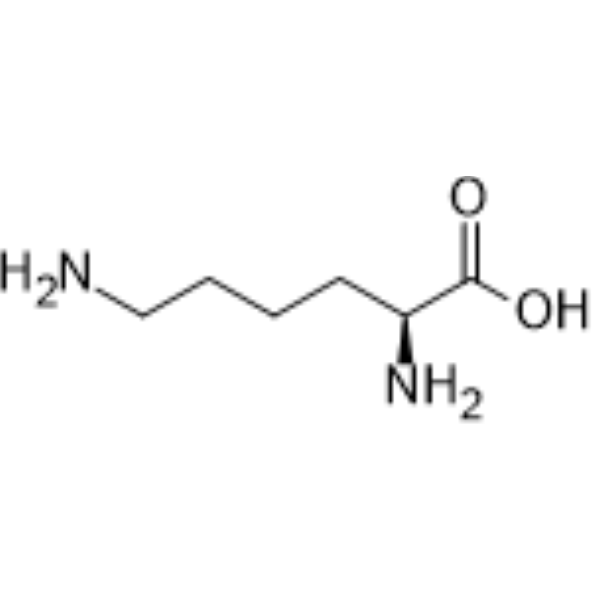
    L-lysine is an essential amino acid for humans with orally activity. L-lysine can inhibit the occurrence of HSV infections and is used in herpes research. L-lysine increases calcium absorption, reduces diabetes-related diseases, improves gut health, and alleviates pancreatic inflammation. L-lysine can be used in research on metabolism, infection, and inflammation .
    L-Lysine
  • HY-N2577

    Others Others
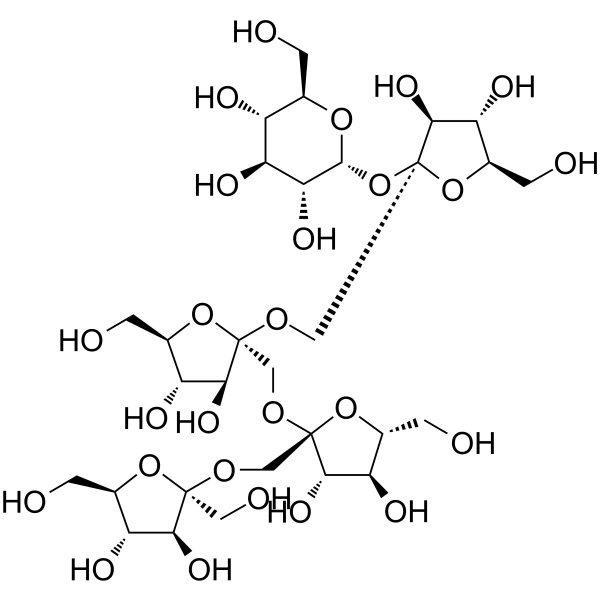
    1F-Fructofuranosylnystose can be used in the synthesis of Fructooligosaccharides (FOSs). Fructooligosaccharides exhibit lots of beneficial effects on our health and have been used as food ingredients.
    1F-Fructofuranosylnystose
  • HY-N0470
    L-Lysine hydrochloride
    Maximum Cited Publications
    9 Publications Verification

    Virus Protease Endogenous Metabolite Infection Cardiovascular Disease Inflammation/Immunology Endocrinology Cancer
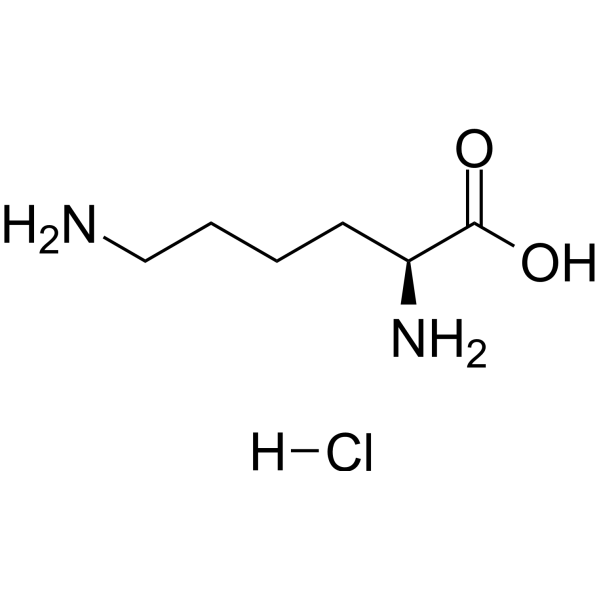
    L-lysine hydrochloride is an essential amino acid for humans with various benefits including treating herpes, increasing calcium absorption, reducing diabetes-related illnesses and improving gut health.
    L-Lysine hydrochloride
  • HY-N0470S3

    Virus Protease Endogenous Metabolite Infection Cardiovascular Disease Inflammation/Immunology Endocrinology
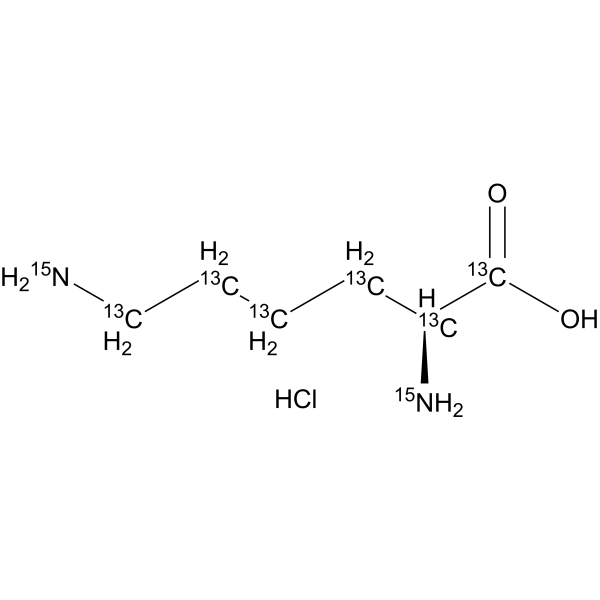
    L-Lysine- 13C6, 15N2 (hydrochloride) is the 13C- and 15N-labeled L-Lysine hydrochloride. L-lysine hydrochloride is an essential amino acid for humans with various benefits including treating herpes, increasing calcium absorption, reducing diabetes-related illnesses and improving gut health.
    L-Lysine-13C6,15N2 hydrochloride
  • HY-W012734
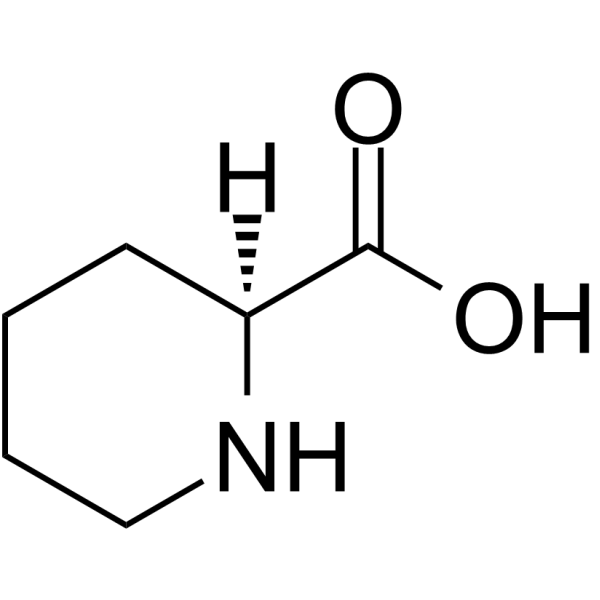
    L-Pipecolic acid
    1 Publications Verification

    H-HoPro-OH

    Endogenous Metabolite Metabolic Disease
    L-Pipecolic acid (H-HoPro-OH) is an oral active metabolite of Lysine and can accumulate in the bodily fluids of infants with autosomal inherited diseases, such as Zellweger syndrome and neonatal adrenal insufficiency. L-Pipecolic acid can promote muscle cell health and growth by enhancing protein synthesis, and plays a role in promoting gut health. L-Pipecolic acid holds promise for research in the fields of metabolic disorders, muscle growth disorders, and intestinal diseases .
    L-Pipecolic acid
  • HY-137335
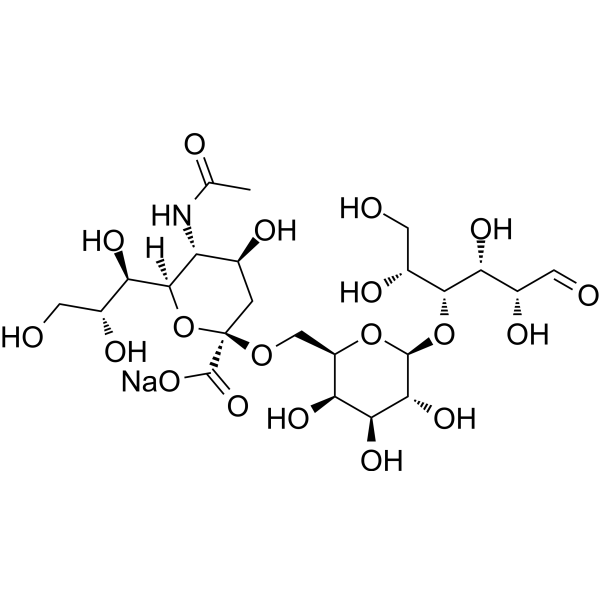
    6'-Sialyllactose sodium
    1 Publications Verification

    Bacterial VEGFR Akt ERK Infection Inflammation/Immunology
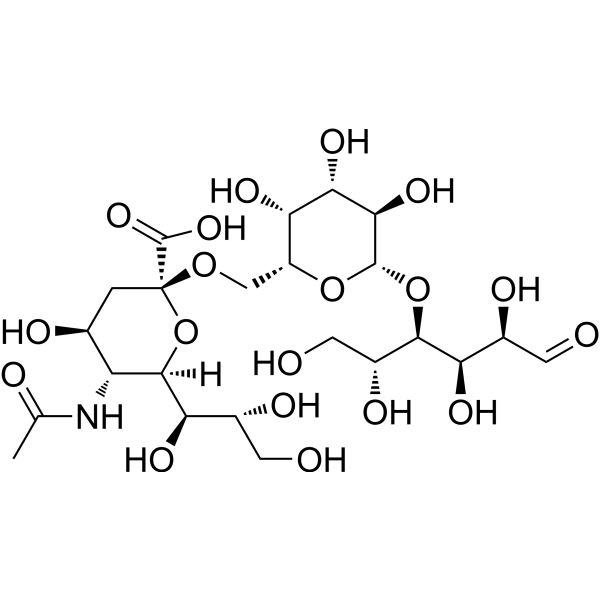
    6'-Sialyllactose sodium promotes the growth of beneficial bacteria (such as Bifidobacterium and lactobacillus) and inhibits the proliferation of harmful bacteria. 6'-Sialyllactose sodium exhibits anti-inflammatory and anti-angiogenic activities. 6'-Sialyllactose sodium promotes the muscle health .
    6'-Sialyllactose sodium
  • HY-B0456S3

    Vitamin B2-d3; E101-d3

    Isotope-Labeled Compounds Endogenous Metabolite Others
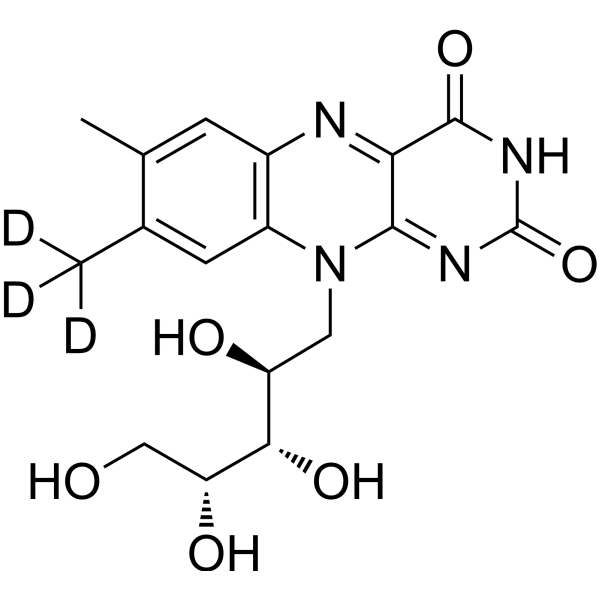
    Riboflavin-d3 is the deuterium labeled Riboflavin. Riboflavin is an easily absorbed micronutrient with a key role in maintaining health in humans and other animals.
    Riboflavin-d3
  • HY-12798C

    AR-13324 M1 metabolite

    PKC ROCK Cardiovascular Disease Neurological Disease
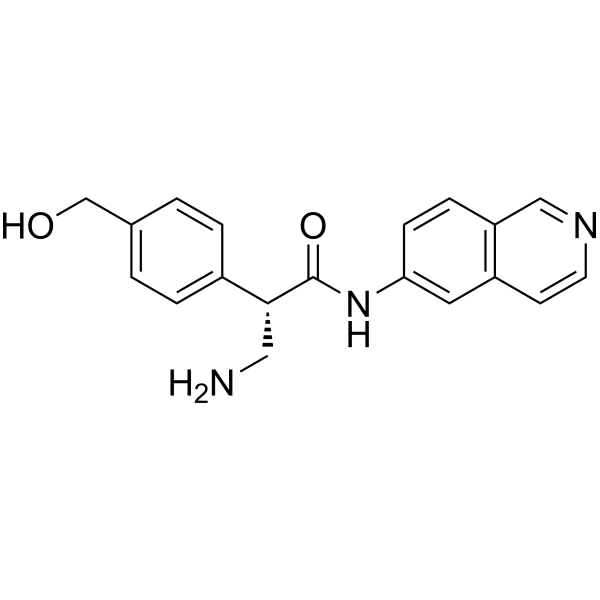
    AR-13503 (AR-13324 M1 metabolite) is the hydrolytic metabolite of AR-13324 mesylate. AR-13324 is a ROCK kinase and PKC inhibitor with anti-angiogenic and retinal health-improving effects, showing potential for use in retinal disease research .
    AR-13503
  • HY-N10521
    6'-Sialyllactose
    1 Publications Verification

    Bacterial VEGFR Akt ERK Infection Inflammation/Immunology
    6'-Sialyllactose promotes the growth of beneficial bacteria (such as Bifidobacterium and lactobacillus) and inhibits the proliferation of harmful bacteria. 6'-Sialyllactose exhibits anti-inflammatory and anti-angiogenic activities. 6'-Sialyllactose promotes the muscle health .
    6'-Sialyllactose
  • HY-150013

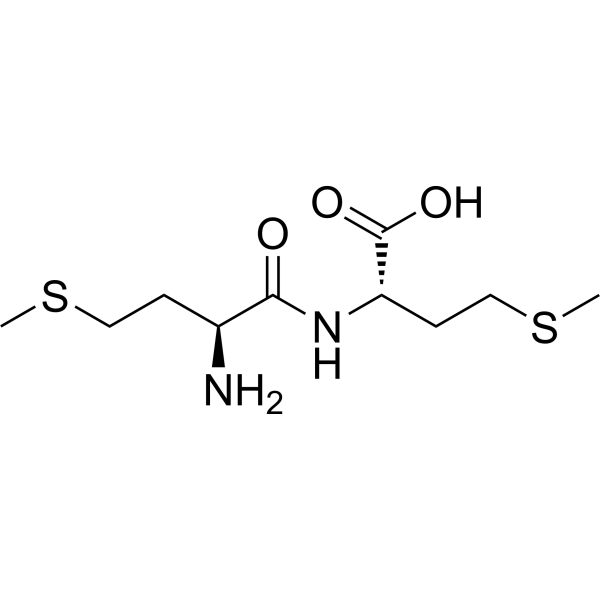
    L-Methionyl-L-methionine

    Amino Acid Derivatives Others
    H-Met-Met-OH (L-Methionyl-L-methionine) is a dipeptide composed of two methionine residues. H-Met-Met-OH is a dietary supplement that has been shown to have various health benefits in animals. H-Met-Met-OH is orally active .
    H-Met-Met-OH
  • HY-Y0975

    Environmental Pollutants Drug Intermediate Others
    Silver(I) fluoride is a drug intermediate for synthesis of various active compounds. Silver(I) fluoride is a silver(I) complex that can form hydrates in aqueous solutions and in the solid state, enabling its localized application to the tooth decay area for oral health research .
    Silver(I) fluoride
  • HY-N10617

    Antibiotic Bacterial Infection
    Hygromycin A is a Borrelia burgdorferi-selective antibiotic. Hygromycin A is a spirochete-specific antibacterial that is conducive to gut health. Hygromycin A can be used for Lyme disease research .
    Hygromycin A
  • HY-B0456S

    Vitamin B2-13C4,15N2; E101-13C4,15N2

    Isotope-Labeled Compounds Endogenous Metabolite Others
    Riboflavin- 13C4, 15N2is the 13C-labeled and 15N-labeled Riboflavin. Riboflavin is an easily absorbed micronutrient with a key role in maintaining health in humans and other animals.
    Riboflavin-13C4,15N2
  • HY-N0470S6

    Virus Protease Endogenous Metabolite Infection
    L-Lysine-d4 (hydrochloride) is the deuterium labeled L-Lysine. L-lysine hydrochloride is an essential amino acid for humans with various benefits including treating herpes, increasing calcium absorption, reducing diabetes-related illnesses and improving gut health.
    L-Lysine-d4 hydrochloride
  • HY-W007577

    Drug Metabolite Others
    4-Nitrobenzaldehyde is a widely used industrial chemical intermediate and also the main photodegradation product of the broad-spectrum antibiotic Chloramphenicol (HY-B0239). 4-Nitrobenzaldehyde has genotoxic and mutagenic effects and poses a certain threat to human health and ecosystems .
    4-Nitrobenzaldehyde
  • HY-151101
    MS159
    1 Publications Verification

    PROTACs Cancer
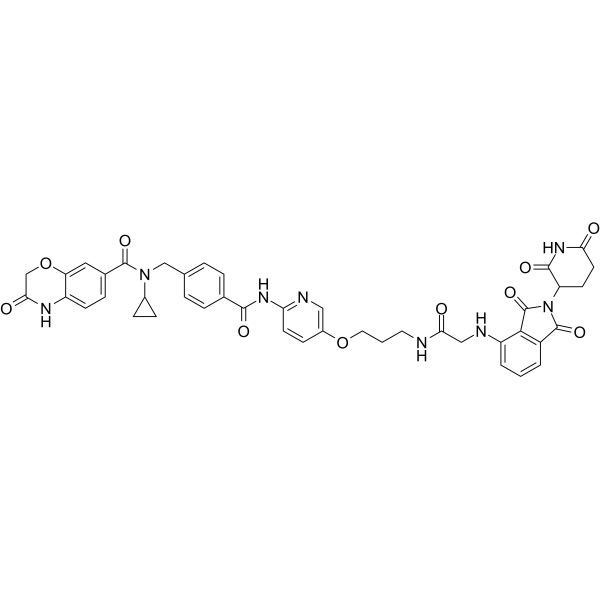
    MS159 is a potent nuclear receptor binding SET structural domain protein 2 (NSD2) PROTACdegrader. MS159 inhibits the growth of tumour cells. MS159 is a useful chemical tool for exploring the role of NSD2 in health and disease .
    MS159
  • HY-B0874

    FMC 45497; Fendona; WL 85871

    Environmental Pollutants Insecticide Others
    Alpha-Cypermethrin (FMC 45497; Fendona; WL 85871) is an effective insecticide against house flies .
    Alpha-Cypermethrin
  • HY-N0470S8

    Endogenous Metabolite Virus Protease Infection
    L-Lysine- 13C6 hydrochloride is the 13C labeled L-Lysine hydrochloride . L-lysine hydrochloride is an essential amino acid for humans with various benefits including treating herpes, increasing calcium absorption, reducing diabetes-related illnesses and improving gut health .
    L-Lysine-13C6 hydrochloride
  • HY-B1072

    Environmental Pollutants Parasite Insecticide Infection
    Phenothrin is a Type I pyrethroid insecticide. Phenothrin induces dose-dependent DNA damage in human peripheral blood lymphocytes and hepatocytes, and exhibits definite genotoxic potential. Phenothrin acts as an insecticide for pest control in agriculture, households and public health, as well as for the elimination of human head lice infestations .
    Phenothrin
  • HY-B2049

    Environmental Pollutants Insecticide Infection
    Triflumuron is a potent chitin synthesis inhibitor. Triflumuron shows the efficacy in emergence inhibition (EI) against Culex quinquefasciatus and Aedes albopictus, with EI50 values of 5.28 and 1.59 μg/L, respectively. Triflumuron can be used as an insecticide. Triflumuron represents a potential tool for the control of disease vectors in public health .
    Triflumuron
  • HY-W236261

    ATEE

    Biochemical Assay Reagents Others
    N-Acetyl-L-tyrosine ethyl ester (ATEE) is a compound commonly used as a food flavoring and supplement. It is an ester of tyrosine, an amino acid found in many proteins. N-Acetyl-L-tyrosine ethyl ester is sweet, nutty and caramelized and is commonly used to enhance the flavor of baked goods, dairy products and beverages. Potential health benefits of N-Acetyl-L-tyrosine ethyl ester include its antioxidant properties and ability to improve cognitive function.
    N-Acetyl-L-tyrosine ethyl ester
  • HY-P2866A

    NAG, Porcine kidney

    Others Others
    β-N-Acetylhexosaminidase, Porcine kidney is a glycosidase with transglycosylation activity, used to generate health-beneficial human milk oligosaccharides, and it effectively interacts with low molecular weight sugar alcohols (such as glycerol, erythritol, and xylitol). The enzyme exhibits optimal activity at pH 5 and 40 °C, and shows high thermal stability (up to 55°C) when bound to the cell wall. β-N-Acetylhexosaminidase holds promise for applications in the biotransformation of Chitin (HY-126389) and research in the food health sector .
    β-N-Acetylhexosaminidase, Porcine kidney
  • HY-131490

    Violet tetrazolium

    Biochemical Assay Reagents Others
    Tetrazolium violet is a redox indicator commonly used in various biochemical assays to measure cell viability and metabolic activity. Tetrazolium Violet has unique chemical properties that allow it to be reduced by cellular enzymes such as dehydrogenases to form a purple formazan product that can be detected spectrophotometrically. This makes it a useful tool for assessing cell health and growth in culture or tissue samples.
    Tetrazolium violet
  • HY-W717504

    Drug Derivative
    Glucosylceramide, plant is a plant-derived glycolipid with anti-inflammatory and immunomodulatory activities. Glucosylceramide, plant plays an important role in promoting cell proliferation and repair. Glucosylceramide, plant is widely used in skin care products to enhance skin barrier function. Glucosylceramide, plant has also been studied for improving nervous system health, showing potential neuroprotective effects.
    Glucosylceramide, plant
  • HY-W105734

    Biochemical Assay Reagents Others
    15-Hydroxypentadecanoic acid is a long-chain fatty acid found in various plant and animal sources and also produced by bacteria and fungi. It has potential health benefits and is used as an intermediate in the synthesis of other organic compounds, including pharmaceuticals, agrochemicals and surfactants. Its unique chemical properties make it an essential ingredient in several industrial processes, especially in the fields of food science and nutrition.
    15-Hydroxypentadecanoic acid
  • HY-W010934

    Biochemical Assay Reagents Others
    3β,5α,6β-Trihydroxycholestane is a steroid that occurs naturally in the body and is also found in certain foods. It belongs to a class of compounds known as cholestanes, which are closely related to the better known cholesterol. This particular compound is formed from cholesterol through a series of enzymatic reactions in the liver and other organs. It has been studied for its potential health benefits, including its ability to reduce inflammation and oxidative stress in the body. Some research suggests that it may also play a role in regulating blood sugar levels and improving insulin sensitivity. Despite these potential benefits, 3β,5α,6β-Trihydroxycholestane is not widely used as a supplement or medicine due to its relatively low content, focus on natural resources and limited research. However, researchers continue to investigate its potential uses and effects on human health.
    3β,5α,6β-Trihydroxycholestane
  • HY-121909

    Bacterial Infection
    Piperic acid is a natural antioxidant and antibacterial agent. Piperic acid can be used in food preservation and human health .
    Piperic acid
  • HY-B0456S2

    Vitamin B2-13C5; E101-13C5

    Isotope-Labeled Compounds Endogenous Metabolite Others
    Riboflavin- 13C5 is the 13C-labeled Riboflavin. Riboflavin is an easily absorbed micronutrient with a key role in maintaining health in humans and other animals.
    Riboflavin-13C5
  • HY-W012734R

    H-HoPro-OH (Standard)

    Reference Standards Endogenous Metabolite Metabolic Disease
    L-Pipecolic acid (Standard) is an analytical standard of L-Pipecolic acid. This product is used for research and analytical applications. L-Pipecolic acid (H-HoPro-OH) is an oral active metabolite of Lysine and can accumulate in the bodily fluids of infants with autosomal inherited diseases, such as Zellweger syndrome and neonatal adrenal insufficiency. L-Pipecolic acid can promote muscle cell health and growth by enhancing protein synthesis, and plays a role in promoting gut health. L-Pipecolic acid holds promise for research in the fields of metabolic disorders, muscle growth disorders, and intestinal diseases .
    L-Pipecolic acid (Standard)
  • HY-B1580

    Propionic acid calcium

    Environmental Pollutants Biochemical Assay Reagents Metabolic Disease
    Calcium propionate is an orally active auxiliary agent for preventing milk fever and improving the health of dairy cows. Calcium propionate can be used for research on dairy cow milk fever and subclinical hypocalcemia .
    Calcium propionate
  • HY-W014226

    Drug Intermediate Ser/Thr Protease Others
    4,4'-Dihydroxybenzophenone is a type of phenolic ultraviolet absorber and a drug intermediate for synthesis of various anticancer active compounds (such as Sivifene (HY-14801)). 4,4'-Dihydroxybenzophenone binds to the active site of trypsin with binding constants (KA = 7.59 x 10 5 L/moL) and leads to abnormal structure of trypsin, suggesting that long-term intake may affect the digestive function of the human body. 4,4’-dihydroxybenzophenone has a relatively low toxicity to Chlorella vulgaris and a moderate toxicity to Daphnia magna .
    4,4'-Dihydroxybenzophenone
  • HY-N0470S2

    Virus Protease Endogenous Metabolite Infection Cardiovascular Disease Inflammation/Immunology Endocrinology
    L-Lysine- 13C (dihydrochloride) is the 13C-labeled L-Lysine dihydrochloride. L-lysine dihydrochloride is an essential amino acid for humans with various benefits including treating herpes, increasing calcium absorption, reducing diabetes-related illnesses and improving gut health.
    L-Lysine-13C dihydrochloride
  • HY-N0470S

    Virus Protease Endogenous Metabolite Infection Cardiovascular Disease Inflammation/Immunology Endocrinology
    L-Lysine- 15N2 (hydrochloride) is the 15N-labeled L-Lysine hydrochloride. L-lysine hydrochloride is an essential amino acid for humans with various benefits including treating herpes, increasing calcium absorption, reducing diabetes-related illnesses and improving gut health.
    L-Lysine-15N2 hydrochloride
  • HY-133879

    1α,25-Dihydroxyvitamin D3-26,23-lactone

    Endogenous Metabolite Others Inflammation/Immunology
    Calcitriol lactone (1α,25-Dihydroxyvitamin D3-26,23-lactone) is a metabolite of vitamin D3. Calcitriol lactone is the active form of vitamin D and affects bone health, cell differentiation, immune function .
    Calcitriol lactone
  • HY-P2624A

    PAK Metabolic Disease
    st-Ht31 ammonium is a membrane-permeable peptide inhibitor of?protein kinase A (PKA) anchoring. st-Ht31 ammonium induces robust cholesterol/phospholipid efflux. st-Ht31 ammonium completely reverses foam cell formation and restores the metabolic health of macrophage .
    st-Ht31 ammonium
  • HY-W762060

    Fungal Infection
    Metiram is a polymeric dithiocarbamate pesticide active as a fungicide. Metiram is widely used to protect crops such as tomatoes, potatoes, apples, grapevines, etc. Human and environmental exposure from the representative use of Metiram on potatoes is considered non-negligible. Metiram is considered necessary in the control of serious threats to plant health that cannot be suppressed by other available means, including non-chemical methods .
    Metiram
  • HY-W206911

    Environmental Pollutants Biochemical Assay Reagents Others
    Erythrosin B sodium salt, is a synthetic azo dye commonly used as a food colorant and textile dye. It is a water-soluble compound that produces a bright red color and is often used to improve the appearance of products. Erythrosin B sodium salt is also used in the textile industry for dyeing wool, silk and leather. However, it has been linked to potentially negative health effects, such as allergic reactions and hyperactivity in children.
    Erythrosin B sodium salt
  • HY-N9785

    Others Neurological Disease
    1-O-trans-p-Coumaroylglycerol is a compound found in certain plants that has neuroprotective activity. 1-O-trans-p-Coumaroylglycerol has shown potential in protecting against neurodegenerative diseases. 1-O-trans-p-Coumaroylglycerol is also believed to act as a natural antioxidant, and its applications may include improving cognitive function and supporting neurological health .
    1-O-trans-p-Coumaroylglycerol
  • HY-119268

    Drug Derivative Cancer
    Thiosildenafil, a Sildenafil (HY-15025) analogue, is a compound found in health supplement .
    Thiosildenafil
  • HY-100650

    Phosphodiesterase (PDE) Others
    Carbodenafil is a Sildenafil (UK-92480) related compound found in health foods. Sildenafil is a potent phosphodiesterase type 5 (PDE5) inhibitor with an IC50 of 5.22 nM .
    Carbodenafil
  • HY-N10618

    Bacterial Metabolic Disease
    Epilactose is a disaccharide composed of galactose and mannose with prebiotic properties. Epilactose significantly stimulates the butyrate-producing bacteria, increasing the butyrate production and holds potential functional properties for human health .
    Epilactose
  • HY-204591

    Drug Derivative Others
    Black pepper oleoresin is a substance extracted from the pepper plant (Piper nigrum), which has aroma, spiciness, and bioactive components. It is widely used in food, health products, cosmetics, and daily chemical products.
    Black pepper oleoresin
  • HY-N0470S4

    Isotope-Labeled Compounds Virus Protease Endogenous Metabolite Infection Cardiovascular Disease Inflammation/Immunology Endocrinology
    L-Lysine-d8 (hydrochloride) is the deuterium labeled L-Lysine hydrochloride. L-lysine hydrochloride is an essential amino acid for humans with various benefits including treating herpes, increasing calcium absorption, reducing diabetes-related illnesses and improving gut health.
    L-Lysine-d8 hydrochloride
  • HY-B1855

    Epoxyheptachlor

    Biochemical Assay Reagents Others
    (±)-cis-Heptachlor epoxides, are degradation products of heptachlor that can occur in or on soil and crops when treated with heptachlor, a pesticide. Heptachlor is readily formed upon exposure to air. Everett CJ, Thompson OM. Environmental Health Pastor. 2015;30(2):93-7.
    cis-Heptachlor epoxide
  • HY-P3216

    9-Deamidooxytocin

    Oxytocin Receptor Endocrinology
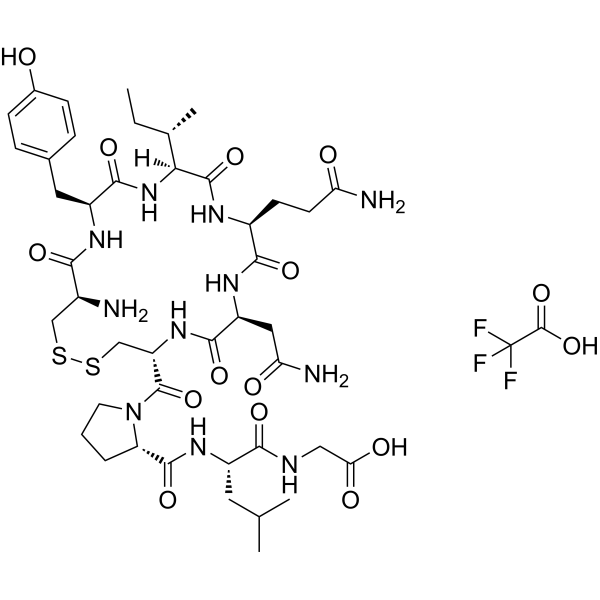
    Oxytocin free acid (9-Deamidooxytocin) is an analog of oxytocin in which the glycinamide residue at position 9 in oxytocin has been replaced by a glycine residue. Oxytocin is a pleiotropic, peptide hormone with broad implications for general health, adaptation, development, reproduction, and social behavior .
    Oxytocin free acid
  • HY-P3216B
    Oxytocin free acid TFA
    10+ Cited Publications

    9-Deamidooxytocin TFA

    Oxytocin Receptor Endocrinology
    Oxytocin free acid (9-Deamidooxytocin) TFA is an analog of oxytocin in which the glycinamide residue at position 9 in oxytocin has been replaced by a glycine residue. Oxytocin is a pleiotropic, peptide hormone with broad implications for general health, adaptation, development, reproduction, and social behavior .
    Oxytocin free acid TFA
  • HY-P2624

    PAK Metabolic Disease
    st-Ht31 is a membrane-permeable peptide inhibitor of protein kinase A (PKA) anchoring. st-Ht31 induces robust cholesterol/phospholipid efflux. st-Ht31 completely reverses foam cell formation and restores the metabolic health of macrophage .
    st-Ht31
  • HY-N10617R

    Antibiotic Bacterial Reference Standards Infection
    Hygromycin A is a Borrelia burgdorferi-selective antibiotic. Hygromycin A is a spirochete-specific antibacterial that is conducive to gut health. Hygromycin A can be used for Lyme disease research .
    Hygromycin A (Standard)
  • HY-105840

    p-Toluenesulfondichloramide

    Bacterial Infection
    Dichloramine-T is a strong oxidizer and disinfectant, with strong oxidation and sterilization. Dichloramine-T is also widely used in the medical and health field for disinfection and sterilization operations .
    Dichloramine-T
  • HY-136896

    Free Fatty Acid Receptor Metabolic Disease Inflammation/Immunology
    FFA3 agonist 1 is an agonist of free fatty acid receptor 3 (FFA3). FFA3 agonist 1 regulates the health effect of intestinal microbiota by activating FFA3 .
    FFA3 agonist 1

온라인 문의

Your information is safe with us. * Required Fields.

호칭


Country or Region *

고객명 *


회사명 *

Department *


메일주소 *


상품명 *

Cat. No.


Requested quantity *

전화번호 *


비고

온라인 문의

Inquiry Information

상품명:
Cat. No.:
수량:
MCE Japan Authorized Agent:

