



Caryophyllaceae
-
- Pseudostellaria heterophylla (Miq.) Pax (7)
- Stellaria dichotoma L. (5)
- Gypsophila vaccaria Sm. (3)
- Vaccaria segetalis (Neck.) Garcke (3)
- Dianthus caryophyllus L. (2)
- Dianthus chinensis L. (2)
- Gypsophila perfoliata Linn. (2)
- Herniaria glabra Linnaeus. (2)
- Silene conoidea L. (2)
- Stellaria dichotoma var. lanceolata Bge. (2)
- Dianthus superbus L. (1)
- Gypsophila paniculata Linn . (1)
- Herniaria hirsuta L. (1)
- Melandrium firmum (S. et Z . ) Rohrb. (1)
- Psammosilene tunicoides W. C. Wu et C. Y. Wu (1)
- Saponaria officinalis L. (1)
- Silene firma Sieb. et Zucc. (1)
- Spergularia marina (L.) Griseb. (1)
- Stellaria media (L.) Villars (1)
-
Caryophyllaceae (40)

- 1
- 2
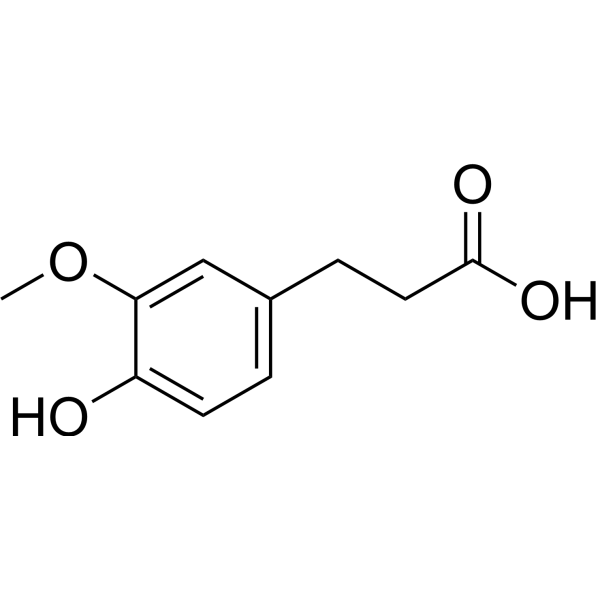
- Formula: C10H12O4
- Molecular Weight: 196.20
Dihydroferulic acid (Hydroferulic acid) is one of the main metabolites of curcumin and antioxidant/radical-scavenging properties with an IC50 value of 19.5 μM. Dihydroferulic acid is a metabolite of human gut microflora as well as a precursor of vanillic acid.
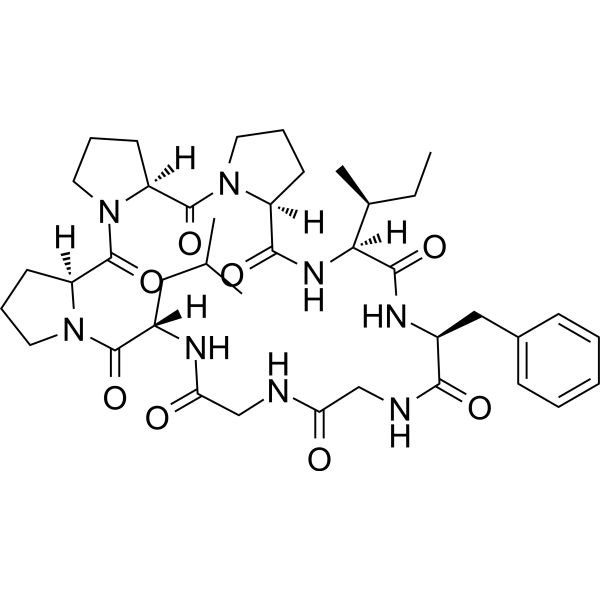
- Formula: C40H58N8O8
- Molecular Weight: 778.94
Heterophyllin B is an active cyclic peptide isolated from Pseudostellaria heterophylla. Heterophyllin B provides a novel strategy for the treatment of esophageal cancer.
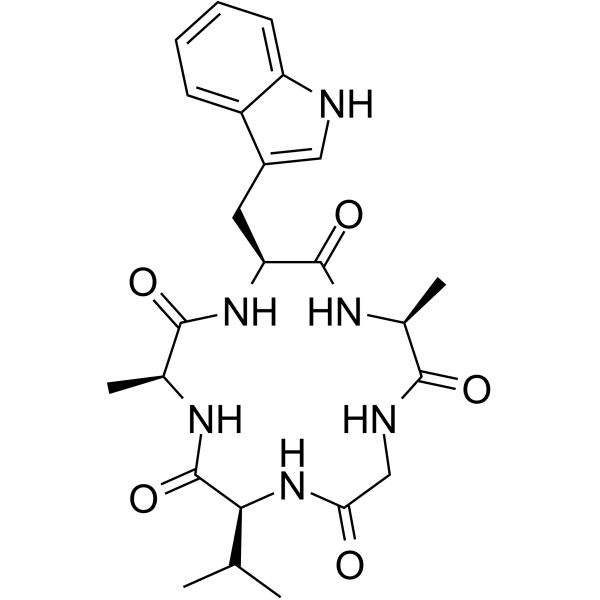
- Formula: C24H32N6O5
- Molecular Weight: 484.55
Segetalin B, an orally active cyclopentapeptide found in Vaccaria segetalis, possesses estrogen-like activity. Segetalin B promotes mineralization of ovariectomized rat-derived bone marrow mesenchymal stem cells (BMSCs) in vitro and increases the level of osteocalcin, BMP-2, ALP, and SIRT1 activity. Segetalin B is promising for research of post-menopausal osteoporosis (PMOP).
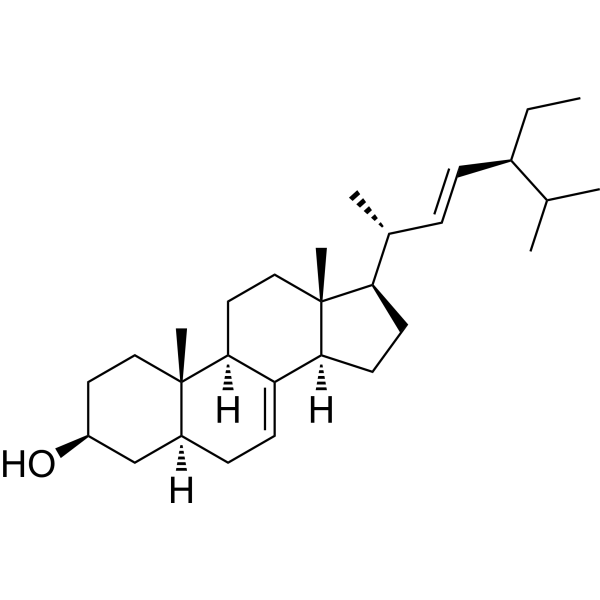
- Formula: C29H48O
- Molecular Weight: 412.69
α-Spinasterol is an orally taken antagonist of transient receptor potential vanilloid 1 ( TRPV1), and it's also an inhibitor of COX-1 and COX-2, with IC50 values of 16.17 μM and 7.76 μM, respectively. α-Spinasterol exhibits antibacterial, anti-inflammatory, antidepressant, and antioxidant effects, has the ability to cross the blood-brain barrier, and can improve diabetes in mice.

- Formula: C8H16O6
- Molecular Weight: 208.21
Ethyl α-D-glucopyranoside (Ethyl α-D-glucoside) is a glycoside that can be found in the seeds of Vaccaria segetalis. Ethyl α-D-glucopyranoside can be used for research on inflammation.


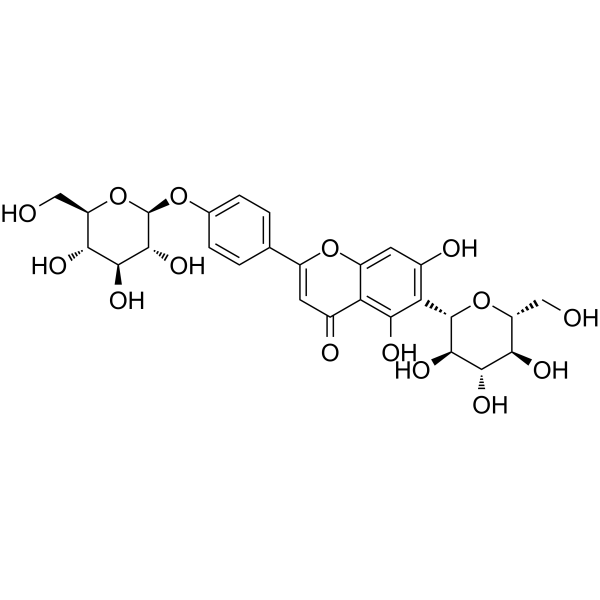
- Formula: C27H30O15
- Molecular Weight: 594.52
Isosaponarin is a flavone glycoside isolated from wasabi leaves. Isosaponarin is a P4HA2 enzymatic agonist. Isosaponarin increases collagen synthesis via up-regulated TGF-β type II receptor (TβR-II) and prolyl 4-hydroxylase (P4H) proteins production, promoting skin health and wound healing. Isosaponarin-rich plants exhibit strong antimicrobial, antioxidant, anti-hyaluronidase, antiplatelet, anti-atopic dermatitis, and anti-tumor effects.
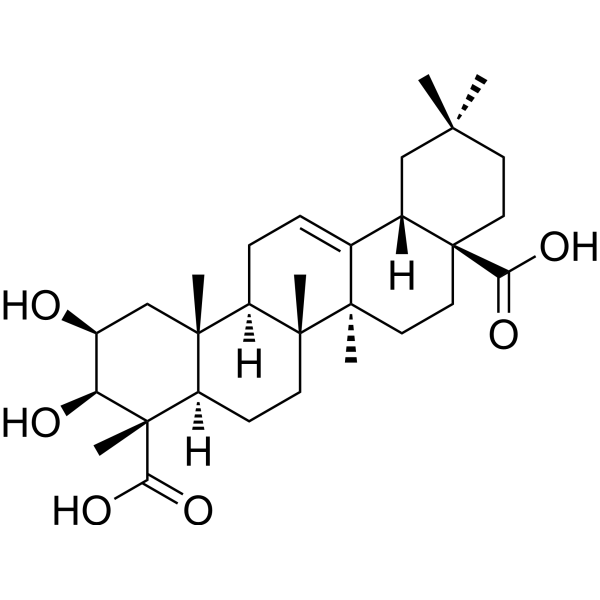
- Formula: C30H46O6
- Molecular Weight: 502.68
Medicagenic acid (Castanogenin) is isolated from the roots of Herniaria glabra, exhibits potent fungistatic effects against several plant pathogens and human dermatophytes. Medicagenic acid (Castanogenin) has low enzyme inhibitory activities, the target enzymes are xanthine oxidase, collagenase, elastase, tyrosinase, ChE.
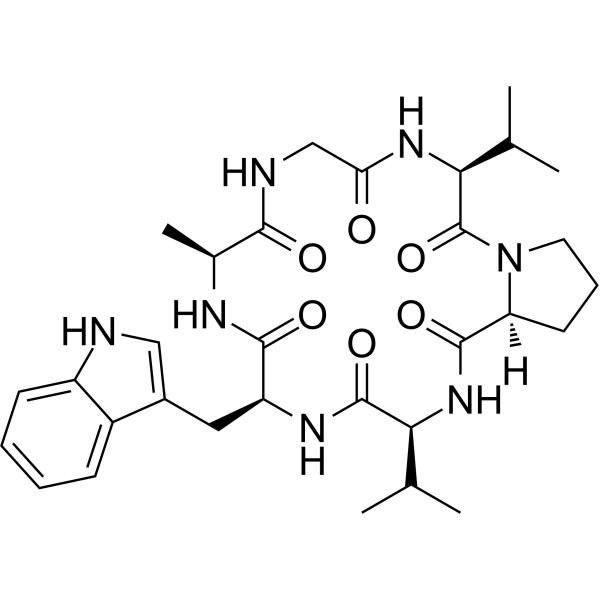
- Formula: C31H43N7O6
- Molecular Weight: 609.72
Segetalin A is the compound isolated from the seeds of Vaccaria hispanica.
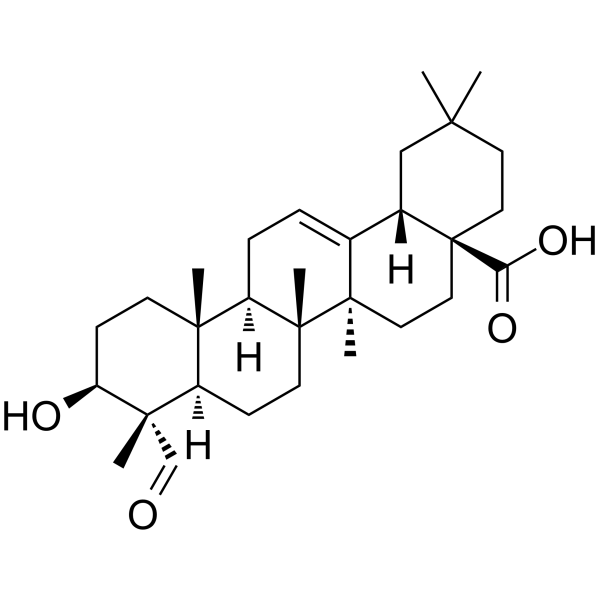
- Formula: C30H46O4
- Molecular Weight: 470.68
Gypsogenin is a selective mixed-type BChE inhibitor (Ki=19.99 μM) that also exhibits significant cytotoxicity against various human cancer cell lines. Gypsogenin inhibits tumor growth by inducing cell cycle arrest and triggering apoptosis. Gypsogenin displays antibacterial activity against bacteria such as Bacillus subtilis and Bacillus thuringiensis, and often serves as a key parent nucleus for the synthesis of anticancer compounds. Gypsogenin is widely used in research on Alzheimer's disease and various cancers including colon cancer, melanoma, and leukemia.

- Formula: C33H40O19
- Molecular Weight: 740.66
Isovitexin 7-O-rutinoside is an anti-inflammatory agent that can be isolated from the Mongolian anti-hepatic plant Dianthus versicolor.
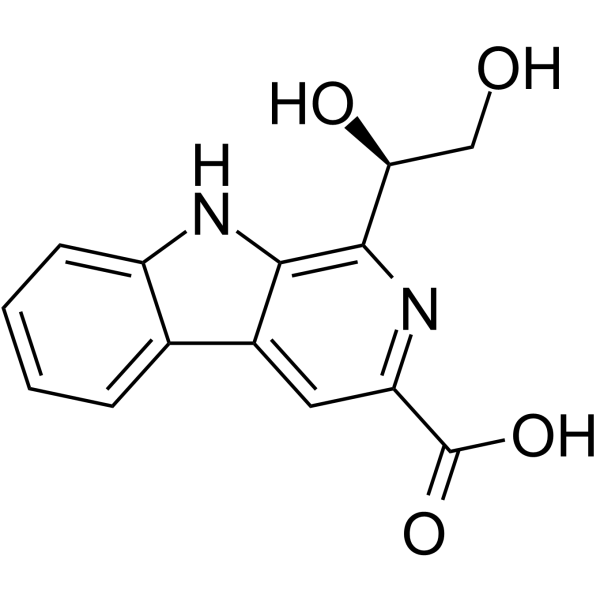
- Formula: C14H12N2O4
- Molecular Weight: 272.26
Dichotomine B, a β-Carboline alkaloid, attenuates neuroinflammatory responses in LPS/ATP-induced BV2 microglia.


- Formula: C53H84O24
- Molecular Weight: 1105.22
Saponarioside L is a triterpenoid saponin found in the roots of Saponaria officinalis.

- Formula: C26H32O13
- Molecular Weight: 552.52
Dichotomoside A is a neolignan glycoside. Dichotomoside A can be isolated from the roots of Stellaria dichotoma L. var. lanceolata.

- Formula: C45H67N9O9
- Molecular Weight: 878.07
Pseudostellarin E is a proline-rich, caryophyllaceous cyclopeptide present in the roots of Pseudostellaria heterophylla. Pseudostellarin E can be synthesized by overexpressing its precursor gene prePhPE in the leaves of Nicotiana benthamiana.

- Formula: C37H38O18
- Molecular Weight: 770.69
Apigenin 6-C-(2-O-feruloyl)glucoside 8-C-glucoside is a natural flavonoid.

- Formula: C10H14O2
- Molecular Weight: 166.22
(±)-Mintlactone is a member of benzofurans that can be found in the essential oil of Menthu piperitu L. (peppermint oil).
- 1
- 2



