


1. Search Result
Search Result
Results for "

hepatocellular carcinoma (HCC)

" in MedChemExpress (MCE) Product Catalog:

105

Inhibitors & Agonists

1

Screening Libraries

1

Fluorescent Dyes

6

Biochemical Assay Reagents

4

Peptides

7

Inhibitory Antibodies

24

Natural
Products

1

Isotope-Labeled Compounds

4

Oligonucleotides

Cat. No. Product Name Target Research Areas Chemical Structure
  • HY-N2334
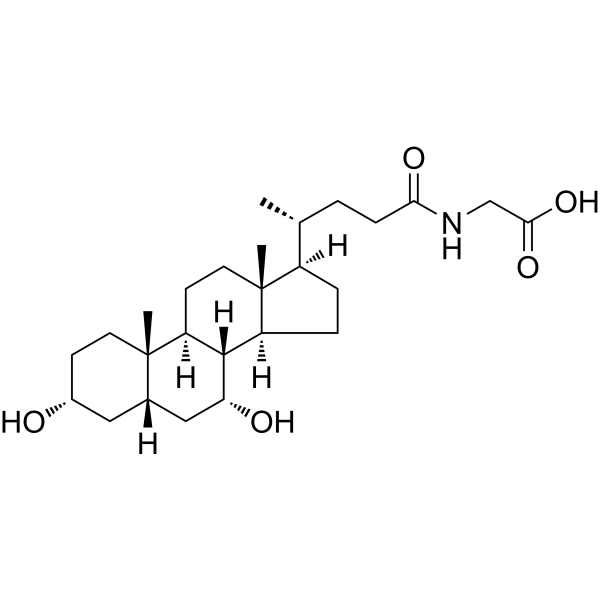
    Glycochenodeoxycholic acid
    5 Publications Verification

    Chenodeoxycholylglycine

    Endogenous Metabolite Apoptosis STAT BCL6 Interleukin Related Caspase Metabolic Disease Cancer
    Glycochenodeoxycholic acid (Chenodeoxycholylglycine) is a relatively toxic bile salt generated in the liver from chenodeoxycholic acid and glycine. Glycochenodeoxycholic acid inhibits Autophagosome formation and impairs lysosomal function by inhibiting lysosomal proteolysis and increasing lysosomal pH in human normal liver cells, leading to the Apoptosis of human hepatocyte cells. Glycochenodeoxycholic acid induces stemness and chemoresistance via activating STAT3 signaling pathway in hepatocellular carcinoma cells (HCC). Glycochenodeoxycholic acid is promising for research in the field of cholestasis desease, hepatocellular carcinoma and primary sclerosing cholangitis (PSC) .
    Glycochenodeoxycholic acid
  • HY-N7073
    Silymarin
    Maximum Cited Publications
    10 Publications Verification

    SARS-CoV Infection Neurological Disease Inflammation/Immunology Cancer
    Silymarin is an extract of the milk thistle (Silybum marianum). Silymarin is an effective SARS-CoV-2 main protease (M pro) inhibitor. Silymarin can significantly reduce tumor cell proliferation, angiogenesis as well as insulin resistance. Silymarin has the chemopreventive effect on hepatocellular carcinoma (HCC). Silymarin has the potential for COVID-19 research .
    Silymarin
  • HY-N2334A
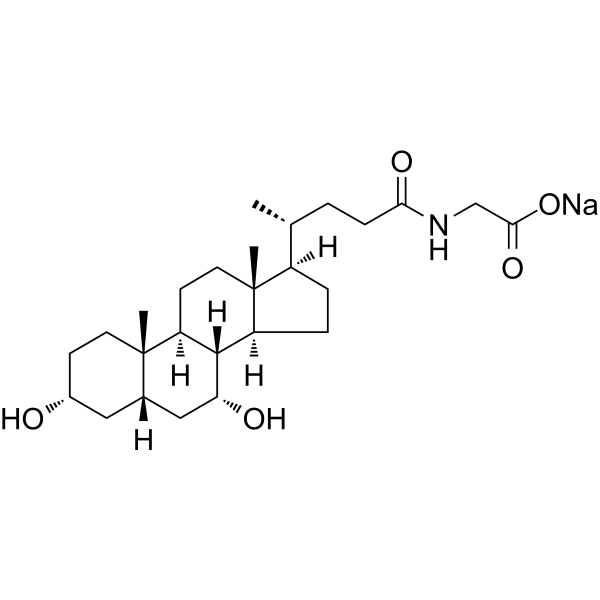
    Glycochenodeoxycholic acid sodium salt
    5 Publications Verification

    Chenodeoxycholylglycine sodium salt; Sodium glycochenodeoxycholate

    Endogenous Metabolite Apoptosis STAT BCL6 Interleukin Related Caspase Metabolic Disease Cancer
    Glycochenodeoxycholic acid sodium salt (Sodium glycochenodeoxycholate) is a relatively toxic bile salt generated in the liver from chenodeoxycholic acid and glycine. Glycochenodeoxycholic acid sodium salt inhibits Autophagosome formation and impairs lysosomal function by inhibiting lysosomal proteolysis and increasing lysosomal pH in human normal liver cells, leading to the Apoptosis of human hepatocyte cells. Glycochenodeoxycholic acid sodium salt induces stemness and chemoresistance via activating STAT3 signaling pathway in hepatocellular carcinoma cells (HCC). Glycochenodeoxycholic acid sodium salt is promising for research in the field of cholestasis desease, hepatocellular carcinoma and primary sclerosing cholangitis (PSC) .
    Glycochenodeoxycholic acid sodium salt
  • HY-100492
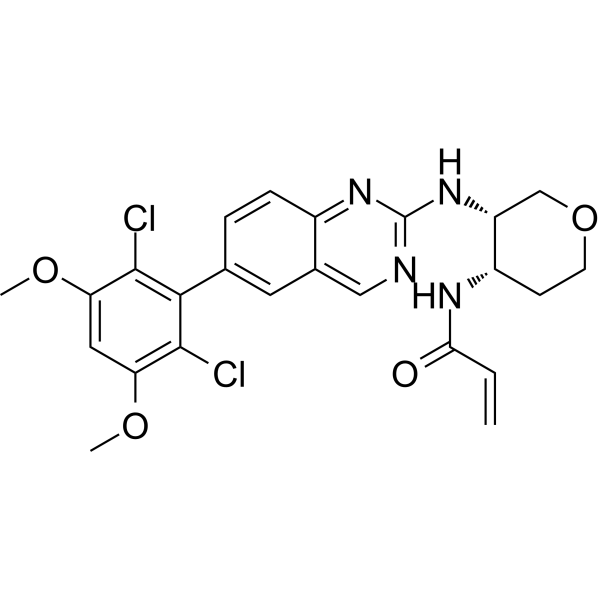
    Fisogatinib
    5 Publications Verification

    BLU-554

    FGFR Cancer
    Fisogatinib (BLU-554) is a potent, highly selective and orally active fibroblast growth factor receptor 4 (FGFR4) inhibitor with an IC50 of 5 nM. Fisogatinib has significant anti-tumor activity in models of hepatocellular carcinoma (HCC) that are dependent on FGFR4 signalling .
    Fisogatinib
  • HY-W015309
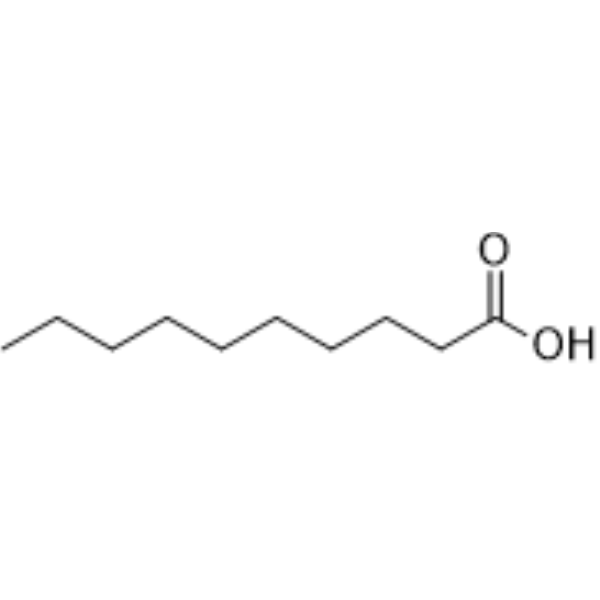
    Decanoic acid
    4 Publications Verification

    Environmental Pollutants Endogenous Metabolite iGluR Glutaminase c-Met/HGFR Tyrosinase Neurological Disease Metabolic Disease Cancer
    Decanoic acid is a key component of the medium-chain triglyceride (MCT) found in coconut oil. Decanoic acid is a brain-penetrant and non-competitive inhibitor of AMPA receptor showing antiseizure activity in rats. Decanoic acid reduces tyrosinase activity and inhibits melanosome maturation. Decanoic acid suppresses the phosphorylation of c-Met and induced apoptosis in hepatocellular carcinoma (HCC) cells by inhibiting the expression of various oncogenic proteins, which is promising for research in the field of mTORC1 signaling, HCC and epilepsy .
    Decanoic acid
  • HY-P99013
    Codrituzumab
    1 Publications Verification

    GC33; RO5137382

    Glycoprotein VI Cancer
    Codrituzumab (GC33) is a humanized monoclonal antibody targeting human GPC3 (glypican-3), with high affinity (Kd of 0.673 nM). GPC3 is an oncofetal protein expressed on the cell surface of hepatocellular carcinoma (HCC). Codrituzumab induces antibody-dependent cellular cytotoxicity (ADCC) and inhibits tumor growth .
    Codrituzumab
  • HY-N0876
    Arenobufagin
    4 Publications Verification

    Apoptosis Autophagy PI3K Akt mTOR PARP Caspase Atg8/LC3 Cancer
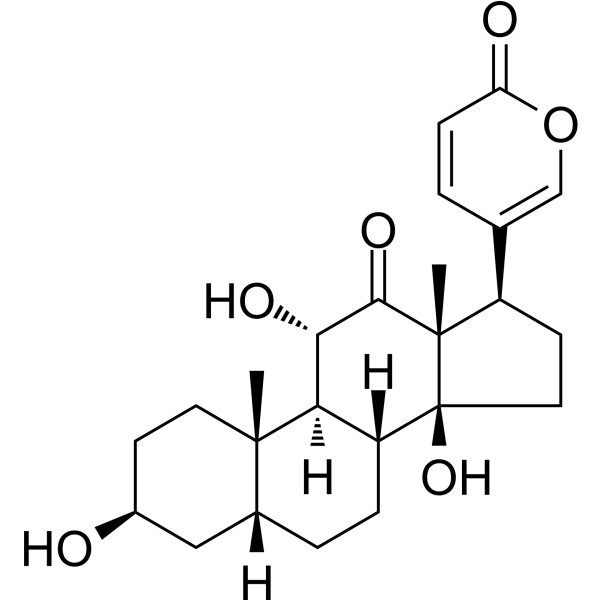
    Arenobufagin is a natural bufadienolide that can be extracted from toad venom. Arenobufagin can induce apoptosis and autophagy in human hepatocellular carcinoma cells through inhibition of PI3K/Akt/mTOR pathway. Arenobufagin has potent antineoplastic activity against HCC HepG2 cells as well as corresponding multidrug-resistant HepG2/ADM cells. Arenobufagin can inhibit VEGF-mediated angiogenesis through suppression of VEGFR-2 signaling pathway .
    Arenobufagin
  • HY-175606

    ATP Citrate Lyase Cancer
    EVT0185 is an orally active ATP citrate lyase (ACLY) inhibitor. EVT0185 is converted to a CoA thioester in the liver by SLC27A2 and interacts with the CoA-binding site of ACLY. EVT0185-CoA inhibits ACLY activity with an IC50 of 2.5 μM. EVT0185 can phenocopy the immune and antitumour effects of genetic ACLY deletion. EVT0185 can increase tumour-infiltrating B cells and chemokine CXCL13 levels. EVT0185 can be used for the research of cancer, such as hepatocellular carcinoma (HCC) .
    EVT0185
  • HY-111126
    K67
    1 Publications Verification

    p62 Keap1-Nrf2 Cancer
    K67 is a selective the interaction between Keap1 and S349 phosphorylated p62 inhibitor, with an IC50 of 1.5 μM. K67 has a weaker inhibitory effect on the interaction between Keap1 and Nrf2 (IC50 is 6.2 μM). K67 competitively binds to the binding site of Keap1 with p-p62, blocking the abnormal activation of the p62-dependent Nrf2 pathway. K67 inhibits tumor cell proliferation and enhances the sensitivity of hepatocellular carcinoma (HCC) to chemotherapeutic drugs by restoring Keap1-mediated ubiquitination and degradation of Nrf2 .
    K67
  • HY-15897
    LDN-212854
    1 Publications Verification

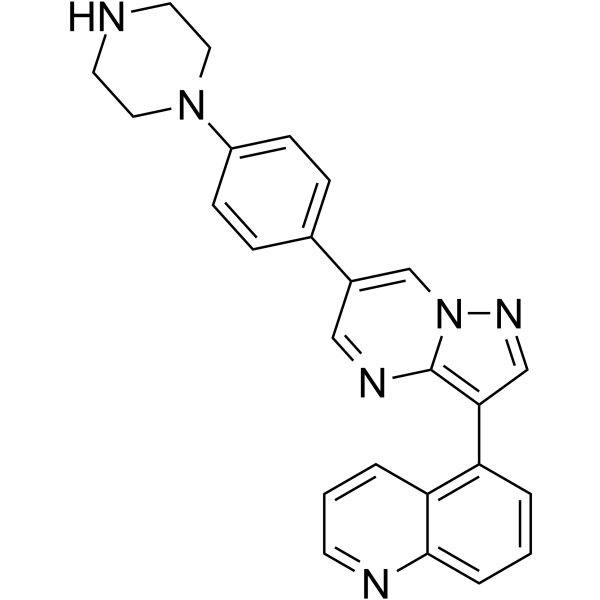
    TGF-β Receptor Cancer
    LDN-212854 is a bone morphogenetic protein (BMP) inhibitor that potently inhibits ALK2 (IC50: 1.3 nM). LDN-212854 also inhibits ALK1 (IC50: 2.40 nM). LDN-212854 can be used in the research of fibrodysplasia ossificans progressive and cancers, such as hepatocellular carcinoma (HCC) .
    LDN-212854
  • HY-111226
    GSK5182
    4 Publications Verification

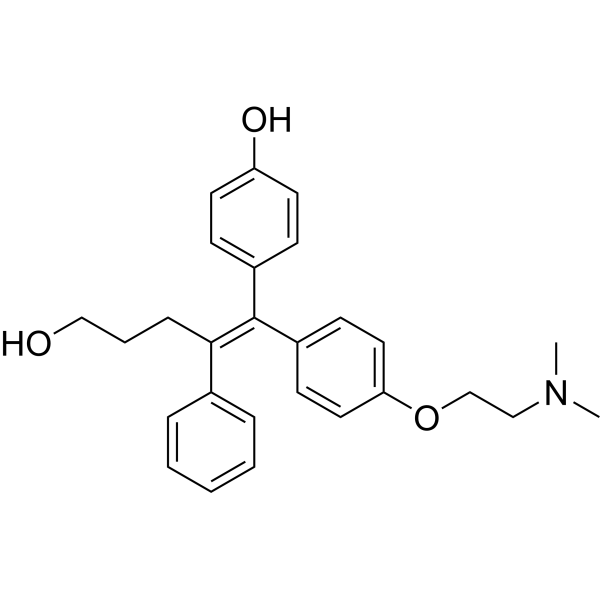
    Estrogen Receptor/ERR Reactive Oxygen Species (ROS) Cardiovascular Disease Cancer
    GSK5182 is a highly selective and orally active inverse agonist of estrogen-related receptor γ (ERRγ) with an IC50 of 79 nM. GSK5182 does not interact with other nuclear receptors, including ERRα or ERα. GSK5182 also induces reactive oxyen species (ROS) generation in hepatocellular carcinoma (HCC) .
    GSK5182
  • HY-178018

    iOXCT1

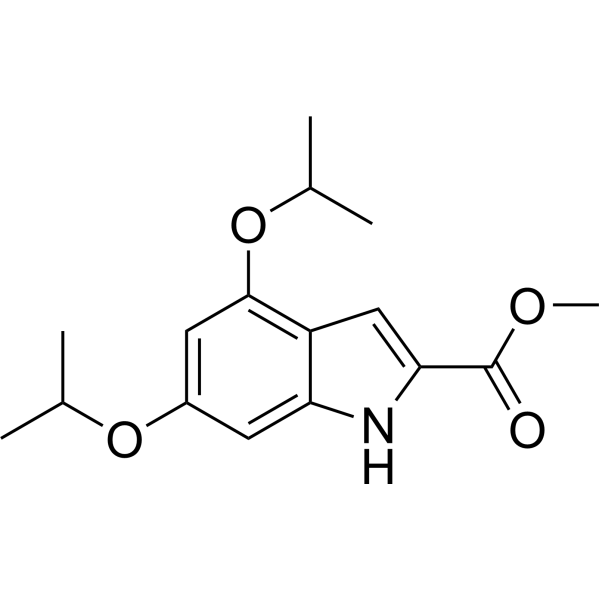
    Mitochondrial Metabolism Cancer
    D574-0246 is a dual-activity inhibitor of OXCT1, inhibiting both the ketolytic and succinyltransferase activities of OXCT1. D574-0246 reduces substrate-specific (LACTB K284) and global protein succinylation and decreases OXCT1 ketolytic activity in HepG2 cells. D574-0246 inhibits the viability of HCC cells (IC50: 16.49 μM in PLC cells, 6.656 μM in HepG2 cells). D574-0246 exerts anti-tumor efficacy in nude mice bearing OXCT1-overexpressing HepG2 xenograft tumors. D574-0246 can be used for the study of hepatocellular carcinoma (HCC) .
    D574-0246
  • HY-N2591

    Endogenous Metabolite Cancer
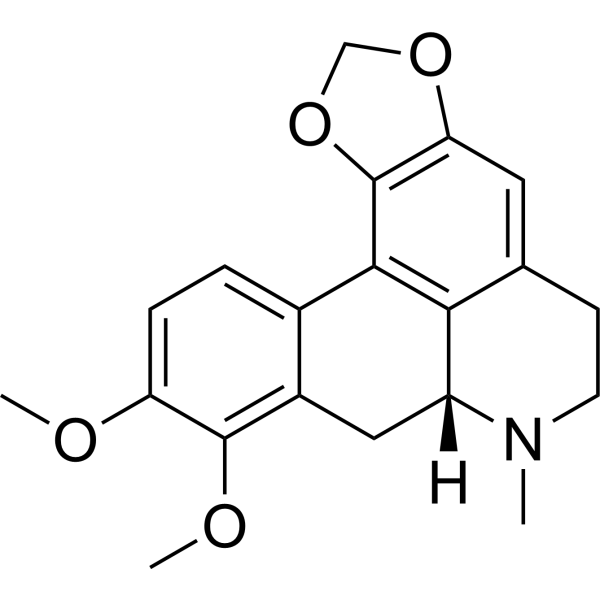
    Isocorydine is isolated from Dicranostigma leptopodum (Maxim.) Fedde (DLF). Isocorydine combines with Doxorubicin (DOX) has a promising potential to eradicate hepatocellular carcinoma (HCC) .
    Isocorydine
  • HY-150072

    PKA Cancer
    DS89002333 is an orally active and potent PRKACA inhibitor, with an IC50 of 0.3 nM. DS89002333 shows good anti-tumor activity in an FL-HCC patient-derived xenograft model (expressing the DNAJB1-PRKACA fusion gene). DS89002333 can be used in study of fibrolamellar hepatocellular carcinoma (FL-HCC) .
    DS89002333
  • HY-101519
    BETd-260
    4 Publications Verification

    ZBC 260

    PROTACs Epigenetic Reader Domain Apoptosis Cancer
    BETd-260 (ZBC 260) is a PROTAC connected by ligands for Cereblon and BET, with as low as 30 pM against BRD4 protein in RS4;11 leukemia cell line . BETd-260 potently suppresses cell viability and robustly induces apoptosis in hepatocellular carcinoma (HCC) cells .
    BETd-260
  • HY-100008
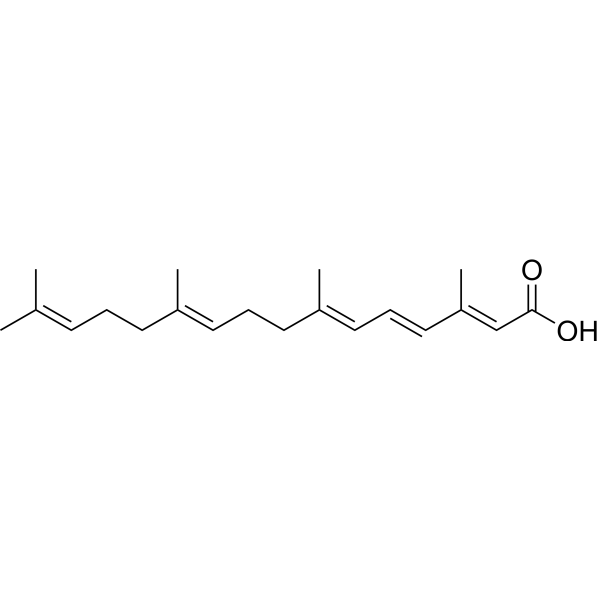
    Peretinoin
    5+ Cited Publications

    NIK333

    RAR/RXR SphK Autophagy HCV Infection Cancer
    Peretinoin is an oral acyclic retinoid with a vitamin A-like structure that targets retinoid nuclear receptors such as retinoid X receptor (RXR) and retinoic acid receptor (RAR). Peretinoin reduces the mRNA level of sphingosine kinase 1 (SPHK1) in vitro by downregulating a transcription factor, Sp1 . Peretinoin prevents the progression of non-alcoholic steatohepatitis (NASH) and the development of hepatocellular carcinoma (HCC) through activating the autophagy pathway by increased Atg16L1 expression . Peretinoin inhibits HCV RNA amplification and virus release by altering lipid metabolism with a EC50 of 9 μM .
    Peretinoin
  • HY-13267
    Droxinostat
    3 Publications Verification

    NS 41080

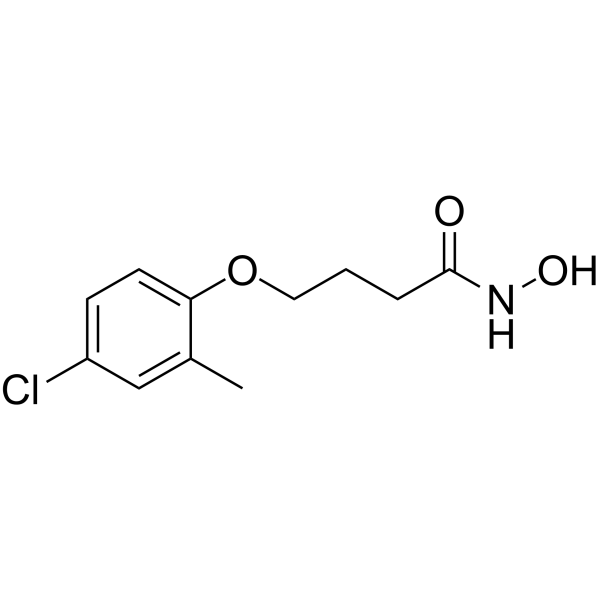
    HDAC Apoptosis Cancer
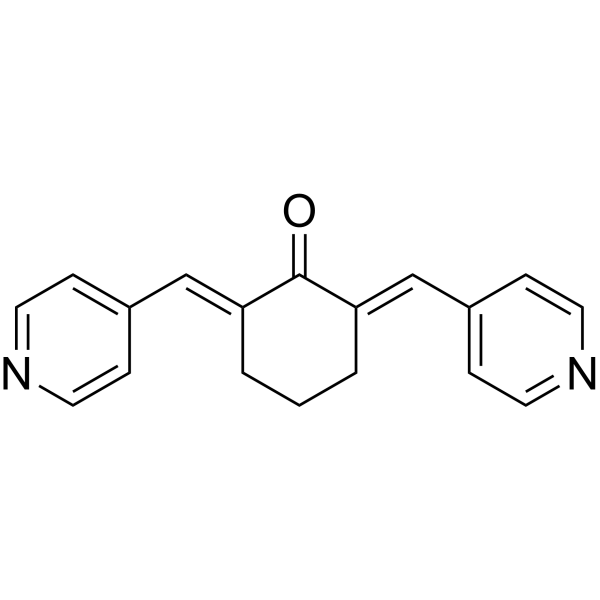
    Droxinostat (NS 41080) is a histone deacetylase (HDAC) inhibitor. Droxinostat selectively inhibits HDAC3, HDAC6, and HDAC8 with IC50 values of 16.9 μM, 2.47 μM, and 1.46 μM, respectively. Droxinostat can be used for the research of hepatocellular carcinoma (HCC) .
    Droxinostat
  • HY-N2255
    Crebanine
    4 Publications Verification

    Akt Apoptosis NF-κB Reactive Oxygen Species (ROS) p38 MAPK ERK Interleukin Related TNF Receptor NO Synthase nAChR Bacterial Cancer
    Crebanine is an isoquinoline-like alkaloid that can be derived from Stephania. Crebanine is an antagonist of the α7-nAChR with an IC50 of 19.1 μM. Crebanine suppresses the proliferation, migration, and invasion of cancer cells, triggers reactive oxygen species (ROS) burst, and promotes apoptosis. Crebanine inhibits the AKT/FoxO3a, NF-κB and MAPK signaling pathways. Crebanine attenuates NOX2 hyperactivation, exhibits antioxidant properties by reducing reactive oxygen species and peroxidation in microglia cells. Crebanine inhibits voltage-dependent Na + current in guinea-pig ventricular myocytes. Crebanine has high inhibitory activity against gram-positive animal pathogenic bacteria. Crebanine ameliorates ischemia-reperfusion brain damage in middle cerebral artery occlusion and reperfusion (MCAO/R) rats. Crebanine significantly improves Scopolamine (HY-N0296)-induced cognitive deficits in ICR mice. Crebanine can be used for the study of hepatocellular carcinoma (HCC), cerebral ischemia and Alzheimer's disease .
    Crebanine
  • HY-19832
    SC66
    5 Publications Verification

    MOFs Akt Apoptosis Cancer
    SC66 is an Akt inhibitor, reduces cell viability in a dose- and time-dependent manner, inhibits colony formation and induces apoptosis in hepatocellular carcinoma (HCC) cells.
    SC66
  • HY-137506
    XST-14
    2 Publications Verification

    ULK p38 MAPK TGF-β Receptor Anaplastic lymphoma kinase (ALK) CaMK Apoptosis Cancer
    XST-14 is a potent, competitive and highly selective ULK1 inhibitor with an IC50 of 26.6 nM. XST-14 induces autophagy inhibition by reducing the phosphorylation of the ULK1 downstream substrate. XST-14 induces apoptosis in hepatocellular carcinoma (HCC) cells and has antitumor effects .
    XST-14
  • HY-P99353
    Ascrinvacumab
    2 Publications Verification

    Anti-ACVRL1 / ALK-1 Reference Antibody (ascrinvacumab); PF-03446962; GT-90001C

    Anaplastic lymphoma kinase (ALK) Cancer
    Ascrinvacumab (PF-03446962) is a human IgG2 monoclonal antibody targets ALK-1. Ascrinvacumab shows binding efficiency with human ALK1 with a Kd value of 7 nM. Ascrinvacumab can be used for the research of hepatocellular carcinoma (HCC) .
    Ascrinvacumab
  • HY-N6623
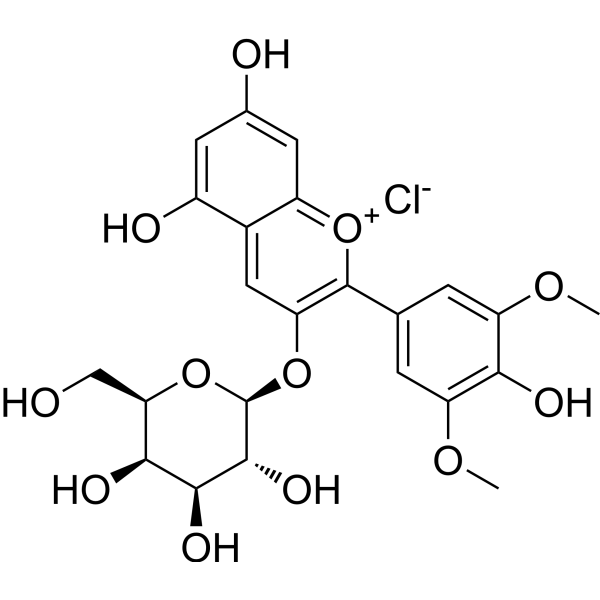
    Malvidin-3-galactoside chloride
    1 Publications Verification

    Apoptosis Endogenous Metabolite Reactive Oxygen Species (ROS) Cancer
    Malvidin-3-galactoside chloride, an anthocyanin monomer, induces hepatocellular carcinoma (HCC) cells cycle arrest and apoptosis. Malvidin-3-galactoside chloride inhibits the production and accumulation of ROS. Malvidin-3-galactoside chloride has anti-tumor function .
    Malvidin-3-galactoside chloride
  • HY-130173
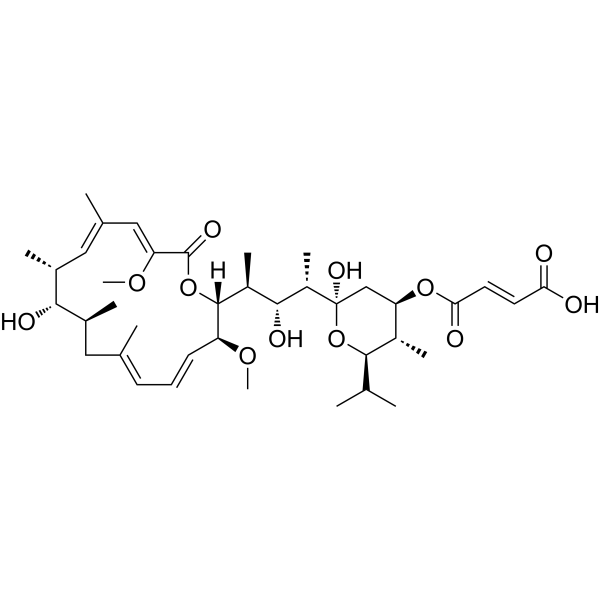
    Bafilomycin C1
    1 Publications Verification

    Bacterial Fungal Na+/K+ ATPase Apoptosis Antibiotic Infection Cancer
    Bafilomycin C1 is a macrolide antibiotic isolated from Streptomyces sp. Bafilomycin C1 is a potent, specific and reversible inhibitor of vacuolar-type H +-ATPases (V-ATPases). Bafilomycin C1 inhibits growth of gram-positive bacteria and fungi . Bafilomycin C1 induces cell apoptosis and can be used for the study of hepatocellular carcinoma (HCC) .
    Bafilomycin C1
  • HY-P990841

    Glycoprotein VI Cancer
    Anti-pan-Glypican Antibody (HS20) is a kind of human IgG1 κ human antibody, targeting to human pan-Glypican. Anti-pan-Glypican Antibody (HS20) can neutralize the heparan sulfate (HS) chains on GPC3 thereby disrupting the Wnt3a-GPC3 interactions leading to blockade of the Wnt3a/β-catenin signaling. Anti-pan-Glypican Antibody (HS20) can be used for the research of cancer, such as hepatocellular carcinoma (HCC) .
    Anti-pan-Glypican Antibody (HS20)
  • HY-N2282

    Zingiberensis newsaponin

    Aldose Reductase JAK STAT Autophagy Apoptosis NF-κB SOD Reactive Oxygen Species (ROS) Cardiovascular Disease Neurological Disease Inflammation/Immunology Cancer
    Zingiberen Newsaponin (Zingiberensis newsaponin) is an orally active type of steroid saponin compound. Zingiberen Newsaponin exerts anti-hepatocellular carcinoma (HCC) effects by inhibiting autophagy and the AKR1C1/JAK2/STAT3 pathway. Zingiberen Newsaponin activates oxidative stress (upregulates ROS and MDA) and mitochondrial pathways, promoting cancer cell apoptosis. Zingiberen Newsaponin alleviates cerebral ischemia-reperfusion (I/R) injury by decreasing the concentration of pro-inflammatory cytokines and inhibits NF-κB. Zingiberen Newsaponin can enhance the activity of SOD, eliminate free radicals and protect nerve cells. Zingiberen Newsaponin induces platelet aggregation .
    Zingiberen newsaponin
  • HY-D2312

    Fluorescent Dye Ferroptosis Cancer
    Mito-Rh-S is a ratiometric near-infrared (NIR) fluorescent probe that detects the fluctuation of mitochondrial HClO levels during ferroptosis in hepatocellular carcinoma (HCC) .
    Mito-Rh-S
  • HY-132177
    α-L-Fucosidase, Microorganism
    1 Publications Verification

    EC 3.2.1.51; FUC

    Endogenous Metabolite Cancer
    α-L-Fucosidase, Microorganism (EC 3.2.1.51) is an enzyme that catalyzes the chemical reaction. Serum activity of α-L-Fucosidase, Microorganism, a lysosomal enzyme present in all mammalian cells, has been proposed as a marker of hepatocellular carcinoma (HCC) .
    α-L-Fucosidase, Microorganism
  • HY-150538
    STAT3-IN-12
    1 Publications Verification

    STAT Apoptosis Cancer
    STAT3-IN-12 is a potent STAT3 signal inhibitor that can inhibit IL-6 induced JAK/STAT3 signalling pathway activation. STAT3-IN-12 inhibits cancer cell growth, migration, and induce cell apoptosis as well as cycle arrest. STAT3-IN-12 can be used in cancer-related research, such as hepatocellular carcinoma (HCC) and oesophageal carcinoma .
    STAT3-IN-12
  • HY-175646

    Acyltransferase mTOR Ribosomal S6 Kinase (RSK) Apoptosis Cancer
    AGPAT4-IN-1 (Compound CL26) is a covalent AGPAT4 inhibitor with an IC50 of 795 nM. AGPAT4-IN-1 covalently binds to AGPAT4 at Cys 228 and significantly inhibits acyltransferase activity, LPA-to-PA conversion and downstream mTOR/S6K pathways. AGPAT4-IN-1 sensitizes hepatocellular carcinoma (HCC) tumors to Sorafenib (HY-10201) and significantly induces apoptosis with a synergistic response. AGPAT4-IN-1 has antitumor activity and reduces tumorigenicity and stemness in HCC xenograft mouse models .
    AGPAT4-IN-1
  • HY-113081R

    Reference Standards Endogenous Metabolite PPAR Hedgehog Cancer
    1-Methyladenosine (Standard) is the analytical standard of 1-Methyladenosine. This product is intended for research and analytical applications. 1-Methyladenosine is an RNA modification that can serve as a tumor marker, with elevated levels in the body associated with cancer development. Following 1-methyladenosine methylation, upregulation of PPARδ expression regulates cholesterol metabolism and activates Hedgehog signaling pathway, driving liver tumorigenesis . In Vitro:Compared to surrounding tumor tissues, 1-methyladenosine methylation in RNA is aberrantly elevated in hepatocellular carcinoma (HCC) cell lines and liver cancer stem cells (CSCs). Methylated 1-methyladenosine can promote cholesterol synthesis and activate the Hedgehog signaling pathway by enhancing the translation of PPARδ in liver CSCs, ultimately driving the self-renewal and tumorigenesis of liver cancer stem cells .
    1-Methyladenosine (Standard)
  • HY-121799

    THCA

    Endogenous Metabolite Cancer
    Taurohyocholic acid is a taurine-conjugated hyocholic acid. Taurohyocholic acid is predictor of the efficacy of tyrosine kinase inhibitors combined withPD-1 inhibitors in hepatocellular carcinoma (HCC) .
    Taurohyocholic acid
  • HY-121799A

    THCA sodium salt

    Endogenous Metabolite Others
    Taurohyocholic acid (THCA) sodium salt is a taurine-conjugated hyocholic acid. Taurohyocholic acid sodium salt is predictor of the efficacy of tyrosine kinase inhibitors combined withPD-1 inhibitors in hepatocellular carcinoma (HCC) .
    Taurohyocholic acid sodium salt
  • HY-N4168B

    Others Cancer
    Methyl chlorogenate is an antioxidant, and has radical scavenging activity. Methyl chlorogenate is an anti-inflammatory agent. Methyl chlorogenate also inhibits hepatocellular carcinoma (HCC) cell proliferation and metastasis .
    Methyl chlorogenate
  • HY-N11429

    Endogenous Metabolite Metabolic Disease Cancer
    Glycochenodeoxycholic acid 3-glucuronide is a type of steroid glucuronide and a plasma metabolite that can be used in the research of biomarkers for diabetes and hepatocellular carcinoma (HCC) .
    Glycochenodeoxycholic acid 3-glucuronide
  • HY-147187

    STAT Apoptosis Bcl-2 Family Survivin Cancer
    MNK8 is a potent STAT3 (signal transducer and activator of transcription 3) inhibitor. MNK8 inhibits STAT3 activation and reduced its DNA binding ability. MNK8 shows good growth inhibition against hepatocellular carcinoma (HCC) cells. MNK8 induces apoptosis in HCC cells. MNK8 reduces prosurvival proteins expression and migration/invasion of HCC cells .
    MNK8
  • HY-N8540

    Phosphoglycerate Kinase (PGK) Fungal Apoptosis Infection Cancer
    Ilicicolin H is a selective and non-ATP-competitive phosphoglycerate kinase 1 (PGK1) (IC50 = 9.02 μM) and mitochondrial cytochrome bc1 reductase (IC50 = 2-3 ng/mL) inhibitor. Ilicicolin H directly binds to PGK1 with KD of 60 μM .Ilicicolin H can inhibit cell proliferation and induce apoptosis. Ilicicolin H can inhibit the lactate production and glucose uptake of hepatocellular carcinoma (HCC) cells. Ilicicolin H has a broad antifungal spectrum including C. albicans, Cryptococcus and A. fumigatus. Ilicicolin H can be used for the researches of cancer and infection, such as hepatocellular carcinoma (HCC) and C. albicans infection .
    Ilicicolin H
  • HY-160765

    APS-8-100-2

    Wnt Apoptosis Cancer
    WNTinib (APS-8-100-2) is a multi-kinase inhibitor that selectively antagonizes β-catenin (CTNNB1) mutated hepatocellular carcinoma (HCC). WNTinib downregulates oncogenicWntsignaling by inhibiting KIT/MAPK and downstream EZH2 activation .
    WNTinib
  • HY-155248

    HDAC Cancer
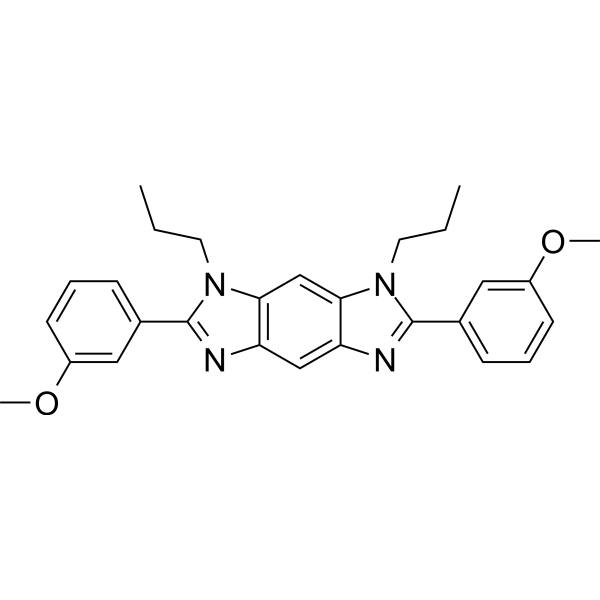
    HL23 is a histone deacetylase (HDAC) inhibitor with activity against hepatocellular carcinoma (HCC). HL23 enhances acetylation of the TXNIP promoter and upregulates TXNIP expression, thereby mediating potassium channel activity and triggering TXNIP-dependent potassium deprivation. HL23 inhibits HCC progression and metastasis and has a synergistic effect with Sorafenib (HY-10201) and is more potent than Sorafenib+Vorinostat (HY-10221) .
    HL23
  • HY-162143

    SphK Akt mTOR Cancer
    SKI-349 is a dual-targeted inhibitor of sphingosine kinase 1/2 (SPHK1/2) and microtubule assembly (MDA). SKI-349 has anticancer activity. SKI-349 can inhibit the vitality, invasion, and AKT/mTOR signaling pathway of liver cells .
    SKI-349
  • HY-N2334R

    Chenodeoxycholylglycine (Standard)

    Reference Standards Endogenous Metabolite Apoptosis STAT BCL6 Interleukin Related Caspase Metabolic Disease Cancer
    Glycochenodeoxycholic acid (Standard) is the analytical standard of Glycochenodeoxycholic acid. This product is intended for research and analytical applications. Glycochenodeoxycholic acid (Chenodeoxycholylglycine) is a relatively toxic bile salt generated in the liver from chenodeoxycholic acid and glycine. Glycochenodeoxycholic acid inhibits Autophagosome formation and impairs lysosomal function by inhibiting lysosomal proteolysis and increasing lysosomal pH in human normal liver cells, leading to the Apoptosis of human hepatocyte cells. Glycochenodeoxycholic acid induces stemness and chemoresistance via activating STAT3 signaling pathway in hepatocellular carcinoma cells (HCC). Glycochenodeoxycholic acid is promising for research in the field of cholestasis desease, hepatocellular carcinoma and primary sclerosing cholangitis (PSC)[1][2][3][4].
    Glycochenodeoxycholic acid (Standard)
  • HY-N2334AR

    Chenodeoxycholylglycine sodium salt (Standard); Sodium glycochenodeoxycholate (Standard)

    Reference Standards Endogenous Metabolite Apoptosis STAT BCL6 Interleukin Related Caspase Metabolic Disease Cancer
    Glycochenodeoxycholic acid sodium salt (Standard) is the analytical standard of Glycochenodeoxycholic acid sodium salt. This product is intended for research and analytical applications. Glycochenodeoxycholic acid sodium salt (Sodium glycochenodeoxycholate) is a relatively toxic bile salt generated in the liver from chenodeoxycholic acid and glycine. Glycochenodeoxycholic acid sodium salt inhibits Autophagosome formation and impairs lysosomal function by inhibiting lysosomal proteolysis and increasing lysosomal pH in human normal liver cells, leading to the Apoptosis of human hepatocyte cells. Glycochenodeoxycholic acid sodium salt induces stemness and chemoresistance via activating STAT3 signaling pathway in hepatocellular carcinoma cells (HCC). Glycochenodeoxycholic acid sodium salt is promising for research in the field of cholestasis desease, hepatocellular carcinoma and primary sclerosing cholangitis (PSC) .
    Glycochenodeoxycholic acid sodium salt (Standard)
  • HY-W266188

    Isotope-Labeled Compounds iGluR Tyrosinase c-Met/HGFR Glutaminase Neurological Disease Metabolic Disease Cancer
    Decanoic acid- 13C is the 13C-labeled Decanoic acid (HY-W015309). Decanoic acid is a key component of the medium-chain triglyceride (MCT) found in coconut oil. Decanoic acid is a brain-penetrant and non-competitive inhibitor of AMPA receptor showing antiseizure activity in rats. Decanoic acid reduces tyrosinase activity and inhibits melanosome maturation. Decanoic acid suppresses the phosphorylation of c-Met and induced apoptosis in hepatocellular carcinoma (HCC) cells by inhibiting the expression of various oncogenic proteins, which is promising for research in the field of mTORC1 signaling, HCC and epilepsy .
    Decanoic acid-13C
  • HY-P990840

    Glycoprotein VI Cancer
    Anti-GPC3 Antibody (YP7) is a kind of mouse IgG1 κ chimeric antibody, targeting to human GPC3. Anti-GPC3 Antibody (YP7) reacts with the C-lobe of cell surface-associated glypican-3 (GPC3). Anti-GPC3 Antibody (YP7) can be used for the research of cancer, such as hepatocellular carcinoma (HCC) .
    Anti-GPC3 Antibody (YP7)
  • HY-W013514

    Environmental Pollutants DNA/RNA Synthesis Cancer
    2-Acetamidofluorene is a potent carcinogenan. 2-Acetamidofluorene is can be used fot induction of hepatocellular carcinoma (HCC) and multiple primary tumours .
    2-Acetamidofluorene
  • HY-162259

    PROTACs Histone Acetyltransferase Cancer
    QC-182 is a potent PROTAC degrader of p300/CBP. QC-182 reduces p300 protein in the SK-HEP-1 cells (DC50 = 93nM). QC-182 potently and effectively inhibits cell growth in the SK-HEP-1 and JHH7 cell lines with IC50 values of 0.733 and 0.477 μM, respectively. QC-182 can be used for the research of hepatocellular carcinoma (HCC) .
    QC-182
  • HY-W005118

    4-Fluoropyridin-2-amine

    Drug Intermediate Cancer
    2-Amino-4-fluoropyridine (4-Fluoropyridin-2-amine) is a drug intermediate that can be used for the synthesis reversible-covalent FGFR4 inhibitors .
    2-Amino-4-fluoropyridine
  • HY-151461

    Arf Family GTPase Cancer
    CHNQD-01255 is an orally active Arf-GEFs inhibitor with potent anti-hepatocellular carcinoma (HCC) efficacy .
    CHNQD-01255
  • HY-179035

    Molecular Glues CXCR Cancer
    TBS6b is a potent and selective ACKR3 molecular glue degrader. TBS6b degrades ACKR3 via the ubiquitin-proteasome pathway. TBS6b inhibits hepatocellular carcinoma cell proliferation, migration, and invasion. TBS6b is relevant to hepatocellular carcinoma (HCC) research .
    TBS6b
  • HY-175283

    Molecular Glues NEKs Cancer
    ABT-002 is a molecular glue degrader targeting GSPT1 and NEK7. ABT-002 is the active metabolite of ABS-752 (HY-W599279). ABT-002 is promising for research of hepatocellular carcinoma (HCC) .
    ABT-002
  • HY-172500

    Liposome Cancer
    DSPE-PEG2000-Mal-CLPLIPTHIISFS is a PEG compound composed of DSPE and the liver cancer targeting peptide SP94 (HY-P11050A) (sequence SFSIIHTPILPL). SP94 exhibits specific binding to hepatocellular carcinoma (HCC) cells. DSPE-PEG2000-Mal-CLPLIPTHIISFS can be used to prepare lipid nanoparticles to form liver cancer-targeting nanocarriers.
    DSPE-PEG2000-Mal-CLPLIPTHIISFS

Inquiry Online

Your information is safe with us. * Required Fields.

Salutation


Country or Region *

Applicant Name *


Organization Name *

Department *


Email Address *


Product Name *

Cat. No.


Requested quantity *

Phone Number *


Remarks

Inquiry Online

Inquiry Information

Product Name:
Cat. No.:
Quantity:
MCE Japan Authorized Agent:

