

1. Search Result
Search Result
Pathways Recommended: Stem Cell/Wnt Cell Cycle/DNA Damage
Results for "

human blood cells

" in MedChemExpress (MCE) Product Catalog:

302

Inhibitors & Agonists

2

Screening Libraries

8

Fluorescent Dyes

13

Biochemical Assay Reagents

20

Peptides

5

MCE Kits

34

Inhibitory Antibodies

24

Natural
Products

2

Recombinant Proteins

7

Isotope-Labeled Compounds

1

Antibodies

1

Click Chemistry

11

Oligonucleotides

2

GMP Molecules

Cat. No. Product Name Target Research Areas Chemical Structure
  • HY-P1956
    Human serum albumin
    4 Publications Verification

    HSA

    NF-κB NO Synthase Cardiovascular Disease Inflammation/Immunology Cancer
    Human serum albumin (HSA) is the most abundant protein in plasma and is a major determinant of plasma oncotic pressure. Human serum albumin exhibits antioxidant, anticoagulant, anti-inflammatory, anti-platelet aggregation activities as well as colloid osmotic action. Human serum albumin can block the inhibitory effect of GML on human T cells, providing protective function for T cells. Human serum albumin is also associated with cardiovascular diseases and can partially prevent the LPS (HY-D1056) induced oxidative stress, as well as the upregulation of NF-κB, NF-κB, and peroxynitrite (ONOO ) in the vascular wall, contributing to the reduction of blood pressure .
    This product is recombinant Human Serum Albumin expressed in a microbial expression system.
    Human serum albumin
  • HY-17007
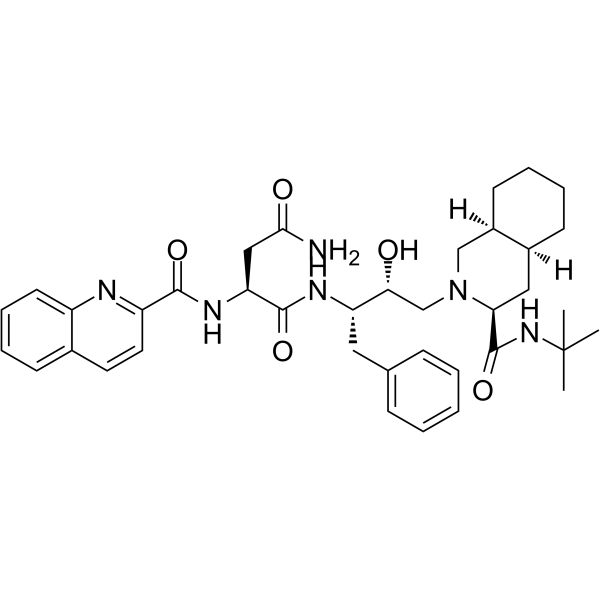
    Saquinavir
    15+ Cited Publications

    Ro 31-8959

    HIV HIV Protease Apoptosis Reactive Oxygen Species (ROS) Calcium Channel NO Synthase Interleukin Related Toll-like Receptor (TLR) p38 MAPK JNK Infection Cardiovascular Disease Inflammation/Immunology
    Saquinavir (Ro 31-8959) is an orally active HIV protease inhibitor that can be used in the research of AIDS. Saquinavir also has anti-inflammatory activity and can induce apoptosis of human red blood cells .
    Saquinavir
  • HY-P3160
    Fibronectin
    Maximum Cited Publications
    8 Publications Verification

    Integrin Cardiovascular Disease Inflammation/Immunology
    Fibronectin, a glycoprotein present in blood as well as in cells, is a biomarker of tissue injury. Fibronectin binds to membrane-spanning receptor proteins called integrins. Fibronectin also binds to other extracellular matrix proteins such as collagen, fibrin, and heparan sulfate proteoglycans .
    This product is a human Fibronectin obtained by recombinant expression in a rice expression system.
    Fibronectin
  • HY-D1005A22

    PEG-PPG-PEG, 14600 (Average)

    Environmental Pollutants Biochemical Assay Reagents Others
    Poloxamer 338 F108 is block polymer of polyoxyethylene and polyoxypropylene with average molecular mass of 14600. Poloxamer 338 F108 reduces the aggregation of red blood cells, inhibits proliferation of human lymphocyte cell IIBR1. Poloxamer 338 F108 exhibits short-term and subchronic toxicity in rats .
    Poloxamer 338 (F108)
  • HY-P1956A

    HSA (Cell culture grade, Endotoxin<0.125 EU/mg)

    NF-κB NO Synthase Cardiovascular Disease Inflammation/Immunology
    Human serum albumin (Cell culture grade, Endotoxin<0.125 EU/mg) (HSA) is the most abundant protein in plasma and is a major determinant of plasma oncotic pressure. Human serum albumin (Cell culture grade, Endotoxin<0.125 EU/mg) exhibits antioxidant, anticoagulant, anti-inflammatory, anti-platelet aggregation activities as well as colloid osmotic action. Human serum albumin (Cell culture grade, Endotoxin<0.125 EU/mg) can block the inhibitory effect of GML on human T cells, providing protective function for T cells. Human serum albumin (Cell culture grade, Endotoxin<0.125 EU/mg) is also associated with cardiovascular diseases and can partially prevent the LPS (HY-D1056) induced oxidative stress, as well as the upregulation of NF-κB, iNOS, and peroxynitrite (ONOO ) in the vascular wall, contributing to the reduction of blood pressure. Human serum albumin (Cell culture grade, Endotoxin<0.125 EU/mg) can be used for in vitro cell culture .
    This product is human serum albumin recombinantly expressed in an Escherichia coli expression system.
    Human serum albumin (Cell culture grade, Endotoxin<0.125 EU/mg)
  • HY-16276
    Osilodrostat
    4 Publications Verification

    LCI699

    Mineralocorticoid Receptor Cardiovascular Disease Inflammation/Immunology Cancer
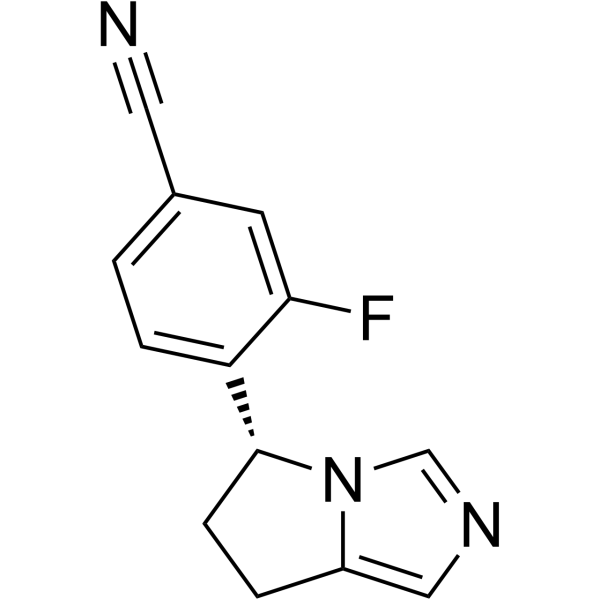
    Osilodrostat (LCI699) is a potent, orally active11β-hydroxylase (CYP11B1) inhibitor with an IC50 value of 35 nM. Osilodrostat is a potent, orally aldosterone synthase (CYP11B2) inhibitor with IC50 values of 0.7 nM and 160 nM for human aldosterone synthase and rat aldosterone synthase, respectively. Osilodrostat inhibits aldosterone and corticosterone synthesis. Osilodrostat has blood pressure lowering ability. Osilodrostat can be used for research of Cushing syndrome (CS) .
    Osilodrostat
  • HY-17003
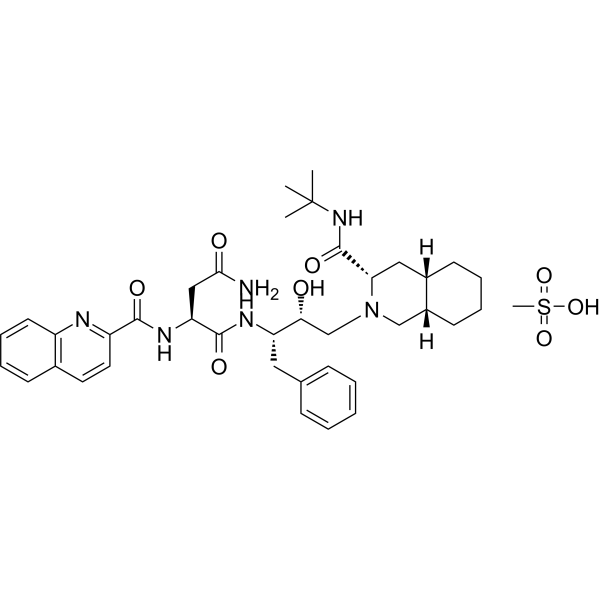
    Saquinavir mesylate
    15+ Cited Publications

    Ro 31-8959/003

    HIV HIV Protease Apoptosis Reactive Oxygen Species (ROS) Calcium Channel NO Synthase Interleukin Related Toll-like Receptor (TLR) p38 MAPK JNK Infection Cardiovascular Disease Inflammation/Immunology
    Saquinavir (Ro 31-8959) mesylate is an orally active HIV protease inhibitor that can be used in the research of AIDS. Saquinavir mesylate also has anti-inflammatory activity and can induce apoptosis of human red blood cells .
    Saquinavir mesylate
  • HY-128144
    Lalistat 2
    3 Publications Verification

    Lipase Metabolic Disease
    Lalistat 2 is an inhibitor of many lipases especially Lysosomal acid lipase (LAL, IC50 = 152 nM), which is a key enzyme that degrades neutral lipids at an acidic pH in lysosomes. Lalistat 2 is commonly used to investigate the cell-specific functions of LAL and LAL deficiency in vitro, as well as specifically measure LAL activity in human blood samples or cells .
    Lalistat 2
  • HY-P990774

    ASP-7266; TRAB-1; UPB-101

    Interleukin Related Inflammation/Immunology
    Verekitug (ASP-7266; TRAB-1; UPB-101) is a human monoclonal antibody targeting the thymic stromal lymphopoietin receptor (TSLPR), with a mean half-life of approximately 20 days. At doses of Verekitug ≥100 mg, complete and sustained TSLPR-specific occupancy is achieved, and the antibody does not bind to IL-7Rα. By inhibiting TSLP-driven inflammatory responses, Verekitug blocks TSLP-induced cell proliferation and TARC expression, while reducing fractional exhaled NO levels, blood eosinophil counts, and levels of IL-5 and IgE. Verekitug significantly improves scores for nasal polyps, nasal congestion and olfactory dysfunction, with favorable safety and good tolerability; potential adverse reactions include headache, upper respiratory tract infection, sinusitis and nasopharyngitis. Verekitug is used in relevant studies on asthma, chronic rhinosinusitis with nasal polyps and chronic obstructive pulmonary disease .
    Verekitug
  • HY-147092
    Oryzalin
    1 Publications Verification

    Environmental Pollutants Microtubule/Tubulin Herbicide Infection
    Oryzalin is a dinitroaniline herbicide with antimitotic and antileishmanial activities. Oryzalin can bind to plant tubulin, inhibit the polymerization of microtubules in plant cells, and affect chromosome migration. Oryzalin can also be used to induce chromosome doubling .
    Oryzalin
  • HY-12378
    BQ-123
    3 Publications Verification

    Endothelin Receptor Cardiovascular Disease
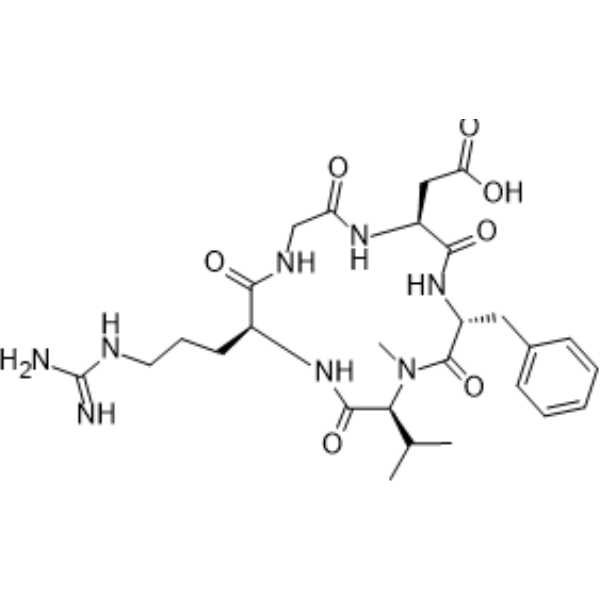
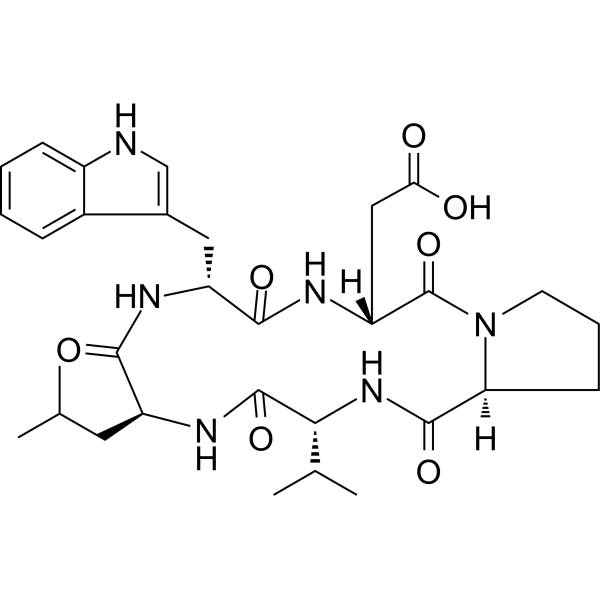
    BQ-123 is a potent and selective endothelin A (ETA) receptor antagonist with an IC50 of 7.3 nM and a Ki of 25 nM. BQ-123 inhibits endothelin-1-mediated proliferation of human pulmonary artery smooth muscle cells and lowers blood pressure in different rat models of hypertension .
    BQ-123
  • HY-125859A
    Myeloperoxidase, human white blood cells
    1 Publications Verification

    MPO

    Bacterial Inflammation/Immunology
    Myeloperoxidase, human white blood cells (MPO) is a peroxidase. In Myeloperoxidase, human white blood cells mediate oxidative stress by promoting the production of reactive oxygen species (ROS) and active nitrogen (RNS), regulating the polarization and inflammation-related signaling pathways of microglia and neutrophils. Myeloperoxidase, human white blood cells has antibacterial activity .
    Myeloperoxidase, human white blood cells
  • HY-132248

    Lenalidomide 5'-amine

    Drug Derivative TNF Receptor Inflammation/Immunology
    C5 Lenalidomide is a 5-amino-substituted Thalidomide (HY-14658) analog. C5 Lenalidomide inhibits LPS (HY-D1056)-stimulated TNF-α production .
    C5 Lenalidomide
  • HY-16276A
    Osilodrostat phosphate
    4 Publications Verification

    LCI699 phosphate

    Mineralocorticoid Receptor Cardiovascular Disease Cancer
    Osilodrostat (LCI699) phosphate is a potent, orally active11β-hydroxylase (CYP11B1) inhibitor with an IC50 value of 35 nM. Osilodrostat phosphate is a potent, orally aldosterone synthase (CYP11B2) inhibitor with IC50 values of 0.7 nM and 160 nM for human aldosterone synthase and rat aldosterone synthase, respectively. Osilodrostat phosphate inhibits aldosterone and corticosterone synthesis. Osilodrostat phosphate has blood pressure lowering ability. Osilodrostat phosphate can be used for research of Cushing syndrome (CS) .
    Osilodrostat phosphate
  • HY-W035091
    Tetrachloroauric acid
    1 Publications Verification

    Biochemical Assay Reagents Cardiovascular Disease Neurological Disease
    Tetrachloroauric acid is an Au (III) compound and bilayer disruptor that can be used to damage red blood cells. Tetrachloroauric acid specifically disrupts the bilayer structure of representative phospholipids (dimyristoylphosphatidylcholine and dimyristoylphosphatidylethanolamine) in human red blood cell membranes, and induces morphological changes in intact human red blood cells. Tetrachloroauric acid causes downregulation of MT I-II and GFAP expression in the mouse brain following chronic treatment. Tetrachloroauric acid is being used in studies related to neurotoxicity and hematotoxicity, including analyses of human red blood cells and molecular models of red blood cell membranes, as well as immunohistochemical evaluation of the mouse brain .
    Tetrachloroauric acid
  • HY-N7526
    Naphthazarin
    1 Publications Verification

    DHNQ; 5,8-Dihydroxy-1,4-naphthoquinone

    Apoptosis Autophagy PI3K Akt Neurological Disease Inflammation/Immunology Cancer
    Naphthazarin (DHNQ) is a microtubule depolymerizing agent. Naphthazarin can improve motor function and reduce neuroinflammation in mouse models of Parkinson's disease. Naphthazarin can induce tumor cell apoptosis, autophagy, and cell cycle arrest. Naphthazarin can also induce erythrocyte apoptosis. Naphthazarin can be used in the research of tumors and neurodegenerative diseases .
    Naphthazarin
  • HY-120565

    G protein-coupled Bile Acid Receptor 1 Metabolic Disease
    WB403 is an orally active TGR5 activator with an EC50 of 5.5 μM against human TGR5. WB403 activates TGR5 to stimulate downstream signaling pathways, promote GLP-1 secretion, improve glucose tolerance in mice with type 2 diabetes, and reduce levels of fasting blood glucose, postprandial blood glucose and HbA1c. WB403 increases pancreatic β-cell mass and restores the distribution of α-cells and β-cells in islets. WB403 is applicable to the research of type 2 diabetes .
    WB403
  • HY-B2162C

    Chondroitin polysulfate (from pig)

    Endogenous Metabolite Inflammation/Immunology
    Chondroitin sulfate (from pig) (Chondroitin polysulfate (from pig)) is a sulfated linear polysaccharide extracted from pigs, which belongs to glycosaminoglycans. Chondroitin sulfate (from pig) exerts inconsistent inhibitory effects on the resorptive activity of human osteoclasts. Chondroitin sulfate (from pig) can be used in studies related to osteoarthritis .
    Chondroitin sulfate (from pig)
  • HY-168906

    Bradykinin Receptor PI3K Akt TNF Receptor ERK Neurological Disease Inflammation/Immunology
    BI-113823 is an orally active, blood-brain barrier-permeable bradykinin B1 receptor antagonist, with a Ki value of 5.3 nM for human receptors and 13.3 nM for rat receptors. BI-113823 reduces inflammation-induced mechanical hyperalgesia, as well as the mechanical sensitivity of peripheral afferent nerves and spinal nociceptive-specific neurons. BI-113823 alleviates liver fibrosis and portal hypertension, and improves survival in chronic liver disease models. BI-113823 inhibits the activities of monocytes, neutrophils and hepatic stellate cells, as well as the PI3K/Akt signaling pathway. BI-113823 can be used in research related to inflammatory pain, liver fibrosis and portal hypertension .
    BI-113823
  • HY-107781

    Phosphodiesterase (PDE) Inflammation/Immunology
    PAT-505 is a potent, selective, noncompetitive and orally available autotaxin inhibitor, with an IC50 of 2 nM in Hep3B cells, 9.7 nM in human blood and 62 nM in mouse plasma.
    PAT-505
  • HY-156961

    GLPG3667

    JAK Inflammation/Immunology
    Cadefrecitinib (GLPG3667) is a reversible, ATP-competitive and orally active TYK2 inhibitor with an IC50 of 2.3 nM. Cadefrecitinib inhibits IFNα/pSTAT1, and the IC50 values ​​in human peripheral blood mononuclear cell (PBMC) and whole blood assays are 70 nM and 623 nM, respectively. Cadefrecitinib has the potential for the study of inflammatory and autoimmune diseases .
    Cadefrecitinib
  • HY-156655A

    STI-1558 sodium

    SARS-CoV Cathepsin Virus Protease Infection
    Olgotrelvir (STI-1558) sodium is an orally active dual inhibitor of coronavirus main protease (Mpro) and human cell cathepsin (Cathepsin L). Olgotrelvir sodium is readily converted to its active form, AC1115, in full blood and/or plasma. Olgotrelvir sodium can effectively inhibit both SARS-CoV-2 replication and entry into host cells .
    Olgotrelvir sodium
  • HY-P99879

    Benegrastim; Bineuta; F 627

    STAT Inflammation/Immunology
    Efbemalenograstim alfa (F 627) is a recombinant fusion protein. Efbemalenograstim alfa is a long acting dimeric granulocyte colony-stimulating factor (G-CSF) that contains two human G-CSF fused to a human immunoglobulin G2 (hIgG2)-Fc fragment with a peptide linker. Efbemalenograstim alfa induces the production of white blood cells .
    Efbemalenograstim alfa
  • HY-P99390

    MCLA 117

    CD3 Interleukin Related IFNAR TNF Receptor Inflammation/Immunology Cancer
    Tepoditamab (MCLA-117) is a full-length human IgG1 bispecific monoclonal antibody that binds to CLEC12A of myeloid cells and CD3 of cytotoxic T cells. Among others, CLEC12A is a myeloid differentiation antigen. Tepoditamab kills AML leukaemia mother cells and AML leukaemia stem cells, induces T cell-mediated proliferative lysis of AML cells. Tepoditamab induces upto 30-fold T-cell expansion. Tepoditamab results in moderate to strong cytokine (IFNγ, IL-6, IL-8, IL-10, and TNFα) and IFNγ release in human whole blood and PBMC, respectively. Tepoditamab can be used in acute myeloid leukaemia (AML) research .
    Tepoditamab
  • HY-18555
    TMPA
    3 Publications Verification

    Nuclear Hormone Receptor 4A/NR4A AMPK Metabolic Disease Inflammation/Immunology Cancer
    TMPA is a high-affinity Nur77 antagonist that binds to Nur77 leading to the release and shuttling of LKB1 in the cytoplasm to activate AMPKα. TMPA effectively lowers blood glucose and attenuates insulin resistance in type II db/db, high-fat diet and streptozotocin-induced diabetic mice. TMPA reduces RICD (restimulation-induced cell death) in human T cells, can also be used in studies of cancer and T-cell apoptosis dysregulation .
    TMPA
  • HY-P10817

    Proton Pump Reactive Oxygen Species (ROS) Metabolic Disease
    Corza6 is a potent and selective human voltage-gated proton channel (hHv1) peptide inhibitor. Corza6 binds to the external voltage sensor domain (VSD) loop in hHv1 with a Kd of ~1 nM at the natural, hyperpolarized resting membrane potential (RMP) of mammalian cells. Corza6 allows capacitation in sperm and permits sustained reactive oxygen species (ROS) production in white blood cells (WBCs) .
    Corza6
  • HY-145885

    Toll-like Receptor (TLR) TNF Receptor Interleukin Related IFNAR Infection Inflammation/Immunology Cancer
    TLR7/8 agonist 6 is a TLR7/8 agonist with EC50s of 0.18 μM and 5.34 μM in TLR7 or TLR8 HEK-SEAP reporter cells, respectively. TLR7/8 agonist 6 potently stimulates production of TNFα, IFNγ, and IL-1β. TLR7/8 agonist 6 can be used for research on cancer and infectious diseases .
    TLR7/8 agonist 6
  • HY-118941

    Prostaglandin Receptor Cardiovascular Disease
    BAY 73-1449 is a selective antagonist of prostacyclin receptor (IP), with high potency (IC50 of less than 0.1 nM) in cAMP assays in Human HEL cells and rat DRG. BAY 73-1449 can be used in the research of lowering blood pressure .
    BAY 73-1449
  • HY-B1072

    Environmental Pollutants Parasite Insecticide Infection
    Phenothrin is a Type I pyrethroid insecticide. Phenothrin induces dose-dependent DNA damage in human peripheral blood lymphocytes and hepatocytes, and exhibits definite genotoxic potential. Phenothrin acts as an insecticide for pest control in agriculture, households and public health, as well as for the elimination of human head lice infestations .
    Phenothrin
  • HY-N10534

    Lewis X

    Parasite Infection Inflammation/Immunology Cancer
    Lewis X trisaccharide (Lewis X, Le x) is a potent TH2 regulator, antagonizes LPS-induced IL-12 immune expression. Lewis X trisaccharide is a human histo-blood group antigen, plays an key role in cell-cell adhesion, and servers as a tumor marker. Lewis X trisaccharide is highly expressed in the outer membrane of the parasite, can be used for the immunology research of schistosomiasis .
    Lewis X trisaccharide
  • HY-P10817A

    Proton Pump Reactive Oxygen Species (ROS) Metabolic Disease
    Corza6 TFA is a potent and selective human voltage-gated proton channel (hHv1) peptide inhibitor. Corza6 TFA binds to the external voltage sensor domain (VSD) loop in hHv1 with a Kd of ~1 nM at the natural, hyperpolarized resting membrane potential (RMP) of mammalian cells. Corza6 TFA allows capacitation in sperm and permits sustained reactive oxygen species (ROS) production in white blood cells (WBCs) .
    Corza6 TFA
  • HY-100244

    Chloride Channel Neurological Disease
    NS1652 is a reversible anion conductance inhibitor, blocks chloride channel, with an IC50 of 1.6 μM in human and mouse red blood cells.
    NS1652
  • HY-106934A
    Peldesine dihydrochloride
    1 Publications Verification

    BCX 34 dihydrochloride

    Nucleoside Antimetabolite/Analog HIV Infection Inflammation/Immunology Cancer
    Peldesine (BCX 34) dihydrochloride is a potent, competitive, reversible and orally active purine nucleoside phosphorylase (PNP) inhibitor with IC50s of 36 nM, 5 nM, and 32 nM for human, rat, and mouse red blood cell (RBC) PNP, respectively. Peldesine dihydrochloride is also a T-cell proliferation inhibitor with an IC50 of 800 nM. Peldesine dihydrochloride has the potential for cutaneous T-cell lymphoma, psoriasis and HIV infection research .
    Peldesine dihydrochloride
  • HY-P2281A

    Atrial natriuretic peptide (1-28) TFA

    Endogenous Metabolite Cardiovascular Disease Metabolic Disease
    Atrial natriuretic factor (1-28) (human, porcine) TFA exhibits blood pressure lowering activity by increasing sodium and urine excretion. Atrial natriuretic factor (1-28) (human, porcine) TFA inhibits the release of pituitary adrenocorticotropic hormone (ACTH) and beta-endorphin through inhibition of pro-opiomelanocortin (POMC) expression. Atrial natriuretic factor (1-28) (human, porcine) TFA increases cGMP levels in RMIC cells with an IC50 of 1.2 nM .
    Atrial natriuretic factor (1-28) (human, porcine) TFA
  • HY-149202

    PGE synthase Neurological Disease Inflammation/Immunology
    UT-11 is a potent and blood-brain barrier-permeable microsomal prostaglandin E synthase-1 (mPGES-1) inhibitor with IC50s of 0.10 μM and 2.00 μM for inhibiting PGE2 production in human (SK-N-AS) and murine (BV2) cells, respectively .
    UT-11
  • HY-153673

    IRAK PROTACs Cancer
    PROTAC IRAK4 degrader-8 (Compound 2) is a PROTAC IRAK4 degrader (IC50: 15.5 nM). PROTAC IRAK4 degrader-8 degrades IRAK4 in THP-1 cells (DC50: 1.8 nM)。PROTAC IRAK4 degrader-8 also inhibits L-6 production in human whole blood and LPS-induced human PBMC cells, with IC50s of 246 nM and 2.2 nM respectively .
    PROTAC IRAK4 degrader-8
  • HY-111140

    PGE synthase Lipoxygenase PPAR Inflammation/Immunology
    YS121 is a dual inhibitor of microsomal prostaglandin E2 synthase-1 (mPGES-1; IC50 = 3.4 μM) and 5-lipoxygenase (5-LOX; IC50 = 6.5 μM). YS121 exhibits direct, reversible, and specific binding to mPGES-1 (KD = 10-14 μM) . YS121 dose-dependently reduces PGE2 production with an EC50 of 12 μM in IL-1β-stimulated A549 cells . YS121 (compound 9) activates PPAR-α and -γ (EC50 = 1 and 3.6 μM, respectively) . YS121 exhibits anti-inflammatory efficiency in human whole blood as well as in vivo. YS121 can be used for pleurisy research .
    YS121
  • HY-156655

    STI-1558

    SARS-CoV Virus Protease Cathepsin Infection
    Olgotrelvir (STI-1558) is an orally active dual inhibitor of coronavirus main protease (Mpro) and human cell cathepsin (Cathepsin L). Olgotrelvir is readily converted to its active form, AC1115, in full blood and/or plasma. Olgotrelvir can effectively inhibit both SARS-CoV-2 replication and entry into host cells .
    Olgotrelvir
  • HY-P2995A

    Biochemical Assay Reagents Others
    Hemoglobin porcine is an oxygen-transporting protein present in the blood of domestic pigs, and also an oxygen carrier with higher oxygen affinity than human hemoglobin. Hemoglobin porcine exhibits cooperative oxygen-binding properties, with weaker heme-heme interactions than those of human hemoglobin .
    Hemoglobin porcine
  • HY-168373

    Endogenous Metabolite Others
    1-Stearoyl-2-eicosapentaenoyl-sn-glycero-3-PC is a phospholipid that can be found in human red blood cells (RBCs) .
    1-Stearoyl-2-Eicosapentaenoyl-sn-glycero-3-PC
  • HY-134375

    Cyclic Adenosine-Inosine Monophosphate

    NF-κB IFNAR Inflammation/Immunology
    cAIMP (Cyclic Adenosine-Inosine Monophosphate) is an effective synthetic cyclic dinucleotide. cAIMP activates IRF and NF-κB in the THP1 human monocyte reporter cell line (THP1-Dual). cAIMP induces the secretion of IFNs and pro-inflammatory cytokines in vitro in human blood, with an EC50 of 6.4 μmol/L .
    cAIMP
  • HY-106934

    BCX 34

    Nucleoside Antimetabolite/Analog HIV Infection Inflammation/Immunology Cancer
    Peldesine (BCX 34) is a potent, competitive, reversible and orally active purine nucleoside phosphorylase (PNP) inhibitor with IC50s of 36 nM, 5 nM, and 32 nM for human, rat, and mouse red blood cell (RBC) PNP, respectively. Peldesine is also a T-cell proliferation inhibitor with an IC50 of 800 nM. Peldesine has the potential for cutaneous T-cell lymphoma, psoriasis and HIV infection research .
    Peldesine
  • HY-150744A

    Toll-like Receptor (TLR) Inflammation/Immunology
    ODN 24888 sodium is an guanine-modified inhibitory oligonucleotides (INH-ODN), shows potent inhibition on TLR7/TLR9-mediated signaling. ODN 24888 sodium impairs IFN-α level and NF-κB activation, inhibits IL-6 release. ODN 24888 sodium involves in immune and inflammatory responses, can be used as a vaccine adjuvant .
    ODN 24888 sodium
  • HY-W142459

    Biochemical Assay Reagents Others
    Naphthol AS-D, in the form of its chloroacetate, can be used to demonstrate the esterase activity of human myeloid cells and contribute to research related to white blood cells .
    Naphthol AS-D
  • HY-127023

    EPA-5-HT

    Endogenous Metabolite FAAH Interleukin Related Tyrosine Hydroxylase Metabolic Disease
    Eicosapentaenoyl serotonin (EPA-5-HT) is an endogenous fatty acid-serotonin conjugate lipid mediator. Eicosapentaenoyl serotonin acts as an inhibitor of fatty acid amide hydrolase (FAAH). Eicosapentaenoyl serotonin suppresses IL-17 release in Concanavalin A (HY-P2149)-stimulated human peripheral blood mononuclear cells. Eicosapentaenoyl serotonin is regulated by polyunsaturated fatty acids and modulates intestinal immunity and Th17 signaling. Eicosapentaenoyl serotonin can be used for the study of inflammatory bowel disease-related mechanisms .
    Eicosapentaenoyl serotonin
  • HY-P991477

    CXCR Inflammation/Immunology
    HFB-100204 is a human monoclonal antibody (mAb) targeting CXCR5. HFB-100204 reduces CXCR5+ immune cells, including B cells and Tfh cells, in the blood and spleen of hCXCR5 knockout mice. HFB-100204 can be used in autoimmune diseases research .
    HFB-100204
  • HY-174495

    mRNA Others
    Human EPO mRNA encodes the human erythropoietin (EPO) protein, a hormone that controls erythropoiesis, or red blood cell production. EPO also plays a role in wound healing and the brain’s response to neural injury. Kariko et al. showed that transfection of EPO mRNA in vivo resulted in significant increases of both reticulocyte counts and hematocrits.
    Human EPO mRNA
  • HY-120041

    IRAK Cancer
    ND-2158 is a competitive IRAK4 inhibitor, with the Ki of 1.3 nM. ND-2158 suppresses LPS-induced TNF production in human white blood cells, alleviated collagen-induced arthritis, and blocked gout formation in mouse models. ND-2158 has antitumor activity in vivo .
    ND-2158
  • HY-150744

    Toll-like Receptor (TLR) Inflammation/Immunology
    ODN 24888 is an guanine-modified inhibitory oligonucleotides (INH-ODN), shows potent inhibition on TLR7/TLR9-mediated signaling. ODN 24888 impairs IFN-α level and NF-κB activation, inhibits IL-6 release. ODN 24888 involves in immune and inflammatory responses, can be used as a vaccine adjuvant .
    ODN 24888
  • HY-111274

    Indometacin farnesil

    COX Autophagy Inflammation/Immunology
    Indomethacin farnesil is an orally active proagent of Indomethacin. Indomethacin (Indometacin) is a potent, blood-brain permeable and nonselective inhibitor of COX1 and COX2, with IC50s of 18 nM and 26 nM for human COX-1 and COX-2, respectively, in CHO cells. Indomethacin disrupts autophagic flux by disturbing the normal functioning of lysosomes .
    Indomethacin farnesil

Inquiry Online

Your information is safe with us. * Required Fields.

Salutation


Country or Region *

Applicant Name *


Organization Name *

Department *


Email Address *


Product Name *

Cat. No.


Requested quantity *

Phone Number *


Remarks

Inquiry Online

Inquiry Information

Product Name:
Cat. No.:
Quantity:
MCE Japan Authorized Agent:

