
1. Search Result
Search Result
Pathways Recommended: Stem Cell/Wnt Cell Cycle/DNA Damage
Results for "

malignant tumor cells

" in MedChemExpress (MCE) Product Catalog:

82

Inhibitors & Agonists

6

Screening Libraries

2

Fluorescent Dyes

1

Biochemical Assay Reagents

7

Peptides

13

Inhibitory Antibodies

13

Natural
Products

Cat. No. Product Name Target Research Areas Chemical Structure
  • HY-P99024
    Glofitamab
    1 Publications Verification

    RO7082859; RG-6026

    CD20 CD3 Inflammation/Immunology Cancer
    Glofitamab (RO7082859) is a T-cell-engaging bispecific antibody possessing a novel 2:1 structure with bivalency for CD20 on B cells and monovalency for CD3 on T cells. Glofitamab leads to T-cell activation, proliferation, and tumor cell killing upon binding to CD20 on malignant cells. Glofitamab induces durable complete remissions in relapsed or refractory B-Cell non-Hodgkin lymphoma (B-NHL) .
    Glofitamab
  • HY-175749

    Molecular Glues Wee1 Inflammation/Immunology Cancer
    BMS-986463, a CRBN E3 ligase modulator (CELMoD), is a WEE1 kinase molecular glue degrader. BMS-986463 significantly inhibits tumor regression and reduces the level of phospho-CDK2. BMS-986463 can be used for advanced malignant solid tumors like non-small cell lung cancer (NSCLC) research .
    BMS-986463
  • HY-18768
    NCT-501
    5 Publications Verification

    Aldehyde Dehydrogenase (ALDH) Akt β-catenin Necroptosis Cancer
    NCT-501 is a reversible, non-competitive, selective, blood-brain barrier-permeable ALDH1A1 inhibitor with an IC50 of 40 nM. NCT-501 inhibits the AKT-β-catenin signaling pathway, induces necroptosis in nasopharyngeal carcinoma cells, suppresses their proliferation and inhibits stem cell spheroid formation. NCT-501 can be used in research related to nasopharyngeal carcinoma, esophageal squamous cell carcinoma and malignant tumors .
    NCT-501
  • HY-N1435
    Oroxin B
    5 Publications Verification

    Apoptosis PI3K PTEN Autophagy Neurological Disease Metabolic Disease Inflammation/Immunology Cancer
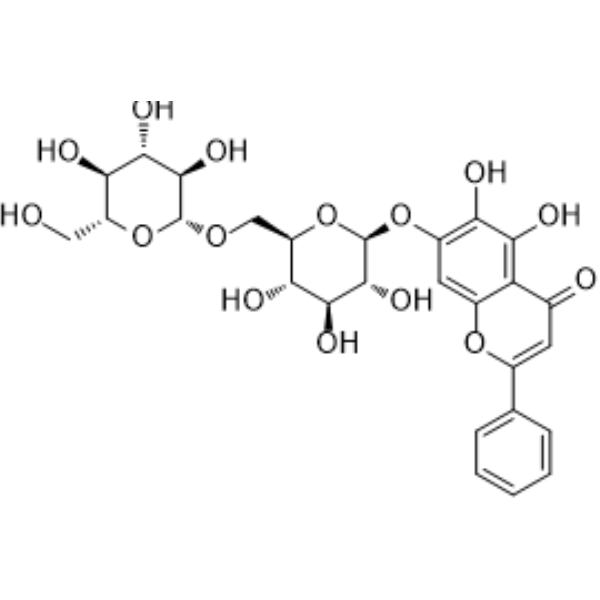
    Oroxin B (OB) is a BBB-permeable flavonoid isolated from traditional Chinese herbal medicine Oroxylum indicum (L.) Vent. Oroxin B (OB) possesses obvious inhibitory effect and induces early apoptosis rather than late apoptosis on liver cancer cells through upregulation of PTEN, down regulation of COX-2, VEGF, PI3K, and p-AKT. Oroxin B (OB) selectively induces tumor-suppressive ER stress in malignant lymphoma cells .
    Oroxin B
  • HY-400902

    YAP VEGFR Hippo (MST) Cancer
    VT3989 is an orally active pan-TEAD autopalmitoylation inhibitor that modulates the Hippo signaling pathway. VT3989 directly binds to TEAD transcription factors to block their palmitoylation modification, thereby disrupting the formation of YAP/TAZ-TEAD complexes and inhibiting downstream oncogenic transcriptional activity. VT3989 effectively inhibits the growth of NF2-deficient schwannoma and meningioma cells and reverses the Schwann cell phenotype. In addition, VT3989 exerts a synergistic effect when combined with Osimtinib (HY-15772) in EGFR-mutant non-small cell lung cancer models, significantly delaying tumor recurrence and prolonging survival. VT3989 can be used for the research of epithelioid hemangioendothelioma, malignant pleural mesothelioma, type 2 neurofibromatosis and related advanced solid tumors .
    VT3989
  • HY-B0766

    SY801

    Autophagy Apoptosis HBV HCV HSP Reactive Oxygen Species (ROS) Bcl-2 Family Glutathione S-transferase p38 MAPK NF-κB Microtubule/Tubulin ERK JNK TNF Receptor Interleukin Related CDK Cyclin G-associated Kinase (GAK) mTOR P-glycoprotein Ferroptosis Infection Inflammation/Immunology Cancer
    Bicyclol (SY801) is an orally active derivative of the traditional Chinese medicine Schisandra chinensis, which has antiviral, anti-inflammatory, immunomodulatory, antioxidant, anti-steatosis, anti-fibrotic and anti-tumor activities. Bicyclol regulates the expression of heat shock proteins and plays an anti-apoptosis role in hepatocytes. Bicyclol reduces the activation of NF-κB and the levels of inflammatory factors in hepatocytes infected with hepatitis C virus (HCV) by inhibiting the activation of the ROS-MAPK-NF-κB pathway, and prevents ferroptosis in acute liver injury. Bicyclol can change the expression of Mdr-1, GSH/GST and Bcl-2, increase the intracellular concentration of anticancer drugs, and sensitize drug-resistant cells to anticancer drugs. Bicyclol inhibits the proliferation of human malignant hepatoma cells by regulating the PI3K/AKT pathway and the Ras/Raf/MEK/ERK pathway. Bicyclol can be used in the study of chronic hepatitis, acute liver injury, nonalcoholic fatty liver disease, liver fibrosis and hepatocellular carcinoma .
    Bicyclol
  • HY-W040129
    Chromomycin A3
    1 Publications Verification

    DNA Alkylator/Crosslinker DNA/RNA Synthesis Apoptosis Caspase Infection Neurological Disease Cancer
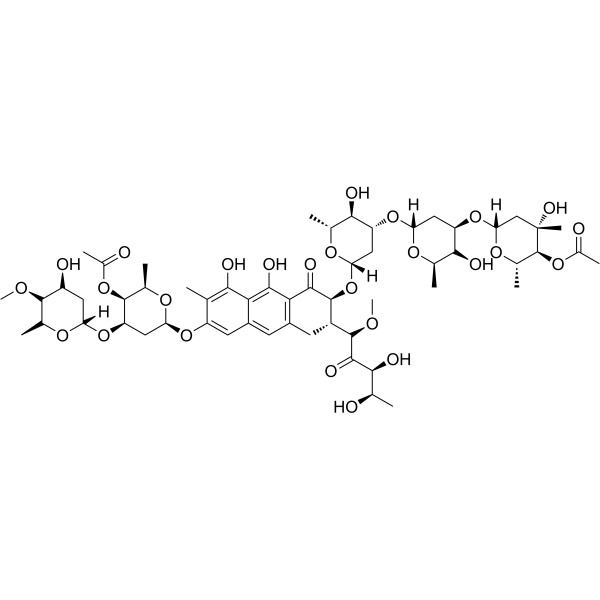
    Chromomycin A3 is an inhibitor that selectively binds to GC-rich DNA sequences. Chromomycin A3 targets the DNA minor groove after forming a dimer with Mg 2+. Chromomycin A3 inhibits DNA replication and transcription, blocks the binding of Sp1 transcription factor to target gene promoters, downregulates the expression of anti-apoptotic proteins such as FLIP, Mcl-1, and XIAP, and induces S-phase cycle arrest and caspase-dependent apoptosis in tumor cells. Chromomycin A3 can antagonize oxidative stress induced by glutathione depletion and neuronal apoptosis induced by Camptothecin (HY-15660). Chromomycin A3 can be used in basic research on malignant tumors such as cholangiocarcinoma, and is a potential chemosensitizer and GC-rich region probe .
    Chromomycin A3
  • HY-164899

    2-aminopyridine-3-carboxylic acid imidazolide

    Transmembrane Glycoprotein Cancer
    2A3 (2-aminopyridine-3-carboxylic acid imidazolide) is a T cell activator that specifically binds to CEACAM6 and CEACAM5. 2A3 exhibits enzymatic activity that catalyzes the glucuronidation of specific substrates (e.g., 1-naphthol), and possesses significant cytotoxic activity. When integrated into CAR T cells or used alone, 2A3 acts by inducing cytokine release, degranulation, and direct cytotoxicity. 2A3 kills pancreatic and breast cancer cells with high target antigen expression in vitro, and significantly inhibits the growth of pancreatic cancer xenografts in vivo. 2A3 broadly targets malignant tumors with overexpressed CEACAM5, CEACAM6, or co-expressed both, and shows high expression mainly in tissues such as the liver and colon. 2A3 serves as an important research tool for the immunotherapy of pancreatic and breast cancer . 2A3 is a novel SHAPE reagent, which can be used for the analysis of RNA structure both in vitro and in vivo . 2A3 is an electrophilic chemical probe that acylates the 2'-OH in the RNA backbone. 2A3 can be used for RNA SHAPE-MaP experiments and is capable of analyzing the RNA secondary structures at single nucleotide resolution.
    2A3
  • HY-W782083

    Biochemical Assay Reagents Radionuclide-Drug Conjugates (RDCs) Bombesin Receptor EGFR Cancer
    p-SCN-Bn-NOTA trihydrochloride is a macrocyclic chelator. p-SCN-Bn-NOTA trihydrochloride can be covalently coupled to molecules such as peptides through the thiocyanate group to form hexacoordinate copper (such as 64Cu) complexes. p-SCN-Bn-NOTA trihydrochloride specifically binds to GRPR or EGFR highly expressed on the surface of tumor cells, mediating tumor enrichment of radioactive probes. p-SCN-Bn-NOTA trihydrochloride can be used to study malignant tumors expressing GRPR or EGFR, such as prostate cancer and colorectal cancer .
    p-SCN-Bn-NOTA trihydrochloride
  • HY-149913
    NR2F1 agonist 1
    1 Publications Verification

    Orphan Nuclear Receptor Cancer
    NR2F1 agonist 1, a nuclear receptor NR2F1 agonist, specifically activates dormancy programs in malignant cells. NR2F1 agonist 1 up-regulates NR2F1 and downstream target genes that regulate dormancy. NR2F1 agonist 1 induces neural crest-like and growth suppression in head and neck squamous cell carcinoma (HNSCC) via NR2F1 activation. NR2F1 agonist 1 inhibits tumor growth in a mouse primary tumor model .
    NR2F1 agonist 1
  • HY-145925B
    CFT8634
    1 Publications Verification

    PROTACs Epigenetic Reader Domain Cancer
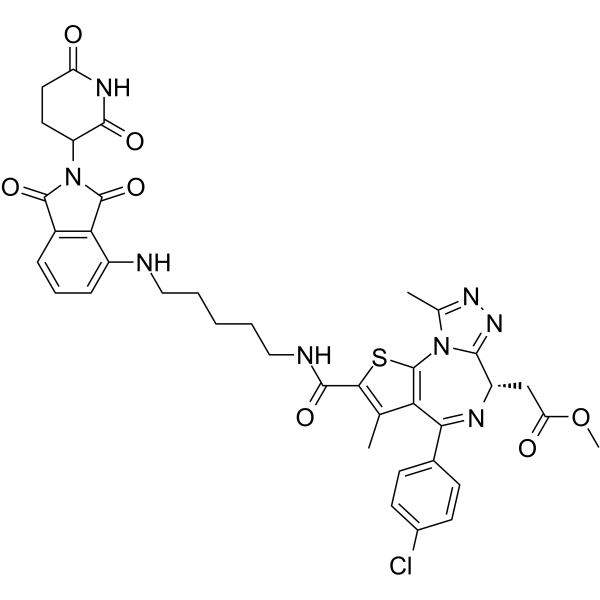
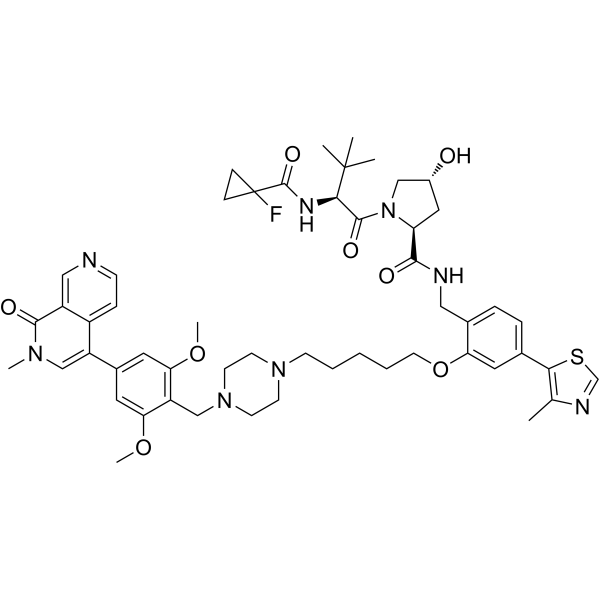
    CFT8634 is an orally bioavailable PROTAC BRD9 targeted degrader based on the E3 ubiquitin ligase CRBN mechanism. CFT8634 can be used for the study of synovial sarcoma and SMARCB1-deficient solid tumors (Pink: BRD9 ligand (HY-169988); Blue: E3 ligase ligand (HY-169989); Black: linker (HY-169991). CFT8634 is a heterobifunctional molecule that binds to BRD9 at one end and recruits CRBN at the other end, which can inhibit the growth of tumor cells that depend on BRD9. CFT8634 can be used for the study of SMARCB1-related cancers (such as synovial sarcoma and malignant rhabdoid tumor) .
    CFT8634
  • HY-P990212
    Anti-Mouse IL-6 Antibody (MP5-20F3)
    1 Publications Verification

    Interleukin Related STAT Infection Inflammation/Immunology
    Anti-Mouse IL-6 Antibody (MP5-20F3) is an anti-mouse IL-6 IgG1 monoclonal antibody. Anti-Mouse IL-6 Antibody (MP5-20F3) reshapes the tumor microenvironment by blocking IL-6. Anti-Mouse IL-6 Antibody (MP5-20F3) can inhibit the STAT3 pathway and enhance T cell infiltration. Anti-Mouse IL-6 Antibody (MP5-20F3) can be used for researches on inflammation and infection conditions such as malignant pleural effusion (MPE) .
    Anti-Mouse IL-6 Antibody (MP5-20F3)
  • HY-13631J

    (1R,9R)-DX8951f

    Drug Derivative Topoisomerase Apoptosis Cancer
    (1R,9R)-Exatecan mesylate ((1R,9R)-DX8951f) is a non-prodrug camptothecin derivative and a potent topoisomerase I inhibitor (IC50=0.975 μg/mL in mice and 0.82 μg/mL in humans). (1R,9R)-Exatecan mesylate blocks enzyme activity and induces apoptosis by stabilizing the enzyme-DNA cleavable complex. (1R,9R)-Exatecan mesylate not only effectively inhibits the proliferation of various malignant tumor cells and tumor growth, but also circumvents P-glycoprotein-mediated multidrug resistance. (1R,9R)-Exatecan mesylate is widely used in preclinical studies of multiple cancers including pancreatic cancer, lung cancer, breast cancer, and leukemia . The low-activity isomer of (1R,9R)-Exatecan mesylate is (1S,9R)-Exatecan mesylate (HY-13631I).
    (1R,9R)-Exatecan mesylate
  • HY-13631I

    (1S,9R)-DX8951f

    Drug Derivative Topoisomerase Apoptosis Cancer
    (1S,9R)-Exatecan mesylate ((1S,9R)-DX8951f) is a non-prodrug camptothecin derivative and a topoisomerase I inhibitor (IC50=0.975 μg/mL in mice and 0.82 μg/mL in humans). (1S,9R)-Exatecan mesylate blocks enzyme activity and induces apoptosis by stabilizing the enzyme-DNA cleavable complex. (1S,9R)-Exatecan mesylate not only effectively inhibits the proliferation of various malignant tumor cells and tumor growth, but also circumvents P-glycoprotein-mediated multidrug resistance. (1S,9R)-Exatecan mesylate is widely used in preclinical studies of various cancers such as pancreatic cancer, lung cancer, breast cancer, and leukemia .
    The chiral isomer of (1S,9R)-Exatecan mesylate is (1R,9R)-Exatecan mesylate (HY-13631J).
    (1S,9R)-Exatecan mesylate
  • HY-165740

    Disialoganglioside GD2

    Apoptosis Cancer
    Ganglioside GD2 (Disialoganglioside GD2) is a tumor-associated antigen. Ganglioside GD2 shows limited expression in normal tissues but is overexpressed in multiple tumor types, and thus can serve as a target in cancer. Ganglioside GD2 is associated with tumor development and malignant phenotypes, and its mechanism of action relies on enhancing cell proliferation, motility, migration, adhesion and invasion, with specific effects depending on the tumor type .
    Ganglioside GD2
  • HY-P99781

    MLN-1202

    CCR Inflammation/Immunology Cancer
    Plozalizumab (MLN-1202) is a humanized anti-CCR2 IgG1 monoclonal antibody. Plozalizumab blocks the recruitment of myeloid cells to the tumor microenvironment by inhibiting the CCL2/CCR2 axis. In addition, Plozalizumab also ameliorates synovial inflammation in rheumatoid arthritis. Plozalizumab can be used in the research of malignant melanoma and bone metastasis-related cancers. Recommended isotype control: Human IgG1 kappa, Isotype Control (HY-P99001) .
    Plozalizumab
  • HY-124447

    IGF-1R c-Myc Apoptosis TGF-beta/Smad Cancer
    BTYNB is a structure-specific nucleic acid binder and IGF2BP1 inhibitor (with an IC50 of 5 μM against hBTYNB). BTYNB disrupts the IGF2BP1-RNA interaction and blocks its binding to oncogenic mRNAs such as c-Myc, MDM2, PD-L1. BTYNB completely blocks the INHBA-Smad2/3 pathway, disrupts the MYCN/IGF2BP1 loop, and thereby induces apoptosis and cell cycle arrest, effectively inhibiting the proliferation and survival of cancer cells. In addition, BTYNB acts as an immune activator and tumor microenvironment modulator, enhances T cell-mediated tumor killing, and produces significant synergistic effects with inhibitors of PD-1, BRD and BIRC5. BTYNB can be used in relevant research on various malignant tumors including ovarian cancer, neuroblastoma, leukemia and melanoma .
    BTYNB
  • HY-B0883
    3,6-Diaminoacridine hemisulfate
    3 Publications Verification

    Bacterial Fluorescent Dye Potassium Channel DNA/RNA Synthesis Infection Neurological Disease Cancer
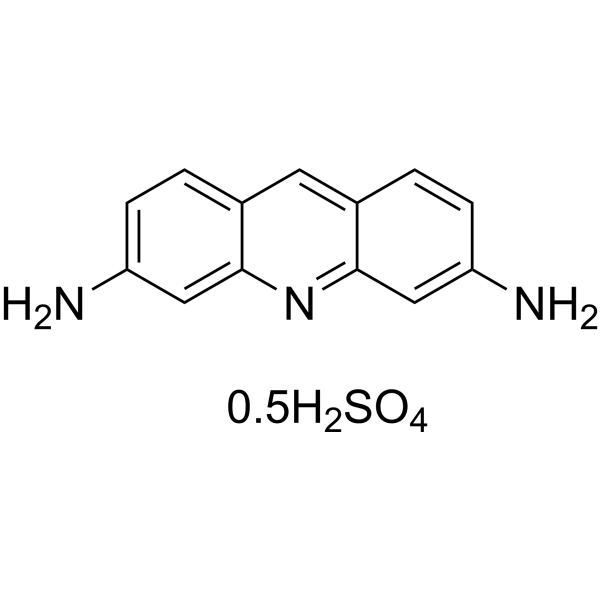
    3,6-Diaminoacridine hemisulfate is a multifunctional acridine compound. 3,6-Diaminoacridine hemisulfate is an acridine dye and also a DNA inserter. 3,6-Diaminoacridine hemisulfate is a potent broad-spectrum antibacterial agent. Its mechanism is to insert into bacterial DNA, interfering with replication and transcription, leading to bacterial lysis. 3,6-Diaminoacridine hemisulfate is a Kir3.2 potassium channel blocker and can be used to study the neurological phenotype of Down syndrome. 3,6-Diaminoacridine hemisulfate can penetrate the stratum corneum of the skin and accumulate in the cell nucleus. Long-term exposure may induce skin cancer or other malignant tumors .
    3,6-Diaminoacridine hemisulfate
  • HY-P991526

    CD3 Cancer
    M701 is a T-cell engager bispecific humanized antibody targeting epithelial cell adhesion molecule (EpCAM) and cluster of differentiation 3 (CD3). M701 binds to EpCAM on tumor cells and CD3 on T cells, thereby linking the two cell populations to achieve targeted cytotoxicity and T cell-mediated cytotoxicity. M701 is applicable to research related to advanced epithelial solid tumors .
    M701
  • HY-112062

    DNA/RNA Synthesis Apoptosis Cancer
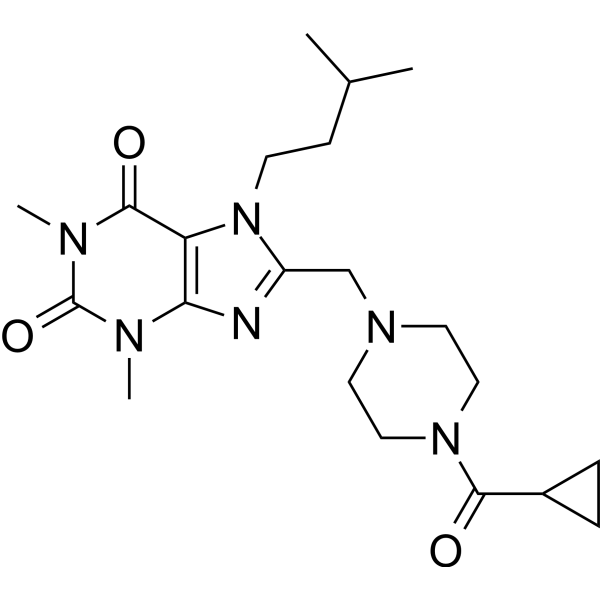
    POL1-IN-1 is a class of RNA polymerase I inhibitors with broad-spectrum antiproliferative activity against tumor cells, while selectively inhibiting RNA polymerase I transcription. By blocking RNA polymerase I-mediated rRNA synthesis, POL1-IN-1 impairs ribosome biogenesis, thereby inhibiting tumor cell proliferation and inducing apoptosis. POL1-IN-1 can be used for the research of malignant tumors .
    POL1-IN-1
  • HY-P99641

    PD-1/PD-L1 Cancer
    Gilvetmab is a potent caninized anti-PD-1 monoclonal antibody. Gilvetmab blocks the interaction between PD-1 and its ligand PD-L1/L2. Gilvetmab can be used in malignant melanoma and mast cell tumor research .
    Gilvetmab
  • HY-P2336A
    CCZ01048 TFA
    3 Publications Verification

    Melanocortin Receptor Cancer
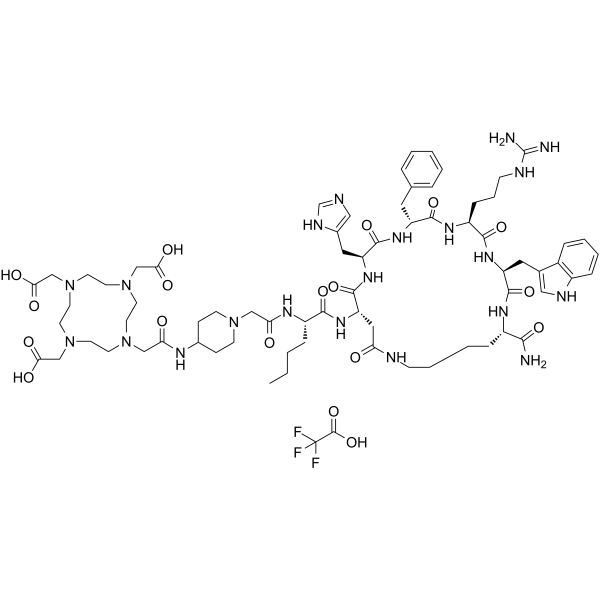
    CCZ01048 TFA, a α-MSH analogue, exhibits high binding affinity to melanocortin 1 receptor (MC1R) with a Ki of 0.31 nM. CCZ01048 TFA shows rapid internalization into B16F10 melanoma cells and high in vivo stability. CCZ01048 TFA is a promising candidate for PET imaging of malignant melanoma .
    CCZ01048 TFA
  • HY-12964
    SGI-7079
    3 Publications Verification

    TAM Receptor Cancer
    SGI-7079 is a selective, ATP-competitive, orally active inhibitor of the receptor tyrosine kinase Axl. SGI-7079 blocks Axl-mediated signaling pathways such as NF-κB activation and MMP-9 expression, thereby inhibiting tumor cell proliferation, migration and invasion. SGI-7079 is mainly used in the research of malignant tumors such as inflammatory breast cancer and bladder cancer, as well as in combination with immunization (used in combination with PD-1 therapy)[1][2][3].
    SGI-7079
  • HY-121508

    NF-κB Inflammation/Immunology Cancer
    (E/Z)-IT-603 is a mixture of E-IT-603 and Z-IT-603 (IT-603). (E/Z)-IT-603 is also an IĸBα/c-Rel inhibitor. IT-603 is a c-Rel inhibitor with an IC50 of 3 μM. IT-603 has anti-tumor activity. (E/Z)-IT-603 is a promising modulator of T-cell responses in the context of graft-versus-host disease (GVHD) and malignant diseases .
    (E/Z)-IT-603
  • HY-N12445
    Quercetin-3'-O-glucoside
    1 Publications Verification

    Topoisomerase Caspase Apoptosis SOD Metabolic Disease Inflammation/Immunology Cancer
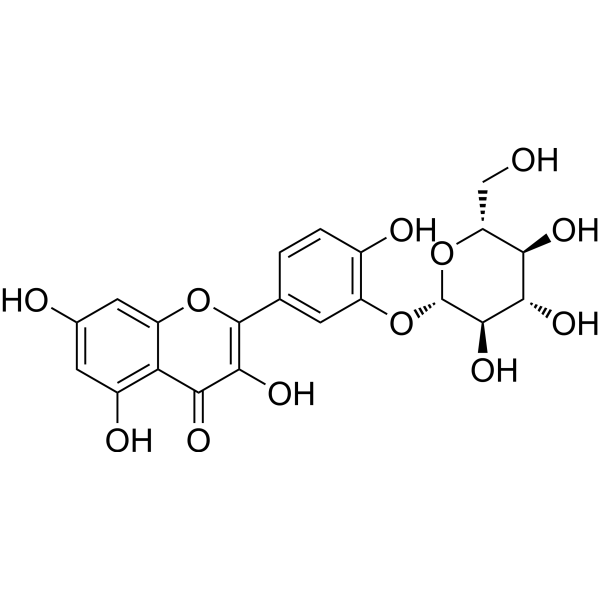
    Quercetin-3'-O-glucoside is an orally active flavonoid glycoside. Quercetin-3'-O-glucoside reduces liver glucose-6-phosphatase activity, alters serum insulin and glucose levels, and regulates the activities of antioxidant enzymes in the liver and kidney. Quercetin-3'-O-glucoside inhibits DNA topoisomerase II, induces S-phase cell cycle arrest and caspase-3-mediated apoptosis in hepatocellular carcinoma cells. Quercetin-3'-O-glucoside selectively inhibits EGFR-mediated signaling pathways targeting AKT, ERK1/2, FAK and MEK1/2. Quercetin-3'-O-glucoside inhibits growth factor-induced migration and invasion in pancreatic cancer cells. Quercetin-3'-O-glucoside exerts free radical scavenging effects. Quercetin-3'-O-glucoside is applicable to research related to pancreatic cancer, diabetes, hepatocellular carcinoma and malignant tumors .
    Quercetin-3'-O-glucoside
  • HY-163502

    PROTACs STAT Cancer
    PROTAC STAT3 degrader-3 is a STAT3 PROTAC degrader. PROTAC STAT3 degrader-3 recruits the E3 ubiquitin ligase CRBN and induces the degradation of STAT3 protein. PROTAC STAT3 degrader-3 inhibits the proliferation of malignant tumor cells. PROTAC STAT3 degrader-3 can be used for the research of non-small cell lung cancer and liver cancer .
    PROTAC STAT3 degrader-3
  • HY-W035709

    Dihydrocinchonine

    P-glycoprotein Apoptosis Cancer
    Hydrocinchonine (Dihydrocinchonine) is a multidrug resistance (MDR)-reversal agent. Hydrocinchonine directly inhibits the function and expression of P-gp, which is the mechanism by which it reverses MDR. Hydrocinchonine exerts synergistic apoptotic effect with Paclitaxel (HY-B0015) in MES-SA/DX5 cells. Hydrocinchonine can be used for the study of gynecological malignant tumors (such as uterine sarcoma) with drug resistance caused by excessive expression of P-gp .
    Hydrocinchonine
  • HY-128601

    Checkpoint Kinase (Chk) Cardiovascular Disease Cancer
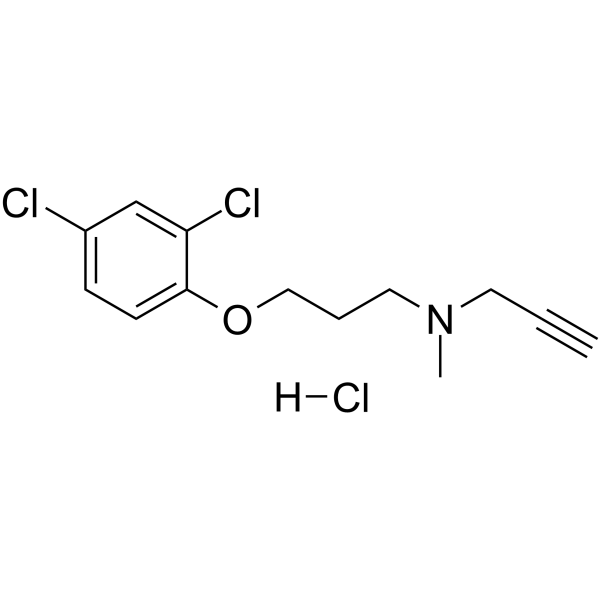
    CHK1-IN-3 is a potent and selective CHK1 inhibitor with an IC50 of 0.4 nM. CHK1-IN-3 effectively inhibits the growth of malignant hematopathy cell lines and displays low affinity for hERG (IC50 > 40 μM). CHK1-IN-3 significantly suppresses the tumor growth in vivo. CHK1-IN-3 can be used for the study of hematologic malignancies .
    CHK1-IN-3
  • HY-P5470

    EBV IFNAR Inflammation/Immunology
    LMP2A (426-434) is a HLA-A2-restricted cytotoxic T lymphocyte (CTL) epitope of Epstein-Barr virus (EBV) latent membrane protein 2A (LMP2A). LMP2A (426-434) can trigger an immune response in individuals expressing different HLA-A*02 subtypes (A*02:01, A*02:03, A*02:06 and A*02:07). LMP2A (426-434) can induce a strong IFN-γ secretion response, stimulating the production of a high proportion of CD8 + IFN-γ + T cells. LMP2A (426-434) induces specific CTLs to effectively kill target cells expressing LMP2A. LMP2A (426-434) can be used to study EBV-related malignant tumors (such as Hodgkin's disease and nasopharyngeal carcinoma) .
    LMP2A (426-434)
  • HY-113326

    trans-Phytoene

    Reactive Oxygen Species (ROS) Cancer
    Phytoene (trans-Phytoene) is a carotene pigment. Phytoene is the precursor of all carotenoids. Phytoene is the predominant PT isomer in most carotenogenic organisms. Phytoene can delay the skin tumors appearance and reduce their number in mice that are induced the tumors with UV-B light. Phytoene leads to protection against oxidative stress and malignant transformation. Phytoene inhibits the proliferation of breast cancer cells .
    Phytoene
  • HY-P991551

    Dipeptidyl Peptidase p38 MAPK ERK Infection Cancer
    YS110 is a humanized anti-CD26 (DPP4) IgG1 monoclonal antibody. YS110 induces CD26 nuclear translocation through the caveolin pathway. YS110 inhibits the proliferation of tumor cell by delaying G2/M cell cycle transition. YS110 inhibits the infection of Middle East respiratory syndrome coronavirus (MERS CoV) by blocking the binding of MERS CoV S1 to CD26. YS110 can be used for researches on cancer or infection such as Malignant Mesothelioma and MERS .
    YS110
  • HY-B2097

    YM 175; Bisphonal

    Farnesyl Transferase Metabolic Disease
    Incadronate disodium (YM 175) is a bisphosphonate with strong inhibitory activity on bone resorption. Incadronate disodium indirectly stimulates renal 25-hydroxyvitamin D-1-hydroxylase by increasing circulating parathyroid hormone. Incadronate disodium, a cholesterol-lowering agent, is a potent inhibitor of rat liver microsomal squalene synthase (Ki=57 nM). Incadronate disodium inhibits sterol biosynthesis in mouse macrophage J774 cells (IC50=64 μM). Incadronate disodium has the potential for malignant tumors research .
    Incadronate disodium
  • HY-P2336

    Melanocortin Receptor Cancer
    CCZ01048, a α-melanocyte-stimulating hormone (α-MSH) analogue, exhibits high binding affinity to melanocortin 1 receptor (MC1R) with a Ki of 0.31 nM. CCZ01048 shows rapid internalization into B16F10 melanoma cells and high in vivo stability. CCZ01048 is a promising candidate for PET imaging of malignant melanoma .
    CCZ01048
  • HY-121561

    At-1258; Nsc 245413

    DNA/RNA Synthesis Cancer
    Nitrocaphane (At-1258) is an antineoplastic agent whose target of action is DNA. Nitrocaphane has a broad antineoplastic spectrum. Nitrocaphane's cytotoxicity on HEp-2 cells can be enhanced by hyperthermia. Nitrocaphane can be used in the research of tumors such as malignant trophoblastic tumors .
    Nitrocaphane
  • HY-122844B

    BI-853520 tosylate; IN-10018 tosylate

    FAK Cancer
    Ifebemtinib (tosylate) (BI-853520 (tosylate); IN-10018 (tosylate)) is a highly selective PTK2 kinase inhibitor. Ifebemtinib (tosylate) demonstrates anti-tumor activity. Ifebemtinib (tosylate) inhibits FAK autophosphorylation in prostate carcinoma cells. Ifebemtinib (tosylate) can inhibit spheroid formation and orthotopic tumor growth in vivo. Ifebemtinib (tosylate) can be studied in anticancer research such as solid tumors, breast cancer, and malignant pleural mesothelioma .
    Ifebemtinib tosylate
  • HY-174336

    Survivin Apoptosis Cancer
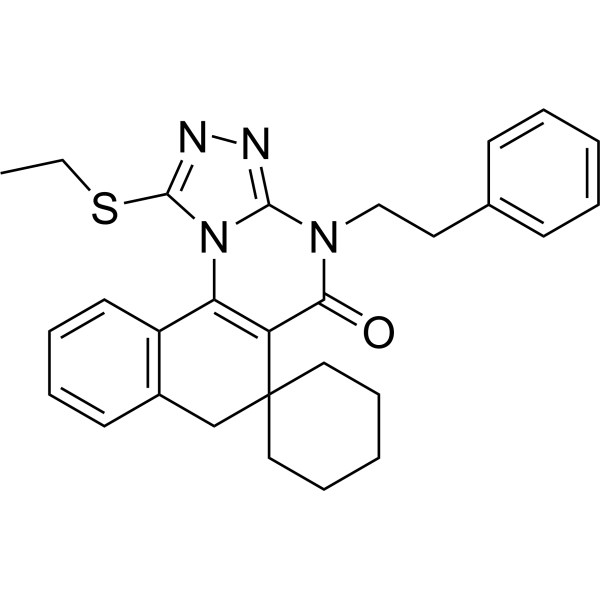
    Survivin-IN-1 (Compound II₃) is a potent Survivin (a member of the Inhibitor of Apoptosis Protein family) inhibitor with an IC50 value of 8.1 μM against human lung cancer A549 cells and 9.0 μM against breast cancer MCF-7 cells. Survivin-IN-1 reduces Survivin protein levels and induces tumor cell apoptosis. Survivin-IN-1 is promising for research of malignant tumors such as lung cancer and breast cancer .
    Survivin-IN-1
  • HY-177275

    c-Kit Cancer
    c-Kit Receptor modulator-1 (Compound #22) is a c-Kit Receptor modulator. c-Kit Receptor modulator-1 can be used for malignant cancers such as canine mastocytoma, human gastrointestinal stromal tumor and small cell lung cancer research .
    c-Kit Receptor modulator-1
  • HY-176217

    Biochemical Assay Reagents DNA/RNA Synthesis Cancer
    dA-NHbenzylOCF3 is a DNA-targeted radiosensitizer that enhances the sensitivity of tumor cells to X-rays via the dissociative electron attachment (DEA) mechanism. dA-NHbenzylOCF3 shows low cytotoxicity to normal cells and mainly localizes to the cytoplasm and nucleus after entering cells. dA-NHbenzylOCF3 exerts its radiosensitizing effect by inducing cell cycle arrest at the radiation-sensitive G2/M phase. dA-NHbenzylOCF3 can be used for radiosensitization research on malignant tumors such as prostate cancer and breast cancer .
    dA-NHbenzylOCF3
  • HY-P99660

    IGM-2323

    CD20 CD3 Inflammation/Immunology Cancer
    Imvotamab (IGM-2323) is a CD20 and CD3 bispecific IGM antibody with dual action mechanism. Imvotamab is used to induce physiological T cell activation to prevent over-stimulation and subsequent down-regulation of immune function. Imvotamab can be used for the study of B-cell malignant tumors, multiple myeloma (MM) and non-Hodgkin's lymphoma (NHL) .
    Imvotamab
  • HY-P991582

    Fc Receptor (FcR) Cancer
    BI-1607 is a humanized monoclonal antibody targeting CD32b/FcγRIIB. BI-1607 has an antagonistic function capable of blocking the inhibitory function of FcγRIIB on immune effector cells. BI-1607 has a significant cytolytic activity against malignant B cells and antitumor activity against HER2-positive solid tumors including advanced gastric cancer (GC) with combination with Trastuzumab (HY-P9907) .
    BI-1607
  • HY-175291

    MMP Cadherin Cancer
    Cystatin B agonist 1 is an orally active MMP-2/9 inhibitor. Cystatin B agonist 1 exhibits inhibitory effects with IC50 values of 3.95 and 3.43 μM against U87 and T98G cells, respectively. Cystatin B agonist 1 induces the cell-cycle arrest at S phase, inhibits angiogenesis, and suppresses migration and invasion of MG cells. Cystatin B agonist 1 inhibits tumor growth in U87 MG xenograft model. Cystatin B agonist 1 can be used for the study of malignant glioma (MG) .
    Cystatin B agonist 1
  • HY-N1435R

    Reference Standards Apoptosis PI3K PTEN Autophagy Metabolic Disease Inflammation/Immunology Cancer
    Oroxin B (Standard) is the analytical standard of Oroxin B. This product is intended for research and analytical applications. Oroxin B (OB) is a flavonoid isolated from traditional Chinese herbal medicine Oroxylum indicum (L.) Vent. Oroxin B (OB) possesses obvious inhibitory effect and induces early apoptosis rather than late apoptosis on liver cancer cells through upregulation of PTEN, down regulation of COX-2, VEGF, PI3K, and p-AKT . Oroxin B (OB) selectively induces tumor-suppressive ER stress in malignant lymphoma cells .
    Oroxin B (Standard)
  • HY-P10984

    Integrin Metabolic Disease Inflammation/Immunology Cancer
    FNIII14 is derived from the 14th fibronectin (FN) type III-like (FN-III) repeat of FN molecule. FNIII14 is capable of inhibiting cell adhesion to the extracellular matrix (ECM). FNIII14 induces a conformational change in β1-integrin from the active to the inactive form, and blocks integrin-mediated signaling. FNIII14 has anti-fibrotic, anti-cancer effect. FNIII14 can be used for research of metabolic diseases, organ fibrosis, and malignant tumors .
    FNIII14
  • HY-W035709R

    Dihydrocinchonine (Standard)

    Reference Standards P-glycoprotein Apoptosis Cancer
    Hydrocinchonine (Dihydrocinchonine) (Standard) is the analytical standard of Hydrocinchonine (HY-W035709). This product is used for research and analytical purposes.Hydrocinchonine is a multidrug resistance (MDR)-reversal agent. Hydrocinchonine directly inhibits the function and expression of P-gp, which is the mechanism by which it reverses MDR. Hydrocinchonine exerts synergistic apoptotic effect with Paclitaxel (HY-B0015) in MES-SA/DX5 cells. Hydrocinchonine can be used for the study of gynecological malignant tumors (such as uterine sarcoma) with drug resistance caused by excessive expression of P-gp .
    Hydrocinchonine (Standard)
  • HY-148260

    Ras Cancer
    KRAS G12D inhibitor 16 is a KRAS G12D inhibitor. KRAS G12D inhibitor 16 has inhibitory activity against KRAS G12D and KRAS G12D mutation with IC50 value of 0.7 nM and 0.35 μM, respectively. KRAS G12D inhibitor 16 can be used for the research of many malignant tumor, such as pancreatic ductal adenocarcinomas (PDAC), colon and rectal carcinomas (CRC), non-small cell lung carcinomas (NSCLC) .
    KRAS G12D inhibitor 16
  • HY-W591818

    Drug Derivative Cancer
    Sunitinib carboxylic acid is a carboxylic acid metabolite of Sunitinib (HY-10255A). Sunitinib is a multi-target tyrosine kinase inhibitor, mainly used to inhibit malignant tumors such as gastrointestinal stromal tumors, renal cell carcinoma, and pancreatic neuroendocrine tumors .
    Sunitinib carboxylic acid
  • HY-171732

    Drug Metabolite Cancer
    FANFT is an orally active and potent uroepithelial carcinogen. FANFT is metabolized to ANFT in vivo, which induces gene mutations and malignant cell transformation. FANFT efficiently induces bladder tumors in mice .
    FANFT
  • HY-N12141

    Apoptosis Inflammation/Immunology
    Flaccidoside II inhibits proliferation and induces apoptosis in Malignant peripheral nerve sheath tumors (MPNSTs) cell lines. Flaccidoside II ameliorates collagen-induced arthritis in mice. Flaccidoside II is an active triterpenoid saponin constituent from Anemone flaccida rhizome .
    Flaccidoside II
  • HY-106435

    DNA/RNA Synthesis DNA Alkylator/Crosslinker Cancer
    Cystemustine is a DNA inhibitor (a chloroethyl nitrosourea, CENU). Cystemustine can cause DNA cross-linking, thereby inhibiting the proliferation of tumor cells. Cystemustine can also exert cytotoxic effects by interfering with the cell cycle, inducing cell re-differentiation, and altering phospholipid metabolism. Cystemustine exhibits high anti-tumor activity and a relatively short plasma half-life in mice. Cystemustine can be used for the study of various malignant tumors, including melanoma, glioma, renal cancer, head and neck cancer, and colorectal cancer, etc .
    Cystemustine
  • HY-123542

    Ser/Thr Protease Apoptosis Cancer
    ONO-3403 is an orally active serine protease inhibitor. ONO-3403 inhibits the production of TNF-α and nitric oxide induced by LPS. ONO-3403 inhibits the cell growth and induces the apoptosis, and has an antitumor effect on malignant tumors .
    ONO-3403

Inquiry Online

Your information is safe with us. * Required Fields.

Salutation


Country or Region *

Applicant Name *


Organization Name *

Department *


Email Address *


Product Name *

Cat. No.


Requested quantity *

Phone Number *


Remarks

Inquiry Online

Inquiry Information

Product Name:
Cat. No.:
Quantity:
MCE Japan Authorized Agent:

