
1. Search Result
Search Result
Results for "

mitochondrial electron transport,

" in MedChemExpress (MCE) Product Catalog:

39

Inhibitors & Agonists

2

Biochemical Assay Reagents

11

Natural
Products

4

Isotope-Labeled Compounds

1

Oligonucleotides

Cat. No. Product Name Target Research Areas Chemical Structure
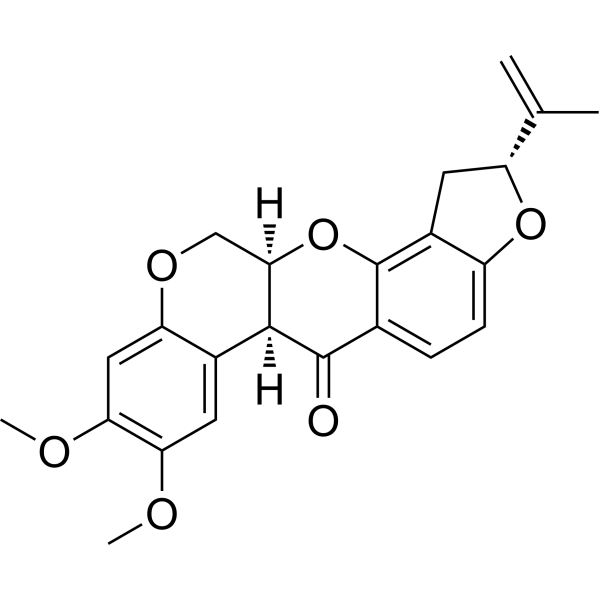
  • HY-B1756
    Rotenone
    Maximum Cited Publications
    178 Publications Verification

    Environmental Pollutants Apoptosis Mitochondrial Metabolism Autophagy Neurological Disease
    Rotenone is a mitochondrial electron transport chain complex I inhibitor. Rotenone induces apoptosis through enhancing mitochondrial reactive oxygen species production.
    Rotenone
  • HY-125857
    Cytochrome C
    1 Publications Verification

    Biochemical Assay Reagents Apoptosis Reactive Oxygen Species (ROS) Metabolic Disease
    Cytochrome C is a multi-functional enzyme involving in life and death decisions of the cell. Cytochrome C is essential in mitochondrial electron transport and intrinsic type II apoptosis .
    Cytochrome C
  • HY-136406
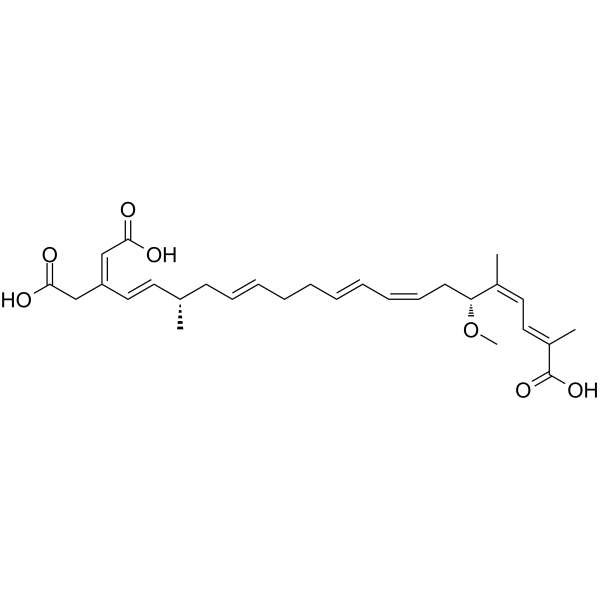
    Bongkrekic acid
    1 Publications Verification

    ATP Synthase Infection Cancer
    Bongkrekic acid is a mitochondrial toxin secreted by the bacteria Pseudomonas cocovenenans . Bongkrekic acid specific ligand for mitochondrial adenine nucleotide translocase (ANT) rather than the electron transport chain. Bongkrekic acid has to cross the mitochondrial inner membrane to produce its inhibitory effect on ADP/ATP transport .
    Bongkrekic acid
  • HY-125857A

    Biochemical Assay Reagents Apoptosis Caspase Metabolic Disease
    Cytochrome C (equine heart) is composed of 104 amino acids and is a nuclear-encoded mitochondrial protein. Cytochrome C (equine heart) is involved in mitochondrial electron transport and intrinsic type II apoptosis. Cytochrome C (equine heart) can act as a single electron carrier .
    Cytochrome C (equine heart)
  • HY-112177

    Fungal Mitochondrial Metabolism Antibiotic Infection
    Myxothiazol, an antifungal antibiotic, is a mitochondrial electron transport chain complex III (bc1 complex) inhibitor. Myxothiazol inhibits the growth of many yeasts and fungi at concentrations between 0.01 and 3 μg/ml .
    Myxothiazol
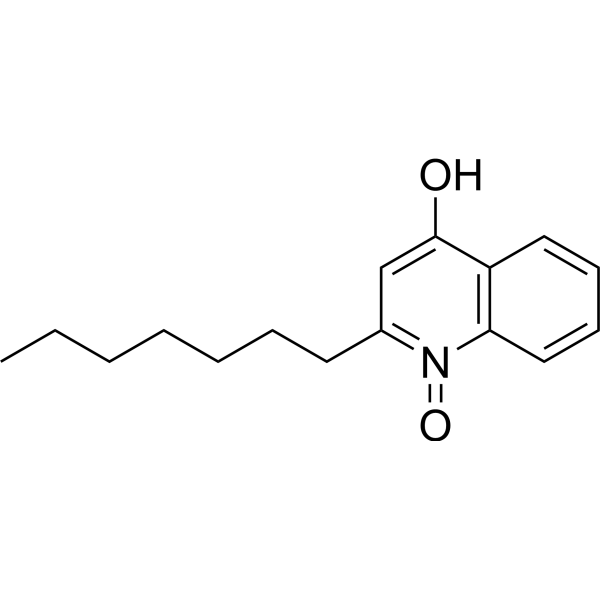
  • HY-130055
    HQNO
    2 Publications Verification

    Mitochondrial Metabolism Infection
    HQNO, secreted by P. aeruginosa, is a potent electron transport chain inhibitor with a Kd of 64 nM for complex III . HQNO is a potent inhibitor of mitochondrial NDH-2 in many species .
    HQNO
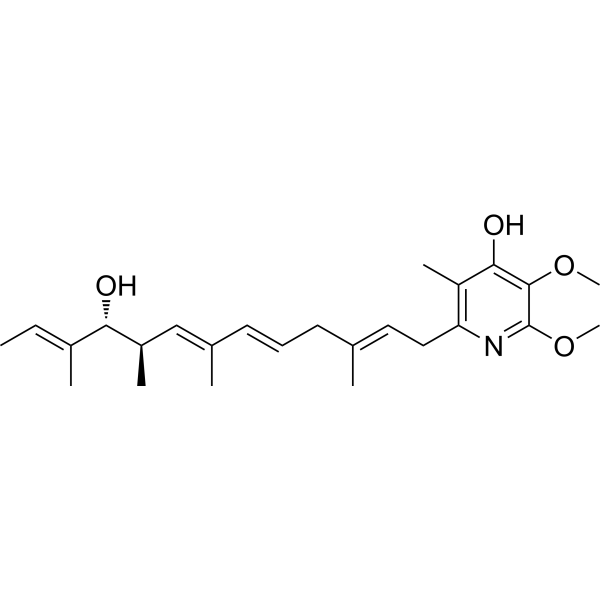
  • HY-114936
    Piericidin A
    5 Publications Verification

    AR-054

    Bacterial ADC Payload Antibiotic Mitochondrial Metabolism Infection Neurological Disease Cancer
    Piericidin A (AR-054) is a natural mitochondrial NADH-ubiquinone oxidoreductase (complex I) inhibitor. Piericidin A is a potent neurotoxin and inhibits mitochondrial respiration by disrupting the electron transport system through its action on NADH-ubiquinone reductase. Piericidin A is also a potential quorum-sensing inhibitor that suppresses the expression of the virulence genes of Erwinia carotovora subsp. atroseptica (Eca). Piericidin A is an ADC cytotoxin and has anti-bacterial, anticancer, insecticidal activity .
    Piericidin A
  • HY-N12257
    Antimycin A2
    2 Publications Verification

    Cytochrome P450 Reactive Oxygen Species (ROS) Apoptosis Infection Cancer
    Antimycin A2 is a selective inhibitor of the cytochrome b-c1 complex in the mitochondrial electron transport chain. Antimycin A2 disrupts mitochondrial membrane potential and produces reactive oxygen species (ROS) by inhibiting electron transfer between cytochrome b and c. Antimycin A2 has bactericidal and piscicidal activity, as well as tumor cell growth inhibitory effects, and can induce S-phase cell cycle arrest and apoptosis in HeLa cells. Antimycin A2 is suitable for research of cervical cancer and fisheries management. Antimycin A2 can be naturally isolated from the fermentation products of Streptomyces sp. strains .
    Antimycin A2
  • HY-B1756R

    Reference Standards Mitochondrial Metabolism Autophagy Apoptosis Neurological Disease Cancer
    Rotenone (Standard) is the analytical standard of Rotenone. This product is intended for research and analytical applications. Rotenone is a mitochondrial electron transport chain complex I inhibitor. Rotenone induces apoptosis through enhancing mitochondrial reactive oxygen species production.
    Rotenone (Standard)
  • HY-119687

    Environmental Pollutants GABA Receptor Reactive Oxygen Species (ROS) Mitochondrial Metabolism Insecticide Na+/K+ ATPase Infection Cardiovascular Disease
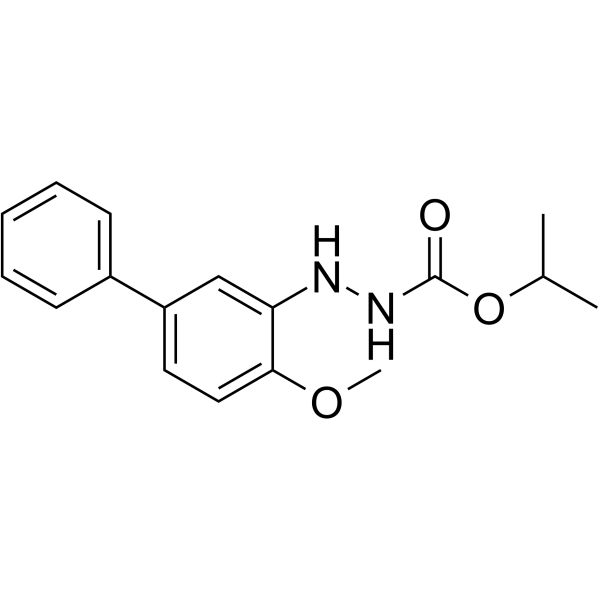
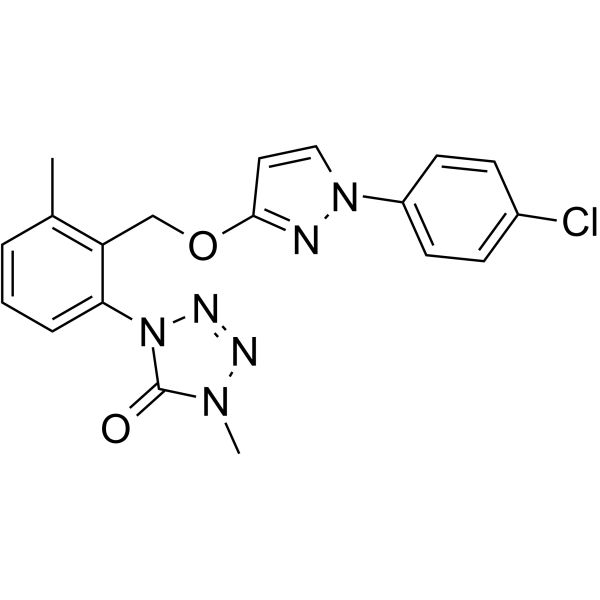
    Bifenazate is a carbazate acaricide that control 100% of mites at a concentration of 25 ppm . Bifenazate is a positive allosteric modulator of GABA receptor . Bifenazate is the inhibitor for the mitochondrial electron transport chain complex III .
    Bifenazate
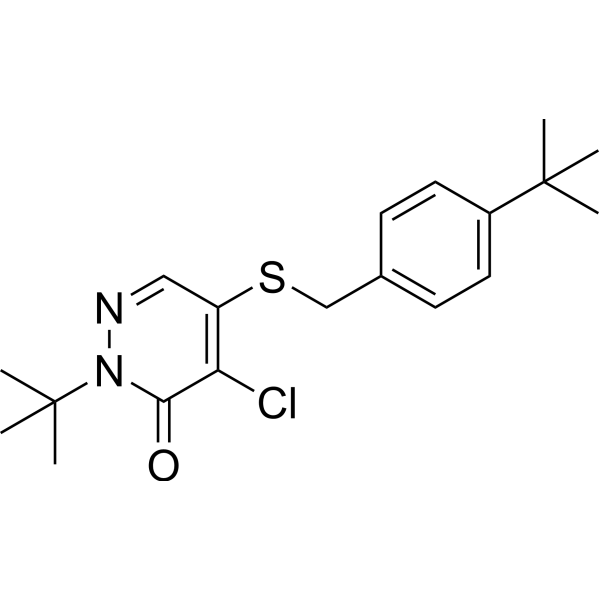
  • HY-B0817
    Pyridaben
    1 Publications Verification

    Environmental Pollutants Parasite Infection
    Pyridaben is a mitochondrial electron transport inhibitor (METI) acaricide that promotes the formation of damaging oxygen and nitrogen radicals. Pyridaben selectively inhibits complex I (NADH dehydrogenase) with an IC50 value of 2.4 nM (assay sites: rat liver and bovine heart mitochondria). Pyridaben also significantly inhibits rat mitochondrial mtNOS function .
    Pyridaben
  • HY-126222A

    Apoptosis Mitochondrial Metabolism Cancer
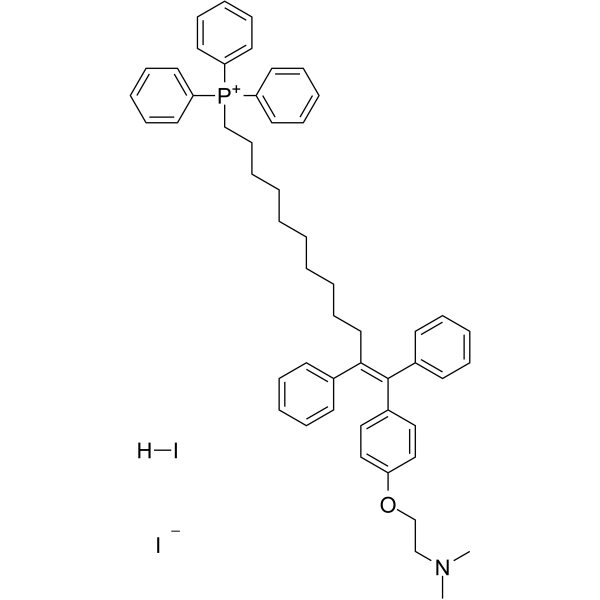
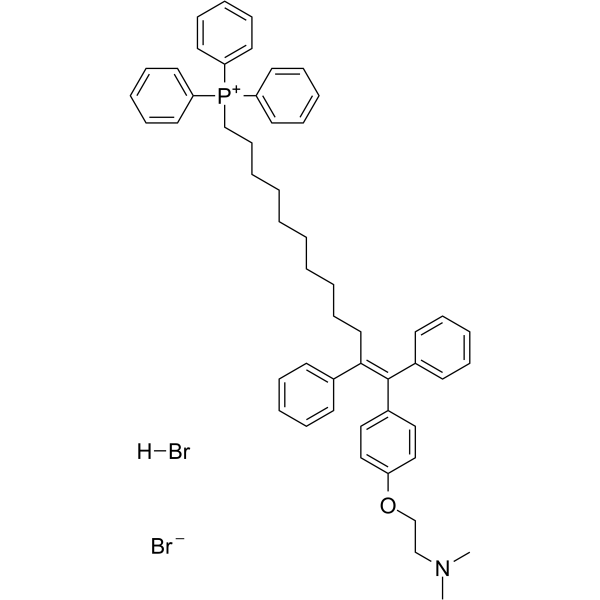
    MitoTam iodide, hydriodide is a Tamoxifen derivative , an electron transport chain (ETC) inhibitor, spreduces mitochondrial membrane potential in senescent cells and affects mitochondrial morphology . MitoTam iodide, hydriodide is an effective anticancer agent, suppresses respiratory complexes (CI-respiration) and disrupts respiratory supercomplexes (SCs) formation in breast cancer cells . MitoTam iodide, hydriodide causes apoptosis .
    MitoTam iodide, hydriodide
  • HY-125283

    2-Me-Phen hydrochloride; 2-Me-Phenformin hydrochloride

    Mitochondrial Metabolism Oxidative Phosphorylation Metabolic Disease
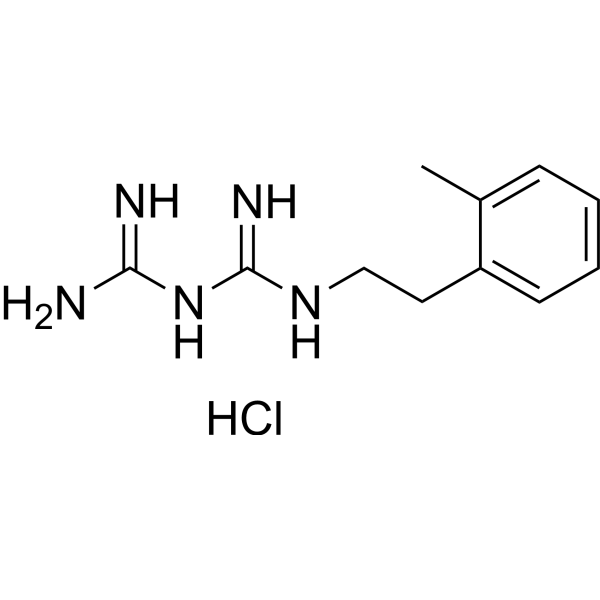
    IM176OUT05 (2-Me-Phen hydrochloride), a biguanide, is a mitochondrial OXPHOS inhibitor. IM176OUT0 inhibits mitochondrial electron transport chain (ETC) activity with an IC50 of 3.2 μM. IM176OUT05 activates stem cell metabolism, promotes hair regrowth and increases stemness induction and maintenance during the pluripotent stem cell generation process .
    IM176OUT05
  • HY-120338

    Mitochondrial Metabolism Parasite Infection
    RYL-552, a mitochondrial electron transport chain (ETC) inhibitor, is a P. falciparum NADH dehydrogenase 2 (PfNDH2) inhibtor .
    RYL-552
  • HY-126222

    Apoptosis Mitochondrial Metabolism Cancer
    MitoTam bromide, hydrobromide, a Tamoxifen derivative , is an electron transport chain (ETC) inhibitor. MitoTam bromide, hydrobromide reduces mitochondrial membrane potential in senescent cells and affects mitochondrial morphology . MitoTam bromide, hydrobromide is an effective anticancer agent, suppresses respiratory complexes (CI-respiration) and disrupts respiratory supercomplexes (SCs) formation in breast cancer cells .
    MitoTam bromide, hydrobromide
  • HY-136406S
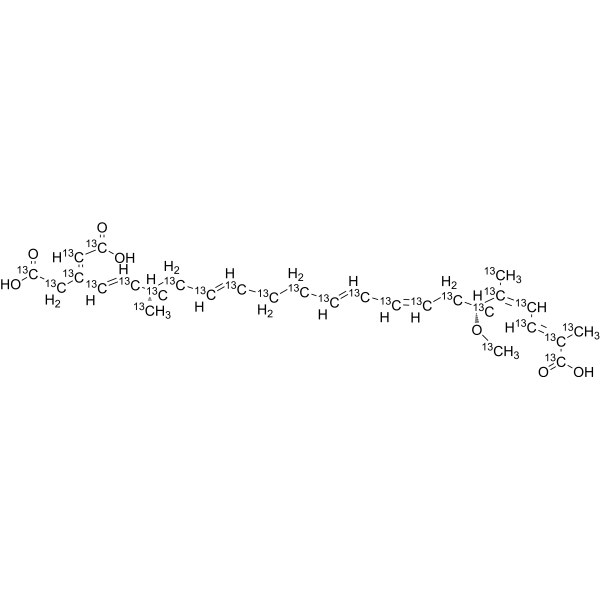
    Bongkrekic acid-13C28
    1 Publications Verification

    Isotope-Labeled Compounds ATP Synthase Cancer
    Bongkrekic acid- 13C28 is the 13C labeled Bongkrekic acid (HY-136406). Bongkrekic acid is a mitochondrial toxin secreted by the bacteria Pseudomonas cocovenenans. Bongkrekic acid specific ligand for mitochondrial adenine nucleotide translocase (ANT) rather than the electron transport chain. Bongkrekic acid has to cross the mitochondrial inner membrane to produce its inhibitory effect on ADP/ATP transport .
    Bongkrekic acid-13C28
  • HY-178749

    ClpP Mitochondrial Metabolism Apoptosis Caspase PARP Cancer
    MS6076 is a mitochondrial protease ClpP agonist. MS6076 specifically activates the ClpP protease in the mitochondrial matrix, significantly disrupting mitochondrial Electron Transport Chain (ETC) function by accelerating the degradation of unfolded proteins. MS6076 exhibits potent cytotoxicity against a variety of cancer cell lines. MS6076 induces cell apoptosis, increasing cleavage of caspase 3 and PARP. MS6076 can be used for the research of breast cancer .
    MS6076
  • HY-121214

    Environmental Pollutants Apoptosis Fungal Reactive Oxygen Species (ROS) Mitochondrial Metabolism Infection Cardiovascular Disease
    Amisulbrom is a sulfonamide fungicide used to control oomycete diseases. Amisulbrom inhibits the cytochrome-bc1 complex of the mitochondrial electron transport system.
    Amisulbrom
  • HY-B1756S

    Isotope-Labeled Compounds Apoptosis Mitochondrial Metabolism Autophagy Neurological Disease Cancer
    Rotenone-d3 is the deuterium labeled Rotenone (HY-B1756). Rotenone is a mitochondrial electron transport chain complex I inhibitor. Rotenone induces apoptosis through enhancing mitochondrial reactive oxygen species production.
    Rotenone-d3
  • HY-170369

    Mitochondrial Metabolism Metabolic Disease
    SHO1122147 (Compound 7m) affects the mitochondrial electron transport chain, exhibits mitochondrial uncoupling activity (EC50=3.6 μM), and increases the oxygen consumption rate (OCR=69%) and promotes cellular respiration. SHO1122147 is orally active, and can be used in reaearch of obesity and metabolic dysfunction-associated steatohepatitis (MASH) .
    SHO1122147
  • HY-121248

    AC217300

    Mitochondrial Metabolism Infection
    Hydramethylnon (AC217300) is an amidinohydrazone insecticide. Hydramethylnon's mechanism of action is through inhibition of mitochondrial respiration by inhibiting the electron transport chain at the cytochrome b-c1 complex. Hydramethylnon can be used to eliminate red imported fire ants, cockroaches, and other insects .
    Hydramethylnon
  • HY-126222B

    MitoTax iodide, hydriodide

    Mitochondrial Metabolism Apoptosis Cancer
    (E/Z)-MitoTam (iodide, hydriodide) (MitoTam (iodide, hydriodide)) is the E/Z mixture of MitoTam iodide, hydriodide. MitoTam iodide, hydriodide is a Tamoxifen derivative , an electron transport chain (ETC) inhibitor, spreduces mitochondrial membrane potential in senescent cells and affects mitochondrial morphology . MitoTam iodide, hydriodide is an effective anticancer agent, suppresses respiratory complexes (CI-respiration) and disrupts respiratory supercomplexes (SCs) formation in breast cancer cells . MitoTam iodide, hydriodide causes apoptosis .
    (E/Z)-MitoTam iodide, hydriodide
  • HY-114197

    Mitochondrial Metabolism Parasite Infection
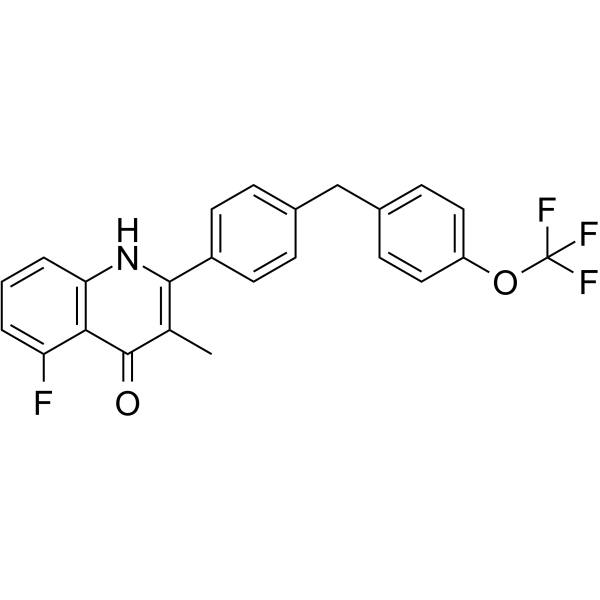
    Antimalarial agent 14 (Compound N3) is a potent inhibitor of mitochondrial electron transport. Antimalarial agent 14 can serve as an anti-malarial agent .
    Antimalarial agent 14
  • HY-162515

    Mitochondrial Metabolism Cancer
    8-OAc is a potent and selective mitochondrial electron transport chain (ETC) complex I inhibitor. 8-OAc exhibits cytotoxicity against cancer cell lines .
    8-OAc
  • HY-155849

    Pyruvate Kinase Cancer
    Pkm2-in-4 (compound 5C) is a selective inhibitor of PKM2 (IC50=0.35 μM), which regulates pyruvate-dependent respiration and induces mitochondrial H202 production rate and electron transport system coupling .
    PKM2-IN-4
  • HY-130055R

    Reference Standards Mitochondrial Metabolism Infection
    HQNO (Standard) is the analytical standard of HQNO. This product is intended for research and analytical applications. HQNO, secreted by P. aeruginosa, is a potent electron transport chain inhibitor with a Kd of 64 nM for complex III[1]. HQNO is a potent inhibitor of mitochondrial NDH-2 in many species[2].
    HQNO (Standard)
  • HY-W725476

    Reactive Oxygen Species (ROS) Infection
    Bifenazate-d5 is the deuterium labeled Bifenazate (HY-119687). Bifenazate is a carbazate acaricide that control 100% of mites at a concentration of 25 ppm . Bifenazate is a positive allosteric modulator of GABA receptor . Bifenazate is the inhibitor for the mitochondrial electron transport chain complex III .
    Bifenazate-d5
  • HY-119687R

    Reference Standards GABA Receptor Mitochondrial Metabolism Na+/K+ ATPase Reactive Oxygen Species (ROS) Insecticide Infection Cardiovascular Disease
    Bifenazate (Standard) is the analytical standard of Bifenazate. This product is intended for research and analytical applications. Bifenazate is a carbazate acaricide that control 100% of mites at a concentration of 25 ppm . Bifenazate is a positive allosteric modulator of GABA receptor . Bifenazate is the inhibitor for the mitochondrial electron transport chain complex III .
    Bifenazate (Standard)
  • HY-B0817S

    Parasite Infection
    Pyridaben-d13 is the deuterium labeled Pyridaben . Pyridaben is a mitochondrial electron transport inhibitor (METI) acaricide that promotes the formation of damaging oxygen and nitrogen radicals. Pyridaben selectively inhibits complex I (NADH dehydrogenase) with an IC50 value of 2.4 nM (assay sites: rat liver and bovine heart mitochondria). Pyridaben also significantly inhibits rat mitochondrial mtNOS function .
    Pyridaben-d13
  • HY-B0817R

    Reference Standards Parasite Infection
    Pyridaben (Standard) is the analytical standard of Pyridaben. This product is intended for research and analytical applications. Pyridaben is a mitochondrial electron transport inhibitor (METI) acaricide that promotes the formation of damaging oxygen and nitrogen radicals. Pyridaben selectively inhibits complex I (NADH dehydrogenase) with an IC50 value of 2.4 nM (assay sites: rat liver and bovine heart mitochondria). Pyridaben also significantly inhibits rat mitochondrial mtNOS function .
    Pyridaben (Standard)
  • HY-125283A

    2-Me-Phen; 2-Me-Phenformin

    Oxidative Phosphorylation Mitochondrial Metabolism Metabolic Disease
    IM176OUT05 free base (2-Me-Phen), a biguanide, is a mitochondrial OXPHOS inhibitor. IM176OUT0 free base inhibits mitochondrial electron transport chain (ETC) activity with an IC50 of 3.2 μM. IM176OUT05 free base activates stem cell metabolism, promotes hair regrowth and increases stemness induction and maintenance during the pluripotent stem cell generation process .
    IM176OUT05 free base
  • HY-178033

    Parasite Mitochondrial Metabolism Reactive Oxygen Species (ROS) Infection
    Antileishmanial agent-35 (Compound 6) is an antileishmanial agent with an IC50 of 0.29μM for promastigotes of Leishmania amazonensis. Antileishmanial agent-35 significantly decreases the mitochondrial membrane potential and ATP levels, and further increases the production of ROS by a blockage in the electron transport chain, where ubiquinone intervenes. Antileishmanial agent-35 can be used for cutaneous leishmaniases research .
    Antileishmanial agent-35
  • HY-N12887

    Mitochondrial Metabolism Others Cancer
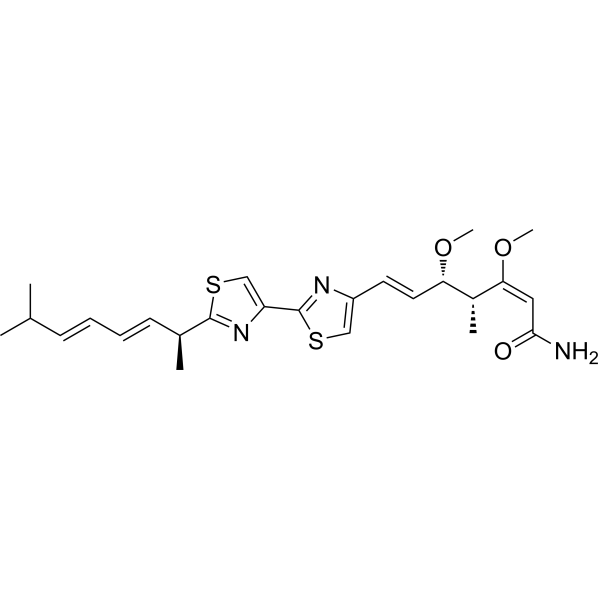
    Mycothiazole is an inhibitor for mitochondrial electron transport chain (ETC) complex I. Mycothiazole exhibits cytotoxicity in cancer cells Huh7 (IC50 is 55.8 μM), U87 and MCF7. Mycothiazole induces apoptosis in Huh7. Mycothiazole utilizes the unfolded protein response (UPR) and heat shock response (HSR) pathway involved transcription factors ATFS-1 and HSF1, to extend the lifespan of C. elegans .
    Mycothiazole
  • HY-176253

    Parasite Infection
    Antitrypanosomal agent 26 (Compound 1) is an allosteric trypanosome alternative oxidase (TAO) inhibitor. Antitrypanosomal agent 26 exhibits potent activity against African animal trypanosomes (e.g., Trypanosoma brucei, etc.) with an IC50 value of 1.3 nM for recombinant TAO. Antitrypanosomal agent 26 blocks the mitochondrial electron transport chain of trypanosomes and inhibits glucose-dependent respiration. Antitrypanosomal agent 26 is promising for research of African animal trypanosomiasis, such as bovine trypanosomiasis .
    Antitrypanosomal agent 26
  • HY-17516R

    Reference Standards Insecticide Bacterial Mitochondrial Metabolism Infection
    Tolfenpyrad (Standard) is the analytical standard of Tolfenpyrad (HY-17516). This product is intended for research and analytical applications. Tolfenpyrad is an orally active insecticide, acaricide and antibacterial agent. Tolfenpyrad inhibits Complex I in the mitochondrial respiratory electron transport chain, interfering with the cell respiration process. Tolfenpyrad has significant insecticidal activity against a variety of insect pests such as H. contortus, Coccinella septempunctata. Tolfenpyrad has antibacterial activity against Francisella novicida, with an IC50 of 1.2 µM or 1.5 µM .
    Tolfenpyrad (Standard)
  • HY-N12630

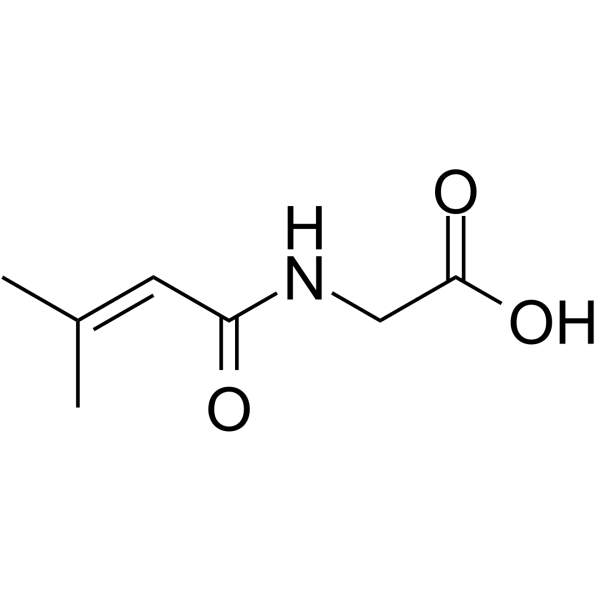
    Mycosporine-Gly

    Mitochondrial Metabolism Bacterial Others
    Mycosporine glycine (Mycosporine-Gly) is a potent singlet oxygen quencher. Mycosporine glycine can effectively suppress various detrimental effects of the Type-II photosensitization in biological systems, such as inactivation of mitochondrial electron transport, lipid peroxidation of microsomes, hemolysis of erythrocytes and growth inhibition of E.coli. Mycosporine glycine can be used for protecting marine organisms against sunlight damage .
    Mycosporine glycine
  • HY-114625

    Parasite Mitochondrial Metabolism Infection
    Amquinate is a coccidiostat and a cytochrome b inhibitor. Amquinate blocks cytochrome-mediated electron transport near cytochrome b in mitochondria, acting downstream of coenzyme Q without affecting succinate dehydrogenase or NADH dehydrogenase. Amquinate inhibits succinate- and malate plus pyruvate-supported mitochondrial respiration in Eimeria tenella and does not affect L-ascorbate-supported respiration or any mitochondrial respiration in chicken liver mitochondria. Amquinate exhibits selective anticoccidial activity against wild-type Eimeria tenella. Amquinate can be used for the research of coccidiosis (Eimeria tenella infection) .
    Amquinate
  • HY-150033

    Photosystem II Herbicide Others
    Sorgoleone is a photosystem II inhibitor found in sorghum. Sorgoleone binds to the QB niche of the D1 protein, inhibits photosynthetic electron transport, and does not affect photosystem I reactions. Sorgoleone reduces radicle elongation and stunts growth. Sorgoleone inhibits CO2-dependent oxygen evolution, photosynthetic O2 evolution, and mitochondrial respiration. Sorgoleone can be used as a herbicide .
    Sorgoleone
  • HY-181610

    Succinate Dehydrogenase Fungal Infection
    SDH-IN-45 is a succinate dehydrogenase BcSDH inhibitor and mycelial growth inhibitor targeting Botrytis cinerea, with an IC50 of 5.97 μg/mL against Botrytis cinerea. SDH-IN-45 inhibits succinate dehydrogenase, a component of the mitochondrial electron transport chain, via a unique binding mode, thereby regulating fungal energy metabolism. SDH-IN-45 causes morphological damage to Botrytis cinerea mycelia, leading to collapse and shrinkage of mycelial structures. SDH-IN-45 exhibits in vitro fungicidal activity against Botrytis cinerea. SDH-IN-45 can be used in research related to cucumber gray mold .
    SDH-IN-45

Inquiry Online

Your information is safe with us. * Required Fields.

Salutation


Country or Region *

Applicant Name *


Organization Name *

Department *


Email Address *


Product Name *

Cat. No.


Requested quantity *

Phone Number *


Remarks

Inquiry Online

Inquiry Information

Product Name:
Cat. No.:
Quantity:
MCE Japan Authorized Agent:

