1. Search Result
Search Result
Results for "

mouse STING

" in MedChemExpress (MCE) Product Catalog:

34

Inhibitors & Agonists

1

Peptides

1

Inhibitory Antibodies

1

Natural
Products

1

Recombinant Proteins

2

Click Chemistry

1

Oligonucleotides

Targets Recommended:
Cat. No. Product Name Target Research Areas Chemical Structure
  • HY-112921A
    diABZI STING agonist-1
    Maximum Cited Publications
    47 Publications Verification

    STING Inflammation/Immunology
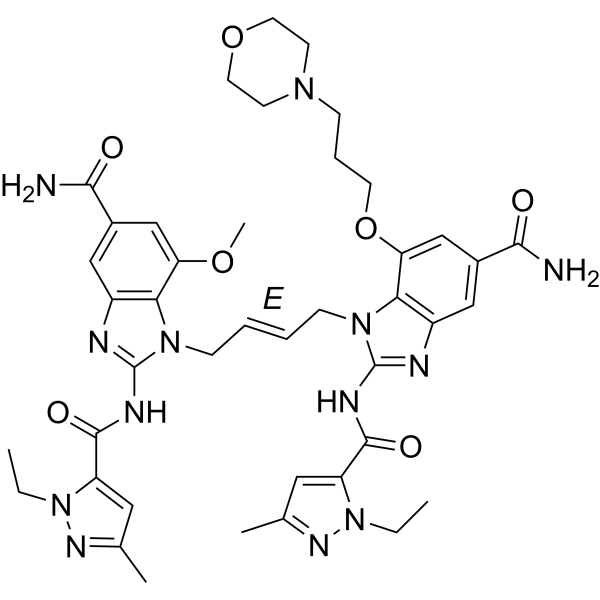
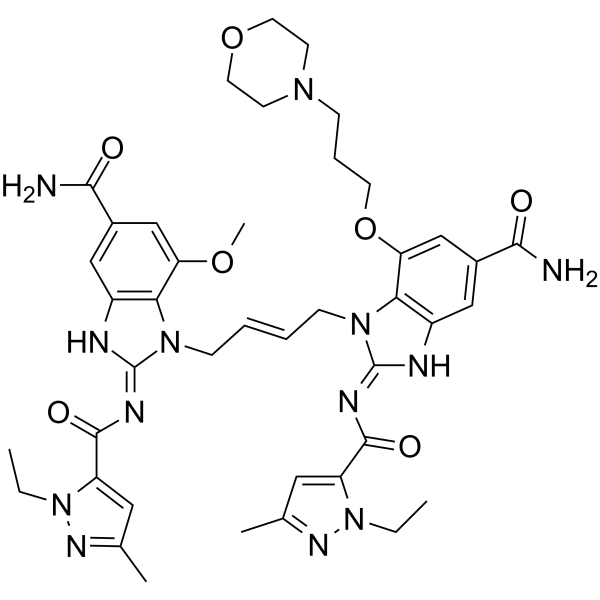
    diABZI STING agonist-1 is a tautomerism of diABZI STING agonist-1 tautomerism (HY-112921). diABZI STING agonist-1 is a selective stimulator of interferon genes (STING) receptor agonist, with EC50s of 130, 186 nM for human and mouse, respectively .
    diABZI STING agonist-1
  • HY-136927
    MSA-2
    25+ Cited Publications

    STING Inflammation/Immunology Cancer
    MSA-2, a potent and orally available non-nucleotide STING agonist, is bound to STING as a noncovalent dimer with nanomolar affinity. MSA-2 shows EC50s of 8.3 and 24 μM for human STING isoforms WT and HAQ, respectively. MSA-2 stimulates interferon-β secretion in tumors, induces tumor regression with durable antitumor immunity, and synergizes with anti-PD-1 in syngeneic mouse tumor models .
    MSA-2
  • HY-112921B
    diABZI STING agonist-1 trihydrochloride
    Maximum Cited Publications
    47 Publications Verification

    STING Inflammation/Immunology Cancer
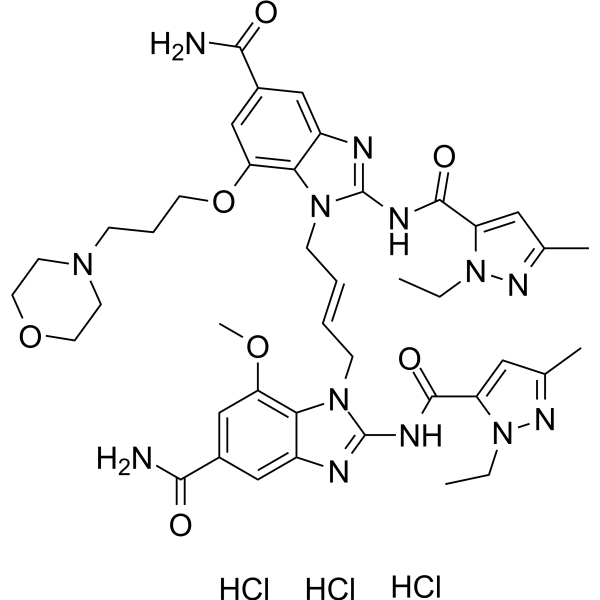
    diABZI STING agonist-1 (trihydrochloride) is a selective stimulator of interferon genes (STING) receptor agonist, with EC50s of 130, 186 nM for human and mouse, respectively.
    diABZI STING agonist-1 trihydrochloride
  • HY-145010
    SN-011
    10+ Cited Publications

    STING Inflammation/Immunology
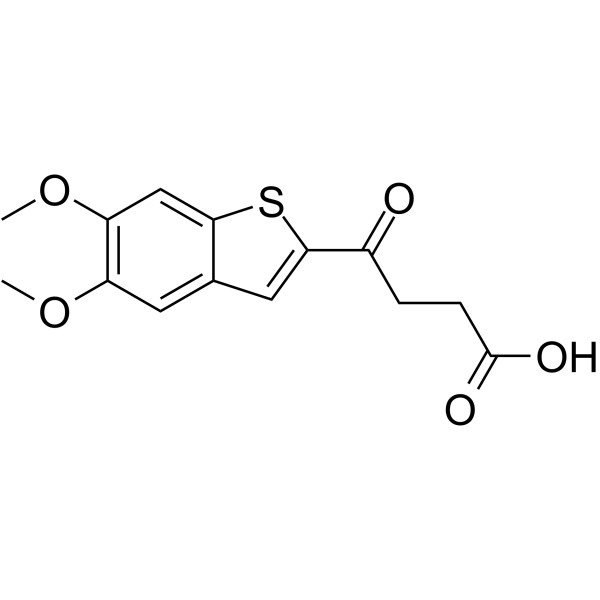
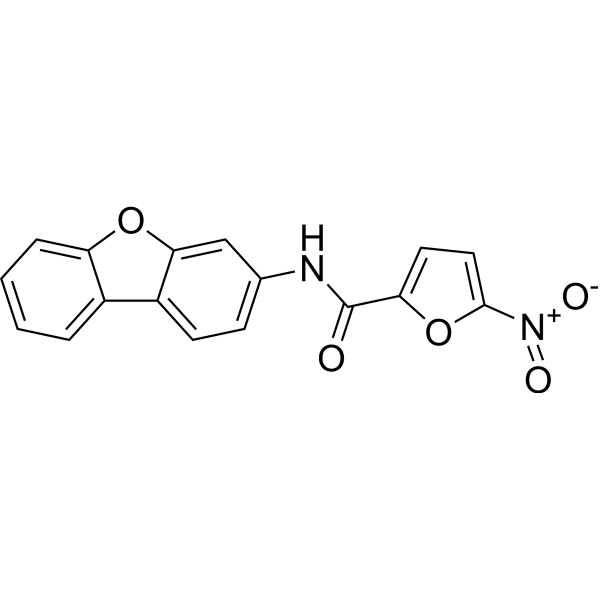
    SN-011 is a potent and selective mouse and human STING inhibitor, with an IC50 of 76 nM for STING signaling. SN-011 competes with cyclic dinucleotide (CDN) for the binding pocket of the STING dimer, blocking CDN binding and STING activation. SN-011 can be used for the research of STING-driven autoimmune and inflammatory disease .
    SN-011
  • HY-138682
    STING-IN-2
    5+ Cited Publications

    STING Inflammation/Immunology
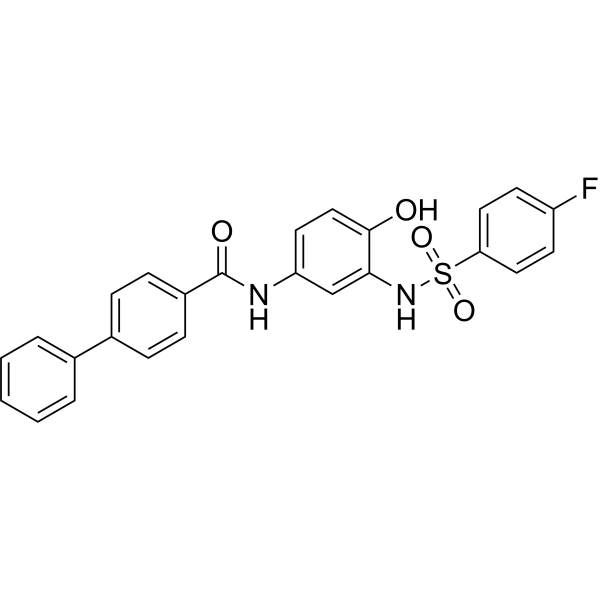
    STING-IN-2 (C-170) is a potent and covalent STING inhibitor. STING-IN-2 efficiently inhibits both mouse STING (mmSTING) and human STING (hsSTING). STING-IN-2 can be used for autoinflammatory disease research .
    STING-IN-2
  • HY-112921
    diABZI STING agonist-1 (tautomerism)
    2 Publications Verification

    STING Inflammation/Immunology
    diABZI STING agonist-1 tautomerism is a tautomerism of diABZI STING agonist-1 (HY-112921A). diABZI STING agonist-1 tautomerism is a selective stimulator of interferon genes (STING) receptor agonist, with EC50s of 130, 186 nM for human and mouse, respectively .
    diABZI STING agonist-1 (tautomerism)
  • HY-123963
    C-178
    5+ Cited Publications

    STING Inflammation/Immunology
    C-178 is a potent and selective covalent inhibitor of STING. C-178 binds to Cys91 and suppresses the STING responses elicited by distinct bona fide activators in mouse but not human .
    C-178
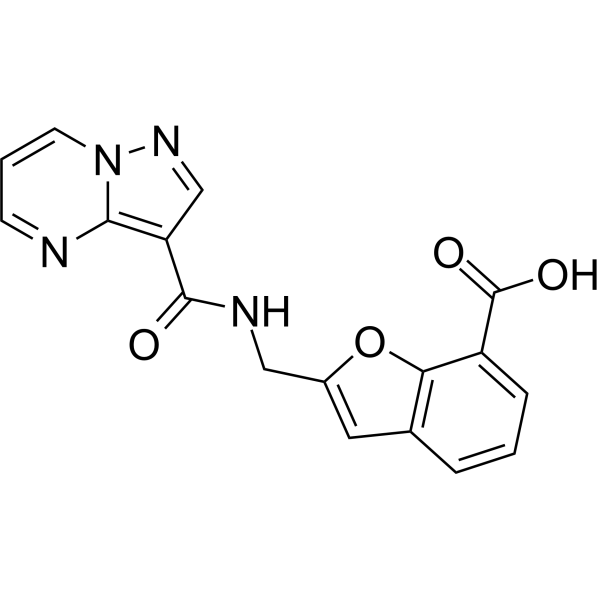
  • HY-162874

    STING IFNAR Cancer
    diABZI-V/C-DBCO is a STING agonist with an EC50 of 1.47 nM. diABZI-V/C-DBCO activates the STING pathway, induces the production of IFN-I, and stimulates the secretion of IFN-β. diABZI-V/C-DBCO serves as a substrate for cathepsin B, and releases active diABZI-amine via cathepsin B-mediated cleavage. In an orthotopic mouse model of breast cancer, diABZI-V/C-DBCO increases serum IFN-β levels and the frequency of granzyme B + CD8 + T cells. diABZI-V/C-DBCO is applicable to research related to triple-negative breast cancer .
    diABZI-V/C-DBCO
  • HY-160406

    STING IFNAR Interleukin Related Inflammation/Immunology Cancer
    SNX281 is a selective STING agonist, with IC50 values of 4.1, 4.5, 10.7, and 3.7 μM against human, mouse, rat, and monkey STING, respectively. SNX281 undergoes homodimerization at the STING binding site, triggering a conformational shift of STING from an inactive open state to an active closed state, thereby driving downstream STING-dependent signaling pathways. SNX281 induces type I interferons, IFN-β, TNF-α, IL-6, cytokine release, T cell responses, and long-lasting immune memory. SNX281 exhibits anti-tumor activity and is applicable to research related to colorectal cancer, melanoma, advanced solid tumors, lymphoma, and ovarian cancer .
    SNX281
  • HY-177338

    STING Cyclic GMP-AMP Synthase IFNAR TNF Receptor Interleukin Related Inflammation/Immunology Cancer
    STING agonist-45 is a selective STING agonist (EC50 = 0.28 μM). STING agonist-45 activates the innate immune response through the cGAS-STING pathway, upregulating key markers such as p-TBK1 and IRF3. STING agonist-45 exhibits robust STING activation in human peripheral blood mononuclear cells (PBMCs), inducing the production of type I interferons (such as IFN-β) and downstream cytokines (such as TNF-α and IL-6). STING agonist-45 enhances anti-tumor immunity, inhibits tumor growth, and increases CD8 + T cell infiltration in mouse models. STING agonist-45 is promising for the study of STING-related diseases .
    STING agonist-45
  • HY-173425

    STING IFNAR TNF Receptor Interleukin Related Inflammation/Immunology
    STING-IN-15 is an orally active STING inhibitor, with an IC50 of 116 nM against h-STING and an IC50 of 96.3 nM against m-STING. STING-IN-15 inhibits the STING signaling pathway in cells, reduces the secretion of IFN-β and IP-10, downregulates the expression of ISG15, ISG56 and TNF-α, and suppresses the phosphorylation of TBK1/IRF3. STING-IN-15 alleviates systemic and renal inflammation induced by STING agonists in mice, reduces tissue damage and the expression of interferon pathway genes, and inhibits spontaneous tissue inflammation in mice. STING-IN-15 can be used for the research of acute kidney injury and autoimmune/inflammatory diseases .
    STING-IN-15
  • HY-164288

    TDI-006570

    Cyclic GMP-AMP Synthase STING Neurological Disease Inflammation/Immunology
    TDI-6570 (TDI-006570) is a blood-brain barrier-permeable, orally active cGAS inhibitor with an IC50 of 1.64 μM. TDI-6570 exhibits high gastrointestinal absorption and a long brain half-life in mice, and shows no toxicity to primary neurons. By inhibiting the cGAS-STING-IFN signaling pathway, TDI-6570 reduces STING levels and the activation of TBK1, blocks double-stranded DNA-induced cGAS activation and downstream interferon-stimulated gene expression, thereby reducing tau protein spread and improving synaptic loss. TDI-6570 reverses memory deficits, increases the amplitude of long-term potentiation, enhances the MEF2C transcriptional network, restores PSD-95 and vGAT punctate structures, and significantly improves cognitive resilience. TDI-6570 can be applied to the research of Alzheimer's disease, Parkinson's disease, systemic lupus erythematosus, as well as various central nervous system and autoimmune diseases .
    TDI-6570
  • HY-143896

    STING Cancer
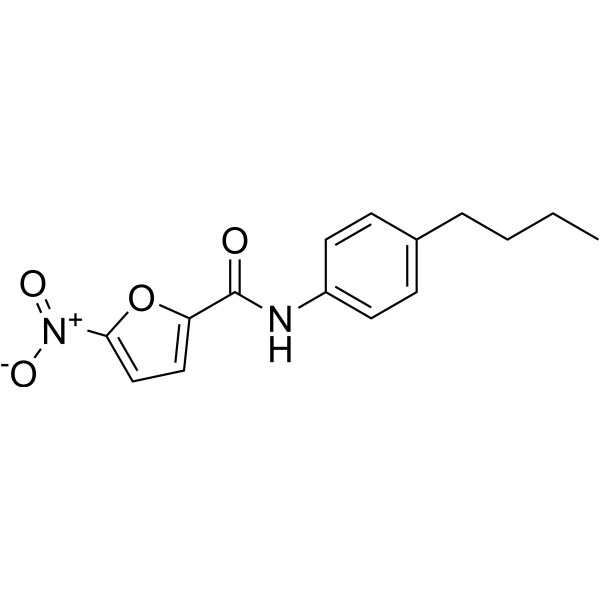
    STING agonist-7 is a non-nucleotide STING agonist. STING agonist-7 binds selectively to mouse STING but not human STING. STING agonist-7 penetrates cell membrane poorly .
    STING agonist-7
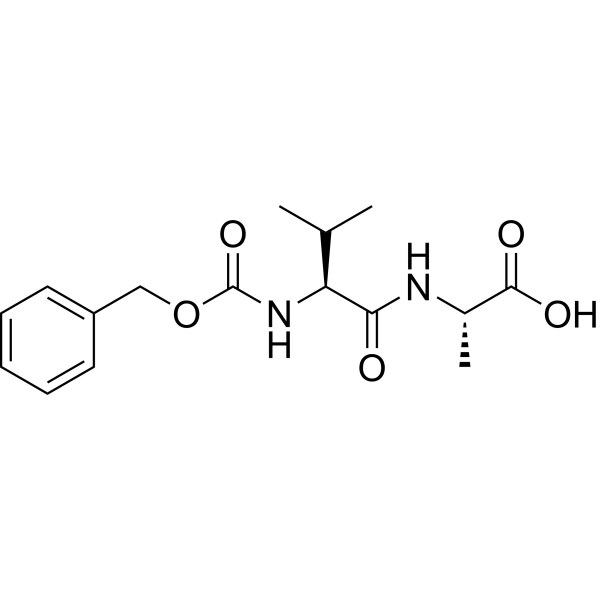
  • HY-42709

    Carbobenzoxy-L-valyl-L-alanine

    Amino Acid Derivatives Cancer
    Z-Val-Ala-OH is a dipeptide derivative of valine and alanine. Z-Val-Ala-OH undergoes cleavage by cathepsin B and other lysosomal proteases to enable payload release following lysosomal internalization. Z-Val-Ala-OH can be used for the research of antibody-drug conjugate (ADC) development[1] .
    Z-Val-Ala-OH
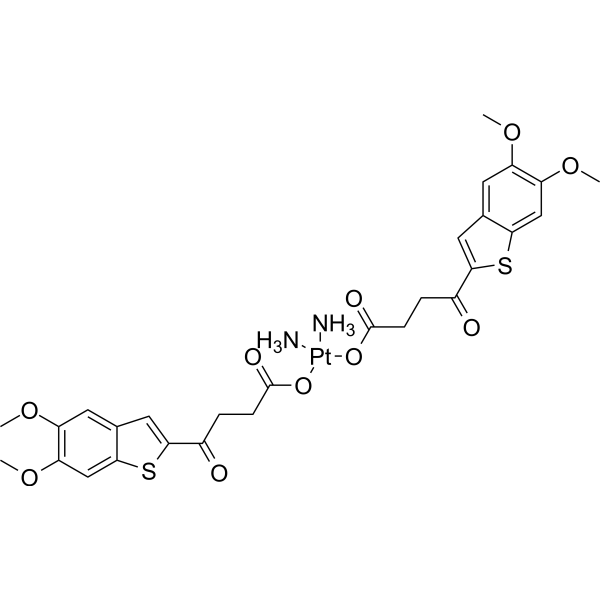
  • HY-162133

    STING Apoptosis IKK IFNAR NF-κB Cancer
    MSA-2-Pt, platinum salt-modified MSA-2 (HY-136927), is a STING agonist. MSA-2-Pt inducing cell
    death by platinum and activating the STING pathway by MSA-2. MSA-2-Pt direct activates STING pathway, induces phosphorylation of TBK1, IRF3, and NF-κB p65. MSA-2-Pt enhances tumor infiltration of CD4 + and CD8 + T cells, and induces tumor cell death and apoptosis in mouse colon carcinoma and melanoma models .
    MSA-2-Pt
  • HY-175714

    STING Inflammation/Immunology Cancer
    STING agonist-46 is an orally active STING agonist. STING agonist-46 activates the STING signaling pathway, promoting phosphorylation of TBK1 and IRF3, and secretion of IFN-β and IP-10. STING agonist-46 directly binds to STING and increases its thermal stability. STING agonist-46 demonstrates potent anti-tumor efficacy in B16F10, CT26, and 4T1 mouse models. STING agonist-46 can be used for cancer immunotherapy studies .
    STING agonist-46
  • HY-RS13917

    Small Interfering RNA (siRNA) Others

    Sting1 Mouse Pre-designed siRNA Set A contains three designed siRNAs for Sting1 gene (Mouse), as well as a negative control, a positive control, and a FAM-labeled negative control.

    Sting1 Mouse Pre-designed siRNA Set A
    Sting1 Mouse Pre-designed siRNA Set A
  • HY-175478

    Phosphodiesterase (PDE) STING Inflammation/Immunology Cancer
    Enpp-1-IN-27 is a selective ENPP1 inhibitor with an IC50 of 14.68 nM, exhibiting approximately 410-fold selectivity against ENPP2 and 10-fold selectivity against ENPP3. Enpp-1-IN-27 stabilizes cGAMP levels and activates the STING pathway, promoting cytokine release and enhancing innate immune responses. Enpp-1-IN-27 induces ISRE activation and amplified cGAMP-mediated immune responses and shows the desired antitumor efficacy in the 4T1 and CT26 syngeneic mouse models. Enpp-1-IN-27 can used for the studies of breast cancer and colon cancer .
    Enpp-1-IN-27
  • HY-163749

    STING Inflammation/Immunology
    STING-IN-8 (Compound 15b) emerges as a potent stimulator of interferon gene (STING) inhibitor with an IC50 value of 0.121 μM in human and an IC50 value of 0.033 μM in mouse. STING-IN-8 inhibits MSA-2 (HY-136927) or 2’, 3’ -cGAMP (HY-100564)-stimulated STING signaling and suppresses immune-inflammatory cytokine levels in both human and murine cells. STING-IN-8 is promising for research in the field of STING-associated inflammatory and autoimmune diseases .
    STING-IN-8
  • HY-P990181

    Glutathione Peroxidase STING Inflammation/Immunology
    Anti-Mouse myeloperoxidase/MPO Antibody (6G4) is an anti-mouse myeloperoxidase/MPO IgG2c monoclonal antibody. Anti-Mouse myeloperoxidase/MPO Antibody (6G4) can activate the cGAS/STING pathway. Anti-Mouse myeloperoxidase/MPO Antibody (6G4) induces acute and chronic kidney injury in mice. Anti-Mouse myeloperoxidase/MPO Antibody (6G4) is often used in the construction of inflammation conditions models such as anti-neutrophil cytoplasmic antibody (ANCA)-associated vasculitides (AAV) .
    Anti-Mouse myeloperoxidase/MPO Antibody (6G4)
  • HY-N8107
    Matairesinol monoglucoside
    2 Publications Verification

    STING IFNAR HBV Infection
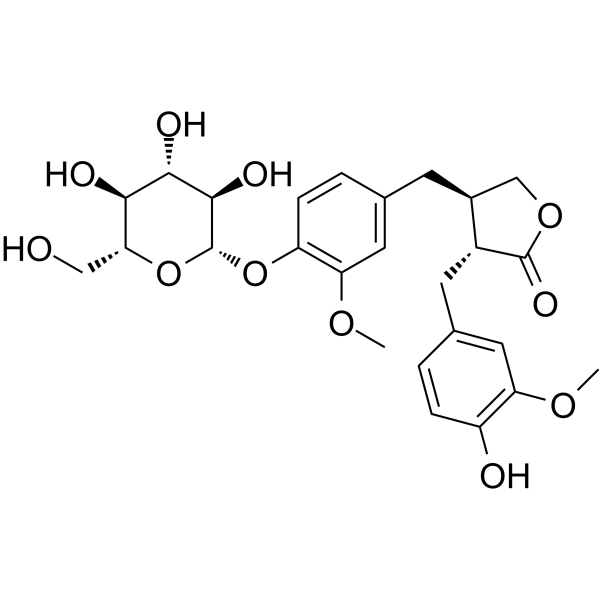
    Matairesinol monoglucoside is a STING activator. Matairesinol monoglucoside modulates the STING-TBK1-IRF3 signaling axis, promotes STING transcriptional expression, increases TBK1 and IRF3 phosphorylation. Matairesinol monoglucoside induces IFN-α and IFN-β production, reduces HBV DNA, HBsAg, and HBeAg expression. Matairesinol monoglucoside can be used for the research of hepatitis b virus (hbv) infection .
    Matairesinol monoglucoside
  • HY-172671

    STING Cancer
    STING agonist-43 (Compound 67) is a selective STING agonist (EC50: 20.53 μM). STING agonist-43 selectively amplifies cGAMP-dependent STING pathway activation by modulating STING oligomerization. B16.F10 has antitumor activity in a mouse melanoma model. STING agonist-43 can be used for the study of cancer immunity .
    STING agonist-43
  • HY-178951

    STING IKK Reactive Oxygen Species (ROS) IFNAR PARP Caspase Inflammation/Immunology
    STING-IN-17 (compound 10a) is an orally active STING (human STING IC50 = 29 nM, mouse STING IC50 = 15 nM) inhibitor. STING-IN-17 can inhibit the phosphorylation of STING, TBK1 and IRF3. STING-IN-17 dose dependently inhibits the mRNA expression of IP10, IFNB1 and ISG56. STING-IN-17 can reduce ROS and inhibit the expression of cleaved-PARP/caspase-3. STING-IN-17 can improve kidney function. STING-IN-17 can be used for research on inflammatory conditions such as acute kidney injury .
    STING-IN-17
  • HY-178032

    PARP Apoptosis Reactive Oxygen Species (ROS) DNA/RNA Synthesis STING Cancer
    PARP1-IN-44, an Olaparib (HY-10162) derivative, is an orally active PARP1 inhibitor (IC50 = 0.6 nM), and also inhibits PARP2 (IC50 = 1.0 nM) and PARP7 (IC50 = 7.5 nM). PARP1-IN-44 has selective antiproliferative activity against BRCA-deficient cancer cells with minimal toxicity to normal cells. PARP1-IN-44 induces G2/M phase arrest, promotes apoptosis, elevates ROS levels, disrupts mitochondrial membrane potential. PARP1-IN-44 suppresses PARylation while increasing γH2AX accumulation. PARP1-IN-44 activates the cGAS-STING pathway, upregulating IFN-β and CXCL10 expression. PARP1-IN-44 enhancing CD8+ T cell infiltration in a CT26 tumor mouse model, demonstrating robust in vivo antitumor efficacy .
    PARP1-IN-44
  • HY-155109

    STING Inflammation/Immunology Cancer
    Antitumor agent-114 is a potent stimulator of interferon genes (STING) agonist. Antitumor agent-114 activates immunity and reduces tumor volume in a mouse model of breast cancer. Antitumor agent-114 can be used for immunity and cancer diseases research .
    Antitumor agent-114
  • HY-168384

    STING TNF Receptor Interleukin Related CD28 Inflammation/Immunology
    M04 is an agonist of STING. It induces the expression of the IFN reporter gene in HEK293T cells expressing wild-type human STING, but does not induce this expression in HEK293T cells expressing the R71H-G230A-R293Q (HAQ) STING variant or in mouse RAW 264.7 cells, indicating that its activity is dependent on allelic and species variations. M04 induces the production of TNF-α, IL-10, IL-1β, and IL-12p70 in human peripheral blood mononuclear cells (PBMCs). At a concentration of 50 µM, M04 stimulates dendritic cells isolated from PBMCs to express the MHC class II cell surface receptor HLA-DR and co-stimulatory molecules CD40, CD80, and CD86, and also enhances their ability to activate T cells in an ex vivo assay. M04 can be used in research on inflammatory immune diseases .
    M04
  • HY-181484

    STING IKK IFNAR Interleukin Related CXCR Cancer
    STING agonist-50 is an orally active STING agonist with an IC50 of 3.457 μM. STING agonist-50 activates the STING signaling pathway and promotes the phosphorylation of downstream TBK1 and IRF3. STING agonist-50 induces the expression of IFN-β, CXCL10 and IL-6. STING agonist-50 inhibits tumor growth in syngeneic mouse models. STING agonist-50 can be used for the research of colorectal cancer .
    STING agonist-50
  • HY-181667

    Phosphodiesterase (PDE) Cancer
    Enpp-1-IN-30 (compound 44a) is an orally bioavailable ENPP1 inhibitor with a human IC50 of 13.1 nM. Enpp-1-IN-30 prevents cGAMP degradation, activates the STING pathway. Enpp-1-IN-30 induces cytokine release to enhance innate immune response. Enpp-1-IN-30 exerts antitumor efficacy in syngeneic mouse models. Enpp-1-IN-30 can be used for the research of colon carcinoma .
    Enpp-1-IN-30
  • HY-182923

    STING Inflammation/Immunology
    UM-200 is a covalent STING inhibitor with an EC50 of 1.10 μM. UM-200 covalently modifies the cysteine residues C292 or C309 of STING, thereby blocking its oligomerization and downstream signal transduction. UM-200 inhibits STING-dependent phosphorylation of TBK1 and IRF3. UM-200 inhibits the STING signaling pathway in mouse models. UM-200 can be used for research on STING-driven inflammatory and autoimmune diseases .
    UM-200
  • HY-180120

    STING IKK NF-κB IFNAR Interleukin Related Inflammation/Immunology
    UM-203 is a reversible covalent STING antagonist. UM-203 is effective against both mouse and human STING, and in particular, it inhibits the most common human STING R232 variant. UM-203 can inhibit STING oligomerization and reduce phosphorylation of downstream TBK1 and IRF3, thereby blocking the IRF3 and NF-κB-mediated signaling pathways and inhibiting IFNβ and IL-6 secretion. UM-203 can be used for the research of inflammation and immunology, such as systemic lupus erythematosus .
    UM-203
  • HY-183537

    STING IFNAR Interleukin Related TNF Receptor IKK STAT Inflammation/Immunology
    KSI-028 is a STING inhibitor. KSI-028 disrupts STING-mediated signal transduction, reduces IFN-β and pro-inflammatory cytokine (IL-6, IL-1β and TNF-α) production. KSI-028 inhibits the phosphorylation of STING, TBK1, IRF3, and STAT1. KSI-028 attenuates renal and hepatic injury in a Cisplatin (HY-17394)-induced acute kidney injury mouse model .
    KSI-028
  • HY-183607

    STING PD-1/PD-L1 IFNAR Interleukin Related CXCR Cancer
    SMU-3k is a STING activator and PD-L1 inhibitor, with a PD-L1 IC50 of 106 nM, a KD of 386 nM for human PD-L1, and a KD of 352 nM for murine PD-L1. SMU-3k activates the STING pathway, induces phosphorylation of TBK1 and IRF3, and promotes the expression of IFN-β, IL-6 and CXCL10. SMU-3k blocks the PD-1/PD-L1 interaction, reduces PD-L1 levels and induces PD-L1 internalization. Through dual immunomodulation, SMU-3k exerts synergistic tumor growth inhibitory effects in a mouse colon cancer model. SMU-3k can be used for the research of colon cancer .
    SMU-3k
  • HY-181526

    IFNAR STING Inflammation/Immunology
    Sim-9 is a covalent allosteric inhibitor of interferon regulatory factor 3 (IRF3). Sim-9 binds covalently to the Cys222 residue of IRF3, induces its conformational change, blocks its interactions with TRIF, MAVS and STING, and inhibits IRF3 homodimerization and type I interferon response. Sim-9 exhibits significant anti-inflammatory, organ-protective and survival benefits in mouse models of sepsis and acute pancreatitis. Sim-9 can be used for research related to inflammatory diseases .
    Sim-9
  • HY-182360

    PERK Eukaryotic Initiation Factor (eIF) Bcl-2 Family Apoptosis Reactive Oxygen Species (ROS) STING DNA/RNA Synthesis PD-1/PD-L1 Cancer
    Cytisine-Platinum(IV) Prodrug-1 is a Pt(IV) prodrug incorporating the natural compound Cytisine (HY-N0175) with antiproliferative activity against tumor cells. Cytisine-Platinum(IV) Prodrug-1 promotes calcium transfer across the IP3R1-GRP75-VDAC1 axis to drive mitochondrial calcium overload. Cytisine-Platinum(IV) Prodrug-1 initiates unfolded protein response via PERK, eIF2α, ATF4, and CHOP to modulate Bcl-2 and Bax, triggering apoptosis. Cytisine-Platinum(IV) Prodrug-1 induces mitochondrial dysfunction, ROS production, reduced ATP synthesis, DNA damage, and S-phase cell cycle arrest. Cytisine-Platinum(IV) Prodrug-1 activates the cGAS-STING pathway, reduces PD-L1 expression, drives immunogenic cell death. Cytisine-Platinum(IV) Prodrug-1 exhibits high physiological stability, efficient cellular accumulation, and enhanced platinum-DNA binding, and inhibits tumor growth in mouse models with reduced systemic toxicity. Cytisine-Platinum(IV) Prodrug-1 can be used for the research of lung cancer .
    Cytisine-platinum(IV) prodrug-1

Inquiry Online

Your information is safe with us. * Required Fields.

Salutation


Country or Region *

Applicant Name *


Organization Name *

Department *


Email Address *


Product Name *

Cat. No.


Requested quantity *

Phone Number *


Remarks

Inquiry Online

Inquiry Information

Product Name:
Cat. No.:
Quantity:
MCE Japan Authorized Agent:

