Search Result
Results for "
muscle mass
" in MedChemExpress (MCE) Product Catalog:
1
Biochemical Assay Reagents
11
Isotope-Labeled Compounds
| Cat. No. |
Product Name |
Target |
Research Areas |
Chemical Structure |
-
- HY-112288
-
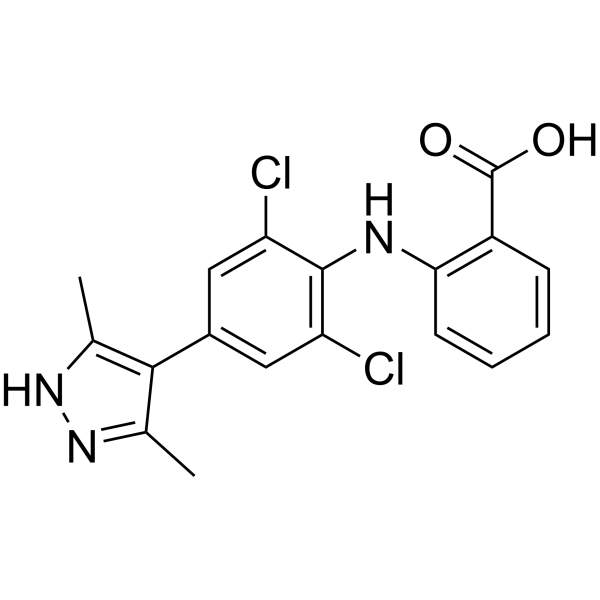
C188-9
Maximum Cited Publications
32 Publications Verification
TTI-101
|
STAT
Apoptosis
DNA Methyltransferase
|
Metabolic Disease
Inflammation/Immunology
Cancer
|
|
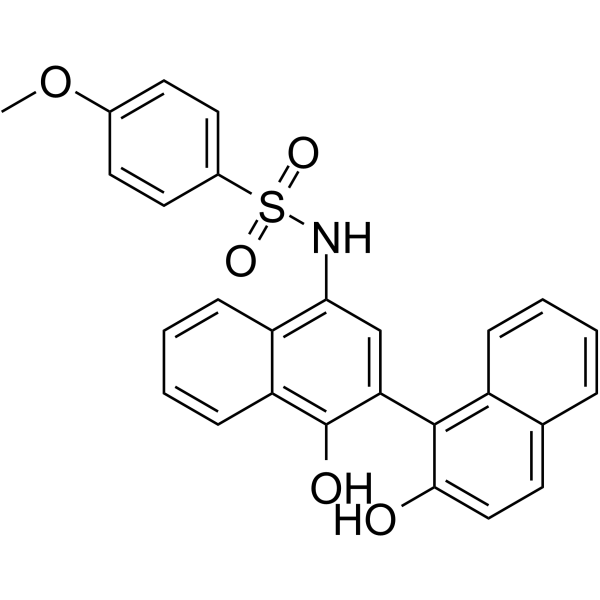
C188-9 (TTI-101) is a STAT3 inhibitor with a Kd value of 4.7 nM. C188-9 targets the SH2 domain of STAT3, blocks the processes of STAT3 ligand binding, receptor recruitment, homodimerization and phosphorylation, and regulates STAT3-mediated genes associated with tumorigenesis and radioresistance. C188-9 regulates STAT1-mediated genes related to radioresistance and reduces the activation level of STAT1. C188-9 downregulates the expression of DNMT1, enhances DAC-induced demethylation and re-expression of RASSF1A, and simultaneously potentiates the anti-tumor effect of DAC on pancreatic cancer cells. C188-9 inhibits both anchorage-dependent and anchorage-independent growth of cancer cells, induces Apoptosis, blocks the growth of tumor xenografts, and suppresses muscle atrophy. C188-9 maintains muscle mass, increases body weight and improves grip strength in tumor-bearing mice. C188-9 can be used in research related to head and neck squamous cell carcinoma, pancreatic cancer, sepsis-related skeletal muscle wasting, non-small cell lung cancer, acute myeloid leukemia and cancer cachexia .
|
-
-
- HY-B0504S
-
|
NSC13123-d3
|
Isotope-Labeled Compounds
Endogenous Metabolite
iGluR
GABA Receptor
|
Metabolic Disease
Cancer
|
|
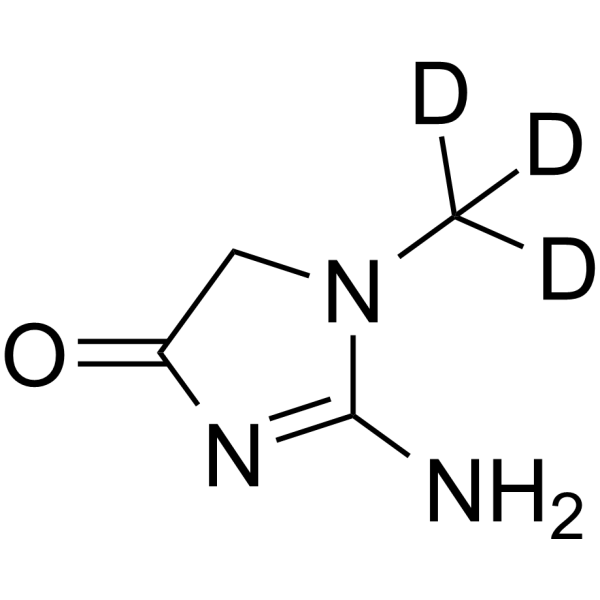
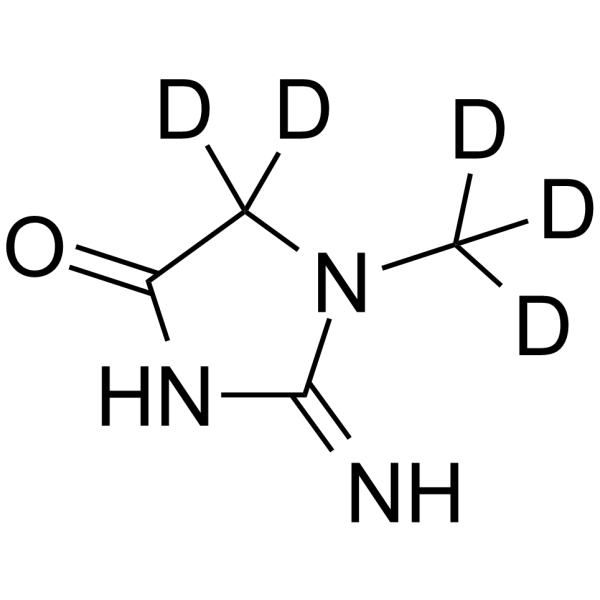
Creatinine-d3 is a deuterium labeled Creatinine. Creatinine (NSC13123) is an orally active, blood-brain barrier-permeable modulator of GABAA and NMDA receptors, with activities of antioxidation and metabolic regulation. Creatinine is generated via non-enzymatic conversion of creatine and phosphocreatine in muscle. Creatinine serum levels correlate with muscle mass, glomerular filtration rate, and extrarenal clearance, serving as an evaluation biomarker for renal function, muscle mass, and clinical outcomes, and used for perioperative renal risk assessment. In addition, Creatinine can induce specific Cryptococcus species to produce creatinine deiminase and act as their nitrogen source, while it can be secreted via renal tubules. Creatinine is widely used in research related to various diseases such as neurodegenerative diseases, psychiatric disorders, acute kidney injury, chronic kidney disease, and renal failure .
|
-
-
- HY-B0504
-
|
NSC13123
|
Endogenous Metabolite
GABA Receptor
iGluR
|
Infection
Neurological Disease
Metabolic Disease
Cancer
|
|
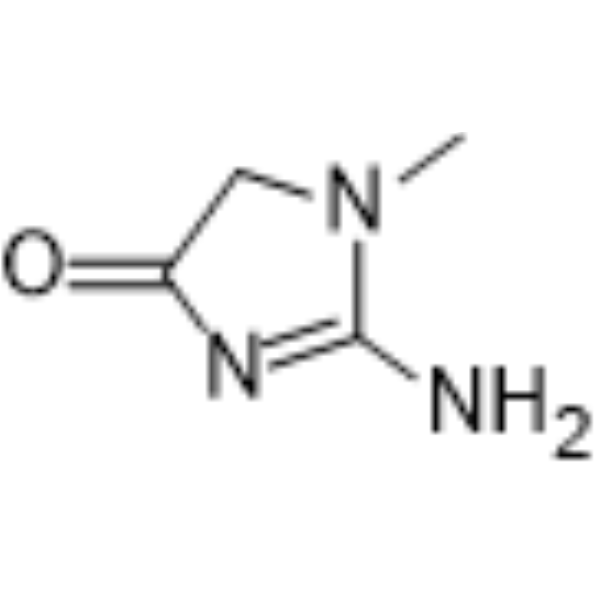
Creatinine (NSC13123) is an orally active, blood-brain barrier-permeable modulator of GABAA and NMDA receptors, with activities of antioxidation and metabolic regulation. Creatinine is generated via non-enzymatic conversion of creatine and phosphocreatine in muscle. Creatinine serum levels correlate with muscle mass, glomerular filtration rate, and extrarenal clearance, serving as an evaluation biomarker for renal function, muscle mass, and clinical outcomes, and used for perioperative renal risk assessment. In addition, Creatinine can induce specific Cryptococcus species to produce creatinine deiminase and act as their nitrogen source, while it can be secreted via renal tubules. Creatinine is widely used in research related to various diseases such as neurodegenerative diseases, psychiatric disorders, acute kidney injury, chronic kidney disease, and renal failure .
|
-
-
- HY-B0504S2
-
|
NSC13123-d5
|
Isotope-Labeled Compounds
Endogenous Metabolite
iGluR
GABA Receptor
|
Metabolic Disease
|
|
Creatinine-d5 is the deuterium labeled Creatinine. Creatinine (NSC13123) is an orally active, blood-brain barrier-permeable modulator of GABAA and NMDA receptors, with activities of antioxidation and metabolic regulation. Creatinine is generated via non-enzymatic conversion of creatine and phosphocreatine in muscle. Creatinine serum levels correlate with muscle mass, glomerular filtration rate, and extrarenal clearance, serving as an evaluation biomarker for renal function, muscle mass, and clinical outcomes, and used for perioperative renal risk assessment. In addition, Creatinine can induce specific Cryptococcus species to produce creatinine deiminase and act as their nitrogen source, while it can be secreted via renal tubules. Creatinine is widely used in research related to various diseases such as neurodegenerative diseases, psychiatric disorders, acute kidney injury, chronic kidney disease, and renal failure .
|
-
-
- HY-N1993
-
|
|
Cytochrome P450
NF-κB
|
Metabolic Disease
Cancer
|
|
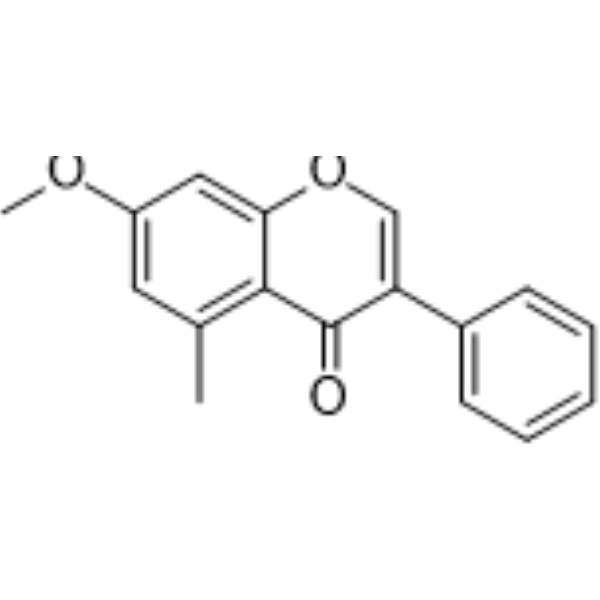
5-Methyl-7-methoxyisoflavone is an orally active anti-oxidant with remyelinating activity. 5-Methyl-7-methoxyisoflavone inhibits the enzyme aromatase, interfering with the normal metabolic pathways of testosterone. 5-Methyl-7-methoxyisoflavone is a non-steroidal anabolic isoflavone, used as a anabolic agent. 5-Methyl-7-methoxyisoflavone shows better potency increasing muscle mass and endurance than Ipriflavone (HY-N0094). 5-Methyl-7-methoxyisoflavone can be used for fat loss besides the maintenance of low cholesterol level and strengthen bones. 5-Methyl-7-methoxyisoflavone is the inhibitor for NF-κB .
|
-
-
- HY-P99370
-
|
LY2495655; Anti-GDF8 / Myostatin Reference Antibody (landogrozumab)
|
TGF-beta/Smad
|
Inflammation/Immunology
Cancer
|
|
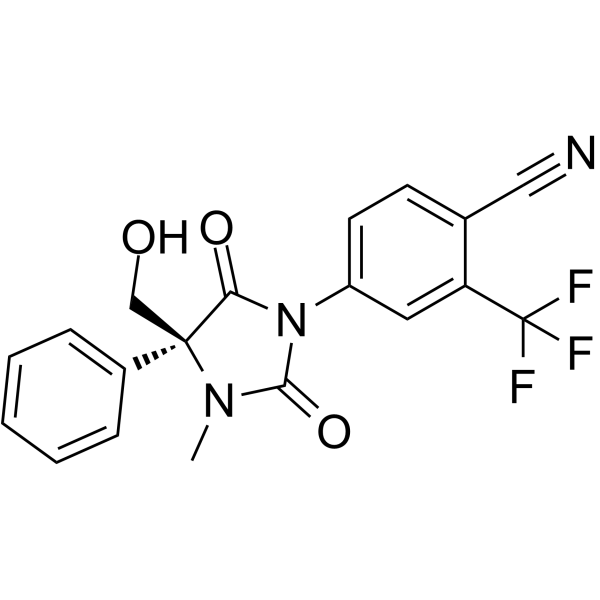
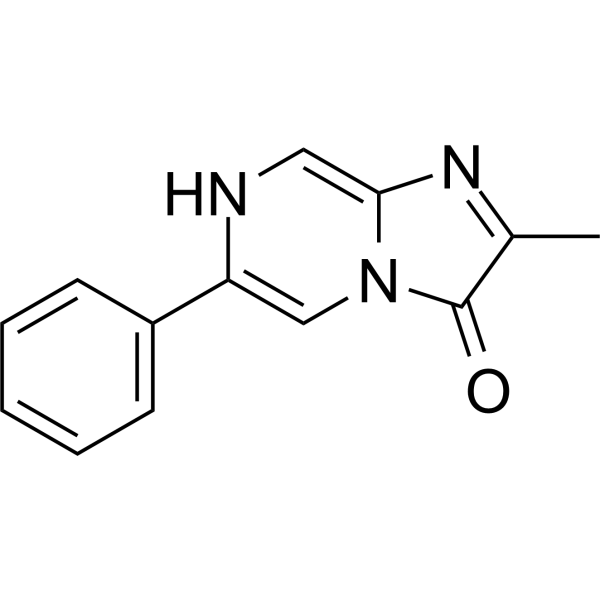
Landogrozumab (LY2495655) is an humanized anti-myostatin monoclonal antibody. Landogrozumab effectively improves muscle volume, hand grip strength and function. Landogrozumab can be used for the research of muscle wasting disease .
|
-
-
- HY-170794
-
|
|
Acyltransferase
Ceramidase
|
Metabolic Disease
|
|
ALT-007 is an orally active serine palmitoyltransferase (SPT) inhibitor that selectively reduces the levels of toxic very-long-chain deoxysphingolipids to enhance protein homeostasis. ALT-007 restores aging-related loss of muscle mass in a mouse model of sarcopenia. ALT-007 enhances protein homeostasis in both mouse and C. elegans models of aging and disease. ALT-007 can be used for age-related neuromuscular diseases research .
|
-
-
- HY-P991504
-
-
-
- HY-P990993
-
|
GYM-329, RG6237, RG-70240
|
TGF-beta/Smad
|
Inflammation/Immunology
|
|
Emugrobart (GYM-329, RG6237, RG-70240) is a humanized IgG1κ antibody targeting myostatin (Myostatin; GDF8). Emugrobart binds to pro-myostatin and latent myostatin, blocking their cleavage into mature myostatin; it also has a clearance function, which transports bound myostatin for degradation and allows for cyclic reuse. Emugrobart enhances muscle strength in mouse models of muscle atrophy and increases muscle mass in cynomolgus monkeys. Emugrobart can be used in research on spinal muscular atrophy and facioscapulohumeral muscular dystrophy .
|
-
-
- HY-B0504R
-
|
NSC13123 (Standard)
|
Reference Standards
Endogenous Metabolite
iGluR
GABA Receptor
|
Metabolic Disease
Cancer
|
|
Creatinine (Standard) is the analytical standard of Creatinine. This product is intended for research and analytical applications. Creatinine (NSC13123) is an orally active, blood-brain barrier-permeable modulator of GABAA and NMDA receptors, with activities of antioxidation and metabolic regulation. Creatinine is generated via non-enzymatic conversion of creatine and phosphocreatine in muscle. Creatinine serum levels correlate with muscle mass, glomerular filtration rate, and extrarenal clearance, serving as an evaluation biomarker for renal function, muscle mass, and clinical outcomes, and used for perioperative renal risk assessment. In addition, Creatinine can induce specific Cryptococcus species to produce creatinine deiminase and act as their nitrogen source, while it can be secreted via renal tubules. Creatinine is widely used in research related to various diseases such as neurodegenerative diseases, psychiatric disorders, acute kidney injury, chronic kidney disease, and renal failure .
|
-
-
- HY-18102
-
|
|
Androgen Receptor
|
Neurological Disease
|
|
GLPG0492 is an orally active, non-steroidal selective androgen receptor modulator. GLPG0492 exerts functional transactivation by binding to the ligand-binding domain of the receptor, exhibiting preferential partial agonist activity in muscle and bone tissues with low activity in reproductive tissues. GLPG0492 effectively counteracts muscle atrophy-related pathways, significantly enhances muscle strength, maintains motor ability, reduces fibrosis and improves electrophysiological parameters. GLPG0492 prevents immobilization-induced muscle atrophy and regulates muscle mass homeostasis, serving as a valuable tool compound for studies on Duchenne muscular dystrophy, muscle loss and various types of disuse musculoskeletal atrophy .
|
-
-
- HY-B0504S1
-
|
NSC13123-13C
|
Isotope-Labeled Compounds
Endogenous Metabolite
iGluR
GABA Receptor
|
Metabolic Disease
|
|
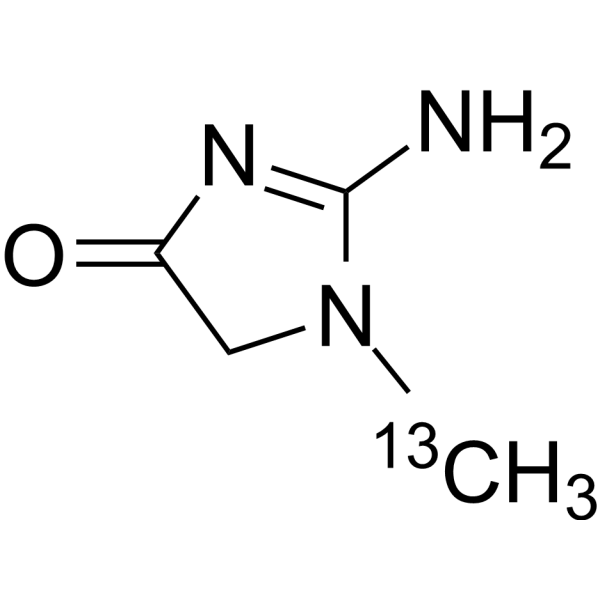
Creatinine- 13C is the 13C-labeled Creatinine. Creatinine (NSC13123) is an orally active, blood-brain barrier-permeable modulator of GABAA and NMDA receptors, with activities of antioxidation and metabolic regulation. Creatinine is generated via non-enzymatic conversion of creatine and phosphocreatine in muscle. Creatinine serum levels correlate with muscle mass, glomerular filtration rate, and extrarenal clearance, serving as an evaluation biomarker for renal function, muscle mass, and clinical outcomes, and used for perioperative renal risk assessment. In addition, Creatinine can induce specific Cryptococcus species to produce creatinine deiminase and act as their nitrogen source, while it can be secreted via renal tubules. Creatinine is widely used in research related to various diseases such as neurodegenerative diseases, psychiatric disorders, acute kidney injury, chronic kidney disease, and renal failure .
|
-
-
- HY-130687A
-
|
DL-Psicose
|
PI3K
mTOR
Akt
IGF-1R
TGF-beta/Smad
Mitochondrial Metabolism
|
Neurological Disease
Metabolic Disease
|
|
Psicose (DL-Psicose) is an orally effective sugar substitute. Psicose activates the PI3K/Akt/mTOR pathway to promote muscle synthesis. Psicose upregulates IGF-1 and downregulates Myostatin. Psicose normalizes mitochondrial dysfunction by increasing G6P activity. Psicose enhances the activity of antioxidant enzymes and reduces oxidative stress markers. Psicose increases muscle mass, grip strength and muscle weight in aged mice and diet-induced obese mice. Psicose improves obesity and type 2 diabetes. Psicose can be used in the research of age-related sarcopenia .
|
-
-
- HY-B1421
-
|
LY031537
|
Adrenergic Receptor
Trace Amine-associated Receptor (TAAR)
|
Metabolic Disease
|
|
Ractopamine hydrochloride (LY031537) is a potent and orally active β-adrenergic receptor (βAR) agonist with Kd value of ~25 nM for pig β1AR and β2AR. Ractopamine hydrochloride also is a mTAAR1 agonist with an EC50 of 16 μM. Ractopamine hydrochloride promotes muscle mass development, limits fat deposition, reduces feed consumption, increases total cellular protein synthesis, and improves growth rate and feed efficiency in finishing swine. Ractopamine hydrochloride can be used for researching to increase lean tissue growth and improve production efficiency in pigs .
|
-
-
- HY-17462
-
|
(+)-Adrenosterone
|
Androgen Receptor
Endogenous Metabolite
|
Endocrinology
Cancer
|
|
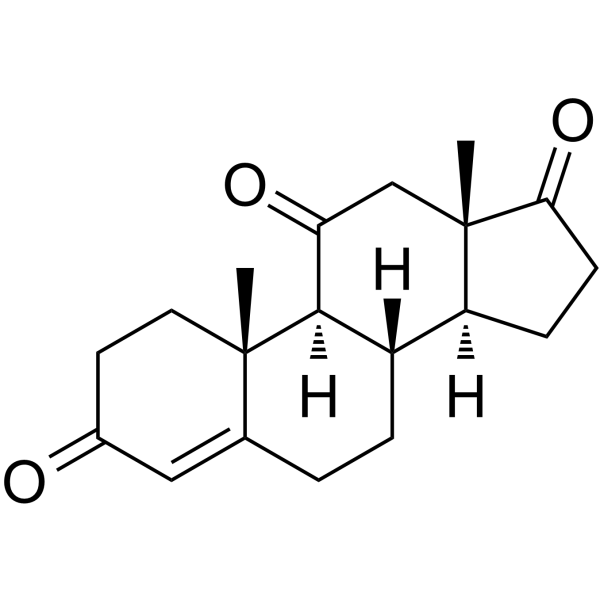
Adrenosterone ((+)-Adrenosterone) is a competitive hydroxysteroid (11-beta) dehydrogenase 1 (HSD11β1) inhibitor.
Adrenosterone is a steroid hormone with weak androgenic effect. Adrenosterone is a dietary supplement that can decrease fat and increase muscle mass. Adrenosterone acts as a suppressor of metastatic progression of human cancer cells .
|
-
-
- HY-147011
-
|
|
Fat Mass and Obesity-associated Protein (FTO)
|
Cancer
|
|
FTO-IN-7 (compound 17) is an inhibitor of FTO (fat mass and obesity-associated protein) with an IC50 of <1 μM. FTO-IN-7 can be used for the study of small-cell lung cancers and human bone marrow striated muscle cancer .
|
-
-
- HY-B0504S5
-
|
NSC13123-15N
|
Isotope-Labeled Compounds
Endogenous Metabolite
iGluR
GABA Receptor
|
Metabolic Disease
Cancer
|
|
Creatinine- 15N (NSC13123- 15N) is the 15N-labeled Creatinine (HY-B0504). Creatinine (NSC13123) is an orally active, blood-brain barrier-permeable modulator of GABAA and NMDA receptors, with activities of antioxidation and metabolic regulation. Creatinine is generated via non-enzymatic conversion of creatine and phosphocreatine in muscle. Creatinine serum levels correlate with muscle mass, glomerular filtration rate, and extrarenal clearance, serving as an evaluation biomarker for renal function, muscle mass, and clinical outcomes, and used for perioperative renal risk assessment. In addition, Creatinine can induce specific Cryptococcus species to produce creatinine deiminase and act as their nitrogen source, while it can be secreted via renal tubules. Creatinine is widely used in research related to various diseases such as neurodegenerative diseases, psychiatric disorders, acute kidney injury, chronic kidney disease, and renal failure .
|
-
-
- HY-W721874
-
|
(+)-Adrenosterone-d10
|
Isotope-Labeled Compounds
Endogenous Metabolite
Androgen Receptor
|
Cancer
|
|
Adrenosterone-d10 ((+)-Adrenosterone-d10) is the deuterium labeled Adrenosterone (HY-17462). Adrenosterone ((+)-Adrenosterone) is a competitive hydroxysteroid (11-beta) dehydrogenase 1 (HSD11β1) inhibitor.
Adrenosterone is a steroid hormone with weak androgenic effect. Adrenosterone is a dietary supplement that can decrease fat and increase muscle mass. Adrenosterone acts as a suppressor of metastatic progression of human cancer cells .
|
-
-
- HY-W127851
-
|
Cypridina luciferin analog
|
Biochemical Assay Reagents
|
Others
Cancer
|
|
CLA, or conjugated linoleic acid, is a polyunsaturated fatty acid that occurs naturally in a variety of animal products, such as meat and dairy. It has several potential benefits for human health, including the ability to reduce body fat mass, improve insulin sensitivity, and reduce inflammation. CLA has been extensively studied for its effects on weight loss and muscle growth, as well as its potential role in preventing chronic diseases such as heart disease and cancer. Additionally, it can be taken as a dietary supplement in capsule form.
|
-
-
- HY-Y1150
-
|
Trimethylmethanecarboxylic acid; Versatic 5 acid; tert-Pentanoic acid
|
Antibiotic
|
Inflammation/Immunology
|
|
Pivalic acid (Trimethylmethanecarboxylic acid) is a carboxylic acid. Pivalic acid induces Carnitine deficiency. Pivalic acid conjugated with Antibiotics, such as Pivmecillinam (HY-B0810) and Pivampicillin (HY-119011), are used in urinary tract infection. Pivalic acid can be used in physical exercise research .
|
-
-
- HY-18102BS
-
|
|
Isotope-Labeled Compounds
Adrenergic Receptor
|
Neurological Disease
|
|
GLPG0492- 13C,d3 racemate is 13C-labeled GLPG0492 (racemate) (HY-18102B). GLPG0492 racemate is an orally active, non-steroidal selective androgen receptor modulator. GLPG0492 racemate exerts functional transactivation by binding to the ligand-binding domain of the receptor, exhibiting preferential partial agonist activity in muscle and bone tissues with low activity in reproductive tissues. GLPG0492 racemate effectively counteracts muscle atrophy-related pathways, significantly enhances muscle strength, maintains motor ability, reduces fibrosis and improves electrophysiological parameters. GLPG0492 racemate prevents immobilization-induced muscle atrophy and regulates muscle mass homeostasis, serving as a valuable tool compound for studies on Duchenne muscular dystrophy, muscle loss and various types of disuse musculoskeletal atrophy .
|
-
-
- HY-17462R
-
|
(+)-Adrenosterone (Standard)
|
Androgen Receptor
Endogenous Metabolite
Reference Standards
|
Endocrinology
Cancer
|
|
Adrenosterone (Standard) is the analytical standard of Adrenosterone. This product is intended for research and analytical applications. Adrenosterone ((+)-Adrenosterone) is a competitive hydroxysteroid (11-beta) dehydrogenase 1 (HSD11β1) inhibitor.
Adrenosterone is a steroid hormone with weak androgenic effect. Adrenosterone is a dietary supplement that can decrease fat and increase muscle mass. Adrenosterone acts as a suppressor of metastatic progression of human cancer cells .
|
-
-
- HY-100935S
-
|
CL 263780-d7
|
Isotope-Labeled Compounds
Adrenergic Receptor
|
Endocrinology
|
|
Cimaterol-d7 is the deuterium labeled Cimaterol. Cimaterol is a potent agonist of β-adrenergic receptors (pEC50s=8.13, 8.78, and 6.62 for human β1, β2, and β3, respectively). Cimaterol has been used in farmed animals to increase carcass mass and to alter muscle and fat deposition.
|
-
-
- HY-W759219
-
|
(+)-Adrenosterone-13C3; 11-Keto-androstedione-13C3
|
Isotope-Labeled Compounds
Endogenous Metabolite
Androgen Receptor
|
Endocrinology
|
|
Adrenosterone- 13C3 ((+)-Adrenosterone- 13C3) is the 13C-labeled Adrenosterone (HY-17462). Adrenosterone ((+)-Adrenosterone) is a competitive hydroxysteroid (11-beta) dehydrogenase 1 (HSD11β1) inhibitor.
Adrenosterone is a steroid hormone with weak androgenic effect. Adrenosterone is a dietary supplement that can decrease fat and increase muscle mass. Adrenosterone acts as a suppressor of metastatic progression of human cancer cells .
|
-
-
- HY-11032
-
|
|
Others
|
Metabolic Disease
|
|
SM-350300 is a glucoprotein. SM-350300 stimulates lipolysis in white adipocytes by activating the cyclic AMP (cAMP) pathway, and upregulates the expression of lipolytic enzymes and uncoupling proteins (UCP1, UCP3) in brown adipose tissue (BAT) and white adipose tissue (WAT). SM-350300 reduces body weight by decreasing carcass fat while increasing lean muscle mass in metabolic disorder models. SM-350300 can be used for the study of metabolic disorders including obesity, type 2 diabetes, and cachexia .
|
-
-
- HY-113781
-
|
LY031537 free base
|
Adrenergic Receptor
Trace Amine-associated Receptor (TAAR)
|
Metabolic Disease
|
|
Ractopamine (LY031537 free base) is a potent and orally active β-adrenergic receptor (βAR) agonist with Kd value of ~25 nM for pig β1AR and β2AR. Ractopamine also is a mTAAR1 agonist with an EC50 of 16 μM. Ractopamine promotes muscle mass development, limits fat deposition, reduces feed consumption, increases total cellular protein synthesis, and improves growth rate and feed efficiency in finishing swine. Ractopamine can be used for researching to increase lean tissue growth and improve production efficiency in pigs .
|
-
-
- HY-W751276
-
|
|
Isotope-Labeled Compounds
Adrenergic Receptor
Trace Amine-associated Receptor (TAAR)
|
Metabolic Disease
|
|
Ractopamine- 13C6 is the 13C-labeled Ractopamine (HY-113781). Ractopamine (LY031537 free base) is a potent and orally active β-adrenergic receptor (βAR) agonist with Kd value of ~25 nM for pig β1AR and β2AR. Ractopamine also is a mTAAR1 agonist with an EC50 of 16 μM. Ractopamine promotes muscle mass development, limits fat deposition, reduces feed consumption, increases total cellular protein synthesis, and improves growth rate and feed efficiency in finishing swine. Ractopamine can be used for researching to increase lean tissue growth and improve production efficiency in pigs .
|
-
-
- HY-W751275
-
|
|
Isotope-Labeled Compounds
Adrenergic Receptor
Trace Amine-associated Receptor (TAAR)
|
Metabolic Disease
|
|
Ractopamine- 13C2 is the 13C-labeled Ractopamine (HY-113781). Ractopamine (LY031537 free base) is a potent and orally active β-adrenergic receptor (βAR) agonist with Kd value of ~25 nM for pig β1AR and β2AR. Ractopamine also is a mTAAR1 agonist with an EC50 of 16 μM. Ractopamine promotes muscle mass development, limits fat deposition, reduces feed consumption, increases total cellular protein synthesis, and improves growth rate and feed efficiency in finishing swine. Ractopamine can be used for researching to increase lean tissue growth and improve production efficiency in pigs .
|
-
-
- HY-B1562D
-
|
|
Adrenergic Receptor
|
Metabolic Disease
|
|
(S)-Bopindolol is a β-adrenergic receptor blocker that can be used to prevent, inhibit, can be used to reduce muscle mass and/or functional loss and/or decreased bone density caused by weight loss. (S)-Bopindolol can protect the myocardium and/or cardiac function, or prevent low blood pressure and/or increased heart rate during weight loss .
|
-
-
- HY-P11610
-
|
|
Amylin Receptor
CGRP Receptor
|
Metabolic Disease
|
|
KBP-089 is a dual Amylin and Calcitonin Receptor agonist. KBP-089 reduces body weight, decreases adipose tissue mass and improves glucose tolerance in obese rats. KBP-089 also eliminates lipid accumulation in the liver and muscle, and ameliorates glycemic homeostasis and insulin sensitivity. KBP-089 is applicable to the research of diseases such as obesity and type 2 diabetes .
|
-
-
- HY-B1421S2
-
|
LY031537-d3
|
Isotope-Labeled Compounds
Adrenergic Receptor
Trace Amine-associated Receptor (TAAR)
|
Metabolic Disease
|
|
Ractopamine-d3 (LY031537-d3) hydrochloride is the deuterium labeled Ractopamine hydrochloride (HY-B1421). Ractopamine hydrochloride (LY031537) is a potent and orally active β-adrenergic receptor (βAR) agonist with Kd value of ~25 nM for pig β1AR and β2AR. Ractopamine hydrochloride also is a mTAAR1 agonist with an EC50 of 16 μM. Ractopamine hydrochloride promotes muscle mass development, limits fat deposition, reduces feed consumption, increases total cellular protein synthesis, and improves growth rate and feed efficiency in finishing swine. Ractopamine hydrochloride can be used for researching to increase lean tissue growth and improve production efficiency in pigs .
|
-
| Cat. No. |
Product Name |
Type |
-
- HY-W127851
-
|
Cypridina luciferin analog
|
Biochemical Assay Reagents
|
|
CLA, or conjugated linoleic acid, is a polyunsaturated fatty acid that occurs naturally in a variety of animal products, such as meat and dairy. It has several potential benefits for human health, including the ability to reduce body fat mass, improve insulin sensitivity, and reduce inflammation. CLA has been extensively studied for its effects on weight loss and muscle growth, as well as its potential role in preventing chronic diseases such as heart disease and cancer. Additionally, it can be taken as a dietary supplement in capsule form.
|
| Cat. No. |
Product Name |
Target |
Research Area |
-
- HY-P11610
-
|
|
Amylin Receptor
CGRP Receptor
|
Metabolic Disease
|
|
KBP-089 is a dual Amylin and Calcitonin Receptor agonist. KBP-089 reduces body weight, decreases adipose tissue mass and improves glucose tolerance in obese rats. KBP-089 also eliminates lipid accumulation in the liver and muscle, and ameliorates glycemic homeostasis and insulin sensitivity. KBP-089 is applicable to the research of diseases such as obesity and type 2 diabetes .
|
| Cat. No. |
Product Name |
Target |
Research Area |
Image |
-
- HY-P99370
-
|
LY2495655; Anti-GDF8 / Myostatin Reference Antibody (landogrozumab)
|
TGF-beta/Smad
|
Inflammation/Immunology
Cancer
|
|
Landogrozumab (LY2495655) is an humanized anti-myostatin monoclonal antibody. Landogrozumab effectively improves muscle volume, hand grip strength and function. Landogrozumab can be used for the research of muscle wasting disease .
|
-
(5)
-
- HY-P991504
-
-
(5)
-
- HY-P990993
-
|
GYM-329, RG6237, RG-70240
|
TGF-beta/Smad
|
Inflammation/Immunology
|
|
Emugrobart (GYM-329, RG6237, RG-70240) is a humanized IgG1κ antibody targeting myostatin (Myostatin; GDF8). Emugrobart binds to pro-myostatin and latent myostatin, blocking their cleavage into mature myostatin; it also has a clearance function, which transports bound myostatin for degradation and allows for cyclic reuse. Emugrobart enhances muscle strength in mouse models of muscle atrophy and increases muscle mass in cynomolgus monkeys. Emugrobart can be used in research on spinal muscular atrophy and facioscapulohumeral muscular dystrophy .
|
-
(5)
| Cat. No. |
Product Name |
Category |
Target |
Chemical Structure |
-
- HY-B0504
-
|
NSC13123
|
Infection
Structural Classification
Natural Products
Classification of Application Fields
Disease markers
Endocrine diseases
Metabolic Disease
Nervous System Disorder
Endogenous metabolite
Disease Research Fields
Source Classification
|
Endogenous Metabolite
GABA Receptor
iGluR
|
|
Creatinine (NSC13123) is an orally active, blood-brain barrier-permeable modulator of GABAA and NMDA receptors, with activities of antioxidation and metabolic regulation. Creatinine is generated via non-enzymatic conversion of creatine and phosphocreatine in muscle. Creatinine serum levels correlate with muscle mass, glomerular filtration rate, and extrarenal clearance, serving as an evaluation biomarker for renal function, muscle mass, and clinical outcomes, and used for perioperative renal risk assessment. In addition, Creatinine can induce specific Cryptococcus species to produce creatinine deiminase and act as their nitrogen source, while it can be secreted via renal tubules. Creatinine is widely used in research related to various diseases such as neurodegenerative diseases, psychiatric disorders, acute kidney injury, chronic kidney disease, and renal failure .
|
-
-
- HY-N1993
-
-
-
- HY-B0504R
-
|
NSC13123 (Standard)
|
Infection
Structural Classification
Natural Products
Microorganisms
Disease markers
Endocrine diseases
Nervous System Disorder
Endogenous metabolite
Source Classification
|
Reference Standards
Endogenous Metabolite
iGluR
GABA Receptor
|
|
Creatinine (Standard) is the analytical standard of Creatinine. This product is intended for research and analytical applications. Creatinine (NSC13123) is an orally active, blood-brain barrier-permeable modulator of GABAA and NMDA receptors, with activities of antioxidation and metabolic regulation. Creatinine is generated via non-enzymatic conversion of creatine and phosphocreatine in muscle. Creatinine serum levels correlate with muscle mass, glomerular filtration rate, and extrarenal clearance, serving as an evaluation biomarker for renal function, muscle mass, and clinical outcomes, and used for perioperative renal risk assessment. In addition, Creatinine can induce specific Cryptococcus species to produce creatinine deiminase and act as their nitrogen source, while it can be secreted via renal tubules. Creatinine is widely used in research related to various diseases such as neurodegenerative diseases, psychiatric disorders, acute kidney injury, chronic kidney disease, and renal failure .
|
-
-
- HY-17462
-
-
-
- HY-17462R
-
-
| Cat. No. |
Product Name |
Chemical Structure |
-
- HY-B0504S
-
5 Publications Verification
|
|
Creatinine-d3 is a deuterium labeled Creatinine. Creatinine (NSC13123) is an orally active, blood-brain barrier-permeable modulator of GABAA and NMDA receptors, with activities of antioxidation and metabolic regulation. Creatinine is generated via non-enzymatic conversion of creatine and phosphocreatine in muscle. Creatinine serum levels correlate with muscle mass, glomerular filtration rate, and extrarenal clearance, serving as an evaluation biomarker for renal function, muscle mass, and clinical outcomes, and used for perioperative renal risk assessment. In addition, Creatinine can induce specific Cryptococcus species to produce creatinine deiminase and act as their nitrogen source, while it can be secreted via renal tubules. Creatinine is widely used in research related to various diseases such as neurodegenerative diseases, psychiatric disorders, acute kidney injury, chronic kidney disease, and renal failure .
|
-
-
- HY-B0504S2
-
|
|
|
Creatinine-d5 is the deuterium labeled Creatinine. Creatinine (NSC13123) is an orally active, blood-brain barrier-permeable modulator of GABAA and NMDA receptors, with activities of antioxidation and metabolic regulation. Creatinine is generated via non-enzymatic conversion of creatine and phosphocreatine in muscle. Creatinine serum levels correlate with muscle mass, glomerular filtration rate, and extrarenal clearance, serving as an evaluation biomarker for renal function, muscle mass, and clinical outcomes, and used for perioperative renal risk assessment. In addition, Creatinine can induce specific Cryptococcus species to produce creatinine deiminase and act as their nitrogen source, while it can be secreted via renal tubules. Creatinine is widely used in research related to various diseases such as neurodegenerative diseases, psychiatric disorders, acute kidney injury, chronic kidney disease, and renal failure .
|
-
-
- HY-B0504S1
-
|
|
|
Creatinine- 13C is the 13C-labeled Creatinine. Creatinine (NSC13123) is an orally active, blood-brain barrier-permeable modulator of GABAA and NMDA receptors, with activities of antioxidation and metabolic regulation. Creatinine is generated via non-enzymatic conversion of creatine and phosphocreatine in muscle. Creatinine serum levels correlate with muscle mass, glomerular filtration rate, and extrarenal clearance, serving as an evaluation biomarker for renal function, muscle mass, and clinical outcomes, and used for perioperative renal risk assessment. In addition, Creatinine can induce specific Cryptococcus species to produce creatinine deiminase and act as their nitrogen source, while it can be secreted via renal tubules. Creatinine is widely used in research related to various diseases such as neurodegenerative diseases, psychiatric disorders, acute kidney injury, chronic kidney disease, and renal failure .
|
-
-
- HY-B0504S5
-
|
|
|
Creatinine- 15N (NSC13123- 15N) is the 15N-labeled Creatinine (HY-B0504). Creatinine (NSC13123) is an orally active, blood-brain barrier-permeable modulator of GABAA and NMDA receptors, with activities of antioxidation and metabolic regulation. Creatinine is generated via non-enzymatic conversion of creatine and phosphocreatine in muscle. Creatinine serum levels correlate with muscle mass, glomerular filtration rate, and extrarenal clearance, serving as an evaluation biomarker for renal function, muscle mass, and clinical outcomes, and used for perioperative renal risk assessment. In addition, Creatinine can induce specific Cryptococcus species to produce creatinine deiminase and act as their nitrogen source, while it can be secreted via renal tubules. Creatinine is widely used in research related to various diseases such as neurodegenerative diseases, psychiatric disorders, acute kidney injury, chronic kidney disease, and renal failure .
|
-
-
- HY-W721874
-
|
|
|
Adrenosterone-d10 ((+)-Adrenosterone-d10) is the deuterium labeled Adrenosterone (HY-17462). Adrenosterone ((+)-Adrenosterone) is a competitive hydroxysteroid (11-beta) dehydrogenase 1 (HSD11β1) inhibitor.
Adrenosterone is a steroid hormone with weak androgenic effect. Adrenosterone is a dietary supplement that can decrease fat and increase muscle mass. Adrenosterone acts as a suppressor of metastatic progression of human cancer cells .
|
-
-
- HY-18102BS
-
|
|
|
GLPG0492- 13C,d3 racemate is 13C-labeled GLPG0492 (racemate) (HY-18102B). GLPG0492 racemate is an orally active, non-steroidal selective androgen receptor modulator. GLPG0492 racemate exerts functional transactivation by binding to the ligand-binding domain of the receptor, exhibiting preferential partial agonist activity in muscle and bone tissues with low activity in reproductive tissues. GLPG0492 racemate effectively counteracts muscle atrophy-related pathways, significantly enhances muscle strength, maintains motor ability, reduces fibrosis and improves electrophysiological parameters. GLPG0492 racemate prevents immobilization-induced muscle atrophy and regulates muscle mass homeostasis, serving as a valuable tool compound for studies on Duchenne muscular dystrophy, muscle loss and various types of disuse musculoskeletal atrophy .
|
-
-
- HY-100935S
-
|
|
|
Cimaterol-d7 is the deuterium labeled Cimaterol. Cimaterol is a potent agonist of β-adrenergic receptors (pEC50s=8.13, 8.78, and 6.62 for human β1, β2, and β3, respectively). Cimaterol has been used in farmed animals to increase carcass mass and to alter muscle and fat deposition.
|
-
-
- HY-W759219
-
|
|
|
Adrenosterone- 13C3 ((+)-Adrenosterone- 13C3) is the 13C-labeled Adrenosterone (HY-17462). Adrenosterone ((+)-Adrenosterone) is a competitive hydroxysteroid (11-beta) dehydrogenase 1 (HSD11β1) inhibitor.
Adrenosterone is a steroid hormone with weak androgenic effect. Adrenosterone is a dietary supplement that can decrease fat and increase muscle mass. Adrenosterone acts as a suppressor of metastatic progression of human cancer cells .
|
-
-
- HY-W751276
-
|
|
|
Ractopamine- 13C6 is the 13C-labeled Ractopamine (HY-113781). Ractopamine (LY031537 free base) is a potent and orally active β-adrenergic receptor (βAR) agonist with Kd value of ~25 nM for pig β1AR and β2AR. Ractopamine also is a mTAAR1 agonist with an EC50 of 16 μM. Ractopamine promotes muscle mass development, limits fat deposition, reduces feed consumption, increases total cellular protein synthesis, and improves growth rate and feed efficiency in finishing swine. Ractopamine can be used for researching to increase lean tissue growth and improve production efficiency in pigs .
|
-
-
- HY-W751275
-
|
|
|
Ractopamine- 13C2 is the 13C-labeled Ractopamine (HY-113781). Ractopamine (LY031537 free base) is a potent and orally active β-adrenergic receptor (βAR) agonist with Kd value of ~25 nM for pig β1AR and β2AR. Ractopamine also is a mTAAR1 agonist with an EC50 of 16 μM. Ractopamine promotes muscle mass development, limits fat deposition, reduces feed consumption, increases total cellular protein synthesis, and improves growth rate and feed efficiency in finishing swine. Ractopamine can be used for researching to increase lean tissue growth and improve production efficiency in pigs .
|
-
-
- HY-B1421S2
-
|
|
|
Ractopamine-d3 (LY031537-d3) hydrochloride is the deuterium labeled Ractopamine hydrochloride (HY-B1421). Ractopamine hydrochloride (LY031537) is a potent and orally active β-adrenergic receptor (βAR) agonist with Kd value of ~25 nM for pig β1AR and β2AR. Ractopamine hydrochloride also is a mTAAR1 agonist with an EC50 of 16 μM. Ractopamine hydrochloride promotes muscle mass development, limits fat deposition, reduces feed consumption, increases total cellular protein synthesis, and improves growth rate and feed efficiency in finishing swine. Ractopamine hydrochloride can be used for researching to increase lean tissue growth and improve production efficiency in pigs .
|
-
Your information is safe with us. * Required Fields.
Inquiry Information
- Product Name:
- Cat. No.:
- Quantity:
- MCE Japan Authorized Agent:

