



1. Search Result
Search Result
Results for "

nerve growth factor (NGF)

" in MedChemExpress (MCE) Product Catalog:

46

Inhibitors & Agonists

1

Biochemical Assay Reagents

5

Inhibitory Antibodies

12

Natural
Products

14

Recombinant Proteins

2

Isotope-Labeled Compounds

6

Antibodies

Cat. No. Product Name Target Research Areas Chemical Structure
  • HY-108466
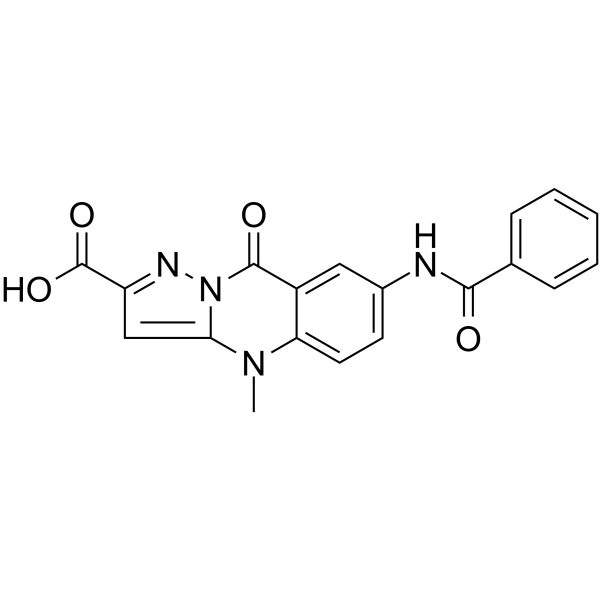
    Ro 08-2750
    4 Publications Verification

    Apoptosis Neurological Disease Cancer
    Ro 08-2750 is a non-peptide and reversible nerve growth factor (NGF) inhibitor which binds to NGF, and with an IC50 of ~ 1 μM. Ro 08-2750 inhibits NGF binding to p75 NTR selectively over TRKA . Ro 08-2750 is a selective MSI RNA-binding activity inhibitor, with an IC50 of 2.7 μM .
    Ro 08-2750
  • HY-P99297

    ZTS-00508841

    Trk Receptor Inflammation/Immunology
    Bedinvetmab (ZTS-00508841) is a canine monoclonal antibody (mAb) targeting nerve growth factor (NGF). Bedinvetmab inhibits NGF interaction with tropomyosin receptor kinase A (trkA) and p75 neurotrophin receptor (p75NTR) receptors. Bedinvetmab can be used for the research of osteoarthritis pain in dogs .
    Bedinvetmab
  • HY-18314
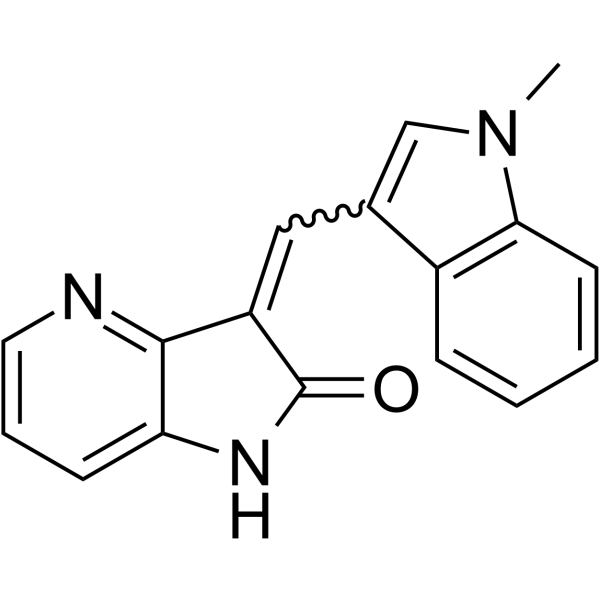
    GW 441756
    Maximum Cited Publications
    9 Publications Verification

    Trk Receptor Apoptosis Neurological Disease Cancer
    GW 441756 is a potent and specific nerve growth factor (NGF) receptor tyrosine kinases A (TrkA) inhibitor (IC50=2 nM), which eliminates the BmK NSPK-induced neurite outgrowth .
    GW 441756
  • HY-133968
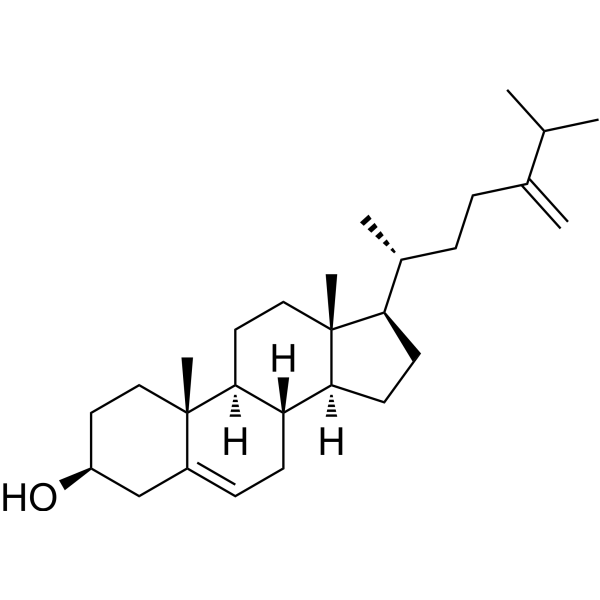
    24-Methylenecholesterol
    2 Publications Verification

    Ostreasterol

    Acyltransferase Reactive Oxygen Species (ROS) Inflammation/Immunology
    24-Methylenecholesterol (Ostreasterol) is a regulator targeting acyl-CoA cholesterol acyltransferase (ACAT) with anti-aging and neuroprotective effects. 24-Methylenecholesterol mimics the effects of nerve growth factor (NGF), can extend yeast lifespan through an anti-oxidative stress mechanism, and exhibits neuroprotective activity in PC12 cells. 24-Methylenecholesterol can reduce intracellular reactive oxygen species (ROS) and malondialdehyde (MDA) levels, activate anti-oxidative stress pathways (such as UTH1, SOD-related genes), and promote synaptic growth .
    24-Methylenecholesterol
  • HY-P99677

    ZTS-00075623

    Trk Receptor Neurological Disease Inflammation/Immunology
    Izenivetmab (ZTS-00075623) is an anti-NGFB IgG2κ monoclonal antibody. Izenivetmab shows anti-inflammatory and analgesic effects by targeting anti-nerve growth factor (NGF). Izenivetmab can be used for the research of osteoarthritis .
    Izenivetmab
  • HY-A0015
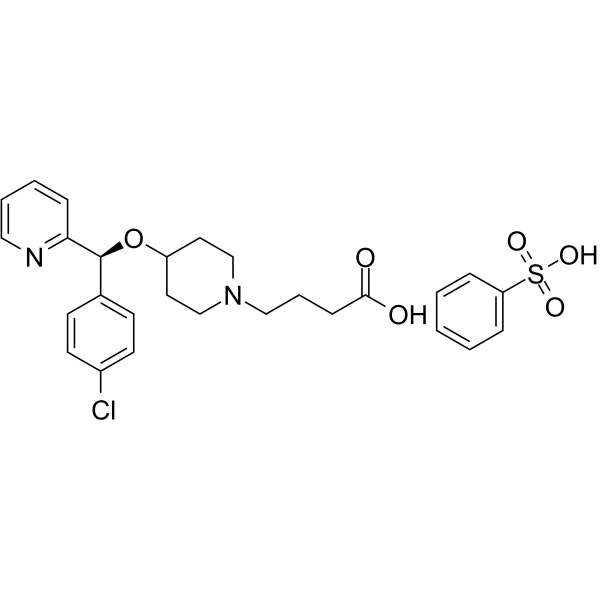
    Bepotastine besilate
    1 Publications Verification

    Histamine Receptor Inflammation/Immunology Endocrinology
    Bepotastine besilate is a selective and orally active second-generation histamine H1 receptor antagonist, can suppress the expression of nerve growth factor (NGF). Bepotastine besilate has the potential for allergic rhinitis, allergic conjunctivitis and urticaria/pruritus research .
    Bepotastine besilate
  • HY-17622
    Tavilermide
    2 Publications Verification

    MIM-D3

    Trk Receptor Inflammation/Immunology
    Tavilermide is a selective, partial agonist of TrkA, or a nerve growth factor (NGF) mimetic.
    Tavilermide
  • HY-P99627

    NV-02; PG110; ABT-110

    Trk Receptor Inflammation/Immunology
    Frunevetmab (NV-02) is a felinized anti-nerve growth factor (NGF) monoclonal antibody with a Kd of 20 pM. Frunevetmab can effectively decrease osteoarthritis (OA) pain in cats .
    Frunevetmab
  • HY-P99195

    REGN-475; SAR-164877

    Trk Receptor Inflammation/Immunology
    Fasinumab (Anti-Human NGF) is a human IgG4 monoclonal antibody to nerve growth factor (NGF). Fasinumab can be used in acute sciatica and knee osteoarthritis (OA) studies .
    Fasinumab
  • HY-N0380

    Others Neurological Disease
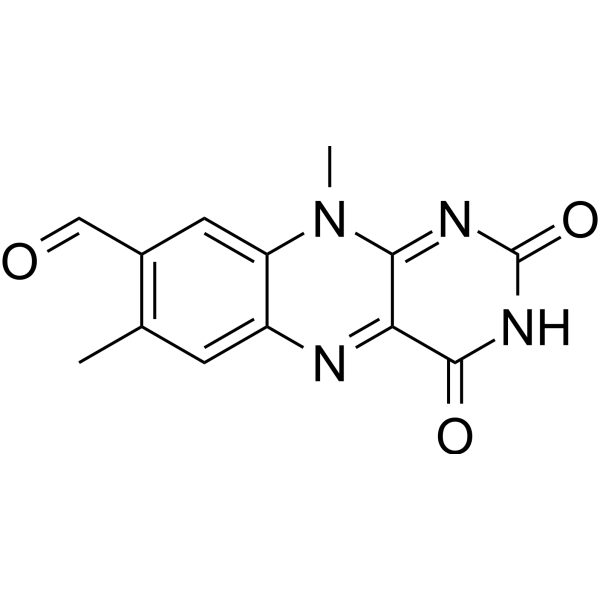
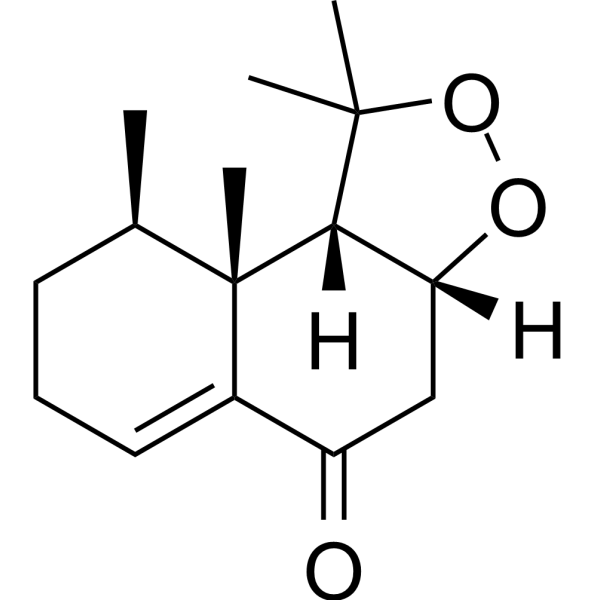
    Nardosinone, isolated from Nardostachys chinensis, is the first enhancer of the neuritogenic action of dbcAMP and staurosporine. Nardosinone may become a useful pharmacological tool for studying the mechanism of action of not only nerve growth factor (NGF) but also both the neuritogenic substances .
    Nardosinone
  • HY-I0021
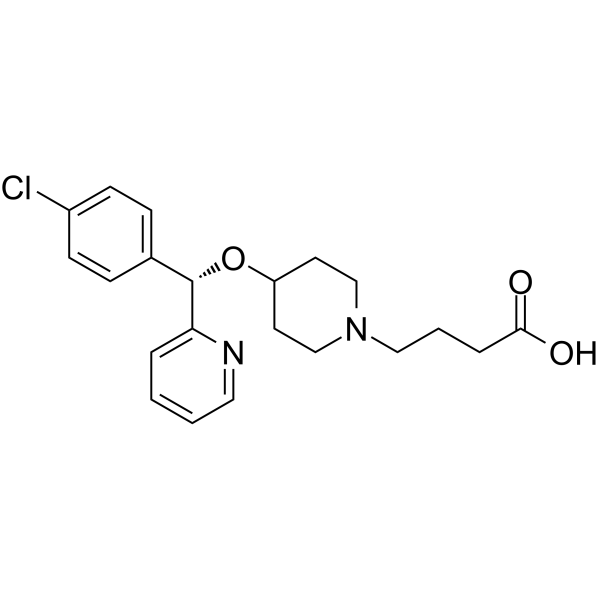
    Bepotastine
    1 Publications Verification

    Histamine Receptor Inflammation/Immunology Endocrinology
    Bepotastine is a selective and orally active second-generation histamine H1 receptor antagonist, can suppress the expression of nerve growth factor (NGF). Bepotastine has the potential for allergic rhinitis, allergic conjunctivitis and urticaria/pruritus research .
    Bepotastine
  • HY-110166
    PD 90780
    2 Publications Verification

    Trk Receptor Neurological Disease
    PD 90780 is a non peptide antagonist of nerve growth factor (NGF). PD 90780 interacts with NGF, prevents NGF binds with p75 NTR. PD 90780 inhibits NGF-p75 NTR interaction with IC50s of 23.1 and 1.8 μM in PC12 cells and PC12 nnr5 cells, respectively .
    PD 90780
  • HY-NP144

    Biochemical Assay Reagents Neurological Disease
    Nerve Growth Factor 7S, murine submaxillary gland is an α2β2γ2 complex in which the β-NGF dimer (the active neurotrophin) is associated with two α-NGF and two γ-NGF subunits .
    Nerve Growth Factor 7S,murine submaxillary gland
  • HY-N12566

    Others Neurological Disease
    Erinacin B is a active product that can be extracts from the mycelia of Hericium erinaceum. Erinacin B shows potent stimulating activity of nerve growth factor (NGF)-synthesis .
    Erinacin B
  • HY-117517

    Trk Receptor Cancer
    NG-012, potentiator of nerve growth factor (NGF), were isolated from the culture broth of Penicillium verruculosum F-4542. NG-012 potentiates the neurite outgrowth induced by NGF in rat pheochromocytoma cell line (PC12) .
    NG-012
  • HY-N3938

    Others Neurological Disease
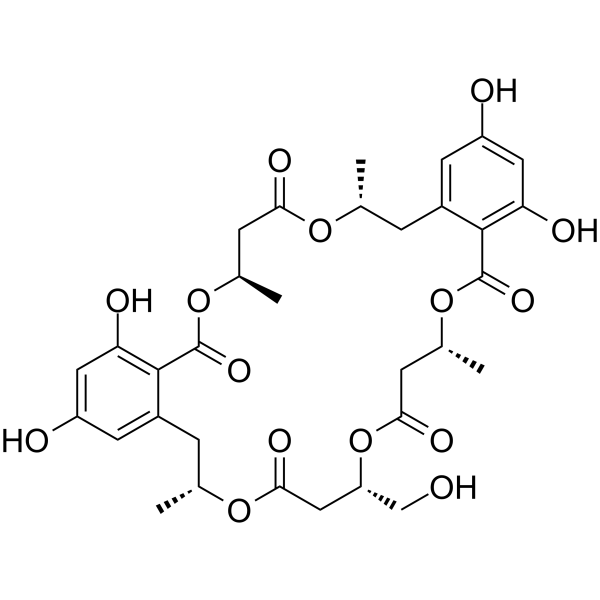
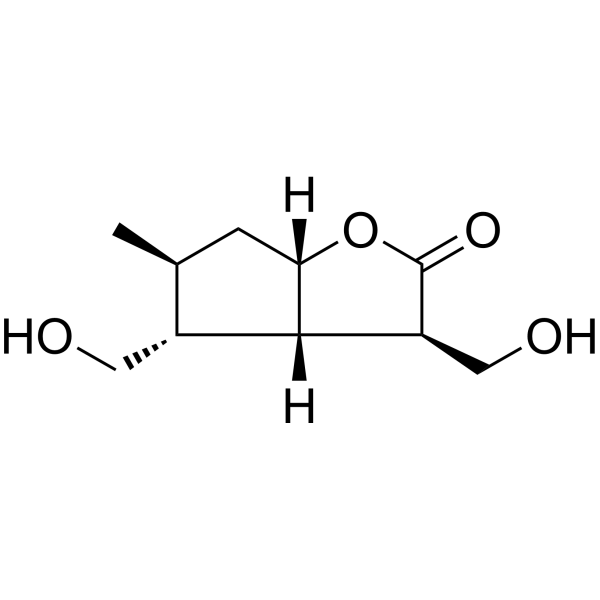
    Gelsemiol is the main active ingredient in Verbena littoralis H. B. K.. Gelsemiol enhanced nerve growth factor (NGF) -induced axonal elongation in PC12D cells .
    Gelsemiol
  • HY-N15385

    Lipase Metabolic Disease
    Hericenone D, an orally active pancreatic lipase inhibitor, can be found in Hericium erinaceus. Hericenone D reduces lipid absorption and stimulates nerve growth factor NGF gene expression. Hericenone D can be used for the research of menopausal obesity .
    Hericenone D
  • HY-171450

    Trk Receptor Cancer
    VMD-928 is an orally active, allosteric, irreversible and selective tropomyosin receptor kinase A (TrkA) inhibitor. VMD-928 blocks the downstream signaling pathways triggered by the binding of nerve growth factor (NGF) to TrkA, thereby inhibiting cell proliferation, invasion, and promoting cancer cell death. VMD-928 is promising for research of various cancers, including prostate cancer, thymic carcinoma, mesothelioma, squamous cell carcinoma of the head and neck, squamous cell carcinoma of the lung, ovarian cancer, hepatocellular carcinoma .
    VMD-928
  • HY-N12170

    Others Neurological Disease
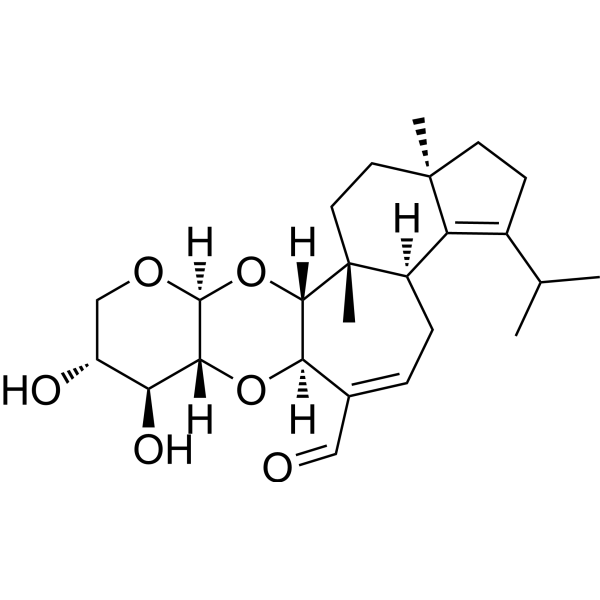
    Kissoone C (compound 3) is a three-membered ring sesquiterpene isolated from valerian root. Kissoone C can enhance the activity of nerve growth factor (NGF)-mediated neurite outgrowth in PC12D cells .
    Kissoone C
  • HY-P99200

    Trk Receptor Neurological Disease
    Fulranumab is a human IgG2 monoclonal antibody against nerve growth factor (NGF) and can be used for the research of pain .
    Fulranumab
  • HY-11055

    Histone Acetyltransferase Neurological Disease
    KP 544 is a potent neurotrophic protein enhancer that amplifies nerve growth factor (NGF)-induced neurite outgrowth of PC12 cells and SH-SY5Y neuroblastoma cells. KP544 also enhances choline acetyltransferase activity. KP 544 selectively interact in the differentiation pathway downstream of MAPK in a manner that amplifies nerve growth factor and cyclic AMP effects and is also neuroprotective .
    KP 544
  • HY-165616

    Trk Receptor Neurological Disease
    NS 1231 is a neurotrophic-like compound with neuroprotective effect. NS 1231 can rescue nerve growth factor (NGF)-differentiated PC12 cells from death induced by withdrawal of trophic factors. NS 1231 can stimulate NGF-induced neurite outgrowth of undifferentiated PC12 cells. NS 1231 can be used for the research of neurological disease, such as stroke .
    NS 1231
  • HY-N3928

    Others Neurological Disease
    Garciniaxanthone E is a xanthone compound. Garciniaxanthone E significantly enhances cellular nerve growth factor (NGF)-mediated neurite outgrowth in PC12D cells. Garciniaxanthone E contributes to basic research and medicinal development in neurodegenerative diseases .
    Garciniaxanthone E
  • HY-124637

    Trk Receptor Neurological Disease
    ALE-0540, a nonpeptidic small molecule, is a nerve growth factor receptor antagonist. ALE-0540 inhibits the binding of NGF to tyrosine kinase (Trk) A or both p75 and TrkA with IC50 values of 5.88 μM and 3.72 μM, respectively. ALE-0540 can be used to examine mechanisms leading to the development of agents for the study of pain .
    ALE-0540
  • HY-A0015A

    Histamine Receptor Inflammation/Immunology Endocrinology
    (Rac)-Bepotastine (besilate) is the isomer of Bepotastine (besilate) (HY-A0015), and can be used as an experimental control. Bepotastine besilate is a selective and orally active second-generation histamine H1 receptor antagonist, can suppress the expression of nerve growth factor (NGF). Bepotastine besilate has the potential for allergic rhinitis, allergic conjunctivitis and urticaria/pruritus research .
    (Rac)-Bepotastine besilate
  • HY-59201A

    ERK 5-HT Receptor Epigenetic Reader Domain nAChR Neurological Disease Metabolic Disease
    A-582941 dihydrochloride is a selective, orally active, blood-brain barrier-permeable α7 nAChR agonist, with Ki values of 10.8 nM and 17 nM in rat brain and human frontal cortex, respectively. A-582941 dihydrochloride exhibits agonistic activity at 5-HT3 receptors, with a Ki of 150 nM. A-582941 dihydrochloride triggers phosphorylation of ERK1/2 and CREB, inhibits GSK-3β via Ser-9 phosphorylation, increases acetylcholine release, induces the expression of Arc and c-Fos, activates brain regions associated with working memory and attention, and reduces cell death caused by nerve growth factor (NGF) deprivation. A-582941 dihydrochloride is applicable for the research of Alzheimer's disease and schizophrenia .
    A-582941 dihydrochloride
  • HY-N12172

    Others Others
    Kissoone A (compound 1) is a three-membered ring sesquiterpene isolated from valerian root .
    Kissoone A
  • HY-116202

    Keap1-Nrf2 Reactive Oxygen Species (ROS) Neurological Disease
    PACA is an enhancer of nerve growth factor-induced neurite outgrowth, enhancing nerve growth factor (NGF)-induced neurite outgrowth and attenuating 6-hydroxydopamine (6-OHDA)-induced toxicity by activating the Nrf2/HO-1 pathway. PACA has neuroprotective and neurogenic activities. PACA can be used to improve dopaminergic neuron loss and motor dysfunction in MPTP mouse models of Parkinson's disease and MPP +-induced neurons .
    PACA
  • HY-I0021A

    Histamine Receptor Inflammation/Immunology Endocrinology
    Bepotastine tosylate is a selective and orally active second-generation histamine H1 receptor antagonist. Bepotastine tosylate can suppress the expression of nerve growth factor (NGF). Bepotastine tosylate can be used in studies of allergic rhinitis, allergic conjunctivitis and urticaria/pruritus .
    Bepotastine tosylate
  • HY-124152

    Methyl-3,4-dephostatin

    MAP3K MAP4K Phosphatase Neurological Disease
    3,4-Dephostatin (Methyl-3,4-dephostatin) is an inhibitor of protein-tyrosine phosphatase (PTPase). 3,4-Dephostatin accelerates nerve growth factor (NGF)-induced neurite formation in PC12h cells. 3,4-Dephostatin sustains the NGF-induced tyrosine phosphorylation of proteins, most prominently that of mitogen-activated protein (MAP) kinase. 3,4-Dephostatin also prolongs epidermal growth factor (EGF)-induced tyrosine phosphorylation and activation of MAP kinase .
    3,4-Dephostatin
  • HY-146523

    Trk Receptor Cancer
    TRK-IN-17 is a potent inhibitor of TRK. Tropomyosin-related kinases (Trks) are a family of receptor tyrosine kinases activated by neurotrophins, a group of soluble growth factors including Nerve Growth Factor (NGF), Brain-Derived Neurotrophic Factor (BDNF) and Neurotrophin-3 (NT-3) and Neurotrophin-4/5 (NT-4/5). TRK-IN-17 has the potential for the research of cancer diseases (extracted from patent WO2021148807A1, compound 3) .
    TRK-IN-17
  • HY-146524

    Trk Receptor Cancer
    TRK-IN-18 is a potent inhibitor of TRK. Tropomyosin-related kinases (Trks) are a family of receptor tyrosine kinases activated by neurotrophins, a group of soluble growth factors including Nerve Growth Factor (NGF), Brain-Derived Neurotrophic Factor (BDNF) and Neurotrophin-3 (NT-3) and Neurotrophin-4/5 (NT-4/5). TRK-IN-18 has the potential for the research of cancer diseases (extracted from patent WO2021148805A1, compound 7) .
    TRK-IN-18
  • HY-N0380R

    Reference Standards Others Neurological Disease
    Nardosinone (Standard) is the analytical standard of Nardosinone. This product is intended for research and analytical applications. Nardosinone, isolated from Nardostachys chinensis, is the first enhancer of the neuritogenic action of dbcAMP and staurosporine. Nardosinone may become a useful pharmacological tool for studying the mechanism of action of not only nerve growth factor (NGF) but also both the neuritogenic substances .
    Nardosinone (Standard)
  • HY-N15532

    Trk Receptor Neurological Disease
    Phenylmethyl 6-O-α-L-arabinofuranosyl-β-D-glucopyranoside (Compound 12) is a nerve growth factor (NGF) secretion promoter, which is found in plants of the genus Piper. Phenylmethyl 6-O-α-L-arabinofuranosyl-β-D-glucopyranoside is promising for research of neurodegenerative diseases (such as Parkinson's disease and Alzheimer's disease) and diabetic polyneuropathy .
    Phenylmethyl 6-O-α-L-arabinofuranosyl-β-D-glucopyranoside
  • HY-A0015S

    Isotope-Labeled Compounds Histamine Receptor Inflammation/Immunology Endocrinology
    Bepotastine-d6(besylate) is deuterium labeled Bepotastine (besilate). Bepotastine besilate is a selective and orally active second-generation histamine H1 receptor antagonist, can suppress the expression of nerve growth factor (NGF). Bepotastine besilate has the potential for allergic rhinitis, allergic conjunctivitis and urticaria/pruritus research .
    Bepotastine-d6 besylate
  • HY-A0015R

    Reference Standards Histamine Receptor Inflammation/Immunology Endocrinology
    Bepotastine (besilate) (Standard) is the analytical standard of Bepotastine (besilate). This product is intended for research and analytical applications. Bepotastine besilate is a selective and orally active second-generation histamine H1 receptor antagonist, can suppress the expression of nerve growth factor (NGF). Bepotastine besilate has the potential for allergic rhinitis, allergic conjunctivitis and urticaria/pruritus research .
    Bepotastine besilate (Standard)
  • HY-E70785

    Trk Receptor Cancer
    TRKA is a member of the tropomyosin receptor kinase (TRK) family, and its primary binding ligand is nerve growth factor (NGF). TRKA G667C is a mutant of TRKA. TRKA G667C Recombinant Human Active Protein Kinase is a recombinant TRKA G667C protein that can be used to study TRKA G667C-related functions .
    TRKA G667C Recombinant Human Active Protein Kinase
  • HY-120251A

    AIT-082

    Reactive Oxygen Species (ROS) Neurological Disease
    Leteprinim potassium (AIT-082), a purine analog, is a neuroprotective agent and cognitive enhancer. Leteprinim potassium is a hypoxanthine derivative neurotrophic agent. Leteprinim potassium can induce brain-derived neurotrophic factor (BDNF) mRNA production following spinal cord lesions, and nerve growth factor (NGF) mRNA production in basal forebrain. Leteprinim potassium reduces glutamate toxicity in cultured hippocampal neurons. Leteprinim potassium increases heme-oxygenase 1 and 2 mRNA levels that play role in cellular defense against reactive oxygen species .
    Leteprinim potassium
  • HY-120251

    AIT-082 free acid

    Reactive Oxygen Species (ROS) Neurological Disease
    Leteprinim (AIT-082 free acid), a purine analog, is a neuroprotective agent and cognitive enhancer. Leteprinim is a hypoxanthine derivative neurotrophic agent. Leteprinim can induce brain-derived neurotrophic factor (BDNF) mRNA production following spinal cord lesions, and nerve growth factor (NGF) mRNA production in basal forebrain. Leteprinim reduces glutamate toxicity in cultured hippocampal neurons. Leteprinim increases heme-oxygenase 1 and 2 mRNA levels that play role in cellular defense against reactive oxygen species .
    Leteprinim
  • HY-130179

    Apoptosis Neurological Disease
    RC-33 hydrochloride is a selective and metabolically stable σ receptor agonist with activity in enhancing nerve growth factor (NGF)-induced neurite outgrowth. Both enantiomers of RC-33 hydrochloride bind to the σ receptor with similar affinity and show almost equal effectiveness as σ receptor agonists. The R-configured enantiomer of RC-33 hydrochloride shows higher liver metabolic stability in the presence of NADPH. RC-33 hydrochloride was selected as the best candidate for further in vivo studies in animal models of amyotrophic lateral sclerosis .
    RC-33 hydrochloride
  • HY-133968S1

    Ostreasterol-13C

    Isotope-Labeled Compounds Acyltransferase Reactive Oxygen Species (ROS) Inflammation/Immunology
    24-Methylenecholesterol- 13C (Ostreasterol- 13C) is the 13C labeled 24-Methylenecholesterol (HY-133968) . 24-Methylenecholesterol (Ostreasterol) is a regulator targeting acyl-CoA cholesterol acyltransferase (ACAT) with anti-aging and neuroprotective effects. 24-Methylenecholesterol mimics the effects of nerve growth factor (NGF), can extend yeast lifespan through an anti-oxidative stress mechanism, and exhibits neuroprotective activity in PC12 cells. 24-Methylenecholesterol can reduce intracellular reactive oxygen species (ROS) and malondialdehyde (MDA) levels, activate anti-oxidative stress pathways (such as UTH1, SOD-related genes), and promote synaptic growth .
    24-Methylenecholesterol-13C
  • HY-133968R

    Ostreasterol (Standard)

    Reference Standards Acyltransferase Reactive Oxygen Species (ROS) Inflammation/Immunology
    24-Methylenecholesterol (Ostreasterol) (Standard) is the analytical standard of 24-Methylenecholesterol (HY-133968). This product is intended for research and analytical applications. 24-Methylenecholesterol (Ostreasterol) is a regulator targeting acyl-CoA cholesterol acyltransferase (ACAT) with anti-aging and neuroprotective effects. 24-Methylenecholesterol mimics the effects of nerve growth factor (NGF), can extend yeast lifespan through an anti-oxidative stress mechanism, and exhibits neuroprotective activity in PC12 cells. 24-Methylenecholesterol can reduce intracellular reactive oxygen species (ROS) and malondialdehyde (MDA) levels, activate anti-oxidative stress pathways (such as UTH1, SOD-related genes), and promote synaptic growth .
    24-Methylenecholesterol (Standard)
  • HY-108466R

    Reference Standards Apoptosis Neurological Disease Cancer
    Ro 08-2750 (Standard) is the analytical standard of Ro 08-2750 (HY-108466). This product is intended for research and analytical applications. Ro 08-2750 is a non-peptide and reversible nerve growth factor (NGF) inhibitor which binds to NGF, and with an IC50 of ~ 1 μM. Ro 08-2750 inhibits NGF binding to p75NTR selectively over TRKA . Ro 08-2750 is a selective MSI RNA-binding activity inhibitor, with an IC50 of 2.7 μM .
    Ro 08-2750 (Standard)
  • HY-I0021R

    Histamine Receptor Reference Standards Inflammation/Immunology Endocrinology
    Bepotastine (Standard) is the analytical standard of Bepotastine. This product is intended for research and analytical applications. Bepotastine is a selective and orally active second-generation histamine H1 receptor antagonist, can suppress the expression of nerve growth factor (NGF). Bepotastine has the potential for allergic rhinitis, allergic conjunctivitis and urticaria/pruritus research .
    Bepotastine (Standard)
  • HY-182824

    Autophagy Others
    Sucrose dilaurate acts as an emulsifier, dispersant and stabilizer. Sucrose dilaurate reduces the release of HMGB1 from UVB-irradiated keratinocytes. Sucrose dilaurate inhibits melanogenesis and decreases bilirubin levels. Sucrose dilaurate induces autophagy in human epidermal keratinocytes, thereby reducing carboxymethyl lysine (CML) levels. Sucrose dilaurate reduces the secretion of insulin-like growth factor-binding protein 3 (IGFBP3) and nerve growth factor (NGF) by senescent keratinocytes. Sucrose dilaurate is investigated as an emulsifier, dispersant or stabilizer in the cosmetics, food and pharmaceutical industries .
    Sucrose dilaurate
  • HY-59201

    nAChR 5-HT Receptor ERK Epigenetic Reader Domain Neurological Disease
    A-582941 is a selective, orally active, blood-brain barrier-permeable α7 nAChR agonist, with Ki values of 10.8 nM and 17 nM in rat brain and human frontal cortex, respectively. A-582941 exhibits agonistic activity at 5-HT3 receptors, with a Ki of 150 nM. A-582941 triggers phosphorylation of ERK1/2 and CREB, inhibits GSK-3β via Ser-9 phosphorylation, increases acetylcholine release, induces the expression of Arc and c-Fos, activates brain regions associated with working memory and attention, and reduces cell death caused by nerve growth factor (NGF) deprivation. A-582941 is applicable for the research of Alzheimer's disease and schizophrenia .
    A-582941

Inquiry Online

Your information is safe with us. * Required Fields.

Salutation


Country or Region *

Applicant Name *


Organization Name *

Department *


Email Address *


Product Name *

Cat. No.


Requested quantity *

Phone Number *


Remarks

Inquiry Online

Inquiry Information

Product Name:
Cat. No.:
Quantity:
MCE Japan Authorized Agent:

