Search Result
Results for "
oleic
" in MedChemExpress (MCE) Product Catalog:
17
Biochemical Assay Reagents
18
Isotope-Labeled Compounds
| Cat. No. |
Product Name |
Target |
Research Areas |
Chemical Structure |
-
- HY-N1446
-
-
-
- HY-N1446B
-
-
-
- HY-107542
-
-
-
- HY-N1446S2
-
-
-
- HY-141571
-
|
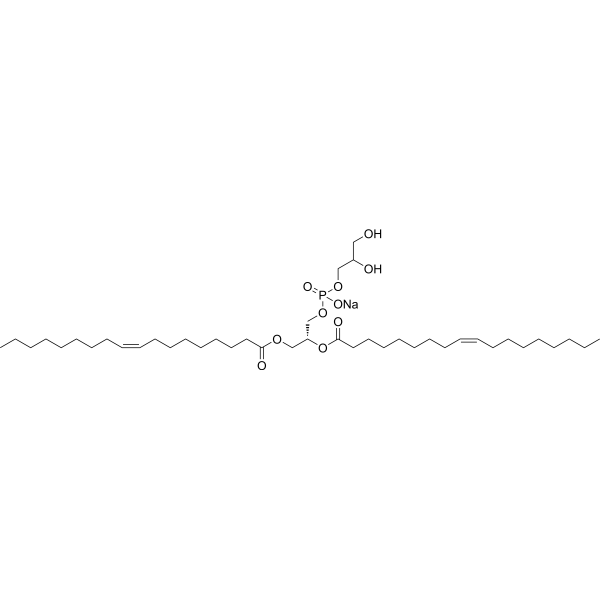
Dioleoylphosphatidylglycerol sodium
|
Liposome
|
Others
|
|
DOPG sodium is a naturally occurring anionic phospholipid, containing oleic acid (18:1) inserted at the sn-1 and sn-2 positions. DOPG can form a lipid bilayer in an aqueous solution and is used in the generation of micelles, liposomes, and other artificial membranes. DOPG also exhibits anti-inflammatory properties .
|
-
-
- HY-N1446S5
-
-
-
- HY-127112
-
|
|
Drug Derivative
|
Others
|
|
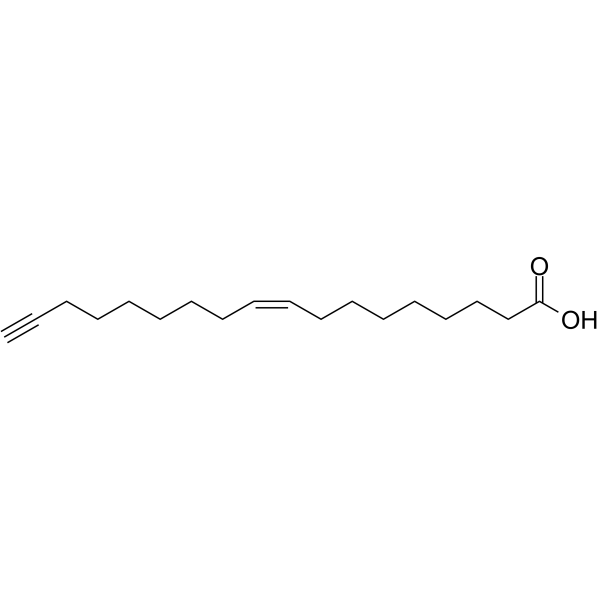
Oleic acid alkyne is Oleic acid (HY-N1446) with an acetylene group. The terminal alkyne group can be used for click chemical ligation reactions. Oleic acid can be hydroxylated by a microsomal cytochrome P-450-dependent system (ω-OAH). Through click chemistry reactions, fluorescent or biotin-labeled oleic acid can be introduced to analyze its metabolism and biological activity.
|
-
-
- HY-N1446S1
-
-
-
- HY-121457
-
|
|
Drug Derivative
|
Cardiovascular Disease
|
|
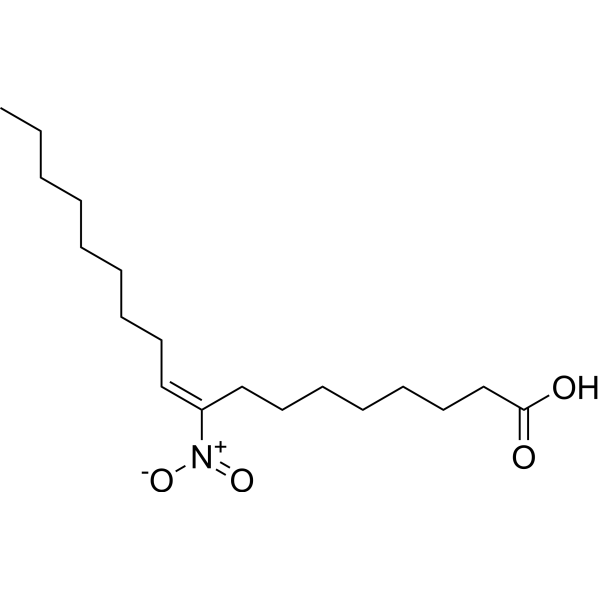
9-Nitrooleate, a nitro fatty acid, is a nitro derivative of Oleic acid (HY-N1446). 9-Nitrooleate has potential for use in vascular disease research.
|
-
-
- HY-113362
-
|
|
Antibiotic
Bacterial
Fungal
|
Infection
|
|
Petroselinic acid, a positional isomer of oleic acid, is isolated from the vegetable oil of Coriandrum sativum fruits. Petroselinic acid is used as substrate for sophorolipid fermentation. Petroselinic acid inhibits the biofilm formation in microorganisms, exhibits antibacterial and antifungal activities. Petroselinic acid is orally active [4.
|
-
-
- HY-129467
-
|
2-Hydroxyoleic acid; 2-OHOA; LAM561
|
Apoptosis
|
Cancer
|
|
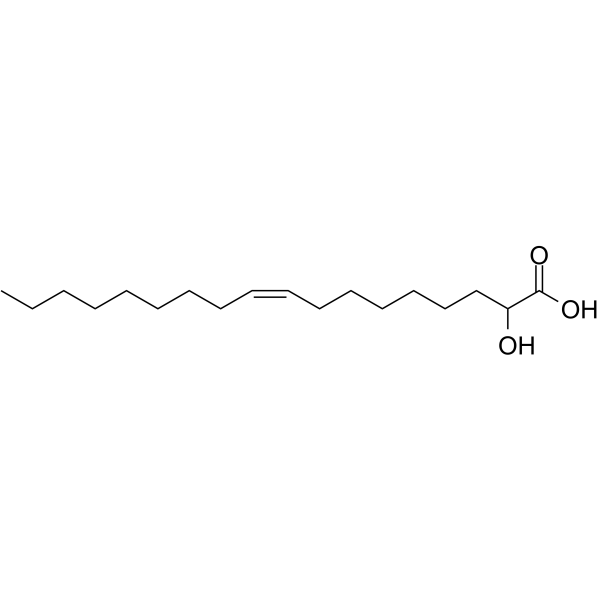
(Rac)-Idroxioleic acid (2-Hydroxyoleic acid) is a synthetic oleic acid (OA) derivative that binds to the plasma membrane and alters lipid organization. (Rac)-Idroxioleic acid has anti-tumor effect .
|
-
-
- HY-177705
-
|
|
ACSL Family
Drug Derivative
|
Metabolic Disease
Cancer
|
|
ACSL5-IN-2 (Compound B) is an Acyl CoA synthetase 5 (ACSL5) inhibitor. ACSL5-IN-2 can block the conversion of long-chain fatty acids (such as palmitic acid and oleic acid) into acyl-CoA, and intervene in the fatty acid metabolism pathway. ACSL5-IN-2 can inhibit cancer cells growth. ACSL5-IN-2 can be used for the research of cancer and metabolic disease, such as colon cancer and dysfunction-associated Steatohepatitis .
|
-
-
- HY-N1446S
-
-
-
- HY-N8522
-
|
|
Others
|
Metabolic Disease
|
|
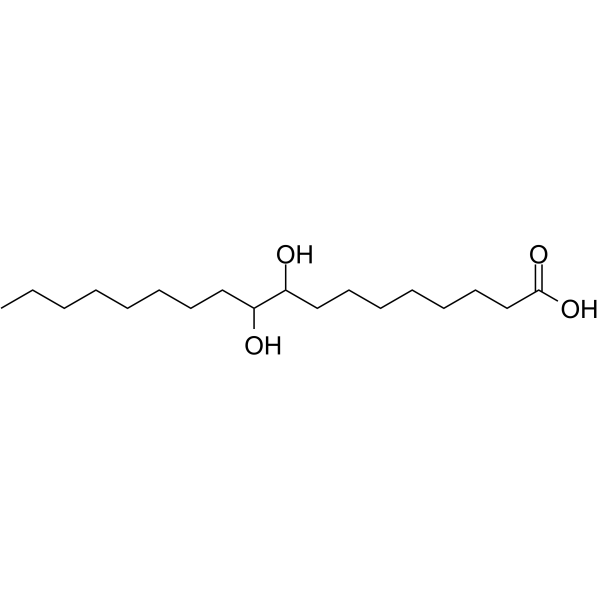
9,10-Dihydroxystearic acid is an oxidation product of oleic acid. 9,10-Dihydroxystearic acid can improve glucose tolerance and insulin sensitivity in KKAy mice .
|
-
-
- HY-Y1422H
-
|
|
Environmental Pollutants
Biochemical Assay Reagents
Lipase
|
Others
|
Lipase, Candida cylindracea (Immobilized) is an immobilized hydrolase and biocatalyst with relaxed positional and substrate specificity. Lipase, Candida cylindracea (Immobilized) can target primary and secondary ester bonds to completely hydrolyze triglycerides into fatty acids and glycerol, producing only trace amounts of monoglycerides. Lipase, Candida cylindracea (Immobilized) exhibits chain specificity, with a relatively fast hydrolysis rate for oleic acid and lauric acid chains, and the slowest hydrolysis rate for stearic acid chains. Lipase, Candida cylindracea (Immobilized) shows high catalytic activity toward long-chain triglycerides under the conditions of pH 8.0 and 37°C .
|
-
-
- HY-109591A
-
|
Oleoyl-CoA lithium
|
Endogenous Metabolite
|
Others
|
|
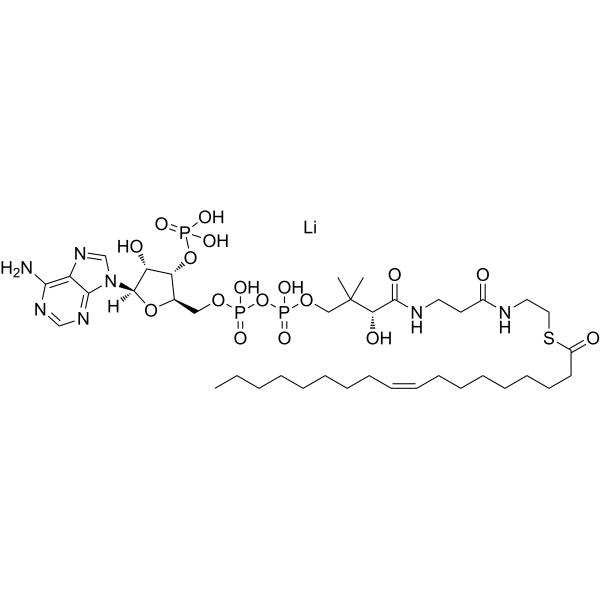
Oleoyl coenzyme A (Oleoyl-CoA) lithium is a thioester of oleic acid and coenzyme A. Oleoyl coenzyme A lithium has a role as an Escherichia coli metabolite and a mouse metabolite .
|
-
-
- HY-B0704S
-
|
Nonanedioic acid-d14
|
Endogenous Metabolite
|
Others
|
|
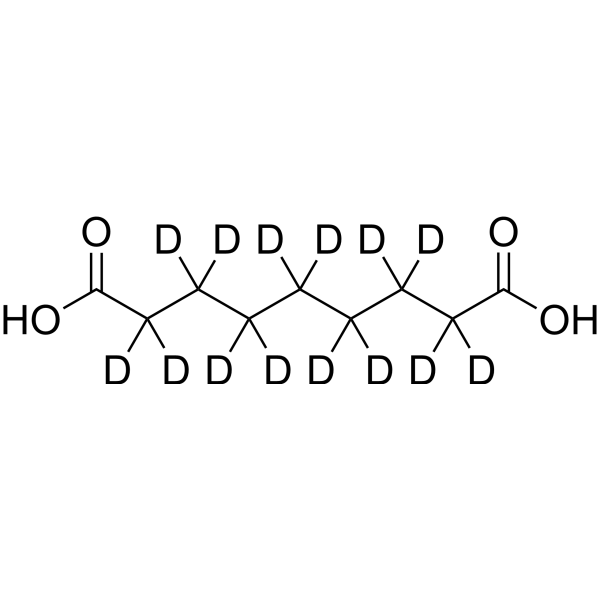
Azelaic acid-d14 is the deuterium labeled Azelaic acid . Azelaic acid is an organic compound produced by the ozonolysis of oleic acid;component of a number of hair and skin conditioners .
|
-
-
- HY-142990
-
|
|
Liposome
|
Others
|
|
1-Oleoyl-2-palmitoyl-sn-glycero-3-PC derives from an oleic acid. 1-Oleoyl-2-palmitoyl-sn-glycero-3-PC can be used for the synthesis of liposomes .
|
-
-
- HY-141293
-
|
|
PROTAC Linkers
|
Cancer
|
|
Oleic-DBCO is an alkyl chain-based PROTAC linker that can be used in the synthesis of PROTACs . Oleic-DBCO is a click chemistry reagent, it contains a DBCO group that can undergo strain-promoted alkyne-azide cycloaddition (SPAAC) with molecules containing Azide groups.
|
-
-
- HY-N15964
-
-
-
- HY-N1446R
-
-
-
- HY-N1446S3
-
-
-
- HY-168376
-
|
9(10)-Nitrated oleic acid
|
PPAR
ERK
Akt
NO Synthase
|
Metabolic Disease
Inflammation/Immunology
|
|
9 (10)-Nitrooleate (9(10)-Nitrated oleic acid) is an endogenous lipid signaling mediator with vasoprotective effects. 9 (10)-Nitrooleate enhances enzymatic activity and improves nitric oxide bioavailability by inducing phosphorylation of Akt and ERK1/2, regulating the multi-site phosphorylation status of eNOS and optimizing its interaction with Hsp90. 9 (10)-Nitrooleate also activates PPARα, PPARδ and PPARγ receptors, thereby regulating adipogenesis, glucose uptake and inflammation-related gene expression, and exhibits immunosuppressive effects by inhibiting neutrophil migration and cytokine secretion. 9 (10)-Nitrooleate is widely used in studies of sepsis and related inflammatory diseases .
|
-
-
- HY-W583869
-
|
1-Stearoyl-2-Oleoyl-sn-glycero-3-PE; 18:0-18:1 PE; PE(18:0/18:1)
|
Liposome
|
Metabolic Disease
|
|
1-Stearoyl-2-oleoyl-sn-glycerol-3-phosphoethanolamine is a phospholipids that contains stearic acid and oleic acid at the sn-1 and sn-2 positions, respectively. It has been used in the generation of lipid nanoparticles (LNPs) for in vitro delivery of mRNA or nuclear-targeted plasmid DNA.
|
-
-
- HY-145505
-
|
18:1 Lyso-PG; 1-Oleoyl-2-hydroxy-sn-glycero-3-phospho-(1'-rac-glycerol); 1-Oleoyl-2-hydroxy-sn-glycero-3-phosphoglycerol
|
Endogenous Metabolite
Liposome
|
Metabolic Disease
|
|
1-Oleoyl-2-hydroxy-sn-glycero-3-PG (18:1 Lyso PE) sodium is a lysophospholipid containing oleic acid (18:1) at the sn-1 position. It can be used in the generation of micelles, liposomes, and other types of artificial membranes, including lipid-based drug carrier systems.
|
-
-
- HY-107542S
-
-
-
- HY-107542S2
-
-
-
- HY-W008621A
-
|
oleic acid potassium salt, 98%
|
Biochemical Assay Reagents
|
Others
|
|
Potassium oleate, 98% (Oleic acid potassium salt, 98%) is a surfactant composed of potassium and oleic acid (an unsaturated fatty acid).
|
-
-
- HY-122797
-
|
cis-9-Octadecenoic anhydride
|
Biochemical Assay Reagents
|
Others
|
|
Oleic anhydride is a biochemical reagent that can be used as a biological material or organic compound for life science related research.
|
-
-
- HY-N1446S4
-
-
-
- HY-W763560
-
-
-
- HY-107542R
-
|
N-Oleoylethanolamide (Standard); Oleamide MEA (Standard); oleic acid monoethanolamide (Standard)
|
Reference Standards
Endogenous Metabolite
PPAR
|
Cardiovascular Disease
Metabolic Disease
|
|
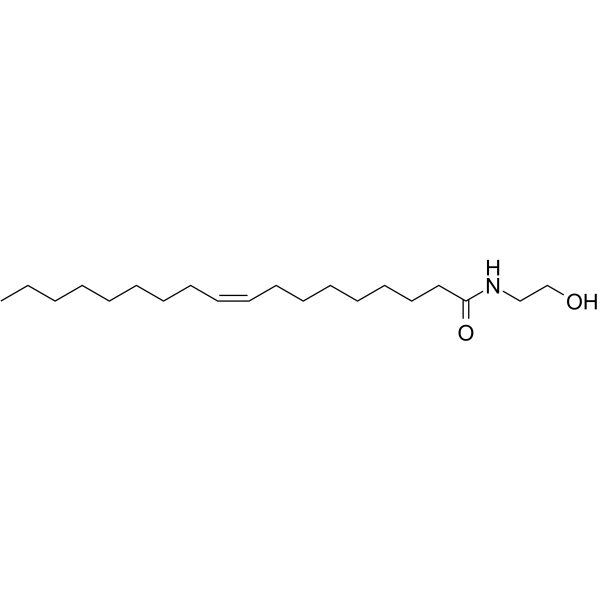
Oleoylethanolamide (Standard) is the analytical standard of Oleoylethanolamide. This product is intended for research and analytical applications. Oleoylethanolamide is a high affinity endogenous PPAR-α agonist, which plays an important role in the treatment of obesity and arteriosclerosis.
|
-
-
- HY-N2330
-
|
|
Lipase
|
Metabolic Disease
|
|
Lipstatin is a pancreatic lipase inhibitor (IC50=0.14 μM), whose structure is closely related to the known inhibitor, Esterastin. Lipstatin inhibits the absorption of triglycerides without affecting the absorption of oleic acid. Lipstatin has no inhibitory effects on other pancreatic enzymes, such as phospholipase A2 and trypsin (<200 μM) .
|
-
-
- HY-W585935
-
-
-
- HY-N1446BR
-
|
Sodium oleate (Standard); 9-cis-Octadecenoic acid sodium (Standard); 9Z-Octadecenoic acid sodium (Standard)
|
Reference Standards
Na+/K+ ATPase
Apoptosis
|
Metabolic Disease
Cancer
|
|
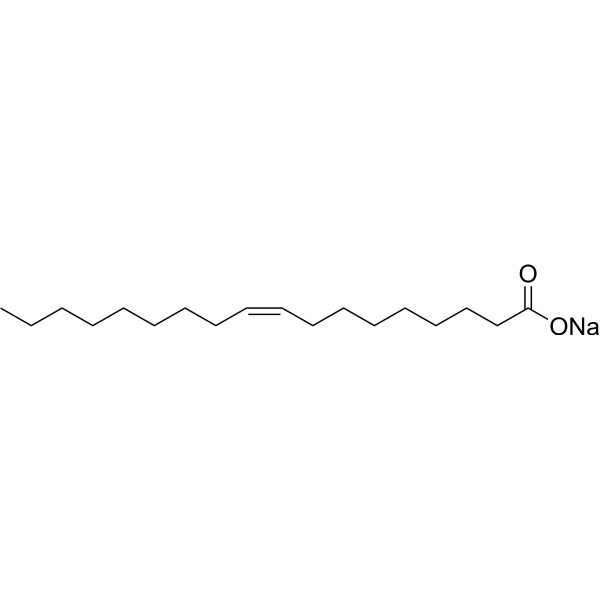
Sodium oleate (Standard) is the analytical standard of Sodium oleate. This product is intended for research and analytical applications. Sodium oleate (Oleic acid sodium) is an abundant monounsaturated fatty acid sodium[1]. Sodium oleate is a Na+/K+ ATPase activator[2].
|
-
-
- HY-165908
-
|
|
Drug Derivative
|
Others
|
|
18-Hydroxy-9(Z)-octadecenoic acid, Oleic acid (HY-N1446) derivative, is an ester compound .
|
-
-
- HY-N7953
-
|
|
Endogenous Metabolite
|
Metabolic Disease
|
|
1,2-Dioleoyl-3-linoleoyl-rac-glycerol (OOL) is a triacylglycerol containing oleic acid at the sn-1 and sn-2 positions and linoleic acid at the sn-3 position. It is found in a variety of seed and vegetable oils, including pumpkin seed, olive, and sesame oils.
|
-
-
- HY-165807
-
-
-
- HY-135016
-
|
9-cis-Octadecenoic acid triethanolamine; 9Z-Octadecenoic acid triethanolamine
|
Na+/K+ ATPase
Endogenous Metabolite
Apoptosis
|
Metabolic Disease
Cancer
|
|
Oleic acid triethanolamine (9-cis-Octadecenoic acid triethanolamine) is the most common monounsaturated fatty acid found in human adipocytes and other tissues. Oleic acid triethanolamine is a Na +/K + ATPase activator .
|
-
-
- HY-W800796
-
|
1,2-dioleoyl-sn-glycero-3-phosphoethanolamine-N-(biotinyl)
|
Liposome
|
Cancer
|
|
18:1 Biotinyl PE is a biotin-functionalized lipid attached to a phosphoethanolamine linked to two oleic acid groups.
|
-
-
- HY-W800787
-
|
|
Liposome
|
Cancer
|
|
18:1 PE MCC is a maleimide-functionalized thiol-reactive lipid with a phosphoethanolamine linked to two oleic acid tails and a maleimide group.
|
-
-
- HY-N4120
-
|
|
Autophagy
|
Metabolic Disease
|
|
Valechlorine, an iridoid, is an autophagy enhancer. Valechlorine is effective in alleviating fatty liver by acting as an autophagy enhancer to break down lipid droplets. Valechlorine can be used for the study of nonalcoholic fatty liver disease (NAFLD) .
|
-
-
- HY-W127377
-
|
|
Biochemical Assay Reagents
|
Others
|
|
Butyl oleateIt is an organic compound belonging to esters. It is formed from the reaction of butanol and oleic acid and has a mild fruity smell. Butyl oleateIt has a variety of applications in the cosmetic and personal care industries, especially as an emollient and conditioning agent in skin and hair care products. Additionally, it is used as a lubricant and solvent in industrial settings.
|
-
-
- HY-W008621S
-
-
-
- HY-B2096
-
|
9-cis-Octadecenoic acid ethanolamine; 9Z-Octadecenoic acid ethanolamine
|
Biochemical Assay Reagents
|
Cardiovascular Disease
Inflammation/Immunology
|
|
Oleic (9-cis-Octadecenoic) acid ethanolamine consists of oleic acid and ethanolamine. Oleic acid ethanolamine has sclerotherapeutic activity. Oleic acid ethanolamine can cause inflammatory reaction in the intimal endothelium of the vein .
|
-
-
- HY-141130
-
|
|
PROTAC Linkers
|
Cancer
|
|
LG-PEG10-click-DBCO-Oleic is a PEG-based PROTAC linker that can be used in the synthesis of PROTACs .
|
-
-
- HY-120984
-
|
|
Endogenous Metabolite
|
Metabolic Disease
|
|
AcylCoA:cholesterol acyltransferase (ACAT) is an intracellular cholesteryl ester synthase tied closely to the absorption of dietary cholesterol.1 Oleic acid-2,6-diisopropylanilide is an inhibitor of acylCoA:cholesterol acyltransferase with an IC50 of 7 nM.2 When co-administered to rabbits or rats fed a high fat, high cholesterol diet, oleic acid-2,6-diisopropylanilide decreased low density lipoproteins and elevated high density lipoprotein levels when administered at 0.05%.
|
-
-
- HY-145481
-
-
-
- HY-114619
-
|
oleic acid anilide; OAA
|
Acyltransferase
|
Others
|
|
Oleyl anilide (Oleic acid anilide) is a toxic agent found in some stocks of toxic oil, which is associated with toxic oil syndrome (TOS). Oleyl anilide is an inhibitor of acyl-coenzyme A:cholesterol acyltransferase (ACAT) (IC50: 26 µM) .
|
-
-
- HY-129467A
-
|
2-Hydroxyoleic acid sodium; 2-OHOA sodium; LAM561 sodium
|
Apoptosis
|
Cancer
|
|
(Rac)-Idroxioleic acid (2-Hydroxyoleic acid) sodium is a synthetic oleic acid (OA) derivative that binds to the plasma membrane and alters lipid organization. (Rac)-Idroxioleic acid sodium has anti-tumor effect .
|
-
- HY-W739652
-
-
- HY-149550
-
-
- HY-129467R
-
|
2-Hydroxyoleic acid (Standard); 2-OHOA (Standard); LAM561 (Standard)
|
Reference Standards
Apoptosis
|
Cancer
|
|
(Rac)-Idroxioleic acid (Standard) is the analytical standard of (Rac)-Idroxioleic acid. This product is intended for research and analytical applications. (Rac)-Idroxioleic acid (2-Hydroxyoleic acid) is a synthetic oleic acid (OA) derivative that binds to the plasma membrane and alters lipid organization. (Rac)-Idroxioleic acid has anti-tumor effect[1].
|
-
- HY-169036
-
-
- HY-168391
-
|
|
Biochemical Assay Reagents
|
Others
|
|
1-Lauroyl-2-oleoyl-3-palmitoyl-rac-glycerol is a triacylglycerol with Lauric acid (HY-Y0366), Oleic acid (HY-N1446), and Palmitic acid (HY-N0830) at the sn-1, sn-2 and sn-3 positions, respectively .
|
-
- HY-157741
-
|
|
Lipase
|
Others
|
|
1-Myristoyl-2-oleoyl-3-palmitoyl-rac-glycerol (MOP) is a triacylglycerol containing myristic acid (HY-N2041), oleic acid (HY-N1446) and palmitic acid (HY-N0830) at the sn-1, sn-2 and sn-3 positions, respectively .
|
-
- HY-100635R
-
-
- HY-W800790
-
|
|
Liposome
|
Cancer
|
|
18:1 Caproylamine PE is a amine-functionalized lipid with a phosphoethanolamine linked to two oleic acid tails.
|
-
- HY-173245
-
|
|
Liposome
|
Others
|
|
CL15H6 is an ionizable lipid featuring biodegradable ester linkages and oleic acid lipid tails.
|
-
- HY-W127462
-
|
Dodecyl oleate
|
Biochemical Assay Reagents
|
Others
|
|
Oleic acid lauryl ester is a biochemical reagent that can be used as a biological material or organic compound for life science related research.
|
-
- HY-E70269
-
-
- HY-W800792
-
|
1,2-dioleoyl-sn-glycero-3-phosphoethanolamine-N-(succinyl)
|
Liposome
|
Cancer
|
|
18:1 Succinyl PE is a carboxylic acid-functionalized lipid with a two carbon linker to a phosphoethanolamine bound to two oleic acid tails.
|
-
- HY-W800795
-
|
DOPE-NG; 1,2-dioleoyl-sn-glycero-3-phosphoethanolamine-N-(dodecanoyl)
|
Liposome
|
Cancer
|
|
18:1 Dodecanyl PE is a carboxylic acid-functionalized lipid with a ten carbon linker to a phosphoethanolamine bound to two oleic acid tails.
|
-
- HY-W800788
-
|
|
Liposome
|
Cancer
|
|
18:1 MPB PE is a maleimide-functionalized thiol-reactive lipid with a phosphoethanolamine linked to two oleic acid tails and a phenyl maleimide group.
|
-
- HY-163375
-
|
|
Drug Derivative
|
Others
|
|
Methyl cis-12-octadecenoate is a derivative of Oleic aicd (HY-N1446), which is obtained via the witting reaction and used in metabolism studies in humans .
|
-
- HY-W983371
-
|
(R)-10-Hydroxyoctadecanoic acid; (R)-10-HSA
|
Drug Derivative
Bacterial
|
Infection
|
|
10(R)-Hydroxystearic acid is a derivative of Oleic acid (HY-N1446). 10(R)-Hydroxystearic acid can be biocatalytically produced by Lactobacillus rhamnosus ATCC 53103 .
|
-
- HY-N7859
-
|
1,3-Dioleoyl-2-myristoyl-rac-glycerol
|
Lipase
|
Others
|
|
1,3-Dioleoyl-2-myristoyl glycerol is a triacylglycerol that contains oleic acid at the sn-1 and sn-3 positions and myristic acid at the sn-2 position .
|
-
- HY-117110
-
|
H-Arg-Pro-OH
|
Proton Pump
|
Metabolic Disease
|
|
Arginylproline (H-Arg-Pro-OH) is a dipeptide consisted of arginine and proline. Arginylproline reduces intracellular triglyceride (TG) levels stimulated by Oleic acid (HY-N1446), through the peptide transporter 1 (PepT1) pathway .
|
-
- HY-158959
-
|
1,3-Diarachidonin-2-olein; TG(20:4/18:1/20:4)
|
Biochemical Assay Reagents
|
Metabolic Disease
|
|
1,3-Diarachidonoyl-2-oleoyl glycerol (1,3-Diarachidonin-2-olein) is a triacylglycerol that contains Arachidic acid (HY-W004260) and Oleic acid (HY-N1446).
|
-
- HY-158957
-
|
1,3-Heptadecanoin-2-olein; TG(17:0/18:1/17:0)
|
Biochemical Assay Reagents
|
Metabolic Disease
|
|
1,3-Diheptadecanoyl-2-oleoyl glycerol (1,3-Heptadecanoin-2-olein) is a triacylglycerol that contains Heptadecanoic acid (HY-W004284) and Oleic acid (HY-N1446).
|
-
- HY-W718351
-
|
C18:1(8Z); cis-8-Octadecenoate; Δ8-cis-Octadecenoic acid
|
Endogenous Metabolite
|
Metabolic Disease
|
|
cis-8-Octadecenoic acid is a monounsaturated fatty acid and an isomer of oleic acid (HY-N1446), trans-vaccenic acid (HY-113427), trans-petroselinic acid, and cis-petroselinic acid. It has been found in partially hydrogenated vegetable oil and milk fat.
|
-
- HY-109591S
-
|
Oleoyl-CoA-13C18 lithium
|
Isotope-Labeled Compounds
|
Others
|
|
Oleoyl coenzyme A- 13C18 (lithium) is the 13C labeled Oleoyl Coenzyme A lithium . Oleoyl coenzyme A (Oleoyl-CoA) is a thioester of oleic acid and coenzyme A. Oleoyl coenzyme A has a role as an Escherichia coli metabolite and a mouse metabolite .
|
-
- HY-142974
-
|
1,2-Olein-3-Docosohexaenoin; 18:1/18:1/22:6-TG; C1OO
|
Endogenous Metabolite
|
Metabolic Disease
|
|
1,2-Dioleoyl-3-docosohexaenoyl-rac-glycerol is a triacylglycerol that contains oleic acid (HY-N1446) at the sn-1 and sn-2 positions and docosahexaenoic acid (HY-B2167) at the sn-3 position. It has been detected in human breast milk.
|
-
- HY-N14715
-
|
|
Acyltransferase
|
Metabolic Disease
|
|
Gypsetin can inhibit acylcoenzyme A, cholesterol acyltransferase (ACAT) activity, inhibit rat liver microbody ACAT with an IC50 of 18 μM, and its action is competitive with oleoyl-COA substrate, Ki value is 5.5 μM. Gypsetin also inhibits Oleic acid from forming cholesterol esters with an IC50 of 0.65 μM .
|
-
- HY-W710380
-
|
1,2-Stearin-3-Olein; TG(18:0/18:0/18:1)
|
Endogenous Metabolite
|
Metabolic Disease
|
|
1,2-Distearoyl-3-oleoyl-rac-glycerol is a triacylglycerol that contains stearic acid (HY-B2219) at the sn-1 and sn-2 positions and oleic acid (HY-N1446) at the sn-3 position. It has been found in cocoa butter and vegetable oils.
|
-
- HY-134174
-
|
|
Liposome
|
Cancer
|
|
1-Palmitoyl-2-oleoyl-sn-glycero-3-phosphate is a phospholipid containing saturated palmitic acid (16:0) and monounsaturated oleic acid (18:1) inserted at the sn-1 and sn-2 positions, respectively. It can be used in the generation of micelles, liposomes, and other types of artificial membranes.
|
-
- HY-170634
-
|
|
Biochemical Assay Reagents
|
Metabolic Disease
|
|
1-Stearoyl-2-linoleoyl-3-oleoyl-rac-glycerol is a triacylglycerol that contains Stearic acid (HY-B2219), Linoleic acid (HY-N0729), and Oleic acid (HY-N1446) at the sn-1, sn-2, and sn--3 positions, respectively.
|
-
- HY-W704603
-
|
1,2-Olein-3-Stearin; TG(18:1/18:1/18:0)
|
Endogenous Metabolite
|
Metabolic Disease
|
|
1,2-Dioleoyl-3-stearoyl-rac-glycerol is a triacylglycerol that contains oleic acid (HY-N1446) at the sn-1 and sn-2 positions and stearic acid (HY-B2219) at the sn-3 position. It has been found in sunflower, corn, and soybean oils, as well as ostrich oil.
|
-
- HY-173551
-
-
- HY-165661S
-
-
- HY-179863
-
-
- HY-178747S
-
|
9-cis-Octadecenoic acid-d31; 9Z-Octadecenoic acid-d31
|
Isotope-Labeled Compounds
|
Others
|
|
Oleic acid-d31 (9-cis-Octadecenoic acid-d31) is the deuterium labeled Oleic acid.
|
-
- HY-N1446S7
-
|
9-cis-Octadecenoic acid-d14; 9Z-Octadecenoic acid-d14
|
Isotope-Labeled Compounds
|
Others
|
|
Oleic acid-d14 (9-cis-Octadecenoic acid-d14) is the deuterium labeled Oleic acid-d14.
|
-
- HY-W983371A
-
|
(S)-10-Hydroxyoctadecanoic acid; (S)-10-HSA
|
Drug Derivative
Bacterial
|
Infection
|
|
10(S)-Hydroxystearic acid ((S)-10-Hydroxyoctadecanoic acid; (S)-10-HSA) is a hydroxy fatty acid and a derivative of Oleic acid (HY-N1446). 10(S)-Hydroxystearic acid can be used for the research of infection .
|
-
- HY-173548
-
|
16:0-10-Pahsa-18:1-TG
|
Liposome
|
Metabolic Disease
|
|
1-Palmitoyl-2-10-pahsa-3-oleoyl-sn-glycerol (16:0-10-Pahsa-18:1-TG) is a triacylglycerol that contains Palmitic acid (HY-N08307), the fatty acid ester of hydroxy fatty acid (FAHFA) 10-PAHSA, and Oleic acid (HY-N1446) .
|
-
- HY-N18804
-
|
|
Others
|
Others
|
|
Avocado oil is mainly composed of glycerides of linoleic acid, oleic acid and palmitic acid, and can be used as an edible oil and cosmetic ingredient.
|
-
- HY-109591D
-
|
Oleoyl-CoA sodium
|
Biochemical Assay Reagents
|
Others
|
|
Oleoyl coenzyme A (Oleoyl-CoA) sodium is a thioester of oleic acid and coenzyme A. Oleoyl coenzyme A sodium has a role as an Escherichia coli metabolite and a mouse metabolite .
|
-
- HY-165012
-
-
- HY-W585948
-
-
- HY-W699369
-
-
- HY-W587809
-
|
Retinyl oleate
|
Others
|
Others
|
|
All-trans-Retinyl oleate (Retinyl oleate) is a synthetic ester formed from the combination of Retinol (vitamin A) and oleic acid. All-trans-Retinyl oleate belongs to the class of retinoids, which are derivatives of vitamin A.
|
-
- HY-158961
-
|
1,3-Elaidin-2-olein; TG(18:1/18:1/18:1)
|
Biochemical Assay Reagents
|
Metabolic Disease
|
|
1,3-Dielaidoyl-2-oleoyl glycerol (1,3-Elaidin-2-olein) is a triacylglycerol that contains Elaidic acid (HY-113016) and Oleic acid (HY-N1446).
|
-
- HY-170628
-
-
- HY-158912
-
|
DG(18:1/0:0/20:0); 1-Olein-3-arachidin
|
Biochemical Assay Reagents
|
Metabolic Disease
|
|
1-Oleoyl-3-arachidoyl-rac-glycerol (DG(18:1/0:0/20:0)) is a diacylglycerol that contains Oleic acid (HY-N1446) and Arachidic acid (HY-W004260).
|
-
- HY-158960
-
|
1,2-Olein-3-arachidonin; TG(18:1/18:1/20:4)
|
Biochemical Assay Reagents
|
Metabolic Disease
|
|
1,2-Dioleoyl-3-arachidonoyl-rac-glycerol (1,2-Olein-3-arachidonin) is a triacylglycerol that contains Oleic acid (HY-N1446) and Arachidonic acid (HY-109590).
|
-
- HY-170469
-
|
1,2-Dioleoyl-3-decanoyl-rac-glycerol; TG(18:1/18:1/10:0)
|
Biochemical Assay Reagents
|
Metabolic Disease
|
|
1,2-Dioleoyl-3-caprin (1,2-Dioleoyl-3-decanoyl-rac-glycerol) is a triacylglycerol containing Oleic acid (HY-N1446) and Decanoic acid (HY-W015309) .
|
-
- HY-170681
-
|
|
Biochemical Assay Reagents
|
Metabolic Disease
|
|
1,3-Didocosanoyl-2-oleoyl glycerol is a triacylglycerol that contains Docosanoic acid (HY-W013049) at the sn-1 and sn-3 positions and Oleic acid (HY-N1446) at the sn-2 position.
|
-
- HY-N18891
-
|
|
Others
|
Others
|
|
Phosphatidylcholine is a phospholipid found in the seeds of Heracleum lehmannianum and constitutes the most abundant phospholipid component in the plant's seed lipid complex .
|
-
- HY-W777107
-
|
DG(18:1/0:0/18:2)
|
Endogenous Metabolite
|
Others
|
|
1-Oleoyl-2-linoleoyl-rac-glycerol (DG(18:1/0:0/18:2)) is a diacylglycerol, which is composed of a linoleic acid and an oleic acid. 1-Oleoyl-2-linoleoyl-rac-glycerol can be found in dry-cured ham, and acts as the food additive .
|
-
- HY-149549
-
|
|
Biochemical Assay Reagents
|
Others
|
|
1-Stearoyl-3-Oleoyl-rac-glycerol (Compound 2) is a diacylglycerol with a stearic acid and an oleic acid at sn-1 and sn-3 position. 1-Stearoyl-3-Oleoyl-rac-glycerol can be used as the food additive, such as the substitute for cocoa butter, the ingredient in shortening, or candy coating .
|
-
- HY-113362R
-
|
|
Reference Standards
Antibiotic
Bacterial
Fungal
|
Infection
|
|
Petroselinic acid (Standard) is the analytical standard of Petroselinic acid. This product is intended for research and analytical applications. Petroselinic acid, a positional isomer of oleic acid, is isolated from the vegetable oil of Coriandrum sativum fruits. Petroselinic acid is used as substrate for sophorolipid fermentation. Petroselinic acid inhibits the biofilm formation in microorganisms, exhibits antibacterial and antifungal activities. Petroselinic acid is orally active [4.
|
-
- HY-N7539
-
|
|
Others
|
Metabolic Disease
|
|
Cognac oil, mainly found in wine lees, has unique fatty acid profiles, including Palmitic acid (59.26%), Linoleic acid (11.92%), Myristic acid (8.97%), Oleic acid (8.3%) and other fatty acids. Cognac oil leads to a general increase in the permeation of R6G (Rhodamine 6G) across all the membranes .
|
-
- HY-149507
-
|
|
Endogenous Metabolite
|
Others
|
|
1,3-Capryloyl-2-oleoylglycerol is a triglyceride. 1,3-Capryloyl-2-oleoylglycerol has its hydroxyl groups at the 1 and 3 positions of glycerol acylated by Caprylic acid (HY-41417) and the hydroxyl group at the 2 position acylated by Oleic acid (HY-N1446) in its molecule .
|
-
- HY-175069
-
|
PA(18:1/18:1) ammonium salt; 1,2-DOPA ammonium salt
|
Liposome
|
Others
|
|
1,2-Dioleoyl-sn-glycero-3-PA (ammonium salt) is a phospholipid with long-chain fatty acid oleic acid inserted at the sn-1 and sn-2 positions. 1,2-Dioleoyl-sn-glycero-3-PA (ammonium salt) can be used to synthsize artificial membranes such as liposomes .
|
-
- HY-158964
-
|
1-Palmitin-2-olein-3-linolenin; TG(16:0/18:1/18:3)
|
Biochemical Assay Reagents
|
Metabolic Disease
|
|
1-Palmitoyl-2-oleoyl-3-linolenoyl-rac-glycerol (1-Palmitin-2-olein-3-linolenin) is a triacylglycerol that contains Palmitic acid (HY-N0830), Oleic acid (HY-N1446), and α-Linolenic acid (HY-N0728).
|
-
- HY-W706672
-
|
Glycerol Tritricosanoate; TG(23:0/23:0/23:0); Tritricosanoin
|
Endogenous Metabolite
|
Metabolic Disease
|
|
1,2,3-Tritricosanoyl glycerol is a triacylglycerol that contains tricosanoic acid (HY-W009081) at the sn-1, sn-2, and sn-3 positions. It has been used as an internal standard for the quantification of fatty acids in the triglyceride component of human aortic endothelial cells (HAECs) grown in media supplemented with stearic and/or oleic acid.
|
-
- HY-158949
-
|
1-Palmitolein-2-(11Z)-octadecenoin-3-olein; 1-Palmitoyl-2-cis-vaccenoyl-3-oleoyl-rac-glycerol; TG(16:0/18:1(11Z)/18:1(9Z))
|
Biochemical Assay Reagents
|
Metabolic Disease
|
|
1-Palmitoyl-2-11(Z)-octadecenoyl-3-oleoyl-rac-glycerol (1-Palmitolein-2-(11Z)-octadecenoin-3-olein) is a triacylglycerol that contains Palmitic acid (HY-N0830), cis-Vaccenic acid (HY-113427A), and Oleic acid (HY-N1446).
|
-
- HY-121855
-
|
Glycerol 1-monoelaidate; α-Monoelaidin
|
Biochemical Assay Reagents
|
Others
|
|
Monoeladin is an ester derivative of glycerin and oleic acid, which are commonly found in various vegetable and animal fats. Monoeladin has unique chemical properties that make it an important intermediate in the biosynthesis of other lipid molecules, especially in the formation of triglycerides and phospholipids. It also plays a role in food science as a partial replacement for saturated fat, which has been linked to an increased risk of heart disease.
|
-
- HY-158160
-
|
|
Sodium Channel
|
Metabolic Disease
|
|
LBA-3 is a selective, orally active inhibitor for sodium-coupled citrate transporter SLC13A5, with an IC50 of 67 nM. LBA-3 decreases levels of triglyceride and total cholesterol in oleic and palmitic acid (OPA)-stimulated AML12 cells, PCN-stimulated primary mouse hepatocytes and in mouse models, without detectable toxicity. LBA-3 is blood-brain barrier permeable .
|
-
- HY-W704597
-
|
1-Palmitin-2-Olein-3-Stearin; TG(16:0/18:1/18:0)
|
Endogenous Metabolite
|
Metabolic Disease
|
|
1-Palmitoyl-2-oleoyl-3-stearoyl-rac-glycerol is a triacylglycerol that contains palmitic acid (HY-N0830) at the sn-1 position, oleic acid (HY-N1446) at the sn-2 position, and stearic acid (HY-B2219) at the sn-3 position. It is one of the primary triacylglycerols found in cocoa butter.
|
-
- HY-142971
-
|
1-Myristin-2-Linolein-3-Olein; TG(14:0/18:2/18:1)
|
Endogenous Metabolite
|
Metabolic Disease
|
|
1-Myristoyl-2-linoleoyl-3-oleoyl-rac-glycerol is a triacylglycerol that contains myristic acid (HY-N2041), linoleic acid (HY-N0729), and oleic acid (HY-N1446) at the sn-1, sn-2, and sn-3 positions, respectively. It has been found in mature human milk, infant formula fats, and butterfat.
|
-
- HY-108448R
-
|
OLDA (Standard)
|
Reference Standards
TRP Channel
Lipoxygenase
|
Cardiovascular Disease
Neurological Disease
Metabolic Disease
|
|
N-Oleoyldopamine (Standard) is the analytical standard of N-Oleoyldopamine (HY-108448). This product is intended for research and analytical applications. N-Oleoyldopamine (OLDA) is a product of condensation of oleic acid and dopamine (DA) and an endogenous TRPV1 selective agonist. N-Oleoyldopamine (OLDA) can crosses the blood-brain barrier. N-oleoyl-dopamine protects the heart against ischemia-reperfusion injury via activation of TRPV1 .
|
-
- HY-113217
-
|
|
Liposome
Endogenous Metabolite
|
Metabolic Disease
Cancer
|
|
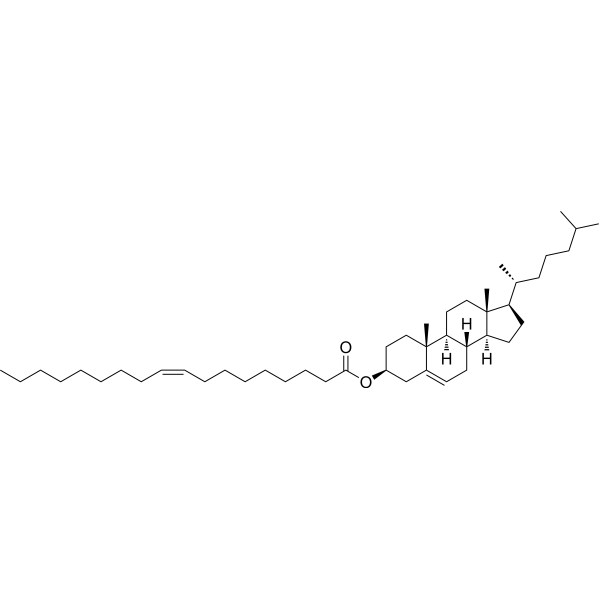
Cholesteryl oleate is an ester compound formed from Cholesterol (HY-N0322) and Oleic acid (HY-N1446), which is involved in lipid transport, storage and cell membrane formation in living organisms. Cholesteryl oleate may serve as a potential biomarker for prostate cancer. Cholesteryl oleate can also prepare cationic solid lipid nanoparticles (SLNs) for efficient gene silencing .
|
-
- HY-125254
-
LEI110
1 Publications Verification
|
Phospholipase
HRASLS
|
Infection
Metabolic Disease
|
|
LEI110 is a potent, selective and cell-permeable pan-inhibitor of the HRASLS family of thiol hydrolases. LEI110 inhibits PLA2G16, HRASLS2, RARRES3 and iNAT, with pIC50 values of 7.0, 6.8, 6.8, and 7.6, respectively. LEI110 reduces cellular arachidonic acid levels and oleic acid-induced lipolysis in HepG2 cells .
|
-
- HY-176829
-
|
OAHFA 18:1(n-9, cis)/ω-O-32:1(n-7, cis)
|
Endogenous Metabolite
|
Metabolic Disease
|
|
FAHFA 18:1(9Z)/32-O-32:1(25Z) (OAHFA 18:1(n-9, cis)/ω-O-32:1(n-7, cis)) is an (O-acyl)-ω-hydroxy fatty acid (OAHFA) containing Oleic acid (HY-N1446) and 25(Z)-dotriacontenoic acid .
|
-
- HY-N7103
-
|
|
Environmental Pollutants
Endogenous Metabolite
|
Others
|
|
Ethyl oleate is an orally active fatty acid ester formed from the condensation of oleic acid and ethanol. Ethyl oleate is the main fatty acid ethyl ester in the blood after alcohol ingestion. Ethyl oleate has no obvious toxicity to rats and its absorption, distribution and excretionare similar to triacylglycerol. Ethyl oleate can accelerate the drying process of certain foods and can also be used as a liquid lipid component in nanostructured lipid carriers .
|
-
- HY-101906
-
|
|
Free Fatty Acid Receptor
Apoptosis
|
Metabolic Disease
|
|
DC260126 is a potent antagonist of GPR40 (FFAR1). DC260126 dose-dependently inhibits GPR40-mediated Ca 2+ elevations stimulated by linoleic acid, oleic acid, palmitoleic acid and lauric acid (IC50: 6.28, 5.96, 7.07, 4.58 μM, respectively) . DC260126 could protect MIN6 β cells from palmitate-induced ER stress and apoptosis .
|
-
- HY-168780
-
|
|
Endogenous Metabolite
|
Others
|
|
1-Palmitoyl-2-arachidoyl-3-oleoyl-rac-glycerol is a triacylglycerol. 1-Palmitoyl-2-arachidoyl-3-oleoyl-rac-glycerol contains Palmitic acid (HY-N0830), Arachidonic acid (HY-109590), and Oleic acid (HY-N1446) at sn-1, sn-2, and sn-3 locations, respectively .
|
-
- HY-113217S
-
|
|
Isotope-Labeled Compounds
Endogenous Metabolite
|
Others
|
|
Cholesteryl oleate-d7 is deuterium labeled Cholesteryl oleate. Cholesteryl oleate is an ester compound formed from Cholesterol (HY-N0322) and Oleic acid (HY-N1446), which is involved in lipid transport, storage and cell membrane formation in living organisms. Cholesteryl oleate may serve as a potential biomarker for prostate cancer. Cholesteryl oleate can also prepare cationic solid lipid nanoparticles (SLNs) for efficient gene silencing .
|
-
- HY-W699318
-
|
|
Reactive Oxygen Species (ROS)
|
Others
|
|
1-Oleoyl-2-palmitoylglycerol is a diacylglycerol in which an oleic acid and a palmitic acid are attached to sn-1 and sn-2 position. 1-Oleoyl-2-palmitoylglycerol enhances the inhibition of superoxide anion production induced by fMLF/cytochalasin B (CB) in human neutrophils. 1-Oleoyl-2-palmitoylglycerol can be used in research about lipid metabolism, membrane fluidity, or the distribution and function of lipids in cells .
|
-
- HY-N7103R
-
|
|
Reference Standards
Endogenous Metabolite
|
Others
|
|
Ethyl oleate (Standard) is the analytical standard of Ethyl oleate. This product is intended for research and analytical applications. Ethyl oleate is an orally active fatty acid ester formed from the condensation of oleic acid and ethanol. Ethyl oleate is the main fatty acid ethyl ester in the blood after alcohol ingestion. Ethyl oleate has no obvious toxicity to rats and its absorption, distribution and excretionare similar to triacylglycerol. Ethyl oleate can accelerate the drying process of certain foods and can also be used as a liquid lipid component in nanostructured lipid carriers .
|
-
- HY-113217S1
-
|
|
Isotope-Labeled Compounds
Endogenous Metabolite
|
Others
|
|
Cholesteryl oleate-d7-1 is deuterium labeled Cholesteryl oleate. Cholesteryl oleate is an ester compound formed from Cholesterol (HY-N0322) and Oleic acid (HY-N1446), which is involved in lipid transport, storage and cell membrane formation in living organisms. Cholesteryl oleate may serve as a potential biomarker for prostate cancer. Cholesteryl oleate can also prepare cationic solid lipid nanoparticles (SLNs) for efficient gene silencing .
|
-
- HY-W714524
-
|
16:0-18:1 PS (POPS)
|
Liposome
|
Others
|
|
2-Oleoyl-1-palmitoyl-sn-glycero-3-phospho-L-serine sodium (16:0-18:1 PS (POPS)) is an anionic phospholipid with oleic acid (18:1) and palmitic acid (16:0) tails containing a carboxylic acid (COOH) and amine (NH2) in their head group. 2-Oleoyl-1-palmitoyl-sn-glycero-3-phospho-L-serine sodium has been used in the preparation of lipid-mixing vesicles, liposomes, and artificial membranes .
|
-
- HY-W010667
-
|
1,3-Dipalmitoyl-2-oleoylglycerol; ?1,3-Palmitin-2-Olein; TG(16:0/18:1/16:0)
|
Endogenous Metabolite
|
Metabolic Disease
|
|
1,3-Dipalmitoyl-2-oleoyl glycerol (1,3-Palmitin-2-Olein; TG(16:0/18:1/16:0)) is a triacylglycerol that contains palmitic acid (HY-N0830) at the sn-1 and sn-3 positions and oleic acid (HY-N1446) at the sn-2 position. It has been found in cocoa butter, Chinese tallow butter, and the palm stearin fraction of palm oil.
|
-
- HY-W440982A
-
|
(Rac)-PC(18:0/18:1); (Rac)-2-Oleoyl-1-stearoyl-sn-glycero-3-phosphocholine
|
Liposome
|
Others
|
|
(Rac)-SOPC ((Rac)-PC(18:0/18:1)) ((Rac)-2-Oleoyl-1-stearoyl-sn-glycero-3-phosphocholine) is the racemate of SOPC (HY-W440982). SOPC is an asymmetrical phospholipid with saturated fatty acid (stearic acid/18:0) at sn-1 position and unsaturated fatty acid (oleic acid/18:1) at sn-2 position. SOPC can stabilize the outer segment membrane of frog rods .
|
-
- HY-W714524A
-
|
16:0-18:1 PS (POPS) free acid
|
Liposome
|
Others
|
|
2-Oleoyl-1-palmitoyl-sn-glycero-3-phospho-L-serine (16:0-18:1 PS (POPS) free acid) is an anionic phospholipid with oleic acid (18:1) and palmitic acid (16:0) tails containing a carboxylic acid (COOH) and amine (NH2) in their head group. 2-Oleoyl-1-palmitoyl-sn-glycero-3-phospho-L-serine has been used in the preparation of lipid-mixing vesicles, liposomes, and artificial membranes .
|
-
- HY-W250168
-
|
Polyethylene glycol oleyl ether, average Mn~709; Polyethylene glycol monooleyl ether, n~10
|
Environmental Pollutants
Biochemical Assay Reagents
|
Others
|
|
Polyoxyethylene(10) oleyl ether, also known as POE(10) monooleate, is a nonionic surfactant consisting of a polyethylene glycol chain with 10 ethylene oxide units and an oleic acid residue. It has excellent emulsifying, wetting and dispersing properties, making it suitable for a variety of applications including personal care products and pharmaceutical formulations. POE(10) monooleate is commonly used as a solubilizer to improve the solubility and bioavailability of poorly soluble drugs. Furthermore, it is biodegradable and has low toxicity, making it an environmentally friendly ingredient suitable for various industrial applications.
|
-
- HY-W710512
-
|
Glycerol Tritricosanoate-d5; TG(23:0/23:0/23:0)-d5; Tritricosanoin-d5
|
Isotope-Labeled Compounds
Endogenous Metabolite
|
Metabolic Disease
|
|
Propane-1,2,3-triyl tritricosanoate-d5 (Glycerol Tritricosanoate-d5) is deuterium labeled Propane-1,2,3-triyl tritricosanoate. 1,2,3-Tritricosanoyl glycerol is a triacylglycerol that contains tricosanoic acid (HY-W009081) at the sn-1, sn-2, and sn-3 positions. It has been used as an internal standard for the quantification of fatty acids in the triglyceride component of human aortic endothelial cells (HAECs) grown in media supplemented with stearic and/or oleic acid.
|
-
- HY-112487
-
|
|
Acyltransferase
|
Metabolic Disease
|
|
Sandoz 58-035 is a selective acyl-CoA:cholesterol acyltransferase (ACAT) inhibitor. Sandoz 58-035 inhibits this enzyme in intact cells and isolated microsomal fractions. Sandoz 58-035 blocks the esterification of exogenous vesicle-derived cholesterol and the incorporation of oleic acid into cellular cholesterol esters, reducing the formation and accumulation of cholesterol esters. Sandoz 58-035 causes a slight increase in cellular free cholesterol, and at high concentrations, it also causes a slight reduction in overall cellular protein synthesis. Sandoz 58-035 can be used in studies related to cellular cholesterol regulation .
|
-
- HY-W706672R
-
|
Glycerol Tritricosanoate (Standard); TG(23:0/23:0/23:0) (Standard); Tritricosanoin (Standard)
|
Endogenous Metabolite
Reference Standards
|
Metabolic Disease
|
|
Propane-1,2,3-triyl tritricosanoate (Standard) is the analytical standard of Propane-1,2,3-triyl tritricosanoate. This product is intended for research and analytical applications. 1,2,3-Tritricosanoyl glycerol is a triacylglycerol that contains tricosanoic acid (HY-W009081) at the sn-1, sn-2, and sn-3 positions. It has been used as an internal standard for the quantification of fatty acids in the triglyceride component of human aortic endothelial cells (HAECs) grown in media supplemented with stearic and/or oleic acid.
|
-
- HY-101906R
-
|
|
Reference Standards
Free Fatty Acid Receptor
Apoptosis
|
Metabolic Disease
|
|
DC260126 (Standard) is the analytical standard of DC260126 (HY-101906). This product is intended for research and analytical applications. DC260126 is a potent antagonist of GPR40 (FFAR1). DC260126 dose-dependently inhibits GPR40-mediated Ca2+ elevations stimulated by linoleic acid, oleic acid, palmitoleic acid and lauric acid (IC50: 6.28, 5.96, 7.07, 4.58 μM, respectively) . DC260126 could protect MIN6 β cells from palmitate-induced ER stress and apoptosis .
|
-
- HY-W018791R
-
|
DDB (Standard)
|
Reference Standards
HBV
Autophagy
Cytochrome P450
Atg8/LC3
p62
P-glycoprotein
|
Infection
Cardiovascular Disease
Cancer
|
|
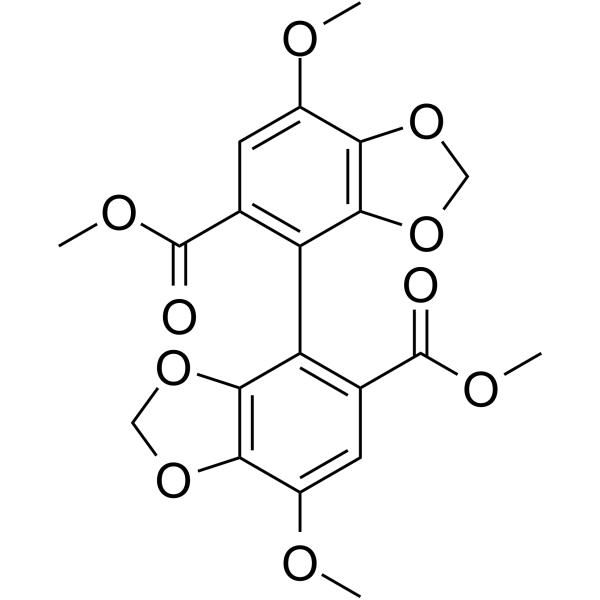
Bifendate (DDB), extracted from Schisandrae chinensis, is an orally active anti-HBV agent against chronic hepatitis B. Bifendate inhibits ATG5-dependent autophagy and attenuates oleic acid-induced lipid accumulation with anti-oxidant properties in vitro. Bifendate can decrease alanine transaminase (ALT) level in mice. Bifendate attenuates hepatic steatosis in cholesterol/bile salt- and high-fat diet-induced hypercholesterolemia in mice. Bifendate potently increases the activity of cytochrome proteins (CYPs) and reverse P-gp-mediated multi-drug resistance (MDR) .
|
-
- HY-W018791
-
|
DDB
|
HBV
Autophagy
Cytochrome P450
Atg8/LC3
p62
P-glycoprotein
|
Infection
Cardiovascular Disease
Cancer
|
|
Bifendate (DDB), extracted from Schisandrae chinensis, is an orally active anti-HBV agent against chronic hepatitis B. Bifendate inhibits ATG5-dependent autophagy and attenuates oleic acid-induced lipid accumulation with anti-oxidant properties in vitro. Bifendate can decrease alanine transaminase (ALT) level in mice. Bifendate attenuates hepatic steatosis in cholesterol/bile salt- and high-fat diet-induced hypercholesterolemia in mice. Bifendate potently increases the activity of cytochrome proteins (CYPs) and reverse P-gp-mediated multi-drug resistance (MDR) .
|
-
- HY-107965
-
|
Safflower seed oil (from Carthamus tinctorius seed)
|
Biochemical Assay Reagents
|
Inflammation/Immunology
|
Safflower oil (from Carthamus tinctorius seed) is rich in unsaturated fatty acids such as linoleic acid and oleic acid, as well as tocopherols and phenolic compounds, and exhibits antioxidant, anti-aging and blood lipid-regulating effects. Safflower oil (from Carthamus tinctorius seed) inhibits the activities of collagenase and elastase, and exerts antioxidant activity by scavenging free radicals. Linoleic acid in safflower oil (from Carthamus tinctorius seed) reduces blood cholesterol levels. Safflower oil (from Carthamus tinctorius seed) can be applied to research in fields such as skin aging, atherosclerosis, edible oil processing and industrial raw material development .
|
-
- HY-158740
-
|
|
Ferroptosis
|
Neurological Disease
|
|
1(R)-(Trifluoromethyl)oleyl alcohol (compound (R)-24) is a trifluoromethyl alcohol derivative of Oleic acid (HY-N1446) with activity in multiple models of Friedreich ataxia (FRDA). 1(R)-(Trifluoromethyl)oleyl alcohol inhibits ferroptosis induced by Erastin (HY-15763) and decreases lipid peroxidation in NBT human myoblasts with frataxin (FXN) siRNA knockdown. 1(R)-(Trifluoromethyl)oleyl alcohol at 40 μM increases survival to 95% in a model of FRDA where a significant percentage of cell death is caused by FAC (HY-B1645) and BSO (HY-106376) .
|
-
- HY-W770203
-
|
DG(18:1/0:0/18:2)-d5
|
Isotope-Labeled Compounds
Endogenous Metabolite
|
Others
|
|
1-Oleoyl-2-linoleoyl-rac-glycerol-d5 (DG(18:1/0:0/18:2)-d5) is the deuterium labeled 1-Oleoyl-2-linoleoyl-rac-glycerol (HY-W777107). 1-Oleoyl-2-linoleoyl-rac-glycerol (DG(18:1/0:0/18:2)) is a diacylglycerol, which is composed of a linoleic acid and an oleic acid. 1-Oleoyl-2-linoleoyl-rac-glycerol can be found in dry-cured ham, and acts as the food additive .
|
-
- HY-155033
-
|
|
Stearoyl-CoA Desaturase (SCD)
DNA/RNA Synthesis
Apoptosis
Autophagy
mTOR
Influenza Virus
|
Metabolic Disease
Inflammation/Immunology
Cancer
|
|
SSI-4 is an orally active stearoyl-CoA desaturase (SCD1) inhibitor with an EC50 of 1.9 nM against mouse SCD1. SSI-4 blocks the conversion of saturated fatty acids to monounsaturated fatty acids, reducing the production of oleic acid and palmitoleic acid. SSI-4 induces lipid peroxidation, endoplasmic reticulum stress, DNA damage and activates apoptotic mechanisms. SSI-4 inhibits mTORC1 activity, suppresses B cell proliferation and antibody production, and induces autophagy. SSI-4 is applicable to research on cancers such as acute myeloid leukemia and renal cell carcinoma, as well as influenza infections .
|
-
- HY-W115716
-
|
Span 85
|
Environmental Pollutants
Biochemical Assay Reagents
|
Others
|
|
Sorbitan trioleate (Span 85) is an orally active non-ionic surface active agent. Sorbitan trioleate can be used as an excipient, such as surfactant, emulsifier, lubricant, wetting agent, dispersant, thickener, defoamer .
|
-
- HY-148009
-
|
16:0-18:1 Cardiolipin sodium
|
Biochemical Assay Reagents
|
Others
|
|
Cardiolipin (16:0/18:1/16:0/18:1) (16:0-18:1 Cardiolipin) sodium is a di-saturated mitochondrial-specific anionic phospholipid sodium salt containing the long-chain fatty acid palmitic acid (HY-N0830) and the monounsaturated fatty acid oleic acid (HY-N1446). Cardiolipin (16:0/18:1/16:0/18:1) sodium undergoes in-source fragmentation via diglyceride (DG)-H2O fragment formation and (DG-H2O) fragment loss pathways. Cardiolipin (16:0/18:1/16:0/18:1) sodium can be used in the synthesis of lipid nanodiscs for application in in situ mass spectrometry .
|
-
- HY-175381
-
|
|
PROTACs
Pyroptosis
Reactive Oxygen Species (ROS)
Caspase
|
Cancer
|
|
DeFer-2 is a ferritin PROTAC degrader (Kd = 17.1 μM). DeFer-2 induces ferritin degradation, triggering caspase 3-GSDME-mediated pyroptosis in cancer cells through free iron accumulation and elevated ROS. DeFer-2 significantly inhibits tumor growth and prolongs survival in mice bearing B16F10 subcutaneous tumors. DeFer-2 can be used to study melanoma. (Pink: Oleic acid: HY-N1446, Blue: (S,R,S)-AHPC: HY-125845, Black: γ-Aminobutyric acid: HY-N0067, Blue + Black: (S,R,S)-AHPC-C3-NH2: HY-130711) .
|
-
- HY-N3741
-
|
Didrovaltratum
|
Calcium Channel
Reactive Oxygen Species (ROS)
Autophagy
|
Inflammation/Immunology
Cancer
|
|
Didrovaltrate (Didrovaltratum) is an L-type calcium channel blocker, ROS scavenger, autophagy enhancer, and lipid accumulation inhibitor. Didrovaltrate blocks L-type calcium currents in a concentration-dependent manner, shifts the current-voltage curve upward, modulates steady-state inactivation kinetics, and inhibits the nuclear translocation of glucocorticoid receptors. Didrovaltrate reduces ROS levels, downregulates the expression of muscle atrophy-related genes, enhances autophagy via lipophagy, and decreases Oleic acid-induced lipid accumulation. Didrovaltrate exhibits cytotoxic activity against cancer cells. Didrovaltrate can be used in research related to skeletal muscle atrophy, non-alcoholic fatty liver disease, breast cancer, lung cancer, gastric cancer, and prostate cancer .
|
-
- HY-108750
-
|
VT 18 (oil); Vegetoil; Wesson
|
Environmental Pollutants
|
Cardiovascular Disease
|
|
Soybean oil (VT 18 (oil); Vegetoil; Wesson) is an edible vegetable oil. Soybean oil reduces circulating blood cholesterol levels when it replaces dietary saturated fats. Soybean oil does not affect inflammatory biomarkers or increase oxidative stress. Soybean oil contains γ-tocopherol and δ-tocopherol, which possess antioxidant properties. Soybean oil can be used in research related to coronary heart disease .
|
-
- HY-182751
-
|
|
ATP Citrate Lyase
|
Inflammation/Immunology
|
|
ACLY-IN-4 is an ATP-citrate lyase (ACLY) inhibitor with an IC50 of 0.022 μM and a Kd of 0.19 μM. ACLY-IN-4 binds to the allosteric binding site of ACLY. ACLY-IN-4 exhibits hypolipidemic, anti-steatotic, insulin sensitivity-improving, anti-oxidative stress, anti-inflammatory and anti-fibrotic activities. ACLY-IN-4 alleviates hepatic steatosis, systemic insulin resistance, oxidative stress, hepatic inflammation and fibrosis. ACLY-IN-4 can be used for the research of metabolic dysfunction-associated steatohepatitis .
|
-
- HY-W011696
-
|
cis-1-Amino-9-octadecene, 80-90%
|
Environmental Pollutants
Biochemical Assay Reagents
|
Cancer
|
|
Oleylamine, 80-90% (cis-1-Amino-9-octadecene, 80-90%) is a multifunctional reagent used for metal ion coordination and nanoparticle surface modification, and acts as a solvent, surfactant and reducing agent in the synthesis of metal oxide nanoparticles. Oleylamine, 80-90% regulates nanoparticle morphology, magnetization intensity and water proton relaxation rate via thiol-ene "click" reaction, and enhances the colloidal stability of nanoparticles in organic reagents. Oleylamine, 80-90% is mainly used in research and applications in fields such as nanomaterial synthesis, biomedical imaging (MRI contrast agents, fluorescent probes), cancer cell targeting and drug delivery .
|
-
- HY-W399297
-
|
7α,12α-Dihydroxycholanoic acid
|
Endogenous Metabolite
|
Metabolic Disease
|
|
Isodeoxycholic acid (7α,12α-Dihydroxycholanoic acid) is a 3β-hydroxylated secondary bile acid. Isodeoxycholic acid is produced by epimerization of deoxycholic acid by intestinal bacteria. Isodeoxycholic acid is detectable in feces, mainly existing as saponifiable conjugates with long-chain fatty acids. Isodeoxycholic acid participates in the regulation of intestinal physiology .
|
-
- HY-151226
-
|
GMS
|
Environmental Pollutants
Liposome
|
Others
|
|
Glyceryl monostearate (GMS) is a type of monoglyceride. Glyceryl monostearateGlyceryl monostearate can serve as a core lipid material for constructing solid lipid nanoparticles in the field of drug delivery. Glyceryl monostearate can be used as a gelling agent to structure liquid vegetable oils into semi-solid oleogels, so as to replace animal fat in meat products .
|
-
- HY-D1736
-
|
|
Fluorescent Dye
|
Others
|
|
BODIPY FL-C16 is a BODIPY-labeled analog of Palmitic acid (HY-N0830), which serves as a fluorescent lipid tracer. BODIPY FL-C16 also acts as a ligand for liver fatty acid-binding protein (L-FABP) and intestinal fatty acid-binding protein (I-FABP) , with Kd values of 270 nM and 330 nM, respectively. BODIPY FL-C16 is rapidly taken up by cells, and after metabolic conversion to phospholipids, it is incorporated into the membrane structures of intracellular organelles and extracellular vesicles .
|
-
| Cat. No. |
Product Name |
Type |
-
- HY-D1736
-
|
|
Fluorescent Dye
|
|
BODIPY FL-C16 is a BODIPY-labeled analog of Palmitic acid (HY-N0830), which serves as a fluorescent lipid tracer. BODIPY FL-C16 also acts as a ligand for liver fatty acid-binding protein (L-FABP) and intestinal fatty acid-binding protein (I-FABP) , with Kd values of 270 nM and 330 nM, respectively. BODIPY FL-C16 is rapidly taken up by cells, and after metabolic conversion to phospholipids, it is incorporated into the membrane structures of intracellular organelles and extracellular vesicles .
|
| Cat. No. |
Product Name |
Type |
-
- HY-113217
-
|
|
Biochemical Assay Reagents
|
|
Cholesteryl oleate is an ester compound formed from Cholesterol (HY-N0322) and Oleic acid (HY-N1446), which is involved in lipid transport, storage and cell membrane formation in living organisms. Cholesteryl oleate may serve as a potential biomarker for prostate cancer. Cholesteryl oleate can also prepare cationic solid lipid nanoparticles (SLNs) for efficient gene silencing .
|
-
- HY-141571
-
|
Dioleoylphosphatidylglycerol sodium
|
Biochemical Assay Reagents
|
|
DOPG sodium is a naturally occurring anionic phospholipid, containing oleic acid (18:1) inserted at the sn-1 and sn-2 positions. DOPG can form a lipid bilayer in an aqueous solution and is used in the generation of micelles, liposomes, and other artificial membranes. DOPG also exhibits anti-inflammatory properties .
|
-
- HY-W250168
-
|
Polyethylene glycol oleyl ether, average Mn~709; Polyethylene glycol monooleyl ether, n~10
|
Biochemical Assay Reagents
|
|
Polyoxyethylene(10) oleyl ether, also known as POE(10) monooleate, is a nonionic surfactant consisting of a polyethylene glycol chain with 10 ethylene oxide units and an oleic acid residue. It has excellent emulsifying, wetting and dispersing properties, making it suitable for a variety of applications including personal care products and pharmaceutical formulations. POE(10) monooleate is commonly used as a solubilizer to improve the solubility and bioavailability of poorly soluble drugs. Furthermore, it is biodegradable and has low toxicity, making it an environmentally friendly ingredient suitable for various industrial applications.
|
-
- HY-108750
-
|
VT 18 (oil); Vegetoil; Wesson
|
Biochemical Assay Reagents
|
|
Soybean oil (VT 18 (oil); Vegetoil; Wesson) is an edible vegetable oil. Soybean oil reduces circulating blood cholesterol levels when it replaces dietary saturated fats. Soybean oil does not affect inflammatory biomarkers or increase oxidative stress. Soybean oil contains γ-tocopherol and δ-tocopherol, which possess antioxidant properties. Soybean oil can be used in research related to coronary heart disease .
|
-
- HY-W011696
-
|
cis-1-Amino-9-octadecene, 80-90%
|
Biochemical Assay Reagents
|
|
Oleylamine, 80-90% (cis-1-Amino-9-octadecene, 80-90%) is a multifunctional reagent used for metal ion coordination and nanoparticle surface modification, and acts as a solvent, surfactant and reducing agent in the synthesis of metal oxide nanoparticles. Oleylamine, 80-90% regulates nanoparticle morphology, magnetization intensity and water proton relaxation rate via thiol-ene "click" reaction, and enhances the colloidal stability of nanoparticles in organic reagents. Oleylamine, 80-90% is mainly used in research and applications in fields such as nanomaterial synthesis, biomedical imaging (MRI contrast agents, fluorescent probes), cancer cell targeting and drug delivery .
|
-
- HY-109591A
-
|
Oleoyl-CoA lithium
|
Biochemical Assay Reagents
|
|
Oleoyl coenzyme A (Oleoyl-CoA) lithium is a thioester of oleic acid and coenzyme A. Oleoyl coenzyme A lithium has a role as an Escherichia coli metabolite and a mouse metabolite .
|
-
- HY-142990
-
|
|
Biochemical Assay Reagents
|
|
1-Oleoyl-2-palmitoyl-sn-glycero-3-PC derives from an oleic acid. 1-Oleoyl-2-palmitoyl-sn-glycero-3-PC can be used for the synthesis of liposomes .
|
-
- HY-W008621A
-
|
oleic acid potassium salt, 98%
|
Biochemical Assay Reagents
|
|
Potassium oleate, 98% (Oleic acid potassium salt, 98%) is a surfactant composed of potassium and oleic acid (an unsaturated fatty acid).
|
-
- HY-122797
-
|
cis-9-Octadecenoic anhydride
|
Biochemical Assay Reagents
|
|
Oleic anhydride is a biochemical reagent that can be used as a biological material or organic compound for life science related research.
|
-
- HY-W763560
-
|
|
Biochemical Assay Reagents
|
|
Sorbitan Sesquioleate is a synthetic surfactant and emulsifier based on sorbitol and modified oleic acid .
|
-
- HY-107965
-
|
Safflower seed oil (from Carthamus tinctorius seed)
|
Biochemical Assay Reagents
|
Safflower oil (from Carthamus tinctorius seed) is rich in unsaturated fatty acids such as linoleic acid and oleic acid, as well as tocopherols and phenolic compounds, and exhibits antioxidant, anti-aging and blood lipid-regulating effects. Safflower oil (from Carthamus tinctorius seed) inhibits the activities of collagenase and elastase, and exerts antioxidant activity by scavenging free radicals. Linoleic acid in safflower oil (from Carthamus tinctorius seed) reduces blood cholesterol levels. Safflower oil (from Carthamus tinctorius seed) can be applied to research in fields such as skin aging, atherosclerosis, edible oil processing and industrial raw material development .
|
-
- HY-W127377
-
|
|
Biochemical Assay Reagents
|
|
Butyl oleateIt is an organic compound belonging to esters. It is formed from the reaction of butanol and oleic acid and has a mild fruity smell. Butyl oleateIt has a variety of applications in the cosmetic and personal care industries, especially as an emollient and conditioning agent in skin and hair care products. Additionally, it is used as a lubricant and solvent in industrial settings.
|
-
- HY-121855
-
|
Glycerol 1-monoelaidate; α-Monoelaidin
|
Biochemical Assay Reagents
|
|
Monoeladin is an ester derivative of glycerin and oleic acid, which are commonly found in various vegetable and animal fats. Monoeladin has unique chemical properties that make it an important intermediate in the biosynthesis of other lipid molecules, especially in the formation of triglycerides and phospholipids. It also plays a role in food science as a partial replacement for saturated fat, which has been linked to an increased risk of heart disease.
|
-
- HY-W739652
-
|
|
Biochemical Assay Reagents
|
|
1-Linoleoyl-2-oleoyl-rac-glycerol is a diglyceride contains Oleic acid (HY-N1446) and Linoleic acid (HY-N0729) .
|
-
- HY-W127462
-
|
Dodecyl oleate
|
Biochemical Assay Reagents
|
|
Oleic acid lauryl ester is a biochemical reagent that can be used as a biological material or organic compound for life science related research.
|
-
- HY-W585948
-
|
|
Biochemical Assay Reagents
|
|
1-Palmitoyl-2-oleoyl-rac-glycerol is a diacylglycerol containing Palmitic acid (HY-N0830) and Oleic acid (HY-N1446).
|
-
- HY-W699369
-
|
|
Biochemical Assay Reagents
|
|
1-Palmitoyl-3-O-benzyl-rac-glycerol is a diacylglycerol that contains Palmitic acid (HY-N0830) and Oleic acid (HY-N1446).
|
| Cat. No. |
Product Name |
Target |
Research Area |
-
- HY-117110
-
|
H-Arg-Pro-OH
|
Proton Pump
|
Metabolic Disease
|
|
Arginylproline (H-Arg-Pro-OH) is a dipeptide consisted of arginine and proline. Arginylproline reduces intracellular triglyceride (TG) levels stimulated by Oleic acid (HY-N1446), through the peptide transporter 1 (PepT1) pathway .
|
| Cat. No. |
Product Name |
Category |
Target |
Chemical Structure |
-
- HY-N1446
-
-
-
- HY-N1446B
-
-
-
- HY-107542
-
-
-
- HY-113217
-
-
-
- HY-113362
-
-
-
- HY-N8522
-
-
-
- HY-W399297
-
-
-
- HY-N15964
-
-
-
- HY-N1446R
-
-
-
- HY-N3741
-
|
Didrovaltratum
|
Structural Classification
Natural Products
Classification of Application Fields
Valeriana officinalis Linn.
Plants
Valerianaceae
Disease Research Fields
Source Classification
Cancer
|
Calcium Channel
Reactive Oxygen Species (ROS)
Autophagy
|
|
Didrovaltrate (Didrovaltratum) is an L-type calcium channel blocker, ROS scavenger, autophagy enhancer, and lipid accumulation inhibitor. Didrovaltrate blocks L-type calcium currents in a concentration-dependent manner, shifts the current-voltage curve upward, modulates steady-state inactivation kinetics, and inhibits the nuclear translocation of glucocorticoid receptors. Didrovaltrate reduces ROS levels, downregulates the expression of muscle atrophy-related genes, enhances autophagy via lipophagy, and decreases Oleic acid-induced lipid accumulation. Didrovaltrate exhibits cytotoxic activity against cancer cells. Didrovaltrate can be used in research related to skeletal muscle atrophy, non-alcoholic fatty liver disease, breast cancer, lung cancer, gastric cancer, and prostate cancer .
|
-
-
- HY-107542R
-
-
-
- HY-N2330
-
|
|
Microorganisms
Ketones, Aldehydes, Acids
Source Classification
|
Lipase
|
|
Lipstatin is a pancreatic lipase inhibitor (IC50=0.14 μM), whose structure is closely related to the known inhibitor, Esterastin. Lipstatin inhibits the absorption of triglycerides without affecting the absorption of oleic acid. Lipstatin has no inhibitory effects on other pancreatic enzymes, such as phospholipase A2 and trypsin (<200 μM) .
|
-
-
- HY-N7103R
-
-
-
- HY-N1446BR
-
-
-
- HY-W440982A
-
|
(Rac)-PC(18:0/18:1); (Rac)-2-Oleoyl-1-stearoyl-sn-glycero-3-phosphocholine
|
Structural Classification
Animals
Lipid
Source Classification
|
Liposome
|
|
(Rac)-SOPC ((Rac)-PC(18:0/18:1)) ((Rac)-2-Oleoyl-1-stearoyl-sn-glycero-3-phosphocholine) is the racemate of SOPC (HY-W440982). SOPC is an asymmetrical phospholipid with saturated fatty acid (stearic acid/18:0) at sn-1 position and unsaturated fatty acid (oleic acid/18:1) at sn-2 position. SOPC can stabilize the outer segment membrane of frog rods .
|
-
-
- HY-N4120
-
-
-
- HY-149550
-
-
-
- HY-N7859
-
-
-
- HY-N14715
-
|
|
Natural Products
Microorganisms
Source Classification
|
Acyltransferase
|
|
Gypsetin can inhibit acylcoenzyme A, cholesterol acyltransferase (ACAT) activity, inhibit rat liver microbody ACAT with an IC50 of 18 μM, and its action is competitive with oleoyl-COA substrate, Ki value is 5.5 μM. Gypsetin also inhibits Oleic acid from forming cholesterol esters with an IC50 of 0.65 μM .
|
-
-
- HY-113362R
-
-
-
- HY-N7539
-
-
-
- HY-N18804
-
|
|
Structural Classification
Extract
|
Others
|
|
Avocado oil is mainly composed of glycerides of linoleic acid, oleic acid and palmitic acid, and can be used as an edible oil and cosmetic ingredient.
|
-
-
- HY-N18891
-
-
| Cat. No. |
Product Name |
Chemical Structure |
-
- HY-N1446S2
-
1 Publications Verification
|
|
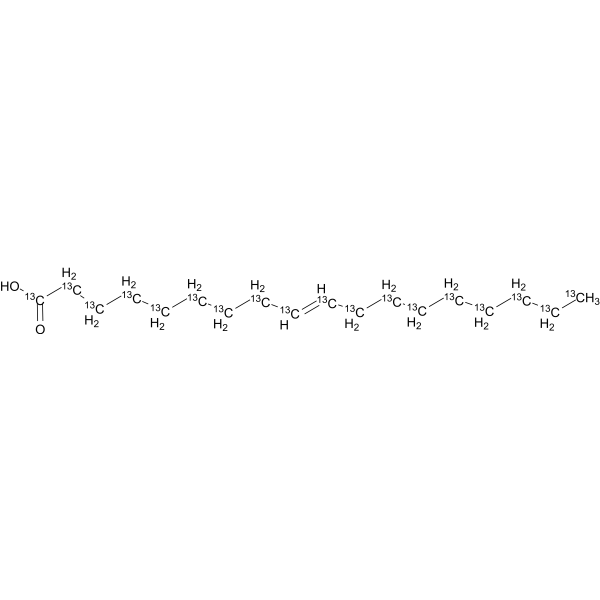
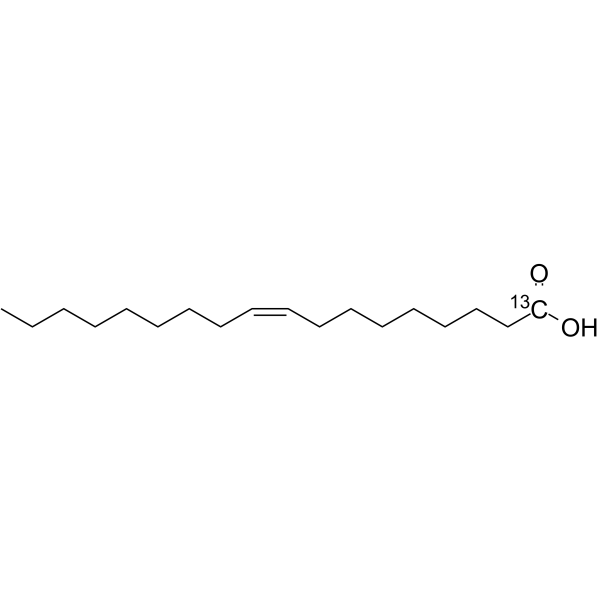
Oleic acid- 13C18 is the 13C labeled Oleic acid (HY-N1446). Oleic acid (9-cis-Octadecenoic acid) is an abundant monounsaturated fatty acid . Oleic acid is a Na+/K+ ATPase activator .
|
-
-
- HY-N1446S5
-
|
|
|
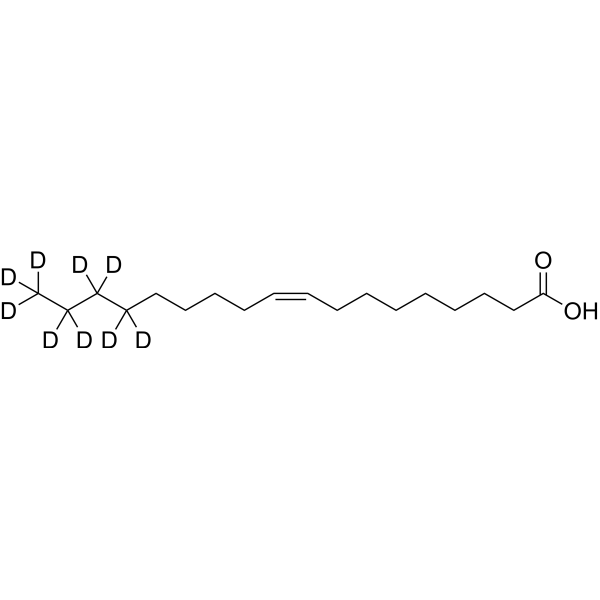
Oleic acid-d9 is deuterium labeled Oleic acid (HY-N1446). Oleic acid is an abundant monounsaturated fatty acid. Oleic acid is a Na+/K+ ATPase activato .
|
-
-
- HY-N1446S1
-
1 Publications Verification
|
|
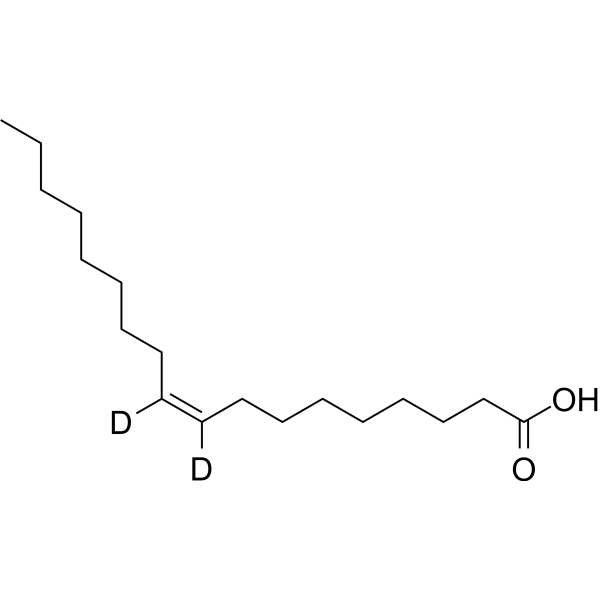
Oleic acid-d2) is the deuterium labeled Oleic acid (HY-N1446). Oleic acid (9-cis-Octadecenoic acid) is an abundant monounsaturated fatty acid ]. Oleic acid is a Na+/K+ ATPase activator .
|
-
-
- HY-N1446S
-
|
|
|
Oleic acid- 13C is the 13C labeled Oleic acid (HY-N1446). Oleic acid (9-cis-Octadecenoic acid) is an abundant monounsaturated fatty acid . Oleic acid is a Na+/K+ ATPase activator .
|
-
-
- HY-B0704S
-
|
|
|
Azelaic acid-d14 is the deuterium labeled Azelaic acid . Azelaic acid is an organic compound produced by the ozonolysis of oleic acid;component of a number of hair and skin conditioners .
|
-
-
- HY-N1446S3
-
|
|
|
Oleic acid-d17 is the deuterium labeled Oleic acid (HY-N1446). Oleic acid (9-cis-Octadecenoic acid) is an abundant monounsaturated fatty acid . Oleic acid is a Na+/K+ ATPase activator .
|
-
-
- HY-107542S
-
|
|
|
Oleoylethanolamide-d4 is the deuterium labeled Oleoylethanolamide. Oleoylethanolamide is a high affinity endogenous PPAR-α agonist, which plays an important role in the treatment of obesity and arteriosclerosis.
|
-
-
- HY-107542S2
-
|
|
|
Oleoylethanolamide-d2 is the deuterium labeled Oleoylethanolamide. Oleoylethanolamide is a high affinity endogenous PPAR-α agonist, which plays an important role in the treatment of obesity and arteriosclerosis.
|
-
-
- HY-113217S
-
|
|
|
Cholesteryl oleate-d7 is deuterium labeled Cholesteryl oleate. Cholesteryl oleate is an ester compound formed from Cholesterol (HY-N0322) and Oleic acid (HY-N1446), which is involved in lipid transport, storage and cell membrane formation in living organisms. Cholesteryl oleate may serve as a potential biomarker for prostate cancer. Cholesteryl oleate can also prepare cationic solid lipid nanoparticles (SLNs) for efficient gene silencing .
|
-
-
- HY-N1446S4
-
|
|
|
Oleic acid- 13C-1 is the 13C labeled Oleic acid (HY-N1446). Oleic acid (9-cis-Octadecenoic acid) is an abundant monounsaturated fatty acid . Oleic acid is a Na+/K+ ATPase activator .
|
-
-
- HY-W008621S
-
|
|
|
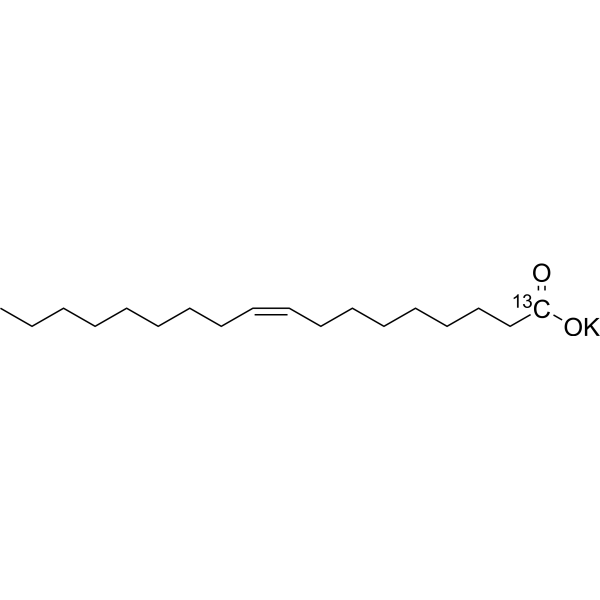
Oleic acid- 13C (potassium) is a 13C-labeled Oleic acid.
|
-
-
- HY-109591S
-
|
|
|
Oleoyl coenzyme A- 13C18 (lithium) is the 13C labeled Oleoyl Coenzyme A lithium . Oleoyl coenzyme A (Oleoyl-CoA) is a thioester of oleic acid and coenzyme A. Oleoyl coenzyme A has a role as an Escherichia coli metabolite and a mouse metabolite .
|
-
-
- HY-113217S1
-
|
|
|
Cholesteryl oleate-d7-1 is deuterium labeled Cholesteryl oleate. Cholesteryl oleate is an ester compound formed from Cholesterol (HY-N0322) and Oleic acid (HY-N1446), which is involved in lipid transport, storage and cell membrane formation in living organisms. Cholesteryl oleate may serve as a potential biomarker for prostate cancer. Cholesteryl oleate can also prepare cationic solid lipid nanoparticles (SLNs) for efficient gene silencing .
|
-
-
- HY-W770203
-
|
|
|
1-Oleoyl-2-linoleoyl-rac-glycerol-d5 (DG(18:1/0:0/18:2)-d5) is the deuterium labeled 1-Oleoyl-2-linoleoyl-rac-glycerol (HY-W777107). 1-Oleoyl-2-linoleoyl-rac-glycerol (DG(18:1/0:0/18:2)) is a diacylglycerol, which is composed of a linoleic acid and an oleic acid. 1-Oleoyl-2-linoleoyl-rac-glycerol can be found in dry-cured ham, and acts as the food additive .
|
-
-
- HY-165661S
-
|
|
|
Oleic acid-hydroxy Oleoyl Leucine-d7 is deuterium labeled Oleic acid-hydroxy Oleoyl Leucine .
|
-
-
- HY-178747S
-
|
|
|
Oleic acid-d31 (9-cis-Octadecenoic acid-d31) is the deuterium labeled Oleic acid.
|
-
-
- HY-N1446S7
-
|
|
|
Oleic acid-d14 (9-cis-Octadecenoic acid-d14) is the deuterium labeled Oleic acid-d14.
|
-
-
- HY-W710512
-
|
|
|
Propane-1,2,3-triyl tritricosanoate-d5 (Glycerol Tritricosanoate-d5) is deuterium labeled Propane-1,2,3-triyl tritricosanoate. 1,2,3-Tritricosanoyl glycerol is a triacylglycerol that contains tricosanoic acid (HY-W009081) at the sn-1, sn-2, and sn-3 positions. It has been used as an internal standard for the quantification of fatty acids in the triglyceride component of human aortic endothelial cells (HAECs) grown in media supplemented with stearic and/or oleic acid.
|
-
| Cat. No. |
Product Name |
|
Classification |
-
- HY-127112
-
|
|
|
Alkynes
|
|
Oleic acid alkyne is Oleic acid (HY-N1446) with an acetylene group. The terminal alkyne group can be used for click chemical ligation reactions. Oleic acid can be hydroxylated by a microsomal cytochrome P-450-dependent system (ω-OAH). Through click chemistry reactions, fluorescent or biotin-labeled oleic acid can be introduced to analyze its metabolism and biological activity.
|
-
- HY-141293
-
|
|
|
DBCO
PROTAC Synthesis
|
|
Oleic-DBCO is an alkyl chain-based PROTAC linker that can be used in the synthesis of PROTACs . Oleic-DBCO is a click chemistry reagent, it contains a DBCO group that can undergo strain-promoted alkyne-azide cycloaddition (SPAAC) with molecules containing Azide groups.
|
-
- HY-141130
-
|
|
|
DBCO
|
|
LG-PEG10-click-DBCO-Oleic is a PEG-based PROTAC linker that can be used in the synthesis of PROTACs .
|
| Cat. No. |
Product Name |
|
Classification |
-
- HY-N1446
-
Oleic acid
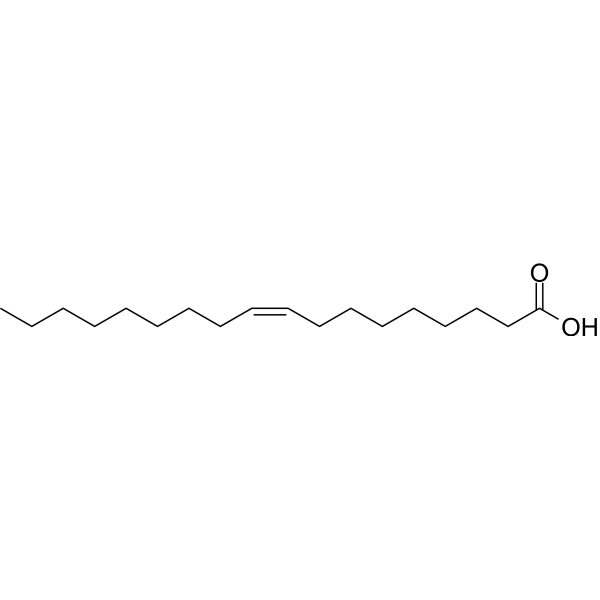
Maximum Cited Publications
64 Publications Verification
9-cis-Octadecenoic acid; 9Z-Octadecenoic acid
|
|
Emulsifiers
|
|
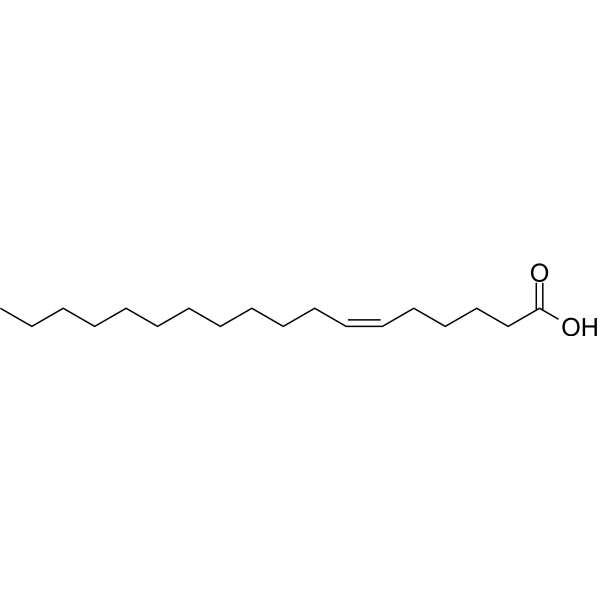
Oleic acid (9-cis-Octadecenoic acid) is an abundant monounsaturated fatty acid . Oleic acid is a Na +/K + ATPase activator .
|
-
- HY-113217
-
|
|
|
Cholesterol
|
|
Cholesteryl oleate is an ester compound formed from Cholesterol (HY-N0322) and Oleic acid (HY-N1446), which is involved in lipid transport, storage and cell membrane formation in living organisms. Cholesteryl oleate may serve as a potential biomarker for prostate cancer. Cholesteryl oleate can also prepare cationic solid lipid nanoparticles (SLNs) for efficient gene silencing .
|
-
- HY-141571
-
|
Dioleoylphosphatidylglycerol sodium
|
|
Phospholipids
|
|
DOPG sodium is a naturally occurring anionic phospholipid, containing oleic acid (18:1) inserted at the sn-1 and sn-2 positions. DOPG can form a lipid bilayer in an aqueous solution and is used in the generation of micelles, liposomes, and other artificial membranes. DOPG also exhibits anti-inflammatory properties .
|
-
- HY-N7103
-
|
|
|
Solvents
|
|
Ethyl oleate is an orally active fatty acid ester formed from the condensation of oleic acid and ethanol. Ethyl oleate is the main fatty acid ethyl ester in the blood after alcohol ingestion. Ethyl oleate has no obvious toxicity to rats and its absorption, distribution and excretionare similar to triacylglycerol. Ethyl oleate can accelerate the drying process of certain foods and can also be used as a liquid lipid component in nanostructured lipid carriers .
|
-
- HY-108750
-
|
VT 18 (oil); Vegetoil; Wesson
|
|
Solvents
|
|
Soybean oil (VT 18 (oil); Vegetoil; Wesson) is an edible vegetable oil. Soybean oil reduces circulating blood cholesterol levels when it replaces dietary saturated fats. Soybean oil does not affect inflammatory biomarkers or increase oxidative stress. Soybean oil contains γ-tocopherol and δ-tocopherol, which possess antioxidant properties. Soybean oil can be used in research related to coronary heart disease .
|
-
- HY-151226
-
|
GMS
|
|
Phospholipids
|
|
Glyceryl monostearate (GMS) is a type of monoglyceride. Glyceryl monostearateGlyceryl monostearate can serve as a core lipid material for constructing solid lipid nanoparticles in the field of drug delivery. Glyceryl monostearate can be used as a gelling agent to structure liquid vegetable oils into semi-solid oleogels, so as to replace animal fat in meat products .
|
-
- HY-148009
-
|
16:0-18:1 Cardiolipin sodium
|
|
Phospholipids
|
|
Cardiolipin (16:0/18:1/16:0/18:1) (16:0-18:1 Cardiolipin) sodium is a di-saturated mitochondrial-specific anionic phospholipid sodium salt containing the long-chain fatty acid palmitic acid (HY-N0830) and the monounsaturated fatty acid oleic acid (HY-N1446). Cardiolipin (16:0/18:1/16:0/18:1) sodium undergoes in-source fragmentation via diglyceride (DG)-H2O fragment formation and (DG-H2O) fragment loss pathways. Cardiolipin (16:0/18:1/16:0/18:1) sodium can be used in the synthesis of lipid nanodiscs for application in in situ mass spectrometry .
|
-
- HY-W714524
-
|
16:0-18:1 PS (POPS)
|
|
Phospholipids
|
|
2-Oleoyl-1-palmitoyl-sn-glycero-3-phospho-L-serine sodium (16:0-18:1 PS (POPS)) is an anionic phospholipid with oleic acid (18:1) and palmitic acid (16:0) tails containing a carboxylic acid (COOH) and amine (NH2) in their head group. 2-Oleoyl-1-palmitoyl-sn-glycero-3-phospho-L-serine sodium has been used in the preparation of lipid-mixing vesicles, liposomes, and artificial membranes .
|
-
- HY-142990
-
|
|
|
Phospholipids
|
|
1-Oleoyl-2-palmitoyl-sn-glycero-3-PC derives from an oleic acid. 1-Oleoyl-2-palmitoyl-sn-glycero-3-PC can be used for the synthesis of liposomes .
|
-
- HY-W115716
-
|
Span 85
|
|
Emulsifiers
Thickeners
Surfactants
|
|
Sorbitan trioleate (Span 85) is an orally active non-ionic surface active agent. Sorbitan trioleate can be used as an excipient, such as surfactant, emulsifier, lubricant, wetting agent, dispersant, thickener, defoamer .
|
-
- HY-W583869
-
|
1-Stearoyl-2-Oleoyl-sn-glycero-3-PE; 18:0-18:1 PE; PE(18:0/18:1)
|
|
Phospholipids
|
|
1-Stearoyl-2-oleoyl-sn-glycerol-3-phosphoethanolamine is a phospholipids that contains stearic acid and oleic acid at the sn-1 and sn-2 positions, respectively. It has been used in the generation of lipid nanoparticles (LNPs) for in vitro delivery of mRNA or nuclear-targeted plasmid DNA.
|
-
- HY-145505
-
|
18:1 Lyso-PG; 1-Oleoyl-2-hydroxy-sn-glycero-3-phospho-(1'-rac-glycerol); 1-Oleoyl-2-hydroxy-sn-glycero-3-phosphoglycerol
|
|
Phospholipids
|
|
1-Oleoyl-2-hydroxy-sn-glycero-3-PG (18:1 Lyso PE) sodium is a lysophospholipid containing oleic acid (18:1) at the sn-1 position. It can be used in the generation of micelles, liposomes, and other types of artificial membranes, including lipid-based drug carrier systems.
|
-
- HY-W440982A
-
|
(Rac)-PC(18:0/18:1); (Rac)-2-Oleoyl-1-stearoyl-sn-glycero-3-phosphocholine
|
|
Phospholipids
|
|
(Rac)-SOPC ((Rac)-PC(18:0/18:1)) ((Rac)-2-Oleoyl-1-stearoyl-sn-glycero-3-phosphocholine) is the racemate of SOPC (HY-W440982). SOPC is an asymmetrical phospholipid with saturated fatty acid (stearic acid/18:0) at sn-1 position and unsaturated fatty acid (oleic acid/18:1) at sn-2 position. SOPC can stabilize the outer segment membrane of frog rods .
|
-
- HY-107965
-
|
Safflower seed oil (from Carthamus tinctorius seed)
|
|
Solvents
|
Safflower oil (from Carthamus tinctorius seed) is rich in unsaturated fatty acids such as linoleic acid and oleic acid, as well as tocopherols and phenolic compounds, and exhibits antioxidant, anti-aging and blood lipid-regulating effects. Safflower oil (from Carthamus tinctorius seed) inhibits the activities of collagenase and elastase, and exerts antioxidant activity by scavenging free radicals. Linoleic acid in safflower oil (from Carthamus tinctorius seed) reduces blood cholesterol levels. Safflower oil (from Carthamus tinctorius seed) can be applied to research in fields such as skin aging, atherosclerosis, edible oil processing and industrial raw material development .
|
-
- HY-W800787
-
|
|
|
Phospholipids
|
|
18:1 PE MCC is a maleimide-functionalized thiol-reactive lipid with a phosphoethanolamine linked to two oleic acid tails and a maleimide group.
|
-
- HY-173245
-
|
|
|
Cationic Lipids
|
|
CL15H6 is an ionizable lipid featuring biodegradable ester linkages and oleic acid lipid tails.
|
-
- HY-W800795
-
|
DOPE-NG; 1,2-dioleoyl-sn-glycero-3-phosphoethanolamine-N-(dodecanoyl)
|
|
Phospholipids
|
|
18:1 Dodecanyl PE is a carboxylic acid-functionalized lipid with a ten carbon linker to a phosphoethanolamine bound to two oleic acid tails.
|
-
- HY-W800788
-
|
|
|
Phospholipids
|
|
18:1 MPB PE is a maleimide-functionalized thiol-reactive lipid with a phosphoethanolamine linked to two oleic acid tails and a phenyl maleimide group.
|
-
- HY-134174
-
|
|
|
Phospholipids
|
|
1-Palmitoyl-2-oleoyl-sn-glycero-3-phosphate is a phospholipid containing saturated palmitic acid (16:0) and monounsaturated oleic acid (18:1) inserted at the sn-1 and sn-2 positions, respectively. It can be used in the generation of micelles, liposomes, and other types of artificial membranes.
|
-
- HY-175069
-
|
PA(18:1/18:1) ammonium salt; 1,2-DOPA ammonium salt
|
|
Phospholipids
|
|
1,2-Dioleoyl-sn-glycero-3-PA (ammonium salt) is a phospholipid with long-chain fatty acid oleic acid inserted at the sn-1 and sn-2 positions. 1,2-Dioleoyl-sn-glycero-3-PA (ammonium salt) can be used to synthsize artificial membranes such as liposomes .
|
-
- HY-179863
-
|
|
|
Fluorescent Lipids
|
|
BODIPY 505/515-C3-CONH-Oleic acid is a lipid that can be used to prepare lipid nanoparticles (LNPs) for drug delivery.
|
Your information is safe with us. * Required Fields.
Inquiry Information
- Product Name:
- Cat. No.:
- Quantity:
- MCE Japan Authorized Agent:

