1. Search Result
Search Result
Results for "

pα1

" in MedChemExpress (MCE) Product Catalog:

66

Inhibitors & Agonists

1

Screening Libraries

3

Peptides

4

Inhibitory Antibodies

19

Natural
Products

23

Recombinant Proteins

6

Isotope-Labeled Compounds

11

Antibodies

1

Click Chemistry

Cat. No. 상품명 Target 연구분야 Chemical Structure
  • HY-B0639
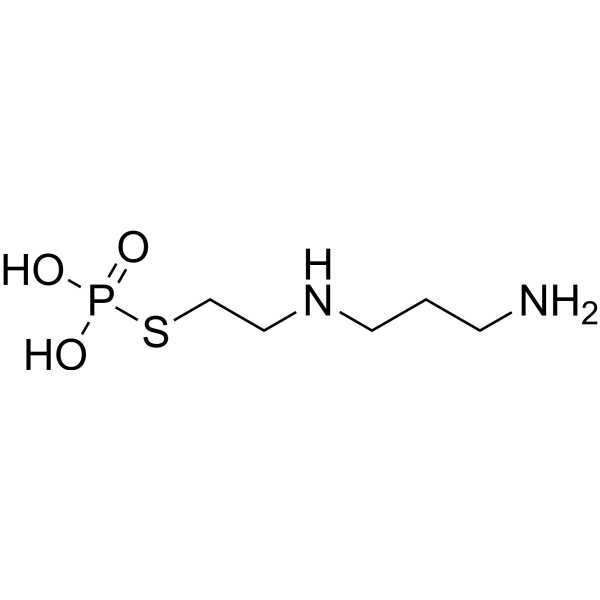
    Amifostine
    10+ Cited Publications

    WR2721

    MDM-2/p53 HIF/HIF Prolyl-Hydroxylase Cancer
    Amifostine (WR2721) is a broad-spectrum cytoprotective agent and a radioprotector. Amifostine selectively protects normal tissues from damage caused by radiation and chemotherapy. Amifostine is potent hypoxia-inducible factor-α1 (HIF-α1) and p53 inducer. Amifostine protects cells from damage by scavenging oxygen-derived free radicals. Amifostine reduces renal toxicity and has antiangiogenic action [1] .
    Amifostine
  • HY-B1829A
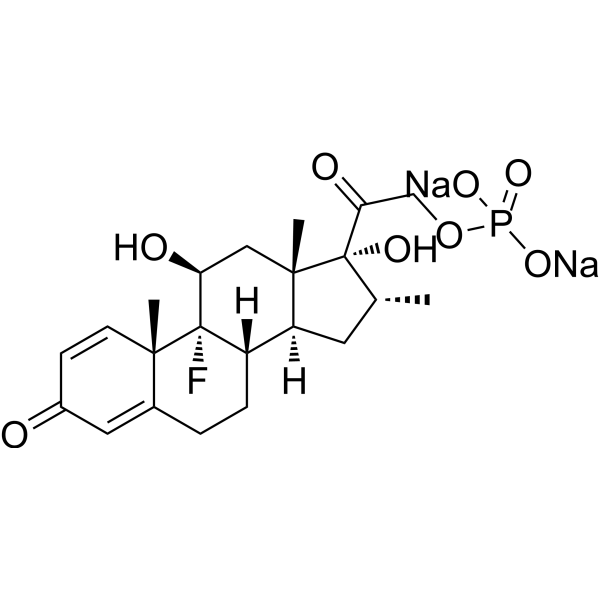
    Dexamethasone phosphate disodium
    10+ Cited Publications

    Dexamethasone 21-phosphate disodium

    Glucocorticoid Receptor TGF-β Receptor Interleukin Related Neurological Disease Inflammation/Immunology
    Dexamethasone phosphate (Dexamethasone 21-phosphate) disodium is a prodrug form of the glucocorticoid Dexamethasone (HY-14648). Dexamethasone phosphate disodium is produced by introducing a phosphate ester group at the 21-position of the Dexamethasone molecule, forming a salt with sodium ions, thereby significantly improving water solubility. Dexamethasone phosphate disodium inhibits LPS (HY-D1056)-induced degradation of IRAK-1 and IRAK-4, and blocks LPS-induced activation of TRAF6, p-TAK1 and p-JNK. Dexamethasone phosphate disodium inhibits the secretion of RANTES, TGF1 and NO, promotes the production of MIP-1α and IL-10, and blocks microglial migration. Dexamethasone phosphate disodium is almost completely converted to Dexamethasone in rat blood, and supports transdermal delivery via iontophoresis. Dexamethasone phosphate disodium can be used in research related to steroid-dependent ulcerative colitis, chemotherapy-induced vomiting, allergic asthma and acute colitis (inflammatory bowel disease) [1] .
    Dexamethasone phosphate disodium
  • HY-N0484
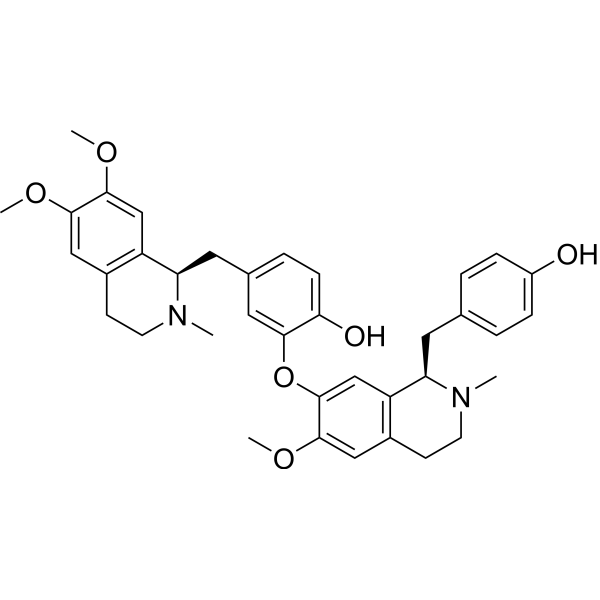
    Liensinine
    Maximum Cited Publications
    20 Publications Verification

    Reactive Oxygen Species (ROS) Autophagy Apoptosis VEGFR JAK Amyloid-β p38 MAPK HIF/HIF Prolyl-Hydroxylase STAT PI3K JNK Akt Cardiovascular Disease Neurological Disease Inflammation/Immunology Cancer
    Liensinine is a bisbenzylisoquinoline alkaloid. By inhibiting the PI3K/AKT and JNK/p38-MAPK signaling pathways, Liensinine suppresses autophagy and apoptosis, clears , and exerts anti-inflammatory, antioxidant and neuroprotective effects. Liensinine activates AMPK and inhibits the expression of HIF-1α and VEGF, thereby suppressing angiogenesis. Liensinine exerts anti-tumor effects through ROS-mediated inhibition of the JAK2/STAT3 signaling pathway. Liensinine can be used for the research of diseases such as Alzheimer's disease, hepatocellular carcinoma, osteosarcoma, sepsis-induced organ injury and stroke [1] .
    Liensinine
  • HY-111431
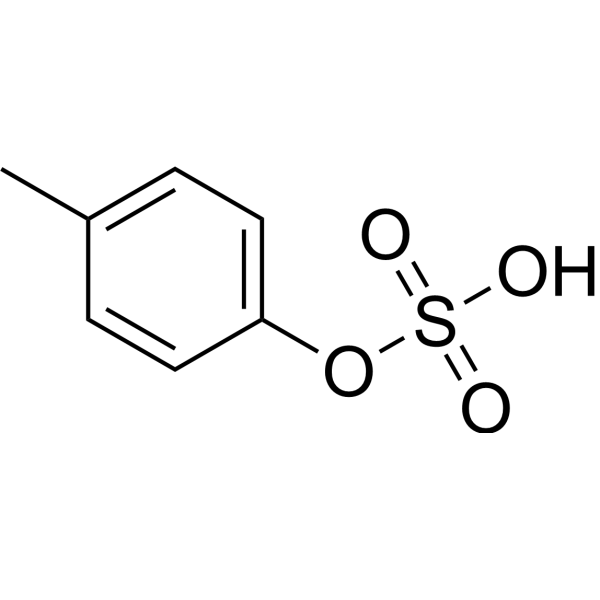
    p-Cresyl sulfate
    5+ Cited Publications

    p-Tolyl sulfate

    JNK p38 MAPK Reactive Oxygen Species (ROS) Metabolic Disease
    p-Cresyl sulfate (p-Tolyl sulfate) is a uremic toxin, that can cause renal damage and dysfunction. p-Cresyl sulfate shows antiproliferation activity. p-Cresyl sulfate increases the protein expression of HIF-1α and VHL, decreases the protein expression of HIF-2α. p-Cresyl sulfate induces epithelial-mesenchymal transition (EMT). p-Cresyl sulfate activates the JNK and p38 MAPK signaling pathways [1] .
    p-Cresyl sulfate
  • HY-Y0313

    Endogenous Metabolite GABA Receptor Neurological Disease
    p-Hydroxybenzaldehyde is a one of the major components in vanilla aroma, with antagonistic effect on GABAA receptor of the α1β2γ2S subtype at high concentrations.
    p-Hydroxybenzaldehyde
  • HY-B0532
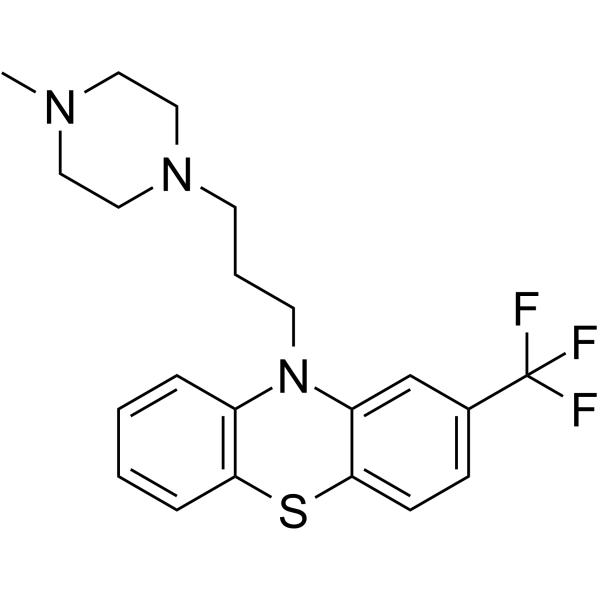
    Trifluoperazine
    5+ Cited Publications

    Dopamine Receptor Adrenergic Receptor P-glycoprotein CaMK Influenza Virus Autophagy Neurological Disease
    Trifluoperazine, an antipsychotic agent, acts by blocking central dopamine receptors. Trifluoperazine is a potent α1-adrenergic receptor antagonist. Trifluoperazine is a potent NUPR1 inhibitor exerting anticancer activity. Trifluoperazine is a calmodulin inhibitor, and also inhibits P-glycoprotein. Trifluoperazine can be used for the research of schizophrenia. Trifluoperazine acts as a reversible inhibitor of influenza virus morphogenesis [1] .
    Trifluoperazine
  • HY-50722
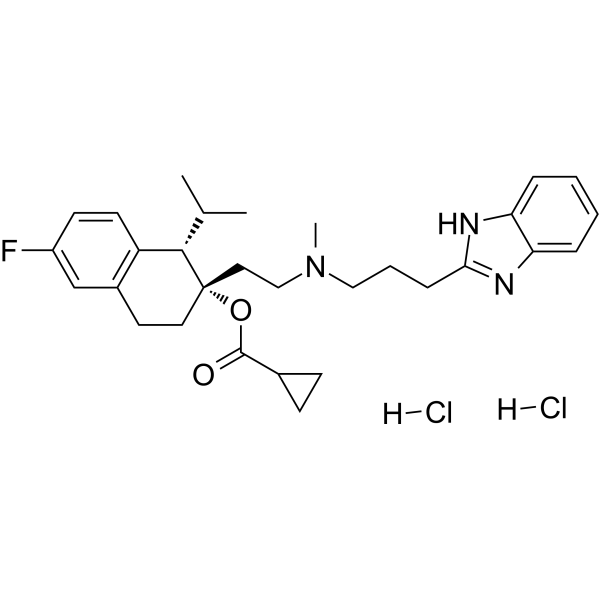
    NNC 55-0396
    5 Publications Verification

    NNC 55-0396 dihydrochloride

    Calcium Channel Cytochrome P450 Cardiovascular Disease Neurological Disease Cancer
    NNC 55-0396 (NNC 55-0396 dihydrochloride) is a blood-brain-barrier-permeable T-type Ca 2+ channel inhibitor and pan-P450 inhibitor. NNC 55-0396 selectively inhibits T-type Ca 2+ channels, suppresses HIF-1α expression and stability and inhibits Kv currents. NNC 55-0396 reduces brain infarct and attenuates neurological dysfunction. NNC 55-0396 inhibits the activity of multiple P450 enzymes. NNC 55-0396 (free base) can be used for the research of brain injury, hypertension, and glioblastoma [1] .
    NNC 55-0396
  • HY-B0413
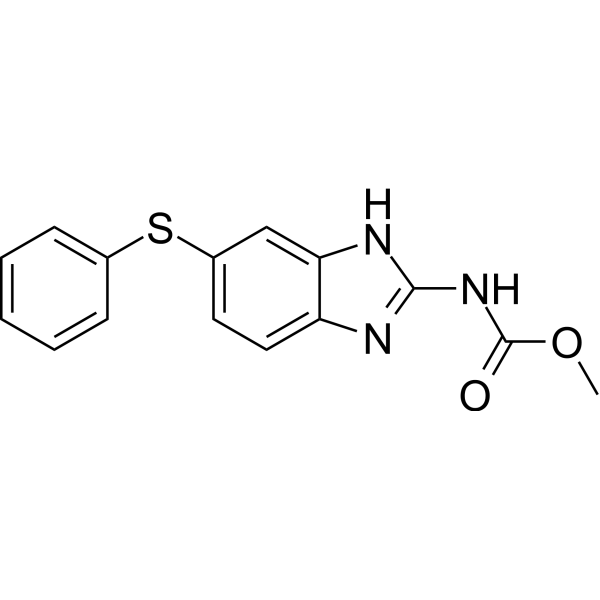
    Fenbendazole
    5+ Cited Publications

    Parasite HIF/HIF Prolyl-Hydroxylase Microtubule/Tubulin Antibiotic Infection Cancer
    Fenbendazole is an orally active benzimidazole anthelmintic agent, with a broad antiparasitic range. Fenbendazole is a microtubule destabilizing agent and acts on helminthes primarily by binding to tubulin and disrupting the tubulin microtubule equilibrium. Fenbendazole stabilizes the transcriptional activator HIF-1α. Fenbendazole possesses an efficient anti-proliferative activity and induces apoptosis. Fenbendazole causes cell-cycle arrest and mitotic cell death, and has antitumor activity in mice xenografted with wild-type p53 [1].
    Fenbendazole
  • HY-B0532A
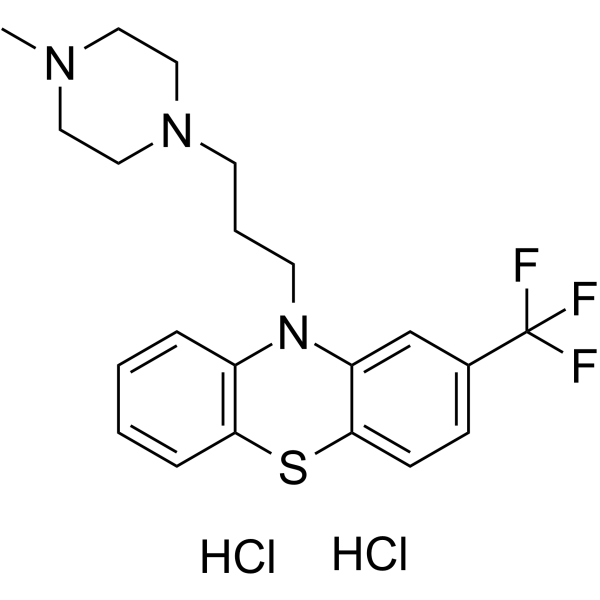
    Trifluoperazine dihydrochloride
    5+ Cited Publications

    Dopamine Receptor Adrenergic Receptor CaMK P-glycoprotein Influenza Virus Autophagy Neurological Disease Cancer
    Trifluoperazine dihydrochloride, an antipsychotic agent, acts by blocking central dopamine receptors. Trifluoperazine dihydrochloride is a potent α1-adrenergic receptor antagonist. Trifluoperazine dihydrochloride is a potent NUPR1 inhibitor exerting anticancer activity. Trifluoperazine dihydrochloride is a calmodulin inhibitor, and also inhibits P-glycoprotein. Trifluoperazine dihydrochloride can be used for the research of schizophrenia. Trifluoperazine dihydrochloride acts as a reversible inhibitor of influenza virus morphogenesis [1] .
    Trifluoperazine dihydrochloride
  • HY-170316

    Ras Cancer
    Ibetazol is a Importin β1 (KPNB1) inhibitor and nucleocytoplasmic transport disruptor. Ibetazol binds covalently to Cys585 of Importin β1, blocks both Importin β1-mediated direct transport and Importin α-dependent nuclear import processes, without affecting transport mediated by other nucleocytoplasmic transport proteins. Ibetazol induces cytoplasmic accumulation of Importin α1, and inhibits nuclear import of substrates carrying nuclear localization signals (NLS), including the NLS-cMyc reporter gene, RelA/p65 and SREBP1. Ibetazol triggers spindle malformation and chromosome misalignment by disrupting the mitotic function of Importin β1. Ibetazol inhibits the proliferation of cells expressing wild-type Importin β1. Ibetazol has a high activity-cytotoxicity window, lacks intrinsic fluorescence, and acts rapidly on nucleocytoplasmic transport processes. Ibetazol serves as a tool compound for investigating nuclear import processes specifically mediated by Importin β1 [1].
    Ibetazol
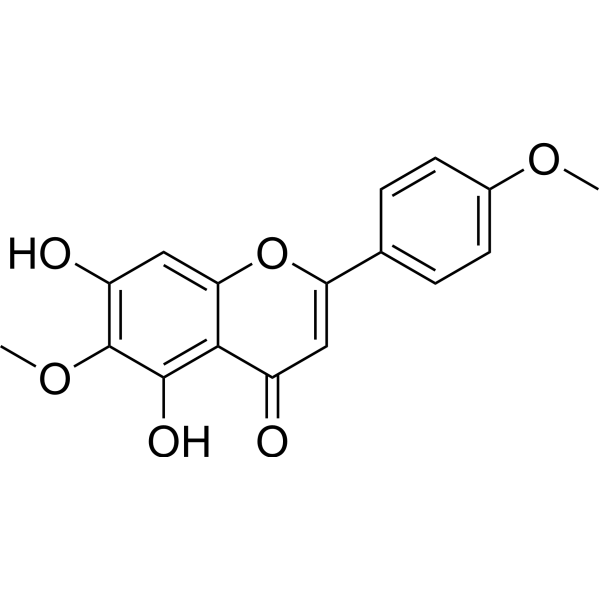
  • HY-N0493
    Pectolinarigenin
    2 Publications Verification

    COX Lipoxygenase NF-κB p38 MAPK ERK HIF/HIF Prolyl-Hydroxylase Keap1-Nrf2 PI3K Apoptosis Autophagy Neurological Disease Inflammation/Immunology Cancer
    Pectolinarigenin is an orally active dual inhibitor of COX-2/5-LOX with anti-inflammatory, antioxidant, antitumor and neuroprotective activities. Pectolinarigenin exerts neuroprotective and anti-inflammatory effects on astrocyte inflammation via the NFκB and MAPK pathways. Pectolinarigenin inhibits LPS-induced phosphorylation of ERK1/2, N-FκB and p38MAPK, directly inhibits the enzymatic activity or binding of COX-2, 5-LOX and HIF-1α, and reduces the level of XIAP. Pectolinarigenin modifies Keap1 to promote nuclear accumulation of Nrf2, induces ARE-mediated antioxidant enzyme expression, and possesses direct free radical scavenging activity. Pectolinarigenin reduces the release of NO, proinflammatory mediators and leukotrienes, and increases the level of IL-10. Pectolinarigenin induces G2/M cell cycle arrest, apoptosis (Apoptosis) and autophagy (Autophagy) via the PI3K/AKT/mTOR signaling pathway. Pectolinarigenin reduces renal crystal deposition and inhibits melanin synthesis. Pectolinarigenin inhibits inflammation and alleviates allergy in mouse models of inflammation. Pectolinarigenin alleviates renal injury, inflammation and oxidative stress in mice by inhibiting HIF-1α activity. Pectolinarigenin can be used for the research of neurodegenerative diseases, inflammatory/allergic diseases, calcium oxalate nephrocalcinosis, gastric cancer, melasma, post-inflammatory diseases and chloasma [1] .
    Pectolinarigenin
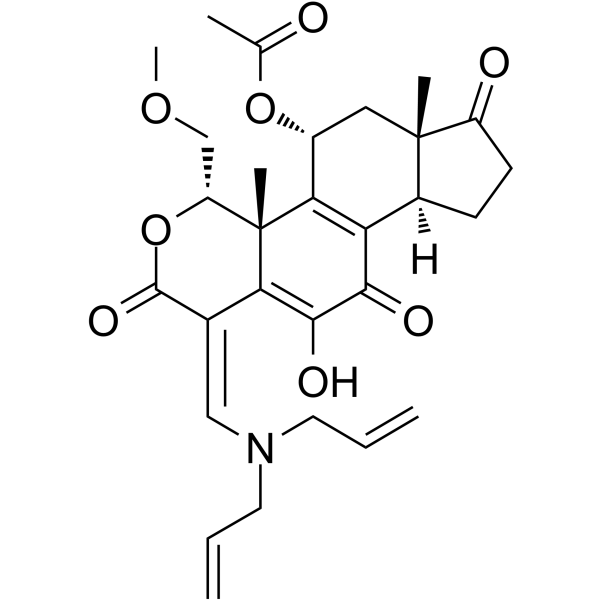
  • HY-N6775
    Sonolisib
    1 Publications Verification

    PX-866

    PI3K Cancer
    Sonolisib (PX-866), an improved Wortmannin analogue, is an oral, irreversible, and pan-isoform inhibitor of PI3K (IC50=0.1 nM (p110α), 1.0 nM (p120γ), 2.9 nM (p110δ)). Antitumor activity [1] .
    Sonolisib
  • HY-129138

    Interleukin Related NO Synthase STAT IKK PERK p38 MAPK Akt Neurological Disease Inflammation/Immunology
    Cyanidin 3,5-diglucoside chloride is an anthocyanin. Cyanidin 3,5-diglucoside chloride inhibits inflammatory cytokines (IL-1α, IL-1β, and IL-6) expression and NO production. Cyanidin 3,5-diglucoside chloride inhibits the phosphorylation of STAT3, IκB, ERK, p38, and AKT. Cyanidin 3,5-diglucoside chloride inhibits high pressure-induced decrease in GLAST. Cyanidin 3,5-diglucoside chloride exerts anti-inflammatory and skin barrier modulating effects. Cyanidin 3,5-diglucoside chloride can be used in retinal research [1] .
    Cyanidin 3,5-diglucoside chloride
  • HY-11087

    SD-06

    p38 MAPK Autophagy Inflammation/Immunology
    SD 0006 (SD-06) is an orally active, selective, ATP-competitive and potent diaryl pyrazole inhibitor of p38α MAP kinase, with an IC50 of 110 nM for p38α .
    SD 0006
  • HY-B0413S
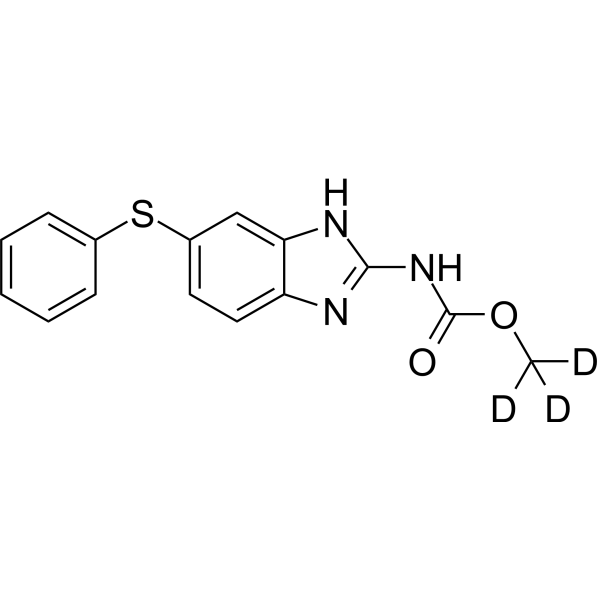
    Fenbendazole-d3
    5 Publications Verification

    HIF/HIF Prolyl-Hydroxylase Parasite Microtubule/Tubulin Antibiotic Infection
    Fenbendazole-d3 is a deuterium labeled Fenbendazole. Fenbendazole-d3 is a HIF-1α agonist and activates the HIF-1α-related GLUT1 pathway. Fenbendazole is an orally active benzimidazole anthelmintic agent, with a broad antiparasitic range. Fenbendazole is a microtubule destabilizing agent. Fenbendazole causes cell-cycle arrest and mitotic cell death, and has antitumor activity in mice xenografted with wild-type p53 [1] .
    Fenbendazole-d3
  • HY-B0639A
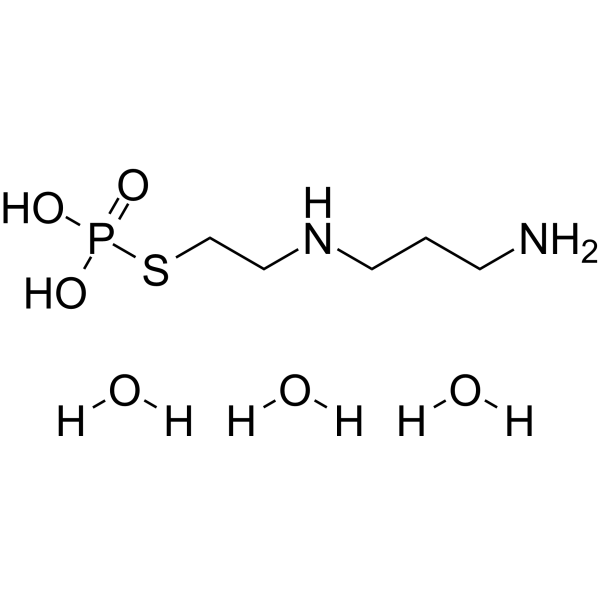
    Amifostine trihydrate
    10+ Cited Publications

    WR2721 trihydrate

    MDM-2/p53 HIF/HIF Prolyl-Hydroxylase Cancer
    Amifostine trihydrate (WR2721 trihydrate) is a broad-spectrum cytoprotective agent and a radioprotector. Amifostine trihydrate selectively protects normal tissues from damage caused by radiation and chemotherapy. Amifostine trihydrate is potent hypoxia-inducible factor-α1 (HIF-α1) and p53 inducer. Amifostine trihydrate protects cells from damage by scavenging oxygen-derived free radicals. Amifostine trihydrate reduces renal toxicity and has antiangiogenic action [1] .
    Amifostine trihydrate
  • HY-N3307
    (+)-Medioresinol
    1 Publications Verification

    Bacterial Fungal Reactive Oxygen Species (ROS) Apoptosis MMP Interleukin Related PI3K Akt mTOR PPAR PGC-1α Pyroptosis Infection Neurological Disease Inflammation/Immunology
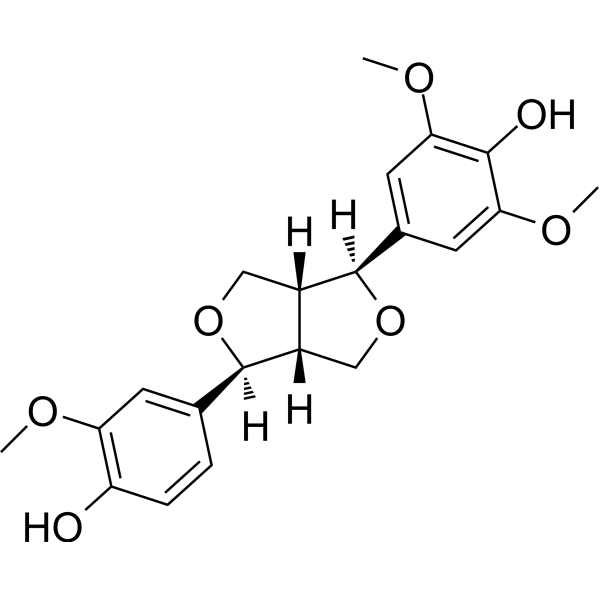
    (+)-Medioresinol is a furofuran-type lignan with antifungal and antibacterial properties. (+)-Medioresinol synergizes with antibiotics to exert antimicrobial and antibiofilm effects. (+)-Medioresinol induces intracellular ROS accumulation and mitochondrial-mediated apoptosis in Candida albicans. (+)-Medioresinol inhibits LPS (HY-D1056)-stimulated IL-12p40 production. (+)-Medioresinol is a PGC-1α activator that protects against endothelial cell pyroptosis in ischemic stroke via the PPARα-GOT1 axis. (+)-Medioresinol can be used in research on fungal and bacterial infection, inflammation, and ischemic stroke [1] .
    (+)-Medioresinol
  • HY-12286

    Proteasome Apoptosis Autophagy Caspase Bcl-2 Family NF-κB PARP Cancer
    PI-1840 is a potent and selective chymotrypsin-like (CT-L) inhibitor for with an IC50 value of 27 nM. PI-1840 inhibits cell proliferation and arrest cell cycle at G2/M phase. PI-1840 induces apoptosis and induces autophagy. PI-1840 induces the accumulation of proteasome substrates p27, Bax, and IκB-α .
    PI-1840
  • HY-P4191A

    CCR Inflammation/Immunology
    Met-RANTES (human) acetate is the acetate form of Met-RANTES (human) (HY-P4191). Met-RANTES (human) acetate is the antagonist for CCR1 and CCR5. Met-RANTES (human) acetate inhibits chemokines human MIP-1α and MIP-1β with IC50 of 5 and 2 nM. Met-RANTES (human) acetate reduces bone destruction and ameliorates rats adjuvant-induced arthritis (AIA) [1].
    Met-RANTES (human) acetate
  • HY-120823

    MAP3K p38 MAPK Inflammation/Immunology
    PF-05381941 is a potent dual inhibitor of TAK1/p38α, with IC50s of 156 and186 nM, respectively [1].
    PF-05381941
  • HY-E70047

    A4GALT

    Glycosyltransferase Metabolic Disease
    alpha-1,4-Galactosyltransferase (LgtC) (A4GALT) is a glycosphingolipid-specific glycosyltransferase. alpha-1,4-Galactosyltransferase (LgtC) transfers a galactose to the alpha-1,4 position of lactosylceramide to form globotriaosylceramide. alpha-1,4-Galactosyltransferase (LgtC) can be used for the synthesis of P1 blood group antigens [1] .
    alpha-1,4-Galactosyltransferase (LgtC)
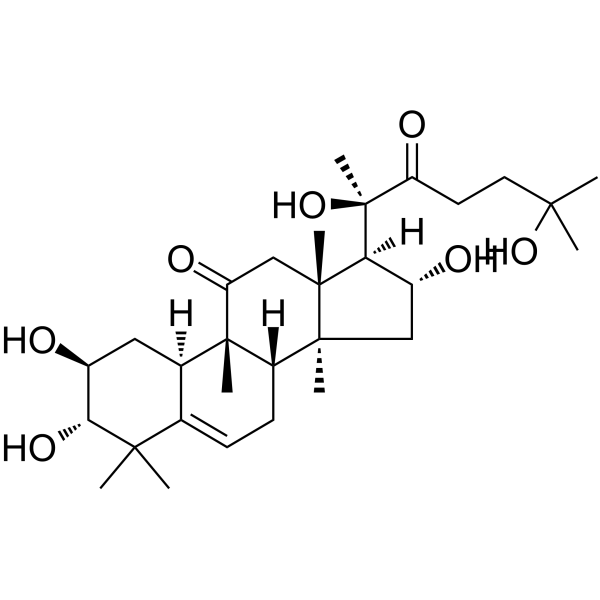
  • HY-N1987
    Cucurbitacin IIb
    2 Publications Verification

    Apoptosis Inflammation/Immunology
    Cucurbitacin IIb is an active component isolated from Hemsleya amabilis, induces apoptosis with anti-inflammatory activity. Cucurbitacin IIb inhibits phosphorylation of STAT3, JNK and Erk1/2, enhances the phosphorylation of IκB and NF-κB (p65), blocks nuclear translocation of NF-κB (p65) and decreases mRNA levels of IκBα and TNF-α .
    Cucurbitacin IIb
  • HY-B0413R

    Reference Standards Parasite HIF/HIF Prolyl-Hydroxylase Microtubule/Tubulin Antibiotic Infection
    Fenbendazole (Standard) is the analytical standard of Fenbendazole. This product is intended for research and analytical applications. Fenbendazole is an orally active benzimidazole anthelmintic agent, with a broad antiparasitic range. Fenbendazole is a microtubule destabilizing agent and acts on helminthes primarily by binding to tubulin and disrupting the tubulin microtubule equilibrium. Fenbendazole stabilizes the transcriptional activator HIF-1α. Fenbendazole possesses an efficient anti-proliferative activity and induces apoptosis. Fenbendazole causes cell-cycle arrest and mitotic cell death, and has antitumor activity in mice xenografted with wild-type p53 [1].
    Fenbendazole (Standard)
  • HY-B1829AR

    Dexamethasone 21-phosphate disodium (Standard)

    Glucocorticoid Receptor Reference Standards Interleukin Related TGF-β Receptor Neurological Disease Metabolic Disease Inflammation/Immunology
    Dexamethasone phosphate (Dexamethasone 21-phosphate) disodium (Standard) is the analytical standard of Dexamethasone phosphate disodium (HY-B1829A). This product is intended for research and analytical applications. Dexamethasone phosphate (Dexamethasone 21-phosphate) disodium is a prodrug form of the glucocorticoid Dexamethasone (HY-14648). Dexamethasone phosphate disodium is produced by introducing a phosphate ester group at the 21-position of the Dexamethasone molecule, forming a salt with sodium ions, thereby significantly improving water solubility. Dexamethasone phosphate disodium inhibits LPS (HY-D1056)-induced degradation of IRAK-1 and IRAK-4, and blocks LPS-induced activation of TRAF6, p-TAK1 and p-JNK. Dexamethasone phosphate disodium inhibits the secretion of RANTES, TGF1 and NO, promotes the production of MIP-1α and IL-10, and blocks microglial migration. Dexamethasone phosphate disodium is almost completely converted to Dexamethasone in rat blood, and supports transdermal delivery via iontophoresis. Dexamethasone phosphate disodium can be used in research related to steroid-dependent ulcerative colitis, chemotherapy-induced vomiting, allergic asthma and acute colitis (inflammatory bowel disease).
    Dexamethasone phosphate disodium (Standard)
  • HY-N11709

    Apoptosis VEGFR ATM/ATR PTEN Akt mTOR HIF/HIF Prolyl-Hydroxylase NF-κB Notch Cholinesterase (ChE) Amyloid-β γ-secretase Ferroptosis Fungal Infection Neurological Disease Metabolic Disease Cancer
    Theasaponin E1 is an orally effective tea saponin. Theasaponin E1 inhibits the proliferation of cancer cells by activating apoptosis. Theasaponin E1 inhibits angiogenesis in ovarian cancer cells and HUVECs by reducing the expression of VEGF. Theasaponin E1 upregulates the phosphorylation level of ATM protein and the expression level of PTEN protein in cancer cells, decreases the phosphorylation levels of Akt, mTOR, p70S6K and 4E-BP1 proteins, downregulates the expression of HIF-1α and NF-κB, and reduces the protein expression of Notch ligands Dll4 and Jagged1. Theasaponin E1 exerts neuroprotective effects by inhibiting the activity of acetylcholinesterase, activating α-secretase and neprilysin, reducing the concentration of , and inhibiting the activities of β-secretase and γ-secretase. Theasaponin E1 exhibits toxic effects on cancer cells and quinone reductase-inducing activity, and inhibits tumor growth in vivo. Theasaponin E1 induces ferroptosis in Pomacea canaliculata by synergistically disrupting cholesterol homeostasis and sphingolipid metabolism. Theasaponin E1 possesses anti-biofilm activity against Candida albicans. Theasaponin E1 can be used in the research of ovarian cancer, obesity, Alzheimer's disease and fungal infections [1] .
    Theasaponin E1
  • HY-Y0313R

    Reference Standards Endogenous Metabolite GABA Receptor Neurological Disease
    p-Hydroxybenzaldehyde (Standard) is the analytical standard of p-Hydroxybenzaldehyde. This product is intended for research and analytical applications. p-Hydroxybenzaldehyde is a one of the major components in vanilla aroma, with antagonistic effect on GABAA receptor of the α1β2γ2S subtype at high concentrations.
    p-Hydroxybenzaldehyde (Standard)
  • HY-P991664

    Src Akt ERK TAM Receptor c-Met/HGFR MMP HIF/HIF Prolyl-Hydroxylase VEGFR Cancer
    AG01 is a monoclonal antibody against progranulin (GP88). AG01 inhibits triple-negative breast cancer (TNBC) cell proliferation and migration, reduces the expression of phosphorylated protein kinases p-Src, p-AKT, and p-ERK, and reduces the expression of oncogenic proteins such as Axl, c-MET, HIF-1α, and VEGF. AG01 inhibits tumor growth and Ki67 expression in a TNBC xenograft mouse model. AG01 can be used in the research of TNBC and other cancers [1].
    AG01
  • HY-B1829
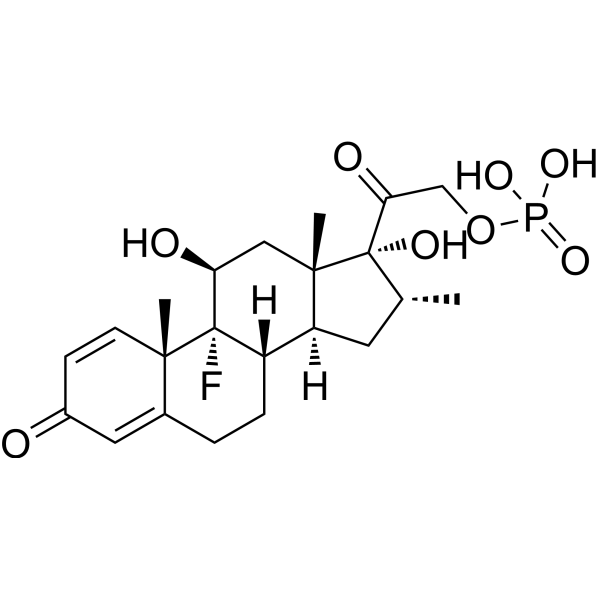
    Dexamethasone phosphate
    10+ Cited Publications

    Dexamethasone 21-phosphate

    Glucocorticoid Receptor TGF-β Receptor Interleukin Related Neurological Disease Inflammation/Immunology
    Dexamethasone phosphate (Dexamethasone 21-phosphate) is a prodrug form of the glucocorticoid Dexamethasone (HY-14648). Dexamethasone phosphate is prepared by introducing a phosphate ester group to the hydroxyl group at position 21 of the Dexamethasone molecule. Dexamethasone phosphate inhibits LPS (HY-D1056)-induced degradation of IRAK-1 and IRAK-4, and blocks LPS-induced activation of TRAF6, p-TAK1 and p-JNK. Dexamethasone phosphate inhibits the secretion of RANTES, TGF-β1 and NO, promotes the production of MIP-1α and IL-10, and blocks microglial migration. Dexamethasone phosphate is almost completely converted to Dexamethasone in rat blood, and supports transdermal delivery via iontophoresis. Dexamethasone phosphate can be used in research related to steroid-dependent ulcerative colitis, chemotherapy-induced vomiting, allergic asthma and acute colitis (inflammatory bowel disease) [1] .
    Dexamethasone phosphate
  • HY-N11262

    Phosphodiesterase (PDE) Sirtuin PGC-1α p38 MAPK HSP TNF Receptor NO Synthase Apoptosis Metabolic Disease Inflammation/Immunology
    Sudachitin is an orally active compound that potently inhibits mouse PDE1C and human PDE4B, with IC50 values of 5.0 μM and 15.0 μM, respectively. Sudachitin upregulates Sirt1 and PGC‑1α expression in skeletal muscle to regulate energy metabolism and promote mitochondrial biogenesis. Sudachitin improves lipid metabolism, glucose tolerance, insulin sensitivity, energy expenditure, and fatty acid β‑oxidation. Sudachitin activates p38MAPK signaling, induces HSP27 phosphorylation and caspase‑dependent apoptosis, and blocks EGF‑driven keratinocyte migration and proliferation. Sudachitin suppresses LPS‑induced TNF‑α, NO, and iNOS expression in macrophages and shows potent anti‑inflammatory activity. Sudachitin can be used for the research of metabolic syndrome, type 2 diabetes, and psoriasis. [1] .
    Sudachitin
  • HY-W741575

    P95-12113

    5-HT Receptor Adrenergic Receptor Dopamine Receptor Neurological Disease
    Iloperidone carboxylic acid (P95-12113) is the metabolite of Iloperidone (HY-17410). Iloperidone carboxylic acid exhibits good affinity for 5-HT2A receptor with pKi of 8.15, and moderate affinity for adrenergic receptor α1/α2B/α2C [1].
    Iloperidone carboxylic acid
  • HY-Y0313S

    Isotope-Labeled Compounds Endogenous Metabolite GABA Receptor Neurological Disease
    p-Hydroxybenzaldehyde-d4 is the deuterium labeled p-Hydroxybenzaldehyde. p-Hydroxybenzaldehyde is a one of the major components in Dendrocalamus asper bamboo shoots, with antagonistic effect on GABAA receptor of the α1β2γ2S subtype at high concentrations.
    p-Hydroxybenzaldehyde-d4
  • HY-111431AR

    p-Tolyl sulfate potassium (Standard)

    JNK p38 MAPK Reactive Oxygen Species (ROS) Reference Standards Metabolic Disease
    p-Cresyl sulfate (potassium) (Standard) is the analytical standard of p-Cresyl sulfate (potassium). This product is intended for research and analytical applications. p-Cresyl sulfate (p-Tolyl sulfate) potassium is a uremic toxin, that can cause renal damage and dysfunction. p-Cresyl sulfate potassium shows antiproliferation activity. p-Cresyl sulfate potassium increases the protein expression of HIF-1α and VHL, decreases the protein expression of HIF-2α. p-Cresyl sulfate potassium induces epithelial-mesenchymal transition (EMT). p-Cresyl sulfate potassium activates the JNK and p38 MAPK signaling pathways [1] .
    p-Cresyl sulfate potassium (Standard)
  • HY-N5014
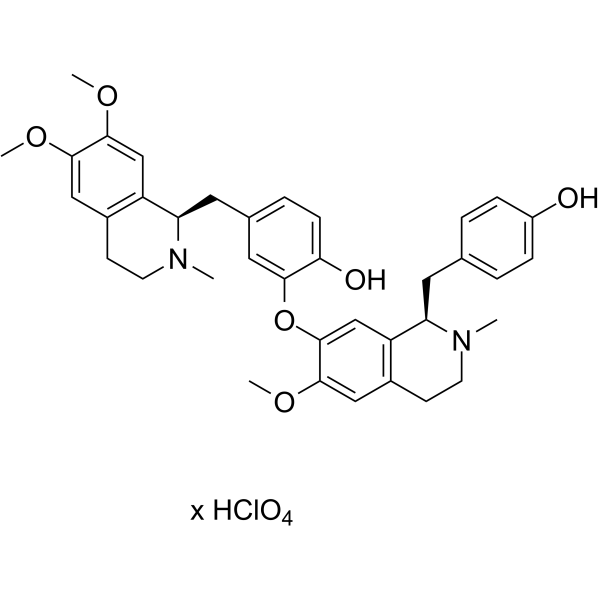
    Liensinine perchlorate
    Maximum Cited Publications
    20 Publications Verification

    Reactive Oxygen Species (ROS) Autophagy Apoptosis VEGFR JAK Amyloid-β p38 MAPK HIF/HIF Prolyl-Hydroxylase STAT PI3K JNK Akt Cardiovascular Disease Neurological Disease Inflammation/Immunology Cancer
    Liensinine perchlorate is a bisbenzylisoquinoline alkaloid. By inhibiting the PI3K/AKT and JNK/p38-MAPK signaling pathways, Liensinine perchlorate suppresses autophagy and apoptosis, clears , and exerts anti-inflammatory, antioxidant and neuroprotective effects. Liensinine perchlorate activates AMPK and inhibits the expression of HIF-1α and VEGF, thereby suppressing angiogenesis. Liensinine perchlorate exerts anti-tumor effects through ROS-mediated inhibition of the JAK2/STAT3 signaling pathway. Liensinine perchlorate can be used for the research of diseases such as Alzheimer's disease, hepatocellular carcinoma, osteosarcoma, sepsis-induced organ injury and stroke [1] .
    Liensinine perchlorate
  • HY-179424

    PROTACs HIF/HIF Prolyl-Hydroxylase p38 MAPK Akt PI3K MEK Apoptosis Cancer
    PROTAC HIF-1α degrader-2 is a highly efficient and selective PROTAC degrader targeting HIF-1α. PROTAC HIF-1α degrader-2 promotes HIF-1α degradation via the ubiquitin-proteasome pathway by facilitating the formation of a HIF-1α/VHL ternary complex. PROTAC HIF-1α degrader-2 inhibits HeLa cell proliferation, migration, and colony formation, and induces apoptosis. PROTAC HIF-1α degrader-2 reduces p-MEK and p-AKT expression in the MAPK and PI3K/AKT pathways. PROTAC HIF-1α degrader-2 can be used for the study of cervical cancer [1].
    PROTAC HIF-1α degrader-2
  • HY-Y0313S1

    Isotope-Labeled Compounds Endogenous Metabolite GABA Receptor Neurological Disease
    p-Hydroxybenzaldehyde- 13C is the 13C-labeled p-Hydroxybenzaldehyde. p-Hydroxybenzaldehyde is a one of the major components in Dendrocalamus asper bamboo shoots, with antagonistic effect on GABAA receptor of the α1β2γ2S subtype at high concentrations.
    p-Hydroxybenzaldehyde-13C
  • HY-W747264

    Isotope-Labeled Compounds GABA Receptor Endogenous Metabolite Neurological Disease
    P-Hydroxybenzaldehyde- 13C6 is the 13C-labeled p-Hydroxybenzaldehyde (HY-Y0313). p-Hydroxybenzaldehyde is a one of the major components in vanilla aroma, with antagonistic effect on GABAA receptor of the α1β2γ2S subtype at high concentrations.
    P-Hydroxybenzaldehyde-13C6
  • HY-123311

    Adrenergic Receptor Endocrinology
    CP59430 is an azide analog of the α-adrenaline receptor antagonist Prazosin (HY-B0193). P59430 behaves as a competitive antagonist of α1-adrenaline receptor before photolysis. After photolysis, it specifically and irreversibly labels α1-adrenaline receptor and exhibits non-competitive antagonist activity. CP59430 can be used for the study of receptor molecular characterization [1].
    CP59430
  • HY-B0532B

    Dopamine Receptor Adrenergic Receptor P-glycoprotein CaMK Influenza Virus Autophagy Infection Neurological Disease Cancer
    Trifluoperazine dimaleate, an antipsychotic agent, acts by blocking central dopamine receptors. Trifluoperazine dimaleate is a potent α1-adrenergic receptor antagonist. Trifluoperazine dimaleate is a potent NUPR1 inhibitor exerting anticancer activity. Trifluoperazine dimaleate is a calmodulin inhibitor, and also inhibits P-glycoprotein. Trifluoperazine dimaleate can be used for the research of schizophrenia. Trifluoperazine dimaleate acts as a reversible inhibitor of influenza virus morphogenesis [1] .
    Trifluoperazine dimaleate
  • HY-B0532AS

    Isotope-Labeled Compounds Dopamine Receptor Adrenergic Receptor CaMK P-glycoprotein Influenza Virus Autophagy Neurological Disease Cancer
    Trifluoperazine-d3 (dihydrochloride) is deuterium labeled Trifluoperazine (dihydrochloride). Trifluoperazine dihydrochloride, an antipsychotic agent, acts by blocking central dopamine receptors. Trifluoperazine dihydrochloride is a potent α1-adrenergic receptor antagonist. Trifluoperazine dihydrochloride is a potent NUPR1 inhibitor exerting anticancer activity. Trifluoperazine dihydrochloride is a calmodulin inhibitor, and also inhibits P-glycoprotein. Trifluoperazine dihydrochloride can be used for the research of schizophrenia. Trifluoperazine dihydrochloride acts as a reversible inhibitor of influenza virus morphogenesis [1] .
    Trifluoperazine-d3 dihydrochloride
  • HY-B0532AR

    Reference Standards Dopamine Receptor Adrenergic Receptor CaMK P-glycoprotein Influenza Virus Autophagy Neurological Disease Cancer
    Trifluoperazine (dihydrochloride) (Standard) is the analytical standard of Trifluoperazine (dihydrochloride). This product is intended for research and analytical applications. Trifluoperazine dihydrochloride, an antipsychotic agent, acts by blocking central dopamine receptors. Trifluoperazine dihydrochloride is a potent α1-adrenergic receptor antagonist. Trifluoperazine dihydrochloride is a potent NUPR1 inhibitor exerting anticancer activity. Trifluoperazine dihydrochloride is a calmodulin inhibitor, and also inhibits P-glycoprotein. Trifluoperazine dihydrochloride can be used for the research of schizophrenia. Trifluoperazine dihydrochloride acts as a reversible inhibitor of influenza virus morphogenesis [1] .
    Trifluoperazine dihydrochloride (Standard)
  • HY-W030796R

    Taste Receptor Reference Standards Metabolic Disease
    Trifluoperazine (dihydrochloride) (Standard) is the analytical standard of Trifluoperazine (dihydrochloride). This product is intended for research and analytical applications. Trifluoperazine dihydrochloride, an antipsychotic agent, acts by blocking central dopamine receptors. Trifluoperazine dihydrochloride is a potent α1-adrenergic receptor antagonist. Trifluoperazine dihydrochloride is a potent NUPR1 inhibitor exerting anticancer activity. Trifluoperazine dihydrochloride is a calmodulin inhibitor, and also inhibits P-glycoprotein. Trifluoperazine dihydrochloride can be used for the research of schizophrenia. Trifluoperazine dihydrochloride acts as a reversible inhibitor of influenza virus morphogenesis [1] .
    Lactisole free acid (Standard)
  • HY-D1510

    Biochemical Assay Reagents Others
    4-Nitrophenyl 2-O-(β-L-Fucopyranosyl)-β-D-Galactopyranoside is a synthetic chromogenic substrate and can be used in the assay of α-fucosidases which hydrolyze the glycosidic linkage Fuc α1-2Gal. The assay is based on the sequential action of α-fucosidase and an exogenously added exo-β-d-galactosidase to release the easily measurable p-nitrophenol moiety [1].
    4-Nitrophenyl 2-O-(β-L-Fucopyranosyl)-β-D-Galactopyranoside
  • HY-137388A

    p-Fluorohexahydrosiladifenidol hydrochloride

    mAChR Adrenergic Receptor Cardiovascular Disease Neurological Disease Metabolic Disease Cancer
    p-F-HHSiD (p-Fluorohexahydrosiladifenidol) hydrochloride is a potent and selective M3 mAChR antagonist. p-F-HHSiD hydrochloride has antagonistic effects on other subtypes of the M receptor and the alpha1-adrenoceptor. p-F-HHSiD hydrochloride can be used for the researches of cancer, metabolic, neurological and cardiovascular disease such as, colon cancer, Alzheimer’s disease and diabetes [1] .
    p-F-HHSiD hydrochloride
  • HY-139804

    Epigenetic Reader Domain Histone Acetyltransferase HIF/HIF Prolyl-Hydroxylase Cancer
    CTK7A is a curcumin derivative with anticancer activity by inhibiting the HAT activity of p300 and reducing the autoacetylation of p300, thereby affecting its interaction with HIF-1α. The inhibition of CTK7A leads to decreased HIF-1α accumulation and activity, which can be used for cancer research [1].
    CTK7A
  • HY-Y0313S2

    GABA Receptor Endogenous Metabolite Neurological Disease
    p-Hydroxybenzaldehyde-d5 is the deuterium labeled p-Hydroxybenzaldehyde [1]. p-Hydroxybenzaldehyde is a one of the major components in vanilla aroma, with antagonistic effect on GABAA receptor of the α1β2γ2S subtype at high concentrations .
    p-Hydroxybenzaldehyde-d5
  • HY-146540

    HIF/HIF Prolyl-Hydroxylase Apoptosis MDM-2/p53 Cancer
    GEM-5 is a gemcitabine-based conjugate containing a HIF-1α inhibitor (YC-1) (IC50=30 nM). GEM-5 can significantly down-regulate the expression of HIF-1α and up-regulate the expression of tumor suppressor p53. GEM-5 induces the apoptosis of A2780 cells and inhibits tumor growth [1].
    GEM-5
  • HY-N1987R

    Reference Standards Apoptosis Inflammation/Immunology
    Cucurbitacin IIb (Standard) is the analytical standard of Cucurbitacin IIb. This product is intended for research and analytical applications. Cucurbitacin IIb is an active component isolated from Hemsleya amabilis, induces apoptosis with anti-inflammatory activity. Cucurbitacin IIb inhibits phosphorylation of STAT3, JNK and Erk1/2, enhances the phosphorylation of IκB and NF-κB (p65), blocks nuclear translocation of NF-κB (p65) and decreases mRNA levels of IκBα and TNF-α .
    Cucurbitacin IIb (Standard)
  • HY-P0109

    Cathepsin Others
    (S,S)-Z-FA-FMK is a cell-permeable, irreversible cathepsin B inhibitor. (S,S)-Z-FA-FMK blocks LPS-induced production of IL-1α and IL-1β. (S,S)-Z-FA-FMK can be used as a negative control for caspase-1 and caspase-2 inhibitors because it lacks an aspartic acid residue at the P1 position [1] .
    (S,S)-Z-FA-FMK
  • HY-P5869

    Calcium Channel Sodium Channel Neurological Disease
    Kurtoxin is a selective Cav3 (T-type) voltage-gated Ca 2+ channel gating inhibitor with a Kd of 15 nM for Cav3.1 (α1G T-type) Ca 2+ channel. Kurtoxin can interact with high affinity with native neuronal high-threshold L-type, N-type, and P-type Ca 2+ channels in central and peripheral neurons. Kurtoxin also shows cross-reactivity with voltage-gated Na + channel [1].
    Kurtoxin
  • HY-108418
    PI3Kδ-IN-15
    1 Publications Verification

    PI3K Cancer
    PI3Kδ-IN-15 (compound 6b) is a selective PI3Kδ inhibitor with an IC50 of 0.5 nM for p110δ. PI3Kδ-IN-15 inhibits PI3Kδ with >30-fold higher potency than PI3Kγ, PI3Kβ, and PI3Kα .
    PI3Kδ-IN-15

온라인 문의

Your information is safe with us. * Required Fields.

호칭


Country or Region *

고객명 *


회사명 *

Department *


메일주소 *


상품명 *

Cat. No.


Requested quantity *

전화번호 *


비고

온라인 문의

Inquiry Information

상품명:
Cat. No.:
수량:
MCE Japan Authorized Agent:

