1. Search Result
Search Result
Results for "

p38/JNK

" in MedChemExpress (MCE) Product Catalog:

172

Inhibitors & Agonists

1

Screening Libraries

6

Peptides

1

Inhibitory Antibodies

81

Natural
Products

5

Isotope-Labeled Compounds

Targets Recommended:
Cat. No. Product Name Target Research Areas Chemical Structure
  • HY-10256
    Adezmapimod
    Maximum Cited Publications
    601 Publications Verification

    SB 203580; RWJ 64809

    Organoid p38 MAPK Autophagy Mitophagy HSP Inflammation/Immunology Cancer
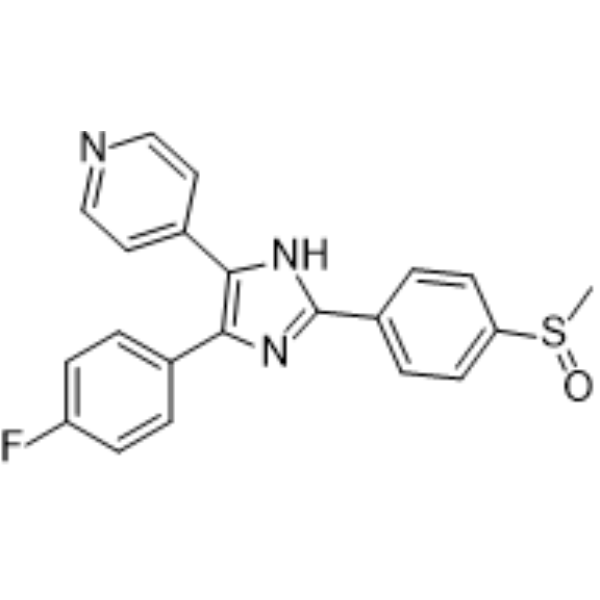
    Adezmapimod (SB 203580) is a selective and ATP-competitive p38 MAPK inhibitor with IC50s of 50 nM and 500 nM for SAPK2a/p38 and SAPK2b/p38β2, respectively. Adezmapimod inhibits LCK, GSK3β and PKBα with IC50s of 100-500-fold higher than that for SAPK2a/p38. Adezmapimod can inhibit p38 MAPK and lead to the inhibition of downstream HSP27 phosphorylation. Adezmapimod does not disrupt JNK activity and is an autophagy and mitophagy activator .
    Adezmapimod
  • HY-B1272
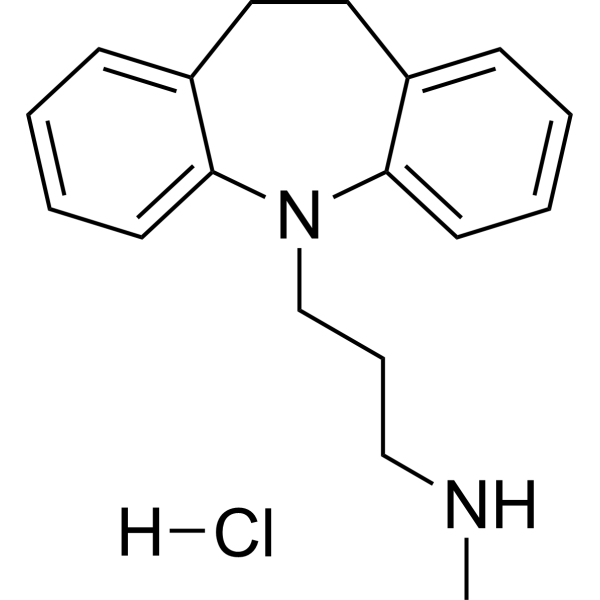
    Desipramine hydrochloride
    10+ Cited Publications

    Adrenergic Receptor ERK JNK p38 MAPK NF-κB AP-1 Apoptosis Reactive Oxygen Species (ROS) Mitochondrial Metabolism TNF Receptor Neurological Disease Inflammation/Immunology Cancer
    Desipramine hydrochloride is a first-generation tricyclic antidepressant. Desipramine hydrochloride selectively binds to norepinephrine transporter and blocks neuronal norepinephrine reuptake. Desipramine hydrochloride activates MAPK signaling via ERK1/2, JNK, and p38, represses NF-κB and AP-1 activity, and induces apoptosis via ROS elevation, mitochondrial membrane potential reduction, and intracellular calcium increase. Desipramine hydrochloride also shows anyi-inflammatory activity, inhibiting TNF-α production. Desipramine hydrochloride can be used for the research of hepatocellular cancer, inflammation, and neurological diseases .
    Desipramine hydrochloride
  • HY-N0484
    Liensinine
    Maximum Cited Publications
    20 Publications Verification

    Reactive Oxygen Species (ROS) Autophagy Apoptosis VEGFR JAK Amyloid-β p38 MAPK HIF/HIF Prolyl-Hydroxylase STAT PI3K JNK Akt Cardiovascular Disease Neurological Disease Inflammation/Immunology Cancer
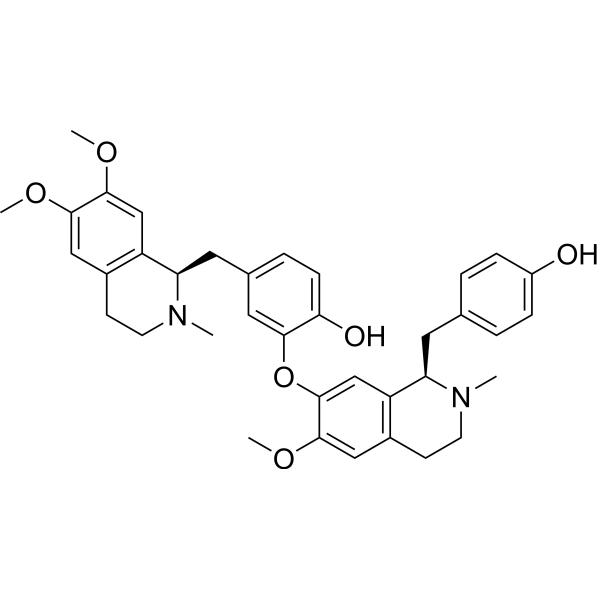
    Liensinine is a bisbenzylisoquinoline alkaloid. By inhibiting the PI3K/AKT and JNK/p38-MAPK signaling pathways, Liensinine suppresses autophagy and apoptosis, clears , and exerts anti-inflammatory, antioxidant and neuroprotective effects. Liensinine activates AMPK and inhibits the expression of HIF-1α and VEGF, thereby suppressing angiogenesis. Liensinine exerts anti-tumor effects through ROS-mediated inhibition of the JAK2/STAT3 signaling pathway. Liensinine can be used for the research of diseases such as Alzheimer's disease, hepatocellular carcinoma, osteosarcoma, sepsis-induced organ injury and stroke .
    Liensinine
  • HY-13241
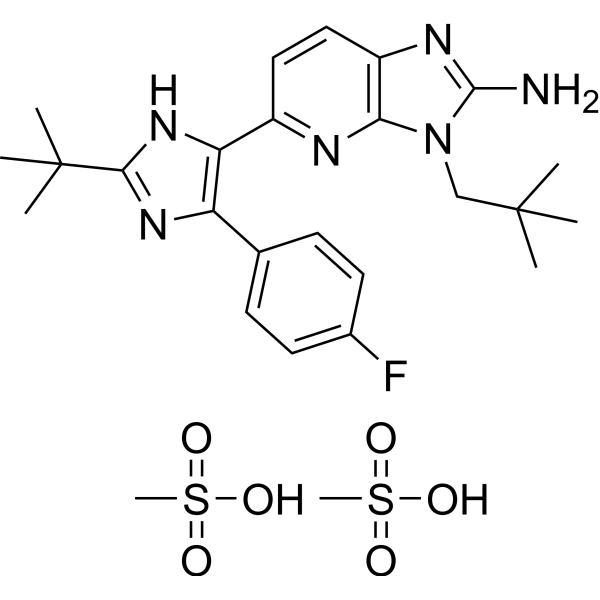
    Ralimetinib dimesylate
    10+ Cited Publications

    LY2228820 dimesylate

    p38 MAPK Autophagy Apoptosis Inflammation/Immunology Cancer
    Ralimetinib dimesylate (LY2228820 dimesylate) is a selective, ATP-competitive inhibitor of p38 MAPK α/β with IC50s of 5.3 and 3.2 nM, respectively. Ralimetinib (LY2228820) selectively inhibits phosphorylation of MK2 (Thr334), with no effect on phosphorylation of p38a MAPK, JNK, ERK1/2, c-Jun, ATF2, or c-Myc.
    Ralimetinib dimesylate
  • HY-111431
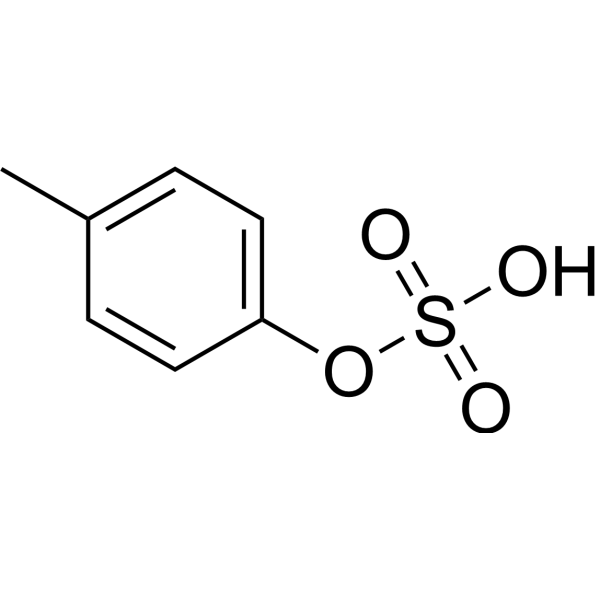
    p-Cresyl sulfate
    5+ Cited Publications

    p-Tolyl sulfate

    JNK p38 MAPK Reactive Oxygen Species (ROS) Metabolic Disease
    p-Cresyl sulfate (p-Tolyl sulfate) is a uremic toxin, that can cause renal damage and dysfunction. p-Cresyl sulfate shows antiproliferation activity. p-Cresyl sulfate increases the protein expression of HIF-1α and VHL, decreases the protein expression of HIF-2α. p-Cresyl sulfate induces epithelial-mesenchymal transition (EMT). p-Cresyl sulfate activates the JNK and p38 MAPK signaling pathways .
    p-Cresyl sulfate
  • HY-10256A
    Adezmapimod hydrochloride
    Maximum Cited Publications
    601 Publications Verification

    SB 203580 hydrochloride; RWJ 64809 hydrochloride

    Organoid p38 MAPK Autophagy Mitophagy Inflammation/Immunology Cancer
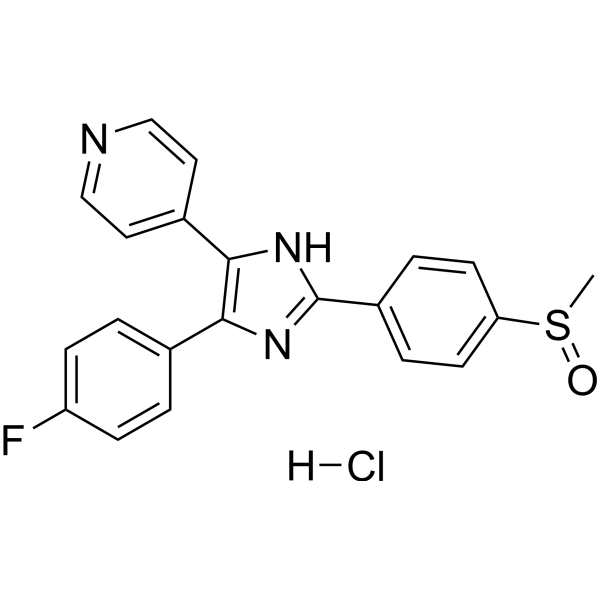
    Adezmapimod (SB 203580; RWJ 64809) hydrochloride is a selective and ATP-competitive p38 MAPK inhibitor with IC50s of 50 nM and 500 nM for SAPK2a/p38 and SAPK2b/p38β2, respectively. Adezmapimod hydrochloride inhibits LCK, GSK3β and PKBα with IC50s of 100-500-fold higher than that for SAPK2a/p38. Adezmapimod hydrochloride does not disrupt JNK activity and is an autophagy and mitophagy activator .
    Adezmapimod hydrochloride
  • HY-111431A
    p-Cresyl sulfate potassium
    5+ Cited Publications

    p-Tolyl sulfate potassium

    Endogenous Metabolite JNK p38 MAPK Metabolic Disease Inflammation/Immunology
    p-Cresyl sulfate potassium is a uremic toxin that binds to a prototype protein. p-Cresyl sulfate potassium activates the JNK and p38 MAPK signaling pathways. p-Cresyl sulfate potassium has pro-inflammatory activity .
    p-Cresyl sulfate potassium
  • HY-N0270
    Ononin
    10+ Cited Publications

    Ononoside; Formononetin 7-O-β-D-glucopyranoside

    ERK JNK p38 MAPK PI3K Akt mTOR Apoptosis Neurological Disease Metabolic Disease Cancer
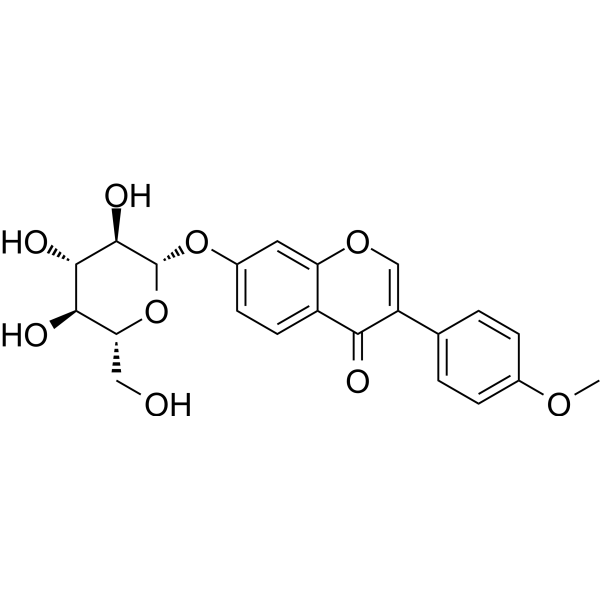
    Ononin is an orally active isoflavone. Ononin inhibits the ERK/JNK/p38 and PI3K/Akt/mTOR pathways. Ononin regulates Apoptosis. Ononin has anti-tumor effects on laryngeal cancer and lung cancer. Ononin has neuroprotective effects. Ononin alleviates endoplasmic reticulum stress and diabetic nephropathy .
    Ononin
  • HY-N0619
    Mulberroside A
    4 Publications Verification

    TNF Receptor Interleukin Related Tyrosinase Inflammation/Immunology
    Mulberroside A is one of the main bioactive constituent in mulberry (Morus alba L.) . Mulberroside A decreases the expressions of TNF-α, IL-1β, and IL-6 and inhibits the activation of NALP3, caspase-1, and NF-κB and the phosphorylation of ERK, JNK, and p38, exhibiting anti-inflammatory antiapoptotic effects . Mulberroside A shows inhibitory activity against mushroom tyrosinase with an IC50 of 53.6 μM .
    Mulberroside A
  • HY-10542
    GW 5074
    5+ Cited Publications

    Raf Apoptosis Cancer
    GW 5074 is a potent and selective c-Raf inhibitor with IC50 of 9 nM, and has no effect on the activities of JNK1/2/3, MEK1, MKK6/7, CDK1/2, c-Src, p38 MAP, VEGFR2 or c-Fms .
    GW 5074
  • HY-N2179
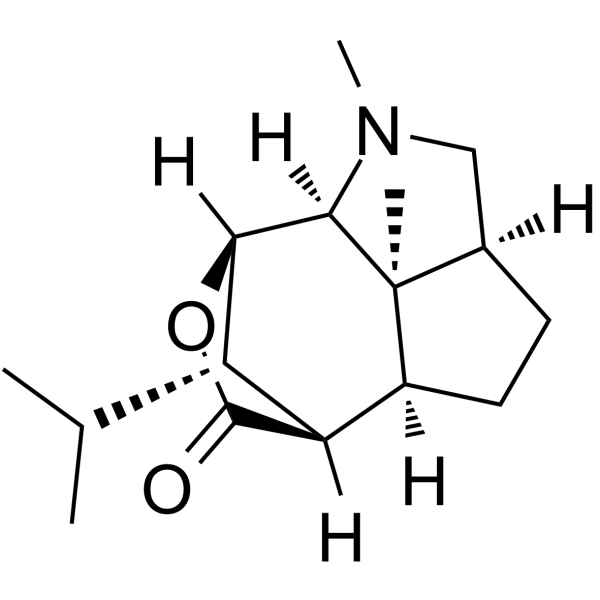
    Hypaphorine
    2 Publications Verification

    p38 MAPK JNK Neurological Disease Metabolic Disease Inflammation/Immunology
    Hypaphorine is an indole found in Caragana korshinskii. Hypaphorine has neurological and glucose-lowering effects. Hypaphorine prevents Lipopolysaccharides (LPS) (HY-D1056)-mediated acute lung injury (ALI) and proinflammatory response via inactivating the p38/JNK signaling pathway by upregulating DUSP1 .
    Hypaphorine
  • HY-N0526
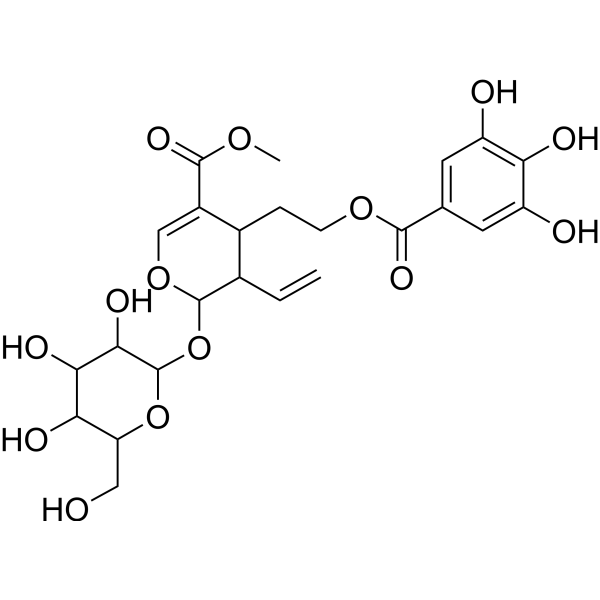
    2"-O-Galloylhyperin
    2 Publications Verification

    Sirtuin Keap1-Nrf2 NF-κB ERK p38 MAPK JNK TSH Receptor Reactive Oxygen Species (ROS) SOD Neurological Disease Inflammation/Immunology
    2''-O-Galloylhyperin is an active natural compound with anti‑inflammatory, antioxidant, anti‑adipogenic, antifibrotic, and cytostatic activities. 2''-O-Galloylhyperin upregulates SIRT1/Nrf2 signaling, inhibits NF-κB and MAPK (ERK1/2, p38, JNK) phosphorylation, suppresses TSHR activation, reduces ROS accumulation, and enhances SOD and GSH-Px activities. 2''-O-Galloylhyperin protects against LPS-induced tissue injury, enhances survival, and inhibits adipogenesis and fibrosis. 2"-O-Galloylhyperin can be used for the research of sepsis, acute lung injury, and thyroid eye disease .
    2
  • HY-128326

    MAP3K Cardiovascular Disease
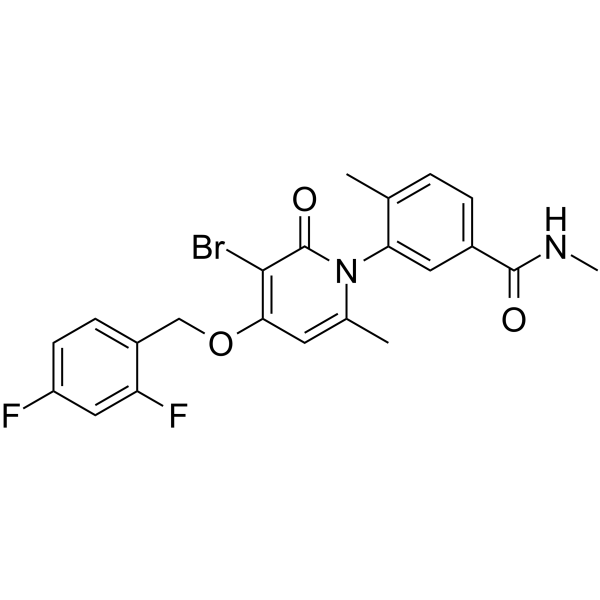
    ZAK-IN-1 is an orally active and selective selective leucine-zipper and sterile‑α motif kinase (ZAK) inhibitor with IC50 of 4 nM and KD of 8 nM. ZAK-IN-1 exhibits excellent selectivity against a panel of 403 wild-type kinases. ZAK-IN-1 blocks p38/GATA-4 and JNK/c-Jun signaling and shows promising anti antihypertrophic cardiomyopathy (HCM) efficacy. ZAK-IN-1 can be used for the study of HCM .
    ZAK-IN-1
  • HY-W018643
    Ferulic acid methyl ester
    1 Publications Verification

    Methyl ferulate

    p38 MAPK Autophagy Neurological Disease Inflammation/Immunology Cancer
    Ferulic acid methyl ester (Methyl ferulate) is a derivative of ferulic acid, isolated from Stemona tuberosa, with anti-inflammatory and antioxidant properties . Ferulic acid methyl ester is a cell membrane and brain permeable compound, shows free radical scavenging ability, used in the research of neurodegenerative disorders . Ferulic acid methyl ester inhibits COX-2 expression, blocks p-p38 and p-JNK in primary bone marrow derived-macrophages .
    Ferulic acid methyl ester
  • HY-B1839

    Environmental Pollutants JNK Fungal p38 MAPK Bcl-2 Family Caspase Autophagy Apoptosis Infection
    Fluazinam is an orally active dinitroaniline fungicide. Fluazinam induces phosphorylation of JNK, activates p38 pathway, decreases Bcl-2, activates caspase-3, decreases complex I activity, increases Autophagy and Apoptosis. Fluazinam has strong antifungal activity against F. fujikuroi and B. maydis. Fluazinam has a negative impact on Brachydanio rerio and worker bees .
    Fluazinam
  • HY-N0481
    Roburic acid
    1 Publications Verification

    COX TNF Receptor NO Synthase Interleukin Related NF-κB Apoptosis p38 MAPK JNK ERK Keap1-Nrf2 RANKL/RANK Neurological Disease Inflammation/Immunology Cancer
    Roburic acid acts as an anti-inflammatory, anti-tumor and osteoclastogenesis inhibitor, with a Ki of 7.066 μM against human TNF, an IC50 of 9 μM against human COX-2, and an IC50 of 5 μM against ovine COX-1. Roburic acid reduces the production of inflammatory mediators such as NO and IL-6 in macrophages by inhibiting the NF-κB and MAPK (p38/JNK) pathways. By competitively inhibiting the TNF-TNF-R1 interaction, Roburic acid blocks the downstream NF-κB signaling pathway, thereby inducing cell cycle arrest and apoptosis in cancer cells. Roburic acid specifically inhibits osteoclastogenesis and bone resorption by suppressing the RANKL/TRAF6/NF-κB/NFATc1 axis. Roburic acid can be used in research related to osteolytic diseases such as osteoporosis, colorectal cancer and inflammatory diseases .
    Roburic acid
  • HY-10520
    CGP 57380
    3 Publications Verification

    MNK Apoptosis Cancer
    CGP 57380 is a cell-permeable pyrazolo-pyrimidine compound that acts as a selective inhibitor of Mnk1 with IC50 of 2.2 μM, but has no inhibitory activity against p38, JNK1, ERK1/2, PKC, or Src-like kinases.
    CGP 57380
  • HY-113756A
    Latanoprost acid
    1 Publications Verification

    Prostaglandin Receptor ERK Akt JNK p38 MAPK Inflammation/Immunology
    Latanoprost acid, an analog of prostaglandin (PG) F2α, is an selective prostanoid receptor (FP) agonist that specifically activates the FP-PG receptor . Latanoprost acid inhibits RANKL-induced osteoclastgenesis and function by inhibiting ERK, AKT, JNK, and p38 cascade, following by the c-fos/NFATc1 pathway. Latanoprost acid is a medication which works to lower pressure inside the eyes .
    Latanoprost acid
  • HY-165126

    SPG

    Endogenous Metabolite Sirtuin JNK p38 MAPK PPAR AP-1 Infection Metabolic Disease Inflammation/Immunology Cancer
    Schizophyllan (SPG) is an orally active extracellular β-glucan produced by the fungus Schizophyllum commune. Schizophyllan improves mitochondrial function and protects against metabolic liver injury by activating the SIRT3 pathway. Schizophyllan inhibits osteoclastogenesis and promotes osteoblast differentiation by suppressing the phosphorylation of JNK/p38, as well as downregulating PGC1β/PPARγ, c-Fos and NFATc1. Recognized via Dectin-1, schizophyllan enables precise delivery of oligonucleotide drugs and antigens to antigen-presenting cells, thus holding great potential in the treatment of inflammatory diseases and vaccine development .
    Schizophyllan
  • HY-N5084

    TRP Channel HDAC p38 MAPK JNK ERK NF-κB TNF Receptor Interleukin Related Neurological Disease Inflammation/Immunology Cancer
    Pinocembrin 7-O-[3''-O-galloyl-4'',6''-hexahydroxydiphenoyl]-β-D-glucoside is a TRPV1 antagonist and HDAC7 inhibitor. Pinocembrin 7-O-[3''-O-galloyl-4'',6''-hexahydroxydiphenoyl]-β-D-glucoside blocks TRPV1-mediated calcium influx, suppresses phosphorylation of p65, IκBα, p38, JNK, and ERK1/2, inhibiting NF-κB and MAPK signaling cascades. Pinocembrin 7-O-[3''-O-galloyl-4'',6''-hexahydroxydiphenoyl]-β-D-glucoside reduces production and gene expression of pro-inflammatory cytokines IL-1β, IL-6, and TNF-α. Pinocembrin 7-O-[3''-O-galloyl-4'',6''-hexahydroxydiphenoyl]-β-D-glucoside exhibits potent analgesic activity, elevates thermal pain threshold and mechanical pain threshold in murine models. Pinocembrin 7-O-[3''-O-galloyl-4'',6''-hexahydroxydiphenoyl]-β-D-glucoside restores CD8 + T cell infiltration into bladder cancer tumors and improves bladder cancer immunotherapy efficacy. Pinocembrin 7-O-[3''-O-galloyl-4'',6''-hexahydroxydiphenoyl]-β-D-glucoside can be used for the researches of painand bladder cancer .
    Pinocembrin 7-O-[3''-O-galloyl-4'',6''-hexahydroxydiphenoyl]-β-D-glucoside
  • HY-N7259

    JNK p38 MAPK Apoptosis Inflammation/Immunology
    (+)-Isomenthone is an enantiomer form of Menthone (HY-N2381). (+)-Isomenthone blocks TNF-α-triggered activation of the JNK and p38 MAPK pathways.(+)-Isomenthone inhibits TNF-α-mediated reductions in cell viability, increases in apoptosis, and downstream apoptotic events linked to pathway activation.(+)-Isomenthone protects human dermal fibroblasts against TNF-α-induced cell death under serum-deprived conditions .
    (+)-Isomenthone
  • HY-N0809
    Sesamolin
    2 Publications Verification

    p38 MAPK JNK Caspase Reactive Oxygen Species (ROS) NF-κB Neurological Disease Metabolic Disease Inflammation/Immunology
    Sesamolin, isolated from Sesamum indicum, has antioxidative activity, Sesamolin inhibits lipid peroxidation and shows neuroprotection effect. Sesamolinl potently inhibits MAPK cascades by preventing phosphorylation of JNK, p38 MAPKs, and caspase-3 but not ERK-MAPK expression. Sesamolin is orally active .
    Sesamolin
  • HY-13703A
    Nimustine hydrochloride
    1 Publications Verification

    ACNU

    DNA Alkylator/Crosslinker DNA/RNA Synthesis Apoptosis p38 MAPK JNK AP-1 Cancer
    Nimustine hydrochloride (ACNU) is the hydrochloride salt form of Nimustine (HY-13703). Nimustine hydrochloride is an alkylating agent, which induces DNA double-strand breaks (DSBs) and inter-strand crosslinks (ICLs), thereby activating the DNA damage response (DDR) signaling pathway. Nimustine hydrochloride activates p38 MAPK/JNK signaling pathway, and exhibits antitumor activity .
    Nimustine hydrochloride
  • HY-W050000
    OR-1855
    1 Publications Verification

    Drug Metabolite Reactive Oxygen Species (ROS) ERK p38 MAPK Cardiovascular Disease Inflammation/Immunology
    OR-1855, an active metabolite of Levosimendan (HY-14286), has effect on myometrial contractility. OR-1855 exerts anti-inflammatory effects by inhibiting IL-1β-induced ROS formation and NAD(P)H oxidase-dependent superoxide radical generation in HUVECs. OR-1855 inhibits IL-1β-induced phosphorylation p38 MAPK, ERK1/2, c-Jun and JNK in HUVECs. OR-1855 can be used for the study of inflammation .
    OR-1855
  • HY-N1745A
    3-Deoxysappanchalcone
    2 Publications Verification

    Influenza Virus Infection Inflammation/Immunology Cancer
    3-Deoxysappanchalcone is a kinase inhibitor and antiviral agent. 3-Deoxysappanchalcone directly targets MET, EGFR, AKT, mTOR, p38 MAPK, JNK, thrombin, FXa, and influenza virus neuraminidase, thereby regulating related signaling pathways. 3-Deoxysappanchalcone induces cell cycle arrest, ROS production, and apoptosis. 3-Deoxysappanchalcone exhibits anti-inflammatory, anti-allergic, anticoagulant, and antithrombotic activities. 3-Deoxysappanchalcone is applicable to research related to gefitinib-resistant lung cancer, esophageal squamous cell carcinoma, thrombosis, and influenza virus infection .
    3-Deoxysappanchalcone
  • HY-N2208
    4-Hydroxylonchocarpin
    2 Publications Verification

    p38 MAPK Apoptosis Reactive Oxygen Species (ROS) Infection Metabolic Disease Inflammation/Immunology Cancer
    4-Hydroxylonchocarpin is a chalcone compound. 4-Hydroxylonchocarpin enhances the phosphorylation of p38 MAPK, JNK and ERK. 4-Hydroxylonchocarpin induces reactive oxygen species (ROS) and apoptosis in liver cancer cells. 4-Hydroxylonchocarpin has various pharmacological activities, including antibacterial, anticancer, anti-retroviral, anti-tuberculosis, anti-malarial and anti-inflammatory activities .
    4-Hydroxylonchocarpin
  • HY-156420

    Phosphatase Apoptosis Inflammation/Immunology Cancer
    ATUX-1215 is an activator of protein phosphatase 2A (PP2A). ATUX-1215 reduced the phosphorylation of ERK, p38, JNK, and Akt and the secretion of IL-12p70, GM-CSF, and IL1α in Bleomycin hydrochloride (HY-17565A)-treated animals. ATUX-1215 can slow the progression of lung fibrosis .
    ATUX-1215
  • HY-124421

    NSC-703786

    Aryl Hydrocarbon Receptor Others
    5F-203 (NSC-703786) is a cytotoxic molecule that forms DNA adducts and cell cycle arrest. 5F-203 induces aryl hydrocarbon receptor (AhR) signaling and elevates expression of CYP1A1. 5F-203 also increases the levels of reactive oxygen species as well as activates JNK, ERK, and p38 .
    5F-203
  • HY-W004486
    Gallic aldehyde
    1 Publications Verification

    HSV MMP ERK p38 MAPK JNK Infection
    Gallic aldehyde (3,4,5-Trihydroxybenzaldehyde) is a phenolic aldehyde. Gallic aldehyde can be isolated from Geum japonicum. Gallic aldehyde inhibits the gelatinolytic activity and expression of MMP-9. Gallic aldehyde also inhibits ERK1/2, p38, and JNK. Gallic aldehyde has potent anti-HSV-1 and antioxidant activities. Gallic aldehyde also exhibits antibacterial activity against Oenococcus oeni VF .
    Gallic aldehyde
  • HY-150795

    TGF-beta/Smad PI3K Akt ERK JNK Others
    SY-LB-35 is a potent bone morphogenetic protein (BMP) receptor agonist. SY-LB-35 can stimulate significant increases in cell number and cell viability in the C2C12 myoblast cell line, and causes shifts towards the S and G2/M phases of the cell cycle. SY-LB-35 stimulates canonical Smad and non-canonical PI3K/Akt, ERK, p38 and JNK intracellular signaling pathways .
    SY-LB-35
  • HY-116474

    ERK JNK MMP p38 MAPK STAT Fungal Bacterial NO Synthase PGE synthase NF-κB Wnt β-catenin Infection Metabolic Disease Inflammation/Immunology
    Viridicatol is a quinolone alkaloid with anti-inflammatory, antibacterial, antifungal, osteogenic and chondrogenic activities. Viridicatol reduces the phosphorylation levels of ERK, JNK, p38 and STAT6; inhibits MMP-2, MMP-9, NF-κB signaling pathway and PTP1B; downregulates genes related to mast cell activation; and binds to SHN3 to activate the Wnt/SHN3 signaling pathway. Viridicatol inhibits the expression of pro-inflammatory mediators and cytokines, and promotes osteogenic/chondrogenic differentiation. Viridicatol can be used in studies related to fibrosarcoma, allergy, bacterial infection, fungal infection and osteoporosis .
    Viridicatol
  • HY-N6826
    Asatone
    3 Publications Verification

    NF-κB Inflammation/Immunology
    Asatone is an active component isolated from Radix et Rhizoma Asari, with anti-inflammatory effect via activation of NF-κB and donwn regulation of p-MAPK (ERK, JNK and p38) pathways .
    Asatone
  • HY-N2156

    ERK TGF-beta/Smad Wnt β-catenin JNK p38 MAPK Metabolic Disease Inflammation/Immunology
    Paeonolide, found in Paeonia suffruticosa, is an ERK1/2 activator. Paeonolide promotes early and late osteoblast differentiation, stimulates pre-osteoblast transmigration, and activates the BMP-Smad1/5/8, Wnt-β-catenin, JNK and p38 pathways. Paeonolide can be used for the research of osteoporosis, periodontitis .
    Paeonolide
  • HY-P2319A

    p38 MAPK JNK Inflammation/Immunology
    OVA-E1 peptide TFA, is an antagonist variant of SIINFEKL [OVA (257-264). OVA-E1 peptide, activates the p38 and JNK cascades similarly in mutant and wild-type thymocytes .
    OVA-E1 peptide TFA
  • HY-N0854
    Alisol F
    1 Publications Verification

    HBV ERK JNK p38 MAPK STAT NF-κB TNF Receptor Interleukin Related NO Synthase COX Metabolic Disease Cancer
    Alisol F is a protostane-type triterpenoid with anti-inflammatory and anti-hepatitis B virus activities. Alisol F inhibits LPS (HY-D1056)-induced phosphorylation of ERK, JNK, p38, STAT3 and NF-κB (p65), suppresses the production of NO, IL-6, TNF-α and IL-1β, and also downregulates the levels of iNOS and COX-2. Alisol F reduces the serum alanine aminotransferase and aspartate aminotransferase levels in mice with acute liver injury and ameliorates their liver pathological damage .
    Alisol F
  • HY-B1272A

    Adrenergic Receptor ERK JNK p38 MAPK NF-κB AP-1 Apoptosis Reactive Oxygen Species (ROS) Mitochondrial Metabolism TNF Receptor Neurological Disease Inflammation/Immunology Cancer
    Desipramine is a first-generation tricyclic antidepressant. Desipramine selectively binds to norepinephrine transporter and blocks neuronal norepinephrine reuptake. Desipramine activates MAPK signaling via ERK1/2, JNK, and p38, represses NF-κB and AP-1 activity, and induces apoptosis via ROS elevation, mitochondrial membrane potential reduction, and intracellular calcium increase. Desipramine also shows anyi-inflammatory activity, inhibiting TNF-α production. Desipramine can be used for the research of hepatocellular cancer, inflammation, and neurological diseases .
    Desipramine
  • HY-B1839R

    Reference Standards Fungal JNK p38 MAPK Bcl-2 Family Caspase Autophagy Apoptosis Infection
    Fluazinam (Standard) is the analytical standard of Fluazinam (HY-B1839). This product is intended for research and analytical applications. Fluazinam is a broad spectrum pyridinamine fungal inhibitor. Fluazinam is an orally active dinitroaniline fungicide. Fluazinam induces phosphorylation of JNK, activates p38 pathway, decreases Bcl-2, activates caspase-3, decreases complex I activity, increases Autophagy and Apoptosis. Fluazinam has strong antifungal activity against F. fujikuroi and B. maydis. Fluazinam has a negative impact on Brachydanio rerio and worker bees .
    Fluazinam (Standard)
  • HY-170879

    p38 MAPK JNK Cancer
    JD123 inhibits JNK1 activity and the expression of cJun (1-135). JD123 is a ATP-competitive p38-γ MAPK inhibitor, but not effect to ERK1, ERK2, or p38-α, p38-β or p38-δ. .
    JD123
  • HY-134000

    NSC624610

    p38 MAPK NF-κB ERK JNK VEGFR MMP Cancer
    Emodic acid (NSC624610) is an anthraquinone compound isolated from A. microcarpus, which can inhibit the proliferation of cancer cells by inhibiting the activity of NF-κB. Emodic acid can also inhibit the phosphorylation of p38, ERK and JNK, the secretion of tumor-promoting cytokines IL-1β and IL-6, and the expression of VEGF and MMP, thereby inhibiting the invasion and migration potential of cancer cells .
    Emodic acid
  • HY-N8712

    p38 MAPK JNK ERK TNF Receptor Interleukin Related PI3K Akt Inflammation/Immunology
    Umckalin is Coumarin (HY-N0709) derivative that exhibits anti-inflammatory properties. Umckalin reduces phosphorylation of p38 MAPK, JNK, and ERK, lowers TNF-α, IL-6, IL-1β, NO, and PGE2 production. Umckalin can be used for the research of chronic inflammatory diseases .
    Umckalin
  • HY-10256R

    SB 203580 (Standard); RWJ 64809 (Standard)

    Organoid Reference Standards p38 MAPK Autophagy Mitophagy HSP Inflammation/Immunology Cancer
    Adezmapimod (Standard) is the analytical standard of Adezmapimod. This product is intended for research and analytical applications. Adezmapimod (SB 203580) is a selective and ATP-competitive p38 MAPK inhibitor with IC50s of 50 nM and 500 nM for SAPK2a/p38 and SAPK2b/p38β2, respectively. Adezmapimod inhibits LCK, GSK3β and PKBα with IC50s of 100-500-fold higher than that for SAPK2a/p38. Adezmapimod can inhibit p38 MAPK and lead to the inhibition of downstream HSP27 phosphorylation. Adezmapimod does not disrupt JNK activity and is an autophagy and mitophagy activator .
    Adezmapimod (Standard)
  • HY-125953

    Ceramide (Egg, Chicken)

    JNK p38 MAPK Phosphatase Akt Survivin CDK mTOR Apoptosis Autophagy Reactive Oxygen Species (ROS) Neurological Disease Cancer
    Ceramide (Egg) (Ceramide (Egg, Chicken)) is a ceramide from chicken. Ceramide (Egg) is a sphingomyelin signaling pathway second messenger. Ceramide (Egg) activates PP2A, JNK, p38 MAPK, CAPK, ceramide-activated protein phosphatase, Vav, PKCζ, and SAPK/JNK cascade. Ceramide (Egg) downregulates or inhibits AKT, survivin, CDK2, mTOR, and FLIP. Ceramide (Egg) mediates apoptosis, autophagy, cell cycle arrest, mitochondrial dysfunction, redox state shifts, and ROS generation. Ceramide (Egg) can be used for the research of cancer and neurological disease .
    Ceramide (Egg)
  • HY-120349

    p38 MAPK JNK Apoptosis Reactive Oxygen Species (ROS) Cancer
    LL-Z1640-4 is a potent p38/JNK signaling inhibitor. LL-Z1640-4 significantly diminishes p38 and JNK activation in HCC cells transfected with MLK4 siRNA. LL-Z1640-4 markedly attenuates ROS production induced by MLK4 knockdown. LL-Z1640-4 significantly reduces the apoptotic cells in HCC cells transfected with siMLK4 .
    LL-Z1640-4
  • HY-108646

    p38 MAPK JNK Inflammation/Immunology
    SX 011 is a p38 inhibitor with IC50s of 9 nM and 90 nM against p38α and p38β, respectively. SX 011 also inhibits JNK-2 with an IC50 of 100 nM. SX-011 is orally bioavailable .
    SX 011
  • HY-10256AR

    SB 203580 hydrochloride (Standard); RWJ 64809 hydrochloride (Standard)

    Organoid Reference Standards p38 MAPK Autophagy Mitophagy Inflammation/Immunology Cancer
    Adezmapimod (hydrochloride) (Standard) is the analytical standard of Adezmapimod (hydrochloride). This product is intended for research and analytical applications. Adezmapimod (SB 203580; RWJ 64809) hydrochloride is a selective and ATP-competitive p38 MAPK inhibitor with IC50s of 50 nM and 500 nM for SAPK2a/p38 and SAPK2b/p38β2, respectively. Adezmapimod hydrochloride inhibits LCK, GSK3β and PKBα with IC50s of 100-500-fold higher than that for SAPK2a/p38. Adezmapimod hydrochloride does not disrupt JNK activity and is an autophagy and mitophagy activator .
    Adezmapimod hydrochloride (Standard)
  • HY-N5014
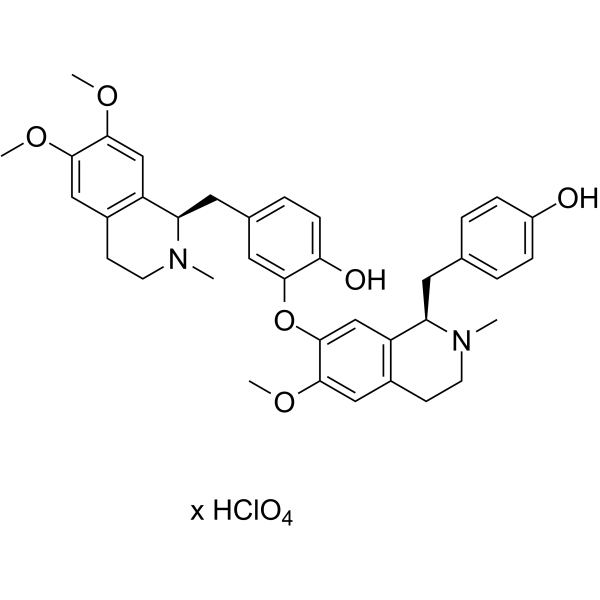
    Liensinine perchlorate
    Maximum Cited Publications
    20 Publications Verification

    Reactive Oxygen Species (ROS) Autophagy Apoptosis VEGFR JAK Amyloid-β p38 MAPK HIF/HIF Prolyl-Hydroxylase STAT PI3K JNK Akt Cardiovascular Disease Neurological Disease Inflammation/Immunology Cancer
    Liensinine perchlorate is a bisbenzylisoquinoline alkaloid. By inhibiting the PI3K/AKT and JNK/p38-MAPK signaling pathways, Liensinine perchlorate suppresses autophagy and apoptosis, clears , and exerts anti-inflammatory, antioxidant and neuroprotective effects. Liensinine perchlorate activates AMPK and inhibits the expression of HIF-1α and VEGF, thereby suppressing angiogenesis. Liensinine perchlorate exerts anti-tumor effects through ROS-mediated inhibition of the JAK2/STAT3 signaling pathway. Liensinine perchlorate can be used for the research of diseases such as Alzheimer's disease, hepatocellular carcinoma, osteosarcoma, sepsis-induced organ injury and stroke .
    Liensinine perchlorate
  • HY-121605

    Apoptosis Cancer
    RL71 is a curcuminoid anticancer agent that exhibits potent cytotoxicity against a variety of ER-negative breast cancer cells. RL71 (1 μM) induces cell cycle arrest in the G2/M phase and induces apoptosis in SKBr3 cells. RL7 also decreases HER2/neu phosphorylation and increases p27. RL71 also significantly reduced the phosphorylation of Akt and transiently increased the stress kinases JNK1/2 and p38 MAPK. Furthermore, RL71 exhibited anti-angiogenic potential in vitro, inhibiting the migration of HUVEC cells and the ability of these cells to form tubular networks .
    RL71
  • HY-168482

    NF-κB p38 MAPK Cancer
    NF-κB/MAPK-IN-2 (compound 14) is a potent NF-κB and MAPK Inhibitor. NF-κB/MAPK-IN-2 decreases the protein expression of p-p65, p-IκB, p-p38, p-JNK, and p-ERK. NF-κB/MAPK-IN-2 reduces the LPS-induced release of TNF-α and IL-6. NF-κB/MAPK-IN-2 inhibits nuclear translocation of p65 and c-Fos. NF-κB/MAPK-IN-2 has the potential for the research of sepsis .
    NF-κB/MAPK-IN-2
  • HY-111431AR

    p-Tolyl sulfate potassium (Standard)

    JNK p38 MAPK Reactive Oxygen Species (ROS) Reference Standards Metabolic Disease
    p-Cresyl sulfate (potassium) (Standard) is the analytical standard of p-Cresyl sulfate (potassium). This product is intended for research and analytical applications. p-Cresyl sulfate (p-Tolyl sulfate) potassium is a uremic toxin, that can cause renal damage and dysfunction. p-Cresyl sulfate potassium shows antiproliferation activity. p-Cresyl sulfate potassium increases the protein expression of HIF-1α and VHL, decreases the protein expression of HIF-2α. p-Cresyl sulfate potassium induces epithelial-mesenchymal transition (EMT). p-Cresyl sulfate potassium activates the JNK and p38 MAPK signaling pathways .
    p-Cresyl sulfate potassium (Standard)
  • HY-144761

    JNK Cancer
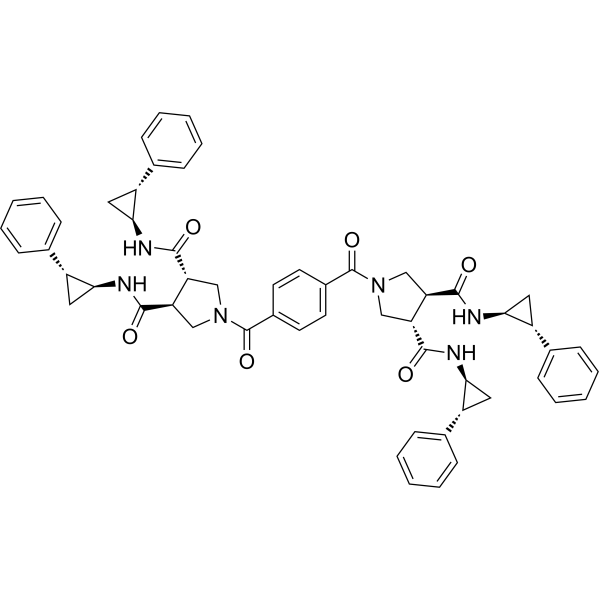
    TOPK-p38/JNK-IN-1 (Compound B12) is an orally active TOPK-p38/JNK signaling pathway inhibitor with the IC50 value of 2.14 µM for NO production. TOPK-p38/JNK-IN-1 shows anti-inflammatory activities. TOPK-p38/JNK-IN-1 also inhibits phosphorylate downstream related proteins and avoids degradation of TOPK .
    TOPK-p38/JNK-IN-1

Inquiry Online

Your information is safe with us. * Required Fields.

Salutation


Country or Region *

Applicant Name *


Organization Name *

Department *


Email Address *


Product Name *

Cat. No.


Requested quantity *

Phone Number *


Remarks

Inquiry Online

Inquiry Information

Product Name:
Cat. No.:
Quantity:
MCE Japan Authorized Agent:

