






Search Result
Results for "
plant cell walls
" in MedChemExpress (MCE) Product Catalog:
9
Biochemical Assay Reagents
10
Isotope-Labeled Compounds
| Cat. No. |
Product Name |
Target |
Research Areas |
Chemical Structure |
-
- HY-N0378
-
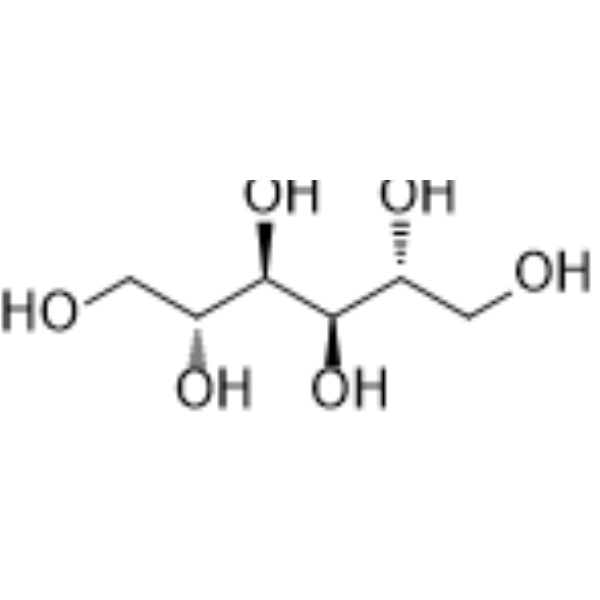
D-Mannitol
Maximum Cited Publications
13 Publications Verification
Mannitol; Mannite
|
Environmental Pollutants
Endogenous Metabolite
Apoptosis
PGC-1α
PKA
Adrenergic Receptor
|
Cardiovascular Disease
Metabolic Disease
Cancer
|
|
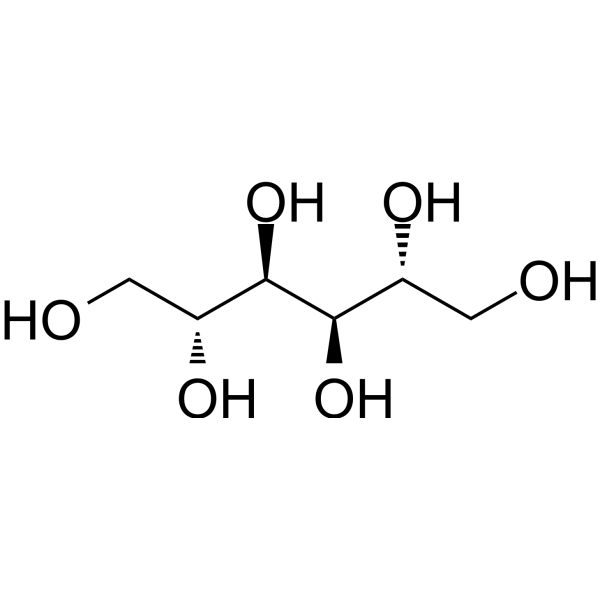
D-Mannitol (Mannitol) is an oral, resistant sugar widely used in the food and pharmaceutical industries to promote the absorption and retention of calcium and magnesium through cecal fermentation, while acting as a osmotic diuretic to reduce tissue edema. D-Mannitol can enhance brown fat formation, improve insulin effect, reduce blood sugar levels, And through the start the β3-adrenergic receptor (β3-AR), PGC1α and PKA induced by means of white fat cells into brown fat cells . D-Mannitol is commonly used to maintain osmotic pressure between the plant cytoplasm and the culture medium and protect cells when the cell wall is weakened or even removed .
|
-
-
- HY-B0525A
-
|
Sodium carbenicillin
|
Antibiotic
Bacterial
|
Infection
|
|
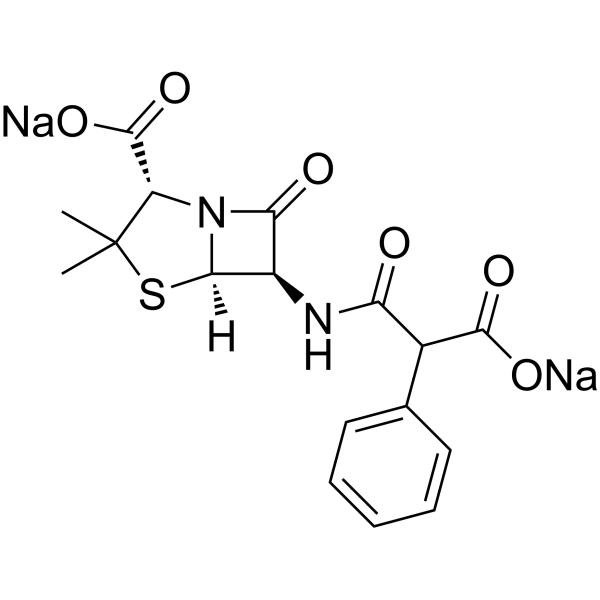
Carbenicillin disodium (Sodium carbenicillin) is a broad-spectrum semi-synthetic penicillin antibiotic for gram-negative bacteria. Carbenicillin disodium can interfere the cell wall synthesis while displaying low toxicity to plant tissue .
|
-
-
- HY-N7033
-
|
Uridine 5'-diphosphoglucuronic acid trisodium salt
|
Drug Intermediate
|
Metabolic Disease
|
|
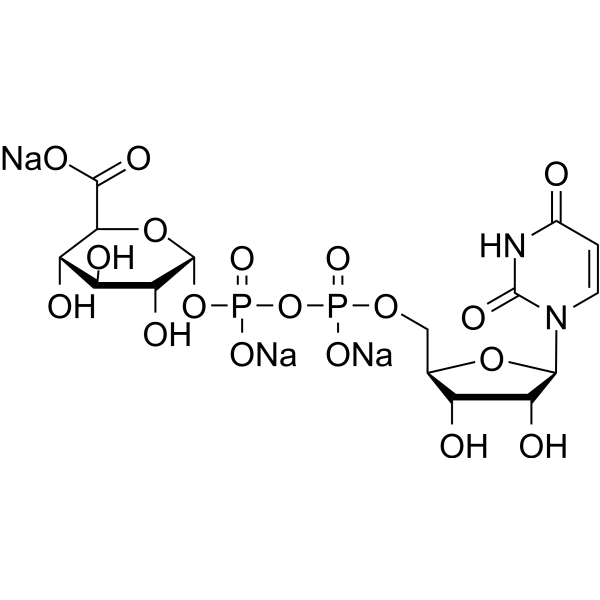
UDP-glucuronic acid trisodium (Uridine-5'-diphosphoglucuronic acid trisodium salt) is a critical precursor for essential glycoconjugates across biological kingdoms, ranging from mammalian glycosaminoglycans and plant cell wall polysaccharides to bacterial capsule glycoglycerolipids.
|
-
-
- HY-W134423
-
|
|
Environmental Pollutants
Biochemical Assay Reagents
|
Others
Cancer
|
|
Agar, microbiology tested, for cell culture (powder) is a jelly like substance that contains agarose and agar gel. Agar, microbiology tested, for cell culture (powder) can be isolated from the cell walls of red algae species such as Gelidium and Gracilaria (Ogonori). The gelation and melting of Agar, microbiology tested, for cell culture (powder) is based on the hydrogen bridge (physical gels), so the gelation is reversible. Agar, microbiology tested, for cell culture (powder) is widely used in food additives, plant tissue culture, microorganisms culture media, fingerprint recognition, and medical fields .
|
-
-
- HY-107846
-
Xylan
2 Publications Verification
|
Endogenous Metabolite
|
Others
|
|
Xylan represents the main hemicellulose component in the secondary plant cell walls of flowering plants. Xylan is a polysaccharide made from units of xylose and contains predominantly β-D-xylose units linked as in cellulose .
|
-
-
- HY-B2220A
-
|
|
Endogenous Metabolite
|
Others
|
|
Cellulase R-10 from Trichoderma Vride is an enzyme mixture that includes cellulase, hemicellulase, pectinase and protease, etc. Cellulase R-10 from Trichoderma Vride can act on the 1,4-β-D-glucosidic bonds in cellulose, catalyzing the hydrolysis of cellulose molecules and generating cellulose oligosaccharides, cellulose di-saccharides and glucose. Cellulase R-10 from Trichoderma Vride can be used in combination with lyase R-10 to break down the cell walls of plants, preparing protoplasts. Cellulase R-10 from Trichoderma Vride is widely applied in plant cell hybridization research .
|
-
-
- HY-126386
-
|
EC 3.2.1.15
|
Biochemical Assay Reagents
|
Others
|
|
Pectinase (EC 3.2.1.15) is a mixed enzymes that hydrolyze pectic substances, it mostly presents in microorganisms and higher plants. Pectinase is involved in the metabolism of the cell wall as well as in the growth of the cell, senescence, ripening of fruits, pathogenesis and abscission process .
|
-
-
- HY-111830
-
Lignin
1 Publications Verification
Lignine
|
Environmental Pollutants
|
Others
|
|
Lignin (Lignine) is a natural complex biopolymer with biodegradable and biocompatible. Lignin is the main component of plant cell walls and is a renewable aromatic polymer. Lignin has strongly antioxidant activity .
|
-
-
- HY-W145518
-
|
|
Environmental Pollutants
Antibiotic
Endogenous Metabolite
Bacterial
|
Infection
Cancer
|
|
Pectin is a heteropolysaccharide, derived from the cell wall of higher plants. Pectin involves in the formation of nanoparticles as a delivery vehicle of agents. Pectin is also an adsorbent, a broad-spectrum antimicrobial agent that binds to bacteria toxins and other irritants in the intestinal mucosa, relieves irritated mucosa .
|
-
-
- HY-D0286
-
|
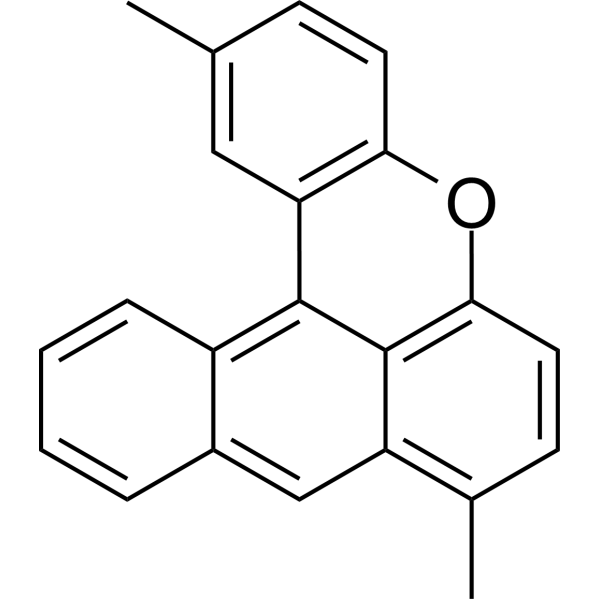
2,8-Dimethylnaphtho[3,2,1-kl]xanthene
|
Fluorescent Dye
|
Others
|
|
Fluorol Yellow 088 is a fluorescent dye that can be used as a biological material or an organic compound for life science research. Fluorol Yellow 088 is suitable for lipid staining in plant tissues, particularly for the fluorescence imaging of suberized cell walls and hydrophobic structures, with an excitation wavelength of 365 nm and an emission wavelength of ≥420 nm .
|
-
-
- HY-N0060B
-
|
(E)-Coniferic acid
|
β-catenin
Bcl-2 Family
Ferroptosis
Endogenous Metabolite
|
Cancer
|
|
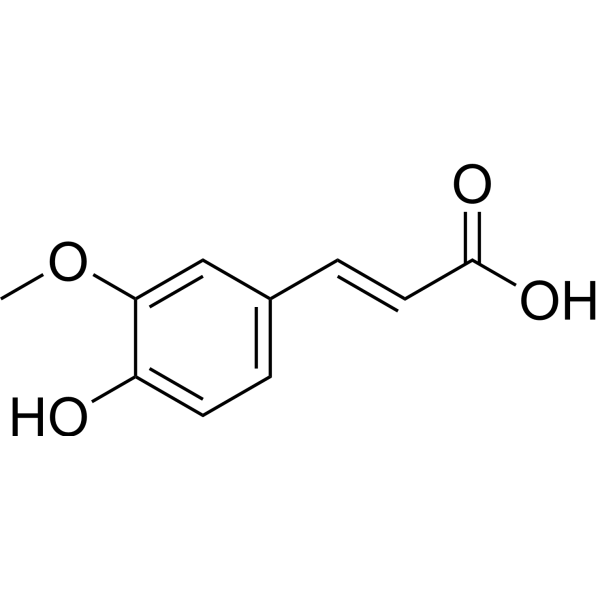
(E)-Ferulic acid is an isomer of ferulic acid, an aromatic compound abundant in plant cell walls. (E)-Ferulic acid causes phosphorylation of β-catenin (β-catenin), leading to proteasome degradation, increasing the expression of pro-apoptotic factor Bax and reducing pro-apoptotic factor Expression of the survival factor survivin. (E)-Ferulic acid can effectively remove reactive oxygen species (ROS) and inhibit lipid peroxidation. (E)-Ferulic acid exerts antiproliferative and antimigratory effects in the human lung cancer cell line H1299.
|
-
-
- HY-P2875
-
|
|
Endogenous Metabolite
|
Others
|
|
Hemicellulase is a hemicellulose-targeting hydrolase that breaks down the binding of glucose and polymers to water molecules present in plant fibers. Hemicellulase specifically degrades hemicellulose (such as xylan and mannan) in plant cell walls by hydrolyzing β-1,4-xylosidic bonds and ester bonds (such as acetyl and ferulic acid ester bonds). Hemicellulase relies on the synergistic action of the glycoside hydrolase (GH) and carbohydrate esterase (CE) families to achieve efficient hydrolysis through acid-base catalysis (such as Glu/Asp residues) and substrate binding pockets. Hemicellulase can be used in the food industry (such as improving bread texture), biofuel production (lignocellulose pretreatment) and paper industry (biobleaching) .
|
-
-
- HY-N2292
-
|
|
Keap1-Nrf2
Apoptosis
|
Inflammation/Immunology
|
|
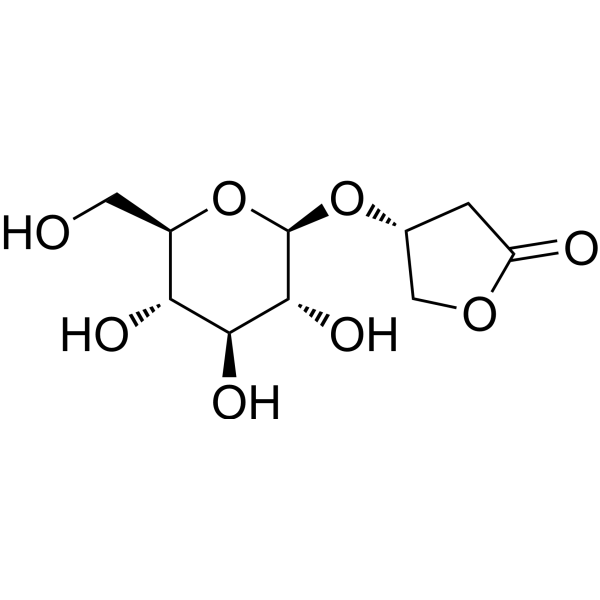
Kinsenoside is the main active ingredient of the genus plant, and has various biological activities. Kinsenoside and Nrf2 depend on the protection of nuclear cells (NPCs), which significantly reduces their ability to survive. Kinsenoside Active NPC Medium AKT-ERK1/2-Nrf2 Signal passage, Prevent physical decline, aging, harmonious physical function impairment. Kinsenoside can improve the puncture guide model for intermediate vertebral wall discharge (IDD).
|
-
-
- HY-W015551
-
|
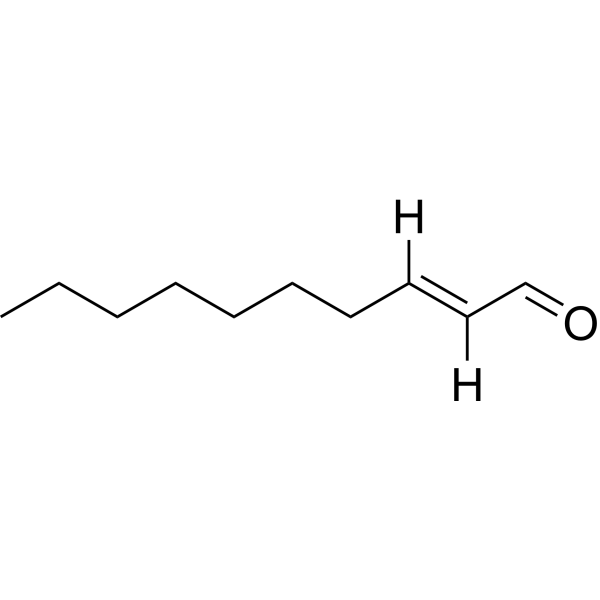
(E)-Dec-2-enal
|
Bacterial
Reactive Oxygen Species (ROS)
|
Infection
|
|
trans-2-Decenal ((E)-Dec-2-enal) acts as a urease inhibitor and antibacterial agent against Helicobacter pylori, with an IC50 of 9.484 μg/mL against Helicobacter pylori urease. trans-2-Decenal reduces the urease activity of Helicobacter pylori, and possesses antibacterial, bactericidal, anti-biofilm and anti-migratory activities. It alters the morphology of Helicobacter pylori, induces bacterial rupture, inhibits biofilm formation, reduces the number of mature biofilms and impairs the migratory capacity of Helicobacter pylori. trans-2-Decenal disrupts the cell wall integrity of Phytophthora capsici, damages membrane integrity and permeability, triggers intracellular reactive oxygen species (ROS) accumulation, decreases glutathione levels and disrupts the mitochondrial membrane potential of Phytophthora capsici. trans-2-Decenal is applicable to studies related to Helicobacter pylori and plant diseases induced by and Phytophthora capsici .
|
-
-
- HY-W145496
-
|
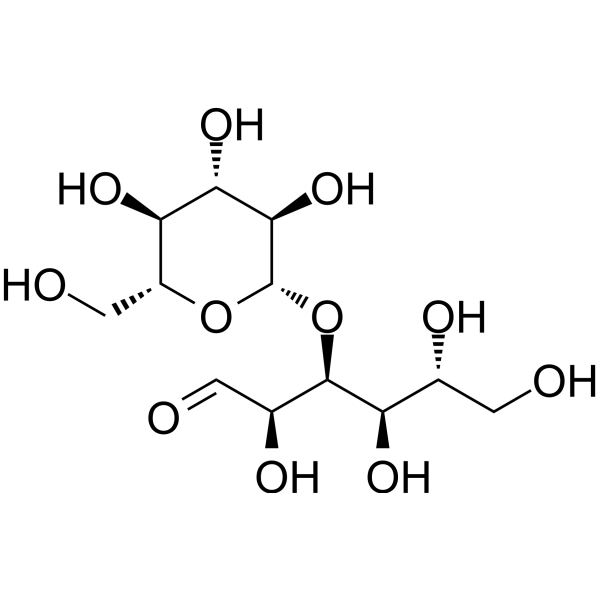
β-D-Glc-(1-3)-D-Glc
|
Biochemical Assay Reagents
|
Others
|
|
Laminaribiose is a disaccharide consisting of two glucose molecules linked by a β-1,3-glycosidic bond. It is ubiquitous in the cell walls of various plants and is a hydrolyzate of the polysaccharide laminarin. Laminaribiose has various applications in biochemical research, especially as a substrate for enzymes involved in carbohydrate metabolism. In addition, it can be used as a carbon source and dietary supplement for certain microorganisms.
|
-
-
- HY-N0378R
-
|
Mannitol(Standard); Mannite (Standard)
|
Reference Standards
Endogenous Metabolite
Apoptosis
PGC-1α
Adrenergic Receptor
PKA
|
Cardiovascular Disease
Metabolic Disease
Cancer
|
|
D-Mannitol (Standard) is the analytical standard of D-Mannitol (HY-N0378). This product is intended for research and analytical applications. D-Mannitol (Mannitol) is an oral, resistant sugar widely used in the food and pharmaceutical industries to promote the absorption and retention of calcium and magnesium through cecal fermentation, while acting as a osmotic diuretic to reduce tissue edema. D-Mannitol can enhance brown fat formation, improve insulin effect, reduce blood sugar levels, And through the start the β3-adrenergic receptor (β3-AR), PGC1α and PKA induced by means of white fat cells into brown fat cells . D-Mannitol is commonly used to maintain osmotic pressure between the plant cytoplasm and the culture medium and protect cells when the cell wall is weakened or even removed .
|
-
-
- HY-P1068A
-
|
|
Bacterial
|
Infection
|
|
Recombinant human lysozyme (plant expression) is a conserved anti-bacterial protein that causes bacterial lysis and death by hydrolyzing bacterial cell wall peptidoglycan (PG). Recombinant human lysozyme (plant expression) can be used to study bacterial infections .
|
-
-
- HY-CE02017
-
|
trans-Feruloyl-coenzyme A
|
Biochemical Assay Reagents
|
Metabolic Disease
|
|
trans-Feruloyl-CoA (trans-Feruloyl-coenzyme A) is a derivative of coenzyme A. trans-Feruloyl-CoA also acts as an activated acyl donor involved in the synthesis of cell wall components such as lignin and feruloylated polysaccharides .
|
-
-
- HY-P2816
-
|
|
Biochemical Assay Reagents
|
Others
|
|
Xylanase is an enzyme targeting 1,4-β-D-xylan that randomly cleaves the β-1,4 backbone of xylan, a complex polysaccharide in plant cell walls. Xylanase finds applications in the food, feed and industrial sectors, including pulp and paper processing, baking, animal feed improvement, and biotransformation of waste .
|
-
-
- HY-126386B
-
|
Macerozyme R-10
|
Biochemical Assay Reagents
|
Others
|
|
Pectinase, rhizobia is a mixed enzymes that hydrolyze pectic substances, it mostly presents in microorganisms and higher plants. Pectinase is involved in the metabolism of the cell wall as well as in the growth of the cell, senescence, ripening of fruits, pathogenesis and abscission process .
|
-
-
- HY-B0525
-
|
|
Antibiotic
Bacterial
|
Infection
|
|
Carbenicillin is a broad-spectrum semi-synthetic penicillin antibiotic for gram-negative bacteria. Carbenicillin can interfere the cell wall synthesis while displaying low toxicity to plant tissue .
|
-
-
- HY-W540972
-
|
Primuline
|
Fluorescent Dye
HCV
Dengue Virus
|
Infection
|
|
Primulin is a versatile fluorescent dye and bioactive compound widely used in analytical, biological, botanical and virological studies. Primulin acts as a versatile stain that labels plant cell walls and differentiates live and dead spermatozoa via distinct fluorescence patterns. Primulin exhibits strong albumin‑binding capacity. Primulin acts as a retrograde axonal tracer in neurobiological investigations. Primulin and its derivatives inhibit HCV NS3, block dengue virus NS3-mediated ATP hydrolysis, and disrupt HCV replicase assembly .
|
-
-
- HY-E70115
-
|
|
Others
|
Others
|
|
Feruloyl esterase plays a major role in the degradation of plant biomass. Feruloyl esterase catalyzes the cleavage and formation of ester bonds between plant cell wall polysaccharide and phenolic acid .
|
-
-
- HY-W145481
-
-
-
- HY-163462
-
|
|
Fungal
|
Infection
|
|
Poacic Acid is a plant-derived stilbenoid with an antifungal activity. Poacic Acid localizes to the yeast cell wall and disrupts the production and assembly of β-1,3-glucan in the fungal cell walls. Poacic Acid exhibits fungicidal activity to Saccharomyces cerevisiae and plasma membrane-compromised Candida albicans mutants .
|
-
-
- HY-N0060BS
-
|
(E)-Coniferic acid-d3
|
β-catenin
Bcl-2 Family
Ferroptosis
Endogenous Metabolite
|
Cancer
|
|
(E)-Ferulic acid-d3 is the deuterium labeled (E)-Ferulic acid. (E)-Ferulic acid is a isomer of Ferulic acid which is an aromatic compound, abundant in plant cell walls. (E)-Ferulic acid causes the phosphorylation of β-catenin, resulting in proteasomal degradation of β-catenin and increases the expression of pro-apoptotic factor Bax and decreases the expression of pro-survival factor survivin. (E)-Ferulic acid shows a potent ability to remove reactive oxygen species (ROS) and inhibits lipid peroxidation. (E)-Ferulic acid exerts both anti-proliferation and anti-migration effects in the human lung cancer cell line H1299 .
|
-
-
- HY-N0378S1
-
|
Mannitol-13C; Mannite-13C
|
Isotope-Labeled Compounds
Endogenous Metabolite
Apoptosis
PGC-1α
Adrenergic Receptor
PKA
|
Cardiovascular Disease
Metabolic Disease
Cancer
|
|
D-Mannitol- 13C is the 13C labeled D-Mannitol (HY-N0378). D-Mannitol (Mannitol) is an oral, resistant sugar widely used in the food and pharmaceutical industries to promote the absorption and retention of calcium and magnesium through cecal fermentation, while acting as a osmotic diuretic to reduce tissue edema. D-Mannitol can enhance brown fat formation, improve insulin effect, reduce blood sugar levels, And through the start the β3-adrenergic receptor (β3-AR), PGC1α and PKA induced by means of white fat cells into brown fat cells . D-Mannitol is commonly used to maintain osmotic pressure between the plant cytoplasm and the culture medium and protect cells when the cell wall is weakened or even removed .
|
-
-
- HY-125715
-
|
|
Endogenous Metabolite
|
|
|
Trigalacturonic acid is an important plant polysaccharide that has the activity of promoting plant cell growth and enhancing cell wall stability. Trigalacturonic acid can improve the ability of plants to adapt to adversity and is widely used as a nutrient in cell culture. Trigalacturonic acid is also used as a food additive with thickening and gelling functions, playing an important role in the food industry.
|
-
-
- HY-126386A
-
|
|
Biochemical Assay Reagents
|
Others
|
|
Pectinase, aspergillus acne is a mixed enzymes that hydrolyze pectic substances, it mostly presents in microorganisms and higher plants. Pectinase is involved in the metabolism of the cell wall as well as in the growth of the cell, senescence, ripening of fruits, pathogenesis and abscission process .
|
-
-
- HY-N2238
-
|
|
Others
|
Metabolic Disease
|
|
Dipsanoside A is a novel tetrairidoid glucoside from Dipsacus asper. Dipsacus asper Wall., a perennial plant widespread in China, has been used in traditional Chinese medicine for hundreds of years as a tonic for refreshment, as a fissiparism promoter of the osseous cells, and as an embryo security agent, etc .
|
-
-
- HY-N7033R
-
|
Uridine 5'-diphosphoglucuronic acid trisodium salt (Standard)
|
Reference Standards
Drug Intermediate
|
Metabolic Disease
|
|
UDP-glucuronic acid (trisodium) (Standard) is the analytical standard of UDP-glucuronic acid (trisodium). This product is intended for research and analytical applications. UDP-?glucuronic acid trisodium (Uridine-5'-diphosphoglucuronic acid trisodium salt) is a critical precursor for essential glycoconjugates across biological kingdoms, ranging from mammalian glycosaminoglycans and plant cell wall polysaccharides to bacterial capsule glycoglycerolipids.
|
-
-
- HY-N2236
-
|
|
Others
|
Infection
|
|
Dipsanoside B is a novel tetrairidoid glucoside from Dipsacus asper. Dipasandin B shows s an anti-osteoarthritis effect. Dipsacus asper Wall., a perennial plant widespread in China, has been used in traditional Chinese medicine for hundreds of years as a tonic for refreshment, as a fissiparism promoter of the osseous cells, and as an embryo security agent, etc .
|
-
-
- HY-E70425
-
|
|
Glycosyltransferase
|
Metabolic Disease
|
|
Sucrose synthase belongs to glycosyltransferases and is a reversible catalyst present in plants, which catalyzes the conversion of sucrose into fructose and UDP-G or ADP-G. Sucrose synthase localizes to the cytoplasm, plasma membrane, cell wall, vacuole and mitochondria of plants. Sucrose synthase regulates sugar metabolism, supports the development of taproots, fruits, seeds and vascular tissues, drives the synthesis of starch, cellulose and callose, and enhances nitrogen fixation capacity. Sucrose synthase mediates signal transduction in plant meristems. Sucrose synthase is associated with plant growth, anaerobic stress tolerance, as well as shoot apical meristem and leaf morphology; overexpression of this enzyme promotes plant growth, increases xylem size, and elevates cellulose and starch contents .
|
-
-
- HY-N0378S2
-
|
Mannitol-13C6; Mannite-13C6
|
Isotope-Labeled Compounds
Endogenous Metabolite
Apoptosis
PGC-1α
Adrenergic Receptor
PKA
|
Cardiovascular Disease
Metabolic Disease
Cancer
|
|
D-Mannitol- 13C6 is the 13C labeled D-Mannitol (HY-N0378). D-Mannitol (Mannitol) is an oral, resistant sugar widely used in the food and pharmaceutical industries to promote the absorption and retention of calcium and magnesium through cecal fermentation, while acting as a osmotic diuretic to reduce tissue edema. D-Mannitol can enhance brown fat formation, improve insulin effect, reduce blood sugar levels, And through the start the β3-adrenergic receptor (β3-AR), PGC1α and PKA induced by means of white fat cells into brown fat cells . D-Mannitol is commonly used to maintain osmotic pressure between the plant cytoplasm and the culture medium and protect cells when the cell wall is weakened or even removed .
|
-
-
- HY-N9689
-
|
|
Biochemical Assay Reagents
|
Others
|
D-Apiose (10% in water) is a branched pentose found in rhamnogalacturonan-II (RG-II) in the cell walls of higher plants and in apigalacturonan in the cell walls of aquatic monocots. D-Apiose (10% in water) increases cell wall stability by participating in interstrand RG-II crosslinking via boronate esters . Size denotes the total mass of the entire solution, with the D-Apiose content of 10% (w/w).
|
-
-
- HY-P2742B
-
|
|
Endogenous Metabolite
|
Metabolic Disease
|
Ascorbate oxidase, acremonium sp is a member of the multicopper blue oxidase family and primarily exists in plants as a free enzyme in the cytoplasm or bound to the cell wall. Ascorbate oxidase, acremonium sp has a high activity in catalyzing the oxidation of ascorbic acid to dehydroascorbic acid, regulating various cellular processes related to plant growth, protection, and development. Ascorbate oxidase, acremonium sp can be used to detect hydrogen peroxide .
|
-
-
- HY-B0525AR
-
|
Sodium carbenicillin (Standard)
|
Reference Standards
Antibiotic
Bacterial
|
Infection
|
|
Carbenicillin (disodium) (Standard) is the analytical standard of Carbenicillin (disodium). This product is intended for research and analytical applications. Carbenicillin disodium (Sodium carbenicillin) is a broad-spectrum semi-synthetic penicillin antibiotic for gram-negative bacteria. Carbenicillin disodium can interfere the cell wall synthesis while displaying low toxicity to plant tissue .
|
-
-
- HY-17518A
-
|
(S,S)-IR5885; (S,S)-Valiphenal
|
Fungal
|
Infection
|
|
(S,S)-Valifenalate ((S,S)-IR5885) is an acylamino acid fungicide and is used to control a wide range of fungi belonging to the class of Oomycetes. (S,S)-Valifenalate ((S,S)-IR5885) interferes with the cell-wall synthesis thus affecting the growth stages of the pathogens controlled, both outside (on the spores) or inside the plant (on the mycelium) .
|
-
-
- HY-N0060BR
-
|
(E)-Coniferic acid (Standard)
|
Reference Standards
β-catenin
Bcl-2 Family
Ferroptosis
Endogenous Metabolite
|
Cancer
|
|
(E)-Ferulic acid (Standard) is the analytical standard of (E)-Ferulic acid. This product is intended for research and analytical applications. (E)-Ferulic acid is an isomer of ferulic acid, an aromatic compound abundant in plant cell walls. (E)-Ferulic acid causes phosphorylation of β-catenin (β-catenin), leading to proteasome degradation, increasing the expression of pro-apoptotic factor Bax and reducing pro-apoptotic factor Expression of the survival factor survivin. (E)-Ferulic acid can effectively remove reactive oxygen species (ROS) and inhibit lipid peroxidation. (E)-Ferulic acid exerts antiproliferative and antimigratory effects in the human lung cancer cell line H1299.
|
-
-
- HY-N0378S4
-
|
Mannitol-d2; Mannite-d2
|
Isotope-Labeled Compounds
Endogenous Metabolite
Apoptosis
PGC-1α
Adrenergic Receptor
PKA
|
Cardiovascular Disease
Metabolic Disease
Cancer
|
|
D-Mannitol-d2 is the deuterium labeled D-Mannitol (HY-N0378). D-Mannitol (Mannitol) is an oral, resistant sugar widely used in the food and pharmaceutical industries to promote the absorption and retention of calcium and magnesium through cecal fermentation, while acting as a osmotic diuretic to reduce tissue edema. D-Mannitol can enhance brown fat formation, improve insulin effect, reduce blood sugar levels, And through the start the β3-adrenergic receptor (β3-AR), PGC1α and PKA induced by means of white fat cells into brown fat cells . D-Mannitol is commonly used to maintain osmotic pressure between the plant cytoplasm and the culture medium and protect cells when the cell wall is weakened or even removed .
|
-
-
- HY-E70125
-
|
Carboxycyclohexadienyl dehydratase
|
Biochemical Assay Reagents
|
Others
|
|
Arogenate dehydratase (Carboxycyclohexadienyl dehydratase) is the key enzymes that catalyze the conversion of arogenate into Phe in the stroma of chloroplasts and plastids in vascular plants. Arogenate dehydratase plays an important role in cell wall lignin biosynthesis, photosynthesis, and can be used for plant improvement .
|
-
-
- HY-N15356
-
|
|
Bacterial
|
Infection
|
|
9-Oxooctadecanedioic acid is an α,ω-dicarboxylic fatty acid monomer found in the cork suberin of Quercus suber. It contributes to the formation of the hydrophobic barrier structure in plant cell walls and may play an important role in functions such as water resistance and protection against microbial penetration .
|
-
-
- HY-B1838A
-
|
|
Fungal
|
Infection
|
|
Asulam (potassium salt) is a chitin synthase inhibitor against plant pathogenic fungi. Asulam (potassium salt) interferes with the biosynthesis of chitin in the fungal cell wall to destroy the integrity and normal growth and reproduction of fungal cells, thereby exerting bacteriostatic activity. Asulam (potassium salt) is promising for research of fungal diseases such as downy mildew and gray mold in spinach, tulips, daffodils and lilies .
|
-
-
- HY-N0378S
-
|
Mannitol-d8; Mannite-d8
|
Isotope-Labeled Compounds
Endogenous Metabolite
Apoptosis
PGC-1α
Adrenergic Receptor
PKA
|
Cardiovascular Disease
Metabolic Disease
Cancer
|
|
D-Mannitol-d8 is the deuterium labeled D-Mannitol (HY-N0378). D-Mannitol (Mannitol) is an oral, resistant sugar widely used in the food and pharmaceutical industries to promote the absorption and retention of calcium and magnesium through cecal fermentation, while acting as a osmotic diuretic to reduce tissue edema. D-Mannitol can enhance brown fat formation, improve insulin effect, reduce blood sugar levels, And through the start the β3-adrenergic receptor (β3-AR), PGC1α and PKA induced by means of white fat cells into brown fat cells . D-Mannitol is commonly used to maintain osmotic pressure between the plant cytoplasm and the culture medium and protect cells when the cell wall is weakened or even removed .
|
-
-
- HY-N0378S5
-
|
Mannitol-d1; Mannite-d1
|
Isotope-Labeled Compounds
Endogenous Metabolite
Apoptosis
PGC-1α
Adrenergic Receptor
PKA
|
Cardiovascular Disease
Metabolic Disease
Cancer
|
|
D-Mannitol-d is the deuterium labeled D-Mannitol (HY-N0378). D-Mannitol (Mannitol) is an oral, resistant sugar widely used in the food and pharmaceutical industries to promote the absorption and retention of calcium and magnesium through cecal fermentation, while acting as a osmotic diuretic to reduce tissue edema. D-Mannitol can enhance brown fat formation, improve insulin effect, reduce blood sugar levels, And through the start the β3-adrenergic receptor (β3-AR), PGC1α and PKA induced by means of white fat cells into brown fat cells . D-Mannitol is commonly used to maintain osmotic pressure between the plant cytoplasm and the culture medium and protect cells when the cell wall is weakened or even removed .
|
-
-
- HY-N0378S3
-
|
Mannitol-2-13C; Mannite-2-13C
|
Isotope-Labeled Compounds
Endogenous Metabolite
Apoptosis
PGC-1α
Adrenergic Receptor
PKA
|
Cardiovascular Disease
Metabolic Disease
Cancer
|
|
D-Mannitol-2- 13C is the 13C labeled D-Mannitol (HY-N0378). D-Mannitol (Mannitol) is an oral, resistant sugar widely used in the food and pharmaceutical industries to promote the absorption and retention of calcium and magnesium through cecal fermentation, while acting as a osmotic diuretic to reduce tissue edema. D-Mannitol can enhance brown fat formation, improve insulin effect, reduce blood sugar levels, And through the start the β3-adrenergic receptor (β3-AR), PGC1α and PKA induced by means of white fat cells into brown fat cells . D-Mannitol is commonly used to maintain osmotic pressure between the plant cytoplasm and the culture medium and protect cells when the cell wall is weakened or even removed .
|
-
-
- HY-N0378S6
-
|
Mannitol-13C,d2; Mannite-13C,d2
|
Isotope-Labeled Compounds
Endogenous Metabolite
Apoptosis
PGC-1α
Adrenergic Receptor
PKA
|
Cardiovascular Disease
Metabolic Disease
Cancer
|
|
D-Mannitol- 13C,d2 is the deuterium and 13C labeled D-Mannitol (HY-N0378). D-Mannitol (Mannitol) is an oral, resistant sugar widely used in the food and pharmaceutical industries to promote the absorption and retention of calcium and magnesium through cecal fermentation, while acting as a osmotic diuretic to reduce tissue edema. D-Mannitol can enhance brown fat formation, improve insulin effect, reduce blood sugar levels, And through the start the β3-adrenergic receptor (β3-AR), PGC1α and PKA induced by means of white fat cells into brown fat cells . D-Mannitol is commonly used to maintain osmotic pressure between the plant cytoplasm and the culture medium and protect cells when the cell wall is weakened or even removed .
|
-
-
- HY-W015551R
-
|
(E)-Dec-2-enal (Standard)
|
Biochemical Assay Reagents
Reference Standards
|
Infection
|
|
trans-2-Decenal ((E)-Dec-2-enal)) Standard is the analytical standard of trans-2-Decenal (HY-W015551). This product is intended for research and analytical applications. trans-2-Decenal ((E)-Dec-2-enal) acts as a urease inhibitor and antibacterial agent against Helicobacter pylori, with an IC50 of 9.484 μg/mL against Helicobacter pylori urease. trans-2-Decenal reduces the urease activity of Helicobacter pylori, and possesses antibacterial, bactericidal, anti-biofilm and anti-migratory activities. It alters the morphology of Helicobacter pylori, induces bacterial rupture, inhibits biofilm formation, reduces the number of mature biofilms and impairs the migratory capacity of Helicobacter pylori. trans-2-Decenal disrupts the cell wall integrity of Phytophthora capsici, damages membrane integrity and permeability, triggers intracellular reactive oxygen species (ROS) accumulation, decreases glutathione levels and disrupts the mitochondrial membrane potential of Phytophthora capsici. trans-2-Decenal is applicable to studies related to Helicobacter pylori and plant diseases induced by and Phytophthora capsici.
|
-
-
- HY-W015551S
-
|
(E)-Dec-2-enal-d2
|
Biochemical Assay Reagents
Isotope-Labeled Compounds
|
Infection
|
|
trans-2-Decenal-d2 ((E)-Dec-2-enal-d2) is deuterated labeled trans-2-Decenal (HY-W015551). trans-2-Decenal ((E)-Dec-2-enal) acts as a urease inhibitor and antibacterial agent against Helicobacter pylori, with an IC50 of 9.484 μg/mL against Helicobacter pylori urease. trans-2-Decenal reduces the urease activity of Helicobacter pylori, and possesses antibacterial, bactericidal, anti-biofilm and anti-migratory activities. It alters the morphology of Helicobacter pylori, induces bacterial rupture, inhibits biofilm formation, reduces the number of mature biofilms and impairs the migratory capacity of Helicobacter pylori. trans-2-Decenal disrupts the cell wall integrity of Phytophthora capsici, damages membrane integrity and permeability, triggers intracellular reactive oxygen species (ROS) accumulation, decreases glutathione levels and disrupts the mitochondrial membrane potential of Phytophthora capsici. trans-2-Decenal is applicable to studies related to Helicobacter pylori and plant diseases induced by and Phytophthora capsici .
|
-
-
- HY-186047
-
|
|
Biochemical Assay Reagents
|
Others
|
|
ETE-S trimer is a conjugated trimer that undergoes polymerization under the action of plant cell wall peroxidases, forming an ion-electron hybrid conductive polymer suitable for bio-hybrid supercapacitors .
|
-
- HY-W720329
-
|
|
Herbicide
DNA/RNA Synthesis
|
Others
|
|
Indaziflam is an alkyltriazine herbicide. Indaziflam targets the cellulose synthase complex and inhibits cellulose biosynthesis in plant cell walls. Indaziflam induces radial swelling of plants, ectopic lignification, inhibition of root and hypocotyl elongation, abnormal root and cell morphology, and also induces DNA strand breaks and micronucleus formation in HepG2 cells. Indaziflam can be used for research on monocot weed control .
|
-
- HY-182408
-
|
|
Glycosyltransferase
|
Others
|
|
Endosidin7 is a specific inhibitor for plant callose deposition during cytokinesis. Endosidin7 inhibits cytokinesis-specific callose deposition at the cell plate, disrupts cell plate maturation, and alters localization of cell plate-associated proteins during late cell plate development. Endosidin7 slows root growth and induces formation of cell wall stubs in Arabidopsis thaliana seedlings .
|
-
- HY-P2816A
-
|
|
Biochemical Assay Reagents
|
Metabolic Disease
|
|
Xylanase, Trichoderma viride (EC 3.2.1.8) is the name given to a class of enzymes which degrade the linear polysaccharide beta-1,4-xylan into xylose, thus breaking down hemicellulose, one of the major components of plant cell walls.
|
-
- HY-E70897
-
|
|
Biochemical Assay Reagents
|
Metabolic Disease
|
|
Xylanase 10A, Cellvibrio japonicus (EC 3.2.1.8) is the name given to a class of enzymes which degrade the linear polysaccharide beta-1,4-xylan into xylose, thus breaking down hemicellulose, one of the major components of plant cell walls.
|
-
- HY-P3017A
-
|
|
Biochemical Assay Reagents
|
Others
|
|
Endo-1,4-β-Xylanase, Trichoderma longibrachiatum (EC 3.2.1.8) is the name given to a class of enzymes which degrade the linear polysaccharide beta-1,4-xylan into xylose, thus breaking down hemicellulose, one of the major components of plant cell walls.
|
-
- HY-170378
-
|
|
Fungal
|
Infection
|
|
Laccase-IN-5 (Compound 2b) is the inhibitor for Laccase with an IC50 of 0.82 μM. Laccase-IN-5 increases the cell membrane permeability, limits the growth of hyphae, destorys the cell wall, and induces oxidative stress responses. Laccase-IN-5 exhibits antifungal activity against various plant pathogenic fungi and oomycetes, inhibits B. dothidea with an EC50 of 0.96 mg/L .
|
-
- HY-182471
-
|
|
Fungal
|
Infection
|
|
Aminopyrifen is a GWT-1 inhibitor. Aminopyrifen inhibits the inositol acylation of phosphatidylinositol, disrupting the maturation process of GPI-anchored proteins and the integrity of fungal cell walls. Aminopyrifen strongly inhibits germ tube elongation of Botrytis cinerea, delays spore germination, prevents appressorium formation, and blocks the infection of plant tissues by pathogenic fungi. Aminopyrifen is effective against field populations of eggplant gray mold and cucumber powdery mildew, and can be used for research on various plant fungal diseases such as gray mold and powdery mildew .
|
-
- HY-178413S
-
|
Mannitol-d4; Mannite-d4
|
Isotope-Labeled Compounds
PKA
Apoptosis
Adrenergic Receptor
PGC-1α
Endogenous Metabolite
|
Cardiovascular Disease
Metabolic Disease
Cancer
|
|
D-Mannitol-d4 (Mannitol-d4) is the deuterium labeled D-Mannitol (HY-N0378). D-Mannitol (Mannitol) is an oral, resistant sugar widely used in the food and pharmaceutical industries to promote the absorption and retention of calcium and magnesium through cecal fermentation, while acting as a osmotic diuretic to reduce tissue edema. D-Mannitol can enhance brown fat formation, improve insulin effect, reduce blood sugar levels, And through the start the β3-adrenergic receptor (β3-AR), PGC1α and PKA induced by means of white fat cells into brown fat cells . D-Mannitol is commonly used to maintain osmotic pressure between the plant cytoplasm and the culture medium and protect cells when the cell wall is weakened or even removed .
|
-
| Cat. No. |
Product Name |
Type |
-
- HY-D0286
-
|
2,8-Dimethylnaphtho[3,2,1-kl]xanthene
|
Fluorescent Dyes
|
|
Fluorol Yellow 088 is a fluorescent dye that can be used as a biological material or an organic compound for life science research. Fluorol Yellow 088 is suitable for lipid staining in plant tissues, particularly for the fluorescence imaging of suberized cell walls and hydrophobic structures, with an excitation wavelength of 365 nm and an emission wavelength of ≥420 nm .
|
| Cat. No. |
Product Name |
Type |
-
- HY-W134423
-
|
|
Biochemical Assay Reagents
|
|
Agar, microbiology tested, for cell culture (powder) is a jelly like substance that contains agarose and agar gel. Agar, microbiology tested, for cell culture (powder) can be isolated from the cell walls of red algae species such as Gelidium and Gracilaria (Ogonori). The gelation and melting of Agar, microbiology tested, for cell culture (powder) is based on the hydrogen bridge (physical gels), so the gelation is reversible. Agar, microbiology tested, for cell culture (powder) is widely used in food additives, plant tissue culture, microorganisms culture media, fingerprint recognition, and medical fields .
|
-
- HY-D0286
-
|
2,8-Dimethylnaphtho[3,2,1-kl]xanthene
|
Biochemical Assay Reagents
|
|
Fluorol Yellow 088 is a fluorescent dye that can be used as a biological material or an organic compound for life science research. Fluorol Yellow 088 is suitable for lipid staining in plant tissues, particularly for the fluorescence imaging of suberized cell walls and hydrophobic structures, with an excitation wavelength of 365 nm and an emission wavelength of ≥420 nm .
|
-
- HY-W015551
-
|
(E)-Dec-2-enal
|
Biochemical Assay Reagents
|
|
trans-2-Decenal ((E)-Dec-2-enal) acts as a urease inhibitor and antibacterial agent against Helicobacter pylori, with an IC50 of 9.484 μg/mL against Helicobacter pylori urease. trans-2-Decenal reduces the urease activity of Helicobacter pylori, and possesses antibacterial, bactericidal, anti-biofilm and anti-migratory activities. It alters the morphology of Helicobacter pylori, induces bacterial rupture, inhibits biofilm formation, reduces the number of mature biofilms and impairs the migratory capacity of Helicobacter pylori. trans-2-Decenal disrupts the cell wall integrity of Phytophthora capsici, damages membrane integrity and permeability, triggers intracellular reactive oxygen species (ROS) accumulation, decreases glutathione levels and disrupts the mitochondrial membrane potential of Phytophthora capsici. trans-2-Decenal is applicable to studies related to Helicobacter pylori and plant diseases induced by and Phytophthora capsici .
|
-
- HY-W145496
-
|
β-D-Glc-(1-3)-D-Glc
|
Biochemical Assay Reagents
|
|
Laminaribiose is a disaccharide consisting of two glucose molecules linked by a β-1,3-glycosidic bond. It is ubiquitous in the cell walls of various plants and is a hydrolyzate of the polysaccharide laminarin. Laminaribiose has various applications in biochemical research, especially as a substrate for enzymes involved in carbohydrate metabolism. In addition, it can be used as a carbon source and dietary supplement for certain microorganisms.
|
-
- HY-W540972
-
|
Primuline
|
Biochemical Assay Reagents
|
|
Primulin is a versatile fluorescent dye and bioactive compound widely used in analytical, biological, botanical and virological studies. Primulin acts as a versatile stain that labels plant cell walls and differentiates live and dead spermatozoa via distinct fluorescence patterns. Primulin exhibits strong albumin‑binding capacity. Primulin acts as a retrograde axonal tracer in neurobiological investigations. Primulin and its derivatives inhibit HCV NS3, block dengue virus NS3-mediated ATP hydrolysis, and disrupt HCV replicase assembly .
|
-
- HY-W145481
-
|
Carob galactomannan, 95%
|
Biochemical Assay Reagents
|
|
D-Galacto-D-mannan from Ceratonia siliqua is a plant cell wall polysaccharide.
|
-
- HY-125715
-
|
|
Biochemical Assay Reagents
|
|
Trigalacturonic acid is an important plant polysaccharide that has the activity of promoting plant cell growth and enhancing cell wall stability. Trigalacturonic acid can improve the ability of plants to adapt to adversity and is widely used as a nutrient in cell culture. Trigalacturonic acid is also used as a food additive with thickening and gelling functions, playing an important role in the food industry.
|
-
- HY-N9689
-
|
|
Biochemical Assay Reagents
|
D-Apiose (10% in water) is a branched pentose found in rhamnogalacturonan-II (RG-II) in the cell walls of higher plants and in apigalacturonan in the cell walls of aquatic monocots. D-Apiose (10% in water) increases cell wall stability by participating in interstrand RG-II crosslinking via boronate esters . Size denotes the total mass of the entire solution, with the D-Apiose content of 10% (w/w).
|
-
- HY-W015551R
-
|
(E)-Dec-2-enal (Standard)
|
Biochemical Assay Reagents
|
|
trans-2-Decenal ((E)-Dec-2-enal)) Standard is the analytical standard of trans-2-Decenal (HY-W015551). This product is intended for research and analytical applications. trans-2-Decenal ((E)-Dec-2-enal) acts as a urease inhibitor and antibacterial agent against Helicobacter pylori, with an IC50 of 9.484 μg/mL against Helicobacter pylori urease. trans-2-Decenal reduces the urease activity of Helicobacter pylori, and possesses antibacterial, bactericidal, anti-biofilm and anti-migratory activities. It alters the morphology of Helicobacter pylori, induces bacterial rupture, inhibits biofilm formation, reduces the number of mature biofilms and impairs the migratory capacity of Helicobacter pylori. trans-2-Decenal disrupts the cell wall integrity of Phytophthora capsici, damages membrane integrity and permeability, triggers intracellular reactive oxygen species (ROS) accumulation, decreases glutathione levels and disrupts the mitochondrial membrane potential of Phytophthora capsici. trans-2-Decenal is applicable to studies related to Helicobacter pylori and plant diseases induced by and Phytophthora capsici.
|
| Cat. No. |
Product Name |
Category |
Target |
Chemical Structure |
-
- HY-N0378
-
-
-
- HY-107846
-
-
-
- HY-111830
-
-
-
- HY-W145518
-
-
-
- HY-N0060B
-
-
-
- HY-N2292
-
-
-
- HY-W015551
-
|
(E)-Dec-2-enal
|
Structural Classification
Natural Products
Vaccinium vitis-idaea L.
Ericaceae
Plants
Source Classification
|
Bacterial
Reactive Oxygen Species (ROS)
|
|
trans-2-Decenal ((E)-Dec-2-enal) acts as a urease inhibitor and antibacterial agent against Helicobacter pylori, with an IC50 of 9.484 μg/mL against Helicobacter pylori urease. trans-2-Decenal reduces the urease activity of Helicobacter pylori, and possesses antibacterial, bactericidal, anti-biofilm and anti-migratory activities. It alters the morphology of Helicobacter pylori, induces bacterial rupture, inhibits biofilm formation, reduces the number of mature biofilms and impairs the migratory capacity of Helicobacter pylori. trans-2-Decenal disrupts the cell wall integrity of Phytophthora capsici, damages membrane integrity and permeability, triggers intracellular reactive oxygen species (ROS) accumulation, decreases glutathione levels and disrupts the mitochondrial membrane potential of Phytophthora capsici. trans-2-Decenal is applicable to studies related to Helicobacter pylori and plant diseases induced by and Phytophthora capsici .
|
-
-
- HY-N0378R
-
-
-
- HY-N2238
-
-
-
- HY-N2236
-
-
-
- HY-N9689
-
-
-
- HY-N0060BR
-
-
-
- HY-N15356
-
-
-
- HY-W015551R
-
|
(E)-Dec-2-enal (Standard)
|
Structural Classification
Natural Products
Vaccinium vitis-idaea L.
Ericaceae
Plants
Source Classification
|
Biochemical Assay Reagents
Reference Standards
|
|
trans-2-Decenal ((E)-Dec-2-enal)) Standard is the analytical standard of trans-2-Decenal (HY-W015551). This product is intended for research and analytical applications. trans-2-Decenal ((E)-Dec-2-enal) acts as a urease inhibitor and antibacterial agent against Helicobacter pylori, with an IC50 of 9.484 μg/mL against Helicobacter pylori urease. trans-2-Decenal reduces the urease activity of Helicobacter pylori, and possesses antibacterial, bactericidal, anti-biofilm and anti-migratory activities. It alters the morphology of Helicobacter pylori, induces bacterial rupture, inhibits biofilm formation, reduces the number of mature biofilms and impairs the migratory capacity of Helicobacter pylori. trans-2-Decenal disrupts the cell wall integrity of Phytophthora capsici, damages membrane integrity and permeability, triggers intracellular reactive oxygen species (ROS) accumulation, decreases glutathione levels and disrupts the mitochondrial membrane potential of Phytophthora capsici. trans-2-Decenal is applicable to studies related to Helicobacter pylori and plant diseases induced by and Phytophthora capsici.
|
-
| Cat. No. |
Product Name |
Chemical Structure |
-
- HY-N0060BS
-
|
|
|
(E)-Ferulic acid-d3 is the deuterium labeled (E)-Ferulic acid. (E)-Ferulic acid is a isomer of Ferulic acid which is an aromatic compound, abundant in plant cell walls. (E)-Ferulic acid causes the phosphorylation of β-catenin, resulting in proteasomal degradation of β-catenin and increases the expression of pro-apoptotic factor Bax and decreases the expression of pro-survival factor survivin. (E)-Ferulic acid shows a potent ability to remove reactive oxygen species (ROS) and inhibits lipid peroxidation. (E)-Ferulic acid exerts both anti-proliferation and anti-migration effects in the human lung cancer cell line H1299 .
|
-
-
- HY-N0378S1
-
|
|
|
D-Mannitol- 13C is the 13C labeled D-Mannitol (HY-N0378). D-Mannitol (Mannitol) is an oral, resistant sugar widely used in the food and pharmaceutical industries to promote the absorption and retention of calcium and magnesium through cecal fermentation, while acting as a osmotic diuretic to reduce tissue edema. D-Mannitol can enhance brown fat formation, improve insulin effect, reduce blood sugar levels, And through the start the β3-adrenergic receptor (β3-AR), PGC1α and PKA induced by means of white fat cells into brown fat cells . D-Mannitol is commonly used to maintain osmotic pressure between the plant cytoplasm and the culture medium and protect cells when the cell wall is weakened or even removed .
|
-
-
- HY-N0378S2
-
|
|
|
D-Mannitol- 13C6 is the 13C labeled D-Mannitol (HY-N0378). D-Mannitol (Mannitol) is an oral, resistant sugar widely used in the food and pharmaceutical industries to promote the absorption and retention of calcium and magnesium through cecal fermentation, while acting as a osmotic diuretic to reduce tissue edema. D-Mannitol can enhance brown fat formation, improve insulin effect, reduce blood sugar levels, And through the start the β3-adrenergic receptor (β3-AR), PGC1α and PKA induced by means of white fat cells into brown fat cells . D-Mannitol is commonly used to maintain osmotic pressure between the plant cytoplasm and the culture medium and protect cells when the cell wall is weakened or even removed .
|
-
-
- HY-N0378S4
-
|
|
|
D-Mannitol-d2 is the deuterium labeled D-Mannitol (HY-N0378). D-Mannitol (Mannitol) is an oral, resistant sugar widely used in the food and pharmaceutical industries to promote the absorption and retention of calcium and magnesium through cecal fermentation, while acting as a osmotic diuretic to reduce tissue edema. D-Mannitol can enhance brown fat formation, improve insulin effect, reduce blood sugar levels, And through the start the β3-adrenergic receptor (β3-AR), PGC1α and PKA induced by means of white fat cells into brown fat cells . D-Mannitol is commonly used to maintain osmotic pressure between the plant cytoplasm and the culture medium and protect cells when the cell wall is weakened or even removed .
|
-
-
- HY-N0378S
-
|
|
|
D-Mannitol-d8 is the deuterium labeled D-Mannitol (HY-N0378). D-Mannitol (Mannitol) is an oral, resistant sugar widely used in the food and pharmaceutical industries to promote the absorption and retention of calcium and magnesium through cecal fermentation, while acting as a osmotic diuretic to reduce tissue edema. D-Mannitol can enhance brown fat formation, improve insulin effect, reduce blood sugar levels, And through the start the β3-adrenergic receptor (β3-AR), PGC1α and PKA induced by means of white fat cells into brown fat cells . D-Mannitol is commonly used to maintain osmotic pressure between the plant cytoplasm and the culture medium and protect cells when the cell wall is weakened or even removed .
|
-
-
- HY-N0378S5
-
|
|
|
D-Mannitol-d is the deuterium labeled D-Mannitol (HY-N0378). D-Mannitol (Mannitol) is an oral, resistant sugar widely used in the food and pharmaceutical industries to promote the absorption and retention of calcium and magnesium through cecal fermentation, while acting as a osmotic diuretic to reduce tissue edema. D-Mannitol can enhance brown fat formation, improve insulin effect, reduce blood sugar levels, And through the start the β3-adrenergic receptor (β3-AR), PGC1α and PKA induced by means of white fat cells into brown fat cells . D-Mannitol is commonly used to maintain osmotic pressure between the plant cytoplasm and the culture medium and protect cells when the cell wall is weakened or even removed .
|
-
-
- HY-N0378S3
-
|
|
|
D-Mannitol-2- 13C is the 13C labeled D-Mannitol (HY-N0378). D-Mannitol (Mannitol) is an oral, resistant sugar widely used in the food and pharmaceutical industries to promote the absorption and retention of calcium and magnesium through cecal fermentation, while acting as a osmotic diuretic to reduce tissue edema. D-Mannitol can enhance brown fat formation, improve insulin effect, reduce blood sugar levels, And through the start the β3-adrenergic receptor (β3-AR), PGC1α and PKA induced by means of white fat cells into brown fat cells . D-Mannitol is commonly used to maintain osmotic pressure between the plant cytoplasm and the culture medium and protect cells when the cell wall is weakened or even removed .
|
-
-
- HY-N0378S6
-
|
|
|
D-Mannitol- 13C,d2 is the deuterium and 13C labeled D-Mannitol (HY-N0378). D-Mannitol (Mannitol) is an oral, resistant sugar widely used in the food and pharmaceutical industries to promote the absorption and retention of calcium and magnesium through cecal fermentation, while acting as a osmotic diuretic to reduce tissue edema. D-Mannitol can enhance brown fat formation, improve insulin effect, reduce blood sugar levels, And through the start the β3-adrenergic receptor (β3-AR), PGC1α and PKA induced by means of white fat cells into brown fat cells . D-Mannitol is commonly used to maintain osmotic pressure between the plant cytoplasm and the culture medium and protect cells when the cell wall is weakened or even removed .
|
-
-
- HY-W015551S
-
|
|
|
trans-2-Decenal-d2 ((E)-Dec-2-enal-d2) is deuterated labeled trans-2-Decenal (HY-W015551). trans-2-Decenal ((E)-Dec-2-enal) acts as a urease inhibitor and antibacterial agent against Helicobacter pylori, with an IC50 of 9.484 μg/mL against Helicobacter pylori urease. trans-2-Decenal reduces the urease activity of Helicobacter pylori, and possesses antibacterial, bactericidal, anti-biofilm and anti-migratory activities. It alters the morphology of Helicobacter pylori, induces bacterial rupture, inhibits biofilm formation, reduces the number of mature biofilms and impairs the migratory capacity of Helicobacter pylori. trans-2-Decenal disrupts the cell wall integrity of Phytophthora capsici, damages membrane integrity and permeability, triggers intracellular reactive oxygen species (ROS) accumulation, decreases glutathione levels and disrupts the mitochondrial membrane potential of Phytophthora capsici. trans-2-Decenal is applicable to studies related to Helicobacter pylori and plant diseases induced by and Phytophthora capsici .
|
-
-
- HY-178413S
-
|
|
|
D-Mannitol-d4 (Mannitol-d4) is the deuterium labeled D-Mannitol (HY-N0378). D-Mannitol (Mannitol) is an oral, resistant sugar widely used in the food and pharmaceutical industries to promote the absorption and retention of calcium and magnesium through cecal fermentation, while acting as a osmotic diuretic to reduce tissue edema. D-Mannitol can enhance brown fat formation, improve insulin effect, reduce blood sugar levels, And through the start the β3-adrenergic receptor (β3-AR), PGC1α and PKA induced by means of white fat cells into brown fat cells . D-Mannitol is commonly used to maintain osmotic pressure between the plant cytoplasm and the culture medium and protect cells when the cell wall is weakened or even removed .
|
-
| Cat. No. |
Product Name |
|
Classification |
-
- HY-W134423
-
|
|
|
Thickeners
|
|
Agar, microbiology tested, for cell culture (powder) is a jelly like substance that contains agarose and agar gel. Agar, microbiology tested, for cell culture (powder) can be isolated from the cell walls of red algae species such as Gelidium and Gracilaria (Ogonori). The gelation and melting of Agar, microbiology tested, for cell culture (powder) is based on the hydrogen bridge (physical gels), so the gelation is reversible. Agar, microbiology tested, for cell culture (powder) is widely used in food additives, plant tissue culture, microorganisms culture media, fingerprint recognition, and medical fields .
|
-
- HY-W145518
-
|
|
|
Emulsifiers
Thickeners
|
|
Pectin is a heteropolysaccharide, derived from the cell wall of higher plants. Pectin involves in the formation of nanoparticles as a delivery vehicle of agents. Pectin is also an adsorbent, a broad-spectrum antimicrobial agent that binds to bacteria toxins and other irritants in the intestinal mucosa, relieves irritated mucosa .
|
Your information is safe with us. * Required Fields.
Inquiry Information
- Product Name:
- Cat. No.:
- Quantity:
- MCE Japan Authorized Agent:

