Search Result
Results for "
polycystic kidney disease
" in MedChemExpress (MCE) Product Catalog:
| Cat. No. |
상품명 |
Target |
연구분야 |
Chemical Structure |
-
- HY-16743
-
|
Venglustat; SAR402671; GZ402671
|
Glucosylceramide Synthase (GCS)
|
Metabolic Disease
|
|
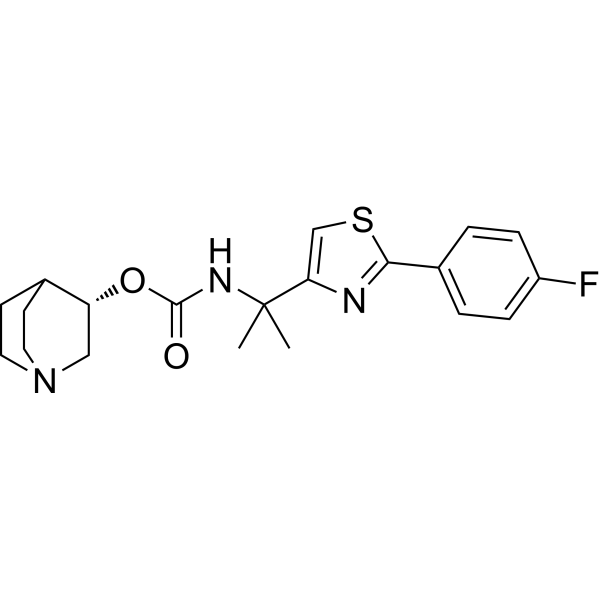
Ibiglustat (Venglustat) is an orally active, brain-penetrant glucosylceramide synthase (GCS) inhibitor. Ibiglustat can be used for the research of Gaucher disease type 3, Parkinson's disease associated with GBA mutations, Fabry disease, GM2 gangliosidosis, and autosomal dominant polycystic kidney disease .
|
-
-
- HY-139290
-
|
RG4326
|
MicroRNA
|
Metabolic Disease
Cancer
|
|
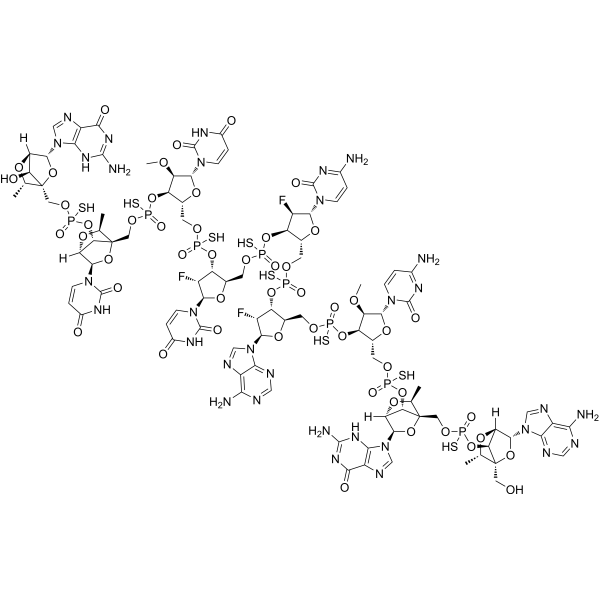
RGLS4326 (RG4326) is a first-in-class, short oligonucleotide inhibitor of microRNA-17 (miR-17). RGLS4326 can be used for the research of autosomal dominant polycystic kidney disease (ADPKD). RGLS4326 inhibits miR-17 function in HeLa cells with an EC50 value of 28.3 nM .
|
-
-
- HY-144117
-
-
-
- HY-10325
-
|
EKI-785; WAY-EKI 785
|
EGFR
Apoptosis
|
Endocrinology
Cancer
|
|
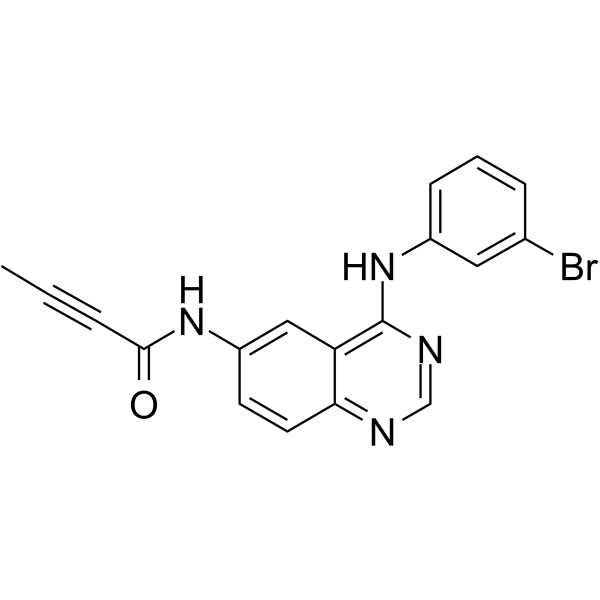
CL-387785 (EKI-785; WAY-EKI 785) is an orally active EGFR inhibitor with an IC50 of 370 pM. CL-387785 inhibits EGF-stimulated EGFR autophosphorylation with an IC50 of approximately 5 nM. CL-387,785 exerts selective inhibition on cell lines overexpressing EGFR or c-erbB-2, whereas it shows weak inhibitory effects on cell lines with low expression of these two receptors. CL-387785 effectively induces cell cycle arrest and apoptosis. CL-387785 can be used for the research of non-small cell lung cancer and autosomal recessive polycystic kidney disease .
|
-
-
- HY-N2057
-
|
|
Aquaporin
CFTR
Chloride Channel
|
Metabolic Disease
|
|
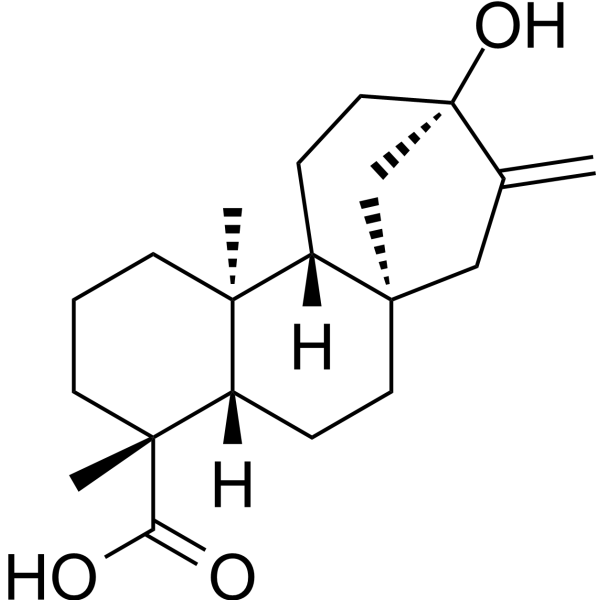
Steviol is the main metabolite of steviol glycosides and an inhibitor of AQP2/CFTR. Steviol slows down the growth of renal cysts by inhibiting the activity of CFTR, reducing the expression of AQP2, and promoting the degradation of AQP2 and CFTR. Steviol can be used in the research of polycystic kidney disease .
|
-
-
- HY-150076
-
BLU2864
2 Publications Verification
|
PKA
|
Metabolic Disease
Cancer
|
|
BLU2864 is an orally active, highly selective, ATP-competitive PRKACA inhibitor (IC50=0.3 nM). BLU2864 shows anti-tumor activity. BLU2864 can be used in cancer and polycystic kidney disease research .
|
-
-
- HY-150364A
-
|
RGLS8429 sodium; RG1015 sodium
|
MicroRNA
|
Metabolic Disease
|
|
Farabursen sodium (RGLS8429 sodium; RG1015 sodium) is a miR-17 inhibitor. Farabursen sodium inhibits the function of the miR-17 family, relieves the inhibitory effect on miR-17 target genes including PKD1 and PKD2, and increases the level of PC1/2. Farabursen sodium slows the growth of renal cysts, reduces the ratio of kidney weight to body weight, and decreases the cyst index and proliferation index. Farabursen sodium is applicable to research related to autosomal dominant polycystic kidney disease .
|
-
-
- HY-150364
-
|
RGLS8429; RG1015
|
MicroRNA
|
Metabolic Disease
|
|
Farabursen (RGLS8429; RG1015) is a blood-brain barrier-permeable miR-17 inhibitor. Farabursen derepresses Pkd1 and Pkd2, the target genes of miR-17, increases the levels of PC1 and PC2, and reduces cyst growth. Farabursen decreases renal cyst growth, kidney weight-to-body weight ratio, cyst index, proliferation index, and blood urea nitrogen levels in mouse models. Farabursen is applicable to research related to autosomal dominant polycystic kidney disease .
|
-
-
- HY-160004
-
|
|
AMPK
|
Cardiovascular Disease
Neurological Disease
Metabolic Disease
Inflammation/Immunology
Cancer
|
|
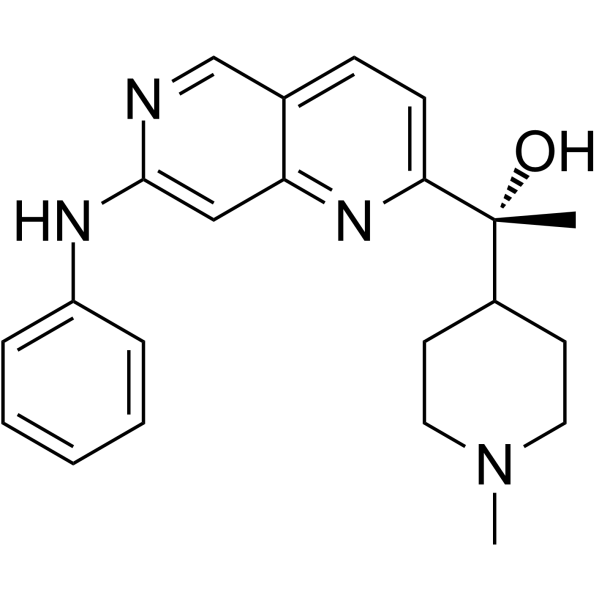
PXL770 is an orally active, direct allosteric AMP-activated protein kinase (AMPK) activator. PXL770 decreases C26:0 levels, improves mitochondrial respiration, reduces expression of proinflammatory genes and induces expression of compensatory transporters (ABCD2/3) in ALD fibroblasts/lymphocytes. PXL770 normalizes plasma VLCFA levels, significantly reduces elevated VLCFA levels in brain and spinal cord in Abcd1 KO mice. PXL770 improves glycemia, dyslipidemia, and insulin resistance in ob/ob and high-fat diet (HFD)-fed mice. PXL770 can be used for the study of X-linked adrenoleukodystrophy (ALD), autosomal dominant polycystic kidney disease and nonalcoholic steatohepatitis (NASH) .
|
-
-
- HY-144425
-
|
|
NEKs
|
Inflammation/Immunology
|
|
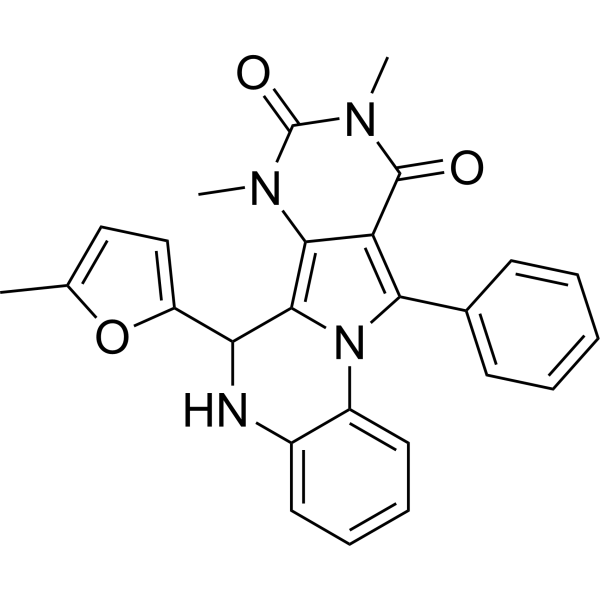
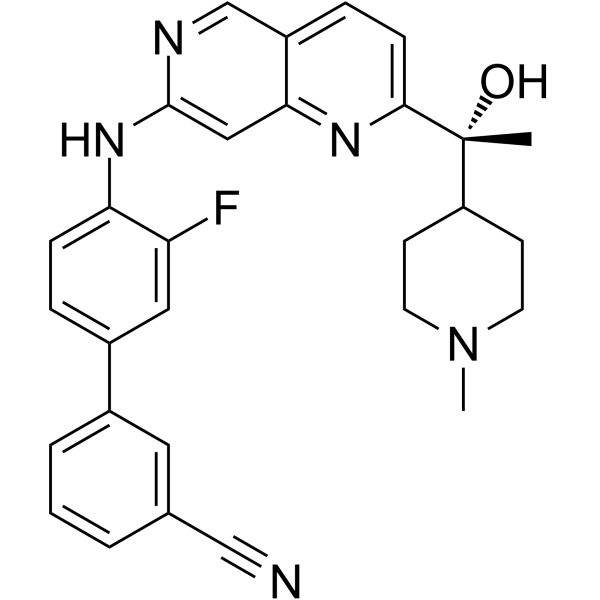
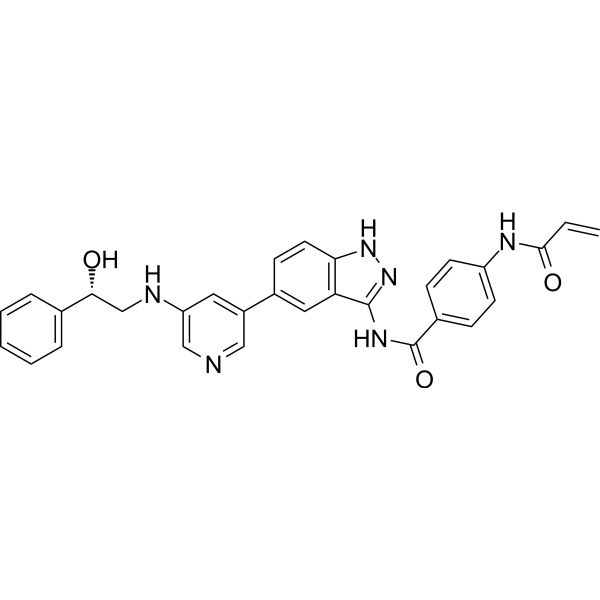
BSc5367 is a potent Nek1 inhibitor with an IC50 of 11.5 nM. NIMA-related protein kinase Nek1 is crucially involved in cell cycle regulation, DNA repair and microtubule regulation and dysfunctions of Nek1 play key roles in amyotrophic lateral sclerosis (ALS), polycystic kidney disease (PKD) and several types of radiotherapy resistant cancer .
|
-
-
- HY-14179
-
PPQ-102
4 Publications Verification
CFTR Inhibitor
|
CFTR
|
Others
|
|
PPQ-102 (CFTR Inhibitor) is a reversible CFTR inhibitor that completely inhibits CFTR chloride currents (IC50 ~90 nM). PPQ-102 is not affected by membrane potential-dependent cell allocation or blocking efficiency (uncharged at physiological pH) and effectively prevents cyst enlargement in polycystic kidney disease .
|
-
-
- HY-16743A
-
|
Venglustat (L-Malic acid); SAR402671 (L-Malic acid); GZ402671 (L-Malic acid)
|
Glucosylceramide Synthase (GCS)
|
Metabolic Disease
|
|
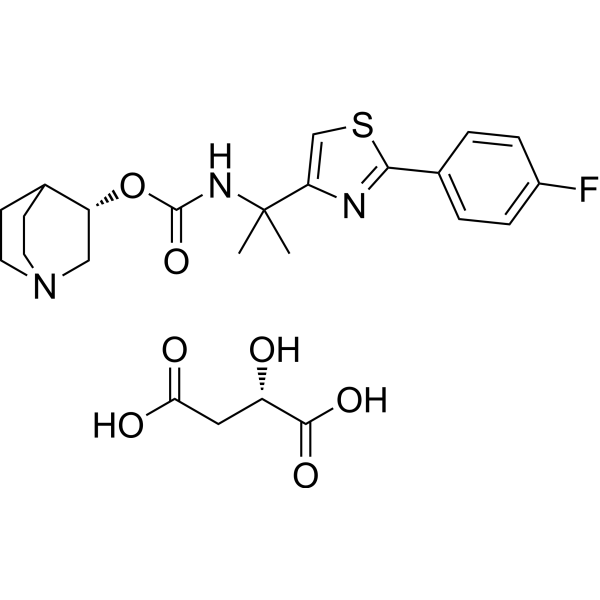
Ibiglustat (Venglustat) L-Malic acid is an orally active, brain-penetrant glucosylceramide synthase (GCS) inhibitor. Ibiglustat L-Malic acid can be used for the research of Gaucher disease type 3, Parkinson's disease associated with GBA mutations, Fabry disease, GM2 gangliosidosis, and autosomal dominant polycystic kidney disease .
|
-
-
- HY-145694
-
|
|
CDK
|
Others
|
|
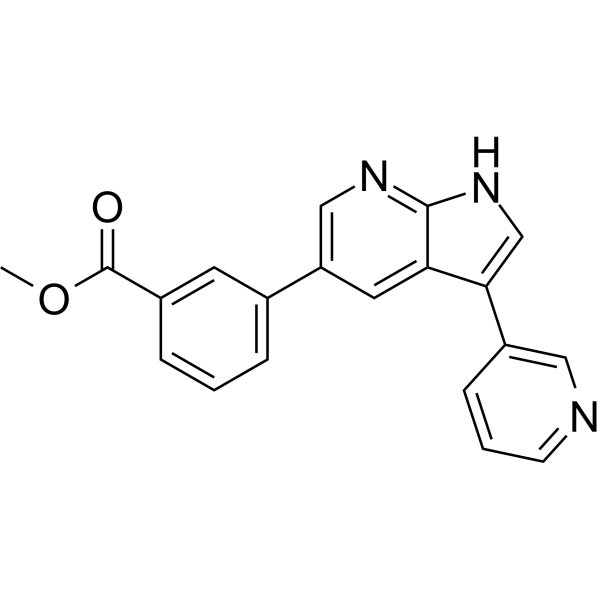
CDK5-IN-3 (compound 11) is a potent CDK5 inhibitor, with IC50s of 0.6 nM and 18 nM for CDK5/p25 and CDK2/CycA, respectively. CDK5-IN-3 can be used for the research of autosomal dominant polycystic kidney disease (ADPKD) .
|
-
-
- HY-139290A
-
|
RG4326 sodium
|
MicroRNA
|
Cancer
|
|
RGLS4326 sodium is a first-in-class, short oligonucleotide inhibitor of microRNA-17 (miR-17). RGLS4326 sodium can be used for the research of autosomal dominant polycystic kidney disease (ADPKD). RGLS4326 sodium inhibits miR-17 function in HeLa cells with an EC50 value of 28.3 nM .
|
-
-
- HY-16743B
-
|
Venglustat succinate; SAR402671 succinate; GZ402671 succinate
|
Glucosylceramide Synthase (GCS)
|
Neurological Disease
|
|
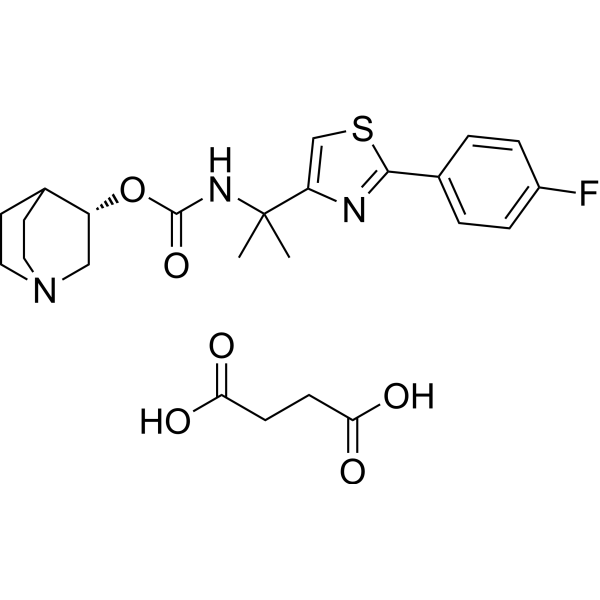
Ibiglustat (Venglustat) succinate is an orally active, brain-penetrant glucosylceramide synthase (GCS) inhibitor. Ibiglustat succinate can be used for the research of Gaucher disease type 3, Parkinson's disease associated with GBA mutations, Fabry disease, GM2 gangliosidosis, and autosomal dominant polycystic kidney disease .
|
-
-
- HY-139725
-
|
|
CDK
|
Metabolic Disease
|
|
CDK5-IN-1 is a potent CDK5 inhibitor with an IC50 less than 10 nM. CDK5-IN-1 is greater than 100-fold more active against CDK5 than CDK2. CDK5-IN-1 is used for kidney diseases research .
|
-
-
- HY-145693
-
|
|
CDK
|
Others
|
|
CDK5-IN-2 (compound 15) is a highly selective CDK5 inhibitor with IC50s of 0.2 and 23 for CDK5/p25 and CDK2/CycA, respectively .
|
-
-
- HY-179041
-
|
|
PGE synthase
Prostaglandin Receptor
MDM-2/p53
Amino acid Transporter
Glutathione Peroxidase
Ferroptosis
|
Metabolic Disease
Endocrinology
|
|
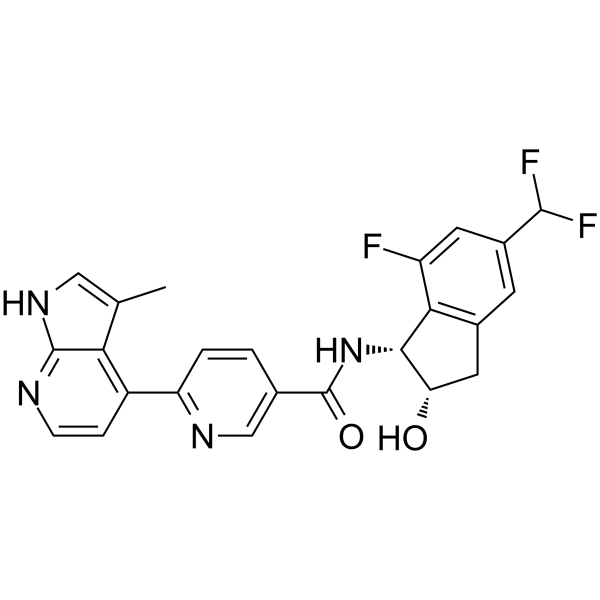
SZ0232 is a selective mPGES-2 inhibitor. SZ0232 binds to the active site of mPGES-2 via hydrogen bonds and π-π stacking, reduces the production of prostaglandin E2 (PGE2) and blocks the PGE2-EP3 pathway. SZ0232 regulates Ferroptosis by activating the heme-dependent p53/SLC7A11/GPX4 axis, inhibits lipid peroxidation, and protects renal tubules. SZ0232 enhances glucose-stimulated insulin secretion, inhibits β-cell senescence, and improves glucose homeostasis. SZ0232 reduces renal lipid accumulation, alleviates fibrosis, and ameliorates renal dysfunction in diabetic mice. SZ0232 inhibits renal cyst growth in polycystic kidney disease models. SZ0232 exhibits an insulinotropic effect that strengthens with the increase of animal age. SZ0232 can be used in studies related to type 2 diabetes, acute kidney injury, diabetic kidney disease, and autosomal dominant polycystic kidney disease .
|
-
-
- HY-151878
-
|
|
CDK
GSK-3
|
Metabolic Disease
|
|
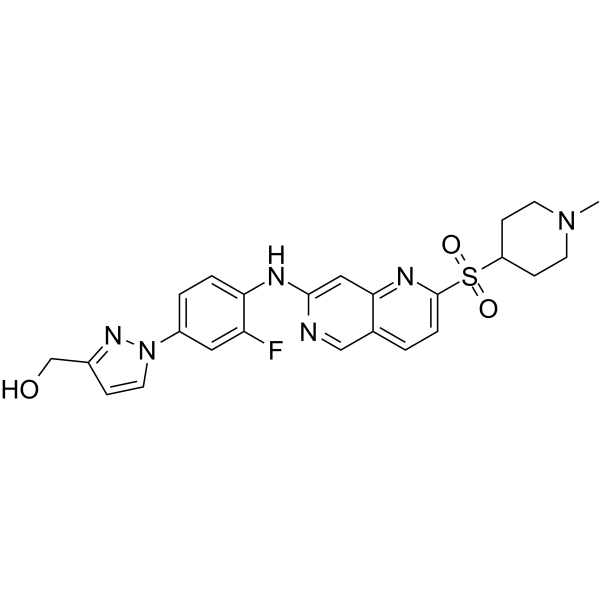
CDK7-IN-20 is a potent, selective and irreversible CDK7 (CDK) inhibitor with an IC50 value of 4 nM. CDK7-IN-20 displays >206-fold selectivity for CDK7 over CDK1, CDK2, CDK3, CDK5, CDK6, CDK9 and CDK12 . CDK7-IN-20 has the potential for autosomal dominant polycystic kidney disease (ADPKD) research .
|
-
-
- HY-401913
-
|
|
Phosphodiesterase (PDE)
|
Infection
Cancer
|
|
Endo CNTinh-03 is inhibitor for the elevation of cAMP and cGMP induced by agonist, such as G protein-coupled receptors, adenylate cyclase, and guanylate cyclase (IC50 is 4 μM). Endo CNTinh-03 inhibits cholera toxin- and Escherichia coli (STa) toxin- induced CFTR chloride current, ameliorates secretory diarrhea in mouse models, and prevents cyst growth in polycystic kidney disease model .
|
-
-
- HY-146272
-
|
|
Vasopressin Receptor
|
Endocrinology
|
|
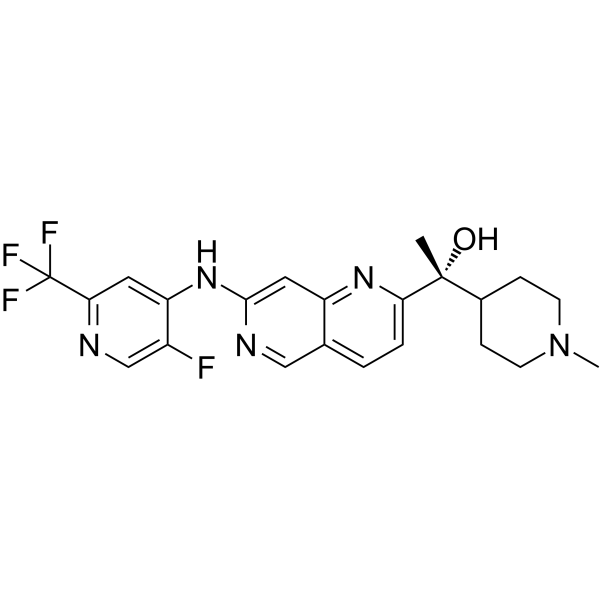
Vasopressin V2 receptor antagonist 1 is a vasopressin V2 receptor (V2R) antagonist with a Ki value of 3.8 nM. Vasopressin V2 receptor antagonist 1 inhibits renal cyst formation in embryonic renal cyst models and mouse models. Vasopressin V2 receptor antagonist 1 can be used in research related to autosomal dominant polycystic kidney disease .
|
-
-
- HY-177493
-
|
|
Somatostatin Receptor
|
Others
|
|
SSTR3 Agonist-1 (Compound EX 38) is an orally active SSTR3 agonist, with an EC50 of 0.14 nM. SSTR3 Agonist-1 reduces the kidney cystic index. SSTR3 Agonist-1 can be used in the research of autosomal dominant polycystic kidney disease .
|
-
-
- HY-176255
-
|
|
Molecular Glues
Interleukin Related
CCR
|
Inflammation/Immunology
|
|
TBK1 degrader-4 (Compound 30) is a molecular glue degrader targeting TBK1. TBK1 degrader-4 effectively inhibits cyst growth, alleviates inflammation, and reduces the levels of pro-inflammatory factors such as Ccl2, IFNβ, and IL-6. TBK1 degrader-4 is promising for research of autosomal dominant polycystic kidney disease (ADPKD) .
|
-
-
- HY-W702907
-
|
|
P-glycoprotein
|
Metabolic Disease
|
|
DM-4103 is a major metabolite of Tolvaptan (HY-17000) that is metabolized primarily by the CYP3A4 enzyme in the liver. DM-4103 inhibits the ability of human liver transporters NTCP, BSEP, MRP2, MRP3, MRP4 (IC50 values are 16.3, 4.15, 51.0, 44.6, 4.26 μM, respectively) and bile acid transport in SCHH cells. DM-4103 can be used in the study of autosomal dominant polycystic kidney disease (ADPKD) .
|
-
-
- HY-177493A
-
|
|
Somatostatin Receptor
|
Metabolic Disease
Endocrinology
|
|
SSTR3 agonist-1 TFA is a potent, orally active, and selective SSTR3 agnoist (EC50 =0.14 nM). SSTR3 agonist-1 TFA binds to SSTR3 receptor to inhibit cAMP activity. SSTR3 agonist-1 TFA decreases kidney weight and kidney cystic index (KCI) in a mouse model of autosomal dominant polycystic kidney disease (ADPKD). SSTR3 agonist-1 TFA can be used for ADPKD research .
|
-
-
- HY-162394
-
|
|
Vasopressin Receptor
|
Metabolic Disease
|
|
Vasopressin V2 receptor antagonist 2 (Compound 33) is an antagonist of the arginine vasopressin V2 receptor (V2R) with a Ki value of 6.2 nM. Vasopressin V2 receptor antagonist 2 can effectively reduce cAMP levels, thereby inhibiting the growth of renal cysts[1].
|
-
-
- HY-N2057R
-
|
|
Reference Standards
Aquaporin
CFTR
Chloride Channel
|
Metabolic Disease
|
|
Steviol (Standard) is the analytical standard of Steviol (HY-N2057). This product is intended for research and analytical applications. Steviol is the main metabolite of steviol glycosides and an inhibitor of AQP2/CFTR. Steviol slows down the growth of renal cysts by inhibiting the activity of CFTR, reducing the expression of AQP2, and promoting the degradation of AQP2 and CFTR. Steviol can be used in the research of polycystic kidney disease .
|
-
-
- HY-168884
-
|
|
mTOR
|
Metabolic Disease
|
|
AV457 is a potent and selective mTOR inhibitor with an IC50 value of 0.54 µM. AV457 inhibits cyst growth in polycystic kidney disease (PKD) organoids. AV457 decreases the protein expression of P-s6, P-p70s6 and don’t decreases the protein expression of P-AKT .
|
-
-
- HY-161524
-
|
|
HDAC
|
Cancer
|
|
HDAC6-IN-43 (compound 26) is a potent HDAC inhibitor. HDAC6-IN-43 effectively inhibits several HDACs, notably HDAC1, HDAC2, and HDAC6 (IC50 < 150 nM), displaying a particularly high sensitivity towards HDAC6 (IC50 = 11 nM). HDAC6-IN-43 can be used for the research of autosomal dominant polycystic kidney disease (ADPKD) .
|
-
-
- HY-W702908
-
|
|
P-glycoprotein
|
Metabolic Disease
|
|
DM-4107 is a major metabolite of Tolvaptan (HY-17000) that is metabolized primarily by the CYP3A4 enzyme in the liver. DM-4107 inhibits the ability of human liver transporters NTCP, BSEP, MRP3, MRP4 (IC50 values are 95.6, 119, 61.2, 37.9 μM, respectively) and bile acid transport in SCHH cells. DM-4107 can be used in the study of autosomal dominant polycystic kidney disease (ADPKD) .
|
-
-
- HY-153911
-
|
|
HSP
CFTR
|
Endocrinology
|
|
H2-Gamendazole is a derivative of Lonidamine that reduces cyst formation in polycystic kidney disease and is used in autosomal dominant polycystic kidney disease research .
|
-
-
- HY-16743C
-
|
Venglustat hydrochloride; SAR402671 hydrochloride; GZ402671 hydrochloride
|
Glucosylceramide Synthase (GCS)
|
Metabolic Disease
|
|
Ibiglustat hydrochloride is an orally active, brain-penetrant glucosylceramide synthase (GCS) inhibitor. Ibiglustat hydrochloride can be used for the research of Gaucher disease type 3, Parkinson's disease associated with GBA mutations, Fabry disease, GM2 gangliosidosis, and autosomal dominant polycystic kidney disease .
|
-
-
- HY-117051
-
|
|
HSP
|
Cancer
|
|
STA-2842 is an inhibitor of heat shock protein HSP90 with potential to inhibit autosomal dominant polycystic kidney disease (ADPKD). ADPKD is caused by inherited mutations in the PKD1 or PKD2 genes that abnormally activate multiple signaling proteins and pathways that regulate cell proliferation. STA-2842 can significantly reduce initial renal cyst formation and kidney growth in mice, and slow disease progression in mice with existing cysts.
|
-
-
- HY-149770
-
|
|
Cytochrome P450
|
Metabolic Disease
|
|
CYP4A11/CYP4F2-IN-2 (compound 15) is an orally available inhibitor of CYP4A11/4F2 with IC50s of 120 nM and 220 nM, respectively. CYP4A11/CYP4F2-IN-2 inhibits 20-HETE production in rat kidney and has potential inhibitory effects on diabetic nephropathy and autosomal dominant polycystic kidney disease .
|
-
-
- HY-105931
-
|
RS-82856
|
Phosphodiesterase (PDE)
|
Cardiovascular Disease
Endocrinology
|
|
Lixazinone (RS-82856) is a selective inhibitor of cGMP-inhibited phosphodiesterase (PDE3) with an IC50 value of 22 nM. Lixazinone exhibits positive inotropic effects, afterload reduction and antithrombotic properties. Lixazinone increases cyclic adenosine monophosphate (cAMP) levels in human platelets, inhibits thrombin-induced aggregation of human platelets, and blocks the photolabeling of PDE3 active sites by [ 32P]cGMP. Lixazinone can be used in the research of polycystic kidney disease and congestive heart failure .
|
-
-
- HY-182904
-
|
|
HDAC
Collagen
Interleukin Related
Microtubule/Tubulin
|
Endocrinology
|
|
GV-001 is a selective and orally active HDAC6 inhibitor with an IC50 of 1.18 nM against HDAC6. GV-001 selectively enhances α-tubulin acetylation, reduces sIL-6 and Collagen I levels, suppresses renal cyst growth, and upregulates PC1 expression. GV-001 can be used for the study of autosomal dominant polycystic kidney disease (ADPKD) .
|
-
-
- HY-113822
-
|
RS-82856 hydrogensulfate
|
Phosphodiesterase (PDE)
|
Cardiovascular Disease
Endocrinology
|
|
Lixazinone (RS-82856) hydrogensulfate is a selective inhibitor of cGMP-inhibited phosphodiesterase (PDE3) with an IC50 value of 22 nM. Lixazinone hydrogensulfate exhibits positive inotropic effects, afterload reduction and antithrombotic properties. Lixazinone hydrogensulfate increases cyclic adenosine monophosphate (cAMP) levels in human platelets, inhibits thrombin-induced aggregation of human platelets, and blocks the photolabeling of PDE3 active sites by [ 32P]cGMP. Lixazinone hydrogensulfate can be used in the research of polycystic kidney disease and congestive heart failure .
|
-
-
- HY-180142
-
|
|
Vasopressin Receptor
|
Endocrinology
|
|
XYDC2050 (Compound 29) is a selective vasopressin V2 receptor (V2R) antagonist with an IC50 of 27 nM and a Ki of 2.8 nM. XYDC2050 shows a Ki of 420.7 nM (SI = 162 fold) for V1R. XYDC2050 can inhibit Vasopressin (HY-B1811)-induced intracellular cyclic adenosine monophosphate (cAMP) accumulation with an IC50 of 12 nM. XYDC2050 can inhibit the growth of renal cysts, reduce the ratio of kidney weight to body weight and decrease the area of cysts and the cystic index. XYDC2050 can be used for the research of autosomal dominant polycystic kidney disease (ADPKD) .
|
-
-
- HY-10325R
-
|
EKI-785 (Standard); WAY-EKI 785 (Standard)
|
Reference Standards
EGFR
Apoptosis
|
Endocrinology
Cancer
|
|
CL-387785 (EKI-785; WAY-EKI 785) (Standard) is the analytical standard of CL-387785 (HY-10325). This product is intended for research and analytical applications. CL-387785 is an orally active EGFR inhibitor with an IC50 of 370 pM. CL-387785 inhibits EGF-stimulated EGFR autophosphorylation with an IC50 of approximately 5 nM. CL-387,785 exerts selective inhibition on cell lines overexpressing EGFR or c-erbB-2, whereas it shows weak inhibitory effects on cell lines with low expression of these two receptors. CL-387785 effectively induces cell cycle arrest and apoptosis. CL-387785 can be used for the research of non-small cell lung cancer and autosomal recessive polycystic kidney disease.
|
-
| Cat. No. |
상품명 |
Target |
Research Area |
-
- HY-162394
-
|
|
Vasopressin Receptor
|
Metabolic Disease
|
|
Vasopressin V2 receptor antagonist 2 (Compound 33) is an antagonist of the arginine vasopressin V2 receptor (V2R) with a Ki value of 6.2 nM. Vasopressin V2 receptor antagonist 2 can effectively reduce cAMP levels, thereby inhibiting the growth of renal cysts[1].
|
| Cat. No. |
상품명 |
Category |
Target |
Chemical Structure |
| Cat. No. |
상품명 |
|
Classification |
-
- HY-139290
-
|
RG4326
|
|
Antisense Oligonucleotides
|
|
RGLS4326 (RG4326) is a first-in-class, short oligonucleotide inhibitor of microRNA-17 (miR-17). RGLS4326 can be used for the research of autosomal dominant polycystic kidney disease (ADPKD). RGLS4326 inhibits miR-17 function in HeLa cells with an EC50 value of 28.3 nM .
|
-
- HY-150364A
-
|
RGLS8429 sodium; RG1015 sodium
|
|
Antisense Oligonucleotides
|
|
Farabursen sodium (RGLS8429 sodium; RG1015 sodium) is a miR-17 inhibitor. Farabursen sodium inhibits the function of the miR-17 family, relieves the inhibitory effect on miR-17 target genes including PKD1 and PKD2, and increases the level of PC1/2. Farabursen sodium slows the growth of renal cysts, reduces the ratio of kidney weight to body weight, and decreases the cyst index and proliferation index. Farabursen sodium is applicable to research related to autosomal dominant polycystic kidney disease .
|
-
- HY-150364
-
|
RGLS8429; RG1015
|
|
Antisense Oligonucleotides
|
|
Farabursen (RGLS8429; RG1015) is a blood-brain barrier-permeable miR-17 inhibitor. Farabursen derepresses Pkd1 and Pkd2, the target genes of miR-17, increases the levels of PC1 and PC2, and reduces cyst growth. Farabursen decreases renal cyst growth, kidney weight-to-body weight ratio, cyst index, proliferation index, and blood urea nitrogen levels in mouse models. Farabursen is applicable to research related to autosomal dominant polycystic kidney disease .
|
-
- HY-139290A
-
|
RG4326 sodium
|
|
Antisense Oligonucleotides
|
|
RGLS4326 sodium is a first-in-class, short oligonucleotide inhibitor of microRNA-17 (miR-17). RGLS4326 sodium can be used for the research of autosomal dominant polycystic kidney disease (ADPKD). RGLS4326 sodium inhibits miR-17 function in HeLa cells with an EC50 value of 28.3 nM .
|
Your information is safe with us. * Required Fields.
Inquiry Information
- 상품명:
- Cat. No.:
- 수량:
- MCE Japan Authorized Agent:

