
Search Result
Results for "
proinflammatory cytokine release
" in MedChemExpress (MCE) Product Catalog:
2
Isotope-Labeled Compounds
| Cat. No. |
Product Name |
Target |
Research Areas |
Chemical Structure |
-
- HY-P991028
-
|
AZD0486; TNB-486
|
CD3
CD19
Interleukin Related
TNF Receptor
IFNAR
|
Cancer
|
|
Surovatamig (AZD0486; TNB-486) is a fully human anti-CD19/CD3 IgG4 bispecific antibody. Surovatamig triggers T cell activation, releases cytotoxic granules, and induces T cell-dependent cellular cytotoxicity and tumor cell lysis. Surovatamig can reduces release of pro-inflammatory cytokines including IL-2, IFNγ, TNF. Surovatamig can be used for the research of cancer, such as B cell non-Hodgkin lymphoma .
|
-
-
- HY-N6796
-
|
|
Antibiotic
Exosomes
Farnesyl Transferase
Ras
Apoptosis
Phospholipase
TNF Receptor
Atg8/LC3
|
Infection
Inflammation/Immunology
Cancer
|
|
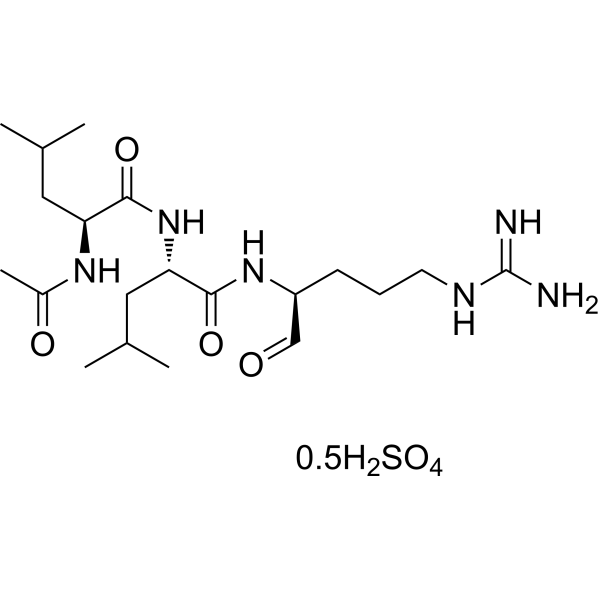
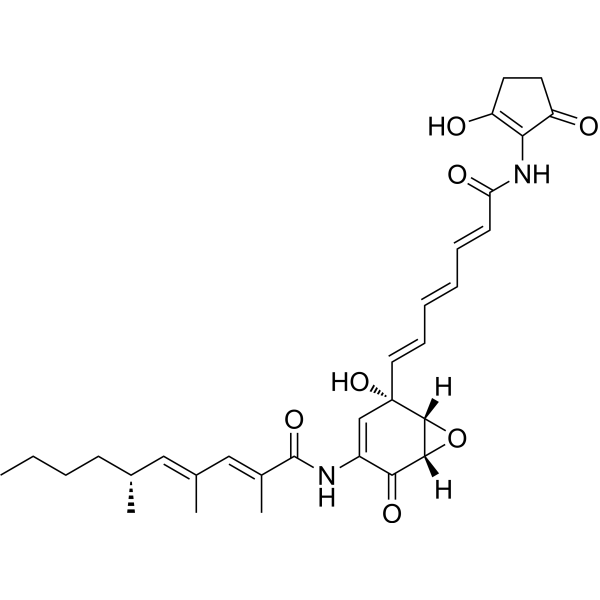
Manumycin A is a polyketide antibiotic and an inhibitor of thioredoxin reductase 1 (TrxR-1). Manumycin A can inhibit the growth of breast cancer cells and exert its anti-tumor activity through LC3. Manumycin A can downregulate the release of pro-inflammatory cytokines in human monocytes stimulated by TNF α, and has potential anti-inflammatory activity. Manumycin A can inhibit the Ras/Raf/ERK1/2 signaling and hnRNP H1 in castration resistant prostate cancer cells to suppress exosome biogenesis and secretion .
|
-
-
- HY-N0637
-
Eriodictyol
Maximum Cited Publications
13 Publications Verification
Huazhongilexone
|
Melanocortin Receptor
TRP Channel
|
Infection
Inflammation/Immunology
|
|
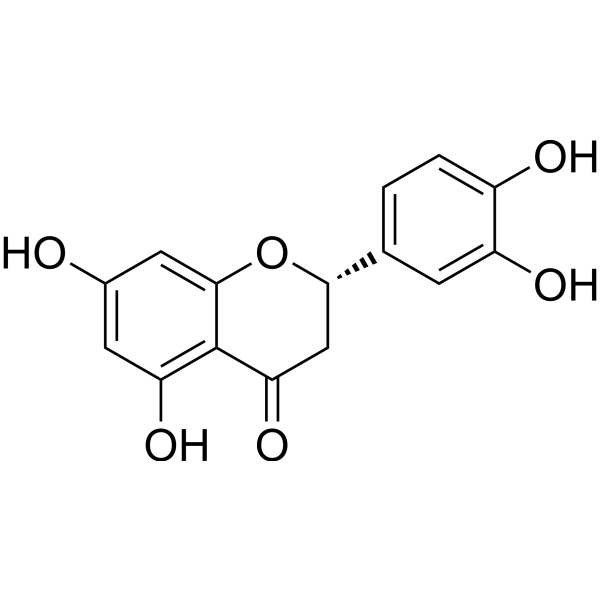
Eriodictyol ((±)-Huazhongilexone; Dihydroluteolin) is an orally active TRPV1 receptor antagonist (IC50=44-47 nM, rTRPV1) with antioxidant and anti-inflammatory activities. Eriodictyol effectively inhibits lipid peroxidation and the release of proinflammatory cytokines by specifically antagonizing the TRPV1 receptor and activating the Nrf2 signaling pathway. Eriodictyol reduces the levels of ICAM-1, VEGF, eNOS and TNF-α in the retina and maintains the integrity of the blood-retinal barrier. Eriodictyol alleviates oxidative stress-induced apoptosis and hyperalgesia, enhances the activity and cytotoxicity of immune cells (such as B lymphocytes, NK cells and macrophages), and increases the levels of antioxidant enzymes simultaneously. Eriodictyol can be used in the research of diabetic retinopathy, acute lung injury and various pain-related diseases .
|
-
-
- HY-130413
-
|
Neuroprotectin D1; NPD1
|
Endogenous Metabolite
PI3K
Akt
HIF/HIF Prolyl-Hydroxylase
Reactive Oxygen Species (ROS)
Caspase
Interleukin Related
MicroRNA
|
Cardiovascular Disease
Neurological Disease
Inflammation/Immunology
|
|
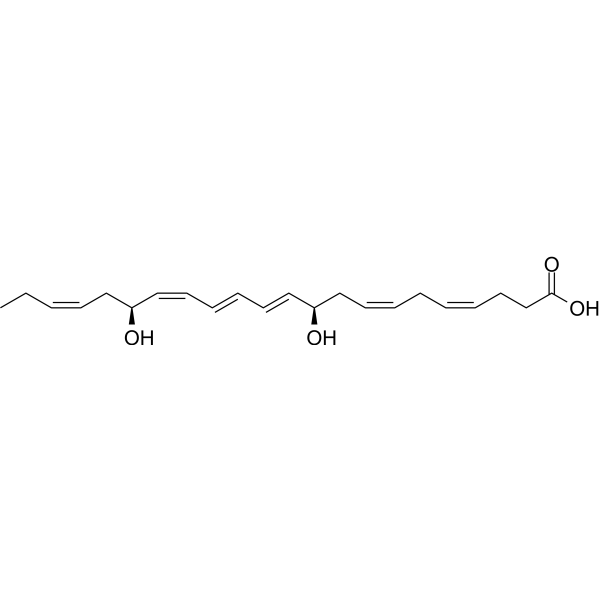
Protectin D1, a neuroprotectin D1 produced by neuronal cells, is a member of a newly discovered family of bioactive products derived from docosahexaenoic acid. Protectin D1 also serves as a specialized pro-resolving mediator, exhibiting effective in vivo pro-resolving activity in various human disease models. Additionally, Protectin D1 is an inhibitor of NALP3 inflammasomes and regulates the PI3K/AKT and HIF-1α signaling pathways. Protectin D1 exerts anti-inflammatory effects by reducing ROS levels, inhibiting the expression of NALP3, ASC, and Caspase-1, and consequently decreasing the release of pro-inflammatory cytokines IL-1β and IL-18. Furthermore, Protectin D1 enhances miRNA-210 expression, activates the PI3K/AKT signaling pathway, and exerts cardioprotective effects. Protectin D1 holds promise for research in cardiovascular diseases and inflammatory disorders .
|
-
-
- HY-P10136
-
IA9
2 Publications Verification
human TREM-2 182-190
|
TREM receptor
|
Inflammation/Immunology
|
|
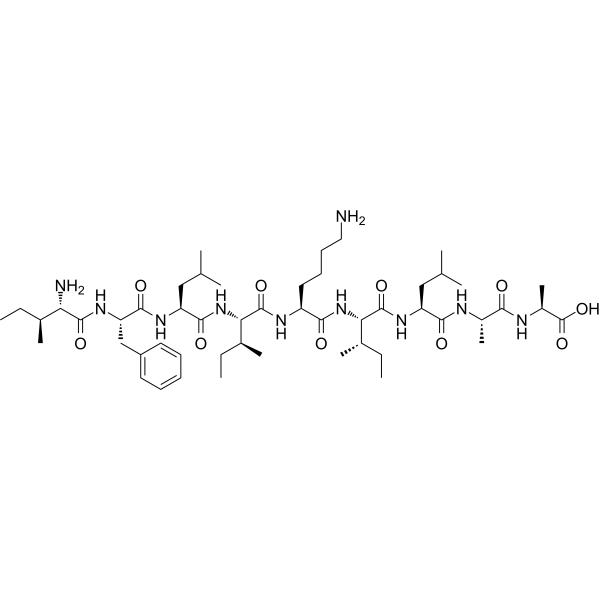
IA9 (human TREM-2 182-190) is a potent, CNS-penetrant TREM-2 inhibitor. IA9 can diminish the release of proinflammatory cytokines and suppress joint inflammation and damage in a Collagen (HY-P5003)-induced arthritis (CIA) mouse model. IA9 can be used for neuroinflammation PET imaging. IA9 can be used for Rheumatoid arthritis (RA) and neuroinflammation research .
|
-
-
- HY-159520
-
|
Ofirnoflast; HT-6184
|
NEKs
NOD-like Receptor (NLR)
Caspase
Apoptosis
Pyroptosis
NF-κB
|
Cardiovascular Disease
Inflammation/Immunology
Cancer
|
|
Ofirnoflastum (Ofirnoflast) is an orally active first-in-class allosteric NEK7 inhibitor with an IC50 of 46 nM. Ofirnoflastum binds an allosteric site adjacent to NEK7’s ATP-binding pocket, induces conformational shifts, disrupts NEK7-NLRP3 binding, blocks NLRP3 inflammasome assembly, spares NEK7’s physiological functions, and suppresses caspase-1, caspase-8, NF-κB, and TNF activity. Ofirnoflastum reduces pro-inflammatory cytokine production, suppresses ASC specks, IL-1β release, pyroptotic cell death, and leukemic burden, induces apoptosis and erythroid differentiation, restores hematopoiesis, and improves outcomes in colitis models. Ofirnoflastum can be used for the research of myelodysplastic syndromes, chronic myelomonocytic leukemia, and acute myeloid leukemia .
|
-
-
- HY-B1114
-
|
AR-DF 26
|
Potassium Channel
ERK
STAT
NF-κB
COX
Interleukin Related
Reactive Oxygen Species (ROS)
|
Metabolic Disease
|
|
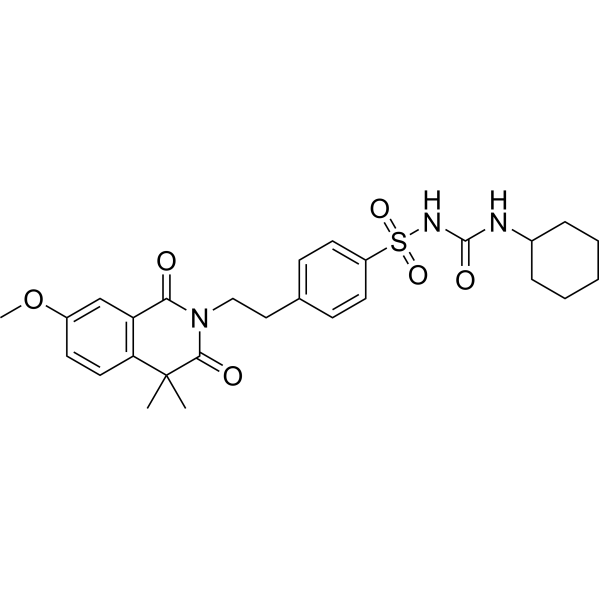
Gliquidone can bind to the pancreatic β-cells and increases insulin release to regulate blood glucose levels. Gliquidone significantly decreases LPS (HY-D1056)-induced proinflammatory responses and inhibits ERK/STAT3/NF-κB phosphorylation in BV2 microglial cells. Gliquidone can suppress microgliosis, microglial hypertrophy mediated by LPS, and proinflammatory cytokine COX-2 and IL-6 levels in murine model. Gliquidone also exhibits good anticancer activity in lung carcinoma cells. Gliquidone has antioxidant property. Gliquidone can be studied in research for type 2 diabetes and cancers .
|
-
-
- HY-N0637A
-
|
(±)-Huazhongilexone; Dihydroluteolin
|
Melanocortin Receptor
TRP Channel
|
Metabolic Disease
|
|
(±)-Eriodictyol ((±)-Huazhongilexone; Dihydroluteolin) is an orally active TRPV1 receptor antagonist (IC50=44-47 nM, rTRPV1) with antioxidant and anti-inflammatory activities. (±)-Eriodictyol effectively inhibits lipid peroxidation and the release of proinflammatory cytokines by specifically antagonizing the TRPV1 receptor and activating the Nrf2 signaling pathway. (±)-Eriodictyol reduces the levels of ICAM-1, VEGF, eNOS and TNF-α in the retina and maintains the integrity of the blood-retinal barrier. (±)-Eriodictyol alleviates oxidative stress-induced apoptosis and hyperalgesia, enhances the activity and cytotoxicity of immune cells (such as B lymphocytes, NK cells and macrophages), and increases the levels of antioxidant enzymes simultaneously. (±)-Eriodictyol can be used in the research of diabetic retinopathy, acute lung injury and various pain-related diseases .
|
-
-
- HY-149143
-
|
|
TRP Channel
|
Inflammation/Immunology
|
|
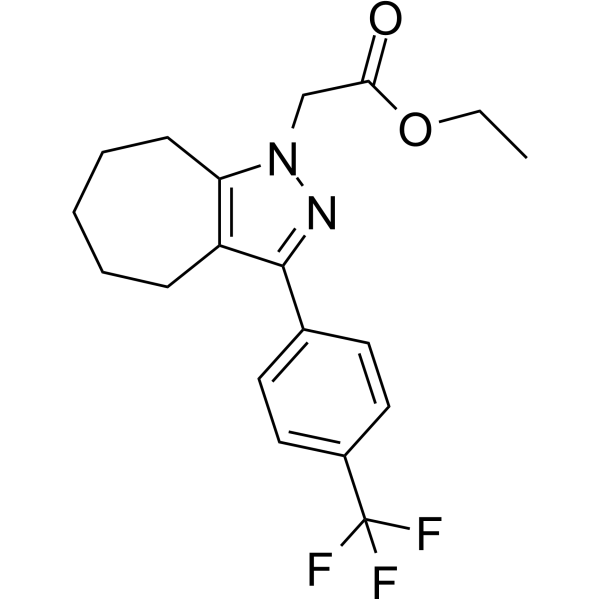
JNJ-28583113 is an TRPM2 antagonist with brain permeability. JNJ-28583113 inhibits TRPM2 blocked phosphorylation of GSK3α and β subunits. JNJ-28583113 protects cells from oxidative stress induced cell death. JNJ-28583113 also suppresses cytokine release in response to pro-inflammatory stimuli in microglia .
|
-
-
- HY-107260
-
|
Lucidenic acid D2
|
NO Synthase
COX
|
Infection
Inflammation/Immunology
Cancer
|
|
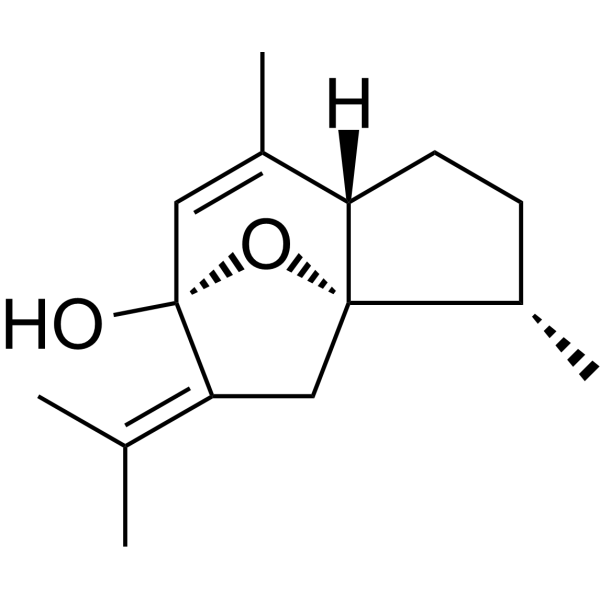
Lucidenic acid D is a highly oxidized triterpenoid with anti-inflammatory and antiviral activities. Lucidenic acid D attenuates lipopolysaccharide-induced release of proinflammatory cytokines and nitric oxide, reduces the expression of inducible nitric oxide synthase (iNOS) and cyclooxygenase-2 (COX-2), and inhibits skin inflammation. Lucidenic acid D suppresses 12-O-tetradecanoylphorbol-13-acetate (TPA)-induced expression of Epstein-Barr virus (EBV) early antigen and maintains the viability of Raji cells. Lucidenic acid D can be used in studies of cancer chemoprevention .
|
-
-
- HY-N1431
-
|
|
NOD-like Receptor (NLR)
Apoptosis
Cytochrome P450
NF-κB
PI3K
Akt
CDK
Caspase
Interleukin Related
p38 MAPK
|
Inflammation/Immunology
Cancer
|
|
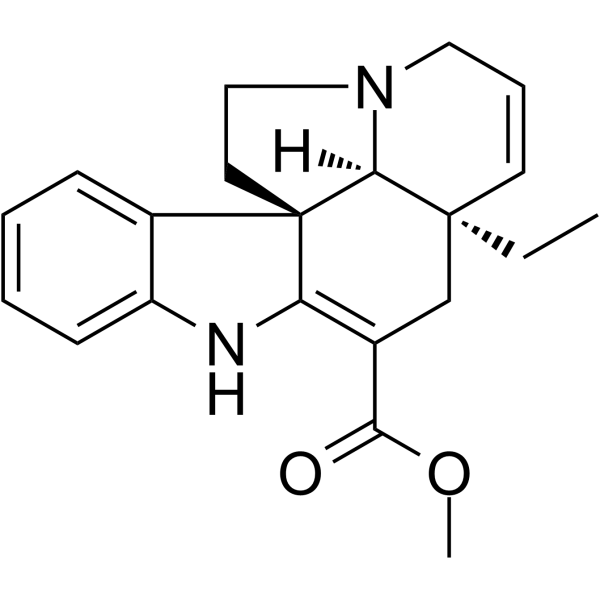
Tabersonine is a selective, orally active NLRP3 inhibitor. Tabersonine directly binds to the NACHT domain of NLRP3, inhibiting its ATPase activity and oligomerization, thereby blocking ASC spot formation and caspase-1 activation, and reducing the release of pro-inflammatory cytokines such as IL-1β. Tabersonine also inhibits K63-linked ubiquitination of TRAF6, blocking NF-κB, PI3K/Akt, and p38 MAPK signaling pathways. Tabersonine can inhibit inflammatory responses, induce apoptosis of liver cancer cells through mitochondrial pathways and death receptor pathways, reduce mitochondrial membrane potential, promote cytochrome c release, and activate caspase proteins. Tabersonine is mainly used in the study of NLRP3-driven inflammatory diseases (such as acute lung injury, sepsis, peritonitis) and tumors such as liver cancer .
|
-
-
- HY-P99008
-
|
IC14
|
Toll-like Receptor (TLR)
|
Infection
Neurological Disease
Inflammation/Immunology
|
|
Atibuclimab (IC14), is a chimeric monoclonal antibody directed against CD14 and is composed of murine variable and human IgG4 Fc regions. Atibuclimab attenuates Lipopolysaccharides (HY-D1056) (LPS)-induced symptoms and strongly inhibits LPS-induced proinflammatory cytokine release, while only delaying the release of the anti-inflammatory cytokines soluble TNF receptor type I and IL-1 receptor antagonist. Atibuclimab can be used for the research of amyotrophic lateral sclerosis, sepsis, community-acquired pneumonia, or acute lung injury .
|
-
-
- HY-P5255
-
|
|
Bacterial
|
Infection
Inflammation/Immunology
|
|
Oligopeptide-10 is a bioactive peptide with antimicrobial activity. Oligopeptide-10 exhibits broad-spectrum bactericidal effects against Gram-positive bacteria including Propionibacterium acnes and Staphylococcus aureus. Oligopeptide-10 targets lipoteichoic acid (LTA) on the surface of bacterial cell membranes, induces bacterial osmotic imbalance by disrupting the integrity of bacterial membranes, and reduces the release of pro-inflammatory cytokines induced by bacteria. Oligopeptide-10 possesses skin-protective activity. Oligopeptide-10 can be applied in research related to acne vulgaris, dandruff, seborrheic dermatitis, and tinea pedis .
|
-
-
- HY-105028
-
|
CP-66248
|
COX
Lipoxygenase
Potassium Channel
MMP
|
Inflammation/Immunology
|
|
Tenidap (CP-66248) is an orally active dual inhibitor of 5-LOX and COX with anti-inflammatory and immunomodulatory properties. Tenidap downregulates the expression of IL-1 receptors in chondrocytes, reduces the release of pro-inflammatory cytokines such as IL-1, IL-6 and TNF-α, and inhibits MMP production and cartilage degradation. Tenidap also blocks bone resorption and leukocyte adhesion to vascular endothelium, interferes with ion and pH changes associated with mouse sperm capacitation, and selectively enhances the activity of hKir2.3 channels (EC50=1.3 μM). Tenidap is applicable to research related to rheumatoid arthritis .
|
-
-
- HY-165613
-
|
Dipalmitoyl-S-glyceryl-cysteine; S-[2,3-Bis(palmitoyloxy)propyl]cysteine
|
Toll-like Receptor (TLR)
Influenza Virus
NF-κB
|
Infection
Inflammation/Immunology
|
|
Pam2Cys (Dipalmitoyl-S-glyceryl-cysteine; S-[2,3-Bis(palmitoyloxy)propyl]cysteine) is a TLR2 agonist and immunostimulant. Pam2Cys binds to TLR2 to activate dendritic cells and trigger the TLR2-dependent NF-κB signaling pathway. Pam2Cys also induces dendritic cell maturation by upregulating the expression of cell surface MHC II molecules. Pam2Cys activates innate immune signaling pathways, drives pro-inflammatory and antimicrobial responses, enhances the expression of macrophage activation markers, increases phagocytic activity, induces the release of IL-12 and pro-inflammatory cytokines, and polarizes macrophages into a pro-inflammatory, antimicrobial phenotype without interfering with IL-10-induced macrophage polarization. Pam2Cys also serves as the lipid moiety in synthetic lipopeptide vaccines and possesses self-adjuvant properties. Pam2Cys enhances the immunogenicity of conjugated peptide segments and induces cellular and humoral immune responses. However, it does not activate CD4 T cells in mouse splenocyte cultures when used alone. Pam2Cys activates pulmonary TLR2 signaling pathways, triggers innate immune responses, recruits neutrophils and macrophages, induces the secretion of various cytokines, alleviates symptoms and damages associated with influenza A virus infection in mice without impairing adaptive immunity. Pam2Cys can be used in studies related to tuberculosis and influenza A virus infection .
|
-
-
- HY-19717
-
|
S-[(1E)-1,2-Dichloroethenyl]-L-cysteine
|
TNF Receptor
|
Inflammation/Immunology
|
|
DCVC (S-[(1E)-1,2-Dichloroethenyl]-L-cysteine) is a bioactive metabolite of trichloroethylene (TCE). DCVC inhibits pathogen-stimulated pro-inflammatory cytokines IL-1β, IL-8, and TNF-α release from tissue cultures .
|
-
-
- HY-P10136A
-
IA9 TFA
2 Publications Verification
human TREM-2 182-190 TFA
|
TREM receptor
|
Inflammation/Immunology
|
|
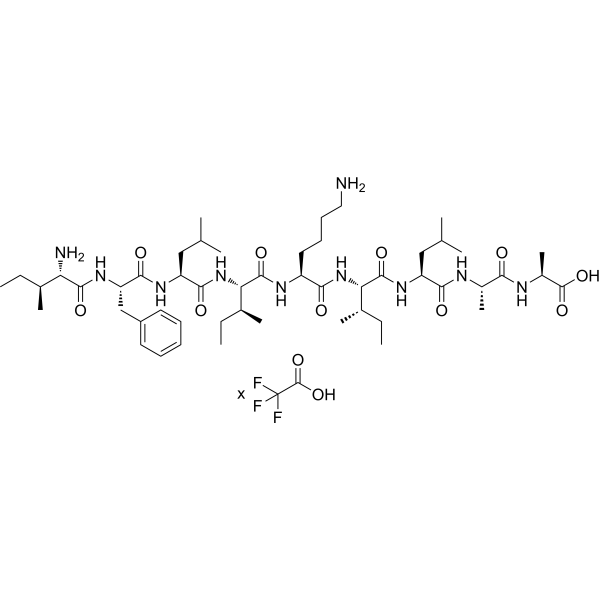
IA9 TFA (human TREM-2 182-190 TFA) is a potent, CNS-penetrant TREM-2 inhibitor. IA9 TFA can diminish the release of proinflammatory cytokines and suppress joint inflammation and damage in a Collagen (HY-P5003)-induced arthritis (CIA) mouse model. IA9 TFA can be used for neuroinflammation PET imaging. IA9 TFA can be used for Rheumatoid arthritis (RA) and neuroinflammation research .
|
-
-
- HY-126328
-
|
|
PKC
Interleukin Related
|
Inflammation/Immunology
|
|
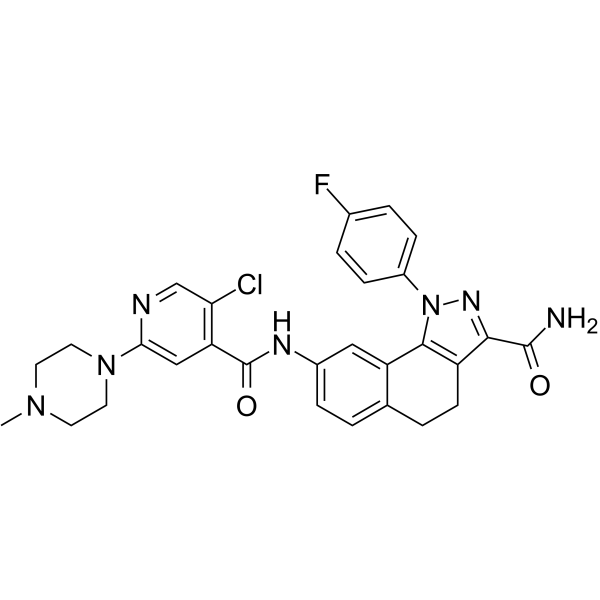
PKC-theta inhibitor 1 is an orally active and selective ATP-competitive inhibitor of Protein Kinase Cθ (PKCθ), with a Ki value of 6 nM. PKC-theta inhibitor 1 inhibits T-cell-mediated inflammatory responses by suppressing the release of proinflammatory cytokines (IL-2 IC50 = 0.21 μM in anti-CD3/CD28-stimulated PBMCs; IL-17 IC50 = 1 μM in CD3/CD28-stimulated Th17 cells) PKC-theta inhibitor 1 significantly reduces symptoms in mice with ongoing experimental autoimmune encephalomyelitis (EAE). PKC-theta inhibitor 1 can be used for the study of T-cell-mediated inflammatory diseases such as multiple sclerosis .
|
-
-
- HY-N13250
-
|
|
Apoptosis
AMPK
Elastase
Bcl-2 Family
Interleukin Related
Caspase
PI3K
Akt
SOD
|
Cardiovascular Disease
|
|
Hawthorn Extract is an orally active hawthorn extract. Hawthorn Extract decreases Bax expression and increases Bcl-2 expression in the aorta. Hawthorn Extract regulates the AMPK signaling pathway, induces apoptosis, enhances the hepatic antioxidant system, and ameliorates symptoms of liver injury, inflammation and cancer. Hawthorn Extract reduces plasma levels of pro-inflammatory factors, increases plasma levels of anti-inflammatory adiponectin, and alleviates atherosclerotic plaque lesions in the aorta. Hawthorn Extract improves symptoms associated with chronic heart failure . Hawthorn Extract inhibits FMLP-induced superoxide anion production, Elastase release, ILB4 generation and calcium signaling in neutrophils, and also reduces LPS-induced cytokine production in neutrophils. Hawthorn Extract induces autophagy and inhibits the proliferation of intestinal stem cells. Hawthorn Extract can be used in research related to atherosclerosis, hepatitis, alcoholic liver disease, non-alcoholic fatty liver disease, hepatocellular carcinoma, chronic heart failure and hypotension .
|
-
-
- HY-116538
-
|
trans-10,cis-12 CLA2
|
Endogenous Metabolite
PPAR
NF-κB
Stearoyl-CoA Desaturase (SCD)
Lipase
|
Metabolic Disease
Inflammation/Immunology
Cancer
|
|
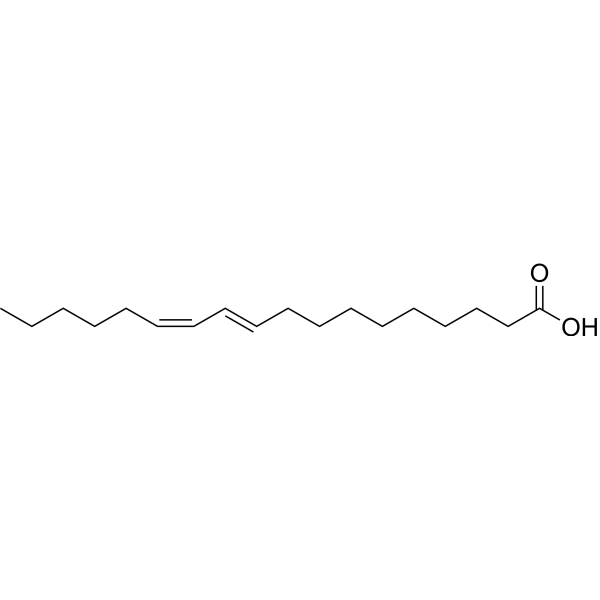
(10E,12Z)-Octadeca-10,12-dienoic acid (trans-10,cis-12 CLA2) is an orally active PPARα activator and inhibits adipocyte differentiation. (10E,12Z)-Octadeca-10,12-dienoic acid and its downstream metabolites have various antioxidant and antitumor activities. (10E,12Z)-Octadeca-10,12-dienoic acid can induce proinflammatory cytokines and chemokines, which would lead to decreased adipogenesis and insulin resistance in adipose tissue. (10E,12Z)-Octadeca-10,12-dienoic acid can affect many aspects of milk fat synthesis. (10E,12Z)-Octadeca-10,12-dienoic acid reduces expression of lipogenic enzymes and inhibits the desaturation of fatty acids. (10E,12Z)-Octadeca-10,12-dienoic acid can reduce lipoprotein lipase (LPL) activity in cultured 3T3-L1 adipocytes and enhance triacylglycerol release from these cells. (10E,12Z)-Octadeca-10,12-dienoic acid decreases the expression of hepatic stearoyl-CoA desatyrase mRNA in mice. (10E,12Z)-Octadeca-10,12-dienoic acid is associated with changes in mucosal NF-κB and Cyclin D1 protein levels in mice .
|
-
-
- HY-W010253
-
-
-
- HY-14562
-
|
|
mAChR
Amyloid-β
|
Neurological Disease
Inflammation/Immunology
|
|
TBPB (tert-butyl peroxybenzoate) is a highly selective, blood-brain-permeable M1 mAChR allosteric agonist (EC50=289 nM) with anti-schizophrenia and anti-inflammatory activities. TBPB can enhance the sensitivity of M1 receptors to acetylcholine, activate downstream signaling pathways, and inhibit the release of pro-inflammatory cytokines (TNF-α, IL-6). TBPB can regulate the processing of amyloid and can be used in the study of neurodegenerative diseases (such as Alzheimer's disease) and inflammation-related diseases (such as sepsis) .
|
-
-
- HY-174903
-
|
|
Itk
|
Inflammation/Immunology
|
|
ITK-IN-6 is a highly potent and selective ITK inhibitor (Kd = 387 nM). ITK-IN-6 directly binds to the ITK kinase domain. ITK-IN-6 blocks the release of pro-inflammatory cytokines and the activation and differentiation of Th2 and Th17 cells. ITK-IN-6 improves asthma progression by reducing inflammatory cell infiltration, mucus and IgE production. ITK-IN-6 significantly inhibits airway inflammation and is used in asthma research .
|
-
-
- HY-126042
-
|
(±)-Lisophylline
|
Interleukin Related
|
Metabolic Disease
Inflammation/Immunology
|
|
(±)-Lisofylline ((±)-Lisophylline) is the racemate of Lisofylline. Lisofylline inhibits the generation of phosphatidic acid and free fatty acids. Lisofylline also blocks the release of pro-inflammatory cytokines in oxidative tissue injury, in response to cancer chemotherapy and in experimental sepsis. Lisofylline can be used for Type 1 diabetes research .
|
-
-
- HY-162152
-
|
|
Keap1-Nrf2
|
Inflammation/Immunology
|
|
biKEAP1 (compound 3) is an inhibitor targeting the dimerKEAP1. biKEAP1 binds to cellular KEAP1 dimers and releases the NRF2 protein sequestered by KEAP1, resulting in immediate activation of NRF2. biKEAP1 also promotes nuclear translocation of NRF2 and directly inhibits proinflammatory cytokine transcription. biKEAP1 can reduce acute inflammation and reduce inflammatory damage in acute inflammation models .
|
-
-
- HY-P10935A
-
|
5-MP TFA
|
Amyloid-β
Interleukin Related
|
Inflammation/Immunology
|
|
Amilo-5MER (5-MP) TFA is an orally active and selective Serum Amyloid A (SAA) inhibitor. Amilo-5MER TFA specifically inhibits the release of pro-inflammatory cytokines IL-6 and IL-1β from SAA-activated cells. Amilo-5MER TFA reduces chronic inflammation and relieves symptoms of diseases such as rheumatoid arthritis (RA), inflammatory bowel disease (IBD), and multiple sclerosis (MS). Amilo-5MER TFA is promising for research of autoimmune diseases and chronic inflammatory diseases .
|
-
-
- HY-N1431A
-
|
|
NOD-like Receptor (NLR)
Apoptosis
Cytochrome P450
NF-κB
PI3K
Akt
CDK
Caspase
Interleukin Related
p38 MAPK
|
Neurological Disease
Inflammation/Immunology
|
|
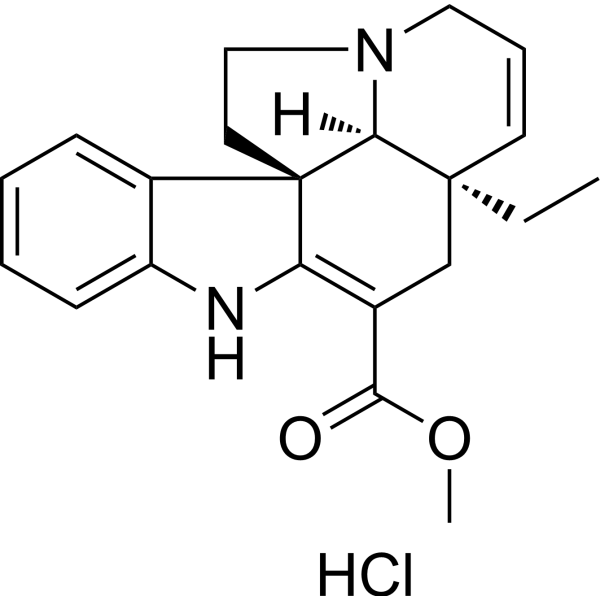
Tabersonine hydrochloride is a selective, orally active NLRP3 inhibitor. Tabersonine hydrochloride directly binds to the NACHT domain of NLRP3, inhibiting its ATPase activity and oligomerization, thereby blocking ASC spot formation and caspase-1 activation, and reducing the release of pro-inflammatory cytokines such as IL-1β. Tabersonine hydrochloride also inhibits K63-linked ubiquitination of TRAF6, blocking NF-κB, PI3K/Akt, and p38 MAPK signaling pathways. Tabersonine hydrochloride can inhibit inflammatory responses, induce apoptosis of liver cancer cells through mitochondrial pathways and death receptor pathways, reduce mitochondrial membrane potential, promote cytochrome c release, and activate caspase proteins. Tabersonine hydrochloride is mainly used in the study of NLRP3-driven inflammatory diseases (such as acute lung injury, sepsis, peritonitis) and tumors such as liver cancer .
|
-
-
- HY-177559
-
|
|
NEKs
Interleukin Related
NOD-like Receptor (NLR)
|
Inflammation/Immunology
|
|
NEK7 degrader-2 (Compound 25) is a NEK7 degrader. NEK7 degrader-2 shows dose-dependent NEK7 degradation ability in human PBMC-derived macrophages. NEK7 degrader-2 reduce the release level of pro-inflammatory cytokines IL-1β induced by NLRP3 inflammasome activation. NEK7 degrader-2 can be used for the study of inflammatory diseases .
|
-
-
- HY-12521
-
|
|
CRAC Channel
|
Inflammation/Immunology
|
|
GSK-5498A is a selective CARC channel inhibitor (IC50: 1 μM). GSK-5498A inhibits mediators release from mast cells and pro-inflammatory cytokines release from T cells. GSK-5498A can be used in the research of inflammatory disorders .
|
-
-
- HY-P2320
-
|
|
Bacterial
|
Infection
Inflammation/Immunology
|
|
IDR-1 is an antimicrobial peptide that is active against Gram-positive and Gram-negative bacteria. IDR-1 counters infection by selective modulation of innate immunity without obvious toxicities. IDR-1 has anti-inflammatory and anti-infective properties, enhances the levels of monocyte chemokines, and attenuates pro-inflammatory cytokine release .
|
-
-
- HY-175293
-
|
|
Toll-like Receptor (TLR)
NF-κB
p38 MAPK
|
Cancer
|
|
SMU-C68 is a highly selective small-molecule TLR1/2 heterodimer agonist (EC50=0.009 μM). SMU-C68 activates NF-κB and MAPK pathways to promote pro-inflammatory cytokine release (e.g., TNF-α, IL-1β). SMU-C68 is promising for research of cancers .
|
-
-
- HY-P991274
-
|
|
Interleukin Related
|
Inflammation/Immunology
|
|
BMS-986010 is a monoclonal antibody inhibitor targeting the p19 subunit of interleukin-23 (IL-23). BMS-986010 reduces IL-23-induced STAT3 phosphorylation and inhibits Th17 cell differentiation and the release of proinflammatory cytokines (such as IL-17 and TNF-α). BMS-986010 is promising for research of autoimmune diseases such as psoriasis and Crohn's disease .
|
-
-
- HY-149426
-
|
|
Sirtuin
|
Inflammation/Immunology
|
|
SIRT5 inhibitor 7 (compound 58) is a substrate-competitive and selective SIRT5 inhibitor with anti-inflammatory activity. SIRT5 inhibitor 7 has renal protective effects and regulates protein succinylation and the release of pro-inflammatory cytokines. SIRT5 inhibitor 7 has in vivo activity in AKI mouse models of lipopolysaccharide (LPS) and cecal ligation/perforation (CLP)-induced sepsis-related acute kidney injury .
|
-
-
- HY-124665
-
|
|
TNF Receptor
Interleukin Related
|
Infection
Metabolic Disease
Inflammation/Immunology
|
|
LMP-420 is a selective tumor necrosis factor-α (TNF-α) inhibitor. LMP-420 reduces the release of pro-inflammatory cytokines (e.g., IL-1β, IL-2), inducing the expression of anti-inflammatory cytokine IL-10 and anti-apoptotic molecules SOCS-1 and Mn-SOD. LMP-420 also downregulates chemokines (e.g., IP-10, MCP-1) to reduce immune cell infiltration. LMP-420 is promising for research of type 1 diabetes mellitus, inflammatory diseases (e.g., colitis), and HIV-Mycobacterium tuberculosis coinfection .
|
-
-
- HY-P10935
-
|
5-MP
|
Amyloid-β
Interleukin Related
|
Inflammation/Immunology
|
|
Amilo-5MER (5-MP) is an orally active and selective Serum Amyloid A (SAA) inhibitor. Amilo-5MER specifically inhibits the release of pro-inflammatory cytokines IL-6 and IL-1β from SAA-activated cells. Amilo-5MER reduces chronic inflammation and relieves symptoms of diseases such as rheumatoid arthritis (RA), inflammatory bowel disease (IBD), and multiple sclerosis (MS). Amilo-5MER is promising for research of autoimmune diseases and chronic inflammatory diseases .
|
-
-
- HY-N12837
-
|
|
Others
|
Inflammation/Immunology
|
|
8-Epiloganin can be isolated from Castilleja rubra and has anti-inflammatory properties. 8-Epiloganin inhibits LPS-induced release of pro-inflammatory cytokines, namely tumor necrosis factor-α and interleukin-1β .
|
-
-
- HY-126042R
-
|
(±)-Lisophylline (Standard)
|
Interleukin Related
Reference Standards
|
Metabolic Disease
Inflammation/Immunology
|
|
(±)-Lisofylline (Standard) is the analytical standard of (±)-Lisofylline. This product is intended for research and analytical applications. (±)-Lisofylline ((±)-Lisophylline) is the racemate of Lisofylline. Lisofylline inhibits the generation of phosphatidic acid and free fatty acids. Lisofylline also blocks the release of pro-inflammatory cytokines in oxidative tissue injury, in response to cancer chemotherapy and in experimental sepsis. Lisofylline can be used for Type 1 diabetes research .
|
-
-
- HY-126042S4
-
|
(±)-Lisophylline-d4
|
Isotope-Labeled Compounds
Interleukin Related
|
Metabolic Disease
Inflammation/Immunology
|
|
(±)-Lisofylline-d4 ((±)-Lisophylline-d4) is deuterium labeled (±)-Lisofylline. (±)-Lisofylline ((±)-Lisophylline) is the racemate of Lisofylline. Lisofylline inhibits the generation of phosphatidic acid and free fatty acids. Lisofylline also blocks the release of pro-inflammatory cytokines in oxidative tissue injury, in response to cancer chemotherapy and in experimental sepsis. Lisofylline can be used for Type 1 diabetes research .
|
-
-
- HY-120269
-
|
|
NF-κB
TNF Receptor
Interleukin Related
|
Neurological Disease
Inflammation/Immunology
|
|
CAY10512 is a NF-κB inhibitor. CAY10512 can suppress the upregulation of NF-κB-sensitive proinflammatory miRNAs (miRNA-9, miRNA-125b, miRNA-146a, miRNA-155) in cerebrospinal fluid and extracellular fluid. CAY10512 significantly reduces the release of pro-inflammatory cytokines (such as TNF-α, MCP-1, IL-8, IL-6). CAY10512 can be used for researchs on neuroinflammation, islet transplantation and microRNA regulation .
|
-
-
- HY-172406
-
|
|
p38 MAPK
Interleukin Related
IRAK
|
Inflammation/Immunology
|
|
MAPK-IN-4 (Compound c1) is an orally active anti-inflammatory agent. MAPK-IN-4 can inhibit the expression and release of pro-inflammatory cytokines IL-6 and TNF-α induced by LPS (HY-D1056). MAPK-IN-4 can bind to IRAK4 and exert its anti-inflammatory effect by inhibiting the MAPK pathway .
|
-
-
- HY-19717S
-
|
S-[(1E)-1,2-Dichloroethenyl]-L-cysteine-13C3,15N
|
Isotope-Labeled Compounds
|
Inflammation/Immunology
|
|
DCVC- 13C3, 15N is 15N and 13C labeled DCVC. DCVC (S-[(1E)-1,2-Dichloroethenyl]-L-cysteine) is a bioactive metabolite of trichloroethylene (TCE). DCVC inhibits pathogen-stimulated pro-inflammatory cytokines IL-1β, IL-8, and TNF-α release from tissue cultures .
|
-
-
- HY-161155
-
|
|
HDAC
|
Inflammation/Immunology
|
|
HDAC6-IN-31 (compound 8m) is a selective HDAC6 inhibitor, with the IC50 value of 0.026 μM, that significantly inhibits the production and release of pro-inflammatory cytokines. While HDAC6 is critically involved in the activation of inflammasomes, HDAC6-IN-31 has the potential to inhibit NLRP3 inflammasome-driven inflammatory diseases. HDAC6-IN-31 also inhibits glioblastoma cell migration .
|
-
-
- HY-173407
-
|
|
P2Y Receptor
Interleukin Related
|
Inflammation/Immunology
|
|
P2Y14R antagonist 4 (Compound 25l) is an orally active P2Y14R antagonist (IC50: 5.6 nM) with superior binding affinity to P2Y14R over PPTN. P2Y14R antagonist 4 has anti-inflammatory activity and reduces LPS (HY-D1056)-induced proinflammatory cytokines (IL-1β, IL-6, and TNF-α) release .
|
-
-
- HY-B1114R
-
|
AR-DF 26 (Standard)
|
Potassium Channel
Reference Standards
ERK
STAT
NF-κB
COX
Interleukin Related
|
Metabolic Disease
|
|
Gliquidone (Standard) is the analytical standard of Gliquidone. This product is intended for research and analytical applications. Gliquidone can bind to the pancreatic β-cells and increases insulin release to regulate blood glucose levels. Gliquidone significantly decreases LPS (HY-D1056)-induced proinflammatory responses and inhibits ERK/STAT3/NF-κB phosphorylation in BV2 microglial cells. Gliquidone can suppress microgliosis, microglial hypertrophy mediated by LPS, and proinflammatory cytokine COX-2 and IL-6 levels in murine model. Gliquidone also exhibits good anticancer activity in lung carcinoma cells. Gliquidone has antioxidant property. Gliquidone can be studied in research for type 2 diabetes and cancers .
|
-
-
- HY-149246
-
|
|
Amyloid-β
Keap1-Nrf2
|
Neurological Disease
Inflammation/Immunology
|
|
Aβ-IN-6 reduces pro-inflammatory cytokine release from microglia cells. Aβ-IN-6 significantly induces Nrf2 nuclear translocation and hamperes Aβ oligomers formation. Aβ-IN-6 exerts a consistent neuroprotective effect by modulating the redox-sensitive signalling pathways in vivo oxidative stress model. Aβ-IN-6 is an orally active and has antiinflammatory, Antioxidant and Anti-oligomeric activity. Aβ-IN-6 has the potential for Alzheimer's disease (AD) research .
|
-
-
- HY-123461
-
|
|
NF-κB
|
Inflammation/Immunology
|
|
Sul-121 hydrochloride is a novel compound with anti-oxidative capacity that effectively inhibits airway inflammation and hyperresponsiveness (AHR) in experimental models of chronic obstructive pulmonary disease (COPD). Sul-121 hydrochloride prevents lipopolysaccharide-induced airway neutrophilia and AHR in a dose-dependent manner. Sul-121 hydrochloride also demonstrates the ability to reduce oxidative stress markers in human airway smooth muscle cells. Sul-121 hydrochloride inhibits nuclear translocation of the NF-κB subunit, p65, thereby diminishing pro-inflammatory cytokine release.
|
-
-
- HY-125387
-
|
|
Src
|
Inflammation/Immunology
|
|
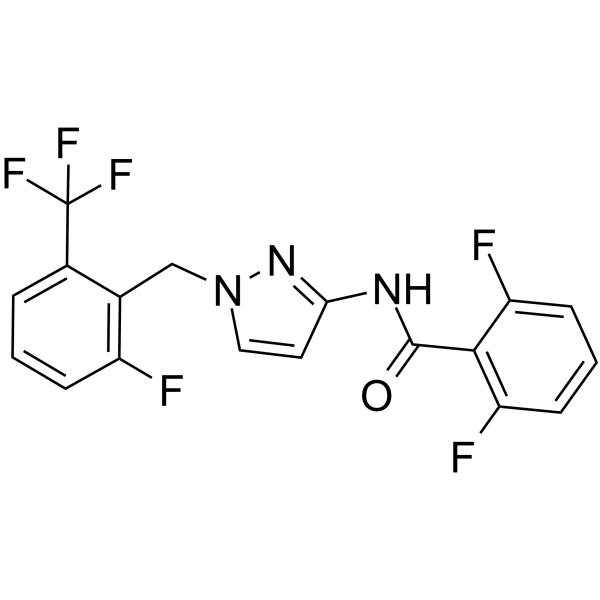
TOP1210 is a narrow-spectrum tyrosine kinase inhibitor with potent inhibitory activity against P38α, Src, and Syk kinases. TOP1210 effectively reduced proinflammatory cytokines released by peripheral blood monocytes, primary macrophages, HT29 cells, inflammatory cells in ulcerative colitis (UC) biopsies, and myofibroblasts isolated from inflamed colonic UC mucosa. TOP1210 showed significant anti-inflammatory effects in cell experiments and UC biopsies, superior to some selective kinase inhibitors. The multi-kinase inhibition of TOP1210 provides the possibility of obtaining a wider range of therapeutic effects, especially in the regulation of autoimmune responses .
|
-
-
- HY-159898
-
-
-
- HY-N0637AR
-
|
(±)-Huazhongilexone (Standard); Dihydroluteolin (Standard)
|
Reference Standards
Melanocortin Receptor
TRP Channel
|
Metabolic Disease
|
|
3-Chlorobenzoic acid (Standard) is the analytical standard of 3-Chlorobenzoic acid. This product is intended for research and analytical applications. (±)-Eriodictyol ((±)-Huazhongilexone; Dihydroluteolin) is an orally active TRPV1 receptor antagonist (IC50=44-47 nM, rTRPV1) with antioxidant and anti-inflammatory activities. (±)-Eriodictyol effectively inhibits lipid peroxidation and the release of proinflammatory cytokines by specifically antagonizing the TRPV1 receptor and activating the Nrf2 signaling pathway. (±)-Eriodictyol reduces the levels of ICAM-1, VEGF, eNOS and TNF-α in the retina and maintains the integrity of the blood-retinal barrier. (±)-Eriodictyol alleviates oxidative stress-induced apoptosis and hyperalgesia, enhances the activity and cytotoxicity of immune cells (such as B lymphocytes, NK cells and macrophages), and increases the levels of antioxidant enzymes simultaneously. (±)-Eriodictyol can be used in the research of diabetic retinopathy, acute lung injury and various pain-related diseases .
|
-
-
- HY-183288
-
|
|
COX
Interleukin Related
TNF Receptor
|
Inflammation/Immunology
|
|
COX-2-IN-66 is a cyclooxygenase-2 (COX-2) inhibitor with an IC50 of 8.43 μM. COX-2-IN-66 reduces release of pro-inflammatory cytokines IL-6 and TNF-α. COX-2-IN-66 exhibits acceptable cellular tolerability, with cytokine-modulating concentrations remaining below its cytotoxic threshold. COX-2-IN-66 can be used for the research of inflammation .
|
-
- HY-19009B
-
|
|
CCR
|
Metabolic Disease
Inflammation/Immunology
Cancer
|
|
Propagermanium is an orally active and selective CCR2 inhibitor. Propagermanium enhances IFN-γ, IL-2, 2',5'-oligoadenylate synthetase, and unspecified cytokine production, and induces mature cytolytic NK cell subsets. Propagermanium reduces HBe antigen and HBV DNA polymerase levels, promotes HBV clearance and lowers serum ALT. Propagermanium downregulates STAT1, inhibits pro-inflammatory microglia polarization, pro-inflammatory cytokine release, and monocyte/macrophage infiltration. Propagermanium can be used for the research of chronic hepatitis B, atherosclerosis, breast cancer, non-alcoholic steatohepatitis, insulin resistance, refractory gastric cancer, multiple myeloma, type 2 diabetes .
|
-
- HY-N17727
-
|
|
Interleukin Related
TNF Receptor
|
Neurological Disease
Inflammation/Immunology
|
|
Divaricatol is an orally ative chromone natural product and an active component in Saposhnikovia divaricata. Divaricatol reduces the release of pro-inflammatory cytokines and restores immune homeostasis by stably binding to 5KIR (a target of the TNF/IL-17 pathway). Divaricatol exerts analgesic effects in mouse models. Divaricatol can be used in the research of pain, diarrhea-predominant irritable bowel syndrome (IBS-D) and qi deficiency syndrome .
|
-
- HY-W010253R
-
|
|
Bacterial
Reference Standards
|
Infection
Inflammation/Immunology
|
|
Benzylurea (Standard) is the analytical standard of Benzylurea (HY-W010253). This product is intended for research and analytical applications. Benzylurea is a benzylamide. Benzylurea is an anti-inflammatory agent. Benzylurea inhibits LPS (HY-D1056)-induced upregulation of MTCH2 expression and regulates pathways associated with mitochondrial function, inflammation and cell survival. Benzylurea alleviates LPS-induced proliferation inhibition and apoptosis of periodontal ligament fibroblasts, as well as the release of proinflammatory cytokines. Benzylurea can be used in studies related to periodontitis.
|
-
- HY-178726
-
|
|
MAP3K
ERK
TNF Receptor
Interleukin Related
|
Inflammation/Immunology
|
|
Cot-IN-4 (compound 32) is a potent cancer osaka thyroid (COT) kinase inhibitor with an IC50 of 6 nM. Cot-IN-4 inhibits the phosphorylation of ERK (IC50: 60 nM) and inhibits TNFα release (IC50: 60 nM). Cot-IN-4 also inhibits the formation of the pro-inflammatory cytokine IL-1β (IC50: 0.2 μM) in Uric acid (HY-B2130)-stimulated macrophages. Cot-IN-4 can be used for the study of inflammatory diseases .
|
-
- HY-D3190
-
|
|
Fluorescent Dye
Apoptosis
|
Inflammation/Immunology
|
|
BODIPY-DOX is a conjugate composed of BODIPY and Doxorubicin (HY-15142A), as well as a pH-activated fluorescent probe for M1 macrophages and an apoptosis inducer. BODIPY-DOX undergoes pH-induced hydrazone bond cleavage in acidic M1 macrophage phagosomes, thereby releasing cytotoxic Doxorubicin (Dox) and inhibiting the function of pro-inflammatory M1 macrophages. BODIPY-DOX highly selectively inhibits the production of relevant pro-inflammatory cytokines by mouse and human monocyte-derived M1 macrophages, while exerting minimal effects on M2 or unactivated macrophages. Therefore, BODIPY-DOX enables simultaneous fluorescent tracing, differentiation and elimination of specific macrophage subsets, and exhibits the potential to regulate tissue regeneration in zebrafish models .
|
-
- HY-182283
-
|
|
Epoxide Hydrolase
Reactive Oxygen Species (ROS)
Interleukin Related
NF-κB
|
Inflammation/Immunology
|
|
sEH-IN-23 is a soluble epoxide hydrolase inhibitor with a IC50 of 0.8 nM against human sEH and 0.7 nM against murine sEH. sEH-IN-23 inhibits inflammatory factor production mediated by NF-κB activation, reactive oxygen species (ROS) generation, and the release of pro-inflammatory cytokines IL-1β, IL-6 and TNF-α. sEH-IN-23 exhibits anti-inflammatory activity in acute lung injury models. sEH-IN-23 can be used for the research of acute lung injury .
|
-
- HY-N18091
-
|
|
Akt
GSK-3
Keap1-Nrf2
NF-κB
Apoptosis
|
Infection
Neurological Disease
Metabolic Disease
Inflammation/Immunology
Cancer
|
|
Tovophyllin A is an orally active xanthonoid compound. Tovophyllin A exerts neuroprotective effects against Parkinson's disease by activating the Akt/GSK3β signaling pathway. Tovophyllin A protects mouse models of liver injury by activating Nrf2. Tovophyllin A exhibits protective anti-inflammatory activity in mouse models of acute lung injury. Tovophyllin A inhibits the activation of NF-κB and subsequent release of pro-inflammatory cytokines. Tovophyllin A reduces apoptotic cell death (Apoptosis). Tovophyllin A has antiplasmodial activity. Tovophyllin A shows cytotoxic activity against lung epithelial cancer cells and breast cancer cells. Tovophyllin A can be used in research related to Parkinson's disease, liver injury, acute lung injury, lung epithelial cancer, and breast cancer .
|
-
| Cat. No. |
Product Name |
Type |
-
- HY-D3190
-
|
|
Fluorescent Dyes
|
|
BODIPY-DOX is a conjugate composed of BODIPY and Doxorubicin (HY-15142A), as well as a pH-activated fluorescent probe for M1 macrophages and an apoptosis inducer. BODIPY-DOX undergoes pH-induced hydrazone bond cleavage in acidic M1 macrophage phagosomes, thereby releasing cytotoxic Doxorubicin (Dox) and inhibiting the function of pro-inflammatory M1 macrophages. BODIPY-DOX highly selectively inhibits the production of relevant pro-inflammatory cytokines by mouse and human monocyte-derived M1 macrophages, while exerting minimal effects on M2 or unactivated macrophages. Therefore, BODIPY-DOX enables simultaneous fluorescent tracing, differentiation and elimination of specific macrophage subsets, and exhibits the potential to regulate tissue regeneration in zebrafish models .
|
| Cat. No. |
Product Name |
Target |
Research Area |
-
- HY-P10136
-
IA9
2 Publications Verification
human TREM-2 182-190
|
TREM receptor
|
Inflammation/Immunology
|
|
IA9 (human TREM-2 182-190) is a potent, CNS-penetrant TREM-2 inhibitor. IA9 can diminish the release of proinflammatory cytokines and suppress joint inflammation and damage in a Collagen (HY-P5003)-induced arthritis (CIA) mouse model. IA9 can be used for neuroinflammation PET imaging. IA9 can be used for Rheumatoid arthritis (RA) and neuroinflammation research .
|
-
- HY-P5255
-
|
|
Bacterial
|
Infection
Inflammation/Immunology
|
|
Oligopeptide-10 is a bioactive peptide with antimicrobial activity. Oligopeptide-10 exhibits broad-spectrum bactericidal effects against Gram-positive bacteria including Propionibacterium acnes and Staphylococcus aureus. Oligopeptide-10 targets lipoteichoic acid (LTA) on the surface of bacterial cell membranes, induces bacterial osmotic imbalance by disrupting the integrity of bacterial membranes, and reduces the release of pro-inflammatory cytokines induced by bacteria. Oligopeptide-10 possesses skin-protective activity. Oligopeptide-10 can be applied in research related to acne vulgaris, dandruff, seborrheic dermatitis, and tinea pedis .
|
-
- HY-P10136A
-
IA9 TFA
2 Publications Verification
human TREM-2 182-190 TFA
|
TREM receptor
|
Inflammation/Immunology
|
|
IA9 TFA (human TREM-2 182-190 TFA) is a potent, CNS-penetrant TREM-2 inhibitor. IA9 TFA can diminish the release of proinflammatory cytokines and suppress joint inflammation and damage in a Collagen (HY-P5003)-induced arthritis (CIA) mouse model. IA9 TFA can be used for neuroinflammation PET imaging. IA9 TFA can be used for Rheumatoid arthritis (RA) and neuroinflammation research .
|
-
- HY-P10935A
-
|
5-MP TFA
|
Amyloid-β
Interleukin Related
|
Inflammation/Immunology
|
|
Amilo-5MER (5-MP) TFA is an orally active and selective Serum Amyloid A (SAA) inhibitor. Amilo-5MER TFA specifically inhibits the release of pro-inflammatory cytokines IL-6 and IL-1β from SAA-activated cells. Amilo-5MER TFA reduces chronic inflammation and relieves symptoms of diseases such as rheumatoid arthritis (RA), inflammatory bowel disease (IBD), and multiple sclerosis (MS). Amilo-5MER TFA is promising for research of autoimmune diseases and chronic inflammatory diseases .
|
-
- HY-P2320
-
|
|
Bacterial
|
Infection
Inflammation/Immunology
|
|
IDR-1 is an antimicrobial peptide that is active against Gram-positive and Gram-negative bacteria. IDR-1 counters infection by selective modulation of innate immunity without obvious toxicities. IDR-1 has anti-inflammatory and anti-infective properties, enhances the levels of monocyte chemokines, and attenuates pro-inflammatory cytokine release .
|
-
- HY-P10935
-
|
5-MP
|
Amyloid-β
Interleukin Related
|
Inflammation/Immunology
|
|
Amilo-5MER (5-MP) is an orally active and selective Serum Amyloid A (SAA) inhibitor. Amilo-5MER specifically inhibits the release of pro-inflammatory cytokines IL-6 and IL-1β from SAA-activated cells. Amilo-5MER reduces chronic inflammation and relieves symptoms of diseases such as rheumatoid arthritis (RA), inflammatory bowel disease (IBD), and multiple sclerosis (MS). Amilo-5MER is promising for research of autoimmune diseases and chronic inflammatory diseases .
|
| Cat. No. |
Product Name |
Target |
Research Area |
Image |
-
- HY-P991028
-
|
AZD0486; TNB-486
|
CD3
CD19
Interleukin Related
TNF Receptor
IFNAR
|
Cancer
|
|
Surovatamig (AZD0486; TNB-486) is a fully human anti-CD19/CD3 IgG4 bispecific antibody. Surovatamig triggers T cell activation, releases cytotoxic granules, and induces T cell-dependent cellular cytotoxicity and tumor cell lysis. Surovatamig can reduces release of pro-inflammatory cytokines including IL-2, IFNγ, TNF. Surovatamig can be used for the research of cancer, such as B cell non-Hodgkin lymphoma .
|
-
(5)
-
- HY-P99008
-
|
IC14
|
Toll-like Receptor (TLR)
|
Infection
Neurological Disease
Inflammation/Immunology
|
|
Atibuclimab (IC14), is a chimeric monoclonal antibody directed against CD14 and is composed of murine variable and human IgG4 Fc regions. Atibuclimab attenuates Lipopolysaccharides (HY-D1056) (LPS)-induced symptoms and strongly inhibits LPS-induced proinflammatory cytokine release, while only delaying the release of the anti-inflammatory cytokines soluble TNF receptor type I and IL-1 receptor antagonist. Atibuclimab can be used for the research of amyotrophic lateral sclerosis, sepsis, community-acquired pneumonia, or acute lung injury .
|
-
(5)
-
- HY-P991274
-
|
|
Interleukin Related
|
Inflammation/Immunology
|
|
BMS-986010 is a monoclonal antibody inhibitor targeting the p19 subunit of interleukin-23 (IL-23). BMS-986010 reduces IL-23-induced STAT3 phosphorylation and inhibits Th17 cell differentiation and the release of proinflammatory cytokines (such as IL-17 and TNF-α). BMS-986010 is promising for research of autoimmune diseases such as psoriasis and Crohn's disease .
|
-
(5)
| Cat. No. |
Product Name |
Category |
Target |
Chemical Structure |
-
- HY-N6796
-
-
-
- HY-N0637
-
-
-
- HY-130413
-
|
Neuroprotectin D1; NPD1
|
Neurological Disease
Classification of Application Fields
Ketones, Aldehydes, Acids
Endogenous metabolite
Disease Research Fields
Source Classification
|
Endogenous Metabolite
PI3K
Akt
HIF/HIF Prolyl-Hydroxylase
Reactive Oxygen Species (ROS)
Caspase
Interleukin Related
MicroRNA
|
|
Protectin D1, a neuroprotectin D1 produced by neuronal cells, is a member of a newly discovered family of bioactive products derived from docosahexaenoic acid. Protectin D1 also serves as a specialized pro-resolving mediator, exhibiting effective in vivo pro-resolving activity in various human disease models. Additionally, Protectin D1 is an inhibitor of NALP3 inflammasomes and regulates the PI3K/AKT and HIF-1α signaling pathways. Protectin D1 exerts anti-inflammatory effects by reducing ROS levels, inhibiting the expression of NALP3, ASC, and Caspase-1, and consequently decreasing the release of pro-inflammatory cytokines IL-1β and IL-18. Furthermore, Protectin D1 enhances miRNA-210 expression, activates the PI3K/AKT signaling pathway, and exerts cardioprotective effects. Protectin D1 holds promise for research in cardiovascular diseases and inflammatory disorders .
|
-
-
- HY-N0637A
-
|
(±)-Huazhongilexone; Dihydroluteolin
|
Structural Classification
Flavonoids
Lawsonia inermis L.
Lythraceae
Flavones
Plants
Source Classification
|
Melanocortin Receptor
TRP Channel
|
|
(±)-Eriodictyol ((±)-Huazhongilexone; Dihydroluteolin) is an orally active TRPV1 receptor antagonist (IC50=44-47 nM, rTRPV1) with antioxidant and anti-inflammatory activities. (±)-Eriodictyol effectively inhibits lipid peroxidation and the release of proinflammatory cytokines by specifically antagonizing the TRPV1 receptor and activating the Nrf2 signaling pathway. (±)-Eriodictyol reduces the levels of ICAM-1, VEGF, eNOS and TNF-α in the retina and maintains the integrity of the blood-retinal barrier. (±)-Eriodictyol alleviates oxidative stress-induced apoptosis and hyperalgesia, enhances the activity and cytotoxicity of immune cells (such as B lymphocytes, NK cells and macrophages), and increases the levels of antioxidant enzymes simultaneously. (±)-Eriodictyol can be used in the research of diabetic retinopathy, acute lung injury and various pain-related diseases .
|
-
-
- HY-107260
-
-
-
- HY-N1431
-
|
|
Apocynaceae
Alkaloids
Structural Classification
Plants
Indole Alkaloids
Catharanthus roseus (L.) G. Don
Source Classification
|
NOD-like Receptor (NLR)
Apoptosis
Cytochrome P450
NF-κB
PI3K
Akt
CDK
Caspase
Interleukin Related
p38 MAPK
|
|
Tabersonine is a selective, orally active NLRP3 inhibitor. Tabersonine directly binds to the NACHT domain of NLRP3, inhibiting its ATPase activity and oligomerization, thereby blocking ASC spot formation and caspase-1 activation, and reducing the release of pro-inflammatory cytokines such as IL-1β. Tabersonine also inhibits K63-linked ubiquitination of TRAF6, blocking NF-κB, PI3K/Akt, and p38 MAPK signaling pathways. Tabersonine can inhibit inflammatory responses, induce apoptosis of liver cancer cells through mitochondrial pathways and death receptor pathways, reduce mitochondrial membrane potential, promote cytochrome c release, and activate caspase proteins. Tabersonine is mainly used in the study of NLRP3-driven inflammatory diseases (such as acute lung injury, sepsis, peritonitis) and tumors such as liver cancer .
|
-
-
- HY-N13250
-
|
|
Cardiovascular Disease
Classification of Application Fields
Rosaceae
Plants
Disease Research Fields
Source Classification
|
Apoptosis
AMPK
Elastase
Bcl-2 Family
Interleukin Related
Caspase
PI3K
Akt
SOD
|
|
Hawthorn Extract is an orally active hawthorn extract. Hawthorn Extract decreases Bax expression and increases Bcl-2 expression in the aorta. Hawthorn Extract regulates the AMPK signaling pathway, induces apoptosis, enhances the hepatic antioxidant system, and ameliorates symptoms of liver injury, inflammation and cancer. Hawthorn Extract reduces plasma levels of pro-inflammatory factors, increases plasma levels of anti-inflammatory adiponectin, and alleviates atherosclerotic plaque lesions in the aorta. Hawthorn Extract improves symptoms associated with chronic heart failure . Hawthorn Extract inhibits FMLP-induced superoxide anion production, Elastase release, ILB4 generation and calcium signaling in neutrophils, and also reduces LPS-induced cytokine production in neutrophils. Hawthorn Extract induces autophagy and inhibits the proliferation of intestinal stem cells. Hawthorn Extract can be used in research related to atherosclerosis, hepatitis, alcoholic liver disease, non-alcoholic fatty liver disease, hepatocellular carcinoma, chronic heart failure and hypotension .
|
-
-
- HY-W010253
-
-
-
- HY-N1431A
-
|
|
Apocynaceae
Alkaloids
Plants
Indole Alkaloids
Catharanthus roseus (L.) G. Don
Source Classification
|
NOD-like Receptor (NLR)
Apoptosis
Cytochrome P450
NF-κB
PI3K
Akt
CDK
Caspase
Interleukin Related
p38 MAPK
|
|
Tabersonine hydrochloride is a selective, orally active NLRP3 inhibitor. Tabersonine hydrochloride directly binds to the NACHT domain of NLRP3, inhibiting its ATPase activity and oligomerization, thereby blocking ASC spot formation and caspase-1 activation, and reducing the release of pro-inflammatory cytokines such as IL-1β. Tabersonine hydrochloride also inhibits K63-linked ubiquitination of TRAF6, blocking NF-κB, PI3K/Akt, and p38 MAPK signaling pathways. Tabersonine hydrochloride can inhibit inflammatory responses, induce apoptosis of liver cancer cells through mitochondrial pathways and death receptor pathways, reduce mitochondrial membrane potential, promote cytochrome c release, and activate caspase proteins. Tabersonine hydrochloride is mainly used in the study of NLRP3-driven inflammatory diseases (such as acute lung injury, sepsis, peritonitis) and tumors such as liver cancer .
|
-
-
- HY-N12837
-
-
-
- HY-N0637AR
-
|
(±)-Huazhongilexone (Standard); Dihydroluteolin (Standard)
|
Structural Classification
Flavonoids
Lawsonia inermis L.
Lythraceae
Flavones
Plants
Source Classification
|
Reference Standards
Melanocortin Receptor
TRP Channel
|
|
3-Chlorobenzoic acid (Standard) is the analytical standard of 3-Chlorobenzoic acid. This product is intended for research and analytical applications. (±)-Eriodictyol ((±)-Huazhongilexone; Dihydroluteolin) is an orally active TRPV1 receptor antagonist (IC50=44-47 nM, rTRPV1) with antioxidant and anti-inflammatory activities. (±)-Eriodictyol effectively inhibits lipid peroxidation and the release of proinflammatory cytokines by specifically antagonizing the TRPV1 receptor and activating the Nrf2 signaling pathway. (±)-Eriodictyol reduces the levels of ICAM-1, VEGF, eNOS and TNF-α in the retina and maintains the integrity of the blood-retinal barrier. (±)-Eriodictyol alleviates oxidative stress-induced apoptosis and hyperalgesia, enhances the activity and cytotoxicity of immune cells (such as B lymphocytes, NK cells and macrophages), and increases the levels of antioxidant enzymes simultaneously. (±)-Eriodictyol can be used in the research of diabetic retinopathy, acute lung injury and various pain-related diseases .
|
-
-
- HY-N17727
-
-
-
- HY-W010253R
-
|
|
Structural Classification
Natural Products
Opiliaceae
Plants
Salvadora persica
|
Bacterial
Reference Standards
|
|
Benzylurea (Standard) is the analytical standard of Benzylurea (HY-W010253). This product is intended for research and analytical applications. Benzylurea is a benzylamide. Benzylurea is an anti-inflammatory agent. Benzylurea inhibits LPS (HY-D1056)-induced upregulation of MTCH2 expression and regulates pathways associated with mitochondrial function, inflammation and cell survival. Benzylurea alleviates LPS-induced proliferation inhibition and apoptosis of periodontal ligament fibroblasts, as well as the release of proinflammatory cytokines. Benzylurea can be used in studies related to periodontitis.
|
-
-
- HY-N18091
-
|
|
Structural Classification
Guttiferae
Phenols
Polyphenols
Garcinia mangostana Linn.
Plants
Source Classification
|
Akt
GSK-3
Keap1-Nrf2
NF-κB
Apoptosis
|
|
Tovophyllin A is an orally active xanthonoid compound. Tovophyllin A exerts neuroprotective effects against Parkinson's disease by activating the Akt/GSK3β signaling pathway. Tovophyllin A protects mouse models of liver injury by activating Nrf2. Tovophyllin A exhibits protective anti-inflammatory activity in mouse models of acute lung injury. Tovophyllin A inhibits the activation of NF-κB and subsequent release of pro-inflammatory cytokines. Tovophyllin A reduces apoptotic cell death (Apoptosis). Tovophyllin A has antiplasmodial activity. Tovophyllin A shows cytotoxic activity against lung epithelial cancer cells and breast cancer cells. Tovophyllin A can be used in research related to Parkinson's disease, liver injury, acute lung injury, lung epithelial cancer, and breast cancer .
|
-
| Cat. No. |
Product Name |
Chemical Structure |
-
- HY-126042S4
-
|
|
|
(±)-Lisofylline-d4 ((±)-Lisophylline-d4) is deuterium labeled (±)-Lisofylline. (±)-Lisofylline ((±)-Lisophylline) is the racemate of Lisofylline. Lisofylline inhibits the generation of phosphatidic acid and free fatty acids. Lisofylline also blocks the release of pro-inflammatory cytokines in oxidative tissue injury, in response to cancer chemotherapy and in experimental sepsis. Lisofylline can be used for Type 1 diabetes research .
|
-
-
- HY-19717S
-
|
|
|
DCVC- 13C3, 15N is 15N and 13C labeled DCVC. DCVC (S-[(1E)-1,2-Dichloroethenyl]-L-cysteine) is a bioactive metabolite of trichloroethylene (TCE). DCVC inhibits pathogen-stimulated pro-inflammatory cytokines IL-1β, IL-8, and TNF-α release from tissue cultures .
|
-
| Cat. No. |
Product Name |
|
Classification |
-
- HY-125387
-
|
|
|
Alkynes
|
|
TOP1210 is a narrow-spectrum tyrosine kinase inhibitor with potent inhibitory activity against P38α, Src, and Syk kinases. TOP1210 effectively reduced proinflammatory cytokines released by peripheral blood monocytes, primary macrophages, HT29 cells, inflammatory cells in ulcerative colitis (UC) biopsies, and myofibroblasts isolated from inflamed colonic UC mucosa. TOP1210 showed significant anti-inflammatory effects in cell experiments and UC biopsies, superior to some selective kinase inhibitors. The multi-kinase inhibition of TOP1210 provides the possibility of obtaining a wider range of therapeutic effects, especially in the regulation of autoimmune responses .
|
Your information is safe with us. * Required Fields.
Inquiry Information
- Product Name:
- Cat. No.:
- Quantity:
- MCE Japan Authorized Agent:

