


1. Search Result
Search Result
Results for "

region selectivity

" in MedChemExpress (MCE) Product Catalog:

30

Inhibitors & Agonists

1

Peptides

4

Inhibitory Antibodies

5

Natural
Products

1

Isotope-Labeled Compounds

1

Oligonucleotides

Targets Recommended:
Cat. No. Product Name Target Research Areas Chemical Structure
  • HY-113294
    3-Hydroxykynurenine
    2 Publications Verification

    3-Hydroxy-DL-kynurenine

    Endogenous Metabolite Apoptosis Neurological Disease
    3-Hydroxykynurenine, a metabolite of tryptophan, is a potential endogenous neurotoxin whose increased levels have been described in several neurodegenerative disorders. 3-Hydroxykynurenine induces neuronal apoptosis .
    3-Hydroxykynurenine
  • HY-P99014
    Cusatuzumab
    1 Publications Verification

    ARGX-110

    Fc Receptor (FcR) NF-κB Inflammation/Immunology Cancer
    Cusatuzumab (ARGX-110) is a selective competitive blocker targeting CD70 (with an equilibrium dissociation constant of 17 pM for binding to human CD70). Cusatuzumab also possesses enhanced antibody-dependent cell-mediated cytotoxicity (ADCC) activity. It is a humanized IgG1 monoclonal antibody, artificially synthesized through humanization and genetic engineering modifications (CH2 region mutation to enhance effector function). Cusatuzumab has a dual mechanism of action: firstly, it competitively blocks the interaction between CD70 and CD27, inhibiting the CD27-NF-κB signaling pathway, reducing regulatory T cell (Treg) activation and tumor cell proliferation; secondly, by enhancing binding to FcγRIIIa, it mediates ADCC and antibody-dependent cellular phagocytosis (ADCP), directly lysing CD70-positive tumor cells. Cusatuzumab can efficiently eliminate leukemia stem cells (LSCs), induce tumor cell differentiation and apoptosis, restore immune surveillance, and target CD70-positive tumors. Cusatuzumab is used in the study of acute myeloid leukemia (AML) .
    Cusatuzumab
  • HY-112299
    Zipalertinib
    3 Publications Verification

    TAS6417; CLN-081

    EGFR Apoptosis Cancer
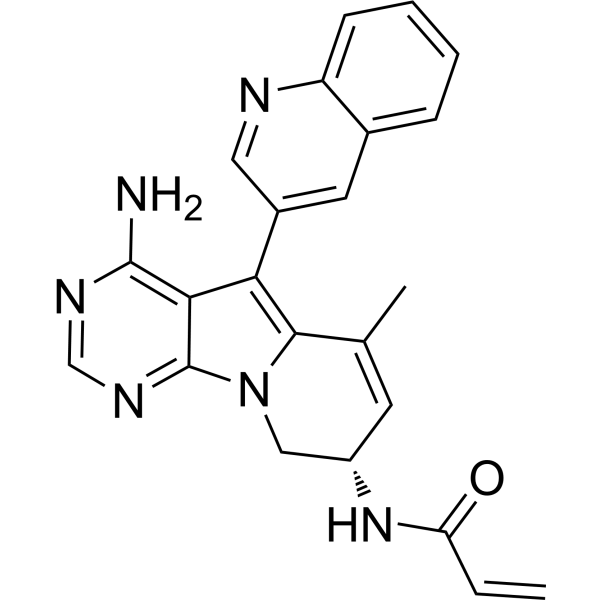
    Zipalertinib (TAS6417; CLN-081) is a highly effective, orally active and pan-mutation-selective EGFR tyrosine kinase inhibitor with a unique scaffold fitting into the ATP-binding site of the EGFR hinge region, with IC50 values ranging from 1.1-8.0 nM .
    Zipalertinib
  • HY-W040129
    Chromomycin A3
    1 Publications Verification

    DNA Alkylator/Crosslinker DNA/RNA Synthesis Apoptosis Caspase Infection Neurological Disease Cancer
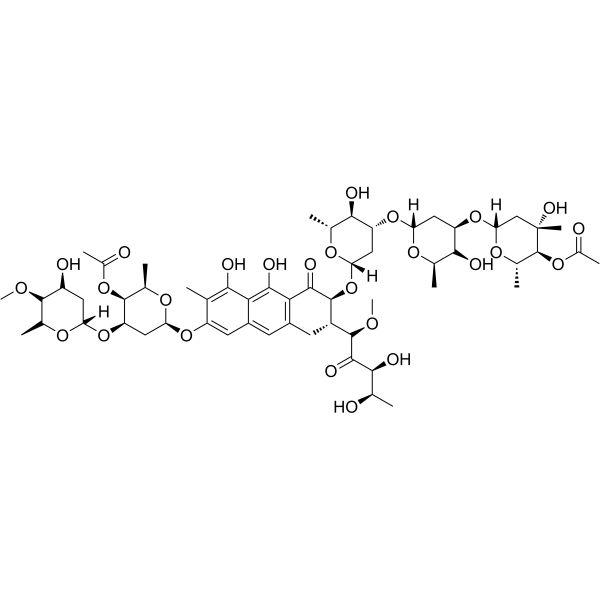
    Chromomycin A3 is an inhibitor that selectively binds to GC-rich DNA sequences. Chromomycin A3 targets the DNA minor groove after forming a dimer with Mg 2+. Chromomycin A3 inhibits DNA replication and transcription, blocks the binding of Sp1 transcription factor to target gene promoters, downregulates the expression of anti-apoptotic proteins such as FLIP, Mcl-1, and XIAP, and induces S-phase cycle arrest and caspase-dependent apoptosis in tumor cells. Chromomycin A3 can antagonize oxidative stress induced by glutathione depletion and neuronal apoptosis induced by Camptothecin (HY-15660). Chromomycin A3 can be used in basic research on malignant tumors such as cholangiocarcinoma, and is a potential chemosensitizer and GC-rich region probe .
    Chromomycin A3
  • HY-173432

    ACSL Family Ferroptosis Neurological Disease Cancer
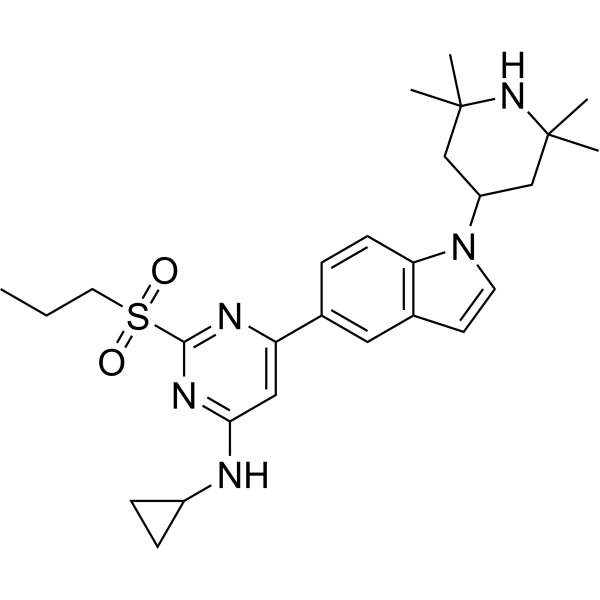
    LIBX-A401 is a selective long-chain acyl-CoA synthetase 4 (ACSL4) inhibitor with a human IC50 values of 0.38 μM and a Kd of 0.72 μM. LIBX-A401 binds to ACSL4 in an ATP-dependent manner, stabilizes the C-terminal domain, alters the fatty acid gate region, and interacts with residues A329 and Q302 within the fatty acid binding site. LIBX-A401 exhibits anti-ferroptosis properties in cells. LIBX-A401 can be used for the researches of cancer and parkinson's disease .
    LIBX-A401
  • HY-P990109

    Amyloid-β Neurological Disease
    Aducanumab (Mouse IGG2a) is a monoclonal antibody that selectively targets aggregated amyloid-beta (Aβ). The variable region of Aducanumab (Mouse IGG2a) is consistent with that of Aducanumab (HY-P9967), while the constant region is of Mouse IGG2a sequence. Aducanumab (Mouse IGG2a) has strong selectivity for Aβ fibrils with EC50s of >1 μM and 0.2 nM for monomeric Aβ1-40 and fibrillar Aβ1-42, respectively. Aducanumab (Mouse IGG2a) can be used for Alzheimer's disease (AD) research .
    Aducanumab (Mouse IGG2a)
  • HY-W010041

    α-synuclein Amyloid-β Neurological Disease
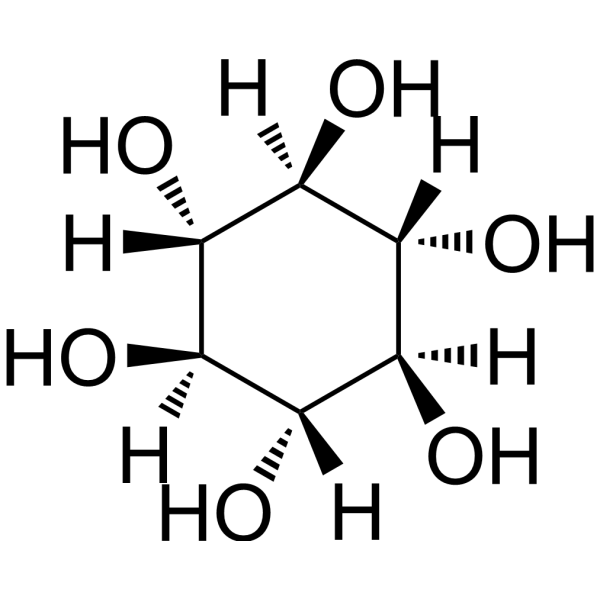
    Scyllo-Inositol is an inhibitor that targets the aggregation of misfolded proteins (such as α-synuclein and Amyloid-β), is orally effective, and can cross the blood-brain barrier. Scyllo-Inositol can selectively bind to and stabilize non-toxic oligomers, preventing them from converting into toxic fibers, exerting protein homeostasis regulation and neuroprotective activity. Scyllo-Inositol binds to the hydrophobic region of pathogenic proteins, inhibits protein aggregation, and promotes lysosome- and proteasome-mediated degradation pathways, thereby reducing neurotoxicity. Scyllo-Inositol can be used in the study of neurodegenerative diseases such as Parkinson's disease, Alzheimer's disease, and Huntington's disease .
    Scyllo-Inositol
  • HY-P99258

    OMP 52M51; Anti-Human NOTCH1 Recombinant Antibody

    Notch Cancer
    Brontictuzumab (OMP 52M51) is a monoclonal antibody (MAb) that inhibits Notch1 signal. Brontictuzumab selectively binds the negative regulatory region of the Notch1. Brontictuzumab inhibits tumor cell proliferation. Brontictuzumab can be used in the research of leukemia and lymphoma .
    Brontictuzumab
  • HY-12854

    GRN163L

    Telomerase Apoptosis Cardiovascular Disease Cancer
    Imetelstat (GRN163L) is a 13-mer oligonucleotide and competitive Telomerase inhibitor. Imetelstat binds with high affinity to the template region of the RNA component of human telomerase. Imetelstat induces Apoptosis. Imetelstat is capable of selectively eliminating myelofibrosis hematopoietic stem cells. Imetelstat leads to the loss of a cancer cell's ability to maintain telomere length, resulting in the inhibition of cell proliferation .
    Imetelstat
  • HY-159834

    SLC-D011

    DNA/RNA Synthesis Others
    Progerinin (SLC-D011) is an orally active progerin-lamin A binding inhibitor. Progerinin selectively binds to the C-terminal region of progerin, disrupting its interaction with lamin A and promoting progerin degradation while sparing wild-type lamin A, B, and C. Progerinin ameliorates nuclear deformation, increases H3K9me3 levels, and reduces progerin expression in HGPS patient-derived fibroblasts. Progerinin extends lifespan in Lmna G609G/G609G mice and Lmna G609G/+ mice, improves body weight, hair morphology, cardiac function, and histological phenotypes. Progerinin can be used for the study of Hutchinson-Gilford progeria syndrome (HGPS) .
    Progerinin
  • HY-112373

    Aurora Kinase Others
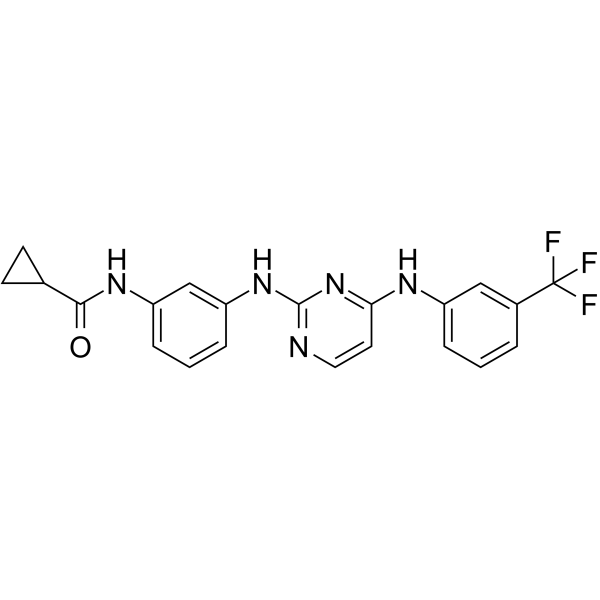
    Aurora kinase inhibitor-3 is a strong and selective Aurora A kinase inhibitor with an IC50 of 42 nM, and weakly inhibits EGFR with an IC50 of >10 μM. Aurora kinase inhibitor-3 has a binding mode with the cyclopropanecarboxylic acid moiety directed towards the solvent exposed region of the ATP-binding pocket .
    Aurora kinase inhibitor-3
  • HY-147259

    c-Met/HGFR Cancer
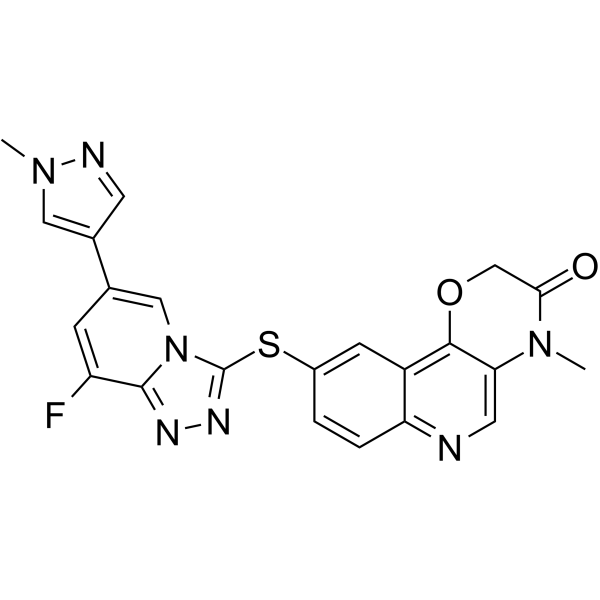
    Dalmelitinib is an orally active selective c-Met kinase inhibitor (IC50: 2.9 nM) that binds to the ATP-binding region of c-Met. Dalmelitinib induces the phosphorylation of MET, partially or completely inhibits the phosphorylation of AKT and ERK. Dalmelitinib potently inhibits cancer cell (c-Met oncogene amplification) proliferation, and is used for the research of cancers like human non-small cell lung cancer (NSCLC) .
    Dalmelitinib
  • HY-151523

    Ras Cancer
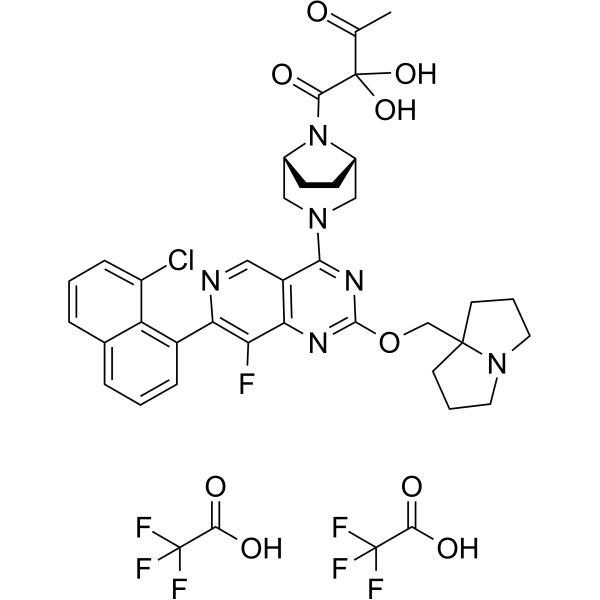
    KRas G12R inhibitor 1 is a covalent inhibitor targeting the common oncogenic mutant KRas G12R with selectivity for the mutant arginine. KRas G12R inhibitor 1 possesses an α,β-diketoamide and exploits strong nucleophilicity of the mutant cysteine and irreversibly binds in the Switch II region of KRas. KRas G12R inhibitor 1 can be researched for K-Ras (G12R)-driven cancer such as pancreatic ductal adenocarcinoma (PDAC) .
    KRas G12R inhibitor 1
  • HY-110374
    NVS-CECR2-1
    1 Publications Verification

    Epigenetic Reader Domain Apoptosis Cancer
    NVS-CECR2-1, a non-BET family Bromodomain (BRD) inhibitor, is a potent and selective cat eye syndrome chromosome region, candidate 2 (CECR2) inhibitor. NVS-CECR2-1 binds to CECR2 BRD with high affinity (IC50=47 nM; KD=80 nM). NVS-CECR2-1 exhibits cytotoxic activity and induces apoptosis against various cancer cells by targeting CECR2 as well as via CECR2-independent mechanism . NVS-CECR2-1 is a chemical probe.
    NVS-CECR2-1
  • HY-120088
    PF-06446846
    Maximum Cited Publications
    6 Publications Verification

    PCSK9 Cardiovascular Disease
    PF-06446846 is an orally active proprotein convertase subtilisin/kexin type 9 (PCSK9) inhibitor. PF-06446846 directly and selectively inhibits translation of PCSK9 by stalling the 80S ribosome in the proximity of codon region .
    PF-06446846
  • HY-170505

    Microtubule/Tubulin Herbicide Others
    Icafolin-methyl is a herbicide and plant β-tubulin (Microtubule/Tubulin) inhibitor. Icafolin-methyl binds to the β-tubulin region of the Colchicine (HY-16569) binding site, thereby blocking the polymerization of plant tubulin. As a non-selective herbicide, Icafolin-methyl exhibits post-emergence activity against weeds in both cool-season and warm-season cropping systems, including resistant ryegrass and darnel biotypes. Icafolin-methyl can be used for herbicide research .
    Icafolin-methyl
  • HY-164552

    Apoptosis Androgen Receptor Cancer
    ZNU-IMB-Z15 (Compound Z15) is an antagonist of the androgen receptor (AR) and also a selective degrader of AR and ARV7. ZNU-IMB-Z15 can directly bind to the ligand-binding domain (LBD) and activation function-1 region of AR, and promote AR degradation through the proteasome pathway. ZNU-IMB-Z15 effectively inhibits the transcriptional activity of AR, AR mutants, and AR splice variants (ARVs), downregulating the mRNA and protein levels of AR downstream target genes, thereby overcoming the resistance to second-generation antiandrogen drugs induced by AR LBD mutations, AR amplification, and ARVs in castration-resistant prostate cancer (CRPC). ZNU-IMB-Z15 can inhibit the proliferation of AR-positive CRPC cell lines and induce their apoptosis, demonstrating anticancer activity both in vivo and in vitro .
    ZNU-IMB-Z15
  • HY-117865

    Epigenetic Reader Domain Cancer
    GNE-886 (Compound 21) is a potent and selective inhibitor of Cat eye syndrome chromosome region candidate 2 bromodomain (CECR2) (BRD) with an IC50 value of 0.016 µM and an EC50 value of 370 nM. GNE-886 also inhibits BRD9 with an IC50 value of 1.6 µM .
    GNE-886
  • HY-164523

    Checkpoint Kinase (Chk) Cancer
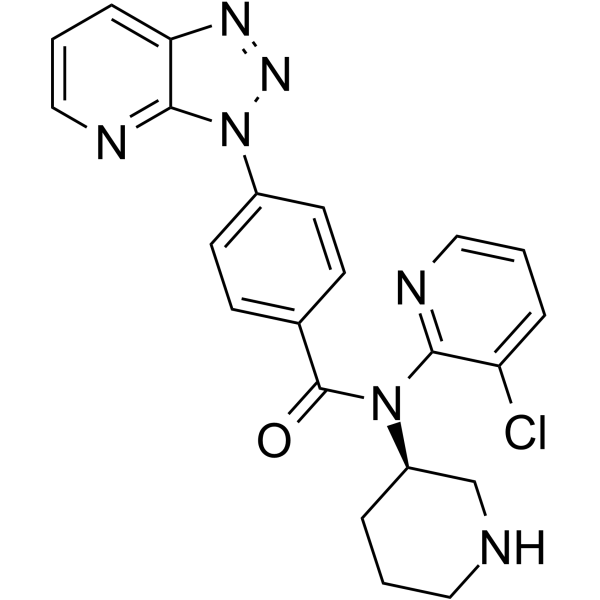
    PV1162 is a selective Chk2 inhibitor with an IC50 of 0.29 nM. PV1162 inhibits ATP binding to Chk2 by targeting the gatekeeper-dependent hydrophobic pocket, which is specific to Chk2 and located behind the ATP-binding site (adenine-binding region), thereby inhibiting the phosphorylation activity of Chk2. PV1162 holds potential application value in the field of cancer therapy .
    PV1162
  • HY-19170

    Histamine Receptor Inflammation/Immunology
    Z-300 is a selective and orally active histamine H2-receptor antagonist. Z-300 inhibits acid secretion and promotes gastric mucus metabolism in the corpus region .
    Z-300
  • HY-146384

    CRM1 Cancer
    CRM1 degrader 1 (1l) is a low toxic chromosome region maintenance 1 (CRM1) degrader. CRM1 is the sole nuclear exporter of several tumor suppressor, a growth regulatory protein as an attractive cancer agent target. CRM1 degrader 1 induces the apoptosis in gastric carcinoma and selectively inhibits proliferation of gastric cancer .
    CRM1 degrader 1
  • HY-122685

    SOS1 Cancer
    UC-773587 is a selective SOS1 catalytic activity inhibitor. UC-773587 binds to the catalytic site of Sos1 over HRas and ITSN (a RhoGEF) and inhibits nucleotide exchange with an IC50 value of 4.5 μM. UC-773587 mappes to the Ras switch II interaction region of the Sos1 catalytic site. UC-773587 can be used for the study of prostate cancer .
    UC-773587
  • HY-171776

    MMP Cancer
    OPB-3206 is a selective matrix metalloproteinase (MMP) inhibitor. OPB-3206 inhibits interstitial collagenase, gelatinase A (MMP-2), gelatinase B (MMP-9) and stromelysin with IC50 values of 7×10 -7 M, 5×10 -6 M, 5×10 -7 M and 2×10 -6 M, respectively. OPB-3206 reversibly binds to the zinc-binding region of MMPs, preventing the activation of MMP-9 and reducing extracellular matrix degradation to inhibit tumor lung metastasis. OPB-3206 is promising for research of lung metastasis of osteosarcoma .
    OPB-3206
  • HY-W010041R

    Reference Standards α-synuclein Amyloid-β Neurological Disease
    Scyllo-Inositol is an inhibitor that targets the aggregation of misfolded proteins (such as α-synuclein and Amyloid-β), is orally effective, and can cross the blood-brain barrier. Scyllo-Inositol can selectively bind to and stabilize non-toxic oligomers, preventing them from converting into toxic fibers, exerting protein homeostasis regulation and neuroprotective activity. Scyllo-Inositol binds to the hydrophobic region of pathogenic proteins, inhibits protein aggregation, and promotes lysosome- and proteasome-mediated degradation pathways, thereby reducing neurotoxicity. Scyllo-Inositol can be used in the study of neurodegenerative diseases such as Parkinson's disease, Alzheimer's disease, and Huntington's disease .
    Scyllo-Inositol (Standard)
  • HY-W707693

    Isotope-Labeled Compounds Amyloid-β α-synuclein Neurological Disease
    Scyllo-Inositol-d6 is the deuterium labeled Scyllo-Inositol (HY-W010041). Scyllo-Inositol is an inhibitor that targets the aggregation of misfolded proteins (such as α-synuclein and Amyloid-β), is orally effective, and can cross the blood-brain barrier. Scyllo-Inositol can selectively bind to and stabilize non-toxic oligomers, preventing them from converting into toxic fibers, exerting protein homeostasis regulation and neuroprotective activity. Scyllo-Inositol binds to the hydrophobic region of pathogenic proteins, inhibits protein aggregation, and promotes lysosome- and proteasome-mediated degradation pathways, thereby reducing neurotoxicity. Scyllo-Inositol can be used in the study of neurodegenerative diseases such as Parkinson's disease, Alzheimer's disease, and Huntington's disease .
    Scyllo-Inositol-d6
  • HY-W040129R

    Reference Standards Bacterial Fungal Apoptosis Antibiotic Infection Neurological Disease Cancer
    Chromomycin A3 (Standard) is the analytical standard of Chromomycin A3 (HY-W040129). This product is intended for research and analytical applications. Chromomycin A3 is an inhibitor that selectively binds to GC-rich DNA sequences. Chromomycin A3 targets the DNA minor groove after forming a dimer with Mg 2+. Chromomycin A3 inhibits DNA replication and transcription, blocks the binding of Sp1 transcription factor to target gene promoters, downregulates the expression of anti-apoptotic proteins such as FLIP, Mcl-1, and XIAP, and induces S-phase cycle arrest and caspase-dependent apoptosis in tumor cells. Chromomycin A3 can antagonize oxidative stress induced by glutathione depletion and neuronal apoptosis induced by Camptothecin (HY-15660). Chromomycin A3 can be used in basic research on malignant tumors such as cholangiocarcinoma, and is a potential chemosensitizer and GC-rich region probe .
    Chromomycin A3 (Standard)
  • HY-182764A

    CDK Cancer
    CDK11-IN-1 hydrochloride is a potent, highly selective, and orally active CDK11 inhibitor with an IC50 of 4 nM, showing 32.5-fold and 2700-fold selectivity over CDK7 and CDK9, respectively. CDK11-IN-1 hydrochloride binds competitively to the ATP-binding pocket of CDK11 and forms a hydrogen bond with the hinge region residue Val163. It inhibits tumor cell proliferation and exhibits antitumor activity in lung cancer xenograft models. CDK11-IN-1 hydrochloride can be used for studies on the pathophysiology of CDK11-mediated tumors, as well as research on malignant tumors such as lung cancer .
    CDK11-IN-1 hydrochloride
  • HY-183115

    Molecular Glues Cancer
    TNG961 is a selective and orally active CRBN-mediated HBS1L molecular glue degrader. TNG961 induces formation of an HBS1L-TNG961-CRBN ternary complex, leading to potent degradation of HBS1L and secondary destabilization of its binding partner PELO. TNG961 can reduce HBS1L protein levels, thereby disrupting the PELO region involved in ribosome rescue. TNG961 can be used for the study of FOCAD-deficient cancers, such as pancreatic cancer .
    TNG961
  • HY-182702

    TREM receptor Syk Neurological Disease
    As48 is a selective TREM2 agonist with a KD value of 12.48 μM in TRIC binding assay. As48 binds near the TREM2 cleavage region, forms hydrogen bonds with Gly68, reduces conformational flexibility in regions 58-102, restricts protease accessibility to the cleavage site. As48 activates SYK phosphorylation, enhances microglial phagocytosis, and induces downstream calcium signaling in TREM2-expressing cells. As48 inhibits TREM2 ectodomain shedding without affecting ADAM10/17 protease activities. As48 can be used for the research of Alzheimer's disease .
    As48
  • HY-121837

    Adrenergic Receptor Arrestin Cardiovascular Disease Inflammation/Immunology
    β2AR-IN-15 is a selective β2-adrenergic receptor (β2AR) antagonist with a Kd of 1.7 μM. β2AR-IN-15 binds to an intracellular β2AR region overlapping the G-protein binding site, enhancing orthosteric inverse agonist binding while negatively modulating binding of orthosteric agonists with EC50 values of 1.9 and 0.48 μM. β2AR-IN-15 shows inhibitory effect on cAMP production and β-arrestin recruitment to activated β2AR. β2AR-IN-15 can be used for the research of cardiovascular and pulmonary diseases .
    β2AR-IN-15

Inquiry Online

Your information is safe with us. * Required Fields.

Salutation


Country or Region *

Applicant Name *


Organization Name *

Department *


Email Address *


Product Name *

Cat. No.


Requested quantity *

Phone Number *


Remarks

Inquiry Online

Inquiry Information

Product Name:
Cat. No.:
Quantity:
MCE Japan Authorized Agent:

