17 Results for "

resection

" in MedChemExpress (MCE) Product Catalog:
Products (17)

17 Results for "resection" in MCE Product Catalog:

1
1 Cited Publications
Art. -Nr.: HY-152860
CAS. Nr.: 2369583-33-3
Reinheit:  99.94%
Synonyms: HRX-0215
Forschungsgebiete:  

Cancer

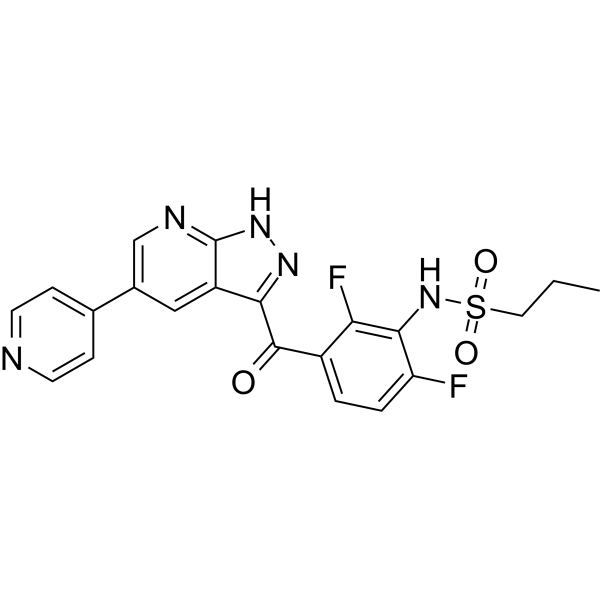
Darizmetinib (HRX-0215) is an orally active, potent and selective inhibitor of mitogen-activated protein kinase kinase 4 (MKK4). Darizmetinib leads to enhancement of the MKK7 and JNK1 signaling pathways, thereby activating the transcription factors ATF2 and ELK1, promoting cell proliferation and liver regeneration. Darizmetinib is promising for research of preventing liver failure after extensive oncological liver resections or transplantation of small liver grafts .
loading...
    loading...
Art. -Nr.: HY-P1714
CAS. Nr.: 1295353-98-8
Synonyms: FE 203799
Target:  

GLP Receptor

Forschungsgebiete:  

Metabolic Disease

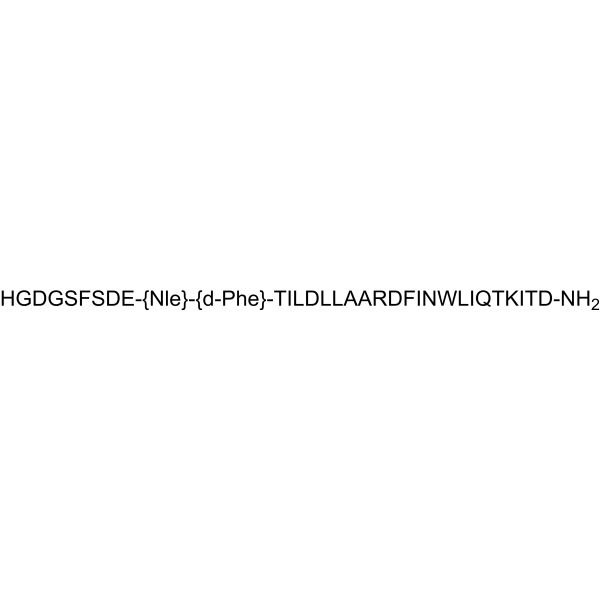
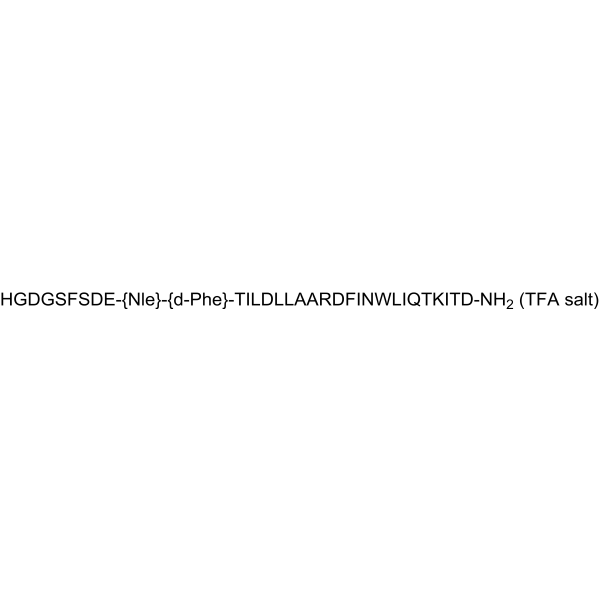
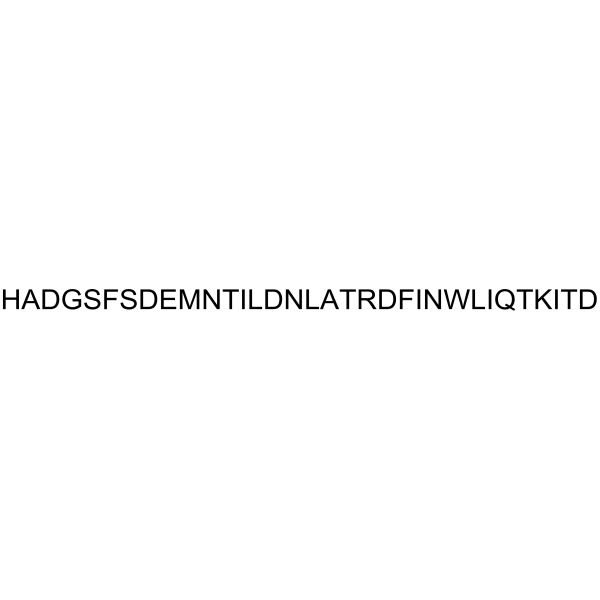
Apraglutide (FE 203799), a synthetic 33-amino-acid peptide and a long-acting GLP-2 analogue, enhances adaptation and linear intestinal growth in a neonatal piglet model of short bowel syndrome with total resection of the ileum .
loading...
    loading...
Art. -Nr.: HY-174143
CAS. Nr.: 1111188-09-0
Target:  

Apoptosis

Forschungsgebiete:  

Cancer

EXO1-IN-1 is a human exonuclease 1 (EXO1) inhibitor (IC50 = 15.7 μM). EXO1-IN-1 inhibits DNA end resection, promotes the accumulation of DNA double-strand breaks, and triggers S-phase polyamylation. EXO1-IN-1 induces apoptosis (Apoptosis) in BRCA1-deficient breast cancer cells. EXO1-IN-1 suppresses the growth of BRCA1-deficient breast cancer xenografts. EXO1-IN-1 can be used in research related to BRCA1-deficient breast cancer .
loading...
    loading...
Art. -Nr.: HY-113418
CAS. Nr.: 667-65-2
Reinheit:  ≥99.0%
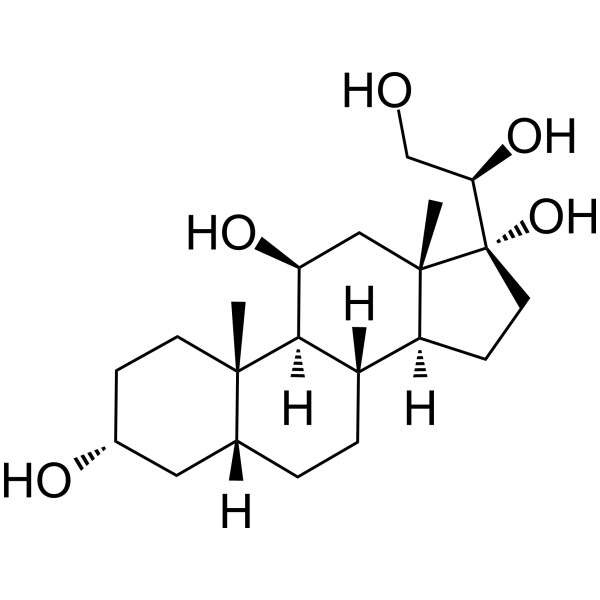
Beta-Cortol is an O-glycosylated compound and cortisol metabolite. It can be isolated from the leaves of mulberry cultivar Yu 711, and its concentration decreases significantly when the plant is subjected to drought stress. Beta-Cortol serves as a biomarker, as serum Beta-Cortol levels in early non-small cell lung cancer models are downregulated to 1/8 of the preoperative level after tumor resection. Due to such dramatic changes under specific pathological conditions, Beta-Cortol is currently widely used in studies related to early non-small cell lung cancer .
loading...
    loading...
Art. -Nr.: HY-160096
CAS. Nr.: 1360628-91-6
Forschungsgebiete:  

Cancer

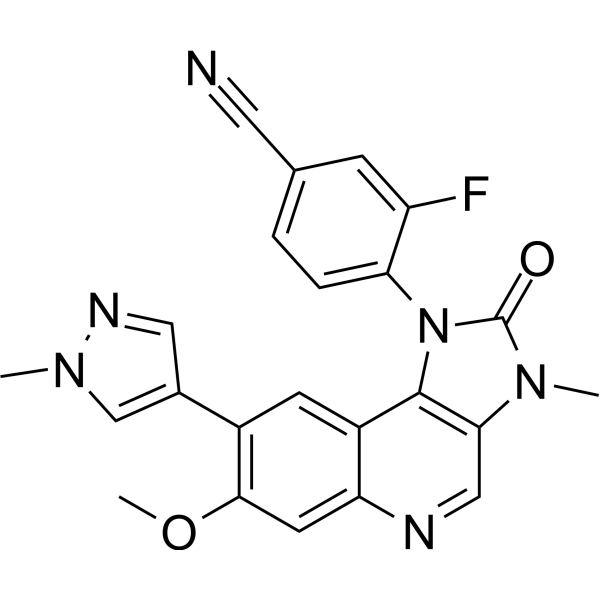
M3541 is an orally effective DNA-dependent protein kinase (DNA-PK) inhibitor . M3541 inhibits ionizing radiation-induced ATM autophosphorylation and phosphorylation of downstream substrates (KAP1, CHK2, p53), blocks DSB end resection and homologous recombination repair, and simultaneously induces non-homologous end joining, G2-M phase arrest, polyploidization, and cell death. M3541 can be used for research on solid tumors, acute myeloid leukemia, non-small cell lung cancer, triple-negative breast cancer, etc. .
loading...
    loading...
Art. -Nr.: HY-170844
CAS. Nr.: 2379405-61-3
Target:  

Endonuclease

Forschungsgebiete:  

Cancer

MU147 is an MRE11 nuclease inhibitor and chemical probe with anticancer activity, exhibiting IC50 values of 3.7 μM and 0.8 μM against the nuclease activity of human MRE11 and the MRN complex, respectively. MU147 inhibits MRE11 exonuclease and endonuclease activities, preventing MRN-dependent DNA end resection and nascent DNA degradation at stalled replication forks in BRCA2-deficient cells. MU147 delays the DNA damage repair process, inhibits homologous recombination and alternative non-homologous end joining, downregulates ionizing radiation- or camptothecin-induced RPA/RPA32 phosphorylation, and reduces survival of BRCA2-deficient cells. MU147 directly binds MRE11 in cells and impairs its recruitment to damage foci. MU147 can be used in cancer-related research .
loading...
    loading...
Art. -Nr.: HY-P1714A
Synonyms: FE 203799 TFA
Target:  

GLP Receptor

Forschungsgebiete:  

Metabolic Disease

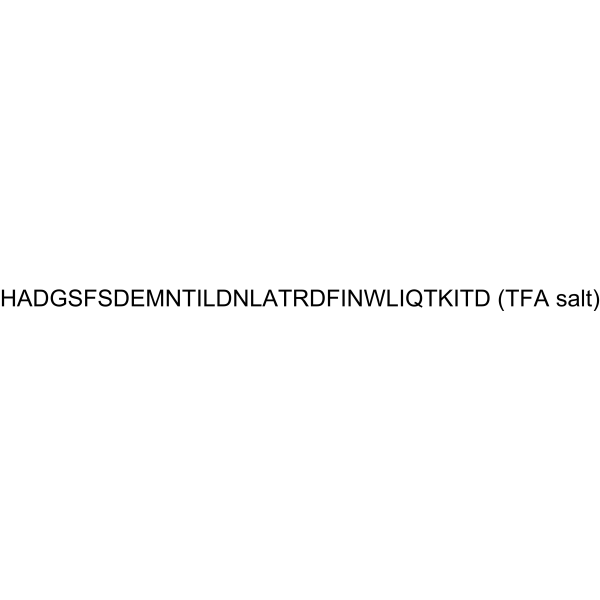
Apraglutide TFA (FE 203799 TFA), a synthetic 33-amino-acid peptide and a long-acting GLP-2 analogue, enhances adaptation and linear intestinal growth in a neonatal piglet model of short bowel syndrome with total resection of the ileum .
loading...
    loading...
Art. -Nr.: HY-149298
CAS. Nr.: 2946600-14-0
Target:  

PSMA

Forschungsgebiete:  

Cancer

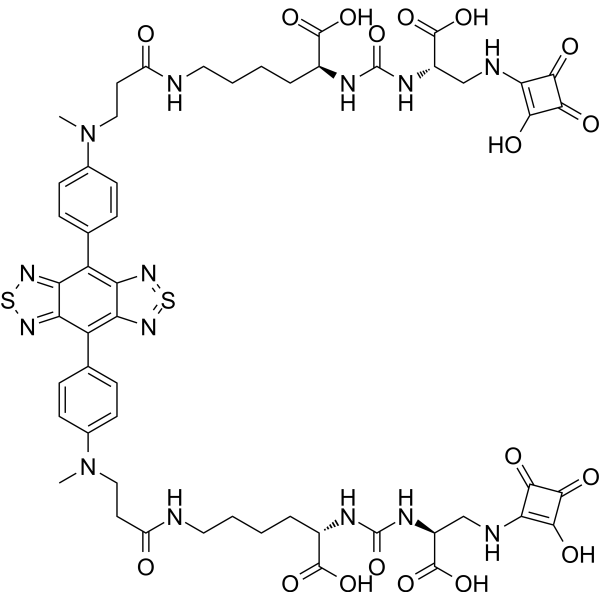
PSMA-IN-2 is an inhibitor of PSMA with a Ki value of 1.07 nM. PSMA-IN-2 displays favorable in vivo NIR imaging (λEM = 1088 nm, λex = 808 nm), and can be used for NIRII image-guided tumor resection surgery in PSMA-positive tumor-bearing mice .
loading...
    loading...
Art. -Nr.: HY-P2251
CAS. Nr.: 2022956-62-1
Target:  

HIV Microtubule/Tubulin

Forschungsgebiete:  

Infection Inflammation/Immunology Cancer

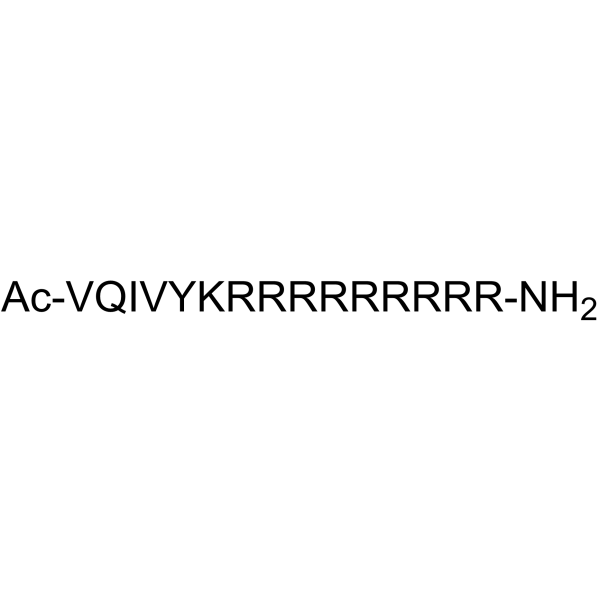
T-peptide, a Tuftsin analog, can be used for the research of human immunodeficiency virus (HIV) infection. T-peptide prevents cellular immunosuppression and improves survival rate in septic mice. T-peptide also can inhibit the growth of residual tumor cells after surgical resection .
loading...
    loading...
Art. -Nr.: HY-120396
CAS. Nr.: 141318-62-9
Target:  

5-HT Receptor

Forschungsgebiete:  

Neurological Disease

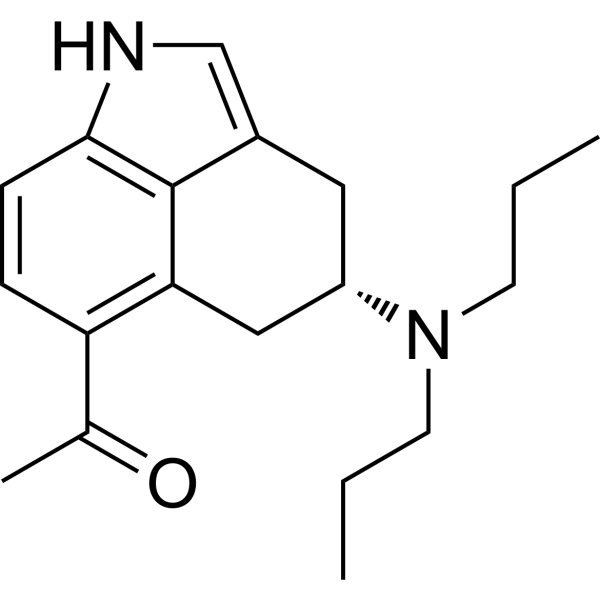
LY 293284 is a potent and selective 5-HT1A receptor agonist. LY 293284 results in a significant drop in core temperature and consumes more food in cholestasis rat induced by bile duct resection .
loading...
    loading...
Art. -Nr.: HY-P1142
CAS. Nr.: 195262-56-7
Target:  

Apoptosis

Forschungsgebiete:  

Others

GLP-2(rat) is an intestinal growth factor. GLP-2(rat) stimulates cell proliferation and inhibits apoptosis. GLP-2(rat) enhances mucosal mass and function in residual small intestine after massive small bowel resection (MSBR) .
loading...
    loading...
Art. -Nr.: HY-P1142A
Target:  

Apoptosis

Forschungsgebiete:  

Others

GLP-2(rat) TFA is an intestinal growth factor. GLP-2(rat) TFA stimulates cell proliferation and inhibits apoptosis. GLP-2(rat) TFA enhances mucosal mass and function in residual small intestine after massive small bowel resection (MSBR) .
loading...
    loading...
Art. -Nr.: HY-D2285
CAS. Nr.: 2956672-93-6
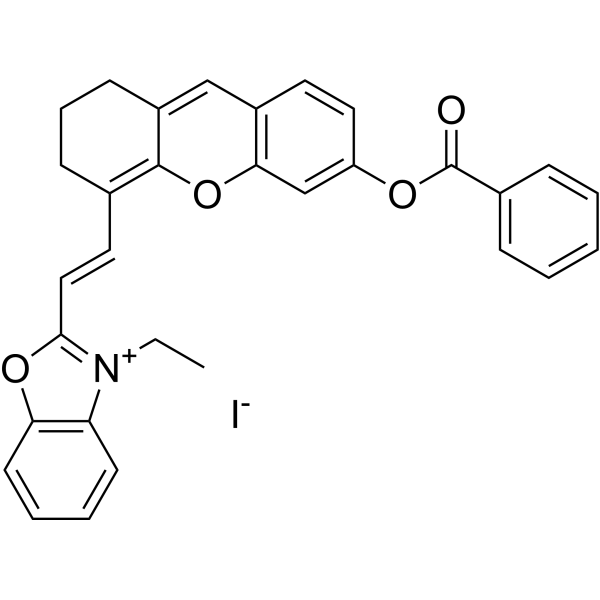
MOR-CES2 is a near-infrared fluorescent probe (Ex= 630 nm, Em=735 nm) capable of identifying cancer cells and tissues, as well as exhibiting a sensitive response to inflammation. MOR-CES2 holds potential as an efficient imaging tool in assisting surgical resection of CES2-related tumors .
loading...
    loading...
Art. -Nr.: HY-P1142S
Forschungsgebiete:  

Others

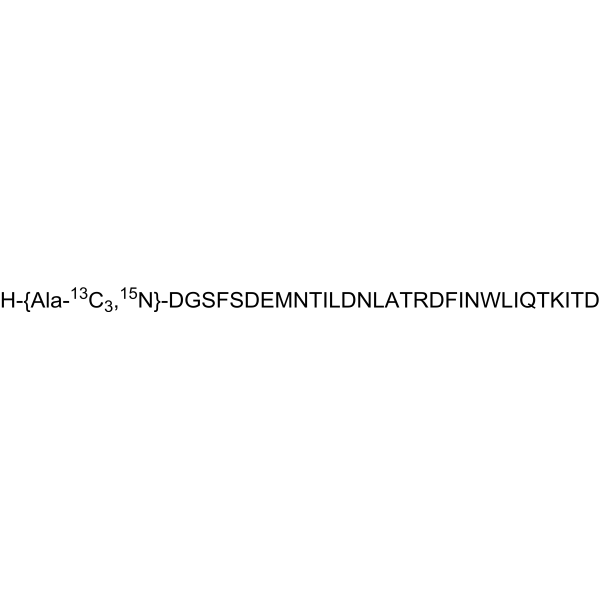
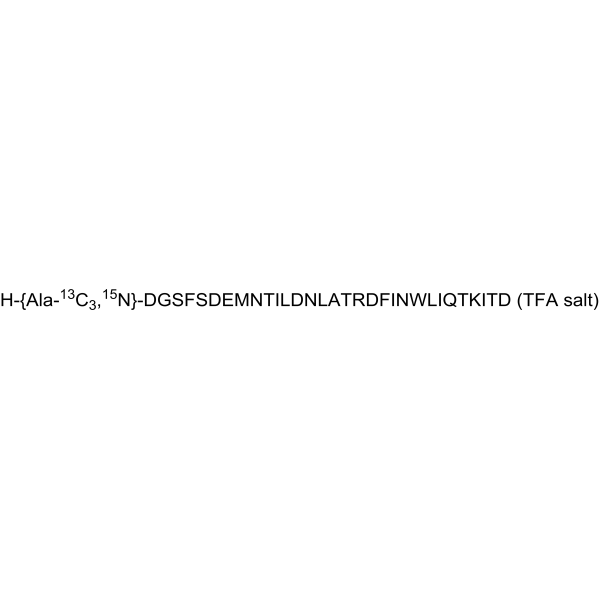
GLP-2(rat) (Ala- 13C3, 15N) is 13C and 15N labeled GLP-2(rat) (HY-P1142). GLP-2(rat) is an intestinal growth factor. GLP-2(rat) stimulates cell proliferation and inhibits apoptosis. GLP-2(rat) enhances mucosal mass and function in residual small intestine after massive small bowel resection (MSBR).
loading...
    loading...
Art. -Nr.: HY-P1142S1
Forschungsgebiete:  

Others

GLP-2(rat) (Ala- 13C3, 15N) TFA is 13C and 15N labeled GLP-2(rat) (HY-P1142). GLP-2(rat) is an intestinal growth factor. GLP-2(rat) stimulates cell proliferation and inhibits apoptosis. GLP-2(rat) enhances mucosal mass and function in residual small intestine after massive small bowel resection (MSBR).
loading...
    loading...
Art. -Nr.: HY-D0293
CAS. Nr.: 116-95-0
Synonyms: Xylene blue free acid; C.I. Acid blue 1 free acid
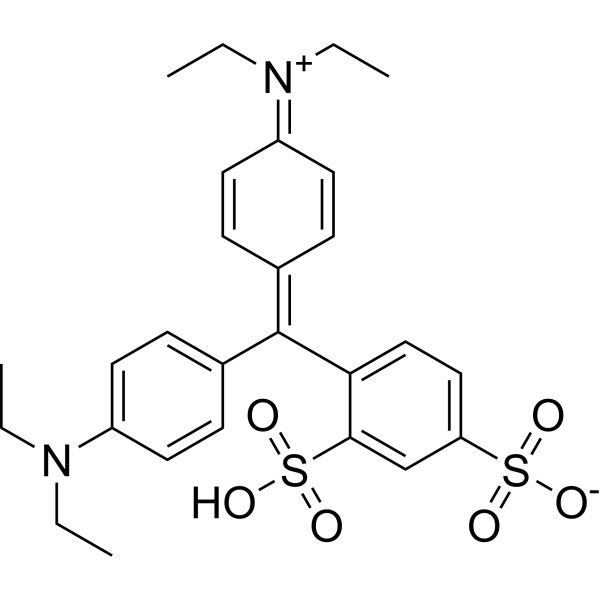
Acid blue 1 free acid (Patent Blue V) is a novel biological dye that can be used as an intraocular dye for retinectomy. Retinectomy refers to the removal of the translucent inner limiting membrane (ILM). The application of appropriate dyes in vitreoretinal surgery can achieve the purpose of complete removal. Acid blue 1 free acid can be used to stain retinal premembranous structures. Spectral analysis shows that Acid blue 1 free acid has strong absorption below 450 nm and above 600 nm, showing a blue-green color. Acid blue 1 free acid is also used as a marker in lymphangiography for resection of neoplastic lymph nodes .
loading...
    loading...
Art. -Nr.: HY-119225
CAS. Nr.: 67427-51-4
Forschungsgebiete:  

Cancer

CBP-93872 is a G2 checkpoint inhibitor and a chemosensitizer. CBP-93872 specifically inhibits DNA double-strand break (DSB)-dependent, Nbs1-mediated ATR activation, without directly inhibiting ATR kinase activity or affecting ATR activation induced by other types of DNA damage; meanwhile, it suppresses the pathway between ATM and ATR activation, thereby reducing the autophosphorylation of ATR and the subsequent phosphorylation of Chk1. CBP-93872 does not inhibit DNA end resection at DSB sites. CBP-93872 induces cell death and enhances the cytotoxic effects of platinum-containing compounds and pyrimidine antimetabolites on cancer cells. CBP-93872 can be used in related research on p53-mutant cancers, colorectal cancer, and pancreatic cancer .
loading...
    loading...
  • 1

