
1. Search Result
Search Result
Results for "

tumor diseases

" in MedChemExpress (MCE) Product Catalog:

497

Inhibitors & Agonists

30

Screening Libraries

4

Fluorescent Dyes

19

Biochemical Assay Reagents

20

Peptides

31

Inhibitory Antibodies

144

Natural
Products

16

Isotope-Labeled Compounds

2

Click Chemistry

7

Oligonucleotides

1

GMP Molecules

Cat. No. Product Name Target Research Areas Chemical Structure
  • HY-W001171
    3-Hydroxyanthranilic acid
    1 Publications Verification

    Endogenous Metabolite Cardiovascular Disease Neurological Disease Metabolic Disease Inflammation/Immunology Endocrinology Cancer
    3-Hydroxyanthranilic acid is a tryptophan metabolite in the kynurenine pathway.3-hydroxyanthranilic acid has anti-inflammatory, neuroprotective, and lipid-lowering effects. 3-hydroxyanthranilic acid can be used for researches of cardiovascular diseases, tumors, and metabolic diseases .
    3-Hydroxyanthranilic acid
  • HY-156677
    STC-15
    4 Publications Verification

    METTL3 Cancer
    STC-15 is an orally active RNA methyltransferase METTL3 inhibitor with the activity of activating anti-tumor immunity and reshaping the tumor microenvironment. STC-15 inhibits tumor growth by activating anti-cancer immune responses associated with increased interferon signaling and synergizes with T-cell checkpoint blockade. STC-15 can be used in the study of proliferative diseases such as cancer and autoimmune diseases .
    STC-15
  • HY-B0311
    Carbidopa
    2 Publications Verification

    (S)-(-)-Carbidopa

    Aryl Hydrocarbon Receptor Neurological Disease Cancer
    Carbidopa ((S)-(-)-Carbidopa), a peripheral decarboxylase inhibitor, can be used for the research of Parkinson's disease. Carbidopa is a selective aryl hydrocarbon receptor (AhR) modulator. Carbidopa inhibits pancreatic cancer cell and tumor growth .
    Carbidopa
  • HY-150298
    Soquelitinib
    3 Publications Verification

    CPI-818

    Itk Inflammation/Immunology Cancer
    Soquelitinib (CPI-818) is an orally active and highly selective covalent interleukin-2-inducible kinase (ITK) inhibitor. Soquelitinib is active in six different models of T cell-mediated inflammatory and immune disease, including acute and chronic asthma, pulmonary fibrosis, systemic sclerosis (scleroderma), psoriasis, and acute graft versus host disease with Th2 cytokine product inhibition. Soquelitinib increases tumor infiltration of normal CD8 + cells that possess enhanced T effector function .
    Soquelitinib
  • HY-P990876

    PF-06480605; RVT-3101

    TNF Receptor NF-κB IFNAR Inflammation/Immunology
    Afimkibart (PF-06480605; RVT-3101) is a fully human monoclonal antibody that selectively inhibits trimeric tumor necrosis factor-like ligand 1A (TL1A). Afimkibart neutralizes active trimeric TL1A, blocks TL1A-induced signaling pathways. Afimkibart inhibits NF-κB activation and IFN-γ production. Afimkibart can be used for the research of inflammatory bowel disease .
    Afimkibart
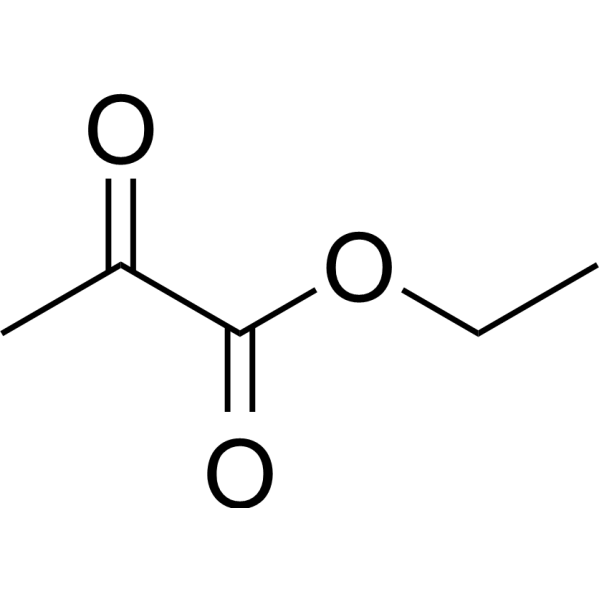
  • HY-Y1362
    Ethyl pyruvate
    5+ Cited Publications

    Autophagy Apoptosis Pyroptosis NF-κB Inflammation/Immunology Cancer
    Ethyl pyruvate is a simple derivative of the endogenous metabolite pyruvate. Ethyl pyruvate is an HMGB1 release inhibitor. Ethyl pyruvate can induce apoptosis by autophagy. Ethyl pyruvate has anti-inflammatory, antioxidant and anti-tumor activity. Ethyl pyruvate can be used in the study of neurodegenerative diseases such as Alzheimer's and Parkinson's disease .
    Ethyl pyruvate
  • HY-B1028
    Pantethine
    5 Publications Verification

    D-Pantethine; LBF disulfide

    Endogenous Metabolite SARS-CoV Cardiovascular Disease Neurological Disease Inflammation/Immunology Endocrinology Cancer
    Pantethine is an orally active lipid-lowering agent. Pantethine has anti-tumor, anti-inflammatory and anti-SARS-COV virus activities. Pantethine is also a neuroprotective agent. Pantethine can be used in the study of Alzheimer's disease, Parkinson's disease, major depression, systemic sclerosis and pantothenate kinase-related neurodegeneration .
    Pantethine
  • HY-15728
    Radotinib
    1 Publications Verification

    IY-5511

    Bcr-Abl Apoptosis STAT JAK Prion Protein Infection Neurological Disease Cancer
    Radotinib (IY-5511) is an orally active and BBB-permeable selective tyrosine kinase Bcr-Abl1 inhibitor with an IC50 of 34 nM. Radotinib has anti-prion and anti-tumor activities. Radotinib can inhibit the proliferation, induce cell cycle arrest and apoptosis of tumor cells . Radotinib can be used in the research of cancer such as chronic myeloid leukemia and multiple myeloma, as well as neurodegenerative diseases such as prion diseases .
    Radotinib
  • HY-119981
    Ani9
    2 Publications Verification

    Chloride Channel Neurological Disease Cancer
    Ani9 is an ANO1 inhibitor, with an IC50 of 77 nM. Ani9 can inhibit smooth muscle contractions in mice and is applicable in research related to diseases such as tumors .
    Ani9
  • HY-B1637
    Ditiocarb sodium
    4 Publications Verification

    Sodium diethyldithiocarbamate

    HIV Biochemical Assay Reagents Infection Inflammation/Immunology Cancer
    Ditiocarb sodium (Sodium diethyldithiocarbamate) is an orally active copper reagent. Ditiocarb sodium exhibits activities such as antioxidation, chelation, anti-tumor effects, immunomodulation, and anti-HIV properties. Ditiocarb sodium can be used in the research of tumors, inflammatory, and immune-related diseases .
    Ditiocarb sodium
  • HY-N2584A
    Isoxanthohumol
    3 Publications Verification

    HSV Apoptosis Reactive Oxygen Species (ROS) Autophagy CMV Fungal Integrin S100 Protein Infection Metabolic Disease Inflammation/Immunology Cancer
    Isoxanthohumol is an orally active flavonoid compound. Isoxanthohumol has biological activities such as anti-tumor, anti-inflammatory, antioxidant, antiviral, antifungal, and inhibition of adipogenesis. Isoxanthohumol can induce apoptosis, autophagy, and migration of tumor cells. Isoxanthohumol is active against viruses such as HSV, BVDV, CMV, and Rhino. Isoxanthohumol can be used for the research of tumors, metabolic, and inflammatory diseases .
    Isoxanthohumol
  • HY-N2420
    Flavokawain A
    2 Publications Verification

    Apoptosis Histone Methyltransferase Cytochrome P450 Caspase Survivin IAP p38 MAPK PI3K NO Synthase COX JNK ERK Akt Inflammation/Immunology Cancer
    Flavokawain A is a chalcone compound and an orally active inhibitor of PRMT5 and cytochrome P450. Flavokawain A has anti-inflammatory, anti-tumor, and immunomodulatory effects. Flavokawain A can inhibit the proliferation of tumor cells and induce apoptosis. Flavokawain A can be used in the research of diseases such as bladder cancer .
    Flavokawain A
  • HY-G0017
    N-Desmethyl imatinib
    1 Publications Verification

    Norimatinib; Imatinib metabolite N-Desmethyl imatinib; CGP 74588

    Drug Metabolite P-glycoprotein Apoptosis Neurological Disease Cancer
    N‑Desmethyl imatinib (Norimatinib) is an active metabolite of Imatinib (HY-15463), a selective c‑Abl inhibitor, and a substrate of P‑glycoprotein. N-Desmethyl imatinib binds to the c-Abl catalytic domain to prevent substrate phosphorylation, inhibits c-Abl-mediated α-synuclein activation and downstream inflammatory signaling pathways. N-Desmethyl imatinib induces apoptosis in K562 human leukemia cells. N-Desmethyl imatinib shows significantly elevated plasma levels in gastrointestinal stromal tumor (GIST) models with mild SARS-CoV-2 infection. N-Desmethyl imatinib can be used for the research of Parkinson’s disease, gastrointestinal stromal tumor, and chronic myeloid leukemia .
    N-Desmethyl imatinib
  • HY-B1637A
    Ditiocarb sodium,98%
    4 Publications Verification

    Sodium diethyldithiocarbamate,98%

    HIV Biochemical Assay Reagents Infection Inflammation/Immunology Cancer
    Ditiocarb sodium,98% (Sodium diethyldithiocarbamate,98%) is an orally active copper reagent. Ditiocarb sodium,98% exhibits activities such as antioxidation, chelation, anti-tumor effects, immunomodulation, and anti-HIV properties. Ditiocarb sodium,98% can be used in the research of tumors, inflammatory, and immune-related diseases .
    Ditiocarb sodium,98%
  • HY-145443
    Fludarabine-Cl
    1 Publications Verification

    Adenosine Deaminase Cancer
    Fludarabine-Cl has an inhibitory effect on RNA adenosine deaminase 1 (ADAR1) with an IC50 of 0.87 μM and can be used to prevent and/or study cancer or tumor-related diseases .
    Fludarabine-Cl
  • HY-N5077
    Sinapine
    2 Publications Verification

    Cholinesterase (ChE) P-glycoprotein Neurological Disease Inflammation/Immunology Cancer
    Sinapine is an alkaloid isolated from seeds of the cruciferous species. Sinapine exhibits anti-inflammatory, anti-oxidant, anti-tumor, anti-angiogenic and radio-protective effects. Sinapine is also an acetylcholinesterase (AChE) inhibitor and can be used for the research of Alzheimer’s disease, ataxia, myasthenia gravis, and Parkinson’s disease .
    Sinapine
  • HY-B0311A
    Carbidopa monohydrate
    2 Publications Verification

    (S)-(-)-Carbidopa monohydrate

    Aryl Hydrocarbon Receptor Neurological Disease Cancer
    Carbidopa ((S)-(-)-Carbidopa) monohydrate, a peripheral decarboxylase inhibitor, can be used for the research of Parkinson's disease. Carbidopa monohydrate is a selective aryl hydrocarbon receptor (AhR) modulator. Carbidopa monohydrate inhibits pancreatic cancer cell and tumor growth .
    Carbidopa monohydrate
  • HY-114610

    Endogenous Metabolite Free Fatty Acid Receptor Bacterial Infection Cancer
    13Z,16Z-Docosadienoic acid is a GPR120 agonist with bactericidal activity. 13Z,16Z-Docosadienoic acid serves as a potential biomarker for canine mammary tumors. 13Z,16Z-Docosadienoic acid is used in the research of bacterial infections, Lyme disease, Graves' disease and mammary tumors .
    13Z,16Z-Docosadienoic acid
  • HY-124179
    IT-901
    1 Publications Verification

    NF-κB Cancer
    IT-901 is an orally active and potent NF-κB subunit c-Rel inhibitor with an IC50 of 0.1 μM, 3 μM for NF-κB DNA binding and c-Rel DNA binding, respectively. IT-901, a bioactive naphthalenethiobarbiturate derivative, has the potential for human lymphoid tumors and ameliorate graft-versus-host disease (GVHD) .
    IT-901
  • HY-P991480

    Transmembrane Glycoprotein Tau Protein Amyloid-β Neurological Disease Cancer
    ONC-841 is a blood-brain barrier-permeable, humanized monoclonal antibody targeting SIGLEC10. As an immune checkpoint inhibitor, ONC-841 restores the functions of immune effector cells such as T cells and enhances anti-tumor immune responses by blocking inhibitory signals mediated by SIGLEC10. ONC-841 restores the phagocytic and migratory activities of microglia, and promotes the phagocytosis of Amyloid-β and Tau protein aggregates by microglia. ONC-841 is applicable to research related to solid tumors and Alzheimer's disease .
    ONC-841
  • HY-N7526
    Naphthazarin
    1 Publications Verification

    DHNQ; 5,8-Dihydroxy-1,4-naphthoquinone

    Apoptosis Autophagy PI3K Akt Neurological Disease Inflammation/Immunology Cancer
    Naphthazarin (DHNQ) is a microtubule depolymerizing agent. Naphthazarin can improve motor function and reduce neuroinflammation in mouse models of Parkinson's disease. Naphthazarin can induce tumor cell apoptosis, autophagy, and cell cycle arrest. Naphthazarin can also induce erythrocyte apoptosis. Naphthazarin can be used in the research of tumors and neurodegenerative diseases .
    Naphthazarin
  • HY-139643
    CXCR7 antagonist-1
    2 Publications Verification

    CXCR Adrenergic Receptor Inflammation/Immunology Cancer
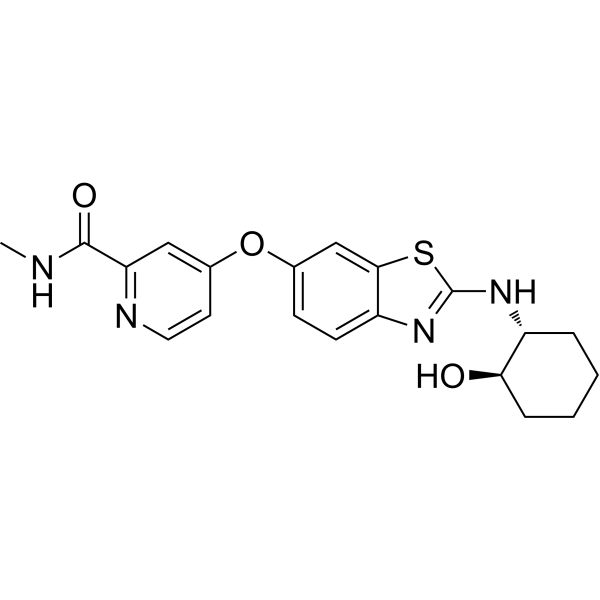
    CXCR7 antagonist-1 is a CXCR7 antagonist that inhibits the binding of the SDF-1 chemokine (also known as the CXCL12 chemokine) or I-TAC (also known as CXCL11) to the chemokine receptor CXCR7. CXCR7 antagonist-1 is useful in preventing tumor cell proliferation, tumor formation, inflammatory diseases, and many other diseases .
    CXCR7 antagonist-1
  • HY-N0007A

    Curcumin III; Didemethoxycurcumin

    Ferroptosis P-glycoprotein DNA/RNA Synthesis Inflammation/Immunology Cancer
    Bisdemethoxycucurmin (Curcumin III) is a curcuminoid compound and an inhibitor of P-glycoprotein and ferroptosis. Bisdemethoxycucurmin exhibits multiple activities such as anti-oxidation, anti-inflammation and anti-tumor. Bisdemethoxycucurmin can be used for the research of tumors and inflammatory diseases .
    Bisdemethoxycucurmin
  • HY-N8220

    Flidersiachromone

    Glycosidase Neurological Disease Cancer
    2-(2-Phenylethyl) chromone (Flidersiachromone) is a chromone derivative and antioxidant. 2-(2-Phenylethyl) chromone scavenges ABTS· + free radicals, and its derivatives exhibit diverse activities including anti-inflammatory, neuroprotective, anti-tumor, and α-glucosidase inhibitory effects. 2-(2-Phenylethyl) chromone is applicable to experimental research in fields such as inflammation-related diseases, tumors, and neurodegenerative diseases .
    2-(2-Phenylethyl)chromone
  • HY-139586

    MK-1454

    STING Cancer
    Ulevostinag (MK-1454) is a potent cyclic dinucleotide agonist stimulator of interferon genes (STING). Ulevostinag (MK-1454) acts in the intra-tumoral route by targeting the stimulator of interferon genes (STING) protein. Ulevostinag (MK-1454) can be used for immuno-tumor cancer disease research .
    Ulevostinag
  • HY-N6073

    Apoptosis HSV Infection Metabolic Disease Inflammation/Immunology Cancer
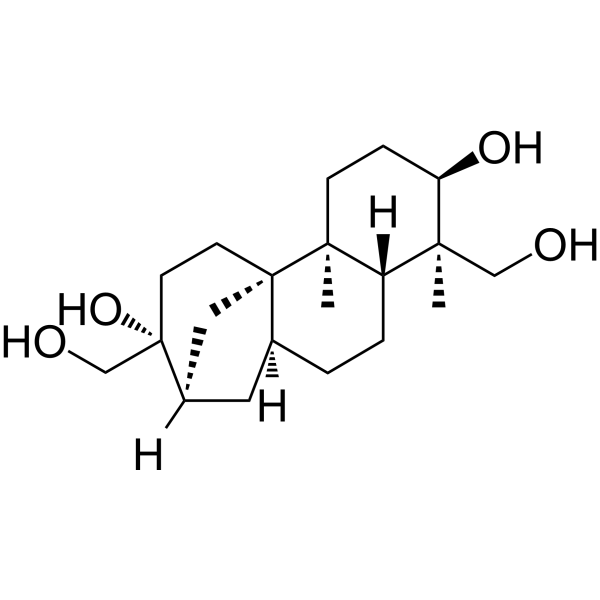
    Soyasapogenol A is a triterpenoid aglycone of soyasaponins. Soyasapogenol A has activities such as anti-inflammation, anti-cancer, hepatoprotection and anti-HSV-1. Soyasapogenol A can be used in the research of tumors and immune inflammatory diseases .
    Soyasapogenol A
  • HY-12538

    Rutamine

    Apoptosis Autophagy Fungal Parasite Reactive Oxygen Species (ROS) Interleukin Related JAK STAT Infection Inflammation/Immunology Cancer
    Graveoline (Rutamine) is an orally active alkaloid with various activities such as antifungal, antiparasitic, anti-inflammatory, and antitumor effects. Graveoline can induce tumor cell apoptosis and autophagy through a reactive oxygen species-mediated pathway. Graveoline has an MIC of 500 μg/mL for Candida albicans. Graveoline can be used in the research of various diseases such as tumors and liver injury .
    Graveoline
  • HY-126034

    Ser/Thr Protease Apoptosis Cardiovascular Disease Metabolic Disease Cancer
    3,4-Dichloroisocoumarin is a potent serine-protease and SrLip inhibitor (Ki for SrLip: 26.6 μM). 3,4-Dichloroisocoumarin is opened by serine proteases and then undergoes acylation with the enzyme, thereby inhibiting protease activity. 3,4-Dichloroisocoumarin can induce DNA fragmentation and Apoptosis. 3,4-Dichloroisocoumarin can be used in the research of multiple fields such as tumors, cardiovascular disease and enzyme catalytic mechanisms .
    3,4-Dichloroisocoumarin
  • HY-113303
    FAPy-adenine
    2 Publications Verification

    Endogenous Metabolite Neurological Disease Cancer
    FAPy-adenine is an oxidized DNA base. Fapy-adenine shows an increased trend levels in the Alzheimer's disease brain. Oxidized nucleosides are biochemical markers for tumors, aging, and neurodegenerative diseases .
    FAPy-adenine
  • HY-N8284
    Tomentosin
    1 Publications Verification

    Apoptosis Reactive Oxygen Species (ROS) Fungal SOD Interleukin Related NF-κB Toll-like Receptor (TLR) Keap1-Nrf2 Infection Neurological Disease Inflammation/Immunology Cancer
    Tomentosin is an orally active natural sesquiterpenoid lactone. Tomentosin exhibits multiple activities such as anti-tumor, anti-fungal, anti-inflammatory, anti-oxidant and neuroprotective effects. Tomentosin can inhibit tumor cell proliferation, migration and invasion, and induce apoptosis. Tomentosin can be used in the research of tumors, inflammation and nervous system diseases .
    Tomentosin
  • HY-130332

    Macrophage migration inhibitory factor (MIF) Cancer
    Mitomycin A is an antitumor agent. Mitomycin A inhibits the spontaneous migration of mouse monocytes. Mitomycin A inhibits the production of MIF (Migration Inhibition Factor) by human lymphocytes. Mitomycin A can be used in the research of tumor diseases .
    Mitomycin A
  • HY-P10131

    Radionuclide-Drug Conjugates (RDCs) FAP Cancer
    3BP-3940 is a highly potent and selective peptide inhibitor of FAP that targets cancer-associated fibroblasts (CAFs) in the tumor microenvironment. 3BP-3940 can be labeled with radionuclides (such as Ga-68) for precise tumor imaging or Lu-177 for the development of targeted anticancer technologies. 3BP-3940 accumulates in tumor lesions and can be used to diagnose and inhibit various solid cancers and CAFs-related diseases .
    3BP-3940
  • HY-151289

    TGF-β Receptor TGF-beta/Smad Cancer
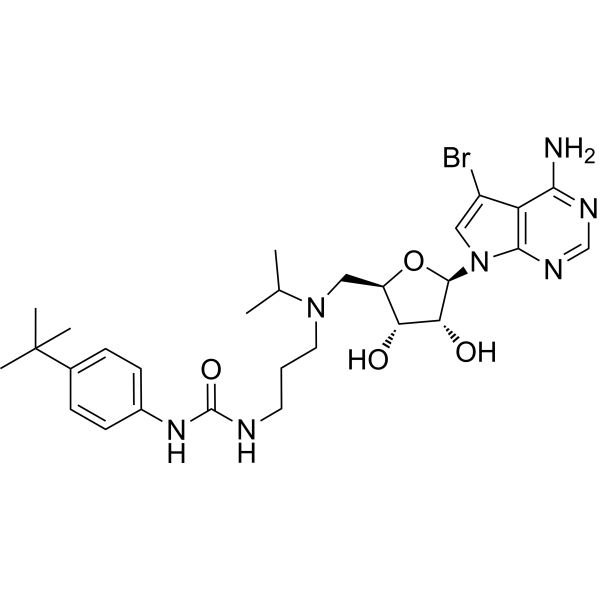
    ALK5-IN-34 is an selective orally active activin receptor-like kinase (ALK) inhibitor. ALK5-IN-34 can inhibit the activity of ALK5-IN-34 with an IC50 value of ≤10 nM. ALK5-IN-34 also has inhibitory of tumor growth and can be used for the research of proliferative diseases, such as cancer .
    ALK5-IN-34
  • HY-103190

    Adenosine Receptor Neurological Disease Cancer
    MRS1220, a highly potent and selective human A3 adenosine receptor (hA3AR) antagonist with a Ki of 0.59 nM, has therapeutic potential for the research of diseases of the central nervous system . MRS1220 reduces glioblastoma tumor size and blood vessel formation in vivo .
    MRS1220
  • HY-122094

    HIF/HIF Prolyl-Hydroxylase Cardiovascular Disease Cancer
    Steppogenin is a potent inhibitor of HIF-1α and DLL4, with IC50 values of 0.56 and 8.46 μM, respectively. Steppogenin can be sued for the research of angiogenic diseases, such as those involving solid tumors .
    Steppogenin
  • HY-N0542

    Bacterial Cardiovascular Disease Infection Neurological Disease Cancer
    Pseudoginsenoside RT5 is an orally active ocotillol-type ginsenoside and Antibacterial agent. Pseudoginsenoside RT5 can be isolated from American ginseng, transgenic American ginseng crown gall tumors and Panax japonicus. Pseudoginsenoside RT5 exerts cardioprotective effects against myocardial injury, and also possesses antibacterial and antitumor activities. Pseudoginsenoside RT5 can be used in research related to Alzheimer's disease, myocardial injury, tumors and bacterial infections .
    Pseudoginsenoside RT5
  • HY-148482

    Deubiquitinase Cancer
    USP7-IN-11 is a potent ubiquitin-specific protease 7 (USP7) (Deubiquitinase) inhibitor with an IC50 of 0.37 nM. USP7-IN-11 has anticancer effects (WO2022048498A1; Example 187) .
    USP7-IN-11
  • HY-139643A
    CXCR7 antagonist-1 hydrochloride
    2 Publications Verification

    CXCR Adrenergic Receptor Inflammation/Immunology Cancer
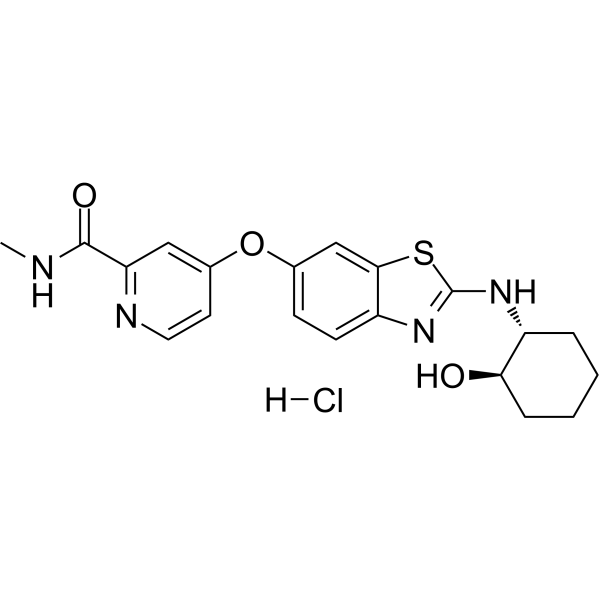
    CXCR7 antagonist-1 hydrochloride is a CXCR7 antagonist that inhibits the binding of the SDF-1 chemokine (also known as the CXCL12 chemokine) or I-TAC (also known as CXCL11) to the chemokine receptor CXCR7. CXCR7 antagonist-1 hydrochloride is useful in preventing tumor cell proliferation, tumor formation, inflammatory diseases, and many other diseases .
    CXCR7 antagonist-1 hydrochloride
  • HY-103479

    Acyltransferase Cardiovascular Disease Neurological Disease Metabolic Disease Cancer
    GOAT-IN-1 is an inhibitor of ghrelin O-acyltransferase (GOAT), which could be useful for the prophylaxis or treatment of obesity, diabetes, hyperlipidemia, metabolic, non-alcoholic fatty liver, steatohepatitis, sarcopenia, appetite control, alcohol/narcotic dependence, Alzheimer’s disease, Parkinson’s disease, cerebrovascular dementia, cerebral apoplexy, cerebral infarction, cardic disease, some kind of tumors.
    GOAT-IN-1
  • HY-142026

    (+)-Vitisin A

    Caspase ERK NF-κB Influenza Virus PAK LDLR PPAR PCSK9 Androgen Receptor Keap1-Nrf2 Monoamine Oxidase Cholinesterase (ChE) IKK Wnt β-catenin Reactive Oxygen Species (ROS) Apoptosis Cuproptosis Infection Neurological Disease Metabolic Disease Inflammation/Immunology Cancer
    Vitisin A ((+)-Vitisin A) is an orally active natural product with multiple pharmacological activities including anti-inflammatory, anti-tumor, anti-oxidant, anti-pathogenic microorganism, hypoglycemic and lipid-regulating, anti-osteoporotic, neuroprotective and cardiovascular protective effects. Vitisin A exhibits inhibitory effects on human AChE and MAO-B with IC50 values of 1.29 µM and 4.94 µM, respectively. Vitisin A inhibits the ERK, MAPK, NF-κB, STAT1, HMGCR and TRAF6 pathways, downregulates the related phosphorylation and protein expression, while activates the Nrf2/HO-1 pathway and upregulates p21 expression. Vitisin A induces tumor cell apoptosis and cell cycle arrest, inhibits adipogenesis and lipid accumulation, while alleviates oxidative stress, suppresses inflammatory responses, blocks hepatic fibrosis, Cuproptosis and cholesterol synthesis, and increases the expression levels of central BDNF and TrkB. Vitisin A can be used in the research of tumors, infectious diseases, metabolic diseases, bone and joint diseases, liver diseases, skin injuries, as well as neurodegenerative and cognitive dysfunction-related diseases .
    Vitisin A
  • HY-144669

    Aldehyde Dehydrogenase (ALDH) Cancer
    ALDH1A3-IN-2 (Compound 15) is a potent inhibitor of ALDH1A3 with an IC50 of 1.29 μM. Aldehyde dehydrogenases (ALDHs) are overexpressed in various tumor types including prostate cancer. ALDH1A3-IN-2 has the potential for the research of cancer diseases .
    ALDH1A3-IN-2
  • HY-151873

    RIP kinase Inflammation/Immunology Cancer
    SZM679 is a potent, orally active and selective RIPK1 inhibitor with Kd values of 8.6 nM and >5000 nM for RIPK1 and RIPK3, respectively. SZM679 reverses the tumor necrosis factor-induced systemic inflammatory response. SZM679 decreases the Tau hyperphosphorylation, neuroinflammation, and the RIPK1 phosphorylation level in the hippocampus and cortex. SZM679 can be used in research of Alzheimer's disease (AD) .
    SZM679
  • HY-N8492

    Bacterial Calcium Channel Infection Inflammation/Immunology Cancer
    Monascorubrin is a compound that can be isolated from Monascus mycelia. Monascorubrin has activities such as anti-inflammatory, anti-tumor, antibacterial, and immunomodulatory. Monascorubrin also has certain embryotoxicity, with an ED50 of 4.3 μg for chicken embryos. Monascorubrin can be used for the research of tumors and inflammatory diseases .
    Monascorubrin
  • HY-110151

    NF-κB Interleukin Related Inflammation/Immunology Cancer
    Bengamide B is an alkaloid with anti-tumor and anti-inflammatory activities. Bengamide B reduces the phosphorylation level of IκBα, thereby blocking the activation of NF-κB. Bengamide B inhibits the proliferation of tumor cells. Bengamide B can be used in research related to inflammatory diseases and cancers .
    Bengamide B
  • HY-N10520

    Methyl protopectin; Polygalacturonic acid

    Apoptosis Necroptosis Endogenous Metabolite Inflammation/Immunology Cancer
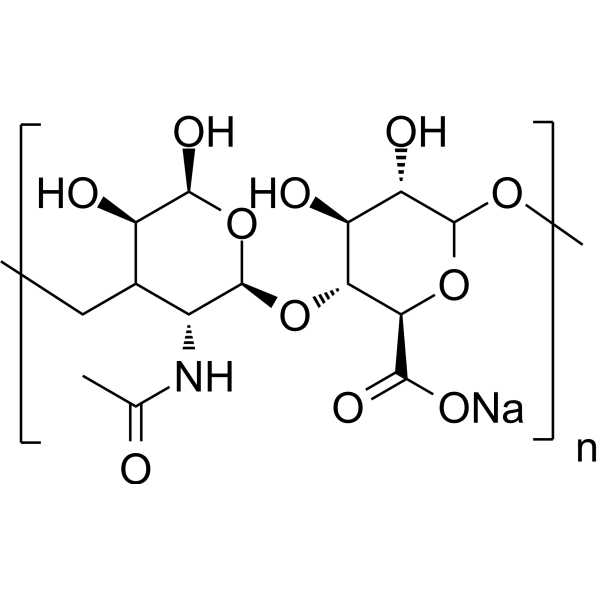
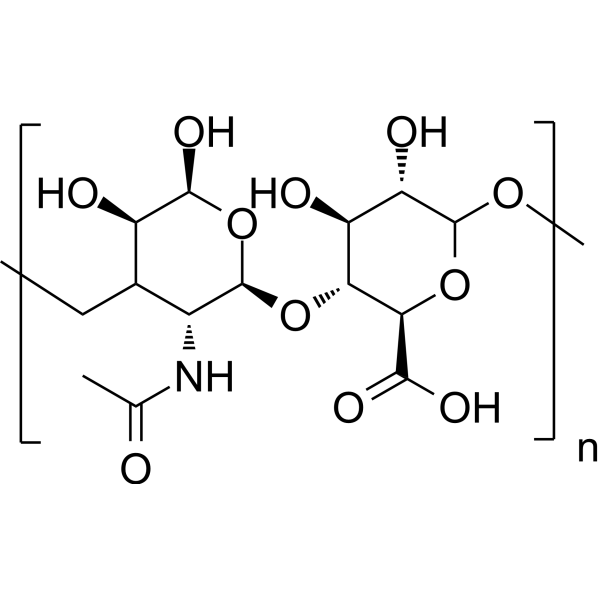
    Pectic acid (Methyl protopectin), a polygalacturonic acid, induces cell apoptosis and necrosis in pituitary tumor cells. Pectic acid can be used in the research of cancers and autoimmune disease .
    Pectic acid
  • HY-108520

    RAR/RXR Apoptosis Cancer
    HX630 is a potent retinoic acid X receptor (RXR) agonist, can induce apoptosis, has anti-tumor effect, and can be used in Cushing's disease research .
    HX630
  • HY-N0007AR

    Curcumin III (Standard); Didemethoxycurcumin (Standard)

    Reference Standards Ferroptosis P-glycoprotein DNA/RNA Synthesis Inflammation/Immunology Cancer
    Bisdemethoxycucurmin (Standard) (Curcumin III (Standard)) is the analytical standard of Bisdemethoxycucurmin (HY-N0007A). This product is intended for research and analytical applications. Bisdemethoxycucurmin (Curcumin III) is a curcuminoid compound and an inhibitor of P-glycoprotein and ferroptosis. Bisdemethoxycucurmin exhibits multiple activities such as anti-oxidation, anti-inflammation and anti-tumor. Bisdemethoxycucurmin can be used for the research of tumors and inflammatory diseases .
    Bisdemethoxycucurmin (Standard)
  • HY-107093

    Apoptosis Cancer
    MBC-11 is a first-in-class conjugate of the bone-targeting bisphosphonate etidronate covalently linked to the antimetabolite cytarabine (araC). MBC-11 has the potential for tumor-induced bone disease (TIBD) research .
    MBC-11
  • HY-174229

    LIM Kinase (LIMK) Neurological Disease Cancer
    SM311 (Compound 10), a chemical probe, is a potent selective irreversible LIMK1 inhibitor (EC50=0.045 μM, >30-fold selective over LIMK2). SM311 blocks cofilin phosphorylation and actin cytoskeleton regulation. SM311 is promising for research of neurodegenerative diseases like Fragile X syndrome (FXS) and Alzheimer’s disease, as well as tumor invasion .
    SM311
  • HY-171883

    Cannabinoid Receptor CETP MHC Metabolic Disease Inflammation/Immunology Cancer
    BI-5756 is a CETP inhibitor and cannabinoid receptor 1 (CB1) agonist. BI-5756 can significantly increase HDL-C levels and reduce LDL-C levels. BI-5756 can also enhance the function of regulatory T cells while maintaining T cell-mediated anti-tumor activity. BI-5756 can directly inhibit the growth of tumor cells and upregulate the expression of MHC I, MHC II, and CD80 on tumor cells. BI-5756 has a protective effect in graft-versus-host disease models. BI-5756 can be used in research on tumors, graft-versus-host disease, and metabolic diseases .
    BI-5756

Inquiry Online

Your information is safe with us. * Required Fields.

Salutation


Country or Region *

Applicant Name *


Organization Name *

Department *


Email Address *


Product Name *

Cat. No.


Requested quantity *

Phone Number *


Remarks

Inquiry Online

Inquiry Information

Product Name:
Cat. No.:
Quantity:
MCE Japan Authorized Agent:

