Search Result
Results for "
weeding
" in MedChemExpress (MCE) Product Catalog:
2
Biochemical Assay Reagents
9
Isotope-Labeled Compounds
| Cat. No. |
Product Name |
Target |
Research Areas |
Chemical Structure |
-
- HY-B2034
-
-
-
- HY-B2050
-
|
|
Environmental Pollutants
Herbicide
Microtubule/Tubulin
|
Others
|
|
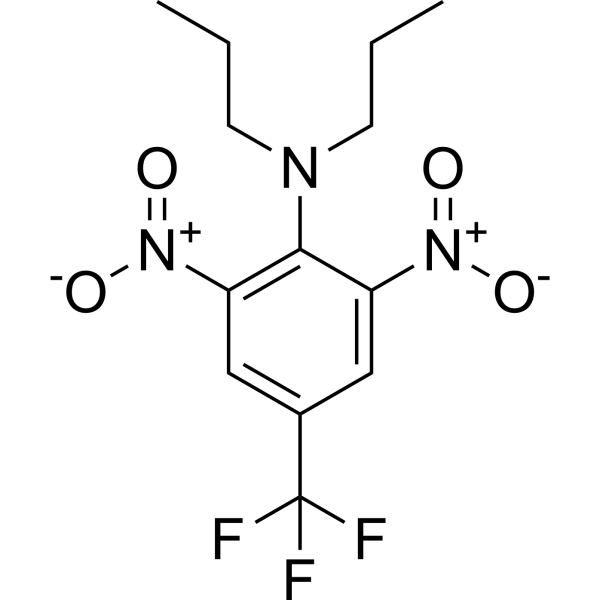
Trifluralin is a selective, preemergence, soil-applied herbicide providing control of many important annual grass and broadleaf weed species. Trifluralin prevents weed growth by inhibiting root development through the interruption of mitosis. Trifluralin binds to tubulin and results in the failure of spindle apparatus and cell plate formation. Trifluralin inhibits radicle development on roots. Trifluralin inhibits cell mitosis. Trifluralin is considered to be neurotoxic and haematotoxic .
|
-
-
- HY-136426
-
|
|
Environmental Pollutants
Reactive Oxygen Species (ROS)
Herbicide
|
Others
|
|
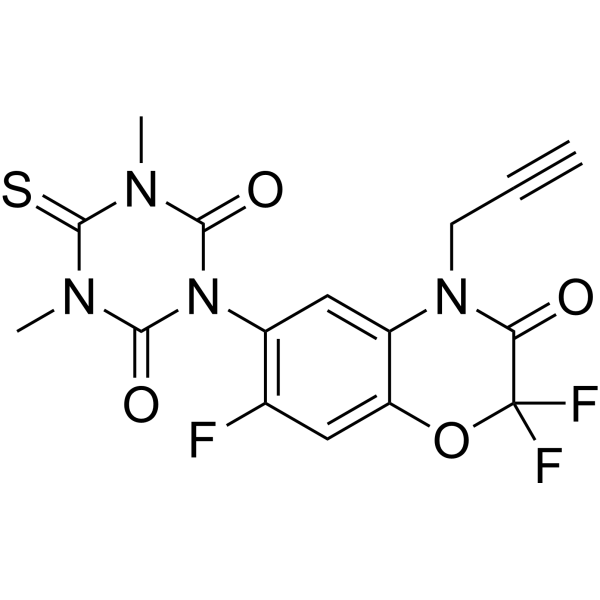
Trifludimoxazin is a click chemistry reagent, a protoporphyrinogen oxidase (PPO) inhibitor and herbicide. Trifludimoxazin inhibits PPO, accumulates reactive oxygen species, damages cell membranes, and thereby causes weed death. Trifludimoxazin exhibits high-efficiency activity in controlling broadleaf weeds and grassy weeds .
|
-
-
- HY-W725385
-
|
Huanbifucaotong
|
HPPD
|
Others
|
|
Cypyrafluone is a 4-hydroxyphenylpyruvate dioxygenase (4-HPPD) inhibitor that prevents the homogentisic acid (HGA) production. Cypyrafluone can control weed in wheat fields .
|
-
-
- HY-17513
-
|
BAY314666; BAY-MKH 3586
|
Environmental Pollutants
Herbicide
|
Others
|
|
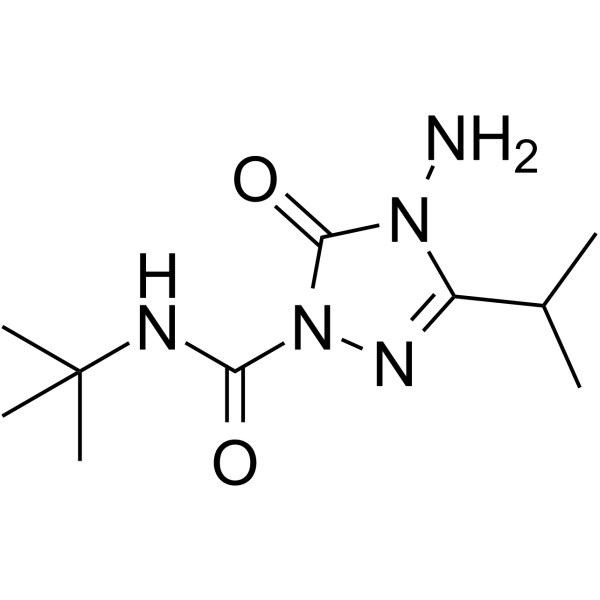
Amicarbazone (BAY-MKH3586; BAY314666) acts as a potent inhibitor of photosynthetic electron transport by binding to the Qb domain of photosystem II (PSII); it is a herbicide with broad-spectrum weed control activity .
|
-
-
- HY-136373
-
|
BAS 479H
|
Herbicide
Cytochrome P450
DNA/RNA Synthesis
|
Others
|
|
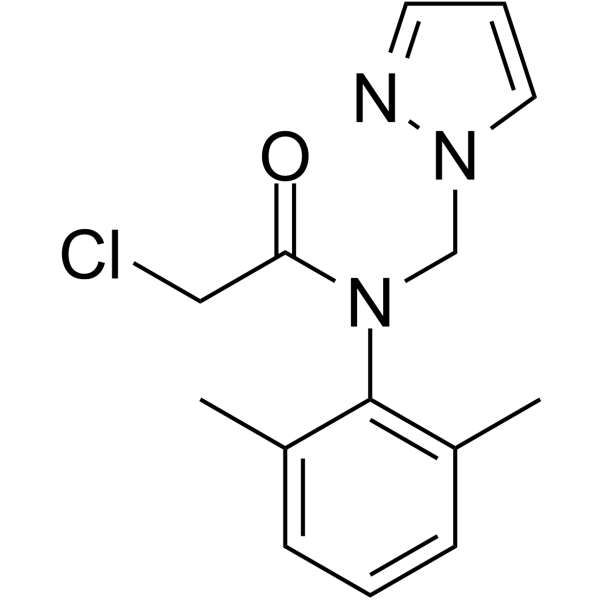
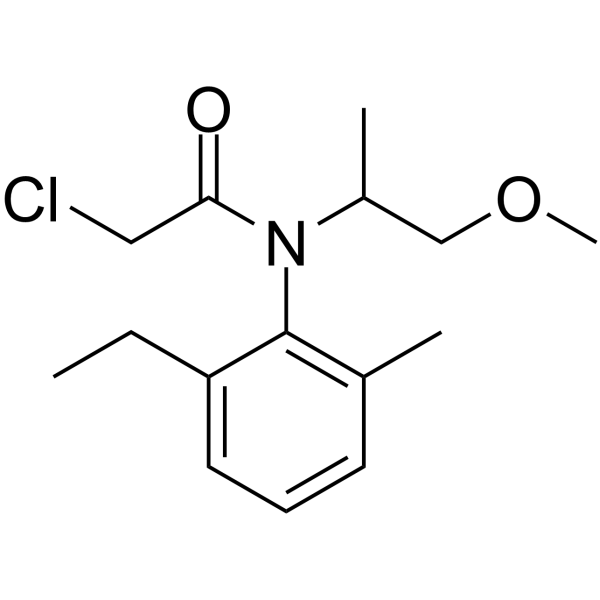
Metazachlor (BAS 479H) is a herbicide belonging to the chloroacetamides class. Metazachlor can inhibit the synthesis of very long chain fatty acids during the germination and emergence of weed seeds, thereby interfering with cell division and tissue differentiation, and thus hindering the normal growth and development of weeds .
|
-
-
- HY-139731
-
|
|
Transketolase
Herbicide
|
Others
|
|
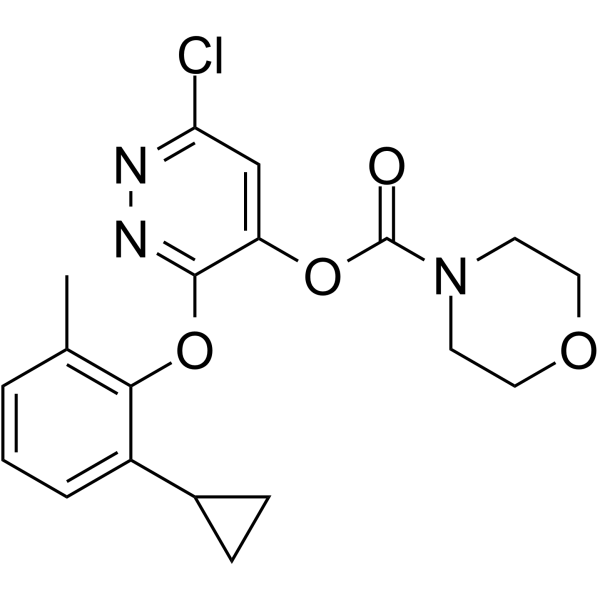
Transketolase-IN-1 is a transketolase inhibitor and a herbicide. Transketolase-IN-1 inhibits weed growth and exhibits safety for maize and wheat at specified application rates. Transketolase-IN-1 can be used for the research of weed control in wheat and maize fields .
|
-
-
- HY-114507
-
|
Sumisoya; V-53482
|
Environmental Pollutants
Herbicide
|
Others
|
|
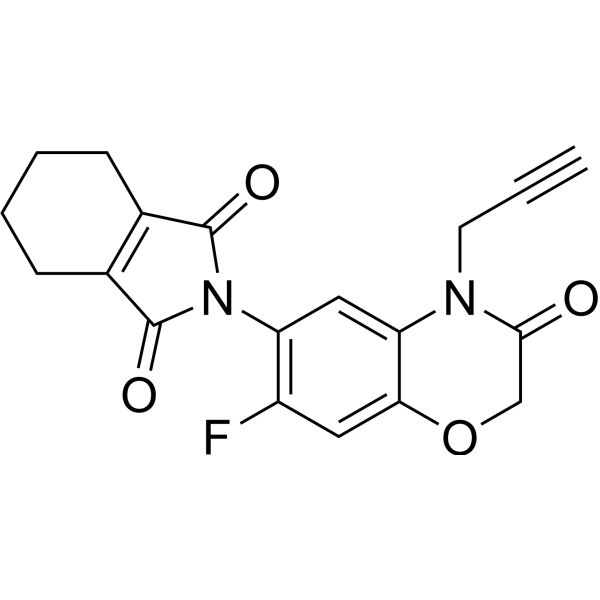
Flumioxazin (Sumisoya) is an herbicide for use in soybean and peanut. Flumioxazin inhibits the enzyme protoporphyrinogen oxidase . Flumioxazin is a click chemistry reagent, it contains an Alkyne group and can undergo copper-catalyzed azide-alkyne cycloaddition (CuAAc) with molecules containing Azide groups.
|
-
-
- HY-119989
-
|
|
Herbicide
|
Infection
|
|
Cyclopyrimorate, a highly effective bleaching herbicide for weed control in rice fields, targets homogentisate solanesyltransferase (HST). HST is a downstream enzyme of 4-hydroxyphenylpyruvate dioxygenase in the plastoquinone (PQ) biosynthesis pathway .
|
-
-
- HY-B2023
-
|
Chlortoluron
|
Environmental Pollutants
Herbicide
|
Others
|
|
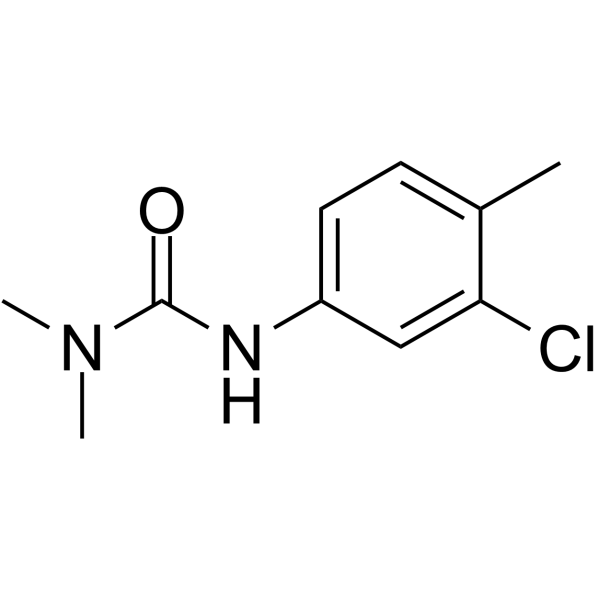
Chlorotoluron (Chlortoluron) is a urea herbicide. Chlorotoluron serves as a degradation substrate that undergoes dissipation in soil and produces demethylated chlorotoluron metabolites via N-dealkylation. Chlorotoluron is used for pre-emergence and post-emergence weed control in cereals and various other crops .
|
-
-
- HY-151600
-
|
|
Transketolase
|
Others
|
|
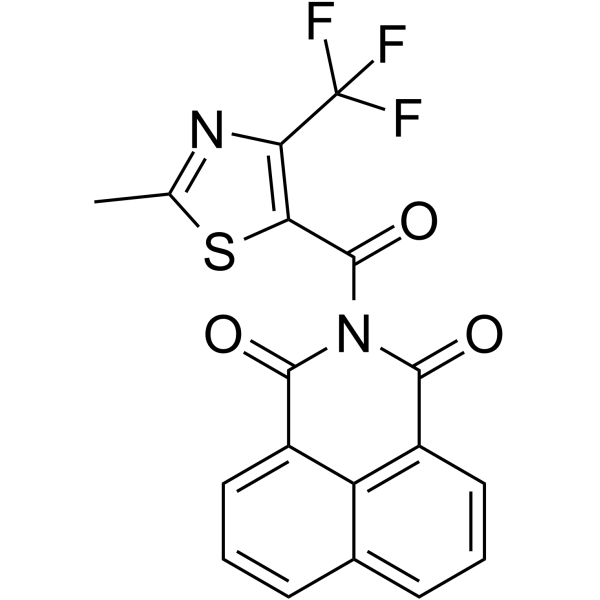
Transketolase-IN-2 (compound 4w) is a potent Transketolase inhibitor. Transketolase-IN-2 shows strong inhibition of Digitaria sanguinalis and Amaranthus retroflexus (over 90% at 200 mg/L and about 80% at 100 mg/L). Transketolase-IN-2 can be used in studies of weed control .
|
-
-
- HY-121324
-
-
-
- HY-136375
-
-
-
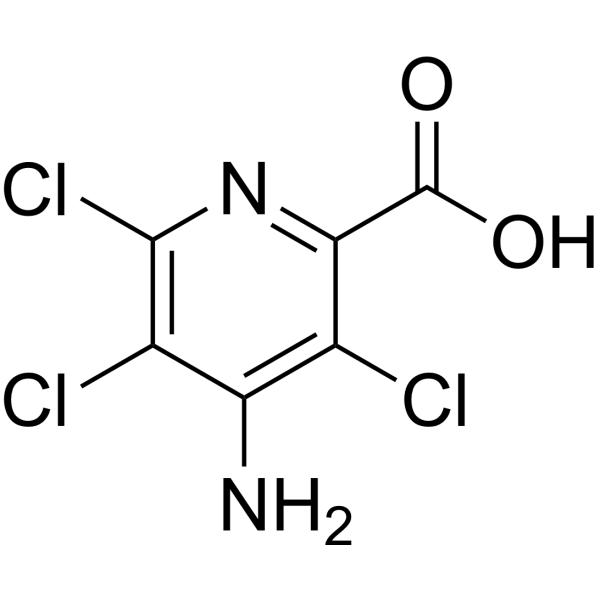
- HY-W014793
-
|
|
Herbicide
|
Others
|
|
Metamitron is a triazone herbicide that can be used for pre- and post-emergence weed control of broadleaf weeds and grasses in sugar beet .
|
-
-
- HY-N15133
-
|
(-)-Solanacol
|
Drug Derivative
|
Others
|
|
Solanacol ((-)-Solanacol) is a strigolactone germination stimulant that can be isolated from tobacco (Nicotiana tabacum L.). Solanacol stimulates the germination of root parasitic weed seeds .
|
-
-
- HY-N7659A
-
|
|
Phytohormone
Microtubule/Tubulin
Apoptosis
|
Others
|
|
Glucobrassicin potassium is an indole-based anticancer agent and plant growth-regulating hormone. Glucobrassicin potassium exerts its biological activity by disrupting the integrity of microtubule networks in both plant and mammalian cells. At high concentrations, Glucobrassicin potassium inhibits seed germination and root growth; it can also specifically induce apoptosis in mammalian cancer cells and interfere with the intercellular transmission of viruses that rely on microtubules. In plants, Glucobrassicin potassium can be catalyzed by myrosinase to release growth-regulating substances, exhibiting a concentration-dependent growth-regulating effect .
|
-
-
- HY-174423
-
|
NC-656
|
Herbicide
|
Others
|
|
Iptriazopyrid (NC-656) is an azole carboxamide herbicide targeting 4-hydroxyphenylpyruvate dioxygenase (HPPD) with a Ki value of 24.3 nM for Arabidopsis HPPD and 33.3 nM for rice HPPD. Iptriazopyrid blocks plastoquinone and carotenoid synthesis, leading to weed chlorosis and death. Iptriazopyrid is promising for research of controlling weeds such as Echinochloa crus-galli in paddy fields .
|
-
-
- HY-W725574
-
|
BAS 29095
|
Photosystem II
|
Others
|
|
Dimidazon (BAS 29095) is a weak electron transport inhibitor targeting photosystem II (PSII). Dimidazon inhibits electron transfer from the primary electron acceptor Q in PSII to photosystem I. Dimidazon is promising for research of photosynthesis regulation and weed control .
|
-
-
- HY-108970
-
|
|
Proton Pump
Bacterial
Fungal
|
Infection
|
|
Bafilomycin D is a specific inhibitor of vacuolar-type ATPase (V-ATPase). Bafilomycin D has antimicrobial, insecticidal, herbicidal and cytotoxic activity .
|
-
-
- HY-133188
-
-
-
- HY-B0865
-
|
|
Acetolactate Synthase (ALS)
|
Others
|
|
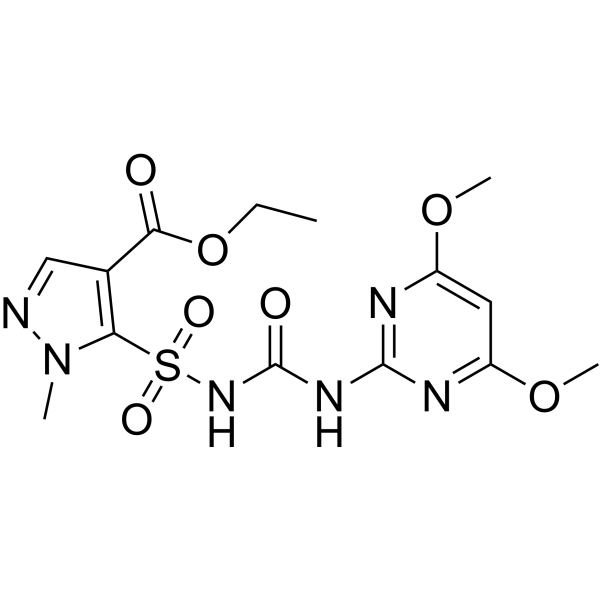
Pyrazosulfuron-ethyl, one of the acetolactate synthase inhibiting herbicides in the sulphonylurea family, has been widely used to control weed growth in commercial cereal, soybean, and vegetable fields .
|
-
-
- HY-175249
-
|
|
|
Others
|
|
TKL-IN-2 is a herbicide and SvTKL inhibitor with an IC50 of 0.11 mg/L. TKL-IN-2 binds to the SvTKL active site, interacts with key pocket residues, and inhibits enzyme activity. TKL-IN-2 can be used for the research of weed control in maize, wheat, soybean, and cotton fields .
|
-
-
- HY-136373S
-
|
BAS 479H-d6
|
Isotope-Labeled Compounds
Herbicide
Cytochrome P450
DNA/RNA Synthesis
|
Others
|
|
Metazachlor-d6 (BAS 479H-d6) is a deuterium labeled Metazachlor (HY-136373). Metazachlor (BAS 479H) is a herbicide belonging to the chloroacetamides class. Metazachlor can inhibit the synthesis of very long chain fatty acids during the germination and emergence of weed seeds, thereby interfering with cell division and tissue differentiation, and thus hindering the normal growth and development of weeds .
|
-
-
- HY-121242
-
|
VEL-5026
|
Photosystem II
|
Others
|
|
Buthidazole is a selective herbicide for weed control in corn. Buthidazole inhibits photosynthetic electron transport at two distinct sites in the photosynthetic electron transport chain. The major site of inhibition was on the reducing side of photosystem II. Another site of electron transport inhibition is on the oxidizing side of photosystem II. Buthidazole inhibits corn photosynthesis and prevents starch accumulation in bundle sheath chloroplasts and some ultrastructural disruption of mesophyl chloroplasts of corn plants .
|
-
-
- HY-149199
-
|
Touchdown; Glyphosphate-trimesium
|
Herbicide
|
Others
|
|
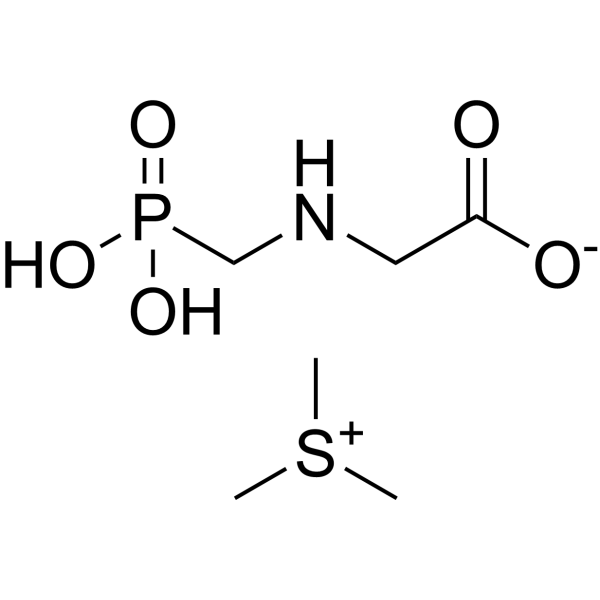
Sulfosate is a post-emergence, non-selective and translocated herbicide. Sulfosate can be used for weed control .
|
-
-
- HY-135745
-
|
|
Environmental Pollutants
Herbicide
|
Others
|
|
Sulfentrazone is a phenyl triazolinone herbicide used for control of certain broadleaf and grass weed species. Sulfentrazone inhibits protoporphyrinogen oxidase, resulting in the disruption of lipid cell membranes .
|
-
-
- HY-118923
-
|
|
Protoporphyrinogen IX oxidase
|
Others
|
|
Saflufenacil is a herbicide of the pyrimidinedione chemical class preplant burndown and selective preemergence dicot weed control in multiple crops, including corn. Saflufenacil is a potent inhibitor of protoporphyrinogen IX oxidase (PPO) .
|
-
-
- HY-151095
-
|
|
Reactive Oxygen Species (ROS)
|
Others
|
|
Phytoene desaturase-IN-1 is a potent phytoene desaturase (PDS) inhibitor (Kd: 65.9 μM) through π−π stacking effect with Phe301 residue. Phytoene desaturase-IN-1 shows broad spectrum of postemergence herbicidal activity. Phytoene desaturase-IN-1 induces PDS mRNA reduction, phytoene and reactive oxygen species (ROS) accumulation in albino leaves. Phytoene desaturase-IN-1 can be used in the area of agricultural production .
|
-
-
- HY-136633R
-
|
|
Herbicide
Reference Standards
|
Others
|
|
Pyroxasulfone (Standard) is the analytical standard of Pyroxasulfone. This product is intended for research and analytical applications. Pyroxasulfone is a broad-spectrum pyrazole herbicide used primarily for all-season residual weed control in corn and soybeans. Pyroxasulfone is active against a variety of annual grasses and some broad-leaved weeds, and can be absorbed through roots and stems to inhibit early seedling growth of sensitive plants. Pyroxasulfone can be used to study herbicide effects and weed resistance .
|
-
-
- HY-137054
-
|
NSC-631570
|
Drug Intermediate
|
Cancer
|
|
Ukrain (NSC-631570) is an anticancer agent. Ukrain is a semi-synthetic compound derived from the common weed, greater celandine (Chelidonium majus L.) .
|
-
-
- HY-131325S
-
-
-
- HY-W264306
-
|
|
Herbicide
|
|
|
(2,4,6-Trimethyl-phenoxy)-acetic acid is an organic compound with excellent herbicide activity. This compound can effectively inhibit weed growth and help increase crop yields. (2,4,6-Trimethyl-phenoxy)-acetic acid shows strong selectivity against specific types of weeds.
|
-
-
- HY-149312
-
|
|
Protoporphyrinogen IX oxidase
|
Others
|
|
PPO-IN-3 (Compound 8ad) is a PPO inhibitor with an KI value of 0.67 nM. PPO-IN-3 has post-emergence herbicidal activity. PPO-IN-3 can be used for weed control .
|
-
-
- HY-158981
-
|
|
Herbicide
|
Others
|
|
Herbicide safener-3 is a compound that increases the selectivity of herbicides. Herbicide safener-3 is often used together with herbicides, particularly those that can be harmful to crops. Herbicide safener-3 reduces the negative effects of herbicide on the crop by regulating metabolic differences between the crop and the weed while still allowing the herbicide to be effective on the weed. Herbicide safener-3 can be used in research that improves herbicide application effectiveness and crop safety .
|
-
-
- HY-168496
-
|
|
Herbicide
Phytohormone
|
Others
|
|
Herbicidal agent 8 (Compound 9w) targets the auxin indole-3-acetic acid (IAA, IC50=4.389 μM), disrupting the physiological activities of plant cells and eventually causing plant death. Herbicidal agent 8 exhibits herbicidal activity against broadleaf weeds and grass weeds .
|
-
-
- HY-W747605
-
-
-
- HY-121158
-
|
S-2846
|
Herbicide
|
Others
|
|
Butamifos (S-2846) is an organophosphoramidate herbicide used to control annual weeds with low toxicity to mammals. Butamifos acts on the growing points of susceptible plants, causing severe radial enlargement of the affected tissues .
|
-
-
- HY-122319
-
|
RP-020630
|
Environmental Pollutants
Herbicide
|
Others
|
|
Oxadiargyl (RP-020630) is an herbicide that inhibits protoporphyrinogen oxidase and has both pre- and early post-emergent weed activity. Oxadiargyl (RP-020630) has a short residual activity period, broad weed spectrum, and can be used in various soil types .
|
-
-
- HY-W751296
-
|
|
Herbicide
|
Others
|
|
Pethoxamid is a highly effective chloroacetamide herbicide that can be used for field weed control .
|
-
-
- HY-N7488
-
-
-
- HY-119558
-
|
|
Endogenous Metabolite
|
Others
|
|
Bromacil serves as the active ingredient in Krovar, a commercially available pesticide extensively utilized for weed management in citrus orchards.
|
-
-
- HY-W414724
-
|
|
Herbicide
|
Others
|
|
Methabenzthiazuron is a herbicide, which inhibits the plants' growth through inhibition of photosynthesis. Methabenzthiazuron can be used for weed control in cereal crops .
|
-
-
- HY-W780198
-
|
|
Bacterial
Fungal
|
Infection
|
|
Endophenazine A has activity against Gram-positive bacteria and filamentous fungi such as mucor and Penicillium. Its weeding ability to Lemna minor is relatively low .
|
-
-
- HY-W662572
-
|
|
Acetolactate Synthase (ALS)
|
Others
|
|
Pyroxsulam is a selective, foliar-applied acetolactate synthase (ALS)-inhibiting herbicide. Pyroxsulam can be used for the study of grassy weed management in winter wheat systems .
|
-
-
- HY-133188R
-
|
|
Herbicide
Reference Standards
|
Others
|
|
Imazethapyr (Standard) is the analytical standard of Imazethapyr. This product is intended for research and analytical applications. Imazethapyr is an imidazolinone herbicide used in crops. Imazethapyr can protect crops from damage by weeds and annual grasses .
|
-
-
- HY-B2050S
-
|
|
Isotope-Labeled Compounds
Microtubule/Tubulin
|
Others
|
|
Trifluralin-d14 is the deuterium labeled Trifluralin. Trifluralin is a selective, preemergence, soil-applied herbicide providing control of many important annual grass and broadleaf weed species. Trifluralin prevents weed growth by inhibiting root development through the interruption of mitosis. Trifluralin binds to tubulin and results in the failure of spindle apparatus and cell plate formation. Trifluralin inhibits radicle development on roots. Trifluralin inhibits cell mitosis. Trifluralin is considered to be neurotoxic and haematotoxic .
|
-
-
- HY-121324S
-
|
|
Isotope-Labeled Compounds
|
Others
|
|
Prometryn-d14 is the deuterium labeled Prometryn . Prometryn could improves the control of all weed species and increased lint yield compared with the systems .
|
-
-
- HY-N14387
-
-
-
- HY-B2050R
-
|
|
Reference Standards
Microtubule/Tubulin
Herbicide
|
Others
|
|
Trifluralin (Standard) is the analytical standard of Trifluralin. This product is intended for research and analytical applications. Trifluralin is a selective, preemergence, soil-applied herbicide providing control of many important annual grass and broadleaf weed species. Trifluralin prevents weed growth by inhibiting root development through the interruption of mitosis. Trifluralin binds to tubulin and results in the failure of spindle apparatus and cell plate formation. Trifluralin inhibits radicle development on roots. Trifluralin inhibits cell mitosis. Trifluralin is considered to be neurotoxic and haematotoxic .
|
-
-
- HY-136375S
-
|
|
Isotope-Labeled Compounds
|
Others
|
|
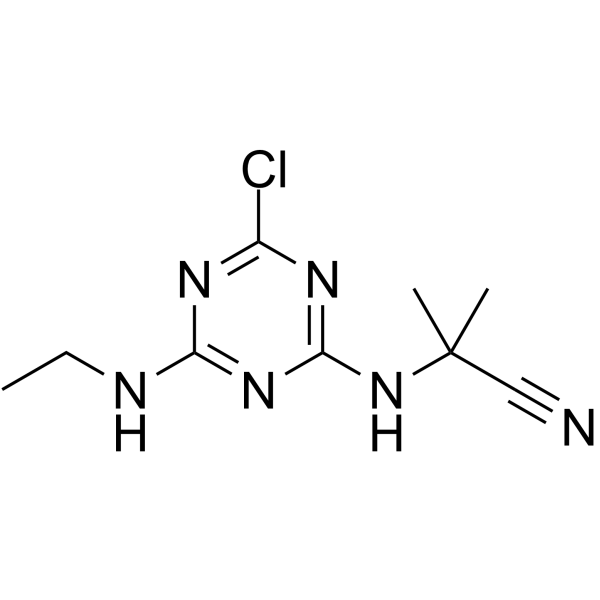
Cyanazine-d5 is deuterium labeled Cyanazine. Cyanazine, a triazine herbicide cyanazine, is used to control a variety of grass weeds and broadleaf weed. Cyanazine is proved non-genotoxic .
|
-
- HY-B2023S
-
|
|
Isotope-Labeled Compounds
Environmental Pollutants
|
Others
|
|
Chlorotoluron-d6 is the deuterium labeled Chlorotoluron . Chlorotoluron (Chlortoluron) is a substituted phenylurea herbicide, is widely used for selective weed control in cereals crops and is an environmental pollutant .
|
-
- HY-121324R
-
|
|
Herbicide
Reference Standards
|
Others
|
|
Prometryn (Standard) is the analytical standard of Prometryn. This product is intended for research and analytical applications. Prometryn could improves the control of all weed species and increased lint yield compared with the systems .
|
-
- HY-119558R
-
|
|
Endogenous Metabolite
Reference Standards
|
Others
|
|
Bromacil (Standard) is the analytical standard of Bromacil. This product is intended for research and analytical applications. Bromacil serves as the active ingredient in Krovar, a commercially available pesticide extensively utilized for weed management in citrus orchards.
|
-
- HY-B2023R
-
|
Chlortoluron (Standard)
|
Herbicide
Reference Standards
Environmental Pollutants
|
Others
|
|
Chlorotoluron (Standard) is the analytical standard of Chlorotoluron. This product is intended for research and analytical applications. Chlorotoluron (Chlortoluron) is a substituted phenylurea herbicide, is widely used for selective weed control in cereals crops and is an environmental pollutant .
|
-
- HY-136375R
-
|
|
Herbicide
Reference Standards
|
Others
|
|
Cyanazine (Standard) is the analytical standard of Cyanazine. This product is intended for research and analytical applications. Cyanazine, a triazine herbicide cyanazine, is used to control a variety of grass weeds and broadleaf weed. Cyanazine is proved non-genotoxic .
|
-
- HY-148968
-
|
Carbathion
|
Fungal
|
Infection
|
|
Metham sodium (Carbathion) is a broad-spectrum soil microbial suppressant. Metham sodium controls soil-borne pests and weeds. Metham sodium inhibits weed seeds, plant-parasitic nematodes, plant pathogenic fungi and soil insects .
|
-
- HY-W414724R
-
|
|
Herbicide
Reference Standards
|
Others
|
|
Methabenzthiazuron (Standard) is the analytical standard of Methabenzthiazuron. This product is intended for research and analytical applications. Methabenzthiazuron is a herbicide, which inhibits the plants' growth through inhibition of photosynthesis. Methabenzthiazuron can be used for weed control in cereal crops .
|
-
- HY-135745R
-
|
|
Herbicide
Reference Standards
|
Others
|
|
Sulfentrazone (Standard) is the analytical standard of Sulfentrazone. This product is intended for research and analytical applications. Sulfentrazone is a phenyl triazolinone herbicide used for control of certain broadleaf and grass weed species. Sulfentrazone inhibits protoporphyrinogen oxidase, resulting in the disruption of lipid cell membranes .
|
-
- HY-117142
-
|
|
Acetyl-CoA Carboxylase
|
Others
|
|
Quizalofop-P is absorbed through weed stems and leaves, conducts upward and downward in plants, accumulates at the top and intermediate meristems, inhibits cellular fatty acid synthesis, and makes weeds necrotic. Quizalofop-P is highly selective between grass weeds and dicotyledonous crops .
|
-
- HY-162421
-
|
|
Herbicide
|
Others
|
|
SL antagonist 1 (Compound D12) is strigolactones antagonists and can strongly interact with SL receptor proteins.SL antagonist 1 can combat root-parasitic weed infestations. SL antagonist 1 has no side effects on the germination or seedling growth .
|
-
- HY-W749263
-
|
|
Isotope-Labeled Compounds
Protoporphyrinogen IX oxidase
|
Others
|
|
Saflufenacil-d7 is the deuterium labeled Saflufenacil (HY-118923). Saflufenacil is a herbicide of the pyrimidinedione chemical class preplant burndown and selective preemergence dicot weed control in multiple crops, including corn. Saflufenacil is a potent inhibitor of protoporphyrinogen IX oxidase (PPO) .
|
-
- HY-118923R
-
|
|
Reference Standards
Protoporphyrinogen IX oxidase
|
Others
|
|
Saflufenacil (Standard) is the analytical standard of Saflufenacil. This product is intended for research and analytical applications. Saflufenacil is a herbicide of the pyrimidinedione chemical class preplant burndown and selective preemergence dicot weed control in multiple crops, including corn. Saflufenacil is a potent inhibitor of protoporphyrinogen IX oxidase (PPO) .
|
-
- HY-116802
-
|
|
Drug Derivative
Herbicide
|
Others
|
|
Bromobutide is an active ingredient in herbicides that kill weeds. Bromobutide has the highest control effect on Scirpus juncoides and Monochloa vaginalis, but has no inhibitory effect on weed seed germination. The main metabolites of bromobutide in rats are alcohol or phenol glucuronides, which enter the enterohepatic circulation .
|
-
- HY-18257R
-
|
|
Reference Standards
Bacterial
Antibiotic
|
Infection
|
|
Saflufenacil (Standard) is the analytical standard of Saflufenacil. This product is intended for research and analytical applications. Saflufenacil is a herbicide of the pyrimidinedione chemical class preplant burndown and selective preemergence dicot weed control in multiple crops, including corn. Saflufenacil is a potent inhibitor of protoporphyrinogen IX oxidase (PPO) .
|
-
- HY-B0865R
-
|
|
Reference Standards
Acetolactate Synthase (ALS)
|
Others
|
|
Pyrazosulfuron-ethyl (Standard) is the analytical standard of Pyrazosulfuron-ethyl. This product is intended for research and analytical applications. Pyrazosulfuron-ethyl, one of the acetolactate synthase inhibiting herbicides in the sulphonylurea family, has been widely used to control weed growth in commercial cereal, soybean, and vegetable fields .
|
-
- HY-W040286
-
|
|
Herbicide
Endogenous Metabolite
|
|
|
Cinosulfuron is a selective herbicide with excellent inhibitory activity against a variety of broadleaf weeds and is widely used in crop fields to protect the growth of crops. Cinosulfuron can effectively manage weed problems by inhibiting specific enzyme activity. Cinosulfuron is used in agriculture to increase crop yield and quality and ensure efficient use of farmland.
|
-
- HY-W874850
-
|
|
Herbicide
|
|
|
Fluorodifen is a selective herbicide with the activity of inhibiting weed growth. Fluorodifen can effectively control the growth of various annual and perennial broadleaf weeds and some grass weeds, and is widely used in the field management of various crops. By acting on the photosynthesis of plants and the regulation of their growth hormones, Fluorodifen ensures the healthy growth and harvest of crops.
|
-
- HY-161503
-
|
|
Protoporphyrinogen IX oxidase
|
Others
|
|
PPO-IN-10 (Compound 4) is a 2-phenylpyridine derivative of pyrrolidone. PPO-IN-10 inhibits protoporphyrinogen IX oxidase (PPO). PPO-IN-10 leads to the formation of photosensitive protoporphyrin IX and the death of weed leaves. PPO-IN-10 can be used in the research of developing new PPO herbicides .
|
-
- HY-144177S
-
|
|
Isotope-Labeled Compounds
|
Infection
|
|
Benzthiazuron-d3 is deuterium labeled Benzthiazuron. Benzthiazuron is a selective herbicide that is used mainly to control annual broad-leaved weeds in a variety of crops .
|
-
- HY-117142R
-
|
|
Acetyl-CoA Carboxylase
Reference Standards
|
Others
|
|
Quizalofop-P (Standard) is the analytical standard of Quizalofop-P. This product is intended for research and analytical applications. Quizalofop-P is absorbed through weed stems and leaves, conducts upward and downward in plants, accumulates at the top and intermediate meristems, inhibits cellular fatty acid synthesis, and makes weeds necrotic. Quizalofop-P is highly selective between grass weeds and dicotyledonous crops .
|
-
- HY-W710697
-
|
Triclopyr 2-butoxyethylester
|
Herbicide
|
Others
|
|
Triclopyr ester (Triclopyr 2-butoxyethylester) is a bioactive substance with activity in controlling harmful woody plants. Triclopyr ester showed toxicity to honeybees (Apis mellifera) in greenhouse trials. Triclopyr ester in combination with other herbicides is effective in removing the canopy of plants such as honey trees and whitebrush. Triclopyr ester can quickly assess its weeding effectiveness when treating trees in greenhouses, providing potential treatment options for field experiments .
|
-
- HY-136373R
-
|
BAS 479H (Standard)
|
Herbicide
Reference Standards
Cytochrome P450
DNA/RNA Synthesis
|
Others
|
|
Metazachlor (Standard) (BAS 479H (Standard)) is the analytical standard of Metazachlor (HY-136373). This product is intended for research and analytical applications. Metazachlor (BAS 479H) is a herbicide belonging to the chloroacetamides class. Metazachlor can inhibit the synthesis of very long chain fatty acids during the germination and emergence of weed seeds, thereby interfering with cell division and tissue differentiation, and thus hindering the normal growth and development of weeds .
|
-
- HY-W841955
-
|
SSH-41
|
Herbicide
|
Others
|
|
Monisouron (SSH-41) is a herbicide. Monisouron shows post-emergence control effects on various broad-leaved and grass weeds, and selectivity for barley, pea and maize. Monisouron is promising for research of weed control .
|
-
- HY-N15729
-
|
|
Others
|
Others
|
|
1-(2,4,5-Trimethoxyphenyl)propane-1,2-dione is an aromatic compound found in Acorus calamus. 1-(2,4,5-Trimethoxyphenyl)propane-1,2-dione is promising for research of plant allelopathy and weed control .
|
-
- HY-N0970
-
|
|
Others
|
Others
|
|
(4Z)-Lachnophyllum lactone is a enyne derivative. (4Z)-Lachnophyllum lactone shows growth inhibitory activity against Lemna paucicostata (IC50=104 μM), which is a problematic and invasive weed . (4Z)-Lachnophyllum lactone is a click chemistry reagent, it contains an Alkyne group and can undergo copper-catalyzed azide-alkyne cycloaddition (CuAAc) with molecules containing Azide groups.
|
-
- HY-W008484
-
|
|
Environmental Pollutants
Herbicide
|
Infection
|
|
Aminopyralid is a synthetic auxin herbicide. Aminopyralid provides foliar and soil residual weed control, and also increases forage yield in bahiagrass pastures. When present as a soil residue, Aminopyralid causes phytotoxicity, reduced plant height, decreased flower number and fruit yield loss in rotated vegetable crops. Aminopyralid is registered for the control of annual and perennial broadleaf weeds in pastures, permanent grasslands and non-cropped areas .
|
-
- HY-W753209
-
|
|
Herbicide
HPPD
|
Others
|
|
Tolpyralate is a selective post-emergence herbicide and corn Herbicide. Tolpyralate inhibits 4-HPPD. Tolpyralate exhibits herbicidal activity against a variety of weeds, including the glyphosate-resistant weed Amaranthus tuberculatus .
|
-
- HY-173026
-
|
|
Herbicide
|
Others
|
|
Herbicidal agent 7 (Compound 15c) is the inhibitor for protoporphyrinogen IX oxidase (PPO). Herbicidal agent 7 blocks the plant pigment synthesis, exhibiting herbicidal activity against broadleaf weeds (such as Z. elegans and A. theophrasti) and grass weeds (such as S. glauca and E. crusgalli) .
|
-
- HY-136357
-
|
|
Herbicide
|
Others
|
|
Tribenuron, a slow acting sulfonylurea herbicide, controls broadleaf weed .
|
-
- HY-W754459
-
|
|
Herbicide
|
Others
|
|
Triazole sulcotrione is a triazole herbicide commonly used for weed control in cornfields.
|
-
- HY-121158R
-
|
S-2846 (Standard)
|
Herbicide
Reference Standards
|
Others
|
|
Butamifos (Standard) is the analytical standard of Butamifos. This product is intended for research and analytical applications. Butamifos (S-2846) is an organophosphoramidate herbicide used to control annual weeds with low toxicity to mammals. Butamifos acts on the growing points of susceptible plants, causing severe radial enlargement of the affected tissues .
|
-
- HY-W755614
-
|
|
Isotope-Labeled Compounds
Herbicide
|
Others
|
|
Bromoxynil- 13C6 is the 13C-labeled Bromoxynil (HY-69161). Bromoxynil is a selective herbicide with weed-inhibiting activity. Bromoxynil is effective in controlling broadleaf weeds and is widely used in field management of crops such as wheat and barley. Bromoxynil achieves its weed-killing effect by interfering with plant photosynthesis and water absorption.
|
-
- HY-121487
-
|
|
Herbicide
|
Others
|
|
Etobenzanid is a herbicide for control of weeds in rice. Etobenzanid can be used for the research of rice weed management .
|
-
- HY-W014871
-
-
- HY-131325
-
-
- HY-W728891
-
|
|
Herbicide
|
Others
|
|
Pentoxazone is a protoporphyrinogen IX oxidase (PPO)-inhibiting herbicide. Pentoxazone inhibits chlorophyll and heme synthesis, drives protoporphyrinogen IX accumulation and oxidation, and generates singlet oxygen to oxidize cell membranes and induce cell damage.Pentoxazone suppresses fresh weight growth of multiple weed species and shows low activity against weedy rice. Pentoxazone can be used for the research of direct-seeding rice field weed management .
|
-
- HY-W151441
-
|
|
Herbicide
|
Others
|
|
Iprymidam is a pyrimidinediamine herbicide that can be used for weed control. Iprymidam has a good control effect on annual broad-leaved weeds .
|
-
- HY-W721303
-
|
SN-533; BTS-30843
|
Herbicide
|
Others
|
|
Epronaz (SN-533; BTS-30843) is an agricultural herbicide that can be used for field weed control in crops such as soybeans and peanuts .
|
-
- HY-180894
-
-
- HY-W040279
-
|
|
Herbicide
Acetolactate Synthase (ALS)
|
Others
|
|
Prosulfuron is a fluorinated sulfonylurea herbicide with a reported acute oral LD50 of 546 mg/kg in female rats. Prosulfuron acts by inhibiting acetolactate synthase (ALS) to block the biosynthesis of branched-chain amino acids (valine, leucine and isoleucine) in plants, thereby suppressing weed growth. Prosulfuron may disrupt the soil microbial community balance in alkaline soils with minimal chemical degradation. Prosulfuron has low toxicity to humans and mammals, and can be used for the research of broadleaf weed control in maize and sweet corn .
|
-
- HY-114507R
-
|
Sumisoya (Standard); V-53482 (Standard)
|
Herbicide
Reference Standards
|
Others
|
|
Flumioxazin (Standard) is the analytical standard of Flumioxazin. This product is intended for research and analytical applications. Flumioxazin (Sumisoya) is an herbicide for use in soybean and peanut. Flumioxazin inhibits the enzyme protoporphyrinogen oxidase . Flumioxazin is a click chemistry reagent, it contains an Alkyne group and can undergo copper-catalyzed azide-alkyne cycloaddition (CuAAc) with molecules containing Azide groups.
|
-
- HY-124889
-
|
|
Apoptosis
Herbicide
|
Others
|
|
Dimethenamid is an acetamide herbicide that is widely used on soybeans and corns to inhibit weed growth. Dimethenamid not only lead to morphological abnormalities in zebrafish larvae but also reduces their viability. ROS production and inflammation responses were promoted in zebrafish larvae.
|
-
- HY-W714178
-
|
|
Herbicide
|
Others
|
|
Aziprotryne is a post-emergence selective herbicide active against broadleaf weeds. When tank-mixed with Alachlor (HY-B2014), Aziprotryne provides longer-term weed control in field-grown cabbage plots .
|
-
- HY-W014793R
-
|
|
Herbicide
Reference Standards
|
Others
|
|
Metamitron (Standard) is the analytical standard of Metamitron (HY-W014793). This product is intended for research and analytical applications. Metamitron is a triazone herbicide that can be used for pre- and post-emergence weed control of broadleaf weeds and grasses in sugar beet .
|
-
- HY-W714199
-
|
Potablan
|
Herbicide
|
Others
|
|
Monalide (Potablan) is a soil-applied and contact herbicide that acts both via absorption by plant roots from the soil and through contact with the aboveground parts of plants. Monalide inhibits weed growth. Monalide decomposes within several weeks in soil and leaves no residues on crops .
|
-
- HY-182897
-
|
|
Herbicide
|
Others
|
|
PPO-IN-25 (Compound B2) is a PPO inhibitor and Herbicide, with a Ki value of 9.50 nM against NtPPO. PPO-IN-25 exhibits control efficacy against broadleaf weeds and shows broad-spectrum herbicidal activity. PPO-IN-25 can be used in studies related to weed damage .
|
-
- HY-W874850R
-
|
|
Endogenous Metabolite
Reference Standards
|
|
|
Fluorodifen (Standard) is the analytical standard of Fluorodifen. This product is intended for research and analytical applications. Fluorodifen is a selective herbicide with the activity of inhibiting weed growth. Fluorodifen can effectively control the growth of various annual and perennial broadleaf weeds and some grass weeds, and is widely used in the field management of various crops. By acting on the photosynthesis of plants and the regulation of their growth hormones, Fluorodifen ensures the healthy growth and harvest of crops.
|
-
- HY-W720329
-
|
|
Herbicide
DNA/RNA Synthesis
|
Others
|
|
Indaziflam is an alkyltriazine herbicide. Indaziflam targets the cellulose synthase complex and inhibits cellulose biosynthesis in plant cell walls. Indaziflam induces radial swelling of plants, ectopic lignification, inhibition of root and hypocotyl elongation, abnormal root and cell morphology, and also induces DNA strand breaks and micronucleus formation in HepG2 cells. Indaziflam can be used for research on monocot weed control .
|
-
- HY-W040286R
-
|
|
Endogenous Metabolite
Reference Standards
|
|
|
Cinosulfuron (Standard) is the analytical standard of Cinosulfuron. This product is intended for research and analytical applications. Cinosulfuron is a selective herbicide with excellent inhibitory activity against a variety of broadleaf weeds and is widely used in crop fields to protect the growth of crops. Cinosulfuron can effectively manage weed problems by inhibiting specific enzyme activity. Cinosulfuron is used in agriculture to increase crop yield and quality and ensure efficient use of farmland.
|
-
- HY-179280
-
|
|
Herbicide
Reactive Oxygen Species (ROS)
|
Others
|
|
Herbicidal agent 13 (Compound II-13) is a herbicidal agent. Herbicidal agent 13 retains the dual-target binding capabilities for PDS and ZDS, with Kd values of 71.8 μM and 0.586 mM against SynPDS and AtZDS, respectively. Herbicidal agent 13 increases ROS. Herbicidal agent 13 exhibits postemergence herbicidal activity against dicotyledonous weeds and monocotyledonous weed POLFU .
|
-
- HY-157160
-
|
|
Herbicide
|
Others
|
|
PPO-IN-5 (compound 9) is a herbicide based on PPO inhibitors. PPO, protoporphyrinogen oxidase, participates in the biosynthetic pathway of heme and chlorophyll synthesis. PPO-IN-5 is tolerant in cereal crops such as wheat, corn, and rice, and is a potential herbicide in wheat fields .
|
-
- HY-170920
-
|
|
Cytochrome P450
SOD
Glutathione S-transferase
Acetolactate Synthase (ALS)
|
Others
|
|
Herbicide safener-4 (Compound I-15) is a Herbicide safener, improving the herbicide resistance of crops without reducing the herbicidal effect on targeted weed species. Herbicide safener-4 competitively binds to the ALS active site with Mesosulfuron-methyl (HY-126987). Herbicide safener-4 enhances GSH (HY-D0187), GST, CYP450, POD, SOD and ALS activity in plants .
|
-
- HY-19698R
-
|
4-CPA (Standard); p-Chlorophenoxyacetic acid (Standard)
|
Biochemical Assay Reagents
Reference Standards
|
Others
|
|
4-Chlorophenoxyacetic acid (4-CPA) (Standard) is the analytical standard of 4-Chlorophenoxyacetic acid (4-CPA). This product is intended for research and analytical applications. 4-Chlorophenoxyacetic acid (4-CPA) is a widely used herbicide for weed control in agriculture. 4-Chlorophenoxyacetic acid can be degraded in aqueous media through an electrochemical oxidation process. The end products of 4-Chlorophenoxyacetic acid degradation are harmless, such as carbon dioxide, water, and chloride ions .
|
-
- HY-175736
-
|
|
Herbicide
|
Others
|
|
Herbicidal agent 11 (Compound 8a) is a herbicidal agent. Herbicidal agent 11 has significant postemergence herbicidal activities against the monocotyledonous weed Echinochloa crusgalli with inhibition of potent root and stem growth and has a good crop selectivity against wheat, maize, and oilseed rape. Herbicidal agent 11 also has effective inhibitory effects on Digitaria sanguinalis, Eclipta prostrate and Eleusine indica. Herbicidal agent 11 can be used for the development of herbicides .
|
-
- HY-19828
-
|
GEX1A
|
DNA/RNA Synthesis
|
Cancer
|
|
Herboxidiene (GEX1A) is a potent phytotoxic polyketide from Streptomyces sp. A7847 with a diverse range of activities, including herbicidal, anti-cholesterol, anti-tumor effects. Herboxidiene inhibits the pre-mRNA splicing process by binding to spliceosome-associated protein (SAP) 155, a subunit of SF3b, in the splicesome .
|
-
- HY-160735
-
|
|
Herbicide
Glutaminase
|
Others
|
|
L-Phosphinothricin is a glutamine synthetase inhibitor and a non-selective herbicide. L-Phosphinothricin acts as a competitive inhibitor, induces toxic ammonium ion accumulation in plants and bacteria, and indirectly blocks the photosynthesis process. L-Phosphinothricin exerts herbicidal activity against both monocotyledonous and dicotyledonous plant species, is primarily absorbed through plant leaves, exhibits limited translocation in plants, and undergoes rapid degradation by soil microorganisms with no root uptake. L-Phosphinothricin can be used for research on weed control in agricultural and non-crop scenarios .
|
-
- HY-N15454
-
|
Altertenuol
|
Herbicide
Bacterial
|
Infection
|
|
Altenuisol is a compound that can be found in the pathogenic fungus of the genus Alternaria in Xanthium italicum. It has herbicidal activity. At a low concentration of Altenuisol (10 μg/mL), it promotes the root growth of Pennisetum alopecuroides and Medicago sativa by 75.2% and 51.0% respectively. At a high concentration of Altenuisol (1000 μg/mL), the inhibition rates of root growth of Pennisetum alopecuroides and Medicago sativa are 52.0% and 42.0% respectively. In addition, Altenuisol is cytotoxic to HeLa cells and also exhibits antibacterial and antioxidant activities. Altenuisol is expected to be used in research in fields such as agricultural weeding, anti - tumor, and anti - infection .
|
-
- HY-N7057A
-
|
Pelargonic acid ammonium
|
Bacterial
|
Infection
|
|
Nonanoic acid (Pelargonic acid) ammonium is a naturally-occurring saturated fatty acid with nine carbon atoms. Nonanoic acid significantly reduces bacterial translocation, enhances antibacterial activity, and remarkably increases the secretion of porcine β-defensins 1 (pBD-1) and pBD-2 .
|
-
- HY-167959
-
|
|
Herbicide
|
Infection
|
|
MCPA-isooctyl is a selective conductive phenoxycarboxylate herbicide and an alternative to 2,4-D Butyl ester (HY-B0867). MCPA-isooctyl effectively controls broadleaf weeds in various crop fields via post-emergence foliar or soil treatment. MCPA-isooctyl is absorbed by the roots, stems and leaves of plants; it is easily metabolized and detoxified in gramineous crops, but difficult to metabolize in dicotyledonous weeds, causing stem and leaf distortion, root deformation, and eventually weed death. When formulated into chitosan nanoparticles, MCPA-isooctyl still significantly inhibits the growth of weeds in wheat fields, and reduces their chlorophyll content and biomass at low doses .
|
-
- HY-139838
-
|
|
Herbicide
|
Others
Cancer
|
|
Epyrifenacil is a protoporphyrinogen oxidase (PPO) inhibiting herbicide, potently targeting the PPO2 isoform from weeds such as Amaranthus palmeri with an IC50 of 0.637 nM. Epyrifenacil also inhibits liver mitochondrial PPO across species, with IC50 values of 2.2 nM (mouse), 2.6 nM (rat), 12.1 nM (rabbit), 7.6 nM (dog), and 10.2 nM (human). Epyrifenacil induces liver tumor development in mice. Epyrifenacil can be used for weed control, and also used as a tool compound in toxicological research to study the mechanism of PPO inhibition, chemical-induced hepatotoxicity, and the mode of action of non-genotoxic carcinogens in rodents [3].
|
-
| Cat. No. |
Product Name |
Type |
-
- HY-W264306
-
|
|
Biochemical Assay Reagents
|
|
(2,4,6-Trimethyl-phenoxy)-acetic acid is an organic compound with excellent herbicide activity. This compound can effectively inhibit weed growth and help increase crop yields. (2,4,6-Trimethyl-phenoxy)-acetic acid shows strong selectivity against specific types of weeds.
|
-
- HY-19698R
-
|
4-CPA (Standard); p-Chlorophenoxyacetic acid (Standard)
|
Biochemical Assay Reagents
|
|
4-Chlorophenoxyacetic acid (4-CPA) (Standard) is the analytical standard of 4-Chlorophenoxyacetic acid (4-CPA). This product is intended for research and analytical applications. 4-Chlorophenoxyacetic acid (4-CPA) is a widely used herbicide for weed control in agriculture. 4-Chlorophenoxyacetic acid can be degraded in aqueous media through an electrochemical oxidation process. The end products of 4-Chlorophenoxyacetic acid degradation are harmless, such as carbon dioxide, water, and chloride ions .
|
| Cat. No. |
Product Name |
Category |
Target |
Chemical Structure |
| Cat. No. |
Product Name |
Chemical Structure |
-
- HY-136373S
-
|
|
|
Metazachlor-d6 (BAS 479H-d6) is a deuterium labeled Metazachlor (HY-136373). Metazachlor (BAS 479H) is a herbicide belonging to the chloroacetamides class. Metazachlor can inhibit the synthesis of very long chain fatty acids during the germination and emergence of weed seeds, thereby interfering with cell division and tissue differentiation, and thus hindering the normal growth and development of weeds .
|
-
-
- HY-131325S
-
|
|
|
Simeton-d3 is deuterium labeled Simeton (HY-131325). Simeton is a methoxy-5-triazine herbicide widely used for weed control in crops such as corn, wheat, and barley .
|
-
-
- HY-B2050S
-
|
|
|
Trifluralin-d14 is the deuterium labeled Trifluralin. Trifluralin is a selective, preemergence, soil-applied herbicide providing control of many important annual grass and broadleaf weed species. Trifluralin prevents weed growth by inhibiting root development through the interruption of mitosis. Trifluralin binds to tubulin and results in the failure of spindle apparatus and cell plate formation. Trifluralin inhibits radicle development on roots. Trifluralin inhibits cell mitosis. Trifluralin is considered to be neurotoxic and haematotoxic .
|
-
-
- HY-121324S
-
|
|
|
Prometryn-d14 is the deuterium labeled Prometryn . Prometryn could improves the control of all weed species and increased lint yield compared with the systems .
|
-
-
- HY-136375S
-
|
|
|
Cyanazine-d5 is deuterium labeled Cyanazine. Cyanazine, a triazine herbicide cyanazine, is used to control a variety of grass weeds and broadleaf weed. Cyanazine is proved non-genotoxic .
|
-
-
- HY-B2023S
-
|
|
|
Chlorotoluron-d6 is the deuterium labeled Chlorotoluron . Chlorotoluron (Chlortoluron) is a substituted phenylurea herbicide, is widely used for selective weed control in cereals crops and is an environmental pollutant .
|
-
-
- HY-W749263
-
|
|
|
Saflufenacil-d7 is the deuterium labeled Saflufenacil (HY-118923). Saflufenacil is a herbicide of the pyrimidinedione chemical class preplant burndown and selective preemergence dicot weed control in multiple crops, including corn. Saflufenacil is a potent inhibitor of protoporphyrinogen IX oxidase (PPO) .
|
-
-
- HY-144177S
-
|
|
|
Benzthiazuron-d3 is deuterium labeled Benzthiazuron. Benzthiazuron is a selective herbicide that is used mainly to control annual broad-leaved weeds in a variety of crops .
|
-
-
- HY-W755614
-
|
|
|
Bromoxynil- 13C6 is the 13C-labeled Bromoxynil (HY-69161). Bromoxynil is a selective herbicide with weed-inhibiting activity. Bromoxynil is effective in controlling broadleaf weeds and is widely used in field management of crops such as wheat and barley. Bromoxynil achieves its weed-killing effect by interfering with plant photosynthesis and water absorption.
|
-
| Cat. No. |
Product Name |
|
Classification |
-
- HY-136426
-
|
|
|
Alkynes
|
|
Trifludimoxazin is a click chemistry reagent, a protoporphyrinogen oxidase (PPO) inhibitor and herbicide. Trifludimoxazin inhibits PPO, accumulates reactive oxygen species, damages cell membranes, and thereby causes weed death. Trifludimoxazin exhibits high-efficiency activity in controlling broadleaf weeds and grassy weeds .
|
-
- HY-114507
-
|
Sumisoya; V-53482
|
|
Alkynes
|
|
Flumioxazin (Sumisoya) is an herbicide for use in soybean and peanut. Flumioxazin inhibits the enzyme protoporphyrinogen oxidase . Flumioxazin is a click chemistry reagent, it contains an Alkyne group and can undergo copper-catalyzed azide-alkyne cycloaddition (CuAAc) with molecules containing Azide groups.
|
-
- HY-W714178
-
|
|
|
Azide
|
|
Aziprotryne is a post-emergence selective herbicide active against broadleaf weeds. When tank-mixed with Alachlor (HY-B2014), Aziprotryne provides longer-term weed control in field-grown cabbage plots .
|
-
- HY-182897
-
|
|
|
Alkynes
|
|
PPO-IN-25 (Compound B2) is a PPO inhibitor and Herbicide, with a Ki value of 9.50 nM against NtPPO. PPO-IN-25 exhibits control efficacy against broadleaf weeds and shows broad-spectrum herbicidal activity. PPO-IN-25 can be used in studies related to weed damage .
|
Your information is safe with us. * Required Fields.
Inquiry Information
- Product Name:
- Cat. No.:
- Quantity:
- MCE Japan Authorized Agent:

