



Selnoflast
Based on 1 publication(s) in Google Scholar
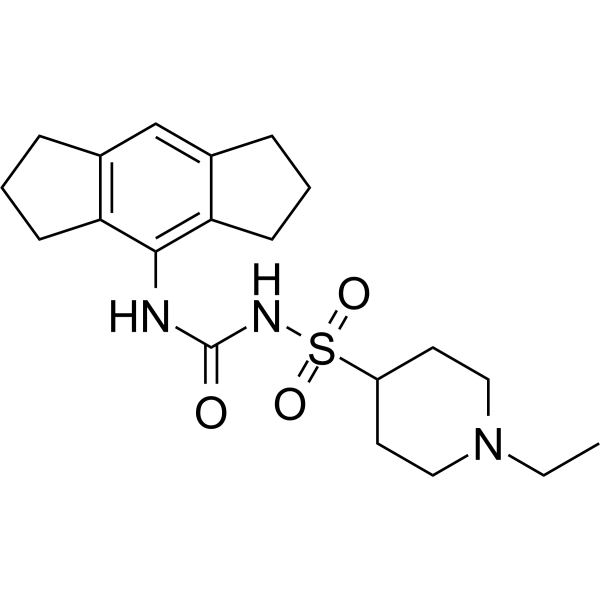
Selnoflast (RO7486967), formerly somalix/RG6418/IZD334, is an orally active, potent, selective and reversible small molecule NLRP3 inflammasome inhibitor. Selnoflast is a potent inhibitor of IL-1β release stimulated by NLRP3 activation in human Alzheimer's disease (AD) monocyte-derived macrophages. Selnoflast is promising for research of AD and systemic inflammatory diseases, such as ulcerative colitis and chronic obstructive pulmonary disease.
For research use only. We do not sell to patients.
- Purity : 99.46%
- CAS No.: 2260969-36-4
- Formula: C20H29N3O3S
- Molecular Weight:391.53
-
Storage:Powder -20°C, 3 years ; In solvent -80°C, 6 months , -20°C, 1 month

To place orders, for customer services and technical support, please contact: MedChemExpress USA
Tel: 609-228-6898 E-mail: [email protected] [email protected]


-
 Biological Activity
-
Chemical Information
-
Solvent & Solubility
- Protocols
- Purity & Documentation
- References
-
 Help & FAQs


-
HY-12815
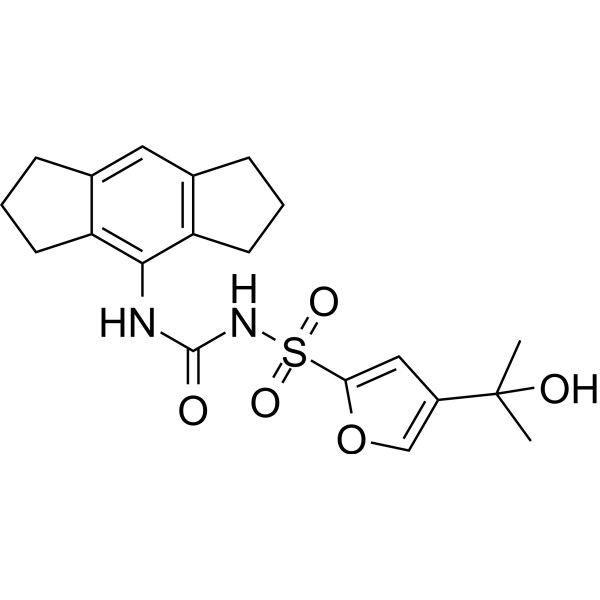
MCC950NLRP3 Inhibitor -
HY-17629
DapansutrileNLRP3 Inhibitor -
HY-156438
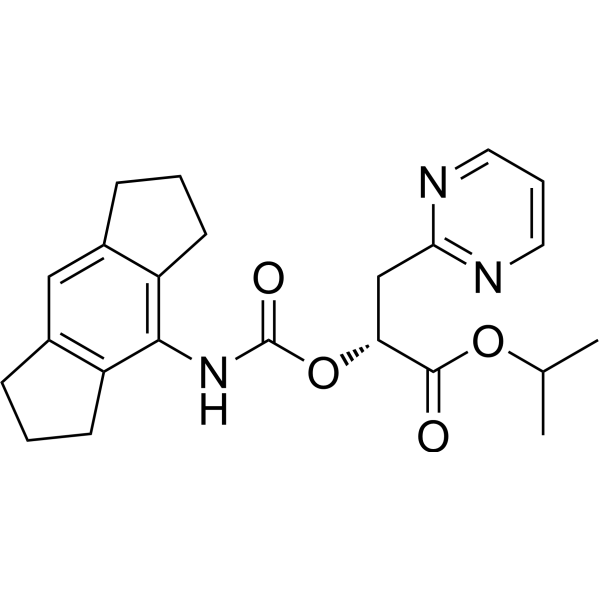
RuvonoflastNLRP3 Inhibitor -
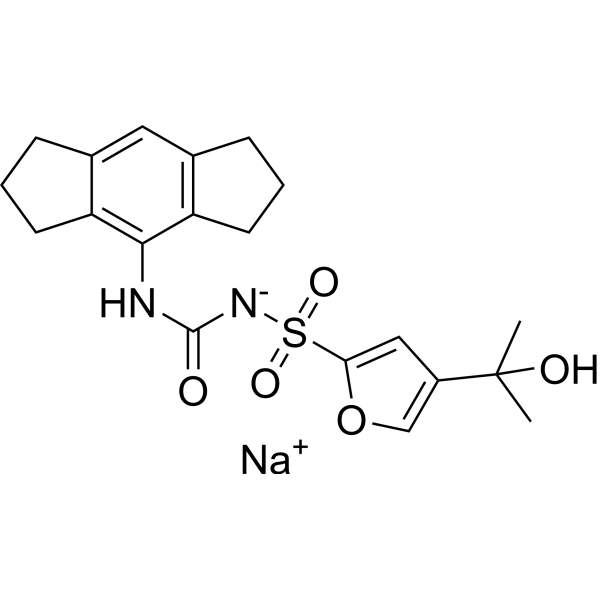
HY-12815A
MCC950 sodiumNLRP3 Inhibitor -
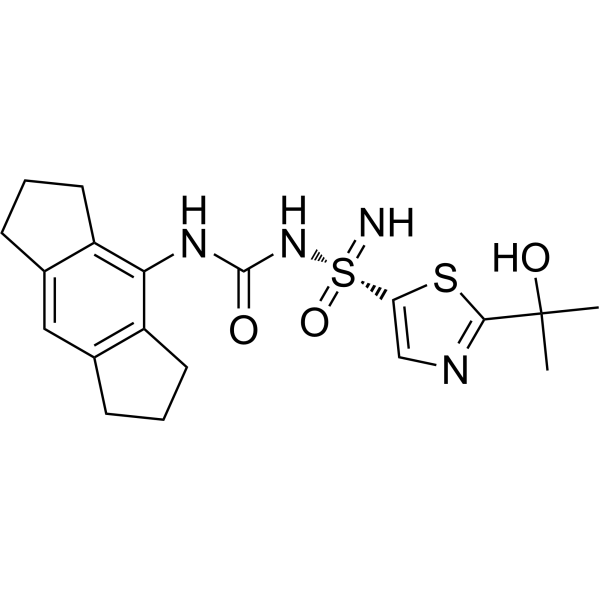
HY-155876
NVP-DFV890NLRP3 Inflammasome Inhibitor -
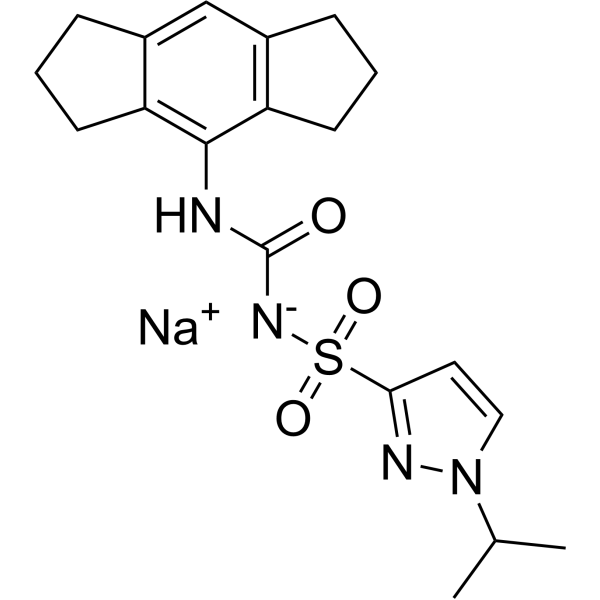
HY-137245A
Emlenoflast sodiumNLRP3 Inhibitor -
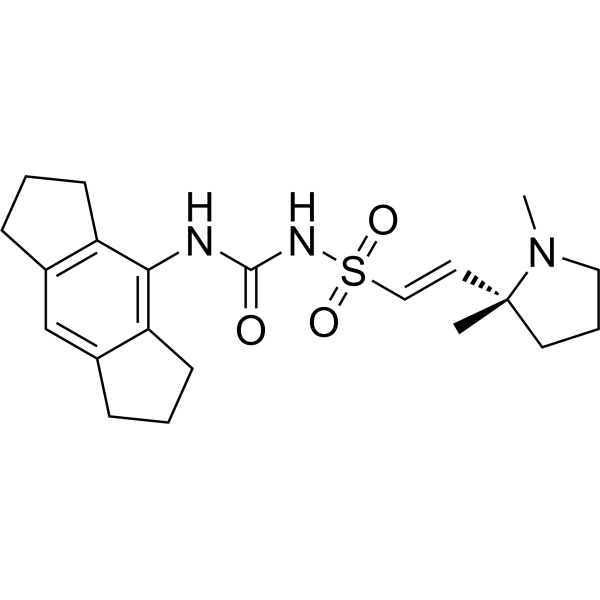
HY-156647
UsnoflastNLRP3 Inhibitor -

HY-162877
AZD4144NLRP3 Inhibitor -
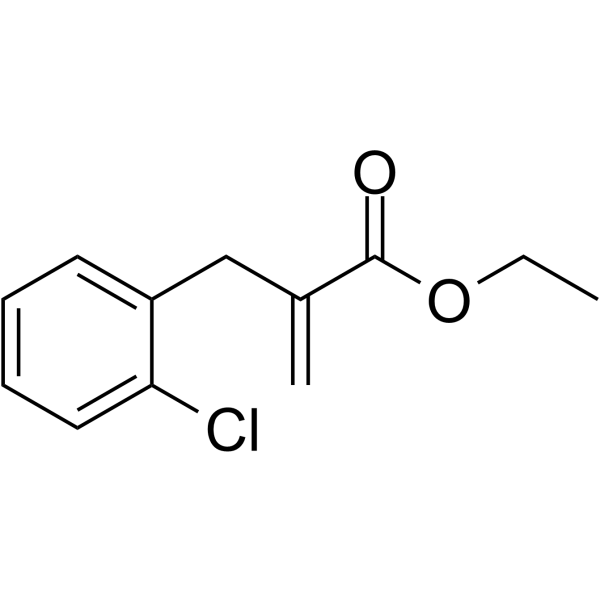
HY-101868
INF39NLRP3 Inhibitor -
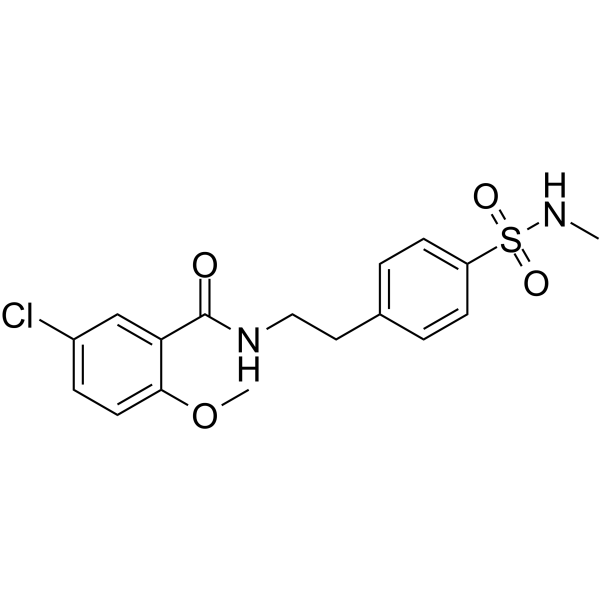
HY-120007
JC124NLRP3 Inhibitor -
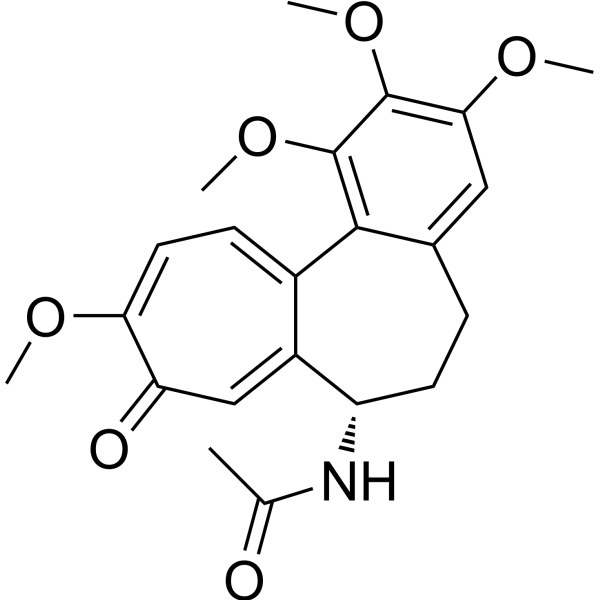
HY-16569
ColchicineTubulin Inhibitor -
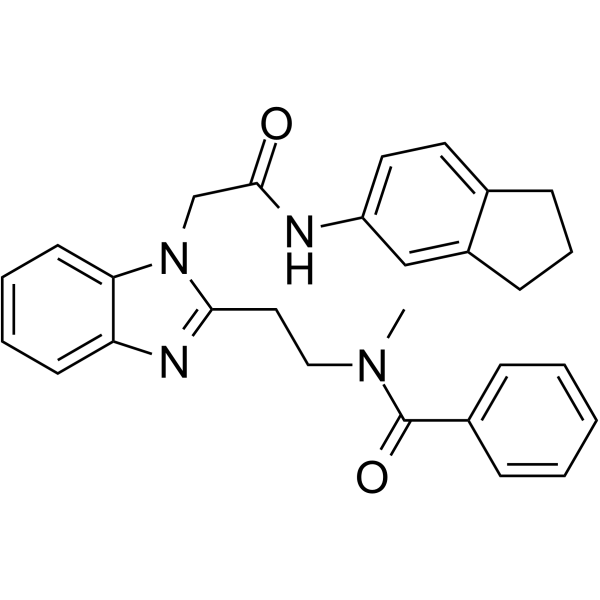
HY-136555
GSK717NOD2 Inhibitor
Publications Citing Use of MedChemExpress (MCE) Selnoflast
More

Biological Activity
Description
IC50 & Target
|
NLRP3 |
In Vitro
Selnoflast (0.1-10 µM) inhibits the LPS (HY-D1056)-induced IL-1β release in porcine peripheral blood mononuclear cells (PBMCs) with an IC50 of 0.35 µM[2].
MedChemExpress (MCE) has not independently confirmed the accuracy of these methods. They are for reference only. Further protocols information, click here.


Chemical Information
-
CAS No. 2260969-36-4
-
Appearance Solid
-
Molecular Weight 391.53
-
Formula C20H29N3O3S
-
Color White to off-white
-
SMILES
O=C(NS(=O)(C1CCN(CC1)CC)=O)NC2=C(CCC3)C3=CC4=C2CCC4
-
Synonyms
Somalix; RO-7486967; IZD334
-
Shipping
Room temperature in continental US; may vary elsewhere.
-
Storage
Powder -20°C 3 years In solvent -80°C 6 months -20°C 1 month


Publications (1)
-
Journal Impact Factor
-
Most Recent
-
Cell Chem Biol
Interrogating direct NLRP3 engagement and functional inflammasome inhibition using cellular assays. [Abstract]2024 Feb 15;31(2):349-360.e6. PMID: 37858335


Solvent & Solubility
In Vitro:
DMSO : 5 mg/mL (12.77 mM; ultrasonic and warming and heat to 60°C; Hygroscopic DMSO has a significant impact on the solubility of product, please use newly opened DMSO)
1M NaOH : 3.33 mg/mL (8.51 mM; adjust pH to 12 with 1M NaOH)
H2O : < 0.1 mg/mL (insoluble)
Please refer to the solubility information to select the appropriate solvent. Once prepared, please aliquot and store the solution to prevent product inactivation from repeated freeze-thaw cycles.
Storage method and period of stock solution: -80°C, 6 months; -20°C, 1 month. When stored at -80°C, please use it within 6 months. When stored at -20°C, please use it within 1 month.
Please refer to the solubility information to select the appropriate solvent. Once prepared, please aliquot and store the solution to prevent product inactivation from repeated freeze-thaw cycles.
Storage method and period of stock solution: -80°C, 6 months; -20°C, 1 month. When stored at -80°C, please use it within 6 months. When stored at -20°C, please use it within 1 month.
Concentration (start) × Volume (start) = Concentration (final) × Volume (final)

Protocols
-
DSS-Induced Colitis
Dextran sulfate sodium (DSS)-induced colitis is generated by administering DSS in mouse drinking water, producing epithelial injury, barrier disruption, weight loss, diarrhea, fecal blood, colon shortening, histologic mucosal damage, and inflammatory mediator changes; the model is mainly used to study acute or chronic intestinal inflammation resembling selected features of ulcerative colitis. DSS injury is interpreted through clinical and tissue readouts rather than a single molecular endpoint: daily body weight, stool consistency, and bleeding are combined into a disease activity index, while colon length, histology, cytokines, myeloperoxidase activity, intestinal permeability, and tight-junction markers provide complementary measures of inflammation and barrier damage.
-
TNBS-Induced Colitis
TNBS-induced colitis is produced by intrarectal delivery of 2,4,6-trinitrobenzene sulfonic acid in ethanol, where ethanol disrupts the mucosal barrier and TNBS haptenates colonic proteins, generating immune-mediated colonic inflammation with weight loss, diarrhea, ulceration, transmural injury, inflammatory-cell infiltration, and cytokine responses. The model is used as an experimental intestinal inflammation model with Crohn’s disease–like features, especially when Th1-type responses, IL-12–dependent inflammation, chronic relapsing inflammation, or fibrosis-related endpoints are studied.
-
Pyroptosis Solutions
Pyroptosis is a lytic inflammatory cell-death pathway executed by gasdermin pores, most classically through inflammasome-mediated activation of caspase-1, cleavage of gasdermin D, membrane pore formation, LDH release, and secretion of IL-1β and IL-18. The canonical pathway is commonly modeled by priming cells with an inflammatory signal such as LPS to induce pro-IL-1β and inflammasome components, followed by an activation signal such as ATP or nigericin to activate NLRP3, ASC speck formation, caspase-1 cleavage, GSDMD cleavage, cytokine release, and pyroptotic membrane rupture. The non-canonical pathway is triggered when cytosolic LPS activates mouse caspase-11 or human caspase-4/5, leading to GSDMD cleavage and pyroptosis, and this can secondarily activate NLRP3-dependent IL-1β release. Pyroptosis is linked to inflammatory injury, infection, cancer, liver disease, ocular disease, placental inflammation, and other disease phenotypes, but unresolved questions include which gasdermin fam
-
Alzheimer’s Disease Modeling
Alzheimer’s Disease (AD) is a neurodegenerative disorder characterized by a progressive decline in cognitive functions and loss of specific types of neurons and synapses. Alzheimer's symptoms can be simulated in mice by injecting drugs (such as Aβ) or genetically modified.


Purity & Documentation
-
Data Sheet (275 KB)
-
SDS (252 KB)
- English - EN (252 KB)
- Français - FR (252 KB)
- Deutsch - DE (252 KB)
- Norwegian - NO (252 KB)
- Español - ES (252 KB)
- Swedish - SV (252 KB)
- Italian - IT (252 KB)
- Korean - KR (252 KB)
- Portuguese - PT (252 KB)
-
Handling Instructions (2659 KB)
References
[1]. Klughammer B, et al. A randomized, double-blind phase 1b study evaluating the safety, tolerability, pharmacokinetics and pharmacodynamics of the NLRP3 inhibitor selnoflast in patients with moderate to severe active ulcerative colitis. Clin Transl Med. 2023 Nov;13(11):e1471. [Content Brief]
[2]. Vande Walle L, et al. Drugging the NLRP3 inflammasome: from signalling mechanisms to therapeutic targets. Nat Rev Drug Discov. 2023 Nov 29. [Content Brief]
[3]. Silvis MJM, et al., NLRP3-Inflammasome Inhibition with IZD334 Does Not Reduce Cardiac Damage in a Pig Model of Myocardial Infarction. Biomedicines. 2022 Nov 28;10(12):3056. [Content Brief]


Complete Stock Solution Preparation Table
Please refer to the solubility information to select the appropriate solvent. Once prepared, please aliquot and store the solution to prevent product inactivation from repeated freeze-thaw cycles.
Storage method and period of stock solution: -80°C, 6 months; -20°C, 1 month. When stored at -80°C, please use it within 6 months. When stored at -20°C, please use it within 1 month.
| Optional Solvent | Concentration Solvent Mass | 1 mg | 5 mg | 10 mg | 25 mg |
|---|---|---|---|---|---|
| 1M NaOH / DMSO | 1 mM | 2.5541 mL | 12.7704 mL | 25.5408 mL | 63.8521 mL |
| 5 mM | 0.5108 mL | 2.5541 mL | 5.1082 mL | 12.7704 mL | |
| DMSO | 10 mM | 0.2554 mL | 1.2770 mL | 2.5541 mL | 6.3852 mL |


Selnoflast Related Classifications
HY-132831 Related Classifications
 Powered by Bioz
Keywords
- Selnoflast
- 2260969-36-4
- Somalix
- RO-7486967
- IZD334
- RO7486967
- RO 7486967
- RO-7486967
- IZD334
- IZD 334
- IZD-334
- NOD-like Receptor (NLR)
- Interleukin Related
- orally active
- reversible
- NLRP3 inhibitor
- IL-1β inhibitor
- Alzheimer's disease
- ulcerative colitis
- chronic obstructive pulmonary disease
- macrophages
- Inhibitor
- inhibitor
- inhibit