



Lipids
-
Lipids (334)

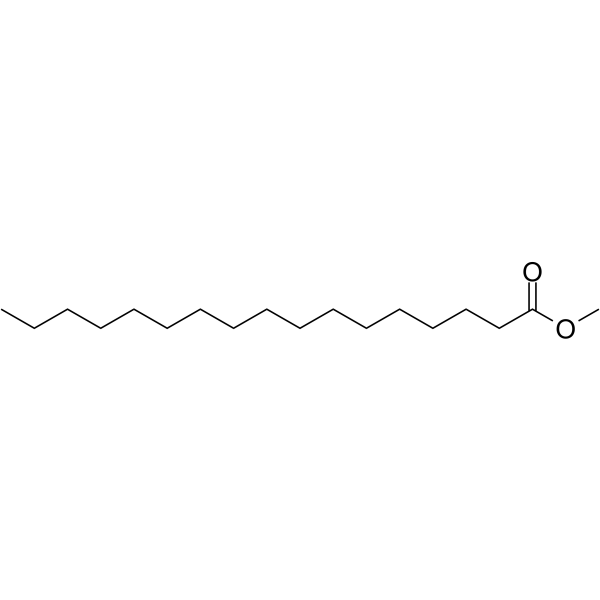
- Formula: C18H36O2
- Molecular Weight: 284.48
Methyl heptadecanoate (Methyl margarate) is a methyl ester derivative of heptadecanoic acid (HY-W004284). Methyl heptadecanoate is used as an internal standard for the quantitative calibration of fatty acids in GC-MS analysis.
- Formula: C17H34O2
- Molecular Weight: 270.45
Methyl palmitate is a naturally occurring fatty acid ester. Methyl palmitate is a potent inhibitor of ΙκB phosphorylation. Methyl palmitate modulates macrophage activity and down-regulates pro-inflammatory mediators such as TNF-α and nitric oxide (NO). Methyl palmitate possesses anti-inflammatory and antifibrotic effects. Methyl palmitate can inhibit LPS (HY-D1056)-induced Kupffer cells and rat peritoneal macrophages. Methyl palmitate is able to inhibit the phagocytic function of RAW cells. Methyl palmitate is antagonistic to muscarinic receptors. Methyl palmitate exerts cardioprotective effects against ischemia/reperfusion injury in vivo. Methyl palmitate is highly toxic against adult T. cinnabarinus.
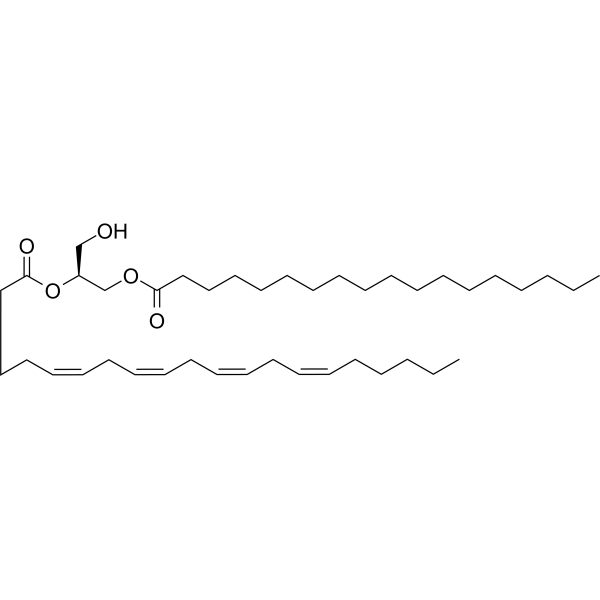
- Formula: C41H72O5
- Molecular Weight: 645.01
1-Stearoyl-2-arachidonoyl-sn-glycerol is a diacylglycerol (DAG) containing polyunsaturated fatty acids. 1-Stearoyl-2-arachidonoyl-sn-glycerol can activate PKC. 1-Stearoyl-2-arachidonoyl-sn-glycerol also can augment nonselective cation channel (NSCC) activity.
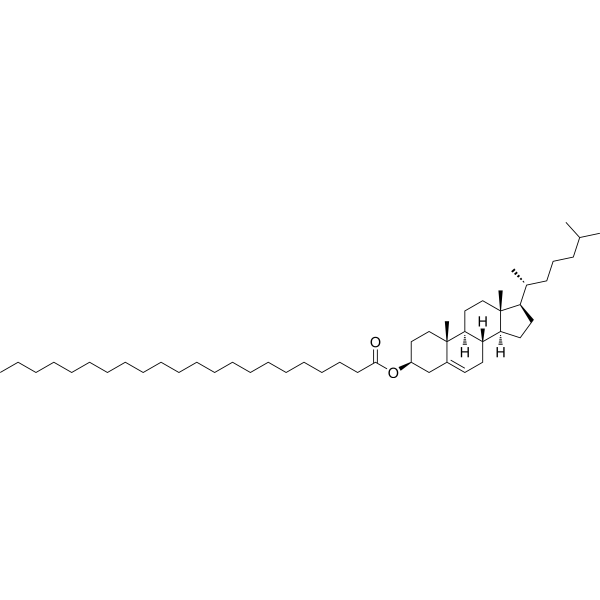
- Formula: C49H88O2
- Molecular Weight: 709.22
Cholesteryl behenate is a cholesterol ester associated with the neutral core of low density lipoprotein Receptor-LDL complexes are taken up by lysosomes and hydrolyzed to release cholesterol from the esters.
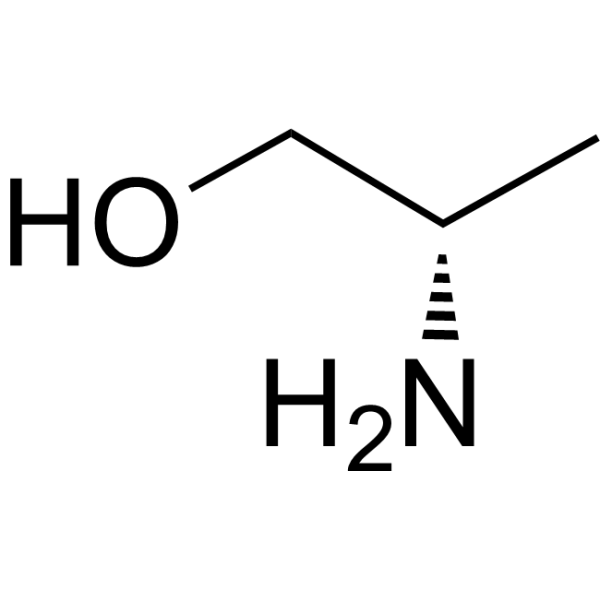
- Formula: C3H9NO
- Molecular Weight: 75.11
L-Alaninol ((S)-2-Amino-1-propanol; (S)-2-Aminopropanol; (S)-Alaninol) is a chiral amino alcohol that serves as a precursor for Levofloxacin (HY-B0330) and Metolachlor (HY-B1871). L-Alaninol acts as the sole carbon source for Pseudomonas sp. strain KIE171, and it is a metabolite produced by the hydrolysis of γ-glutamyl-L-alaninol. L-Alaninol functions as a substrate for oxidative/deaminative degradation and undergoes enzymatic glutamylation via IpuC. It is used as a synthetic building block in the fields of agriculture, pharmaceuticals, and peptide chemistry, and also serves as a chiral auxiliary.
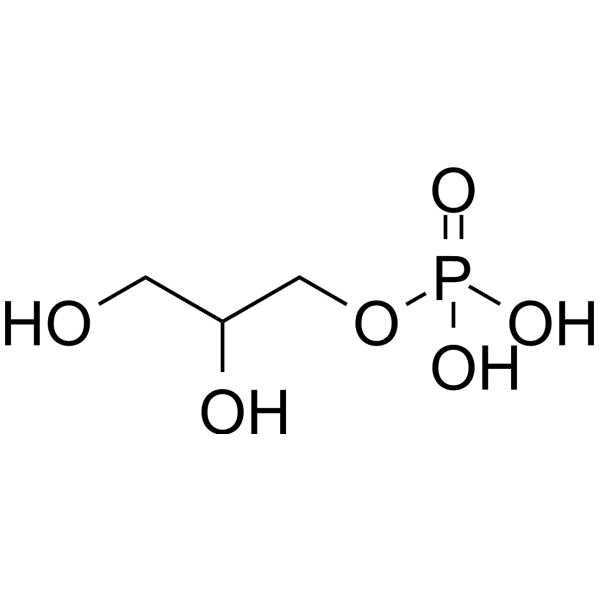
- Formula: C3H9O6P
- Molecular Weight: 172.07
(Rac)-sn-Glycerol 3-phosphate is an a-site substrate analogue. (Rac)-sn-Glycerol 3-phosphate is bound to the a-site, the rate of reaction of indole and nucleophilic indole analogues with E(A-A) is strongly inhibited.
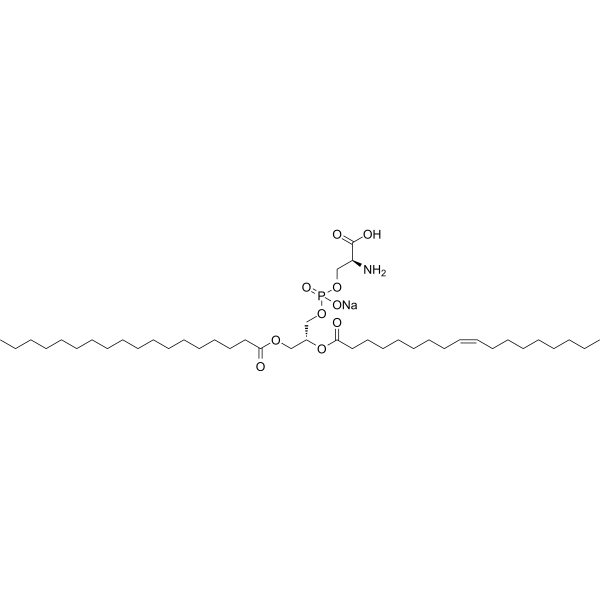
- Formula: C42H79NNaO10P
- Molecular Weight: 812.04
18:0,18:1 PS sodium is the dominant phosphatidylserine subtype in cells, exosomes and HIV particles. It is abundant in the brain and is essential for maintaining membrane structure, lipid raft organization and intracellular trafficking. 18:0,18:1 PS sodium mediates interleaflet membrane coupling through cholesterol-dependent interactions with very long-chain sphingolipids, and can induce the clustering of glycosylphosphatidylinositol-anchored proteins. In addition, clusters formed by the binding of 18:0,18:1 PS sodium to cholesterol not only facilitate the proper distribution of cholesterol in lipid bilayers, but also effectively protect cholesterol from oxidative damage.
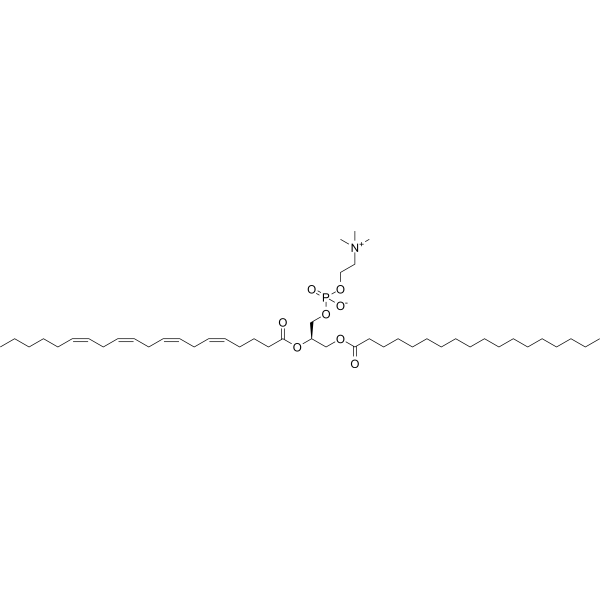
- Formula: C46H84NO8P
- Molecular Weight: 810.13
1-Stearoyl-2-arachidonoyl-sn-glycero-3-phosphocholine is a major phospholipid in low-density lipoprotein and belongs to the group of 1-acyl phosphatidylcholines. 1-Stearoyl-2-arachidonoyl-sn-glycero-3-phosphocholine does not induce morphological changes in washed human platelets. 1-Stearoyl-2-arachidonoyl-sn-glycero-3-phosphocholine can be used for the research of atherosclerosis and thrombotic diseases.
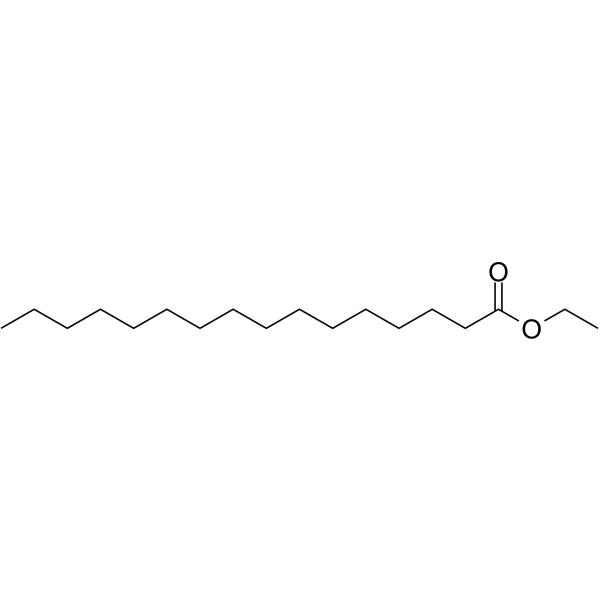
- Formula: C18H36O2
- Molecular Weight: 284.48
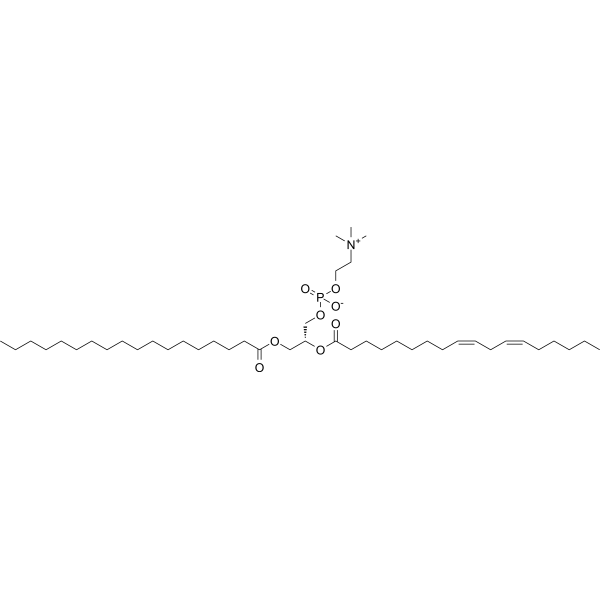
- Formula: C44H84NO8P
- Molecular Weight: 786.11
1-Stearoyl-2-linoleoyl-sn-glycero-3-phosphocholine (SLPC; 18:0-18:2 PC) is an endogenous phospholipid marker molecule in the glycerophospholipid metabolic pathway. 1-Stearoyl-2-linoleoyl-sn-glycero-3-phosphocholine is a core component of the phospholipid bilayer of biological membranes and a key responsive lipid for radiation injury and cardiometabolic diseases. 1-Stearoyl-2-linoleoyl-sn-glycero-3-phosphocholine constitutes the phospholipid bilayers of cell membranes and high-density lipoprotein (HDL), and regulates the core activity of lipoprotein functional homeostasis. The content of 1-Stearoyl-2-linoleoyl-sn-glycero-3-phosphocholine in mouse serum shows a significant dose-dependent decrease with increasing ionizing radiation dose, and its level in human HDL also decreases significantly in metabolic syndrome. 1-Stearoyl-2-linoleoyl-sn-glycero-3-phosphocholine can serve as a biological dosimeter marker for ionizing radiation injury, and is used for rapid and accurate assessment of radiation absorbed dose in exposed individuals. 1-Stearoyl-2-linoleoyl-sn-glycero-3-phosphocholine can also act as a lipidomics research target for cardiometabolic diseases such as lipid metabolic syndrome and early-onset coronary heart disease.
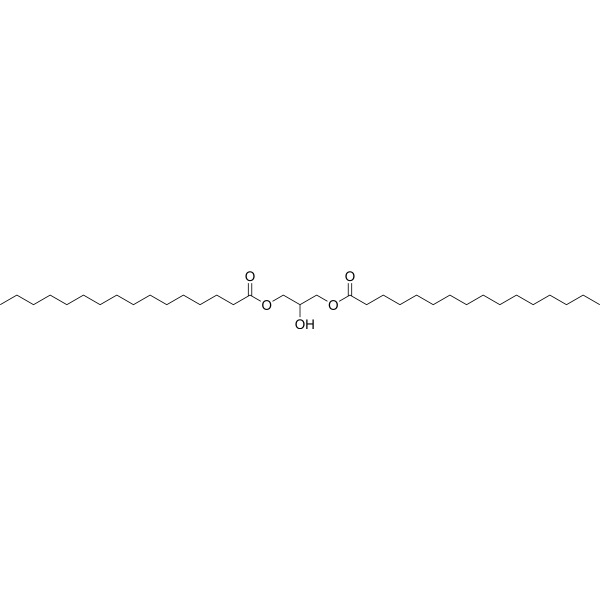
- Formula: C35H68O5
- Molecular Weight: 568.91
1,3-Dipalmitin (1,3-Dipalmitoylglycerol) is a diacylglycerol compound that can be found in the tuberous roots of Typhonium giganteum Engl. 1,3-Dipalmitin acts as an adsorption inhibitor for 1,3-diglycerides and β-carotene.

- Formula: C54H80F5N3O13
- Molecular Weight: 1074.22
ER-Laurdan is a derivative of the membrane-permeable fluorescent probe Laurdan (HY-D0080) that targets the endoplasmic reticulum (ER). As a membrane fluidity reporter, ER-Laurdan specifically localizes to the ER luminal membrane, and exhibits a prominent solvatochromic response to fluidity changes caused by membrane packing and exogenous saturated fatty acid stress. ER-Laurdan shows no overlapping localization with mitochondria, enables quantitative analysis of ER membrane fluidity via generalized polarization ratio measurement, and allows automatic signal masking with the help of ER markers. With high specificity and quantitative capability, ER-Laurdan serves as an important tool for investigating metabolic disorders and associated changes in the physical properties of cell membranes.
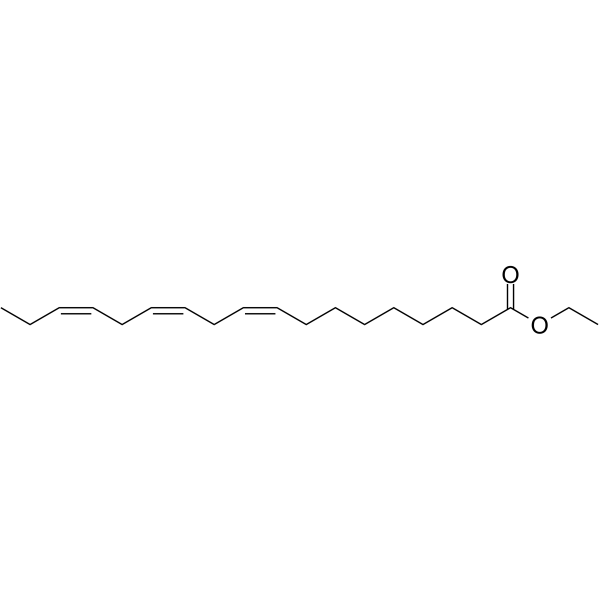
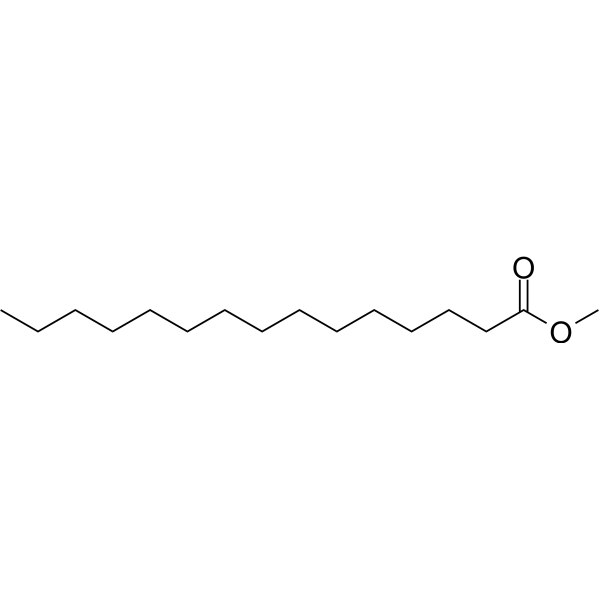
- Formula: C16H32O2
- Molecular Weight: 256.42
Methyl pentadecanoate is a fatty acid ester that can be isolated from extracts of L. wallichi. Methyl pentadecanoate is formed by the condensation of the carboxyl group of pentadecanoic acid with the hydroxyl group of methanol.
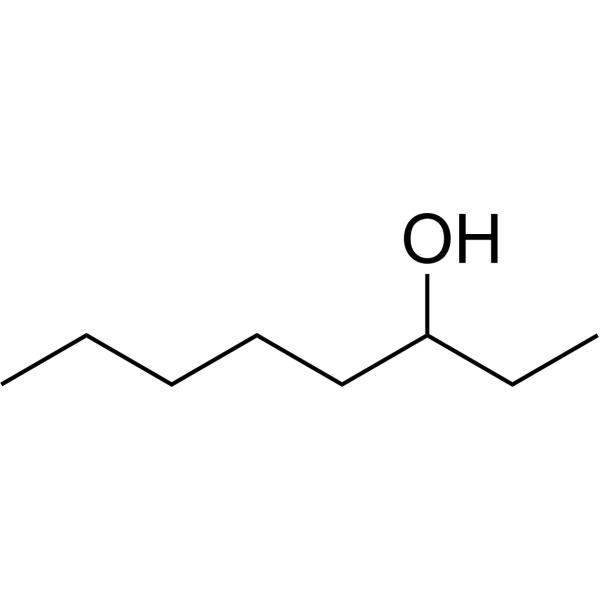
- Formula: C8H18O
- Molecular Weight: 130.23
3-Octanol is a fragrance ingredient. 3-octanol not to be persistent, bioaccumulative, and toxic.
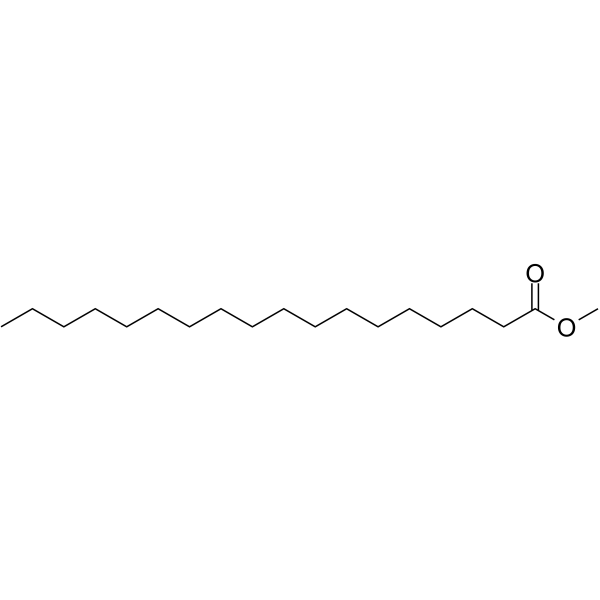

- Formula: C5H10O3
- Molecular Weight: 118.13
3-Hydroxy-2-methylbutanoic acid is a short-chain carboxylic acid and a normal urinary metabolite produced via isoleucine catabolism, fatty acid β-oxidation and ketogenesis. 3-Hydroxy-2-methylbutanoic acid exists as an acylated residue in resin glycosides derived from plants of the Ipomoea genus. 3-Hydroxy-2-methylbutanoic acid can be used in studies related to β-ketothiolase deficiency.
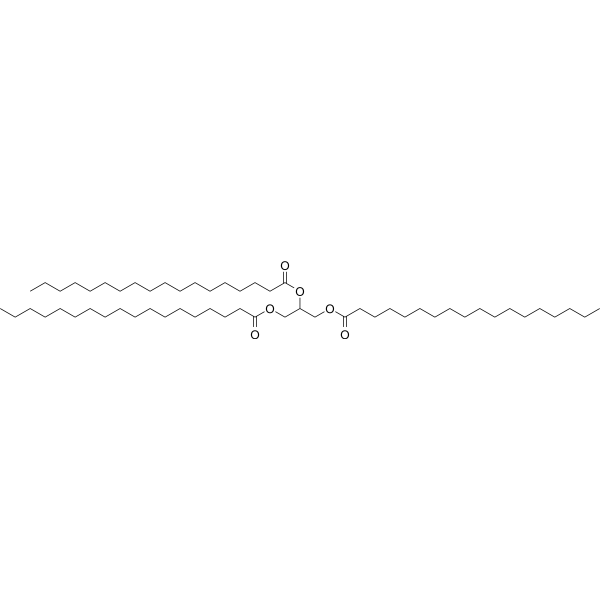
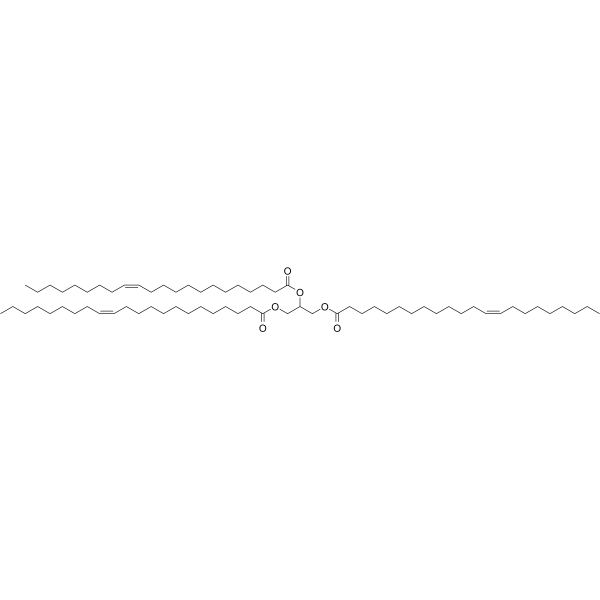
- Formula: C69H128O6
- Molecular Weight: 1053.75
Trierucin (Trierucoylglycerol) is a triester formed by glycerol and erucic acid, which serves as an occlusive skin conditioning agent and non-aqueous thickener in cosmetics. Long-term feeding of Trierucin to rats induces chronic toxicities such as cardiac lipid deposition and fibrosis.
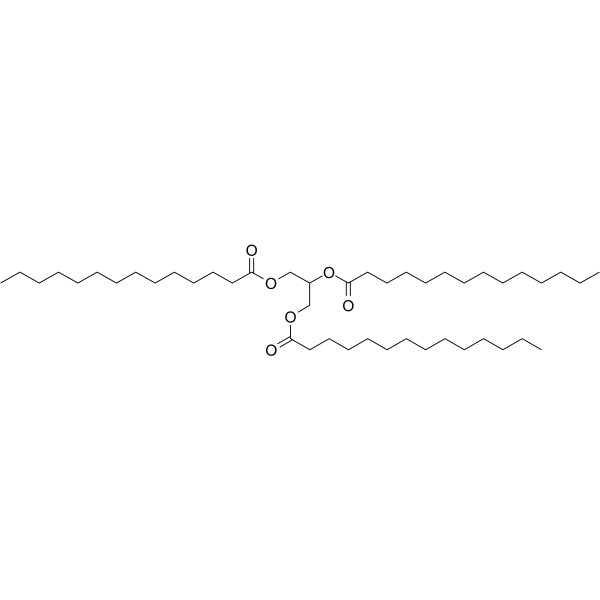
- Formula: C45H86O6
- Molecular Weight: 723.16
Trimyristin is an orally active compound. Trimyristin can be isolated from the seeds of nutmeg (Myristica fragrans). Trimyristin inhibits the activities of acetylcholinesterase (AChE), ACP and ALP, with IC50 values of 0.11, 0.16 and 0.18 mM, respectively. Trimyristin exerts competitive-noncompetitive inhibition on acetylcholinesterase, uncompetitive inhibition on ACP, and competitive/noncompetitive inhibition on ALP. Trimyristin restores the downregulated acetylcholinesterase concentration in the cerebral cortex of rats exposed to sodium arsenite. Trimyristin can be used in studies related to fascioliasis and neurotoxicity.



