



Cancer Targeted Therapy
Cancer targeted therapy is the foundation of precision medicine; it uses drugs or other substances to target specific genes and proteins that control cancer cells’ growth, division and spreading. Compared to traditional chemotherapy drugs, targeted-drugs can specifically act on cancer cells with high efficacy without damaging normal cells. Drugs used in cancer targeted therapy mainly includes small molecules and macromolecules (e.g., monoclonal antibodies), which can target cancer cells and constituents in the tumor microenvironment to activate the immune system. Anti-angiogenesis drugs, such as those targeting vascular endothelial growth factor (VEGF), epidermal growth factor receptor (EGFR), transforming growth factor (TGF)-α, TGF-β, Tumor necrosis factor (TNF)-α, and platelet-derived endothelial growth factor (PDGFR) inhibit the proliferation and metastasis of cancer cells. In recent years, the proportion of antibody drugs in cancer treatment has gradually become prominent. Antibody-drug conjugates (ADCs) are a new type of targeted drugs that are composed of monoclonal antibody, cytotoxic drug and linker. ADCs can deliver drugs to tumor cells and minimize the toxicity to normal tissues. Proteolysis-targeting chimera (PROTAC) is a useful technology for targeted protein degradation. PROTAC exploits the ubiquitin-proteasome system and forms a ternary complex with a hijacked E3 ubiquitin ligase and target protein, leading to polyubiquitination and degradation of the target protein.
Targeted therapy is a useful strategy in treatment of cancer either alone or in combination with standard chemotherapy. At present, targeted therapy has proved significant clinical success in the treatment of many types of cancer, including breast cancer, colorectal cancer, leukemia, ovarian cancer and lung cancer.
-
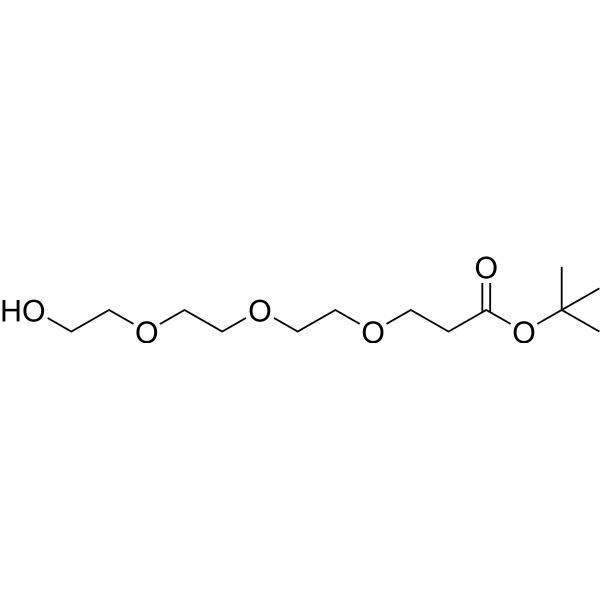
Hydroxy-PEG3-(CH2)2-Boc
 0 Images
Hydroxy-PEG2-(CH2)2-Boc is a uncleavable ADC linker used in the synthesis of antibody-drug conjugates (ADCs). Hydroxy-PEG2-(CH2)2-Boc is extracted from patent WO2004008101A2 (compound 196). Hydroxy-PEG2-(CH2)2-Boc is also a PROTAC linker that can be used in the synthesis of PROTACs.
-
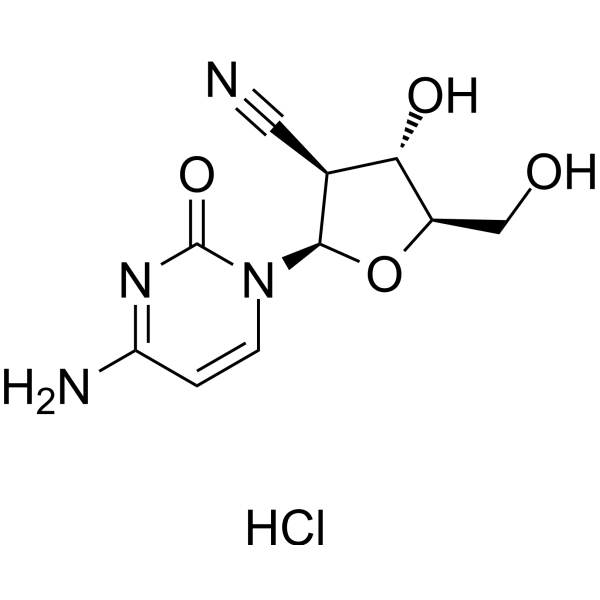
CNDAC hydrochloride
 0 Images
CNDAC hydrochloride is a metabolite of the orally active agent Sapacitabine (HY-16445), and a nucleoside analog. CNDAC hydrochloride induces DNA damage and apoptosis.
-
(R)-(+)-Aminoglutethimide
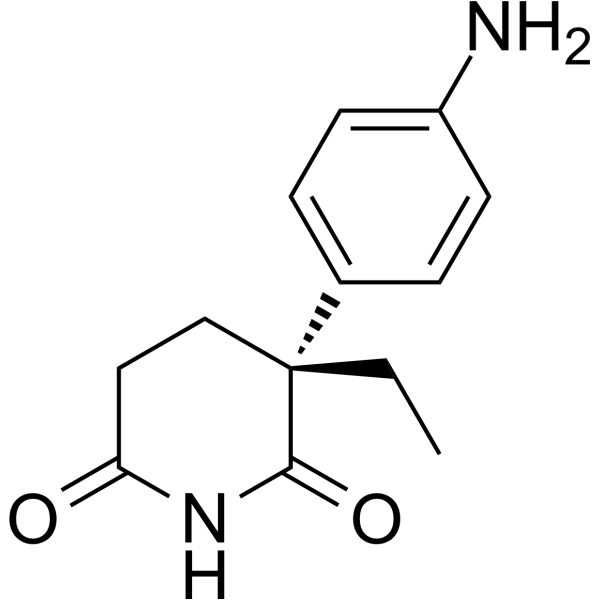 0 ImagesCat. No.: HY-W392925CAS No.: 55511-44-9Synonyms: d-Aminoglutethimide
(R)-(+)-Aminoglutethimide is a potent and orally active aromatase inhibitor. (R)-(+)-Aminoglutethimide has the potential for the research of breast cancer.
-
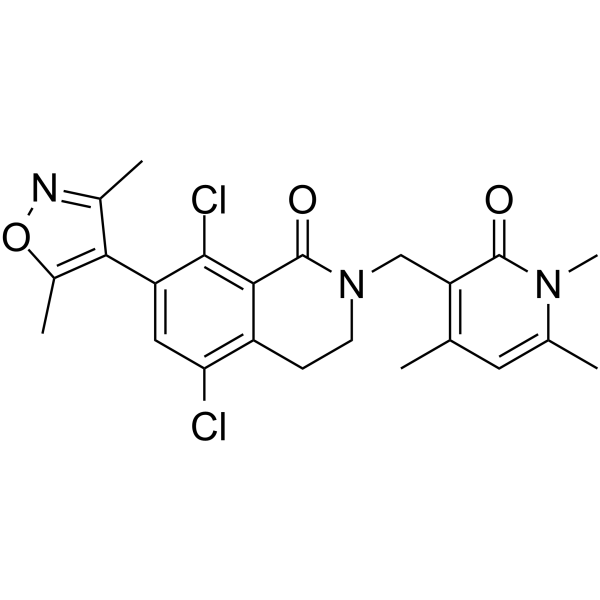
(S)-Navlimetostat
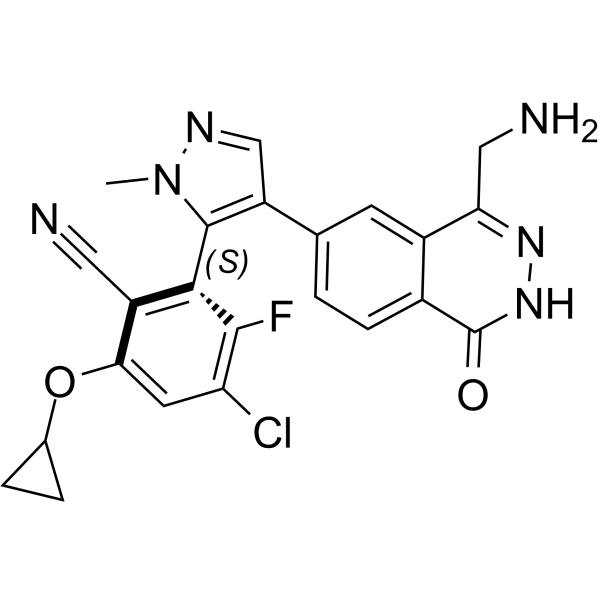 0 ImagesSynonyms: (S)-MRTX-1719; (S)-BMS-986504
(S)-Navlimetostat (example 16-7) is the S-enantiomer of Navlimetostat. (S)-Navlimetostat is a PRMT5/MTA complex inhibitor, with an IC50 of 7070 nM.
-
7-O-(Amino-PEG4)-paclitaxel
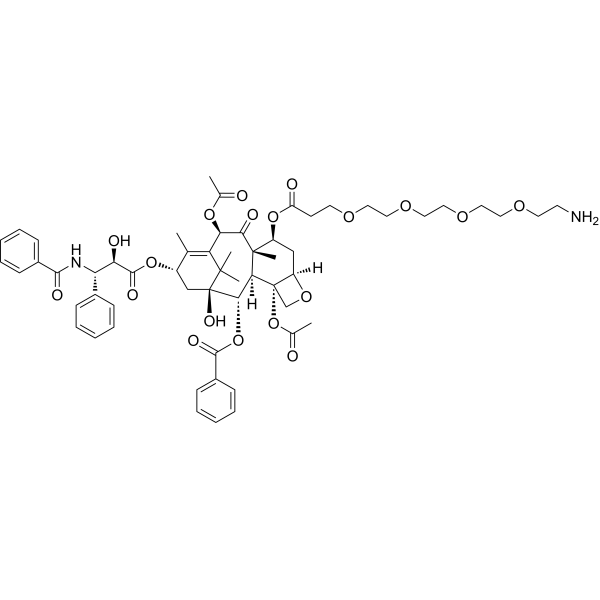 0 Images
7-O-(Amino-PEG4)-paclitaxel is a PEG-class Drug-linker conjugates for ADC, containing a paclitaxel moiety and a amino group. The amine group is reactive with carboxylic acids, activated NHS esters, carbonyls (ketone, aldehyde) etc. 7-O-(Amino-PEG4)-paclitaxel can be used in the synthesis of Antibody-Drug Conjugates (ADCs).

-
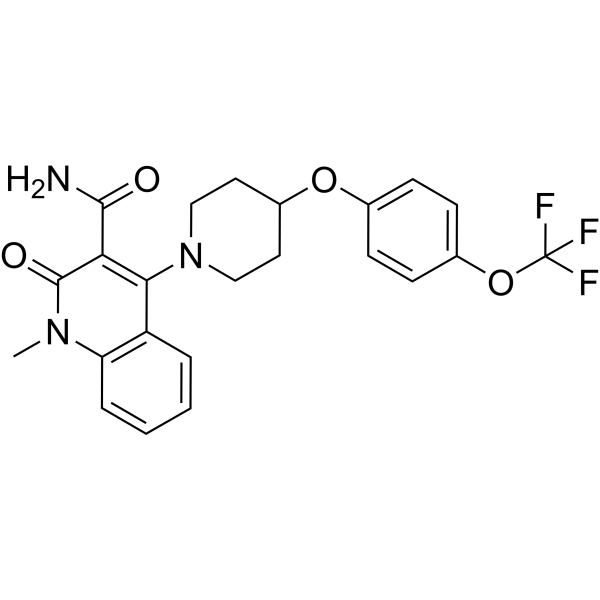
MS152
 0 Images
MS152 is an orally active, blood-brain barrier penetrant inhibitor of EHMT2/G9a and EHMT1/GLP, with IC50s of 76 nM and 126 nM, repsectively. MS152 reduces H3K9me2 levels and reactivates maternally silenced Prader-Willi syndrome (PWS) genes. MS152 significantly improves perinatal lethality and growth retardation in mouse models, and is applicable to research related to Prader-Willi syndrome.
-
Dioxybenzone
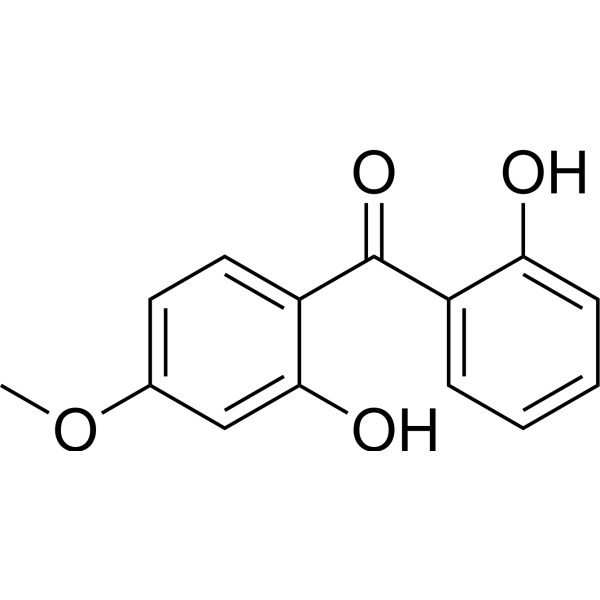 0 Images
Dioxybenzone (Benzophenone-8; UV-24) is an organic compound used to block UVB and short-wave UVA (ultraviolet) radiation. Dioxybenzone has orally activity. Dioxybenzone exhibits estrogenic disrupting effect. Dioxybenzone up-regulates inflammatory cytokines. Dioxybenzone can be used for cancer, reproductive system disease and inflammatory disease study.
-
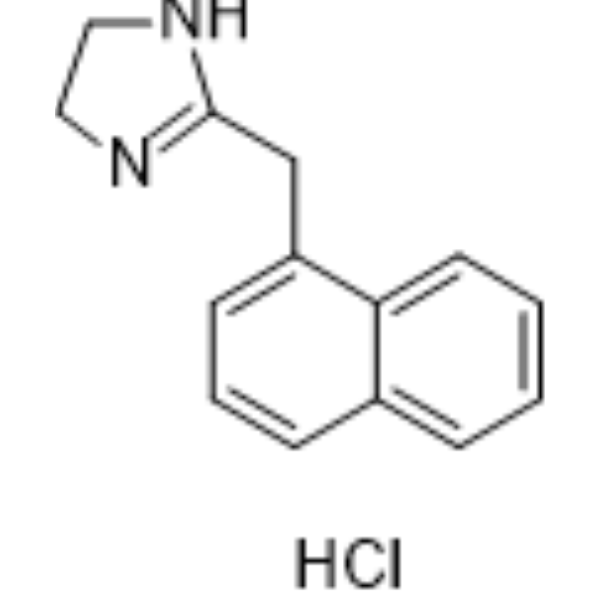
Naphazoline hydrochloride
 0 Images
Naphazoline (Naphthazoline) hydrochloride is a potent α-adrenergic receptor agonist. Naphazoline hydrochloride reduces vascular hyperpermeability and promotes vasoconstriction. Naphazoline hydrochloride reduces the levels of inflammatory factors (TNF-α, IL-1β and IL-6), cytokines (IFN-γ and IL-4), IgE, GMCSF, and NGF. Naphazoline hydrochloride can be used for non-bacterial conjunctivitis research.
-
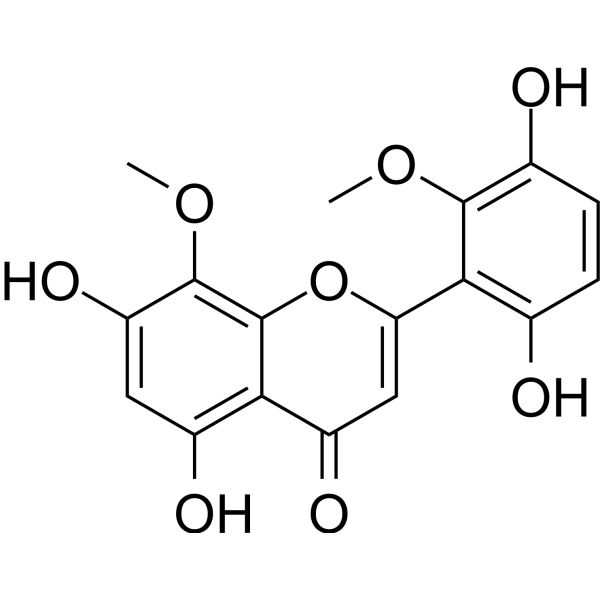
Viscidulin III
 0 ImagesSynonyms: Ganhuangenin
Viscidulin III is a compound isolated from the roots of Scutellaria planipes (L.). Viscidulin III can inhibit the proliferation of HL-60 (IC50= 17.4μM). Viscidulin III is a potential natural tumor inhibitor.
-
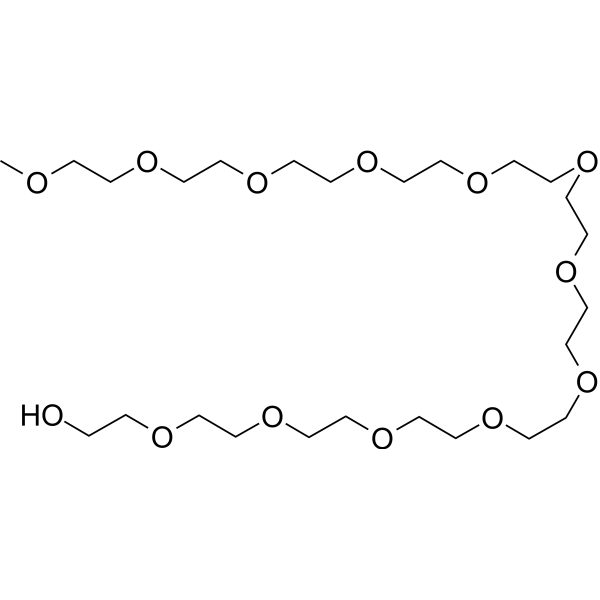
m-PEG12-OH
 0 Images
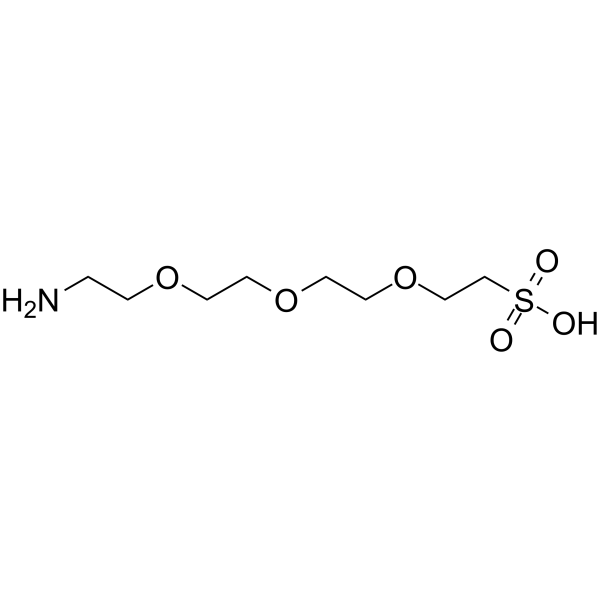
m-PEG12-OH is a PEG-based PROTAC linker that can be used in the synthesis of PROTACs. m-PEG12-OH is also a non-cleavable 12 unit PEG ADC linker used in the synthesis of antibody-drug conjugates (ADCs).
-
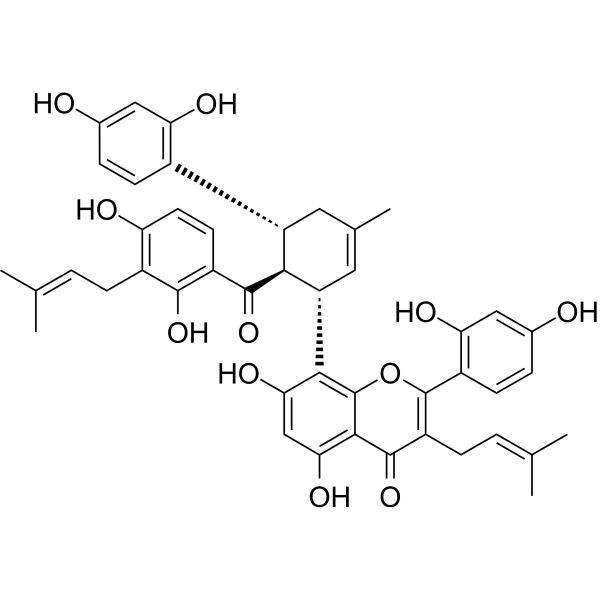
Kuwanon H
 0 Images
Kuwanon H is a selective non-peptide bombesin receptor antagonist and platelet activation inhibitor. Kuwanon H also acts as a specific antagonist of GRP-preferring receptors, with a Ki value of 290 nM for mouse GRP-R and 6500 nM for rat NMB-R. Kuwanon H inhibits the phosphorylation of AKT, mTOR, ERK, cPLA2 and p38, and upregulates TRIB3. It induces endoplasmic reticulum stress, apoptosis and autophagosome formation. Kuwanon H blocks calcium mobilization, mitogenic signaling, DNA synthesis, dense granule secretion, thromboxane A2 generation and integrin αIIb/β3 activity. It inhibits collagen-induced platelet aggregation and fibronectin adhesion, and delays clot retraction. Kuwanon H inhibits melanoma cell growth in vitro and in vivo, and enhances the sensitivity of melanoma cells to CDDP. It can be used in research related to melanoma, small cell lung cancer and thrombosis.
-
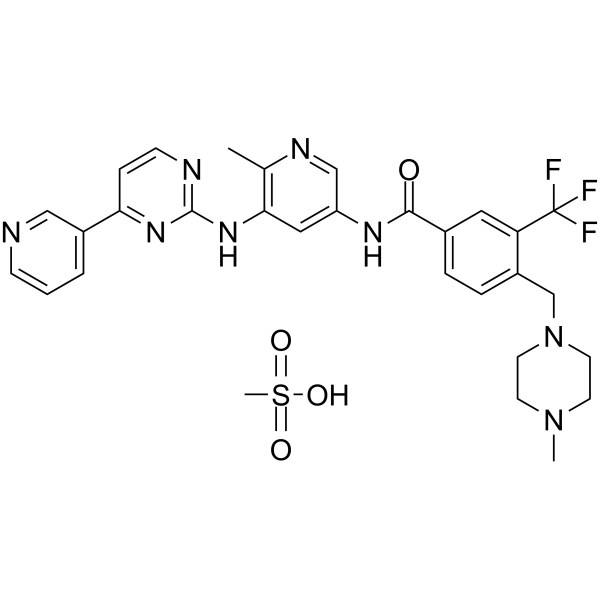
Flumatinib mesylate
 0 ImagesSynonyms: HHGV678 mesylate
Flumatinib (HHGV678) mesylate is an orally active and selective inhibitor of Bcr-Abl. Flumatinib mesylate inhibits c-Abl, PDGFRβ and c-Kit with IC50 values of 1.2, 307.6 and 665.5 nM, respectively. Flumatinib mesylate inhibits Bcr-Abl autophosphorylation and Stat5 and Erk1/2 phosphorylation. Flumatinib mesylate inhibits tumor growth in chronic myelogenous leukemia model.
-
CXCL-CXCR1/2-IN-1
 0 Images
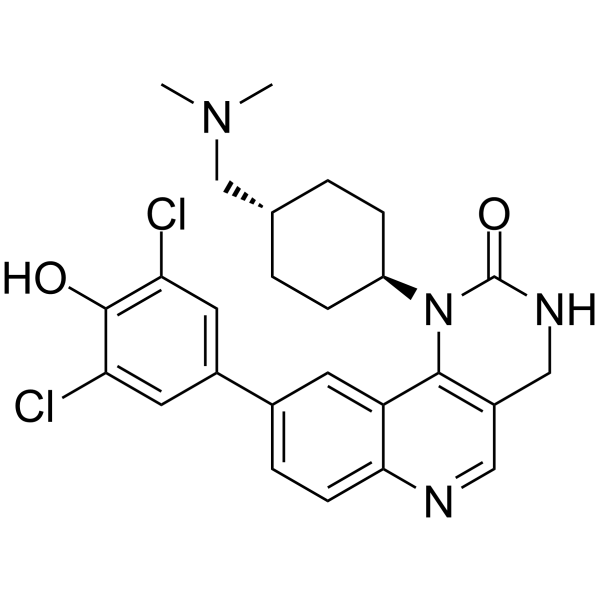
CXCL-CXCR1/2-IN-1 is an orally active ELR+CXCL-CXCR1/2 pathway inhibitor with an EC50 of 42.7 nM for CXCR2. CXCL-CXCR1/2-IN-1 shows anticancer and antiangiogenic effects.
-
Mal-PEG36-NHS ester
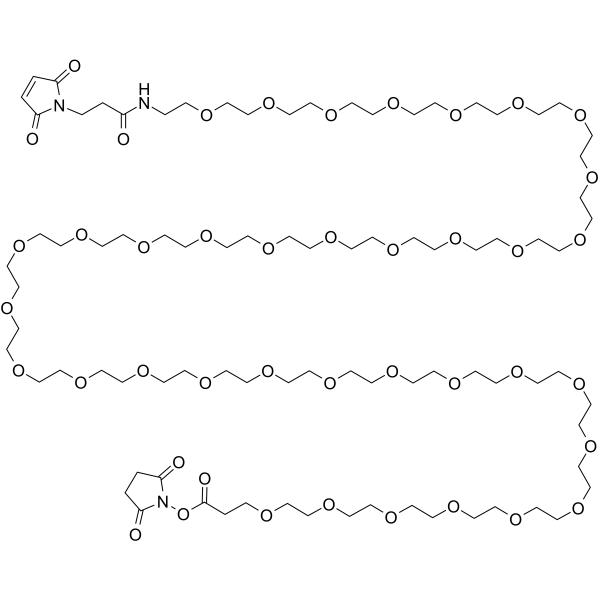 0 ImagesCat. No.: HY-133389CAS No.: 2136297-07-7



