



Cancer Targeted Therapy
Cancer targeted therapy is the foundation of precision medicine; it uses drugs or other substances to target specific genes and proteins that control cancer cells’ growth, division and spreading. Compared to traditional chemotherapy drugs, targeted-drugs can specifically act on cancer cells with high efficacy without damaging normal cells. Drugs used in cancer targeted therapy mainly includes small molecules and macromolecules (e.g., monoclonal antibodies), which can target cancer cells and constituents in the tumor microenvironment to activate the immune system. Anti-angiogenesis drugs, such as those targeting vascular endothelial growth factor (VEGF), epidermal growth factor receptor (EGFR), transforming growth factor (TGF)-α, TGF-β, Tumor necrosis factor (TNF)-α, and platelet-derived endothelial growth factor (PDGFR) inhibit the proliferation and metastasis of cancer cells. In recent years, the proportion of antibody drugs in cancer treatment has gradually become prominent. Antibody-drug conjugates (ADCs) are a new type of targeted drugs that are composed of monoclonal antibody, cytotoxic drug and linker. ADCs can deliver drugs to tumor cells and minimize the toxicity to normal tissues. Proteolysis-targeting chimera (PROTAC) is a useful technology for targeted protein degradation. PROTAC exploits the ubiquitin-proteasome system and forms a ternary complex with a hijacked E3 ubiquitin ligase and target protein, leading to polyubiquitination and degradation of the target protein.
Targeted therapy is a useful strategy in treatment of cancer either alone or in combination with standard chemotherapy. At present, targeted therapy has proved significant clinical success in the treatment of many types of cancer, including breast cancer, colorectal cancer, leukemia, ovarian cancer and lung cancer.
-
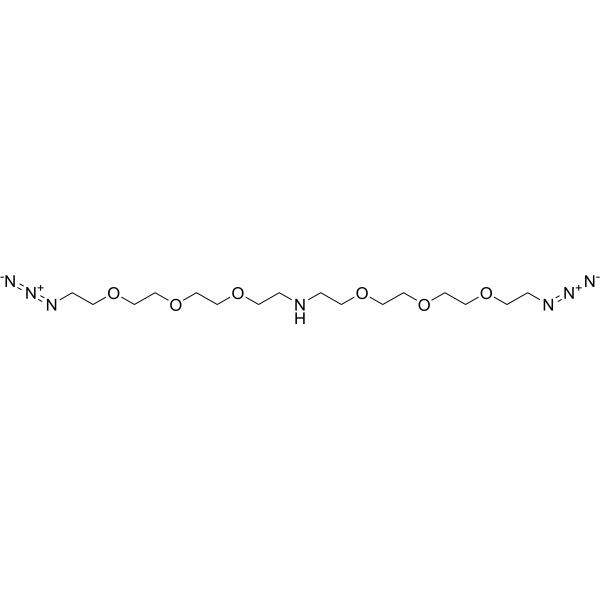
NH-bis(PEG3-azide)
 0 Images
NH-bis(PEG3-azide) is a PEG-based PROTAC linker that can be used in the synthesis of PROTACs. NH-bis(PEG3-azide) is a click chemistry reagent, it contains an Azide group and can undergo copper-catalyzed azide-alkyne cycloaddition reaction (CuAAc) with molecules containing Alkyne groups. It can also undergo strain-promoted alkyne-azide cycloaddition (SPAAC) reactions with molecules containing DBCO or BCN groups.
-
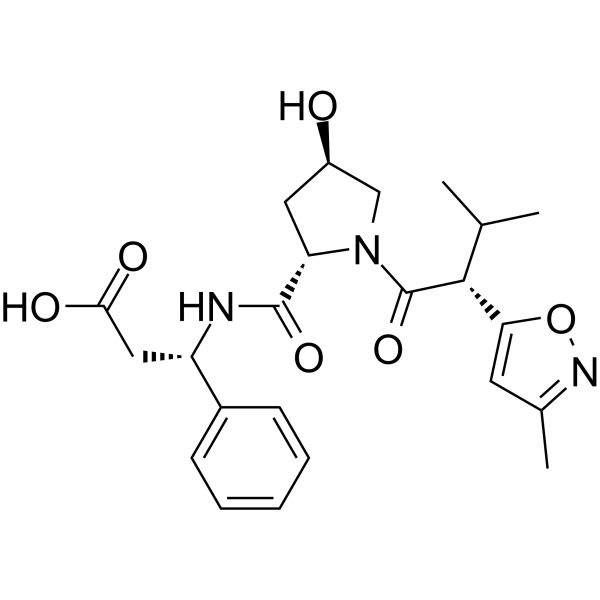
VHL Ligand 8
 0 Images
VHL Ligand 8 is a VHL ligand. VHL Ligand 8 can be used to synthesize ARD-266 (HY-133020), a highly potent and VHL E3 ligase-based androgen receptor (AR) PROTAC degrader. ARD-266 effectively induces degradation of AR protein in AR-positive LNCaP, VCaP, and 22Rv1 prostate cancer cell lines with DC50 values of 0.2-1 nM.
-
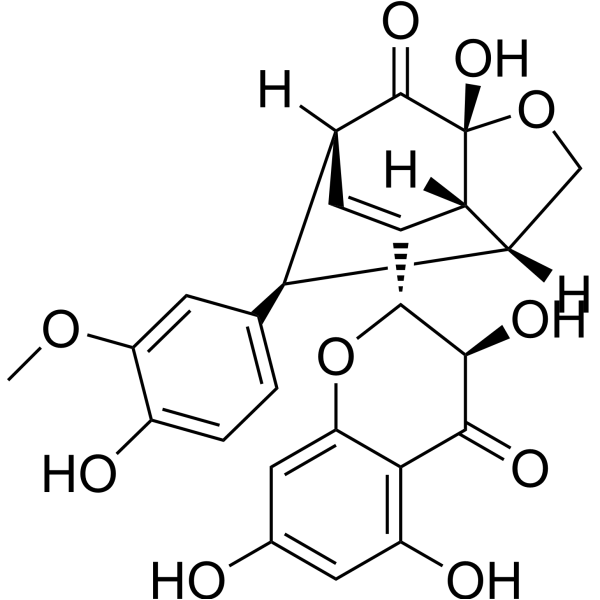
Silydianin
 0 Images
Silydianin is a flavonolignan. Silydianin can be obtained from Silybum marianum. Silydianin inhibits PTP1B with an IC50 of 17.38 μM. Silydianin inhibits both monophenolase and diphenolase of tyrosinase significantly, with IC50s of 2.6 μM and 16.5 μM, respectively. Silydianin induces Apoptosis and reduces cytokines (IL-4 and IL-5). Silymarin has antioxidant, cytoprotective and immunomodulatory effects. Silydianin has antitumor activity against prostate cancer. Silymarin can be used in allergic asthma research.
-
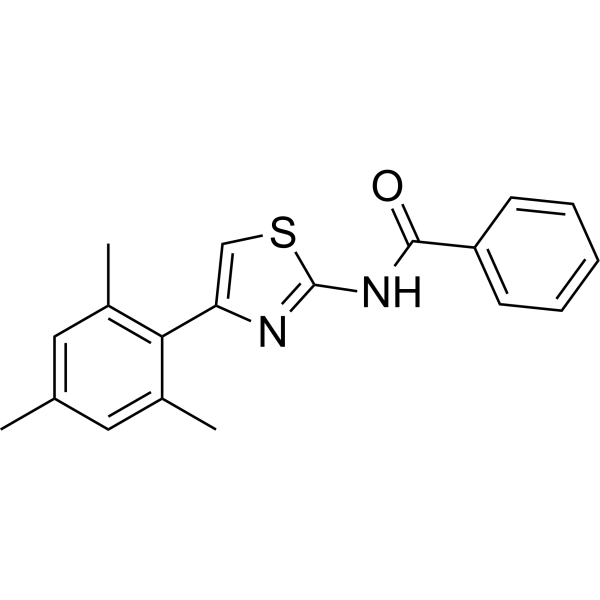
INH6
 0 Images
INH6 is a potent Nek2/Hec1 inhibitor; inhibits the growth of HeLa cells with an IC50 of 2.4 μM.
-
Entrectinib-d8
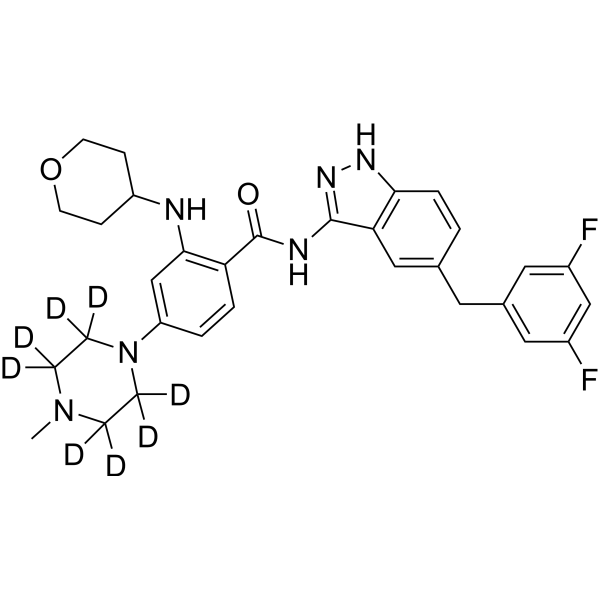 0 ImagesSynonyms: NMS-E628-d8; RXDX-101-d8
Entrectinib-d8 (NMS-E628-d8; RXDX-101-d8) is a deuterated version of Entrectinib (HY-12678). Entrectinib (NMS-E628) is an orally available, blood-brain barrier permeable, central nervous system active TrkA/B/C, ROS1 and ALK inhibitor with IC50 values of 1, 3, 5, 12 and 12, respectively. 7 nM. Entrectinib induces apoptosis and cycle arrest in cancer cells, has anti-tumor activity, and also alleviates bleomycin-induced pulmonary fibrosis in mice.
-
Vizenpistat
 0 ImagesSynonyms: SR-8541A
Vizenpistat (SR-8541A) is an orally active ENPP1 inhibitor. Vizenpistat increases cGAMP levels, blocks 2′3′-cGAMP hydrolysis, inhibits adenosine production, regulates innate immune signaling mediated by the STING pathway, and modulates anti-tumor immune responses. Vizenpistat is applicable to research related to breast cancer and metastatic microsatellite-stable colorectal cancer.
-
WWQ-03-012
 0 Images
WWQ-03-012 is a selective DESI2 inhibitor with an IC50 of 47.3 nM. WWQ-03-012 binds covalently to DESI2, blocks its enzymatic activity, and inhibits DESI2-mediated deSUMOylation, deubiquitination and stabilization of mutant JAK2, thereby promoting the complete degradation of mutant JAK2 via the intracellular ubiquitin-proteasome system and inducing apoptosis, while exerting no significant effect on wild-type JAK2. WWQ-03-012 can be used for research on myeloproliferative neoplasms (MPN) and secondary acute myeloid leukemia (sAML), especially for hematological malignancies carrying the JAK2-V617F mutation and those resistant to Ruxolitinib (HY-50856).
-
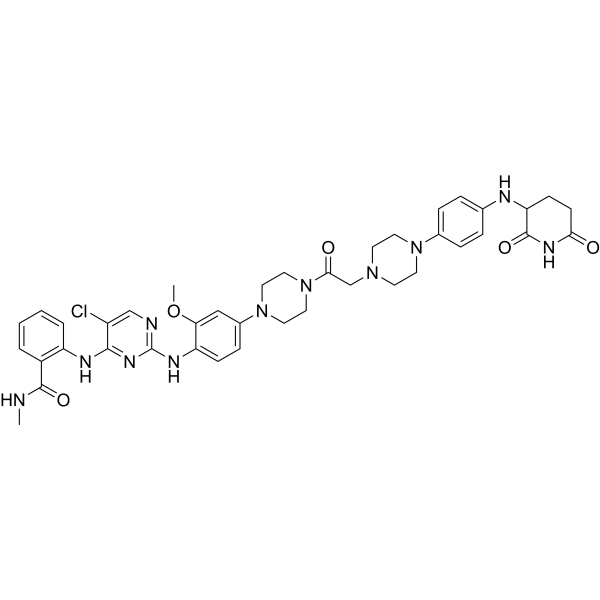
PROTAC EGFR degrader 8
 0 Images
PROTAC EGFR degrader 8 (T-184) is a PROTAC degrader that targets EGFR for degradation by recruiting cereblon. It induces EGFR protein degradation with a DC50 of 10.18 nM. The IC50 values of PROTAC EGFR degrader 8 for inhibiting the growth of H1975, PC-9 and HCC827 cells are 7.72, 121.9 and 14.21 nM, respectively. PROTAC EGFR degrader 8 inhibits the proliferation of EGFR-mutant non-small cell lung cancer cells and can be used in studies related to non-small cell lung cancer.
-
iMAC2 hydrochloride
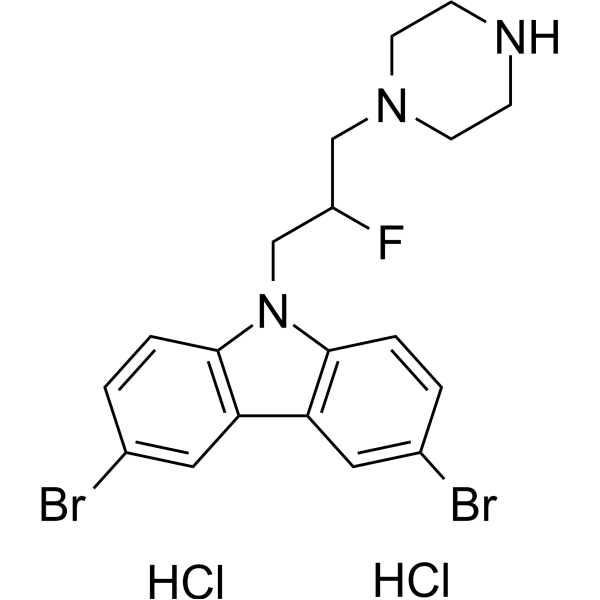 0 ImagesCat. No.: HY-110073CAS No.: 335166-00-2
iMAC2 hydrochloride is a potent MAC (mitochondrial apoptosis-induced channel) inhibitor, with an IC50 of 28 nM and a LD50 of 15000 nM. iMAC2 hydrochloride shows anti-apoptotic effect. iMAC2 hydrochloride blocks cytochrome c release.
-
Alloc-DOX
 0 ImagesSynonyms: N-Alloc doxorubicin
Alloc-DOX (N-Alloc doxorubicin) is a Doxorubicin (HY-15142A) prodrug. The combination of a catalyst (such as nano-palladium) and alloc-DOX leads to a decrease in cell viability and tumour growth.
-
Anti-Monkey/Human MHC class II (HLA-DR) Antibody (L243)
 0 ImagesCat. No.: HY-P990189
Anti-Monkey/Human MHC class II (HLA-DR) Antibody (L243) is a mouse-derived IgG2a κ type antibody inhibitor, targeting to monkey/human MHC class II. Anti-Monkey/Human MHC class II (HLA-DR) Antibody (L243) can inhibits tumor cells proliferation and induce apoptosis. Anti-Monkey/Human MHC class II (HLA-DR) Antibody (L243) increases cellular reactive oxygen species (ROS) and loss of mitochondrial membrane potential in human endothelial cells. Anti-Monkey/Human MHC class II (HLA-DR) Antibody (L243) can be used for the researches of cancer and infection, such as lymphoma.
-
XZ338
 0 ImagesCat. No.: HY-172798Purity: 98.17%
XZ338 is a highly potent and selective BCL-XL PROTAC degrader derived from A-1331852 (HY-19741), with a DC50 of 0.43 nM in MOLT‑4 cells. XZ338 induces the formation of a ternary complex with BCL-XL and VHL E3 ligase, mediates target protein degradation via the ubiquitin-proteasome system, and exhibits significantly weaker degradation activity in platelets than in tumor cells. XZ338 possesses anti-cancer activity. XZ338 can be used in the research of T-cell acute lymphoblastic leukemia (T-ALL).
-
Pentagamavunon-1
 0 ImagesSynonyms: PGV-1
-
HS-243
 0 Images
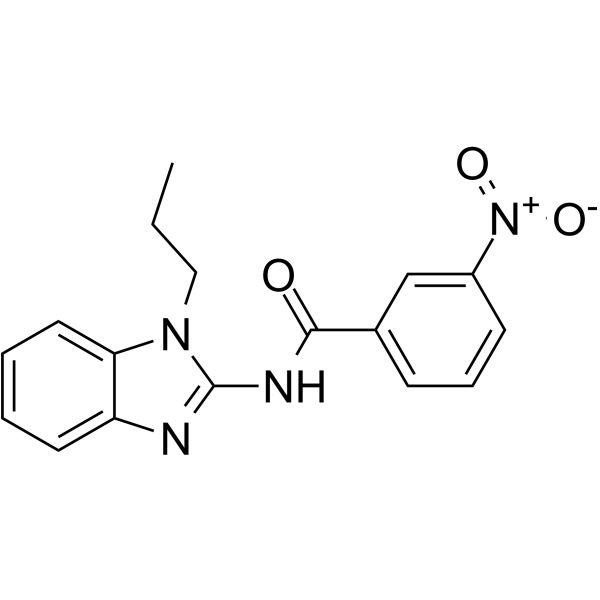
HS-243 is a potent and selective IRAK-4 and IRAK-1 inhibitor, with IC50 values of 20 and 24 nM. HS-243 shows minimal TAK1 (transforming growth factor β-activated kinase 1) inhibition activity, with a IC50 of 0.5 μM. HS-243 shows anti-inflammatory and anticancer activity.
-
Hellebrigenin
 0 Images
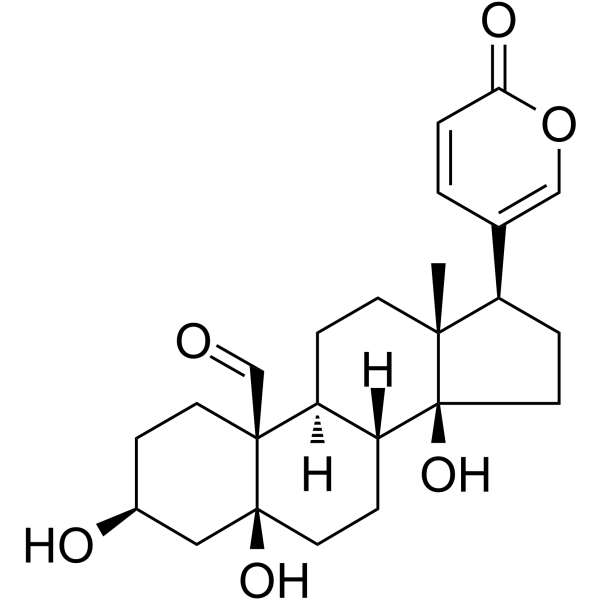
Hellebrigenin is an inhibitor that selectively targets the MAPK signaling pathway (ERK, p38, JNK) and XIAP, and can inhibit Akt expression and phosphorylation. Hellebrigenin can activate endogenous apoptosis pathways (such as mitochondrial membrane potential disruption, Caspase family activation, PARP cleavage), downregulate anti-apoptotic proteins (Bcl-2, Bcl-xL) and upregulate pro-apoptotic proteins (Bax, Bak). Hellebrigenin can also induce DNA double-strand breaks to activate the ATM pathway. Hellebrigenin can inhibit tumor cell proliferation and clone formation, and is mainly used in the study of oral squamous cell carcinoma, liver cancer and other cancers.



