



Cancer Targeted Therapy
Cancer targeted therapy is the foundation of precision medicine; it uses drugs or other substances to target specific genes and proteins that control cancer cells’ growth, division and spreading. Compared to traditional chemotherapy drugs, targeted-drugs can specifically act on cancer cells with high efficacy without damaging normal cells. Drugs used in cancer targeted therapy mainly includes small molecules and macromolecules (e.g., monoclonal antibodies), which can target cancer cells and constituents in the tumor microenvironment to activate the immune system. Anti-angiogenesis drugs, such as those targeting vascular endothelial growth factor (VEGF), epidermal growth factor receptor (EGFR), transforming growth factor (TGF)-α, TGF-β, Tumor necrosis factor (TNF)-α, and platelet-derived endothelial growth factor (PDGFR) inhibit the proliferation and metastasis of cancer cells. In recent years, the proportion of antibody drugs in cancer treatment has gradually become prominent. Antibody-drug conjugates (ADCs) are a new type of targeted drugs that are composed of monoclonal antibody, cytotoxic drug and linker. ADCs can deliver drugs to tumor cells and minimize the toxicity to normal tissues. Proteolysis-targeting chimera (PROTAC) is a useful technology for targeted protein degradation. PROTAC exploits the ubiquitin-proteasome system and forms a ternary complex with a hijacked E3 ubiquitin ligase and target protein, leading to polyubiquitination and degradation of the target protein.
Targeted therapy is a useful strategy in treatment of cancer either alone or in combination with standard chemotherapy. At present, targeted therapy has proved significant clinical success in the treatment of many types of cancer, including breast cancer, colorectal cancer, leukemia, ovarian cancer and lung cancer.
-
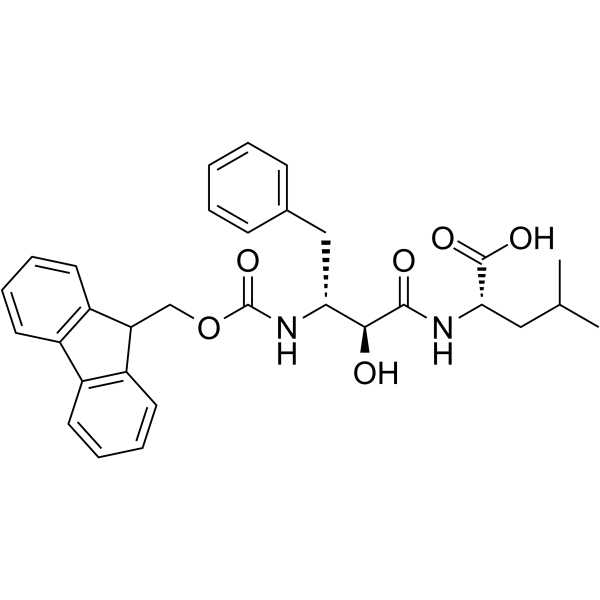
R110
 0 Images
R110 is a potent, competitive inhibitor of macrophage migration inhibitory factor 2 (MIF2) tautomerase with an IC50 of 15 μM. R110 has the potential for the research of cancer diseases.
-
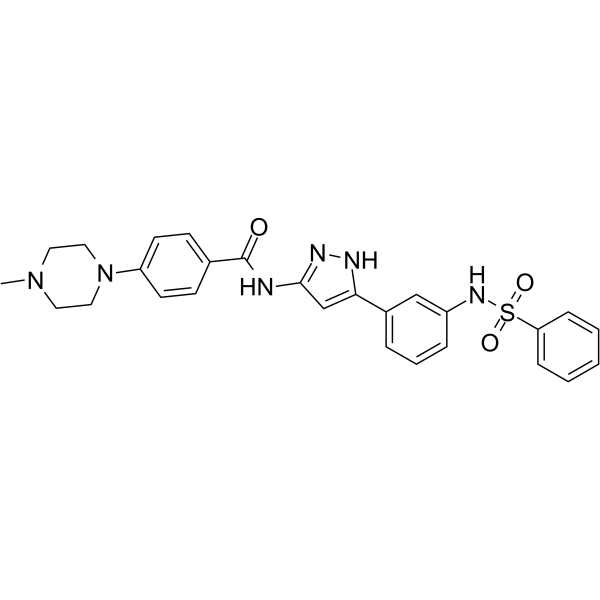
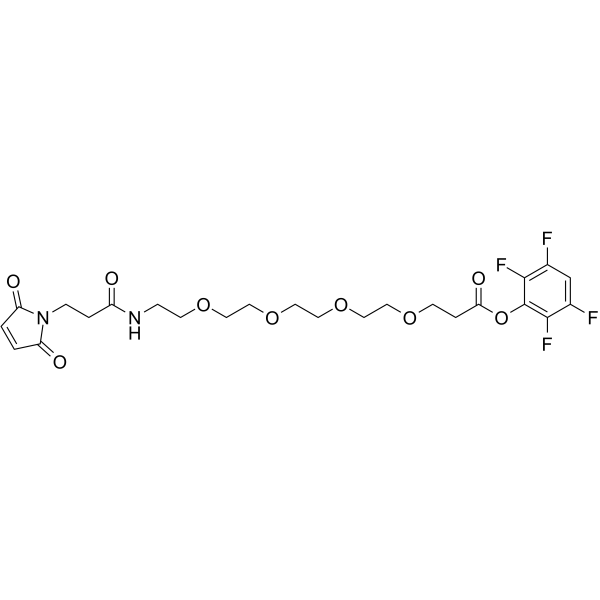
BPR1J-097
 0 ImagesCat. No.: HY-13537CAS No.: 1327167-19-0
BPR1J-097 is a novel potent FLT3 inhibitor with an IC50 of 11 nM.
-
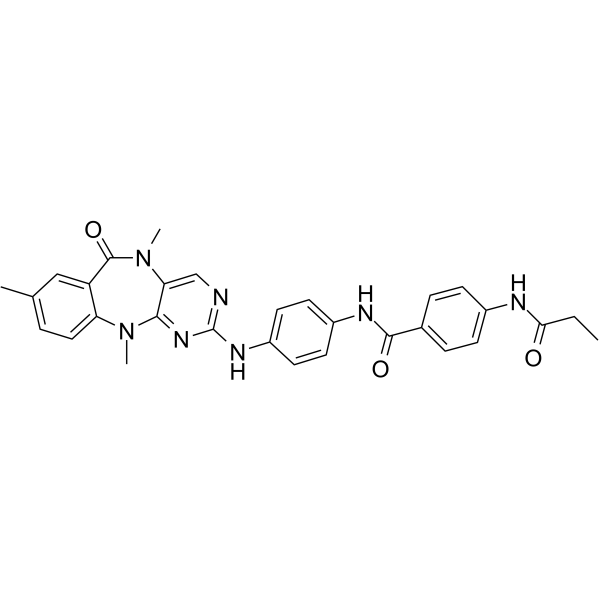
Aurora kinase inhibitor-8
 0 Images
Aurora kinase inhibitor-8 is a highly selective inhibitor of the Aurora kinases.
-
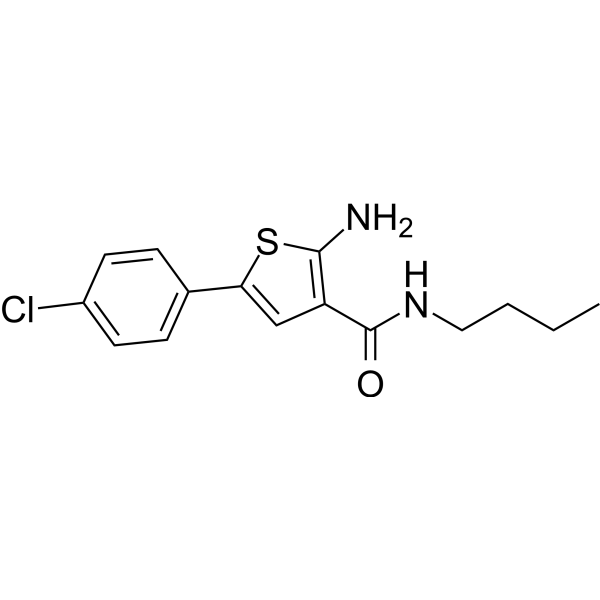
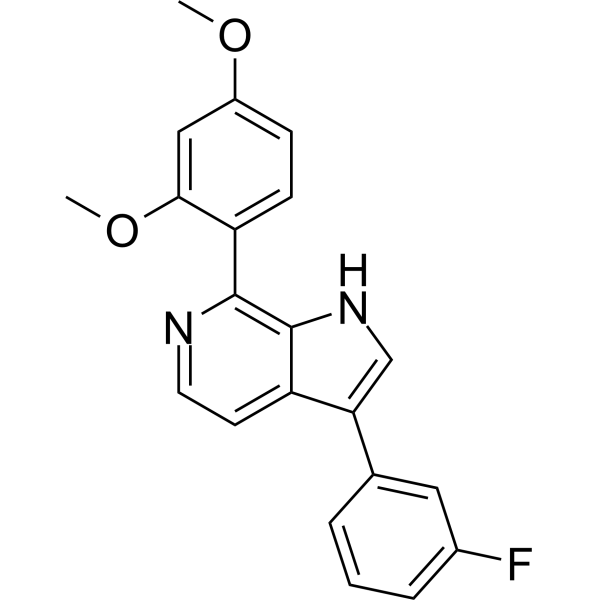
Antiproliferative agent-37
 0 Images
Antiproliferative agent-37 (compound 10J) shows anti-proliferative effect by arresting the cells at the G2/M phase of the cell cycle.
-
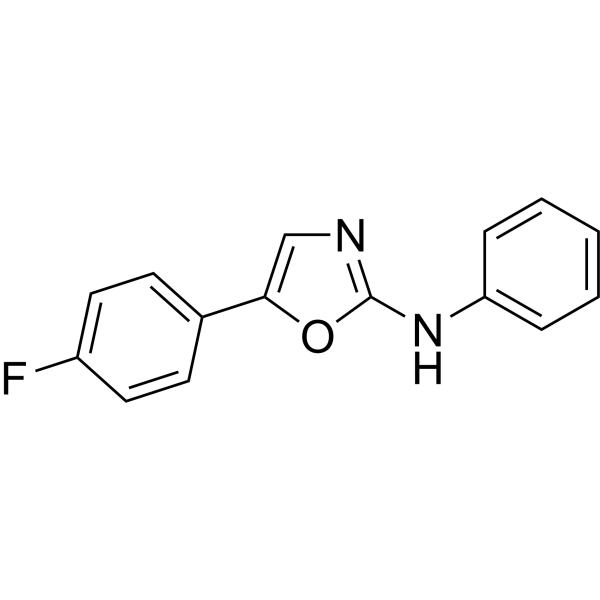
FLT3-IN-10
 0 Images
FLT3-IN-10 (compound 7c) is a potent inhibitor of FMS-like tyrosine kinase 3 (FLT3). FLT3-IN-10 has the potential for the research of FLT3-mutated acute myeloid leukemia (AML).
-
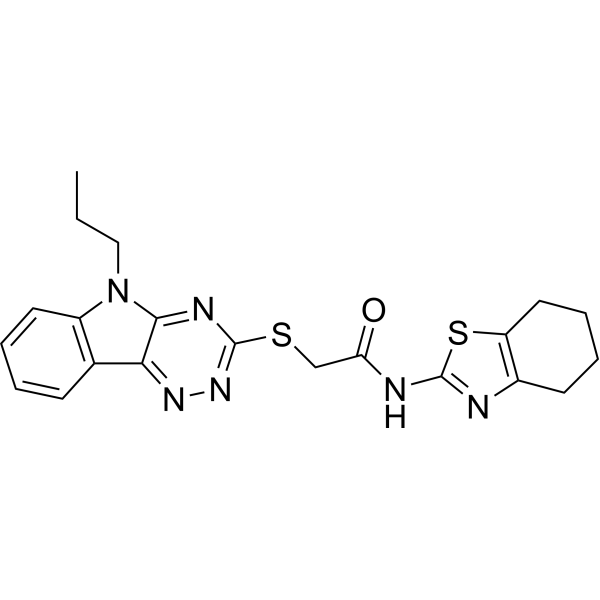
dA-NHbenzylOCF3
 0 ImagesCat. No.: HY-176217Purity: 98.04%
dA-NHbenzylOCF3 is a DNA-targeted radiosensitizer that enhances the sensitivity of tumor cells to X-rays via the dissociative electron attachment (DEA) mechanism. dA-NHbenzylOCF3 shows low cytotoxicity to normal cells and mainly localizes to the cytoplasm and nucleus after entering cells. dA-NHbenzylOCF3 exerts its radiosensitizing effect by inducing cell cycle arrest at the radiation-sensitive G2/M phase. dA-NHbenzylOCF3 can be used for radiosensitization research on malignant tumors such as prostate cancer and breast cancer.
-
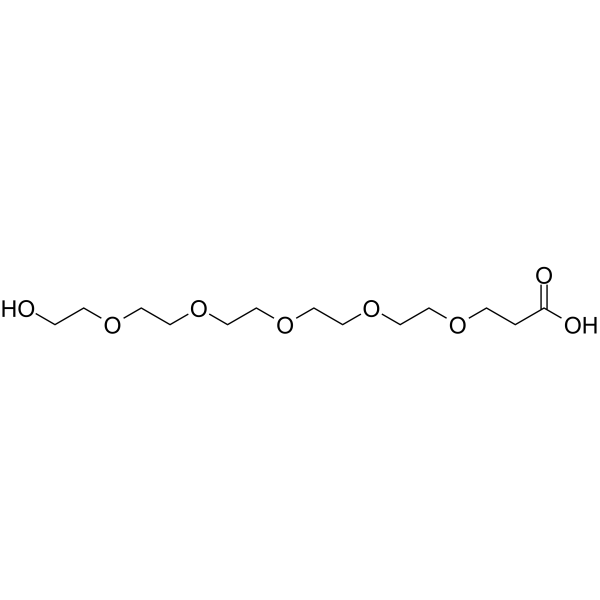
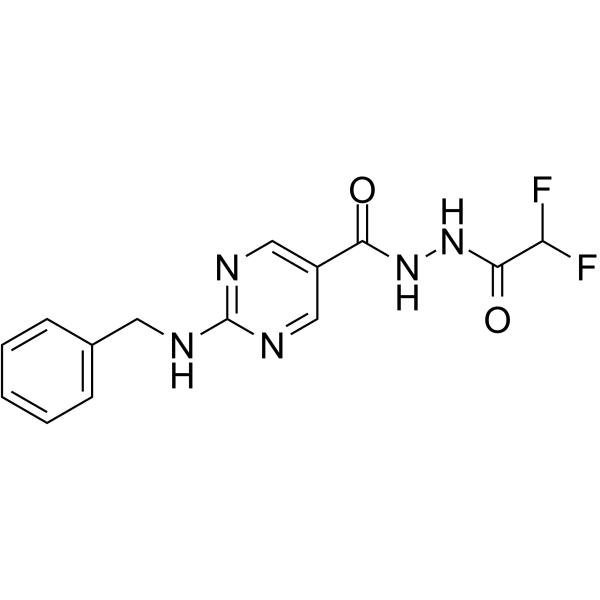
THP-PEG4-OH
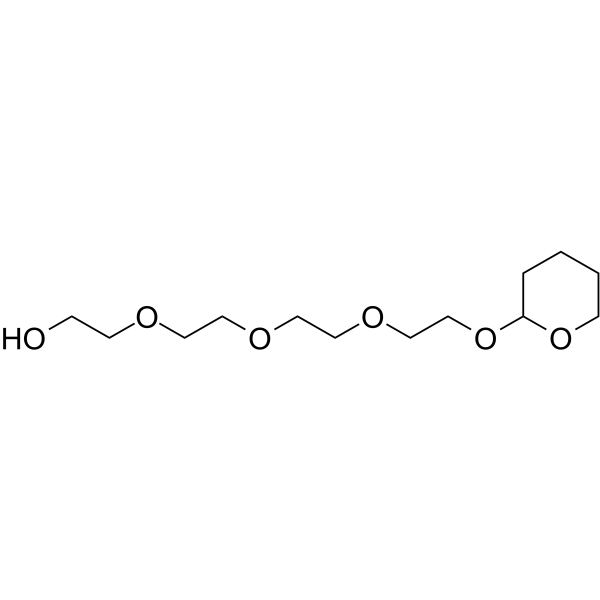 0 ImagesCat. No.: HY-130230CAS No.: 128660-97-9
-
DeFer-2
 0 Images
DeFer-2 is a Ferritin PROTAC degrader with a Kd value of 17.1 μM. DeFer-2 recruits the VHL E3 ligase to induce targeted degradation of ferritin via the ubiquitin-proteasome system, triggers iron overload stress in cancer cells, and further activates caspase 3-GSDME-mediated pyroptosis through massive ROS production. DeFer-2 can be used for research related to melanoma.
-
hsa-miR-1914-5p inhibitor
 0 ImagesCat. No.: HY-RI00373
hsa-miR-1914-5p inhibitors are chemically-modified oligonucleotides that hybridize with mature miRNAs. The miRNA inhibitors have full-length nucleotide 2'-methoxy modification. The miRNA inhibitors strongly compete with mature miRNAs to prevent the complementary pairing of miRNAs and their target genes, thereby inhibiting miRNAs from functioning.
-
6-Methyl-5-azacytidine
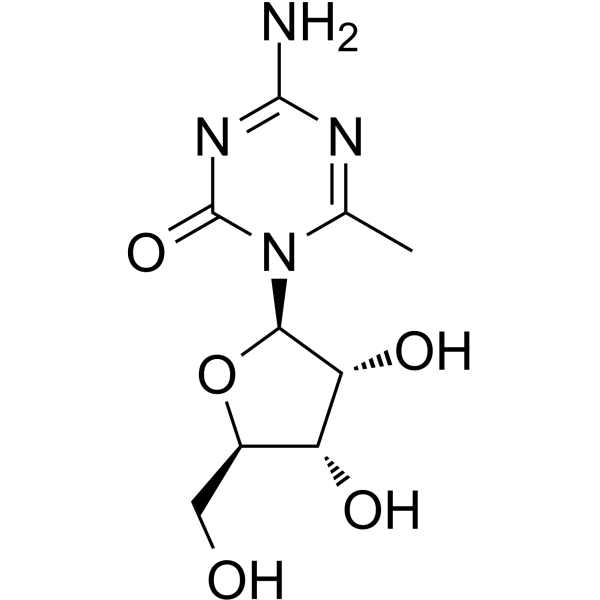 0 ImagesCat. No.: HY-111644CAS No.: 105330-94-7
6-Methyl-5-azacytidine is a potent DNMT inhibitor.
-
Hexacyclen hexahydrochloride
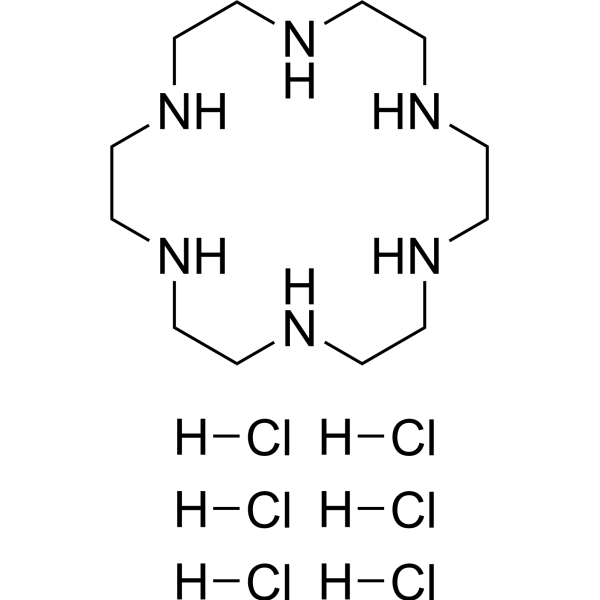 0 ImagesCat. No.: HY-W034576CAS No.: 58105-91-2Synonyms: Hexaaza-18-crown-6 hexahydrochloride; 1,4,7,10,13,16-Hexaazacyclooctadecane hexahydrochloride
Hexacyclen (Cycloalkene) is an organic compound with a unique macrocyclic structure composed of six nitrogen-containing rings. Hexacyclen is commonly used as a chelating agent in chemistry and biochemistry due to its ability to bind metal ions, and is often used to selectively bind metal ions in proteins or enzymes to study their structure and function. Hexacyclen also acts as an inhibitor of cancer.
-
RK-682
 0 ImagesCat. No.: HY-135564ACAS No.: 150627-37-5
RK-682 is the inhibitor for protein tyrosine phosphatase (PTPase), heparanase, phospholipase A2 and HIV-1 protease. RK-682 inhibits the dephosphorylation of CD45 (IC50 is 54 μM) and VHR (IC50 is 2.0 μM), and thereby inhibits the ERK signaling pathway. RK-682 inhibits the cell viability of cancer cell MGH-U3, T24 and UROtsa with IC50s of 78.2, 43.2 and 145 nM, respectively, arrests the cell cycle at G1/S phase, inhibits the cell migration and autophagy in MGH-U3 and T24.
-
Thalidomide-Piperazine-PEG1-NH2 diTFA
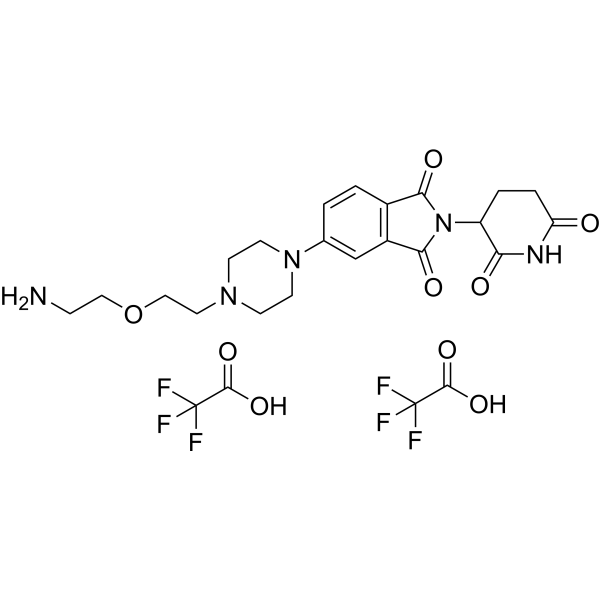 0 ImagesCat. No.: HY-138789APurity: 99.43%
Thalidomide-Piperazine-PEG1-NH2 diTFA is a synthesized E3 ligase ligand-linker conjugate that incorporates the Thalidomide based cereblon ligand and a linker used in PROTAC technology.




