Others
-
Others Related Products (76601)
Related Products (76601)

-
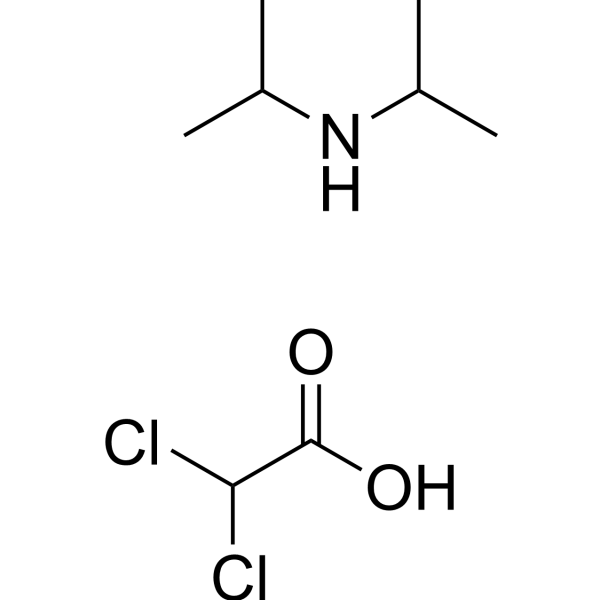
Diisopropylammonium dichloroacetate
 0 Images
Diisopropylammonium dichloroacetate is an organic compound commonly used as a catalyst and ligand for organic reactions. It can promote various organic chemical reactions, such as olefin addition, carbonylation reaction and asymmetric catalytic reaction, etc. In addition, the compound is also widely used in the research of some medical fields, for example, in the application of anti-tumor therapy.
-
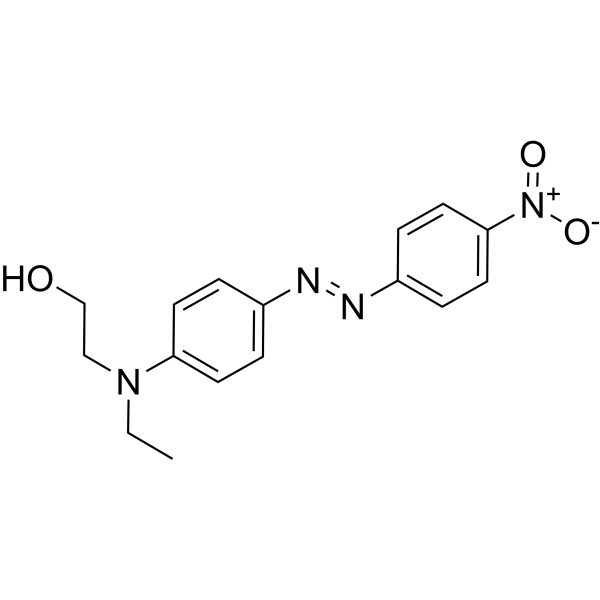
AHMT
 0 Images
AHMT is an aldehyde-specific and aldehyde-reactive colorimetric detection reagent. AHMT detects the formation of Phenylacetaldehyde in high-throughput screening for engineered anti-Markovnikov oxidation activity. AHMT serves as a formaldehyde detection reagent to detect formaldehyde produced in the Methanethiol oxidase reaction.
-
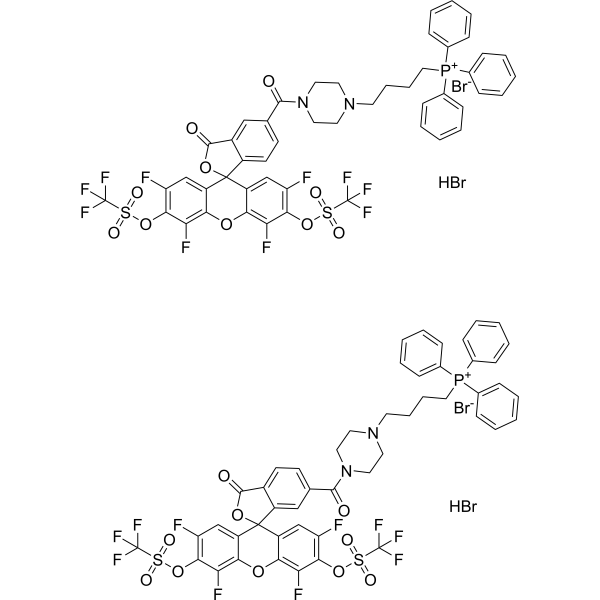
HKSOX-1m (5/6-mixture) hydrobromide
 0 ImagesCat. No.: HY-D1156APurity: 99.52%
HKSOX-1m (5/6-mixture) hydrobromide is a O2 fluorescent probe for mitochondria-targeting (Ex/Em=509/534nm; green), exhibiting excellent selectivity and sensitivity toward O2 over a broad range of pH, strong oxidants, and abundant reductants found in cells.
-
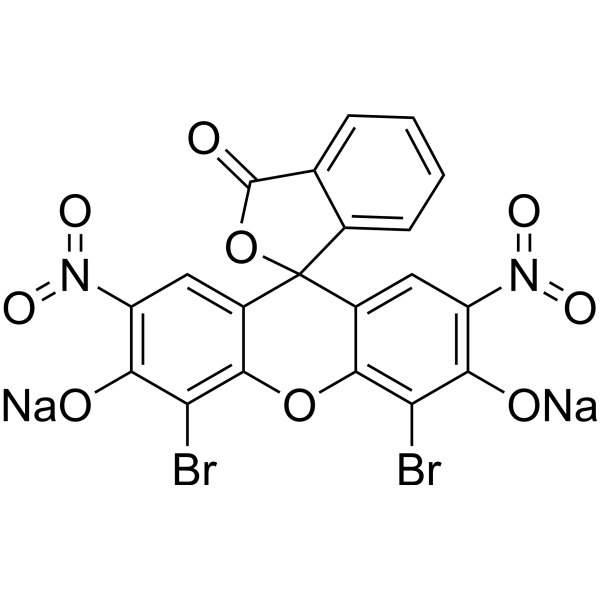
Eosin B
 0 Images
Eosin B (Acid Red 91) is a multifunctional dye. Dyes are important tools in biological experiments. They can help researchers observe and analyze cell structures, track biomolecules, evaluate cell functions, distinguish cell types, detect biomolecules, study tissue pathology and monitor microorganisms. Their applications range from basic scientific research to clinical A wide range of diagnostics. Dyes are also widely used in traditional fields such as textile dyeing, as well as in emerging fields such as functional textile processing, food pigments and dye-sensitized solar cells.
-
Cyanine3 azide chloride
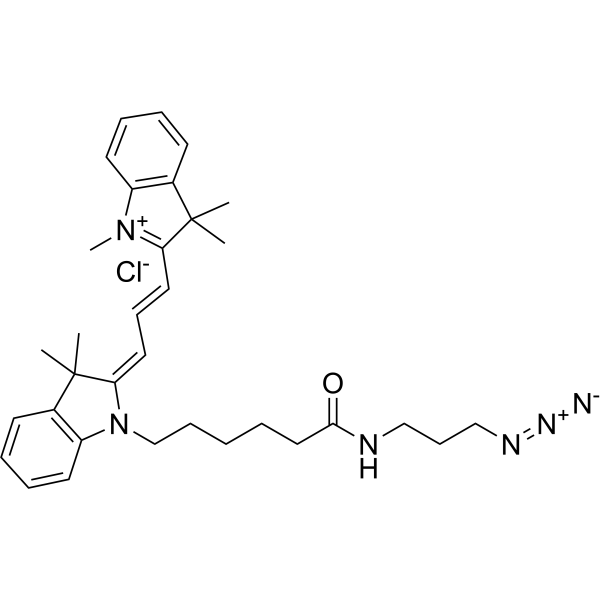 0 Images
Cyanine3 azide chloride, an analog of Cy3 azide, is a potent green fluorescent dye. Cyanine3 azide chloride uses click chemistry coupled with Alkyne-labeled proteins. Cyanine3 azide chloride can be detected by fluorometers, imagers, and microscopes. (λex=684 nm, λem=710 nm)[1]. Cyanine3 azide (chloride) is a click chemistry reagent, it contains an Azide group and can undergo copper-catalyzed azide-alkyne cycloaddition reaction (CuAAc) with molecules containing Alkyne groups. It can also undergo strain-promoted alkyne-azide cycloaddition (SPAAC) reactions with molecules containing DBCO or BCN groups.
-
Cy7.5 maleimide
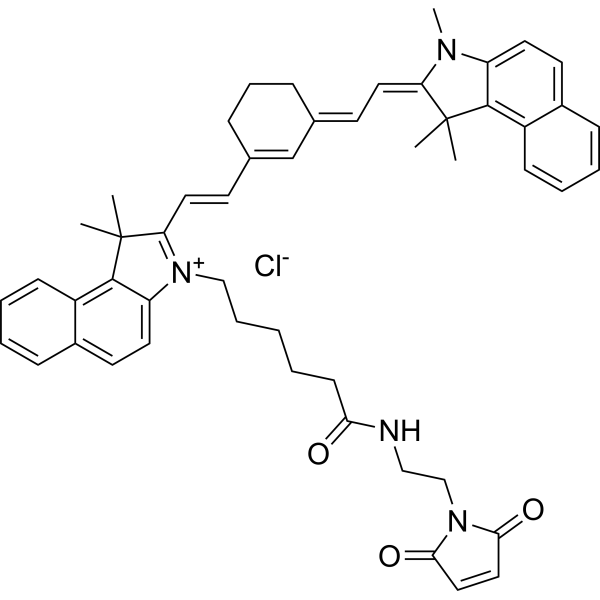 0 ImagesCat. No.: HY-D1565CAS No.: 2270866-73-2
Cy7.5 maleimide is a CY dye. CY, short for Cyanine, is a compound consisting of two nitrogen atoms connected by an odd number of methyl units. Cyanine compounds have the characteristics of long wavelength, adjustable absorption and emission, high extinction coefficient, good water solubility and relatively simple synthesis. CY dyes are of en used for the labeling of proteins, antibodies and small molecular compounds. For the labeling of protein antibodies, the combination can be completed through a simple mixing reaction. Below, we introduce the labeling method of protein antibody labeling, which has certain reference significance.
-
C6 NBD Sphingomyelin
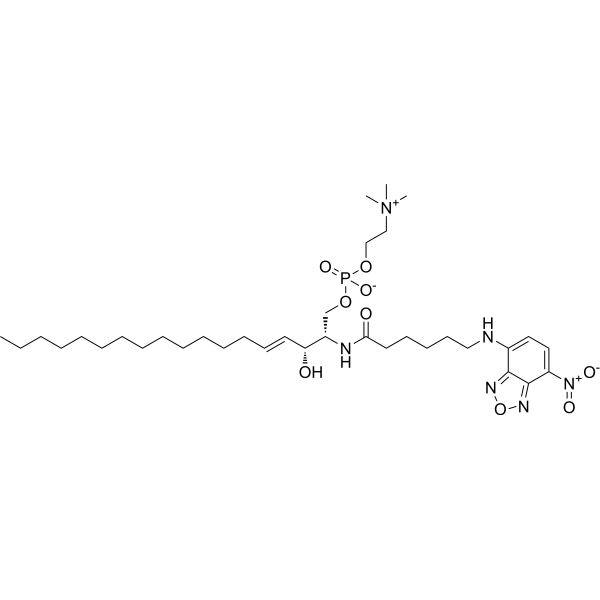 0 Images
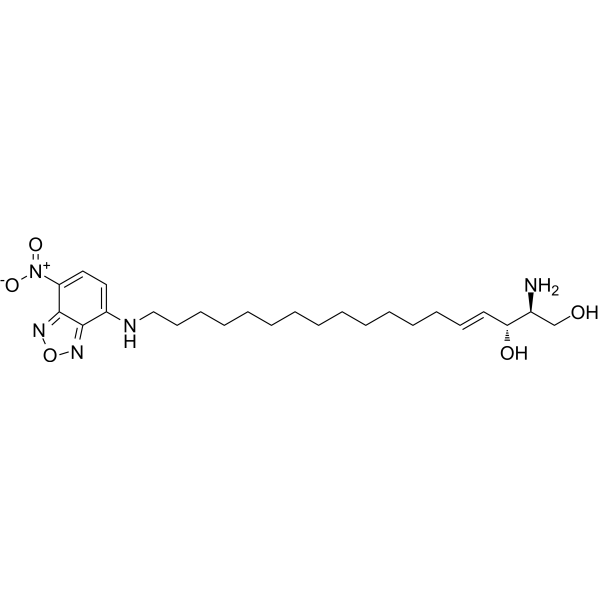
C6 NBD Sphingomyelin is a fluorescent short-chain analogue of Sphingomyelin (HY-113498). Chlamydia trachomatis acquires C6 NBD Sphingomyelin endogenously synthesizes from C6-NBD-ceramide and transportes to the chlamydial inclusion. C6 NBD Sphingomyelin can incorporate into the plasma membrane.
-
Ac-LEHD-AMC
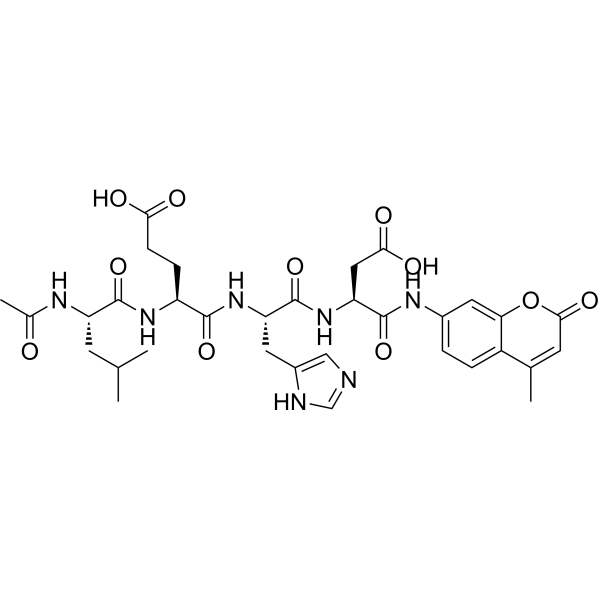 0 Images
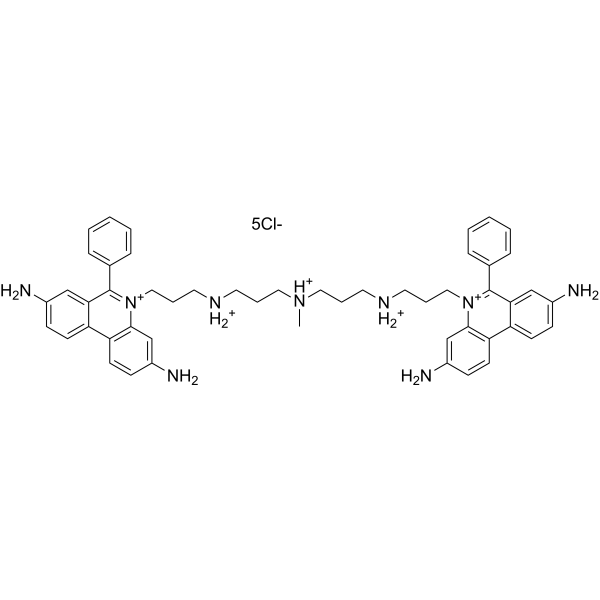
Ac-LEHD-AMC is a fluorogenic substrate for caspase-9 (Excitation: 341 nm; Emission: 441 nm). Caspase-9 can induce hydrolysis of Ac-LEHD-AMC, resulting in the release of AMC fluorophore and its fluorescence can be used to quantify caspase-9 activity.
-
ICG-SH
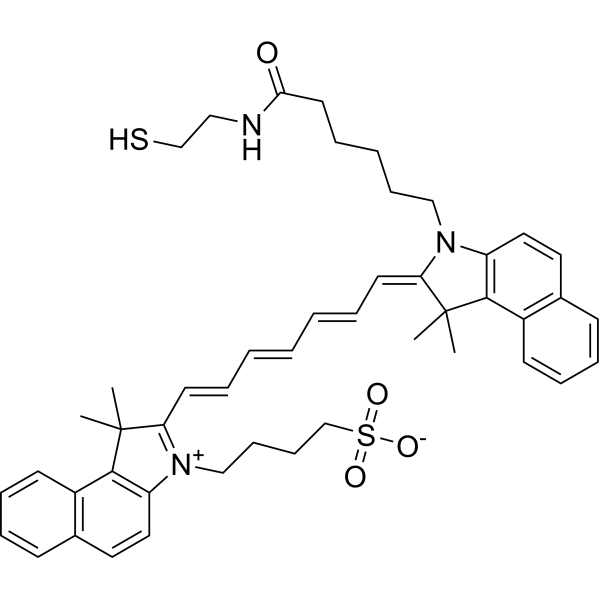 0 ImagesCat. No.: HY-D2246CAS No.: 2387670-76-8
ICG-SH?is a negatively charged polymethylcyanine dye.
-
Reactive Blue 4
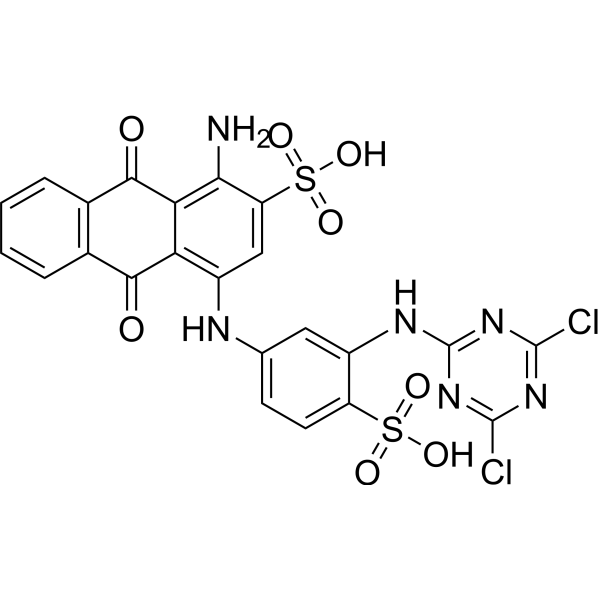 0 ImagesCat. No.: HY-125815CAS No.: 13324-20-4
Reactive Blue 4 is an anthraquinone dye used extensively in the textile industry. Reactive Blue 4 is a single colorimetric chemosensor for sequential determination of multiple analytes with different optical responses in aqueous media.
-
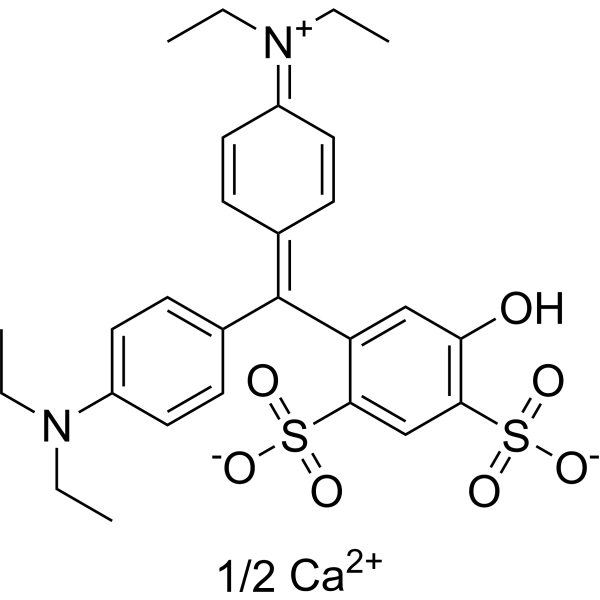
Patent Blue V calcium salt
 0 Images
Patent Blue V calcium salt is a triarylmethane dye used for tissue staining and lymphatic tracing, mainly applied by topical injection or eye drops. Patent Blue V calcium salt has affinity for specific tissues (such as corneal endothelium, lymphatic system), and stains the target structure by adsorption or binding, assisting in precise operation during surgery. Patent Blue V calcium salt is mainly used in ophthalmic surgery (such as graft staining for Descemet's membrane endothelial keratoplasty) and lymphatic drainage localization for sentinel lymph node biopsy of tumors.
-
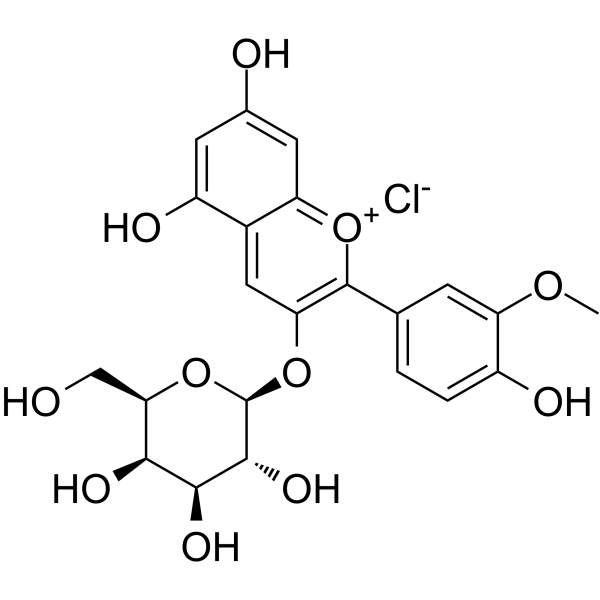
Peonidin-3-O-galactoside chloride
 0 ImagesCat. No.: HY-126411CAS No.: 28148-89-2
Peonidin-3-O-galactoside chloride is an anthocyanin with antioxidant properties and blood-brain barrier permeability. Peonidin-3-O-galactoside chloride inhibits pancreatic lipase, with an IC50 value of 23.2 μg/mL against porcine pancreatic lipase. Peonidin-3-O-galactoside chloride mediates neuroprotection, regulates glucose metabolism, protects cells from high glucose-induced damage, promotes glucose uptake and increases ATP production. Peonidin-3-O-galactoside (chloride) can be used in the research of obesity and neurodegenerative diseases.
-
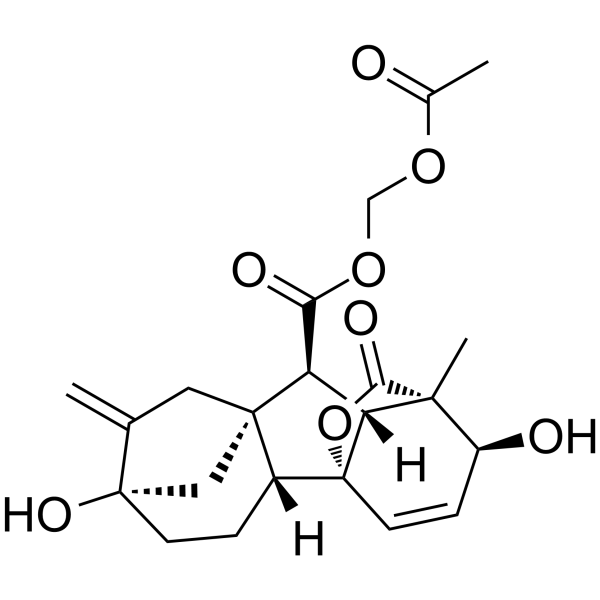
GA3-AM
 0 Images
GA3-AM is a cell permeable analog of the plant hormone gibberellic acid that acts as a chemical dimerizer or chemical inducer of dimerization.
-
FITC-Dextran (MW 110000)
 0 ImagesCat. No.: HY-128868FCAS No.: 60842-46-8
FITC-Dextran (MW 110000) is a compound belonging to the class of fluorescent dyes. It is commonly used in biomedical research as a tracer molecule to label and track cells or other biological matter. FITC-Dextran consists of fluorescein isothiocyanate (FITC) and dextran, a complex carbohydrate derived from starch. The combination of the two creates a stable fluorescent tracer that can be viewed under a microscope or quantified using specialized detection instruments.
-
β-Aspartylaspartic acid
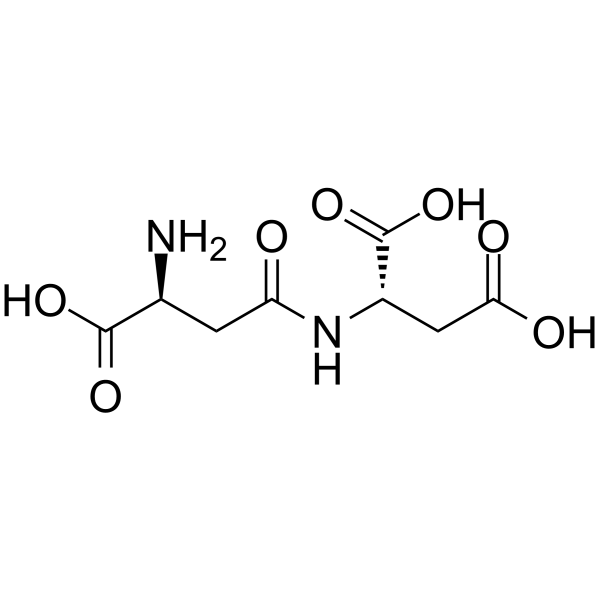 0 ImagesSynonyms: L-β-Aspartyl-L-aspartic acid
β-Aspartylaspartic acid is a natural compound found in Asparagus (Asparagus officinalis) Shoots.