



Bacterial
Anything that destroys bacteria or suppresses their growth or their ability to reproduce. Heat, chemicals such as chlorine, and antibiotic drugs all have antibacterial properties. Many antibacterial products for cleaning and handwashing are sold today. Such products do not reduce the risk for symptoms of viral infectious diseases in otherwise healthy persons. This does not preclude the potential contribution of antibacterial products to reducing symptoms of bacterial diseases in the home.
All Product Categories
-
Bacterial Inhibitors
(7521)
View all products
-
Bacterial Agonists
(3)
View all products
-
Bacterial Antagonists
(9)
View all products
-
Bacterial Activators
(24)
View all products
-
Bacterial Modulators
(27)
View all products
-
Bacterial Chemicals
(2)
View all products
-
Bacterial Inducers
(7)
View all products
-
Bacterial Controls
(14)
View all products
-
Bacterial Substrates
(2)
View all products
-
Bacterial Ligand
(1)
View all products
-
Bacterial Related Products (8852)
Related Products (8852)

-
Antibodies (14)
-
Related Compound Screening Libraries (1)
-
GWP-042
 0 ImagesCat. No.: HY-45854CAS No.: 1645486-93-6GWP-042 is a potent inhibitor of mycobacterial alanine dehydrogenase (Ald) Rv2780, with the IC50 of 0.21 μM. GWP-042 has antimicrobial activity against M. tuberculosis infection in vivo.
-
Nonanoic acid-d3
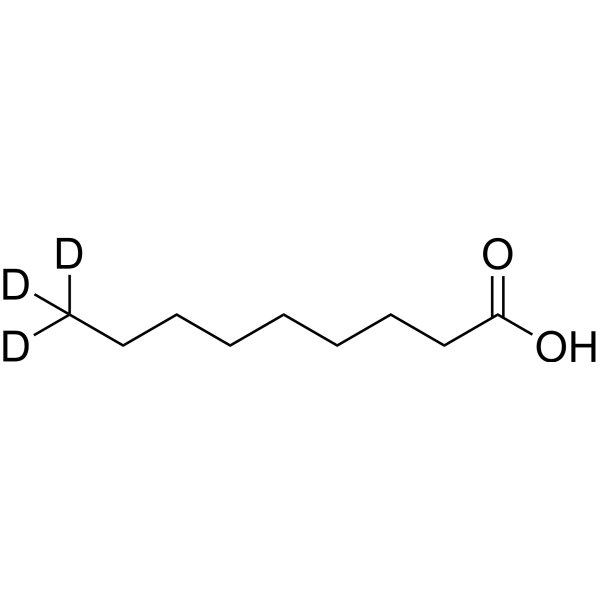 0 ImagesSynonyms: Pelargonic acid-d3Nonanoic acid (Pelargonic acid)-d3 is the deuterium labeled Nonanoic acid (HY-N7057). Nonanoic acid is a naturally-occurring saturated fatty acid with nine carbon atoms. Nonanoic acid significantly reduces bacterial translocation, enhances antibacterial activity, and remarkably increases the secretion of porcine β-defensins 1 (pBD-1) and pBD-2.
-
Geraniol-d6 (Major)
 0 ImagesCat. No.: HY-W782079CAS No.: 1660976-93-1Geraniol-d6 (Major) is the deuterated labeled Geraniol (Major). Geraniol is an olefin terpene with oral activity. Geraniol inhibits cell proliferation and promotes apoptosis. Geraniol has antibacterial, antifungal, antioxidant, anti-inflammatory and antitumor activities. Geraniol can be used to study diabetes.
-
Mansonone E
 0 ImagesMansonone E (Compound 5) is a pesticide. Mansonone E can be isolated from heartwood of Mansonia gagei. Mansonone E has significant antifungal activity against Cladosporium cucumerinum, Candida albicans and Phytophthora parasitica. Mansonone E has potent antibacterial activity with MIC50s of both 7.8 μg/mL for Xanthomonas oryzae pv. oryzae and X. oryzae pv. Oryzicola. Mansonone E also has antifeedant and herbicidal activities.
-
Relebactam (Standard)
 0 ImagesSynonyms: MK-7655 (Standard)Relebactam (Standard) is the analytical standard of Relebactam. This product is intended for research and analytical applications. Relebactam is a diazabicyclooctane inhibitor with activity against a wide spectrum of β-lactamases, including class A (extended-spectrum β-lactamases and KPC) and class C (AmpC) enzymes. Relebactam shows antibacterial activity.
-
Urolithin M6
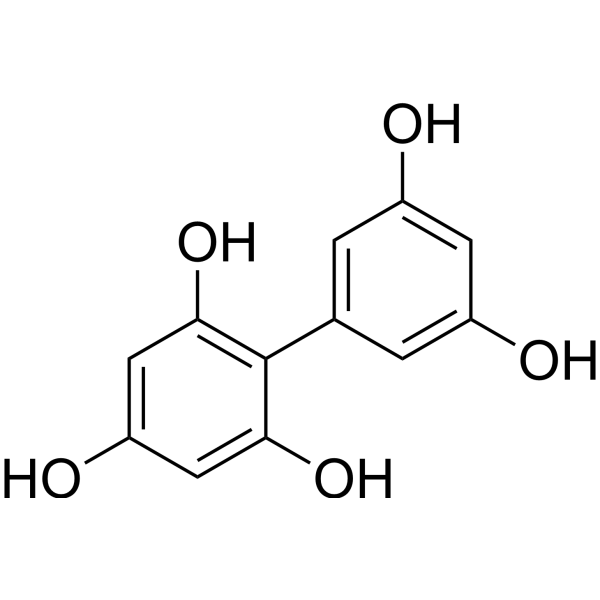
 0 ImagesUrolithin M6 is a polyhydroxy-rich metabolite with potential antioxidant activity. Urolithin M6 is produced by intestinal microbial metabolism and may act as an analog of tannic acid compounds. The production of Urolithin M6 in humans requires specific bacterial 3-dehydroxylase activity, which provides a new mechanism for its biotransformation. The metabolic profile of Urolithin M6 helps to stratify volunteers and further explore its potential role in health and disease.
-
1-Methyl-4-nitroimidazole
 0 Images1-Methyl-4-nitroimidazole is an antibacterial agent. 1-Methyl-4-nitroimidazole is reduced by bacterial nitroreductases to form toxic derivatives, which cause DNA damage, inhibit bacterial nucleic acid synthesis, generate toxic superoxides through futile cycling of reduced radical anions, and induce bacterial cell death. 1-Methyl-4-nitroimidazole exhibits moderate in vitro activity against bacteria and fungal. 1-Methyl-4-nitroimidazole can be used in the research of skin infections, purulent infections and urinary tract infections.
-
5-Bromo-5-nitro-1,3-dioxane
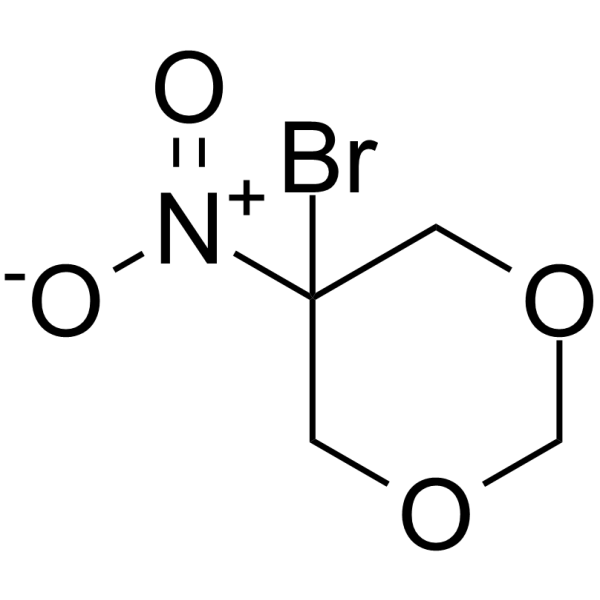 0 Images5-Bromo-5-nitro-1,3-dioxane is a broad-spectrum antimicrobial agent active against Gram-positive bacteria, Gram-negative bacteria and fungi. 5-Bromo-5-nitro-1,3-dioxane oxidizes free thiol groups to their corresponding disulfides. 5-Bromo-5-nitro-1,3-dioxane induces intracellular substance leakage in Escherichia coli and Staphylococcus aureus. 5-Bromo-5-nitro-1,3-dioxane modulates the oxygen consumption of Escherichia coli and Staphylococcus aureus.
-
Moxifloxacin (Standard)
 0 ImagesSynonyms: BAY 12-8039 free base (Standard)Moxifloxacin (Standard) is the analytical standard of Moxifloxacin. This product is intended for research and analytical applications. Moxifloxacin is an orally active 8-methoxyquinolone antimicrobial for use in the treatment of acute bacterial sinusitis, acute bacterial exacerbations of chronic bronchitis, and community-acquired pneumonia.
-
4-Chlorocinnamic acid
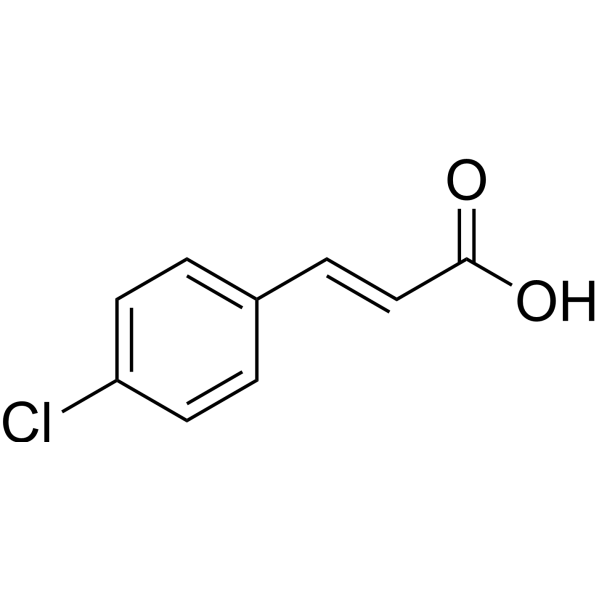 0 Images4-Chlorocinnamic acid is a derivative of Cinnamic acid (HY-N0610A). 4-Chlorocinnamic acid inhibits the monophenolase and diphenolase activities of mushroom tyrosinase with IC50 values of 0.477 mM and 0.229 mM, respectively. 4-Chlorocinnamic acid inhibits the mycelial growth of Colletotrichum gloeosporioides. 4-Chlorocinnamic acid exhibits anticonvulsant activity against acute epilepsy induced by pentylenetetrazol.
-
FtsZ-IN-14
 0 ImagesCat. No.: HY-186019CAS No.: 1809031-40-0FtsZ-IN-14 (example XI) is a filamentous temperature-sensitive protein Z (FtsZ) inhibitor. FtsZ-IN-14 can inhibit the growth of various drug-resistant bacteria in vitro and can be used to prepare antibiotics against drug-resistant bacteria.
-
2-Heptanol
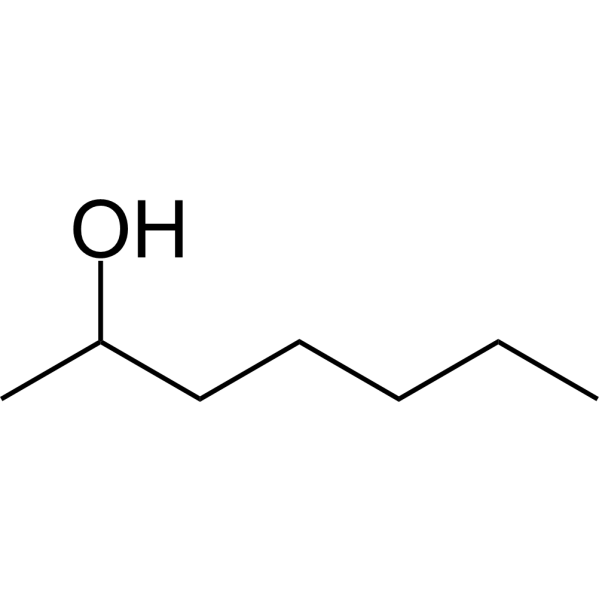 0 Images2-Heptanol is one of the chemical compounds identified in turmeric and turmeric rhizome essential oil. 2-Heptanol can speed up amino acid metabolism and slow down membrane transport, exhibiting antibacterial activity. The rhizome essential oil has good antibacterial and antioxidant properties.
-
4-Chloro-2-methylphenol
 0 Images4-Chloro-2-methylphenol is an antibacterial agent that can be used as a pharmaceutical excipient.
-
Hordenine hydrochloride
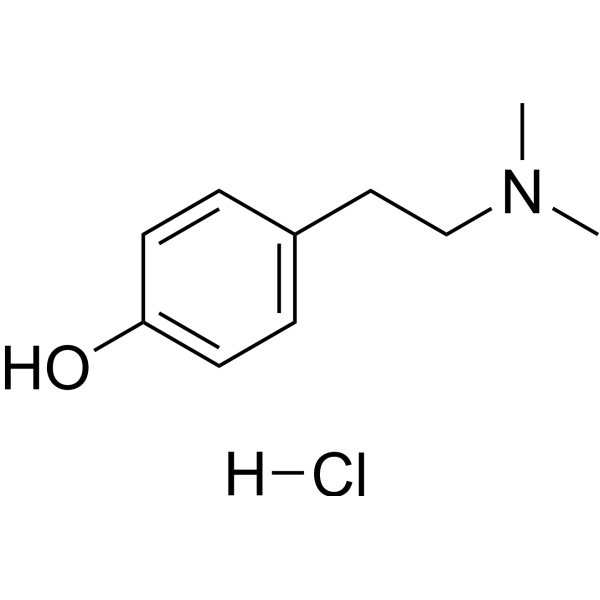 0 ImagesSynonyms: Ordenina hydrochloride; Peyocactine hydrochlorideHordenine hydrochloride (Ordenina hydrochloride; Peyocactine hydrochloride) is a multifunctional alkaloid with oral activity and blood-brain barrier penetration. Hordenine hydrochloride inhibits LPS-induced phosphorylation of p38, JNK, ERK1/2, p65, IκB, and AKT, prevents p65 nuclear translocation, and suppresses inflammatory cytokines and mediators. Hordenine hydrochloride promotes M2 macrophage polarization, restores blood-milk barrier integrity, alleviates oxidative stress by reducing ROS and MDA, and attenuates LPS-induced lung injury and pulmonary edema. Hordenine hydrochloride inhibits cAMP production, CREB phosphorylation, and MITF expression, thereby suppressing melanin synthesis in melanocytes and reconstructed epidermis. Hordenine hydrochloride activates the Wnt/β-catenin signaling pathway, promotes dermal papilla cell proliferation and hair shaft elongation, and accelerates hair regeneration. Hordenine hydrochloride activates DRD2, acts as a D3R partial agonist, α2A-AR full agonist, and 5-HT2A-R antagonist, and inhibits SERT and DAT. Hordenine hydrochloride inhibits α-synuclein accumulation and ameliorates motor deficits in Parkinson's disease models. Hordenine hydrochloride limits alcohol intake, reduces relapse drinking behavior, and modulates alcohol-induced conditioned place preference. Hordenine hydrochloride can be used for research on mastitis, skin pigmentation, acute lung injury, foodborne diseases, hair loss, Parkinson's disease, bacterial infections, and alcohol use disorder.
-
2′-Hydroxygenistein
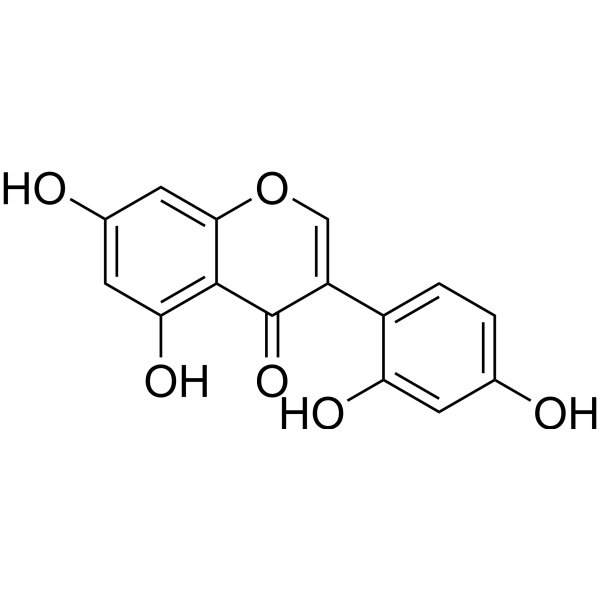 0 Images2′-Hydroxygenistein is a natural product that can be isolated from Crotalaria pallida and C. assamica. 2′-Hydroxygenistein shows anti-inflammatory activity. 2′-Hydroxygenistein shows significant concentration-dependent inhibitory effects on the release of β-glucuronidase and lysozyme from rat neutrophils, with IC50 values of 5.9 ± 1.4 and 9.7 ± 3.5 μM, respectively.
-
Colistin sulfate (Standard)
 0 ImagesColistin (sulfate) (Standard) is the analytical standard of Colistin (sulfate). This product is intended for research and analytical applications. Colistin sulfate is a polypeptide antibiotic which inhibits gram-negative bacteria by binding to lipopolysaccharides and phospholipids in the outer cell membrane of gram-negative bacteria.
-
Dichloroisocyanurate sodium
 0 ImagesDichloroisocyanurate sodium is a synthetic organochlorine compound belonging to triazine derivatives, and is commonly used as a disinfectant and biocide. Dichloroisocyanurate sodium can release hypochlorous acid to inactivate waterborne bacteria, viruses, helminths and protozoa, and can act as a hypochlorous acid reservoir to provide sustained biocidal protection.
-
Nifursol
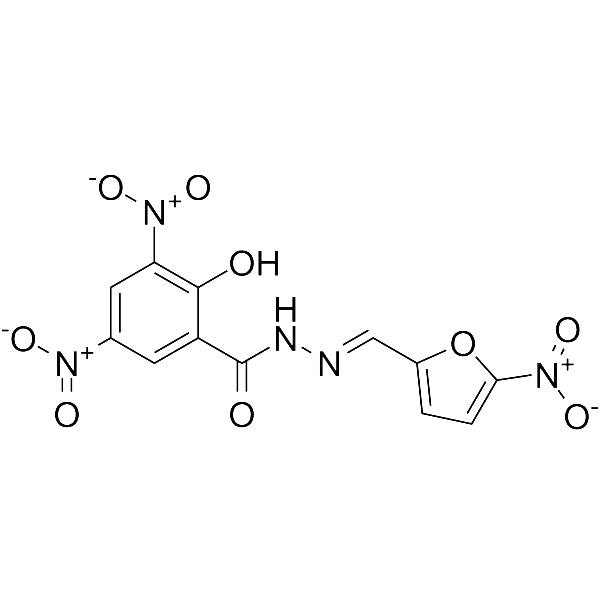 0 ImagesNifursol is an orally active veterinary antibiotic. Nifursol inhibits Histomonas meleagridis. Nifursol prevents histomoniasis in turkeys. Nifursol is widely used in studies of Escherichia coli gastroenteritis in Salmonella-infected poultry and aquatic animals.
-
Homo-BacPROTAC7 TFA
 0 ImagesCat. No.: HY-153572AHomo-BacPROTAC7 TFA is a PROTAC protein degrader targeting ClpC1/ClpC2 with a Kd of 0.5-2.5 nM for both targets. Homo-BacPROTAC7 (TFA) acts as a bactericidal agent, induces killing of pathogenic mycobacteria, retains activity against dormant-like mycobacterial cells with reduced intracellular ATP levels, and shows elevated antibiotic potency relative to its parent monomer. Homo-BacPROTAC7 (TFA) can be used for the research of tuberculosis.




