



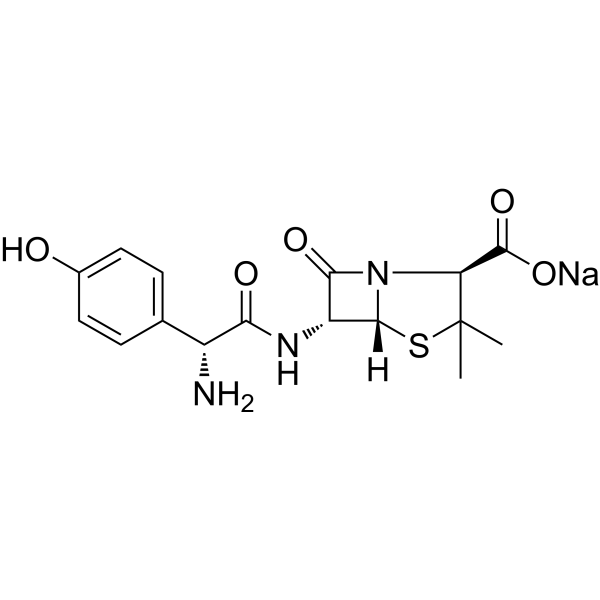
Amoxicillin sodium
Based on 24 publication(s) in Google Scholar
Amoxicillin (Amoxycillin) sodium is an antibiotic with good oral absorption and broad spectrum antimicrobial activity. Amoxicillin sodium inhibits the biosynthesis of polypeptides in the cell wall, thereby inhibiting cell growth.
Nur für Forschungszwecke. Wir verkaufen nicht an Patienten.
- Reinheit : 98.01%
- CAS. Nr.: 34642-77-8
- Formel: C16H18N3NaO5S
- Molecular Weight:387.39
-
Speicherung:
4°C, sealed storage, away from moisture
* In solvent : -80°C, 6 months; -20°C, 1 month (sealed storage, away from moisture)

To place orders, for customer services and technical support, please contact: MedChemExpress USA
Tel: 609-228-6898 E-mail: [email protected] [email protected]


-
 Biologische Aktivität
-
Chemical Information
-
Lösungsmittel & Löslichkeit
- Protokoll
- Reinheit & Dokumentation
- Verweise
-
 Help & FAQs


-
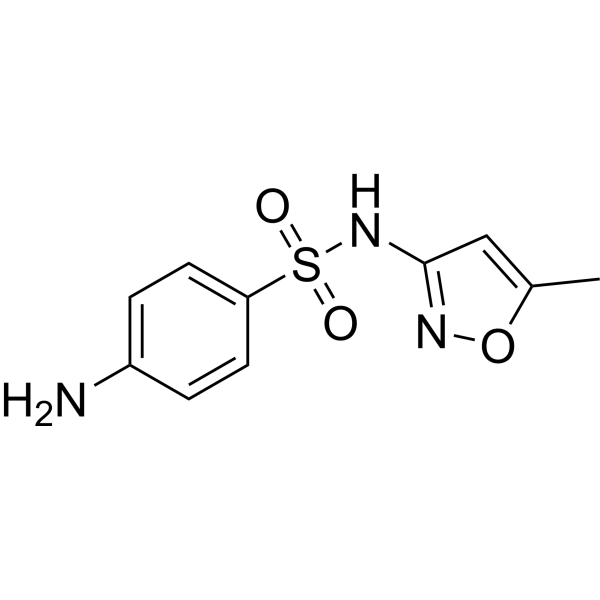
HY-B0322
SulfamethoxazoleSulfonamide Antibiotic -
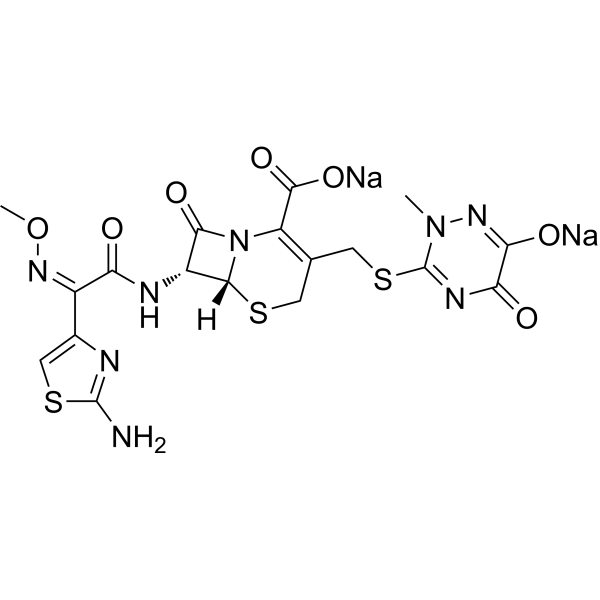
HY-B0712B
Ceftriaxone sodium saltAurora B inhibitor -
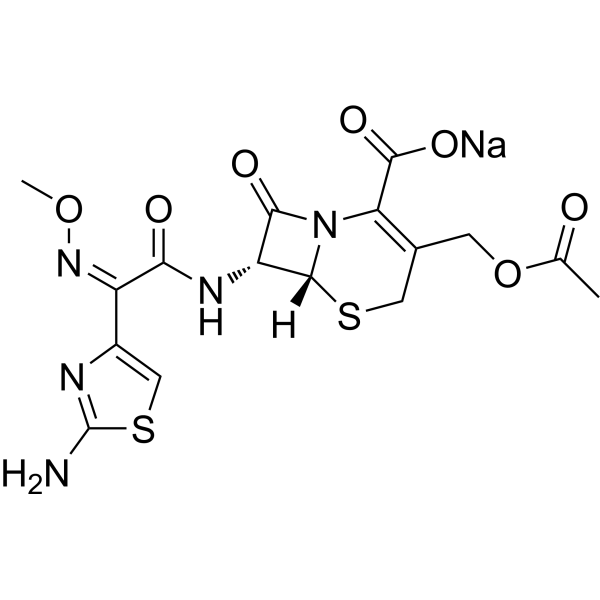
HY-A0088
Cefotaxime sodiumBacterial Inhibitor -
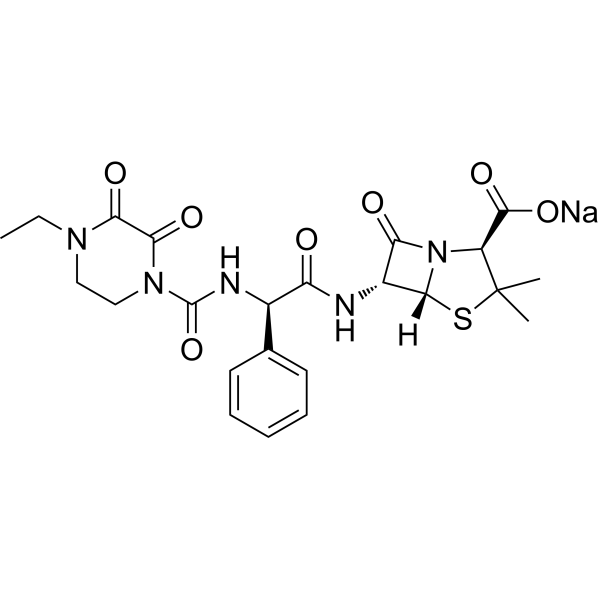
HY-B1286
Piperacillin sodiumBacterial Inhibitor -
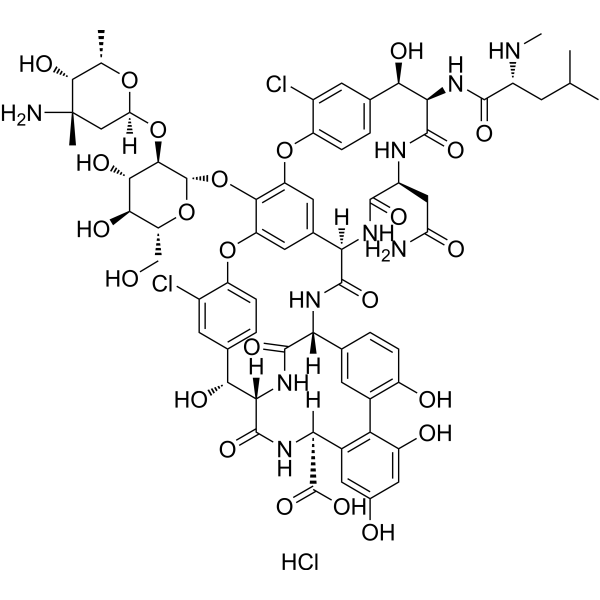
HY-17362
Vancomycin hydrochlorideAntibiotic -
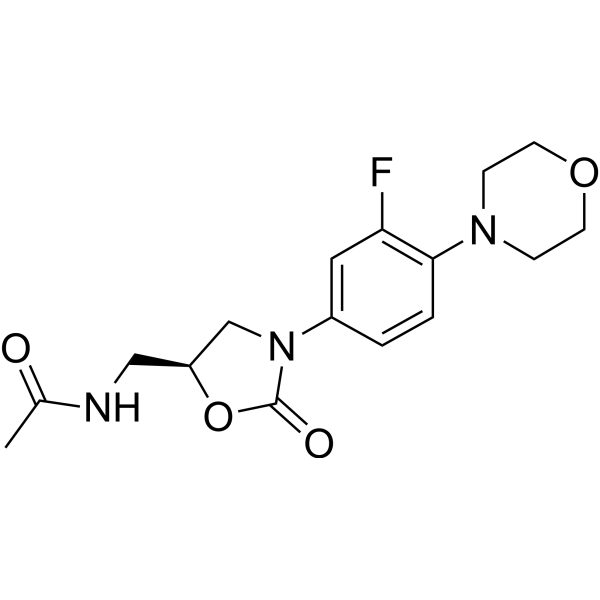
HY-10394
LinezolidAntibiotic -
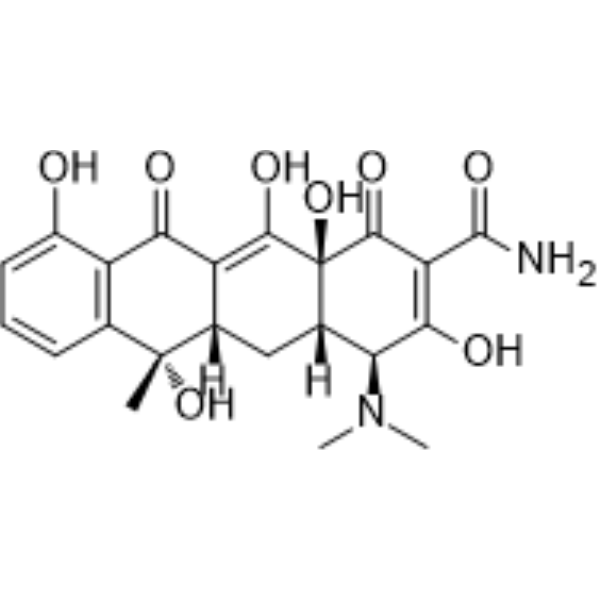
HY-A0107
TetracyclineAntibiotic -
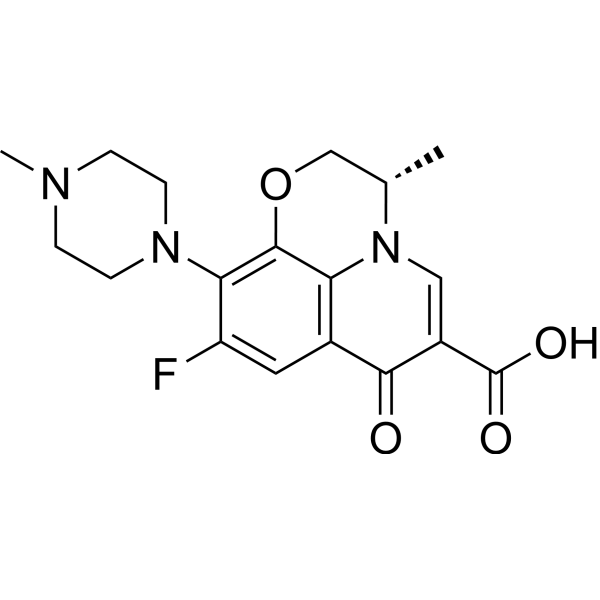
HY-B0330
LevofloxacinDNA Gyrase/Topoisomerase Inhibitor -
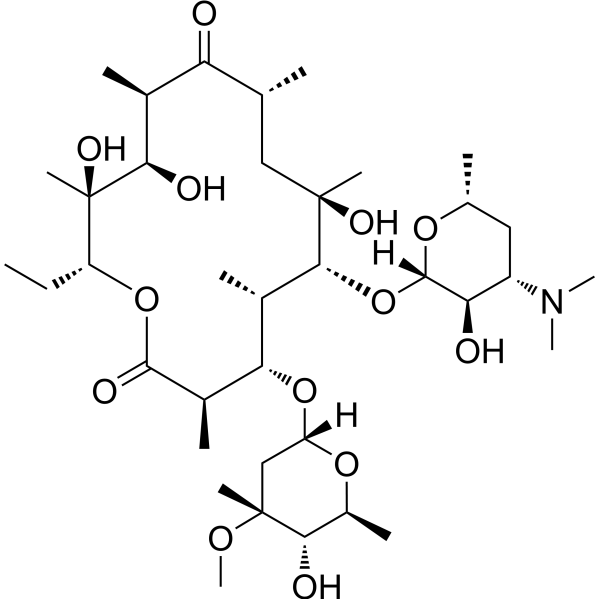
HY-B0220
ErythromycinAntibiotic -
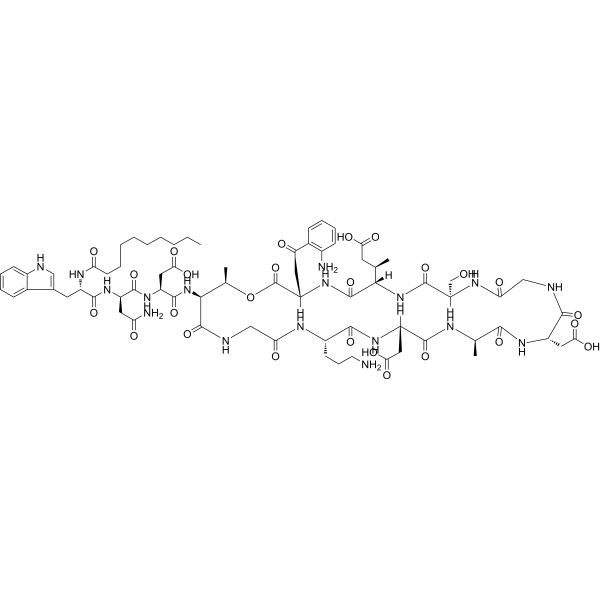
HY-B0108
DaptomycinBacterial Inhibitor -
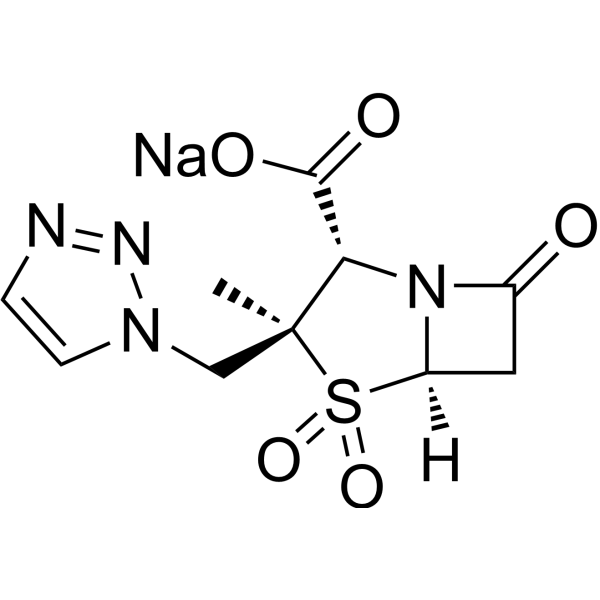
HY-W009168
Tazobactam sodiumBeta-lactamase Inhibitor -
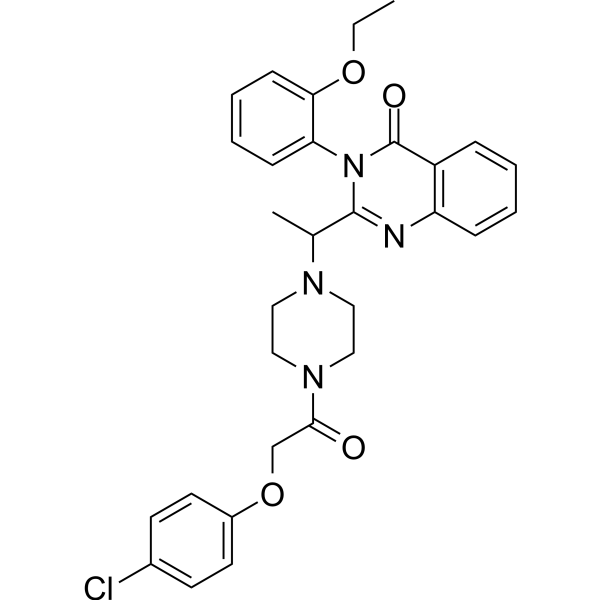
HY-15763
ErastinFerroptosis Inducer
Publications Citing Use of MedChemExpress (MCE) Amoxicillin sodium
More- Nat Commun. 2022 Mar 2;13(1):1116. [Abstract]
- J Exp Med. 2026 Mar 2;223(3):e20241287. [Abstract]
- Emerg Contam. 2026 Feb 23.
- Talanta. 2025 Jan 1:282:126966. [Abstract]
- Results Chem. 2024 Oct.
- iScience. 2025 Sep 25;28(11):113648. [Abstract]
- ACS ES T Water. 2025 Jan 24.
- FASEB J. 2026 Jan 31;40(2):e71438. [Abstract]
- Antimicrob Agents Chemother. 2021 Feb 17;65(3):e01921-20. [Abstract]
- Genomics. 2022 Nov;114(6):110527. [Abstract]
- Arch Microbiol. 2025 Jun 17;207(8):177. [Abstract]
- J Fluoresc. 2019 Jan;29(1):221-229. [Abstract]
- Tissue Cell. 2026 Apr 22:102:103551. [Abstract]
- Biomed Res Int. 2018 Jul 2:2018:3579832. [Abstract]
- Vet Microbiol. 2024 May:292:110046. [Abstract]
- Solvent Extr Lon Exc. 2024 Jul 25.
- Authorea. 2026 May 12.
- bioRxiv. 2024 May 10.
- Chemosphere. 2023 Dec:344:140353. [Abstract]
- SSRN. 2023 May 30.
- Drug Metab Pers Ther. 2020 Mar 5;35(1):/j/dmdi.2020.35.issue-1/dmpt-2019-0032/dmpt-2019-0032.xml. [Abstract]
- Nanyang Technological University. 2020 Mar.
- Chemosphere. 2019 Jun:225:378-387. [Abstract]
- Federal University of Rio Grande do Sul. 2017 Nov.
Alle Antibiotic Isoform-spezifische Produkte anzeigen
More

Biologische Aktivität
Beschreibung
In Vitro
Amoxicillin (Amoxycillin) sodium (1-100 μM; 24 hours; L. acidophilus) decreases living cells and increases degree of cell wall rupture in a dose-dependent manner[1].
MedChemExpress (MCE) has not independently confirmed the accuracy of these methods. They are for reference only. Further protocols information, click here.
In Vivo
Amoxicillin (Amoxycillin) sodium (1.6-9.5 mg/kg; p.o.; daily, for 7 or 14 days; swiss albino mice) has against infection with chlamydia trachomatis in mice[3].
MedChemExpress (MCE) has not independently confirmed the accuracy of these methods. They are for reference only.
-
Animal Model:Female ICR/Swiss mice[2]
-
Dosage:7 mg/kg
-
Administration:Subcutaneous injection; every 8 h, for 24 hours
-
Result:Inhibited bacterial numbers in a dose-dependent manner.
-
Animal Model:Female ICR/Swiss mice[2]
-
Dosage:7 mg/kg
-
Administration:Subcutaneous injection; every 8 h, for 4 days
-
Result:Survived all animals that were infected with organisms for which MICs were 1 mg/L or less, and with the two strains for which MICs were 2 mg/L, 20 to 40% mortality.
-
Animal Model:Swiss albino mice[3]
-
Dosage:1.6 and 9.5 mg/kg
-
Administration:Oral administration; daily, for 7 or 14 days
-
Result:Improved the activity of Chlamydia trachomatis infection in mice.


Chemical Information
-
CAS. Nr. 34642-77-8
-
Appearance Solid
-
Molecular Weight 387.39
-
Formel C16H18N3NaO5S
-
Color White to light yellow
-
SMILES
O=C([C@@H]1N(C2=O)[C@]([C@@H]2NC([C@@H](C3=CC=C(O)C=C3)N)=O)([H])SC1(C)C)O[Na]
-
Synonyms
Amoxycillin sodium
-
Versand
Room temperature in continental US; may vary elsewhere.
-
Speicherung
4°C, sealed storage, away from moisture
* In solvent : -80°C, 6 months; -20°C, 1 month (sealed storage, away from moisture)


Publications (24)
-
Journal Impact Factor
-
Most Recent
-
Nat Commun
Antimicrobial resistance and population genomics of multidrug-resistant Escherichia coli in pig farms in mainland China. [Abstract]2022 Mar 2;13(1):1116. PMID: 35236849 -
J Exp Med
2026 Mar 2;223(3):e20241287. PMID: 41400657 -
-
Talanta
Environmentally friendly molecularly imprinted polymers as an insert for SPE type columns in the gentamicin monitoring process. [Abstract]2025 Jan 1:282:126966. PMID: 39342674 -
-
iScience
Stability and biocompatibility of hBD3 with different chiral configurations and their therapeutic efficacy in periodontitis. [Abstract]2025 Sep 25;28(11):113648. PMID: 41142128 -
-
FASEB J
Enhancing the Susceptibility of Methicillin-Resistant Staphylococcus aureus to β-Lactam Antibiotics Through the Use of 4-Methoxysalicyl Aldehyde. [Abstract]2026 Jan 31;40(2):e71438. PMID: 41524623 -
Antimicrob Agents Chemother
Dihydrotanshinone I Is Effective against Drug-Resistant Helicobacter pylori In Vitro and In Vivo. [Abstract]2021 Feb 17;65(3):e01921-20. PMID: 33318002 -
Genomics
LRRK2 deficiency mitigates colitis progression by favoring resolution of inflammation and restoring homeostasis of gut microbiota. [Abstract]2022 Nov;114(6):110527. PMID: 36455749 -
Arch Microbiol
Jatrorrhizine attenuates inflammatory response in Helicobacter pylori-induced gastritis by suppressing NLRP3 inflammasomes and NF-κB signaling pathway. [Abstract]2025 Jun 17;207(8):177. PMID: 40526168 -
J Fluoresc
Nitrogen-Doped Durian Shell Derived Carbon Dots for Inner Filter Effect Mediated Sensing of Tetracycline and Fluorescent Ink. [Abstract]2019 Jan;29(1):221-229. PMID: 30565002 -
Tissue Cell
Vitamin D3 in synergy with triple therapy to eradicate Helicobacter pylori infection in mice via the c-Raf/MEK/ERK pathway. [Abstract]2026 Apr 22:102:103551. PMID: 42033901 -
Biomed Res Int
In Vitro Activity of β-Lactams in Combination with β-Lactamase Inhibitors against Mycobacterium tuberculosis Clinical Isolates. [Abstract]2018 Jul 2:2018:3579832. PMID: 30065936 -
Vet Microbiol
Discovery of the tigecycline resistance gene cluster tmexCD3-toprJ1 in Pasteurella multocida strains isolated from pigs in China. [Abstract]2024 May:292:110046. PMID: 38471428 -
-
-
-
Chemosphere
Sustainable production of Fe-doped MnO2 nanoparticles for accelerated tetracycline antibiotic detoxification. [Abstract]2023 Dec:344:140353. PMID: 37797898 -
-
Drug Metab Pers Ther
Saccharomyces boulardii CNCM I-745 probiotic does not alter the pharmacokinetics of amoxicillin. [Abstract]2020 Mar 5;35(1):/j/dmdi.2020.35.issue-1/dmpt-2019-0032/dmpt-2019-0032.xml. PMID: 32134728 -
-
Chemosphere
Mass-balance-model-based evaluation of sewage treatment plant contribution to residual pharmaceuticals in environmental waters. [Abstract]2019 Jun:225:378-387. PMID: 30884299 -


Lösungsmittel & Löslichkeit
In Vitro:
H2O : 100 mg/mL (258.14 mM; Need ultrasonic)
DMSO : 100 mg/mL (258.14 mM; Need ultrasonic; Hygroscopic DMSO has a significant impact on the solubility of product, please use newly opened DMSO)
Please refer to the solubility information to select the appropriate solvent. Once prepared, please aliquot and store the solution to prevent product inactivation from repeated freeze-thaw cycles.
Storage method and period of stock solution: -80°C, 6 months; -20°C, 1 month (sealed storage, away from moisture). When stored at -80°C, please use it within 6 months. When stored at -20°C, please use it within 1 month.
* Note: If you choose water as the stock solution, please dilute it to the working solution, then filter and sterilize it with a 0.22 μm filter before use.
Please refer to the solubility information to select the appropriate solvent. Once prepared, please aliquot and store the solution to prevent product inactivation from repeated freeze-thaw cycles.
Storage method and period of stock solution: -80°C, 6 months; -20°C, 1 month (sealed storage, away from moisture). When stored at -80°C, please use it within 6 months. When stored at -20°C, please use it within 1 month.
* Note: If you choose water as the stock solution, please dilute it to the working solution, then filter and sterilize it with a 0.22 μm filter before use.
Konzentration (Stammlösung) × Volumen (Stammlösung) = Konzentration (Ziellösung) × Volumen (Ziellösung)
In Vivo:
Select the appropriate dissolution method based on your experimental animal and administration route.
- For the following dissolution methods, please ensure to first prepare a clear stock solution using an In Vitro approach and then sequentially add co-solvents:
- To ensure reliable experimental results, the clarified stock solution can be appropriately stored based on storage conditions. As for the working solution for In Vivo experiments, it is recommended to prepare freshly and use it on the same day.
- The percentages shown for the solvents indicate their volumetric ratio in the final prepared solution. If precipitation or phase separation occurs during preparation, heat and/or sonication can be used to aid dissolution.
Add each solvent one by one: 10% DMSO 40% PEG300 5% Tween-80 45% Saline
Solubility: ≥ 2.08 mg/mL (5.37 mM); Clear solution
This protocol yields a clear solution of ≥ 2.08 mg/mL (saturation unknown).
Taking 1 mL working solution as an example, add 100 μL DMSO stock solution (20.8 mg/mL) to 400 μL PEG300, and mix evenly; then add 50 μL Tween-80 and mix evenly; then add 450 μL Saline to adjust the volume to 1 mL.
Preparation of Saline: Dissolve 0.9 g sodium chloride in ddH₂O and dilute to 100 mL to obtain a clear Saline solution.
Add each solvent one by one: 10% DMSO 90% (20% SBE-β-CD in Saline)
Solubility: ≥ 1 mg/mL (2.58 mM); Clear solution
This protocol yields a clear solution of ≥ 1 mg/mL (saturation unknown).
Taking 1 mL working solution as an example, add 100 μL DMSO stock solution (10.0 mg/mL) to 900 μL 20% SBE-β-CD in Saline, and mix evenly.
Preparation of 20% SBE-β-CD in Saline (4°C, storage for one week): 2 g SBE-β-CD powder is dissolved in 10 mL Saline, completely dissolve until clear.
For the following dissolution methods, please prepare the working solution directly:
It is recommended to prepare fresh solutions and use them promptly within a short period of time.
The percentages shown for the solvents indicate their volumetric ratio in the final prepared solution. If precipitation or phase separation occurs during preparation, heat and/or sonication can be used to aid dissolution.
Add each solvent one by one: PBS
Solubility: 100 mg/mL (258.14 mM); Clear solution; Need ultrasonic
In Vivo Dissolution Calculator
Please enter the basic information of animal experiments:
-
-
-
-
Recommended: Prepare an additional quantity of animals to account for potential losses during experiments.
Working solution concentration: 0.22 mg/mL
This product has good water solubility, please refer to the measured solubility data in water/PBS/Saline for details.

Protokoll
-
Research Protocol for Infectious Diseases
Infectious-disease experiments test how pathogens interact with host barriers, innate immune receptors, inflammatory signaling, pathogen replication, and tissue injury; pattern-recognition receptors such as TLRs, RIG-I-like receptors, NOD-like receptors, and inflammasomes detect microbial molecules and activate NF-κB, interferon, and cytokine responses. The central hypothesis is that infection severity reflects the balance between pathogen burden and host response: protective inflammation restricts pathogen growth, whereas excessive or mislocalized inflammation contributes to tissue damage and disease phenotype. Unresolved questions include which host pathways are protective versus pathogenic, why some infection models fail to translate to human disease, and which combined readouts best predict clinically relevant infection outcomes.
-
Protocol for Cell Counting and Cell Density Analysis
Cell counting and cell-density analysis estimate the number of cells in a known volume or field area. Manual hemocytometer counting uses a chamber of defined geometry to convert counted cells into cells/mL, while automated counters and image-analysis workflows detect cell objects from optical, brightfield, fluorescence, impedance, or digital-image features. Trypan blue viability counting is based on dye exclusion: viable cells with intact membranes exclude dye, while non-viable cells with compromised membranes stain blue. The readout is total cell density, viable-cell density, dead-cell density, and percent viability. Cell density can also be estimated from microscopy images by counting objects per image area, from flow cytometry using calibrated volume or reference particles, or from in situ microscopy in bioreactors after calibration against reference methods such as hemocytometer or flow cytometry.
-
Somatic Cell Culture
A method of simulating the in vivo environment in vitro to maintain the cell growth, differentation and main functions.
-
CCK-8/WST-8 Cell Proliferation Assay
The CCK-8/WST-8 assay is based on the reduction of the water-soluble tetrazolium salt WST-8 to a water-soluble formazan product by cellular dehydrogenases in metabolically active cells, where the generated formazan amount is proportional to the number of living cells and is quantified by measuring absorbance in the visible range, providing a colorimetric readout for cell viability and proliferation assessment. This class of tetrazolium-based assays improves upon earlier MTT-based systems by producing a water-soluble formazan, eliminating the need for organic solubilization steps and enabling direct spectrophotometric measurement in culture medium.
-
Cell Counting-Based Growth Curve Assay
Cell counting-based growth curve assays quantify cell proliferation by directly measuring changes in viable cell number over time using manual or automated counting methods such as hemocytometer-based counting or instrument-assisted cell enumeration, enabling construction of growth curves that reflect population expansion dynamics in response to culture conditions. A widely used approach is trypan blue exclusion with hemocytometer counting, where membrane-compromised (non-viable) cells take up the dye, allowing discrimination between viable and non-viable cells while simultaneously enabling total cell number quantification. Repeated sampling across time points allows estimation of proliferation rate, growth phases, and comparative growth kinetics between experimental conditions.
-
MTT Cell Proliferation Assay
The MTT assay is a colorimetric endpoint assay for estimating viable cell number, cell growth, cytotoxicity, or cell activation in cultured mammalian cells. Living cells reduce the yellow tetrazolium salt MTT into purple/blue formazan, while dead cells do not generate the same signal; the resulting color can be quantified with a multiwell spectrophotometer. MTT reduction is commonly interpreted as a readout of metabolic activity that often correlates with viable cell number, but it should not be treated as a direct cell-counting method unless the assay is optimized for the cell type and experimental condition. Studies show that MTT reduction can involve mitochondrial and non-mitochondrial reducing systems, and formazan may accumulate in intracellular lipid droplets rather than simply marking mitochondria.
-
Cell Viability Determination by MTT Colorimetric Assay
The following protocol uses the MTT colorimetric assay as a classic literature-established method for assessing cell viability/metabolic activity in cultured mammalian cells. MTT[3-(4,5-dimethylthiazol-2-yl)-2,5-diphenyltetrazolium bromide] is reduced by metabolically active cells to a colored formazan product; the amount of formazan is quantified spectrophotometrically and provides an indirect measure of metabolically active viable cells. Importantly, MTT reduction reflects cellular oxidoreductase/metabolic activity rather than an absolute direct count of living cells, so changes in cellular metabolism can alter the signal independently of cell number.


Reinheit & Dokumentation
-
Data Sheet (276 KB)
-
SDS (393 KB)
- English - EN (393 KB)
- Français - FR (393 KB)
- Deutsch - DE (393 KB)
- Norwegian - NO (393 KB)
- Español - ES (393 KB)
- Swedish - SV (393 KB)
- Italian - IT (393 KB)
- Korean - KR (393 KB)
- Portuguese - PT (393 KB)
-
Handling Instructions (2659 KB)
Verweise
[1]. Guo Y, et, al. Metabolic response of Lactobacillus acidophilus exposed to amoxicillin. J Antibiot (Tokyo). 2022 May;75(5):268-281. [Content Brief]
[2]. Andes D, et, al. In vivo activities of amoxicillin and amoxicillin-clavulanate against Streptococcus pneumoniae: application to breakpoint determinations. Antimicrob Agents [Content Brief]
[3]. Kramer MJ, et, al. Activity of oral amoxicillin, ampicillin, and oxytetracycline against infection with chlamydia trachomatis in mice. J Infect Dis. 1979 Jun;139(6):717-9. [Content Brief]


Complete Stock Solution Preparation Table
Please refer to the solubility information to select the appropriate solvent. Once prepared, please aliquot and store the solution to prevent product inactivation from repeated freeze-thaw cycles.
Storage method and period of stock solution: -80°C, 6 months; -20°C, 1 month (sealed storage, away from moisture). When stored at -80°C, please use it within 6 months. When stored at -20°C, please use it within 1 month.
| Optional Solvent | Concentration Solvent Mass | 1 mg | 5 mg | 10 mg | 25 mg |
|---|---|---|---|---|---|
| H2O / DMSO | 1 mM | 2.5814 mL | 12.9069 mL | 25.8138 mL | 64.5344 mL |
| 5 mM | 0.5163 mL | 2.5814 mL | 5.1628 mL | 12.9069 mL | |
| 10 mM | 0.2581 mL | 1.2907 mL | 2.5814 mL | 6.4534 mL | |
| 15 mM | 0.1721 mL | 0.8605 mL | 1.7209 mL | 4.3023 mL | |
| 20 mM | 0.1291 mL | 0.6453 mL | 1.2907 mL | 3.2267 mL | |
| 25 mM | 0.1033 mL | 0.5163 mL | 1.0326 mL | 2.5814 mL | |
| 30 mM | 0.0860 mL | 0.4302 mL | 0.8605 mL | 2.1511 mL | |
| 40 mM | 0.0645 mL | 0.3227 mL | 0.6453 mL | 1.6134 mL | |
| 50 mM | 0.0516 mL | 0.2581 mL | 0.5163 mL | 1.2907 mL | |
| 60 mM | 0.0430 mL | 0.2151 mL | 0.4302 mL | 1.0756 mL | |
| 80 mM | 0.0323 mL | 0.1613 mL | 0.3227 mL | 0.8067 mL | |
| 100 mM | 0.0258 mL | 0.1291 mL | 0.2581 mL | 0.6453 mL |
* Note: If you choose water as the stock solution, please dilute it to the working solution, then filter and sterilize it with a 0.22 μm filter before use.


Amoxicillin sodium Related Classifications
HY-B0467 Related Classifications
 Powered by Bioz