



DiSC3(5)
Based on 23 publication(s) in Google Scholar
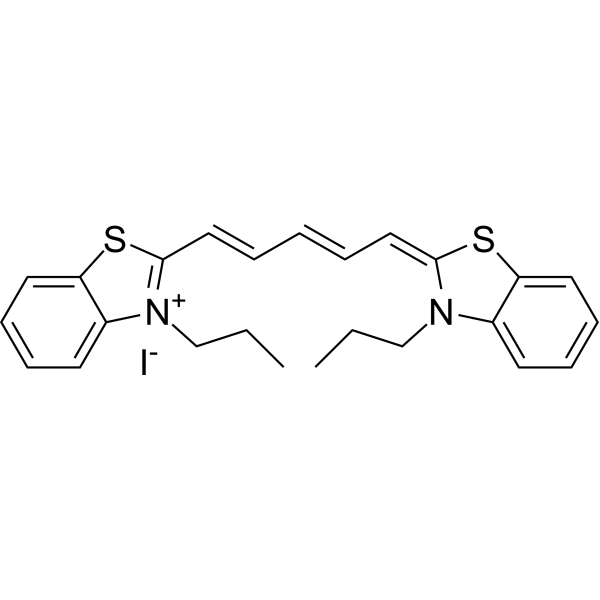
DiSC3(5) is a fluorescent probe commonly used as a tracer dye to evaluate mitochondrial membrane potential. The excitation/emission wavelength of DiSC3(5) is up to 622/670 nm. DiSC3(5) can inhibit the respiratory system associated with mitochondrial NAD, and the IC50 value is 8 μM. DiSC3(5) in the presence of Na+/K+-ATPase inhibitor ouabain 2 can induce membrane hyperpolarization of Ehrlich ascites tumor cells.
Nur für Forschungszwecke. Wir verkaufen nicht an Patienten.
- Reinheit : 99.46%
- CAS. Nr.: 53213-94-8
- Formel: C25H27IN2S2
- Molecular Weight:546.53
-
Speicherung:
4°C, sealed storage, away from moisture and light
* In solvent : -80°C, 6 months; -20°C, 1 month (sealed storage, away from moisture and light)

To place orders, for customer services and technical support, please contact: MedChemExpress USA
Tel: 609-228-6898 E-mail: [email protected] [email protected]


-
 Biologische Aktivität
-
Chemical Information
-
Lösungsmittel & Löslichkeit
- Protokoll
- Reinheit & Dokumentation
- Verweise
-
 Help & FAQs


-

HY-D0080
LaurdanFluorescent Probe -

HY-W009756
N-Phenyl-1-naphthylamineFluorescence Probe -
HY-100941
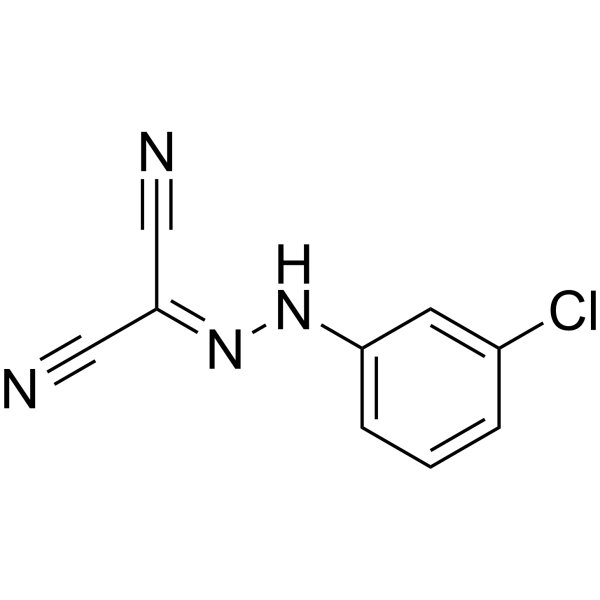
CCCPOXPHOS Uncoupler -
HY-D0815
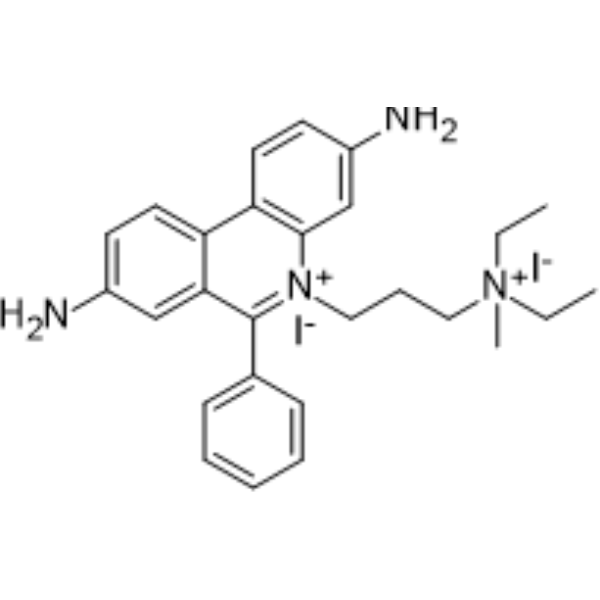
Propidium IodideFluorochrome -
HY-D0940
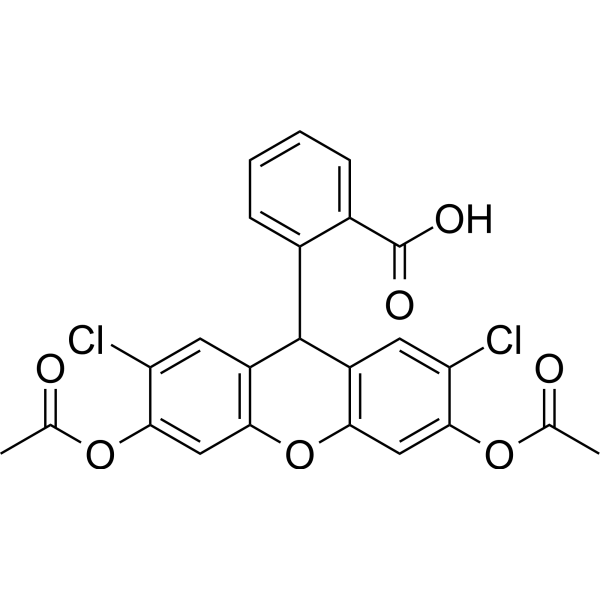
H2DCFDAROS-Sensitive Probe -
HY-W040258
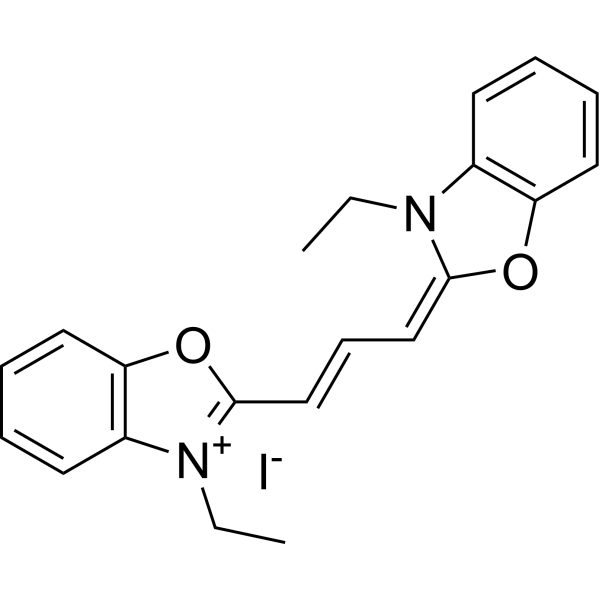
3,3'-Diethyloxacarbocyanine iodideMicroviscosity Fluorescent Probe -
HY-10219
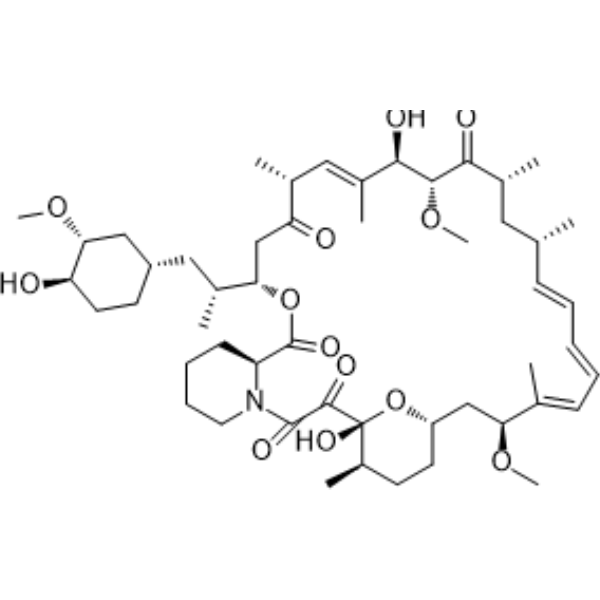
RapamycinmTOR Inhibitor -

HY-DY1021
DiSC3(5) (solution)Fluorescent Probe -
HY-N6693
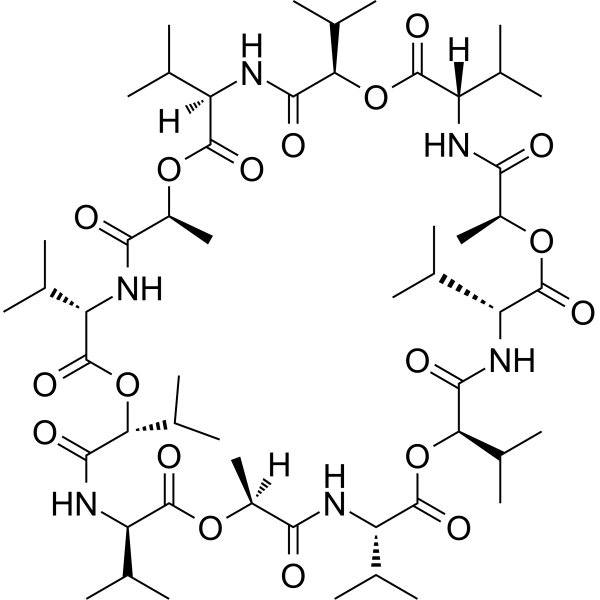
ValinomycinAntibiotic -
HY-15926
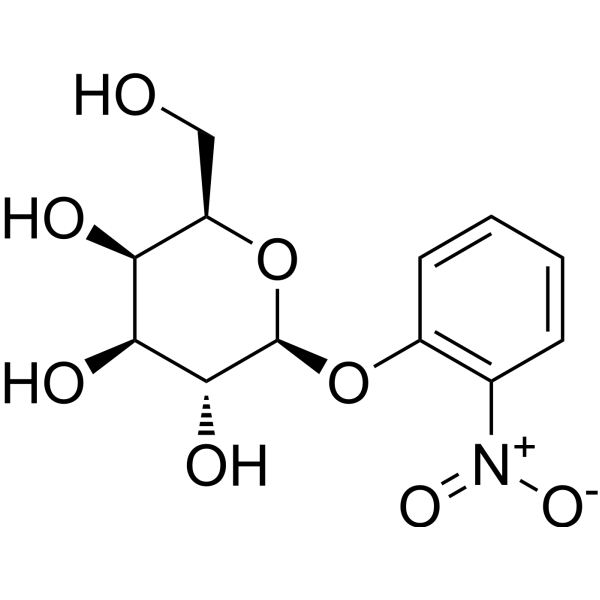
ONPGβ-Galactosidase Substrate -
HY-P1607
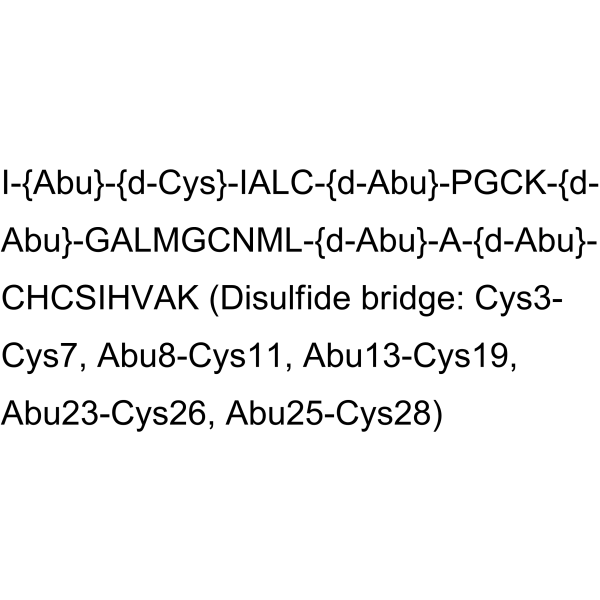
NisinBacterial Peptide -
HY-D0986
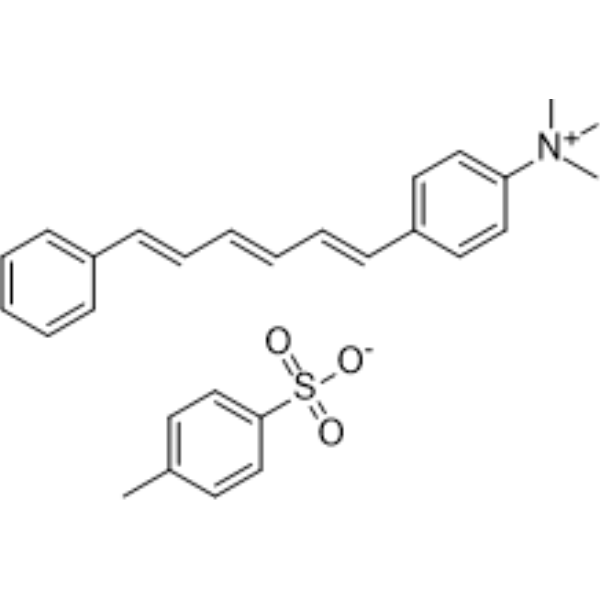
TMA-DPHMembrane Fluidity Fluorescent Probe
Publications Citing Use of MedChemExpress (MCE) DiSC3(5)
More- Adv Funct Mater. 2026 Jun 12.
- Chem Eng J. 2026 Jun 13.
- Adv Healthc Mater. 2026 Jun 22:e71366. [Abstract]
- Adv Healthc Mater. 2026 Jun;15(23):e71181. [Abstract]
- Food Res Int. 2026 Sep 30:240:119554. [Abstract]
- Int J Biol Macromol. 2026 Jan:336:149288. [Abstract]
- ACS Appl Mater Interfaces. 2025 Sep 3;17(35):49165-49182. [Abstract]
- ACS Appl Mater Interfaces. 2024 Jun 19;16(24):30833-30846. [Abstract]
- Cell Rep. 2025 Sep 2;44(9):116215. [Abstract]
- PLoS Biol. 2026 Aug 25;24(8):e3003932.
- Virulence. 2026 Dec 31;17(1):2646808. [Abstract]
- Gels. 2025 Jan 13;11(1):63. [Abstract]
- Biomacromolecules. 2024 Aug 12;25(8):5138-5148. [Abstract]
- Int J Food Microbiol. 2025 Mar 2:431:111084. [Abstract]
- Int J Mol Sci. 2024 Sep 15;25(18):9949. [Abstract]
- Antibiotics (Basel). 2024 Sep 13;13(9):882. [Abstract]
- BMC Microbiol. 2025 Nov 11;25(1):728. [Abstract]
- ACS Omega. 2026 Feb 9;11(7):12450-12460. [Abstract]
- Int J Antimicrob Agents. 2024 Nov;64(5):107338. [Abstract]
- Microorganisms. 2026 Aug 14;14(8):1792.
- AMB Express. 2024 Dec 24;14(1):141. [Abstract]
- SSRN. 2026 Jul 11.
- SSRN. 2025 Dec 22.
 Customer Validation & Images

-
Bio/Physico-chemical Assay
-
Bio/Physico-chemical Assay
-
Bio/Physico-chemical Assay
-
Bio/Physico-chemical Assay
-
Bio/Physico-chemical Assay


Biologische Aktivität
Beschreibung
In Vitro
Guide (The following is our recommended protocol. This protocol is only a guide and should be modified according to your specific needs).
1. Preparation of DiSC3(5) membrane staining solution:
1.1 Preparation of DMSO or EtOH reserve solution: The reserve solution should be prepared in DMSO or EtOH at 1-5 mM.
Note 1) : The unused portion of the reserve solution should be stored at -20 ° C. Avoid repeated freezing/thawing cycles.
1.2 Prepare the working solution: Dilute the reserve solution into a suitable buffer, such as serum-free medium, HBSS or PBS, to make a working solution of 1 to 5 uM.
Note 2) : For different cell types and/or experimental conditions, the concentration of the working solution should be determined according to experience. It is recommended to test at concentrations at least in excess of the ten-fold range.
2. Dye the cells into a suspension:
2.1 The suspended cell density in the dye working solution was 1×10⁶/ mL.
2.2 Incubate at 37°C for 2-20 minutes. The culture time depends on the cell type. It is incubated first for 20 minutes and then optimized as needed to obtain even labeling.
2.3 Centrifuge the labeled suspension tubes at 1000 to 1500rpm for 5 minutes.
2.4 Remove the supernatant and gently re-suspend the cells in a preheated (37°C) growth medium.
2.5 Wash twice according to steps 2.3 and 2.4.
3. Staining adherent cells:
3.1 The adherent cells were cultured on a sterile glass cover slide.
3.2 Remove the cover glass from the growth medium and gently drain the excess medium. Place the cover glass in the humidity box.
3.3 Transfer the 100 μL dye working solution to the corner of the cover glass and stir gently until all cells are covered.
3.4 Incubate the cover glass at 37°C for 2-20 minutes. The culture time varies according to cell type. Incubation is started for 20 minutes and then optimized as needed to obtain even labeling.
3.5 Drain the dye working solution and clean the cover glass with growth medium two to three times. For each wash cycle, cover the cells with preheated growth medium, incubate for 5-10 minutes, and then drain the medium.
4. Microscope inspection.
5. Flow cytometry detection:
Dis-labeled cells can be analyzed using conventional FL3 flow cytometry detection channels.
MedChemExpress (MCE) has not independently confirmed the accuracy of these methods. They are for reference only. Further protocols information, click here.
Emission (Em)
670
Excitation (Ex)
622


Chemical Information
-
CAS. Nr. 53213-94-8
-
Appearance Solid
-
Molecular Weight 546.53
-
Formel C25H27IN2S2
-
Color Blue to dark blue
-
SMILES
CCCN1/C(SC2=CC=CC=C12)=C\C=C\C=C\C3=[N+](CCC)C4=CC=CC=C4S3.[I-]
-
Versand
Room temperature in continental US; may vary elsewhere.
-
Speicherung
4°C, sealed storage, away from moisture and light
* In solvent : -80°C, 6 months; -20°C, 1 month (sealed storage, away from moisture and light)


Publications (23)
-
Journal Impact Factor
-
Most Recent
-
-
-
Adv Healthc Mater
Orthogonal Design of a Guanidinocarbonyl Pyrrole-Functionalized Pillar[5]arene-Based Adjuvant for Synergistic Antibacterial Therapy. [Abstract]2026 Jun 22:e71366. PMID: 42328824 -
Adv Healthc Mater
A Triple-Modal "One-Stone-for-Three-Birds" Strategy: Breaking Ocular Barriers to Combat Bacterial Keratitis With Antibacterial, Antioxidant and Anti-Inflammatory. [Abstract]2026 Jun;15(23):e71181. PMID: 42003837 -
Food Res Int
Synergistic inhibition mechanism of slightly acidic electrolyzed water combined with ε-polylysine hydrochloride against Pseudomonas fluorescens. [Abstract]2026 Sep 30:240:119554. PMID: 42409517 -
Int J Biol Macromol
Bacteriophage lysin P26ly combats multidrug-resistant Escherichia coli O157 and methicillin-resistant Staphylococcus aureus via cell wall degradation and membrane disruption. [Abstract]2026 Jan:336:149288. PMID: 41317755 -
ACS Appl Mater Interfaces
Synergistic Antibacterial Strategy of AIEgens Photosensitizer CPTQ for Photodynamic Therapy and Ferroptosis-like Bacterial Death to Prevent Dental Caries. [Abstract]2025 Sep 3;17(35):49165-49182. PMID: 40849884 -
ACS Appl Mater Interfaces
Membrane-Anchored Aggregation-Induced Emission Luminogens: Accurate Labeling and Efficient Photodynamic Inactivation of Streptococcus mutans in Anticaries Therapy. [Abstract]2024 Jun 19;16(24):30833-30846. PMID: 38842123 -
Cell Rep
2025 Sep 2;44(9):116215. PMID: 40906555 -
-
Virulence
Antibacterial efficacy and mechanism of the novel antimicrobial peptide lachnospirin-1 against Acinetobacter baumannii. [Abstract]2026 Dec 31;17(1):2646808. PMID: 41838520 -
Gels
Self-Assembled Peptide Hydrogels PPI45 and PPI47: Novel Drug Candidates for Staphylococcus aureus Infection Treatment. [Abstract]2025 Jan 13;11(1):63. PMID: 39852034
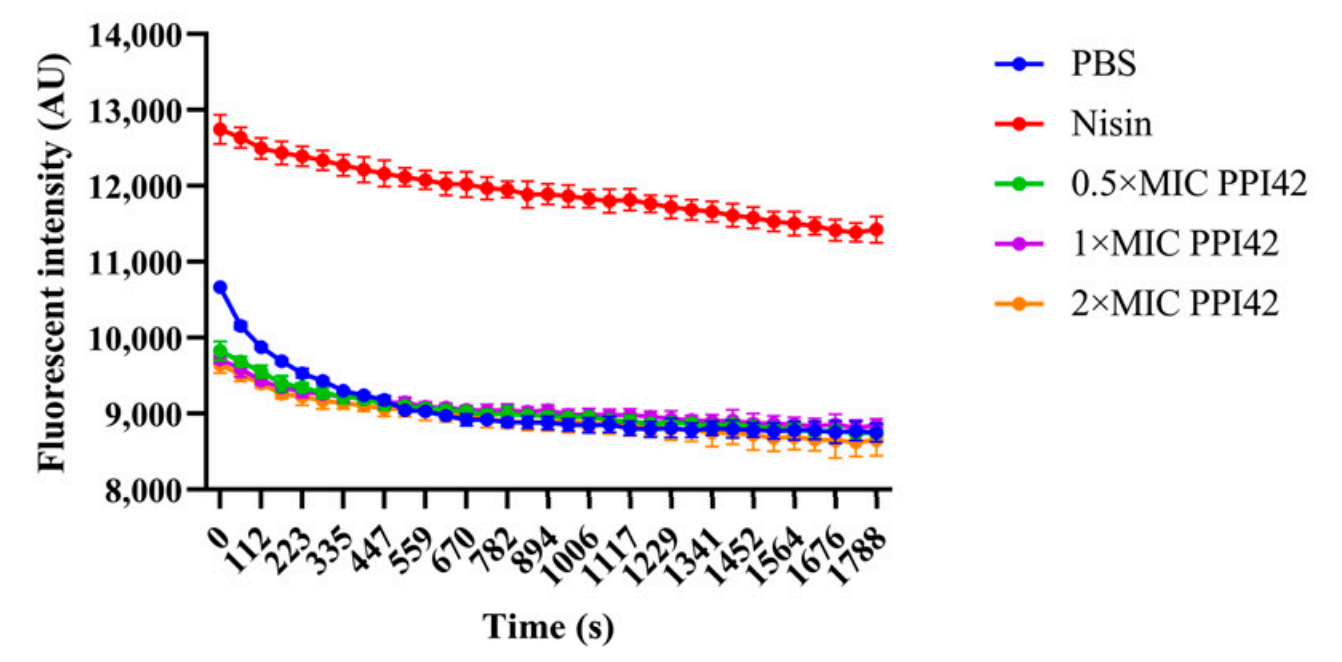
DiSC3(5) purchased from MedChemExpress. Usage Cited in: Gels. 2025 Jan 13;11(1):63. [Abstract]
Effects of PPI42 (1× MIC) on the membrane potential of S. aureus ATCC 43300. The fluorescent probe DiSC3(5) (0.5 mM) was co-incubated with PBS (108 CFU/mL) of S. aureus for 30 min at 37℃.
-
Biomacromolecules
Film-Forming Capability and Antibacterial Activity of Surface-Deacetylated Chitin Nanocrystals: Role of Degree of Deacetylation. [Abstract]2024 Aug 12;25(8):5138-5148. PMID: 39007299 -
Int J Food Microbiol
Antibacterial activity and multi-target mechanism of harmane against Escherichia coli O157:H7 and its application on ready-to-eat leafy greens. [Abstract]2025 Mar 2:431:111084. PMID: 39862743 -
Int J Mol Sci
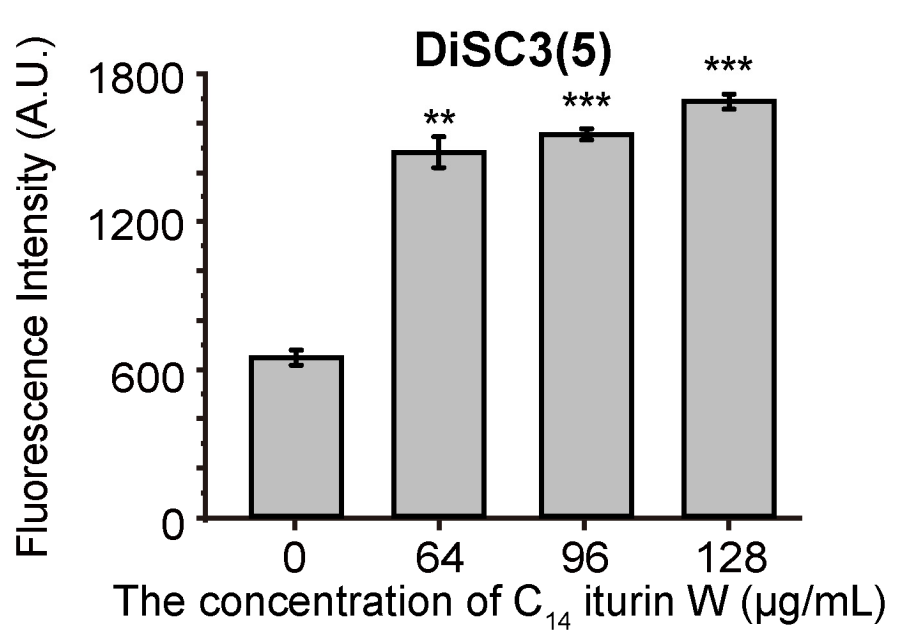
Transcriptomic and Biochemical Analysis of the Antimicrobial Mechanism of Lipopeptide Iturin W against Staphylococcus aureus. [Abstract]2024 Sep 15;25(18):9949. PMID: 39337437
DiSC3(5) purchased from MedChemExpress. Usage Cited in: Int J Mol Sci. 2024 Sep 15;25(18):9949. [Abstract]
Overnight-cultured Staphylococcus aureus cells were diluted with fresh LB medium to an OD600 of 0.3. The diluted cells were then mixed with 10 μM DiSC3(5) and aliquoted into black-bottomed 96-well plates. The mixture was incubated at room temperature until the fluorescence value stabilized. Then, different concentrations of C14 iturobrine W were added, and incubation was continued for 30 minutes. The membrane potential changes induced by different concentrations of C14 iturobrine W were detected.
-
Antibiotics (Basel)
2024 Sep 13;13(9):882. PMID: 39335055 -
BMC Microbiol
YZ462 exhibits potent antibacterial activity against methicillin-resistant Staphylococcus aureus through bacterial membrane disruption. [Abstract]2025 Nov 11;25(1):728. PMID: 41219701
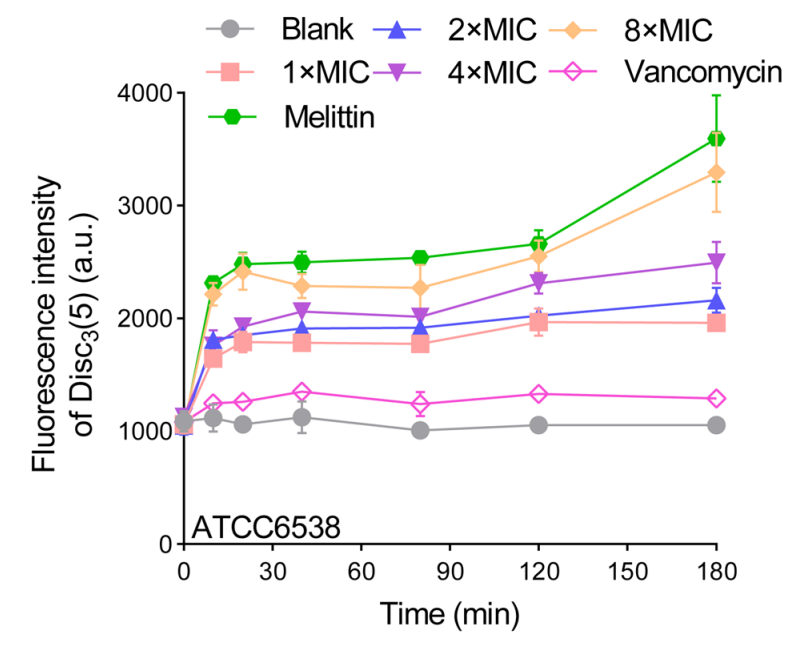
DiSC3(5) purchased from MedChemExpress. Usage Cited in: BMC Microbiol. 2025 Nov 11;25(1):728. [Abstract]
Real-time monitoring of inner membrane potential changes in S. aureus ATCC6538 using DiSC3(5) (0.4 μM, 60 min) probe. The blank control was bacteria without drug treatment, and melittin was used as a positive control.
DiSC3(5) purchased from MedChemExpress. Usage Cited in: BMC Microbiol. 2025 Nov 11;25(1):728. [Abstract]
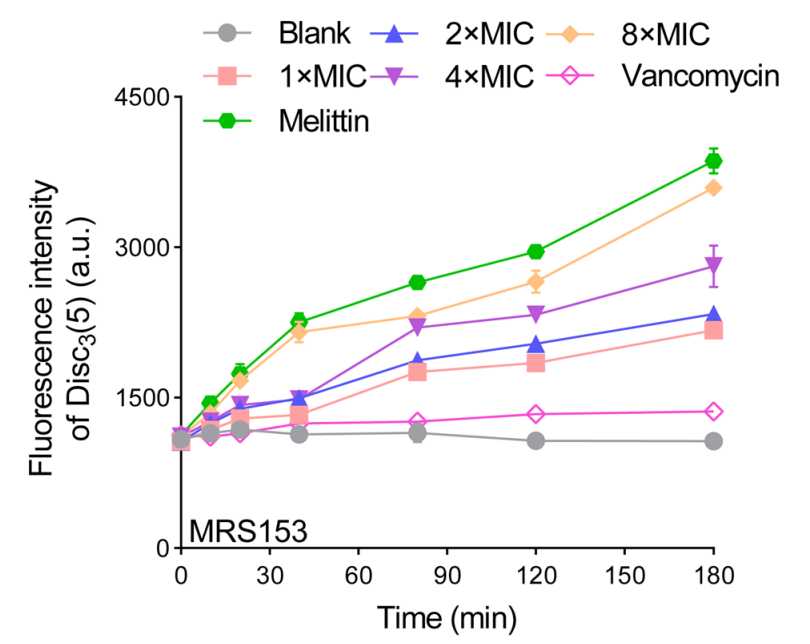
Real-time monitoring of inner membrane potential changes in S. aureus MRS153 using DiSC3(5) (0.4 μM, 60 min) probe. The blank control was bacteria without drug treatment, and melittin was used as a positive control.
-
ACS Omega
High-Throughput Screening of FDA-Approved Drugs for Antibacterial and Antibiofilm Activities Against Multidrug-resistant Pseudomonas aeruginosa. [Abstract]2026 Feb 9;11(7):12450-12460. PMID: 41768696 -
Int J Antimicrob Agents
Isobavachalcone enhances sensitivity of colistin-resistant Klebsiella pneumoniae: In vitro and in vivo proof-of-concept studies. [Abstract]2024 Nov;64(5):107338. PMID: 39293773 -
-
AMB Express
Repurposing pinaverium bromide against Staphylococcus and its biofilms with new mechanisms. [Abstract]2024 Dec 24;14(1):141. PMID: 39718732
DiSC3(5) purchased from MedChemExpress. Usage Cited in: AMB Express. 2024 Dec 24;14(1):141. [Abstract]
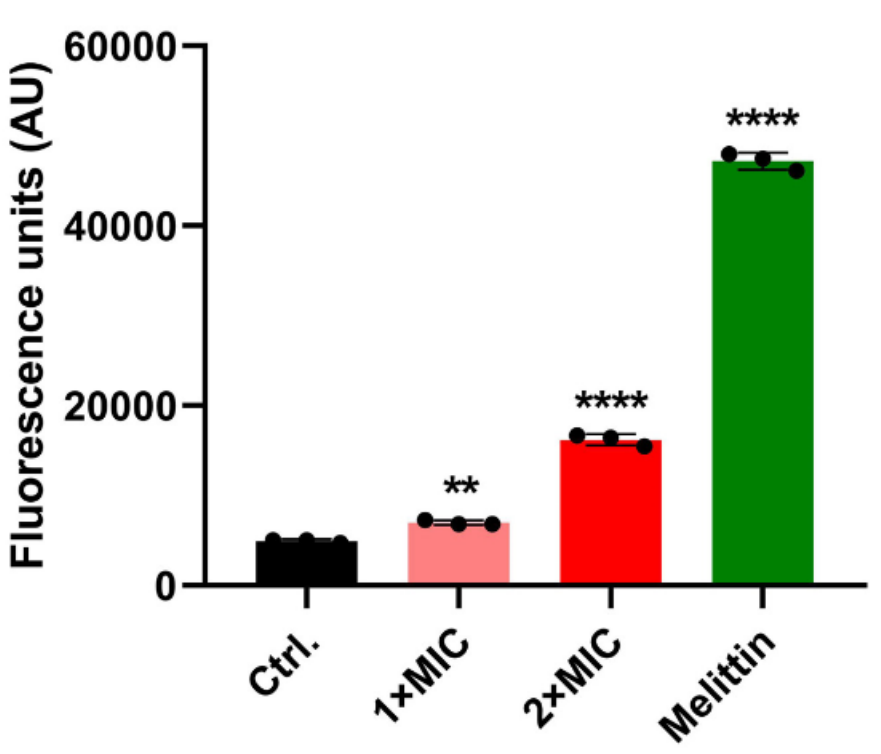
Fluorescence unit quantification of DiSC3(5) (2 μM, 30 min) probe after treated with PVB for 30 s. Melittin (2 µg/mL) was used as control.
-
-


Lösungsmittel & Löslichkeit
In Vitro:
DMSO : 5.83 mg/mL (10.67 mM; ultrasonic and warming and heat to 60°C; Hygroscopic DMSO has a significant impact on the solubility of product, please use newly opened DMSO)
Please refer to the solubility information to select the appropriate solvent. Once prepared, please aliquot and store the solution to prevent product inactivation from repeated freeze-thaw cycles.
Storage method and period of stock solution: -80°C, 6 months; -20°C, 1 month (sealed storage, away from moisture and light). When stored at -80°C, please use it within 6 months. When stored at -20°C, please use it within 1 month.
Please refer to the solubility information to select the appropriate solvent. Once prepared, please aliquot and store the solution to prevent product inactivation from repeated freeze-thaw cycles.
Storage method and period of stock solution: -80°C, 6 months; -20°C, 1 month (sealed storage, away from moisture and light). When stored at -80°C, please use it within 6 months. When stored at -20°C, please use it within 1 month.
Konzentration (Stammlösung) × Volumen (Stammlösung) = Konzentration (Ziellösung) × Volumen (Ziellösung)

Protokoll
-
Mitochondrial membrane-potential fluorescent assay
Mitochondrial membrane potential fluorescent assays estimate ΔΨm in living cells using lipophilic cationic dyes such as TMRM, TMRE, rhodamine 123, and JC-1, which accumulate in mitochondria according to membrane polarization; loss of signal after FCCP or CCCP treatment is interpreted as mitochondrial depolarization. TMRM/TMRE and rhodamine 123 are commonly used for semi-quantitative live-cell microscopy or flow cytometry, while JC-1 can report a shift from red aggregate fluorescence to green monomer fluorescence during depolarization; interpretation requires controls because dye concentration, quenching mode, cell type, dye efflux, and mitochondrial mass can affect fluorescence independently of ΔΨm.
-
Fluorescent plasma-membrane potential dye assay
Fluorescent plasma-membrane potential dye assays measure changes in cell membrane potential using voltage-sensitive dyes whose fluorescence changes when cells depolarize or hyperpolarize. Anionic bis-oxonol dyes such as DiBAC4(3) enter depolarized cells more readily and show increased fluorescence after intracellular binding, while hyperpolarization reduces dye accumulation and fluorescence. FMP/FLIPR membrane-potential dyes are used for faster, homogeneous microplate assays of ion-channel or receptor-mediated membrane-potential changes.
-
Mitochondrial membrane-potential and mitochondrial mass staining
Mitochondrial membrane potential staining measures the electrochemical polarization across the mitochondrial inner membrane in live cells using lipophilic cationic fluorescent probes; early rhodamine-based work showed that selective mitochondrial dye accumulation is lost when the mitochondrial transmembrane potential is dissipated. JC-1 reports mitochondrial polarization by shifting from green monomer fluorescence to red J-aggregate fluorescence as dye concentration increases within energized mitochondria; therefore, the red/green fluorescence ratio is used as a relative readout of mitochondrial membrane potential. TMRE or TMRM staining provides a single-channel relative readout because these cationic rhodamine esters accumulate in polarized mitochondria, and lower fluorescence indicates reduced mitochondrial polarization when acquisition and dye-loading conditions are controlled. Mitochondrial mass staining is commonly performed with MitoTracker Green FM or related MitoTracker dyes as


Reinheit & Dokumentation
-
Data Sheet (275 KB)
-
SDS (394 KB)
- English - EN (394 KB)
- Français - FR (394 KB)
- Deutsch - DE (394 KB)
- Norwegian - NO (394 KB)
- Español - ES (394 KB)
- Swedish - SV (394 KB)
- Italian - IT (394 KB)
- Korean - KR (394 KB)
- Portuguese - PT (394 KB)
-
Handling Instructions (2659 KB)
Verweise
[1]. Yamamoto T, et al. Multiple effects of DiS-C3(5) on mitochondrial structure and function. Eur J Biochem. 2004;271(17):3573-3579. [Content Brief]
[2]. Sims PJ, et al. Studies on the mechanism by which cyanine dyes measure membrane potential in red blood cells and phosphatidylcholine vesicles. Biochemistry. 1974 Jul 30;13(16):3315-30. [Content Brief]
[3]. Smith TC, et al. The effect of the fluorescent probe, 3,3'-dipropylthiodicarbocyanine iodide, on the membrane potential of Ehrlich ascites tumor cells. Biochem Biophys Res Commun. 1980 Jul 31;95(2):722-7. [Content Brief]


Complete Stock Solution Preparation Table
Please refer to the solubility information to select the appropriate solvent. Once prepared, please aliquot and store the solution to prevent product inactivation from repeated freeze-thaw cycles.
Storage method and period of stock solution: -80°C, 6 months; -20°C, 1 month (sealed storage, away from moisture and light). When stored at -80°C, please use it within 6 months. When stored at -20°C, please use it within 1 month.
| Optional Solvent | Concentration Solvent Mass | 1 mg | 5 mg | 10 mg | 25 mg |
|---|---|---|---|---|---|
| DMSO | 1 mM | 1.8297 mL | 9.1486 mL | 18.2973 mL | 45.7431 mL |
| 5 mM | 0.3659 mL | 1.8297 mL | 3.6595 mL | 9.1486 mL | |
| 10 mM | 0.1830 mL | 0.9149 mL | 1.8297 mL | 4.5743 mL |


DiSC3(5) Related Classifications
HY-D0085 Related Classifications
 Powered by Bioz