



AZD-1480 (Standard)
AZD-1480 (Standard) is the analytical standard of AZD-1480 (HY-10193). This product is intended for research and analytical applications. AZD-1480 is an ATP-competitive inhibitor of JAK1 and JAK2 with IC50s of 1.3 nM and <0.4 nM, respectively.
연구목적의 판매만을 진행합니다. 환자를 대상으로 한 판매는 하지 않습니다.
- CAS No.: 935666-88-9
- 화학식: C14H14ClFN8
- 분자량:348.77
-
보관:
Please store the product under the recommended conditions in the Certificate of Analysis.


To place orders, for customer services and technical support, please contact: MedChemExpress USA
Tel: 609-228-6898 E-mail: [email protected] [email protected]


-
 Product Information
-
Chemical Information
- 순도&문서
-
 Help & FAQs


-
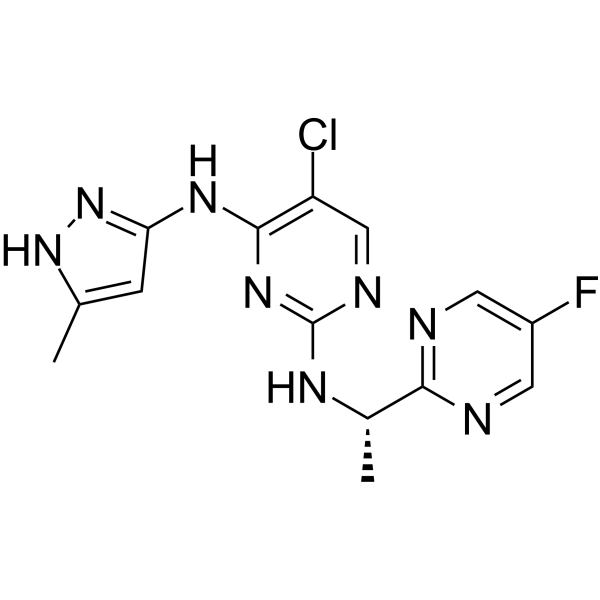
HY-10193
AZD-1480JAK1/2 Inhibitor -
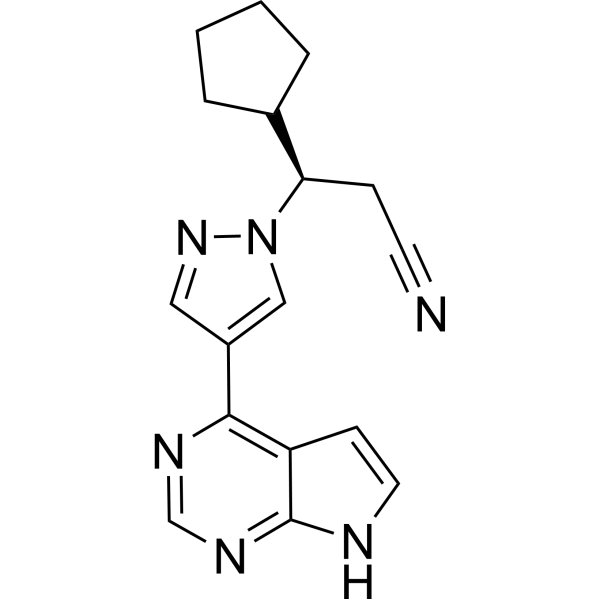
HY-50856
RuxolitinibJAK1/2 Inhibitor -
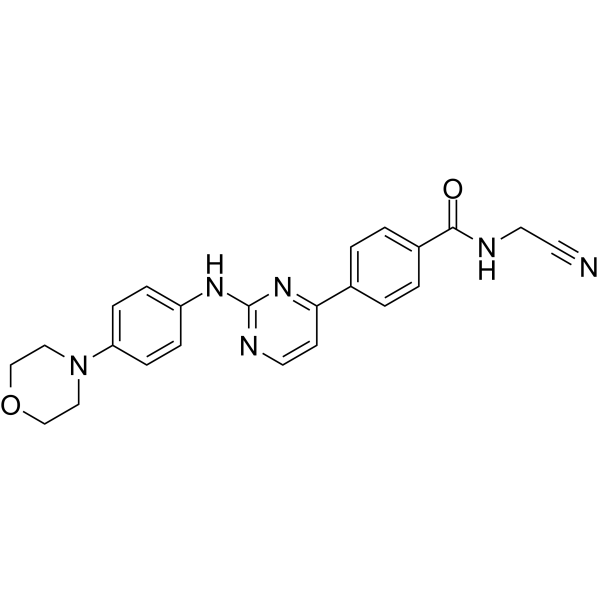
HY-10961
MomelotinibJAK1/2 Inhibitor -
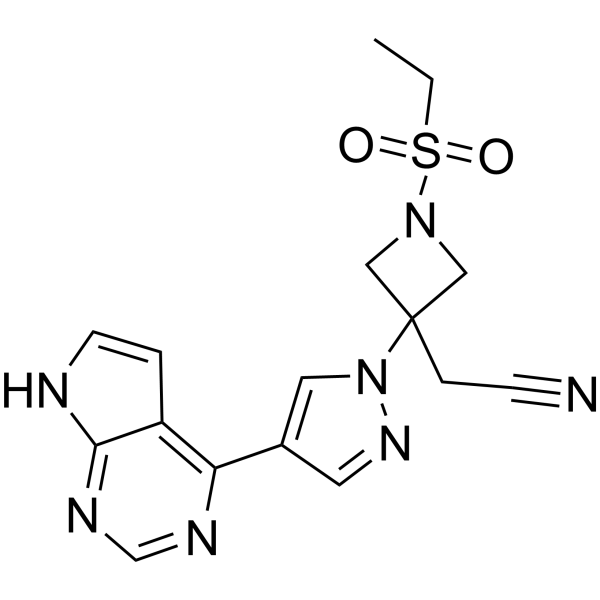
HY-15315
BaricitinibJAK1/2 Inhibitor -
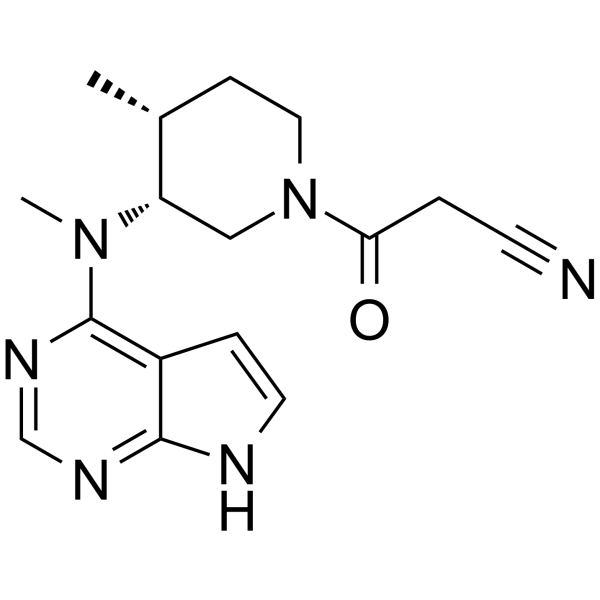
HY-40354
TofacitinibJAK1/JAK3 Inhibitor -
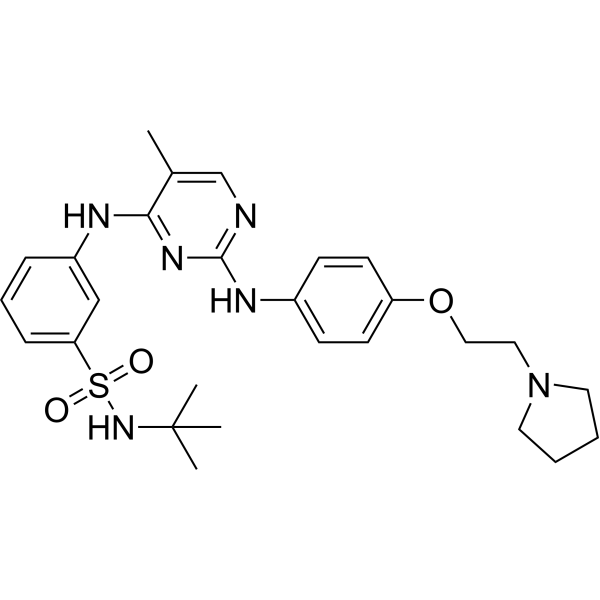
HY-10409
FedratinibJAK2 Inhibitor -
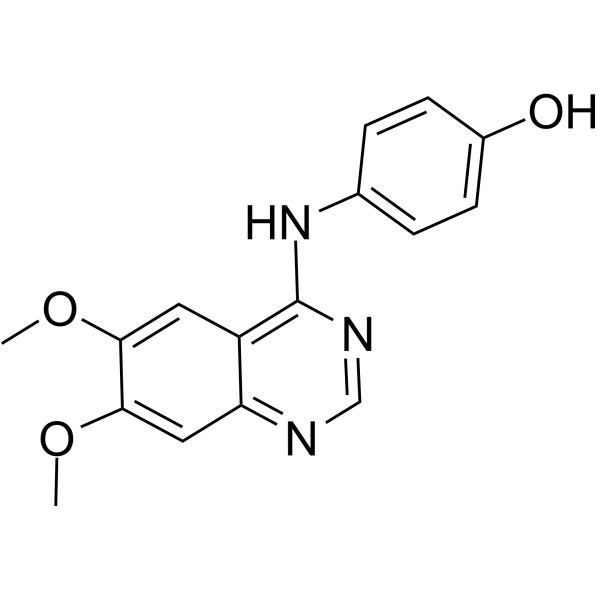
HY-15508
JANEX-1JAK Inhibitor -

HY-50856R
Ruxolitinib (Standard)JAK1/2 Inhibitor -
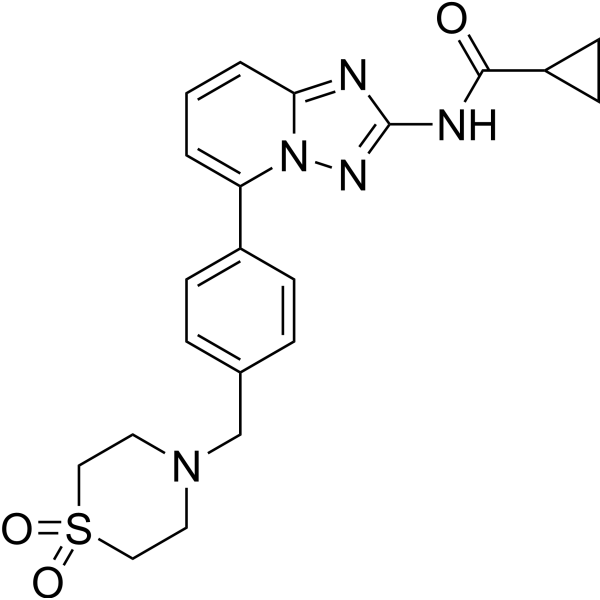
HY-18300
FilgotinibJAK1 Inhibitor -
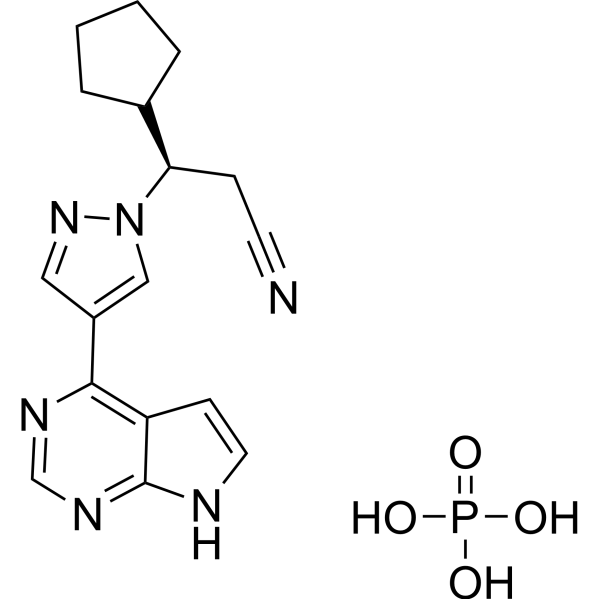
HY-50858
Ruxolitinib phosphateJAK1/2 Inhibitor -
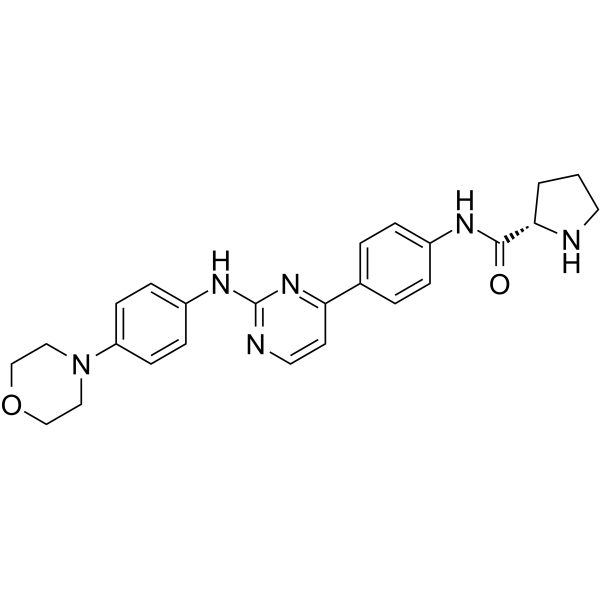
HY-13775
XL019JAK2 Inhibitor -
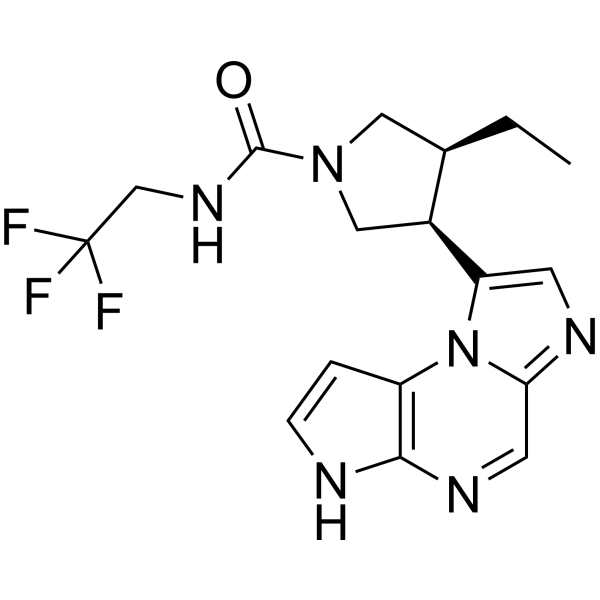
HY-19569
UpadacitinibJAK1 Inhibitor


Product Information
Information
신청
The compound is the grade of analytical standard, which is the reference standard supplied assay. It is commonly used in qualitative, quantitative and methodological research experiments in HPLC, GC and MS.


Chemical Information
-
CAS No. 935666-88-9
-
분자량 348.77
-
화학식 C14H14ClFN8
-
SMILES
ClC1=C(N=C(N=C1)N[C@@H](C)C2=NC=C(C=N2)F)NC3=NNC(C)=C3
-
선적
Room temperature in continental US; may vary elsewhere.
-
보관
Please store the product under the recommended conditions in the Certificate of Analysis.


순도&문서
References
[1]. Derenzini E, et al. The JAK inhibitor AZD1480 regulates proliferation and immunity in Hodgkin lymphoma. Blood Cancer J. 2011 Dec;1(12):e46. [Content Brief]
[2]. Scuto A, et al. The novel JAK inhibitor AZD1480 blocks STAT3 and FGFR3 signaling, resulting in suppression of human myeloma cell growth and survival. Leukemia. 2011 Mar;25(3):538-50. [Content Brief]
[3]. McFarland BC, et al. Therapeutic potential of AZD1480 for the treatment of human glioblastoma. Mol Cancer Ther. 2011 Dec;10(12):2384-93. [Content Brief]
[4]. Xin H, et al. Antiangiogenic and antimetastatic activity of JAK inhibitor AZD1480. Cancer Res. 2011 Nov 1;71(21):6601-10. [Content Brief]
[5]. Hedvat M, et al. The JAK2 inhibitor AZD1480 potently blocks Stat3 signaling and oncogenesis in solid tumors. Cancer Cell. 2009 Dec 8;16(6):487-9 [Content Brief]
[6]. Ni J, et al. Tyrosine receptor kinase B is a drug target in astrocytomas. Neuro Oncol. 2017 Jan;19(1):22-30. [Content Brief]

Calculators
Concentration (start) × Volume (start) = Concentration (final) × Volume (final)


AZD-1480 (Standard) Related Classifications
HY-10193R Related Classifications
 Powered by Bioz