



Mimosine
Based on 6 publication(s) in Google Scholar
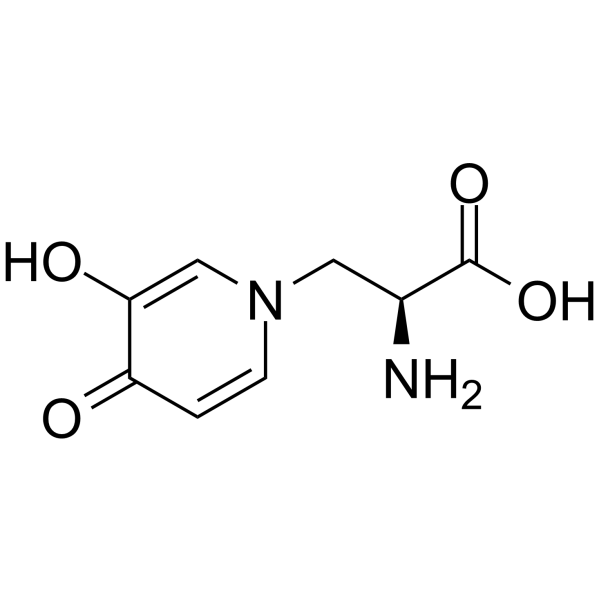
Mimosine, a tyrosine analog , can act as an antioxidant by its potent iron-binding activity. Mimosine is a known chelator of Fe(III). Mimosine induces apoptosis through metal ion chelation, mitochondrial activation and ROS production in human leukemic cells. Anti-cancer, antiinflammation.
For research use only. We do not sell to patients.
- Purity : 99.97%
- CAS No.: 500-44-7
- Formula: C8H10N2O4
- Molecular Weight:198.18
-
Storage:
4°C, protect from light
* In solvent : -80°C, 6 months; -20°C, 1 month (protect from light)

To place orders, for customer services and technical support, please contact: MedChemExpress USA
Tel: 609-228-6898 E-mail: [email protected] [email protected]


-
 Biological Activity
-
Chemical Information
-
Solvent & Solubility
- Protocols
- Purity & Documentation
- References
-
 Help & FAQs


-
HY-N1150
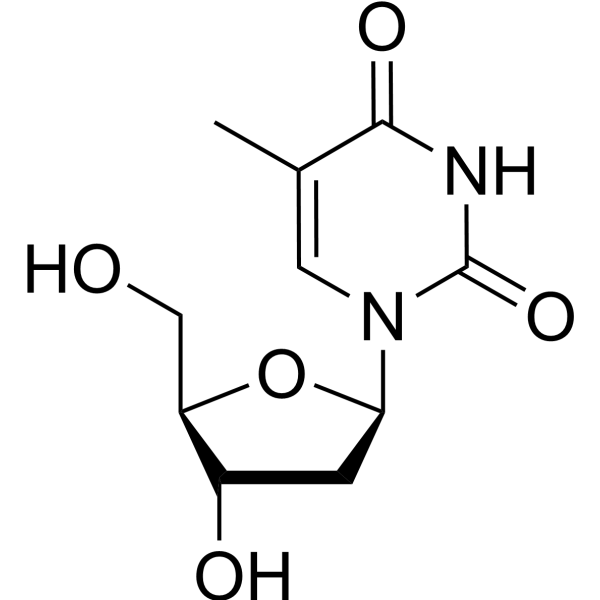
ThymidineDNA Synthesis Inhibitor -
HY-12529
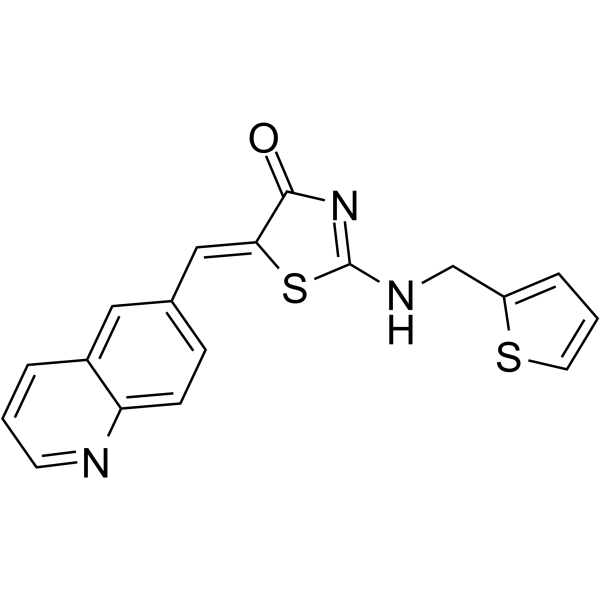
Ro-3306CDK1 Inhibitor -
HY-13520
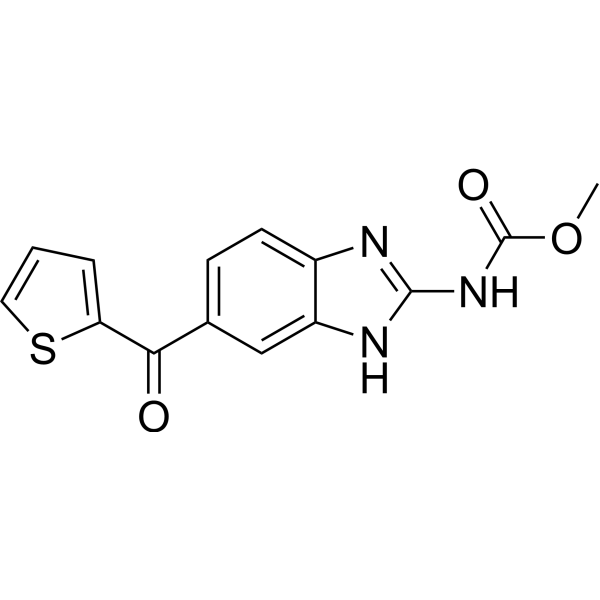
NocodazoleMicrotubule Inhibitor -
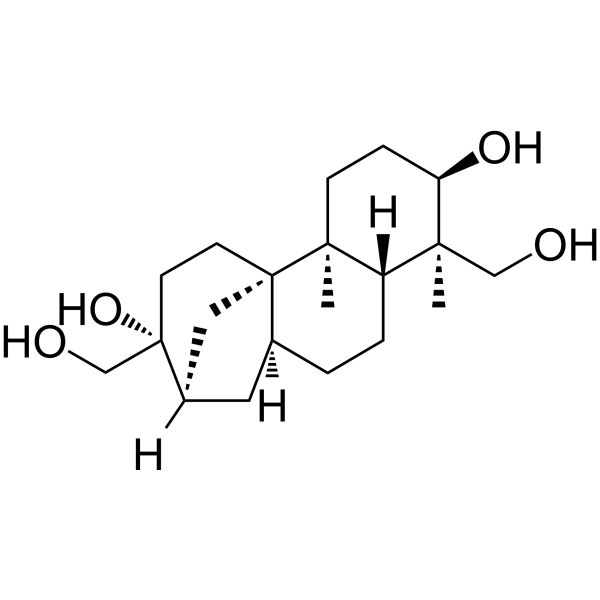
HY-N6733
AphidicolinDNA Polymerase Inhibitor -
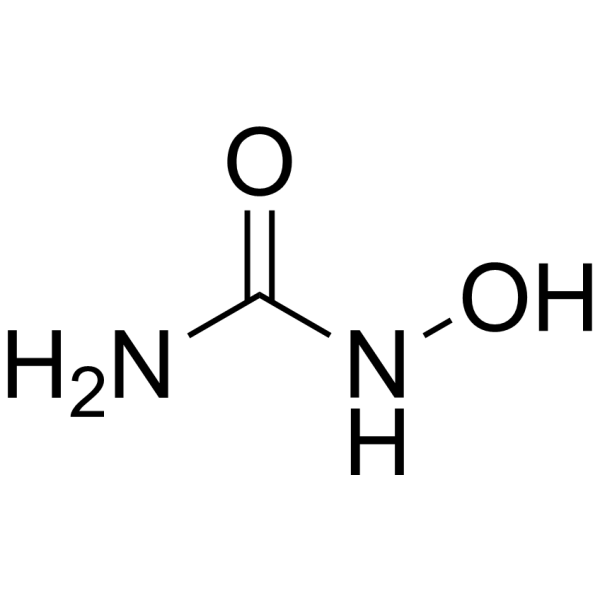
HY-B0313
HydroxyureaRNR Inhibitor -
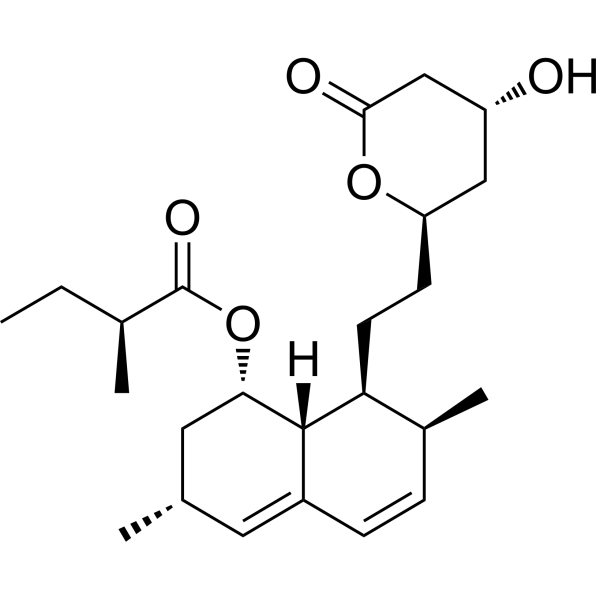
HY-N0504
LovastatinHMG-CoA Inhibitor -
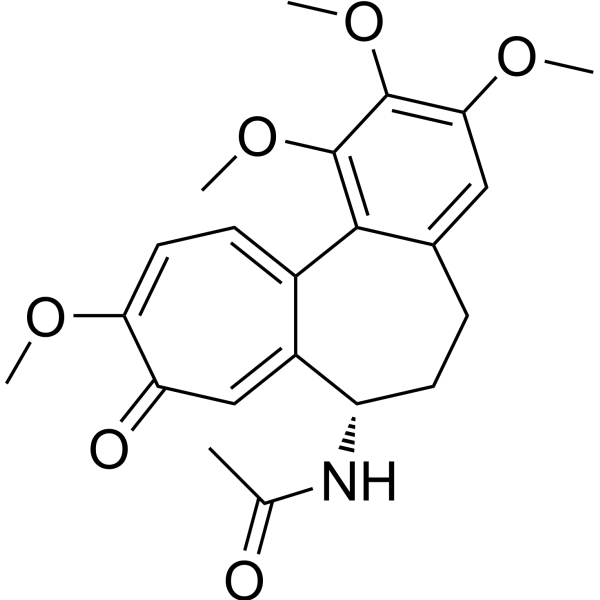
HY-16569
ColchicineTubulin Inhibitor -
HY-13259
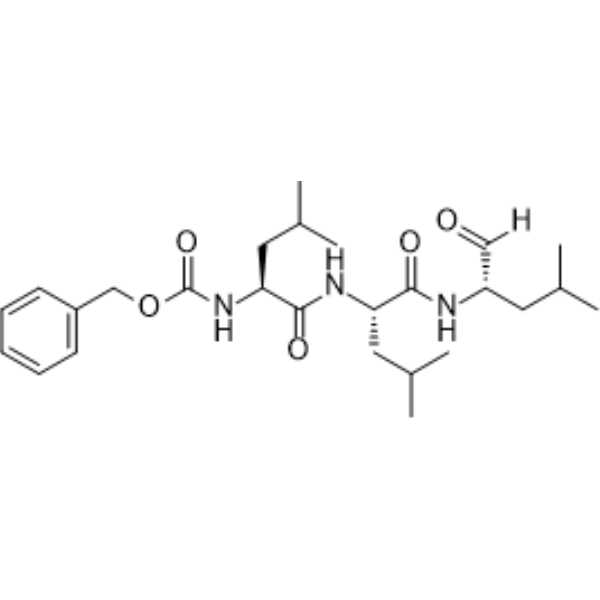
MG-132Proteasome Inhibitor -
HY-50767
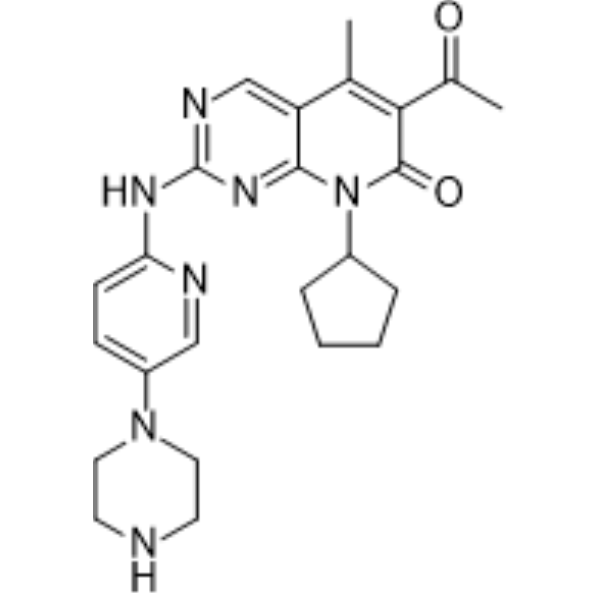
PalbociclibCDK4/6 Inhibitor -
HY-18739
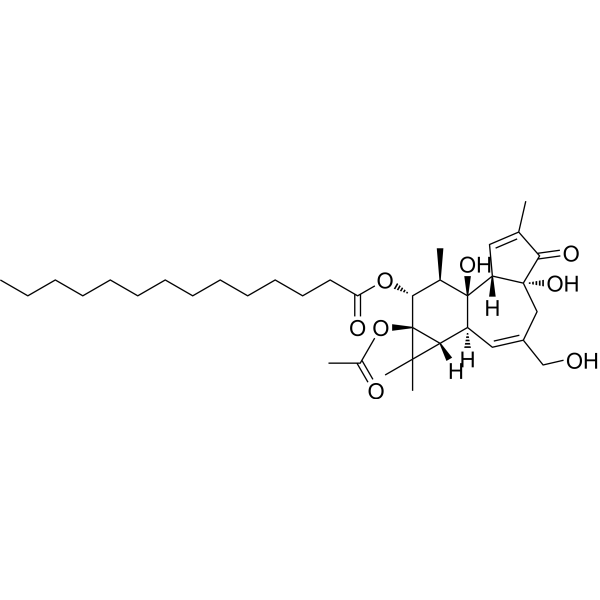
Phorbol 12-myristate 13-acetatePKC Activator -
HY-17565
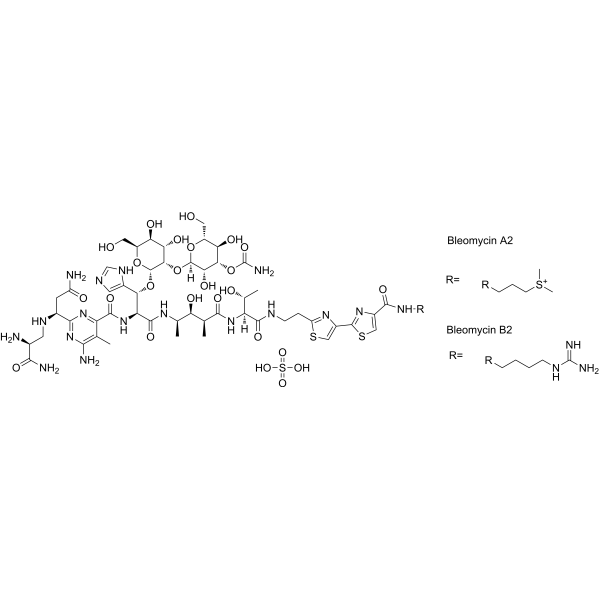
Bleomycin sulfateDNA Synthesis Inhibitor -
HY-10999
TrametinibMEK Inhibitor
Publications Citing Use of MedChemExpress (MCE) Mimosine
More Customer Validation & Images

-
Flow Cytometry
-
WB


Biological Activity
Description
In Vitro
Mimosine, a known chelator of Fe(III), may facilitate Fe(III) uptake in leucaena by serving as a phytosiderophore[2].
Mimosine, a bidentate iron-binding ligand, may also play a role in cellular translocation of iron within leucaena[2].
Mimosine is a toxic nonprotein amino acid that is a major constituent of the tropical legumesLeucaenaandMimosa[4].
Mimosine (400 μM), through iron chelation, reversibly blocks cell cycle progression in MDA-MB-453 human breast cancer cells[4].
Mimosine (400 μM) reduces DNA synthesis by greater than 90% of control within 4 hr of treatment, and suppresses total proline-directed protein kinase activity to less than 10% of control after 16 hr treatment[4].
MedChemExpress (MCE) has not independently confirmed the accuracy of these methods. They are for reference only.
In Vivo
MedChemExpress (MCE) has not independently confirmed the accuracy of these methods. They are for reference only.
-
Animal Model:ICR male mice (6-8 weeks)[5]
-
Dosage:15, 30, or 60 mg/kg
-
Administration:Injected (i.p.) for 7 consecutive days
-
Result:Could significantly reduce sperm concentration as compared to the control or low dose mimosine group (15 mg/kg) at doses of 30 and 60 mg/kg.


Chemical Information
-
CAS No. 500-44-7
-
Appearance Solid
-
Molecular Weight 198.18
-
Formula C8H10N2O4
-
Color Off-white to light yellow
-
SMILES
OC([C@@H](N)CN1C=CC(C(O)=C1)=O)=O
-
Structure Classification
-
Initial Source
-
Shipping
Room temperature in continental US; may vary elsewhere.
-
Storage
4°C, protect from light
* In solvent : -80°C, 6 months; -20°C, 1 month (protect from light)


Publications (6)
-
Journal Impact Factor
-
Most Recent
-
-
Cell Death Dis
TUFT1 regulates cancer progression by suppressing centrosome amplification and mitotic spindle multipolarity. [Abstract]2025 Sep 29;16(1):673. PMID: 41022752 -
PLoS Pathog
E2F1 suppresses Epstein-Barr virus lytic reactivation through cellular and viral transcriptional networks. [Abstract]2025 Aug 7;21(8):e1013410. PMID: 40773523
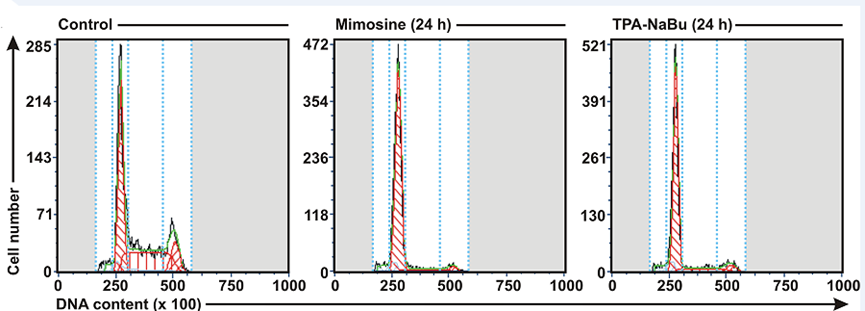
Mimosine purchased from MedChemExpress. Usage Cited in: PLoS Pathog. 2025 Aug 7;21(8):e1013410. [Abstract]
Cell cycle analysis of P3HR1 cells either left untreated or treated with Mimosine (50 μM) or TPA-NaBu for 24 h.
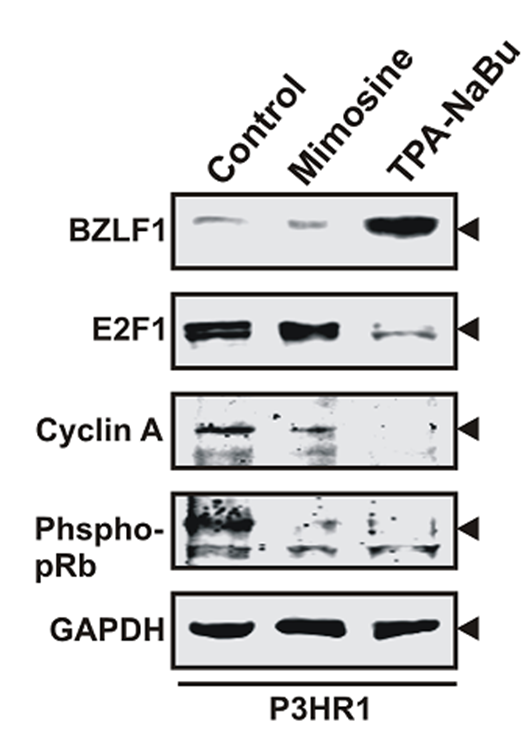
Mimosine purchased from MedChemExpress. Usage Cited in: PLoS Pathog. 2025 Aug 7;21(8):e1013410. [Abstract]
Immunoblot analysis of P3HR1 cells either left untreated or treated with Mimosine (50 μM) or TPA-NaBu for 24 h.
-
-
-


Solvent & Solubility
In Vitro:
H2O : 16.67 mg/mL (84.12 mM; ultrasonic and warming and adjust pH to 2 with 1 M HCl and heat to 60°C)
H2O : 5.56 mg/mL (28.06 mM; ultrasonic and warming and heat to 60°C)
Please refer to the solubility information to select the appropriate solvent. Once prepared, please aliquot and store the solution to prevent product inactivation from repeated freeze-thaw cycles.
Storage method and period of stock solution: -80°C, 6 months; -20°C, 1 month (protect from light). When stored at -80°C, please use it within 6 months. When stored at -20°C, please use it within 1 month.
* Note: If you choose water as the stock solution, please dilute it to the working solution, then filter and sterilize it with a 0.22 μm filter before use.
Please refer to the solubility information to select the appropriate solvent. Once prepared, please aliquot and store the solution to prevent product inactivation from repeated freeze-thaw cycles.
Storage method and period of stock solution: -80°C, 6 months; -20°C, 1 month (protect from light). When stored at -80°C, please use it within 6 months. When stored at -20°C, please use it within 1 month.
* Note: If you choose water as the stock solution, please dilute it to the working solution, then filter and sterilize it with a 0.22 μm filter before use.
Concentration (start) × Volume (start) = Concentration (final) × Volume (final)
In Vivo:
For the following dissolution methods, please prepare the working solution directly:
It is recommended to prepare fresh solutions and use them promptly within a short period of time.
The percentages shown for the solvents indicate their volumetric ratio in the final prepared solution. If precipitation or phase separation occurs during preparation, heat and/or sonication can be used to aid dissolution.
Add each solvent one by one: PBS
Solubility: 2 mg/mL (10.09 mM); Clear solution; Need ultrasonic


Purity & Documentation
-
Data Sheet (275 KB)
-
SDS (393 KB)
- English - EN (393 KB)
- Français - FR (393 KB)
- Deutsch - DE (393 KB)
- Norwegian - NO (393 KB)
- Español - ES (393 KB)
- Swedish - SV (393 KB)
- Italian - IT (393 KB)
- Korean - KR (393 KB)
- Portuguese - PT (393 KB)
-
Handling Instructions (2659 KB)
References
[1]. Keiko Murakami, et al. Generation of reactive oxygen species by hydroxypyridone compound/iron complexes. Redox Rep. 2020 Dec;25(1):59-63. [Content Brief]
[2]. Michael D H Honda, et al. Mimosine facilitates metallic cation uptake by plants through formation of mimosine-cation complexes.Plant Mol Biol. 2020 Mar;102(4-5):431-445. [Content Brief]
[4]. K S Kulp, et al. Mimosine blocks cell cycle progression by chelating iron in asynchronous human breast cancer cells. Toxicol Appl Pharmacol. 1996 Aug;139(2):356-64. [Content Brief]


Complete Stock Solution Preparation Table
Please refer to the solubility information to select the appropriate solvent. Once prepared, please aliquot and store the solution to prevent product inactivation from repeated freeze-thaw cycles.
Storage method and period of stock solution: -80°C, 6 months; -20°C, 1 month (protect from light). When stored at -80°C, please use it within 6 months. When stored at -20°C, please use it within 1 month.
| Optional Solvent | Concentration Solvent Mass | 1 mg | 5 mg | 10 mg | 25 mg |
|---|---|---|---|---|---|
| H2O / H2O | 1 mM | 5.0460 mL | 25.2298 mL | 50.4597 mL | 126.1492 mL |
| 5 mM | 1.0092 mL | 5.0460 mL | 10.0919 mL | 25.2298 mL | |
| 10 mM | 0.5046 mL | 2.5230 mL | 5.0460 mL | 12.6149 mL | |
| 15 mM | 0.3364 mL | 1.6820 mL | 3.3640 mL | 8.4099 mL | |
| 20 mM | 0.2523 mL | 1.2615 mL | 2.5230 mL | 6.3075 mL | |
| 25 mM | 0.2018 mL | 1.0092 mL | 2.0184 mL | 5.0460 mL | |
| H2O | 30 mM | 0.1682 mL | 0.8410 mL | 1.6820 mL | 4.2050 mL |
| 40 mM | 0.1261 mL | 0.6307 mL | 1.2615 mL | 3.1537 mL | |
| 50 mM | 0.1009 mL | 0.5046 mL | 1.0092 mL | 2.5230 mL | |
| 60 mM | 0.0841 mL | 0.4205 mL | 0.8410 mL | 2.1025 mL | |
| 80 mM | 0.0631 mL | 0.3154 mL | 0.6307 mL | 1.5769 mL |
* Note: If you choose water as the stock solution, please dilute it to the working solution, then filter and sterilize it with a 0.22 μm filter before use.


Mimosine Related Classifications
HY-N0928 Related Classifications
 Powered by Bioz