



Adaptaquin (Standard)
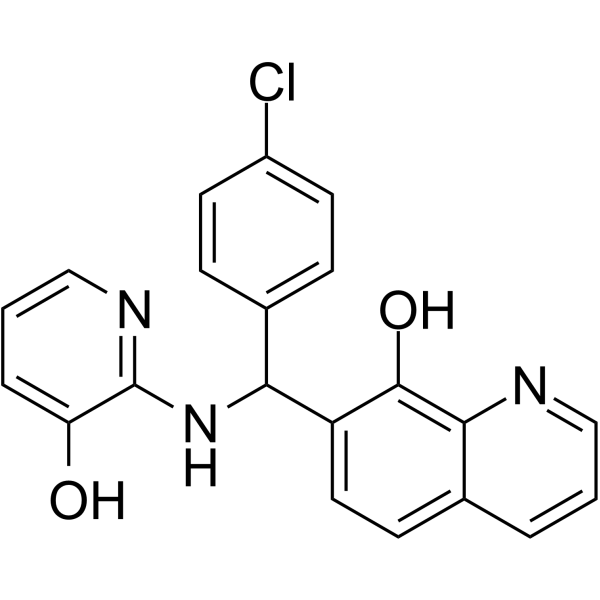
Adaptaquin (Standard) is the analytical standard of Adaptaquin (HY-101449). This product is intended for research and analytical applications. Adaptaquin is a BBB-penetrable HIF-PHDs inhibitor. Adaptaquin has anti-inflammatory and neuroprotective effects. Adaptaquin can effectively inhibit lipid peroxidation, maintain mitochondrial function, and reduce neuronal death. Adaptaquin can be used in the research of nervous system diseases such as Parkinson's disease.
Nos produits utilisent uniquement pour la recherche. Nous ne vendons pas aux patients.
- Pureté : 98%
- CAS No.: 385786-48-1
- Formule: C21H16ClN3O2
- Masse moléculaire:377.82
-
Stockage:
Please store the product under the recommended conditions in the Certificate of Analysis.


To place orders, for customer services and technical support, please contact: MedChemExpress USA
Tel: 609-228-6898 E-mail: [email protected] [email protected]


-
 Product Information
-
Chemical Information
- Pureté et documentation
-
 Help & FAQs


-
HY-101449
AdaptaquinHIF-PHDs Inhibitor -
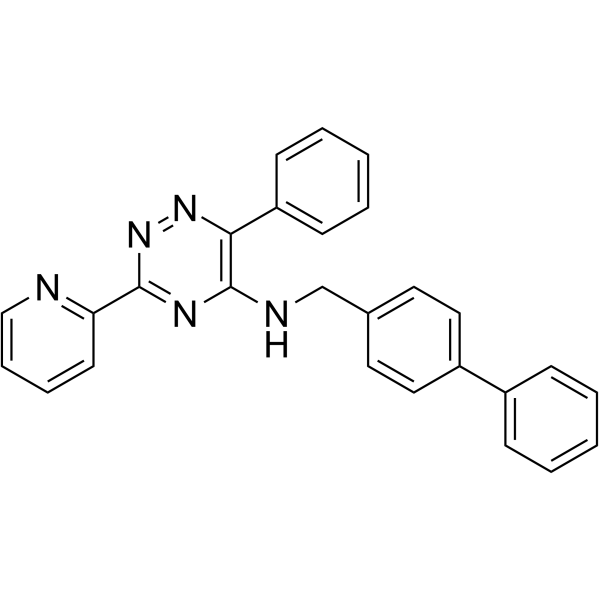
HY-12754
ML228HIF Activator -
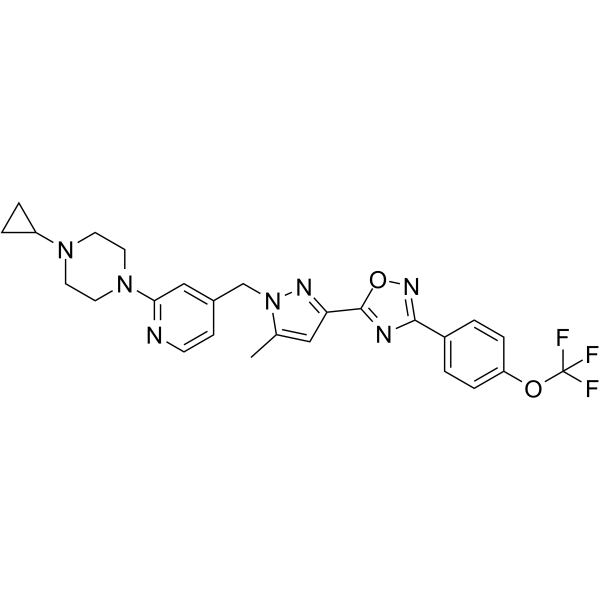
HY-15836
BAY 87-2243HIF-1 Inhibitor -
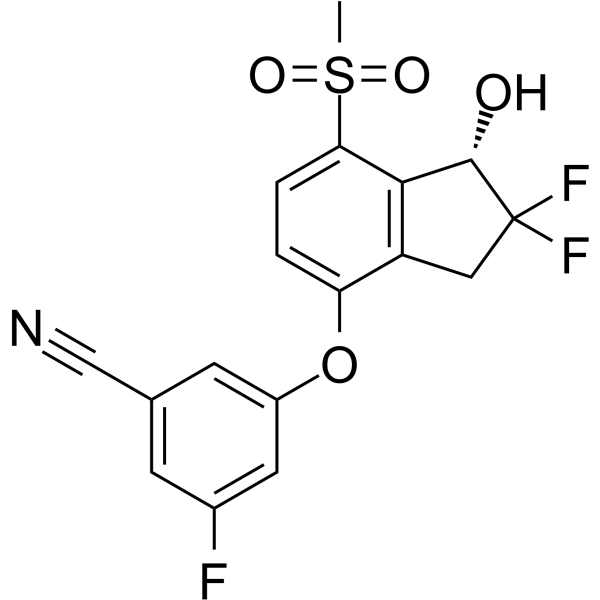
HY-12867
PT-2385HIF-2α Inhibitor -
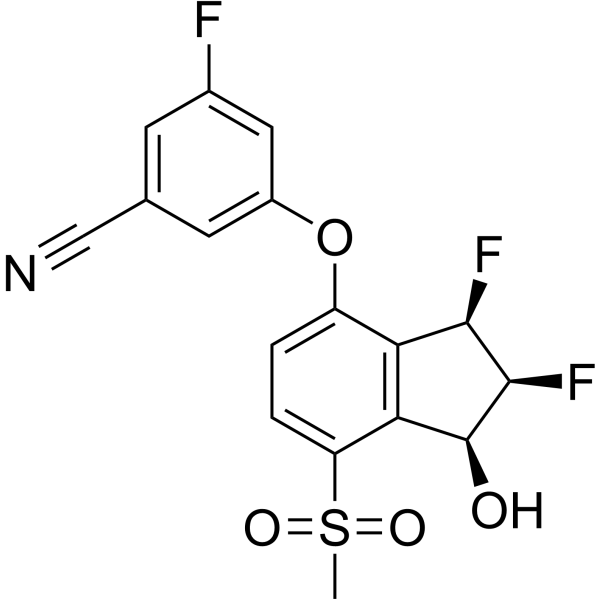
HY-125840
BelzutifanHIF-2α Inhibitor -
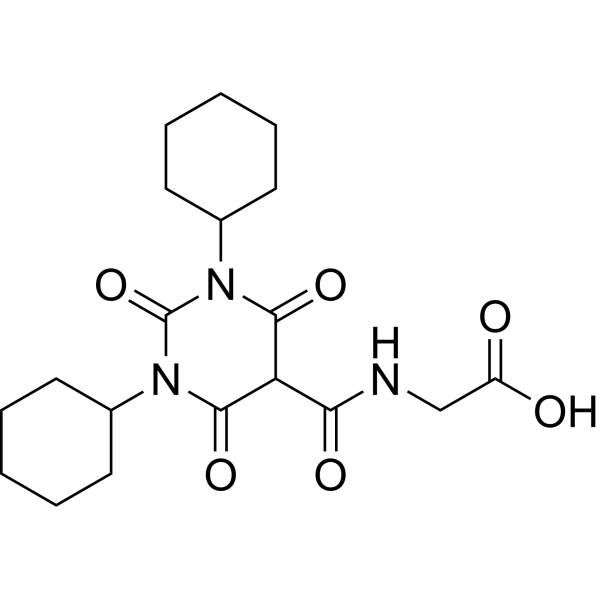
HY-17608
DaprodustatHIF-PH Inhibitor -
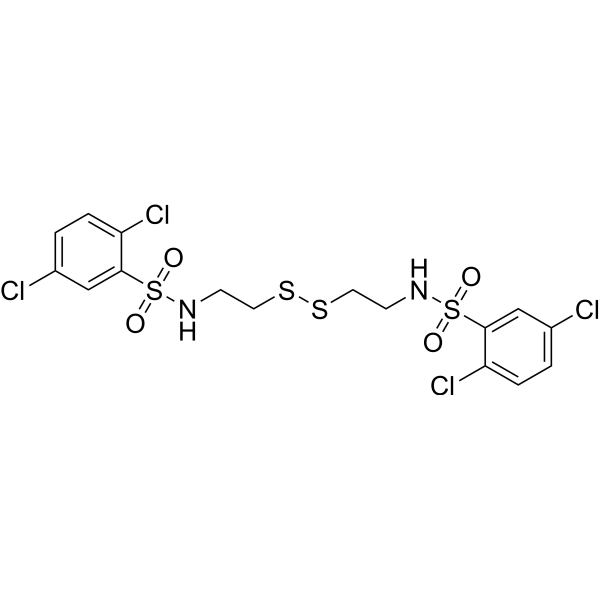
HY-18777
KC7F2HIF/HIF Prolyl-Hydroxylase Inhibitor -
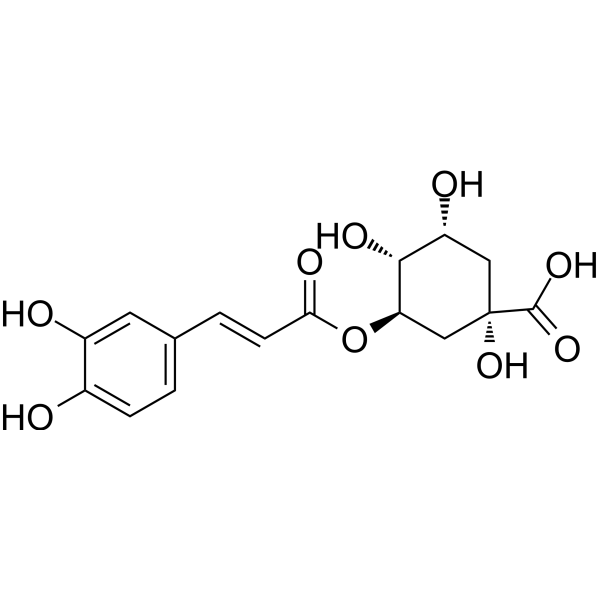
HY-N0055
Chlorogenic acidAntioxidant -
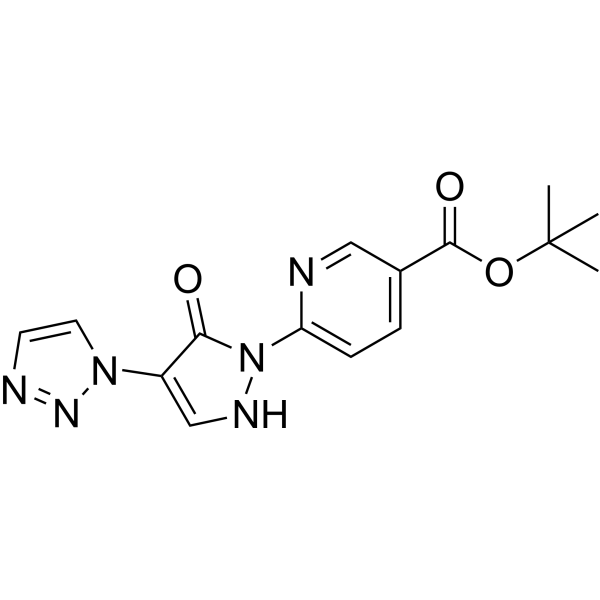
HY-120110
IOX4PHD2 Inhibitor -
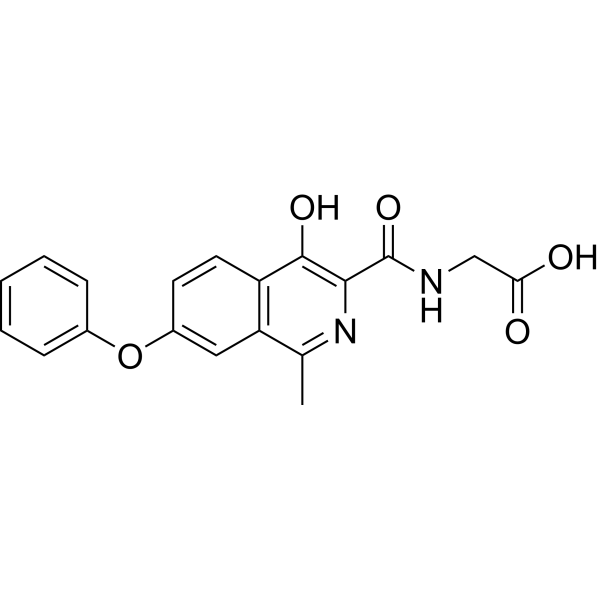
HY-13426
RoxadustatHIF-PH Inhibitor -
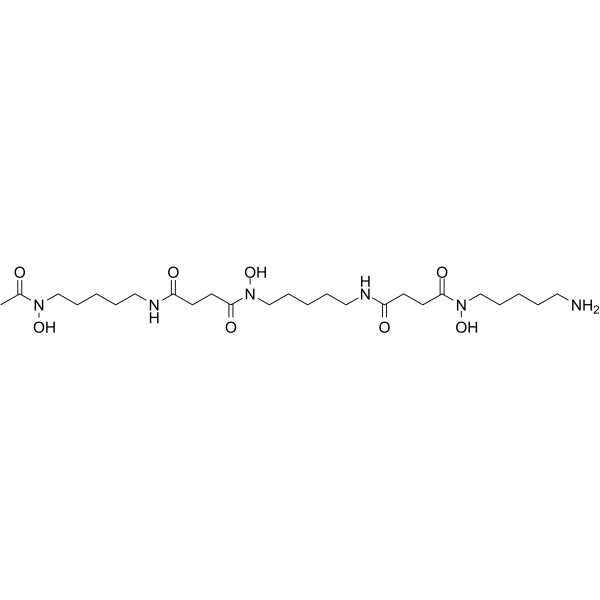
HY-B1625
DeferoxamineIron Chelator -
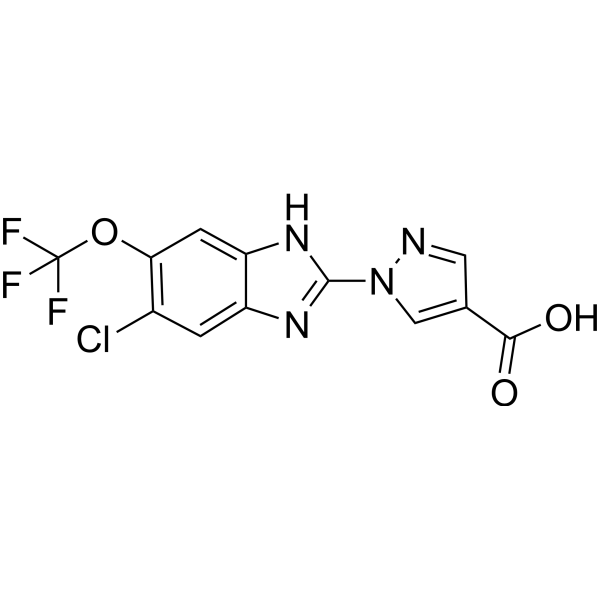
HY-12832
JNJ-42041935PHD Inhibitor


Product Information
Information
Application
The compound is the grade of analytical standard, which is the reference standard supplied assay. It is commonly used in qualitative, quantitative and methodological research experiments in HPLC, GC and MS.


Chemical Information
-
CAS No. 385786-48-1
-
Masse moléculaire 377.82
-
Formule C21H16ClN3O2
-
SMILES
OC1=C2N=CC=CC2=CC=C1C(C3=CC=C(Cl)C=C3)NC4=NC=CC=C4O
-
Livraison
Room temperature in continental US; may vary elsewhere.
-
Stockage
Please store the product under the recommended conditions in the Certificate of Analysis.


Pureté et documentation
Références
[1]. Neitemeier S, et, al. Inhibition of HIF-prolyl-4-hydroxylases prevents mitochondrial impairment and cell death in a model of neuronal oxytosis. Cell Death Dis. 2016 May 5;7(5):e2214. [Content Brief]
[2]. Aimé P, et al. The drug adaptaquin blocks ATF4/CHOP-dependent pro-death Trib3 induction and protects in cellular and mouse models of Parkinson's disease. Neurobiol Dis. 2020 Mar;136:104725. [Content Brief]
[3]. Karuppagounder SS, et al. Therapeutic targeting of oxygen-sensing prolyl hydroxylases abrogates ATF4-dependent neuronal death and improves outcomes after brain hemorrhage in several rodent models. Sci Transl Med. 2016 Mar 2;8(328):328ra29. [Content Brief]

Calculators
Concentration (start) × Volume (start) = Concentration (final) × Volume (final)


Adaptaquin (Standard) Related Classifications
HY-101449R Related Classifications
 Powered by Bioz