



Alagebrium chloride
Based on 7 publication(s) in Google Scholar
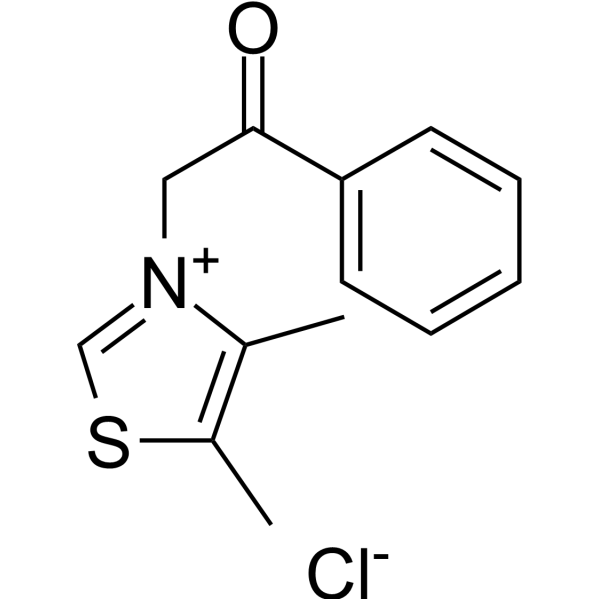
Alagebrium chloride (ALT711) is an advanced glycation end product (AGE) inhibitor.
Nur für Forschungszwecke. Wir verkaufen nicht an Patienten.
- Reinheit : 99.97%
- CAS. Nr.: 341028-37-3
- Formel: C13H14ClNOS
- Molecular Weight:267.78
-
Speicherung:
4°C, sealed storage, away from moisture
* In solvent : -80°C, 2 years; -20°C, 1 year (sealed storage, away from moisture)

To place orders, for customer services and technical support, please contact: MedChemExpress USA
Tel: 609-228-6898 E-mail: [email protected] [email protected]


-
 Biologische Aktivität
-
Chemical Information
-
Lösungsmittel & Löslichkeit
- Reinheit & Dokumentation
- Verweise
-
 Help & FAQs


-
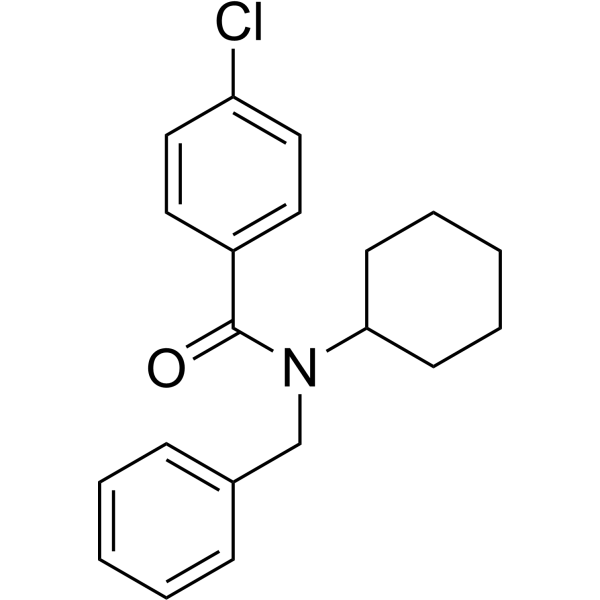
HY-19370
FPS-ZM1Amyloid-β Inhibitor -
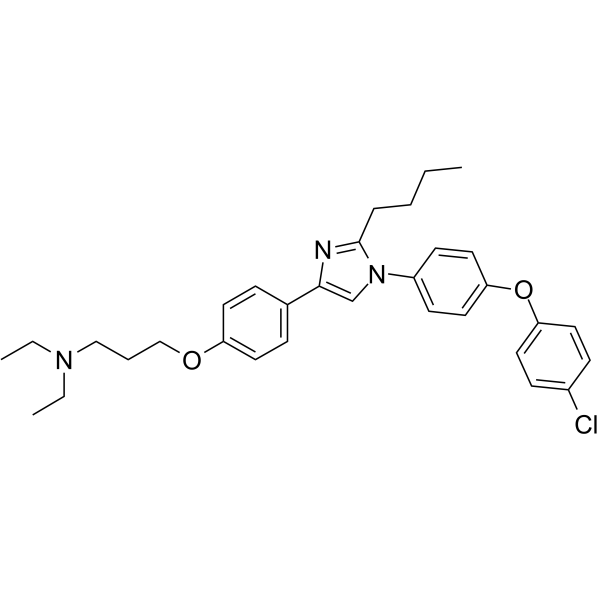
HY-50682
AzeliragonRAGE Inhibitor -
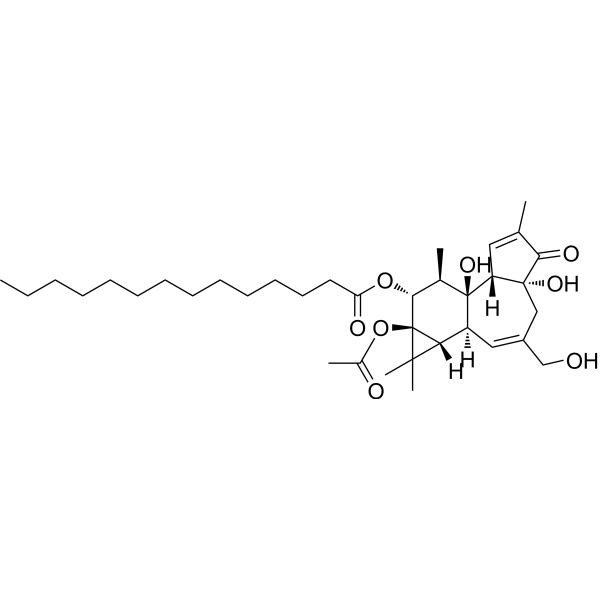
HY-18739
Phorbol 12-myristate 13-acetatePKC Activator -
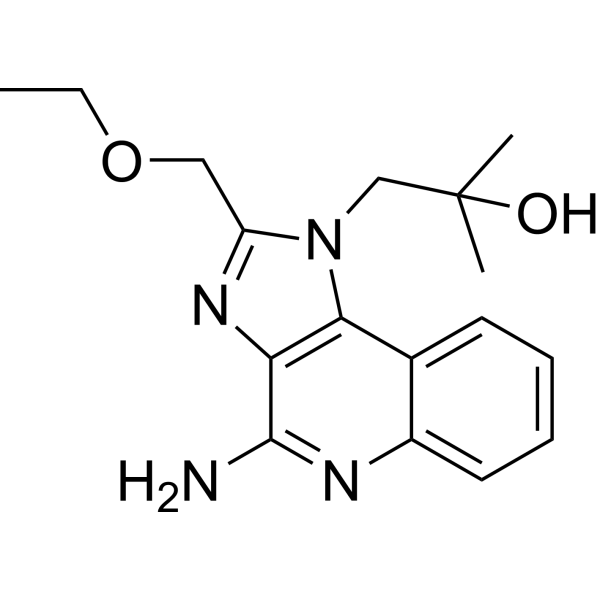
HY-13740
ResiquimodTLR7/8 Agonist -
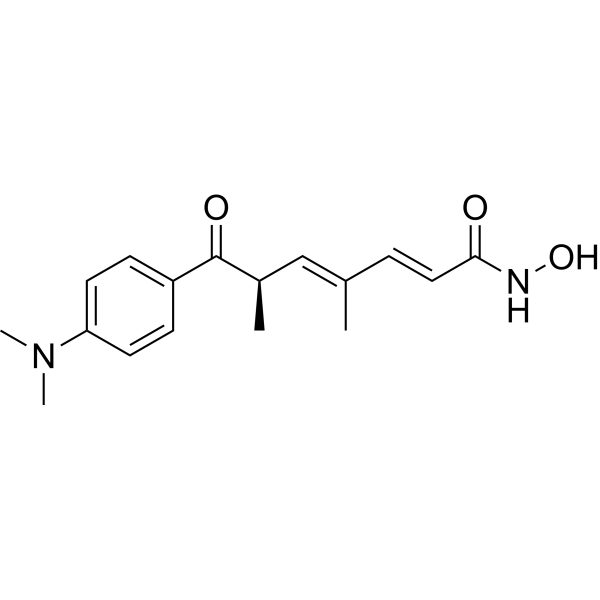
HY-15144
Trichostatin AHDAC Class I/II Inhibitor -
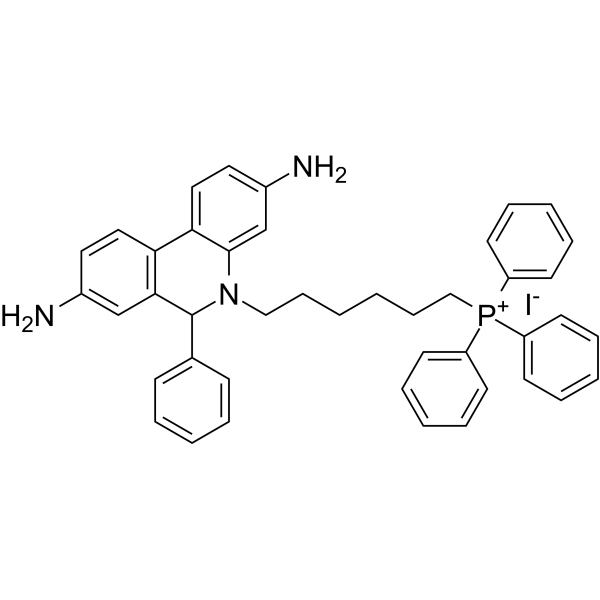
HY-D1055
MitoSOX RedMitochondrial ROS Indicator -
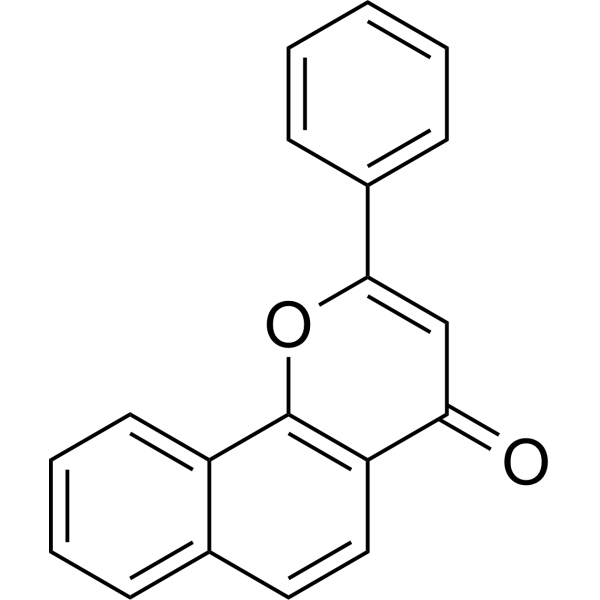
HY-125833
Alpha-NaphthoflavoneAromatase Inhibitor -
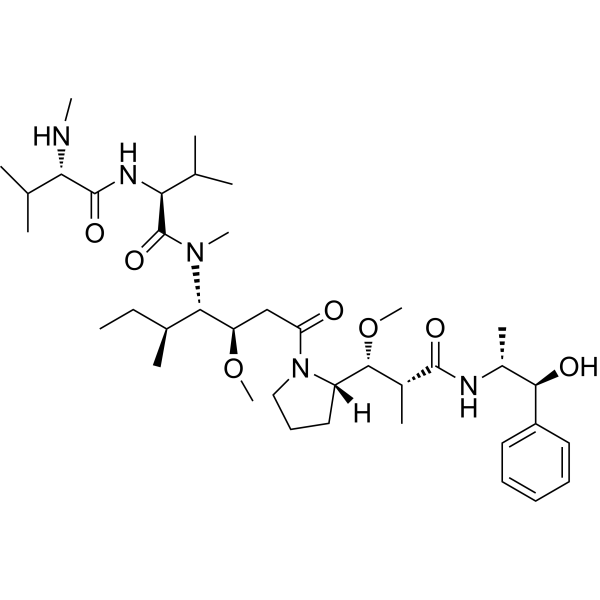
HY-15162
Monomethyl auristatin EAntimitotic Agent -
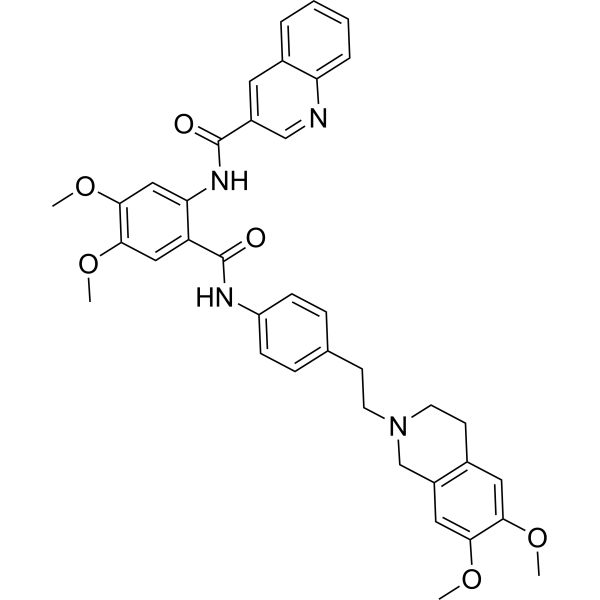
HY-10550
TariquidarP-gp Inhibitor -
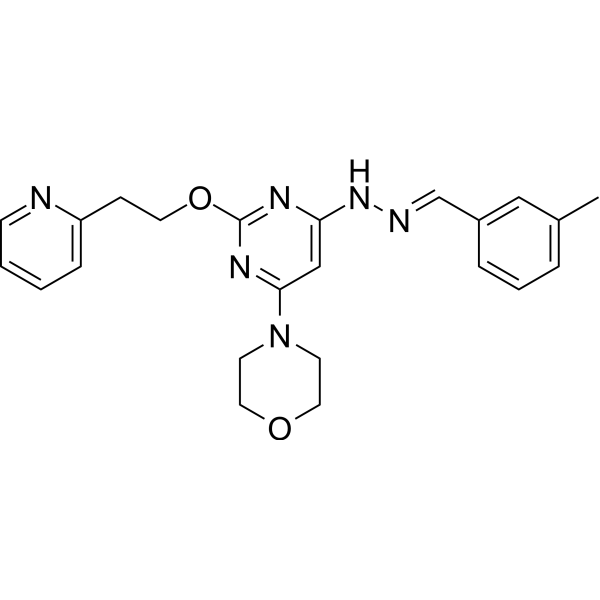
HY-14644
ApilimodIL-12/IL-23 Inhibitor -
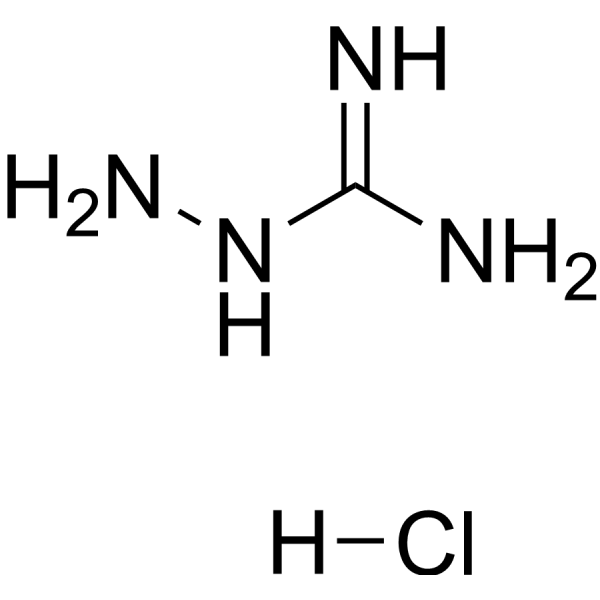
HY-B1041
Aminoguanidine hydrochlorideDiamine Oxidase/NO Synthase Inhibitor -
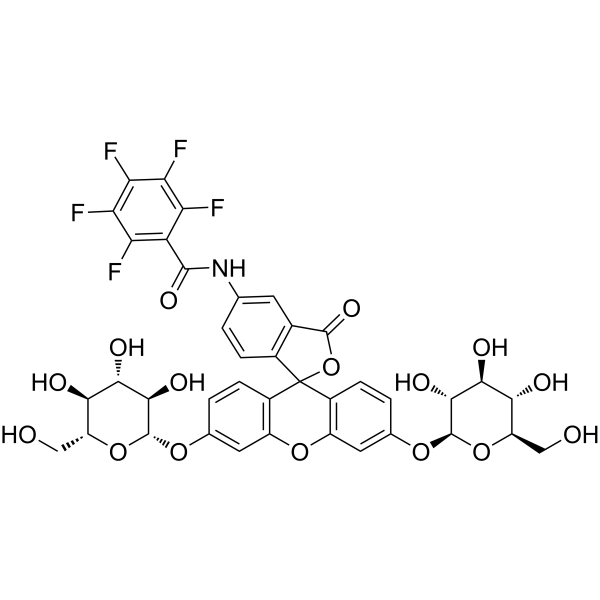
HY-139452
PFB-FDGluGCase Substrate
Publications Citing Use of MedChemExpress (MCE) Alagebrium chloride
More- Biomaterials. 2026 Jan:324:123504. [Abstract]
- Mol Med. 2025 Jan 18;31(1):15. [Abstract]
- Free Radic Biol Med. 2025 Nov 21:243:245-259. [Abstract]
- J Phys Chem C. 2025 Jul 15.
- Arch Oral Biol. 2026 Sep 20:192:106768.
- Am J Transl Res. 2019 Mar 15;11(3):1569-1580. [Abstract]
- Cell Biomater. 2025 Aug 26:100186. [Abstract]
 Customer Validation & Images

-
WB

-
Cell Proliferation/Viability Assay

-
WB

-
Cell Migration/Invasion Assay

-
RT-PCR

Alle Endogenous Metabolite Isoform-spezifische Produkte anzeigen
More

Biologische Aktivität
Beschreibung
IC50 & Target
AGE[1]
In Vitro
Alagebrium chloride is an advanced glycation end product (AGE) inhibitor. Endothelial cell (EC) proliferation is increased for all groups receiving Alagebrium (ALT-711), particularly when seeded on matrix from the AAo of obese (ZO) and diabetic (ZD) rats[2].
MedChemExpress (MCE) has not independently confirmed the accuracy of these methods. They are for reference only.
In Vivo
MedChemExpress (MCE) has not independently confirmed the accuracy of these methods. They are for reference only.
Clinical Trial
| NCT Number | Sponsor | Condition | Start Date |
Phase

|
|---|---|---|---|---|
| NCT01329991 | Plexxikon| | 2011-05 | PHASE1 |


Chemical Information
-
CAS. Nr. 341028-37-3
-
Appearance Solid
-
Molecular Weight 267.78
-
Formel C13H14ClNOS
-
Color White to off-white
-
SMILES
O=C(C1=CC=CC=C1)C[N+]2=CSC(C)=C2C.[Cl-]
-
Synonyms
ALT711
-
Versand
Room temperature in continental US; may vary elsewhere.
-
Speicherung
4°C, sealed storage, away from moisture
* In solvent : -80°C, 2 years; -20°C, 1 year (sealed storage, away from moisture)


Publications (7)
-
Journal Impact Factor
-
Most Recent
-
Biomaterials
Extracellular matrix glycation epigenetically regulates brain aging and neurodegeneration in the in vitro aged neurovascular model. [Abstract]2026 Jan:324:123504. PMID: 40543324
Alagebrium chloride purchased from MedChemExpress. Usage Cited in: Biomaterials. 2026 Jan:324:123504. [Abstract]
Alagebrium chloride (ALT-711; ALT; 100 μM; 3 days) suppressed RAGE expression in both neurons and bECs in the aged NV model with Aβ treatment.
Alagebrium chloride purchased from MedChemExpress. Usage Cited in: Biomaterials. 2026 Jan:324:123504. [Abstract]
Alagebrium chloride (ALT-711; ALT; 100 μM; 3 days) recovered neuronal cell viability under aged conditions.
-
Mol Med
D-mannose promotes diabetic wound healing through inhibiting advanced glycation end products formation in keratinocytes. [Abstract]2025 Jan 18;31(1):15. PMID: 39827347
Alagebrium chloride purchased from MedChemExpress. Usage Cited in: Mol Med. 2025 Jan 18;31(1):15. [Abstract]
Alagebrium chloride (ALT711; 10 μM; ahead 2 h; 24-48 h) decreased the protein expression of p-AMPK, Nrf2, and HO-1, could eliminate the differences between D-mannose treated or untreated high-glucose-induced NHEK in NHEK cells.
Alagebrium chloride purchased from MedChemExpress. Usage Cited in: Mol Med. 2025 Jan 18;31(1):15. [Abstract]
Alagebrium chloride (ALT711; 10 μM; 48 h) recovered high-glucose and D-mannose-induced cell migration in NHEK cells.
Alagebrium chloride purchased from MedChemExpress. Usage Cited in: Mol Med. 2025 Jan 18;31(1):15. [Abstract]
Alagebrium chloride (ALT711; 10 μM) recovered high-glucose and D-mannose-inhibited mRNA expression of involucrin, Loricrin, and filaggrin in NHEK cells.

Alagebrium chloride purchased from MedChemExpress. Usage Cited in: Mol Med. 2025 Jan 18;31(1):15. [Abstract]
Alagebrium chloride (ALT711; 10 μM) decreased high-glucose and D-mannose-induced mRNA expression of TNF-α and IL-8 in NHEK cells.
-
Free Radic Biol Med
APOE4 impairs Nrf2-PINK1/Parkin-dependent mitochondrial clearance through disrupted antioxidant and mitophagy signaling. [Abstract]2025 Nov 21:243:245-259. PMID: 41275935 -
-
-
Am J Transl Res
Alagebrium targets the miR-27b/TSP-1 signaling pathway to rescue Nε-carboxymethyl-lysine-induced endothelial dysfunction. [Abstract]2019 Mar 15;11(3):1569-1580. PMID: 30972183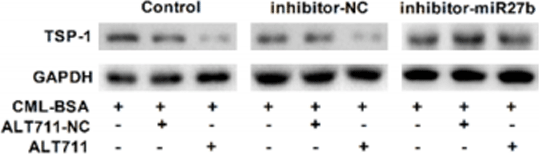
Alagebrium chloride purchased from MedChemExpress. Usage Cited in: Am J Transl Res. 2019 Mar 15;11(3):1569-1580. [Abstract]
Western blotting analysis of TSP-1 protein expression, and results show that TSP-1 expression in HUVECs treated with ALT-711 under CML-BSA condition is enhanced by miR-27b inhibitor.
-
Cell Biomater
Diabetic hyperglycemia-induced glycation regulates tumor vasculature integrity via NF-κB-mediated GM-CSF secretion by tumor cells. [Abstract]2025 Aug 26:100186. PMID: 41058997


Lösungsmittel & Löslichkeit
In Vitro:
H2O : 50 mg/mL (186.72 mM; Need ultrasonic)
DMSO : ≥ 25 mg/mL (93.36 mM; Hygroscopic DMSO has a significant impact on the solubility of product, please use newly opened DMSO)
* "≥" means soluble, but saturation unknown.
Please refer to the solubility information to select the appropriate solvent. Once prepared, please aliquot and store the solution to prevent product inactivation from repeated freeze-thaw cycles.
Storage method and period of stock solution: -80°C, 2 years; -20°C, 1 year (sealed storage, away from moisture). When stored at -80°C, please use it within 2 years. When stored at -20°C, please use it within 1 year.
* Note: If you choose water as the stock solution, please dilute it to the working solution, then filter and sterilize it with a 0.22 μm filter before use.
Please refer to the solubility information to select the appropriate solvent. Once prepared, please aliquot and store the solution to prevent product inactivation from repeated freeze-thaw cycles.
Storage method and period of stock solution: -80°C, 2 years; -20°C, 1 year (sealed storage, away from moisture). When stored at -80°C, please use it within 2 years. When stored at -20°C, please use it within 1 year.
* Note: If you choose water as the stock solution, please dilute it to the working solution, then filter and sterilize it with a 0.22 μm filter before use.
Konzentration (Stammlösung) × Volumen (Stammlösung) = Konzentration (Ziellösung) × Volumen (Ziellösung)
In Vivo:
Select the appropriate dissolution method based on your experimental animal and administration route.
- For the following dissolution methods, please ensure to first prepare a clear stock solution using an In Vitro approach and then sequentially add co-solvents:
- To ensure reliable experimental results, the clarified stock solution can be appropriately stored based on storage conditions. As for the working solution for In Vivo experiments, it is recommended to prepare freshly and use it on the same day.
- The percentages shown for the solvents indicate their volumetric ratio in the final prepared solution. If precipitation or phase separation occurs during preparation, heat and/or sonication can be used to aid dissolution.
Add each solvent one by one: 10% DMSO 90% (20% SBE-β-CD in Saline)
Solubility: ≥ 2.5 mg/mL (9.34 mM); Clear solution
This protocol yields a clear solution of ≥ 2.5 mg/mL (saturation unknown).
Taking 1 mL working solution as an example, add 100 μL DMSO stock solution (25.0 mg/mL) to 900 μL 20% SBE-β-CD in Saline, and mix evenly.
Preparation of 20% SBE-β-CD in Saline (4°C, storage for one week): 2 g SBE-β-CD powder is dissolved in 10 mL Saline, completely dissolve until clear.
For the following dissolution methods, please prepare the working solution directly:
It is recommended to prepare fresh solutions and use them promptly within a short period of time.
The percentages shown for the solvents indicate their volumetric ratio in the final prepared solution. If precipitation or phase separation occurs during preparation, heat and/or sonication can be used to aid dissolution.
Add each solvent one by one: PBS
Solubility: 100 mg/mL (373.44 mM); Clear solution; Need ultrasonic
In Vivo Dissolution Calculator
Please enter the basic information of animal experiments:
-
-
-
-
Recommended: Prepare an additional quantity of animals to account for potential losses during experiments.
Working solution concentration: 0.22 mg/mL
This product has good water solubility, please refer to the measured solubility data in water/PBS/Saline for details.


Reinheit & Dokumentation
-
Data Sheet (305 KB)
-
SDS (394 KB)
- English - EN (394 KB)
- Français - FR (394 KB)
- Deutsch - DE (394 KB)
- Norwegian - NO (394 KB)
- Español - ES (394 KB)
- Swedish - SV (394 KB)
- Italian - IT (394 KB)
- Korean - KR (394 KB)
- Portuguese - PT (394 KB)
-
Handling Instructions (2659 KB)
Verweise
[1]. Watson AM, et al. Alagebrium reduces glomerular fibrogenesis and inflammation beyond preventing RAGEactivation in diabetic apolipoprotein E knockout mice. Diabetes. 2012 Aug;61(8):2105-13. [Content Brief]
[2]. Wang H, et al. Alagebrium inhibits neointimal hyperplasia and restores distributions of wall shear stress by reducing downstream vascular resistance in obese and diabetic rats. Am J Physiol Heart Circ Physiol. 2015 Oct;309(7):H1130-40. [Content Brief]


Complete Stock Solution Preparation Table
Please refer to the solubility information to select the appropriate solvent. Once prepared, please aliquot and store the solution to prevent product inactivation from repeated freeze-thaw cycles.
Storage method and period of stock solution: -80°C, 2 years; -20°C, 1 year (sealed storage, away from moisture). When stored at -80°C, please use it within 2 years. When stored at -20°C, please use it within 1 year.
| Optional Solvent | Concentration Solvent Mass | 1 mg | 5 mg | 10 mg | 25 mg |
|---|---|---|---|---|---|
| DMSO / H2O | 1 mM | 3.7344 mL | 18.6720 mL | 37.3441 mL | 93.3602 mL |
| 5 mM | 0.7469 mL | 3.7344 mL | 7.4688 mL | 18.6720 mL | |
| 10 mM | 0.3734 mL | 1.8672 mL | 3.7344 mL | 9.3360 mL | |
| 15 mM | 0.2490 mL | 1.2448 mL | 2.4896 mL | 6.2240 mL | |
| 20 mM | 0.1867 mL | 0.9336 mL | 1.8672 mL | 4.6680 mL | |
| 25 mM | 0.1494 mL | 0.7469 mL | 1.4938 mL | 3.7344 mL | |
| 30 mM | 0.1245 mL | 0.6224 mL | 1.2448 mL | 3.1120 mL | |
| 40 mM | 0.0934 mL | 0.4668 mL | 0.9336 mL | 2.3340 mL | |
| 50 mM | 0.0747 mL | 0.3734 mL | 0.7469 mL | 1.8672 mL | |
| 60 mM | 0.0622 mL | 0.3112 mL | 0.6224 mL | 1.5560 mL | |
| 80 mM | 0.0467 mL | 0.2334 mL | 0.4668 mL | 1.1670 mL | |
| H2O | 100 mM | 0.0373 mL | 0.1867 mL | 0.3734 mL | 0.9336 mL |
* Note: If you choose water as the stock solution, please dilute it to the working solution, then filter and sterilize it with a 0.22 μm filter before use.


Alagebrium chloride Related Classifications
HY-106024B Related Classifications
 Powered by Bioz